Sports Watches
Garmin Epix Pro Long-Term Review: The Best Sports Watch You Can Buy, For a Price
A full year with the Garmin Epix Pro 51mm: brilliant AMOLED display, standout battery life, and where cheaper alternatives still make more sense.
Introduction
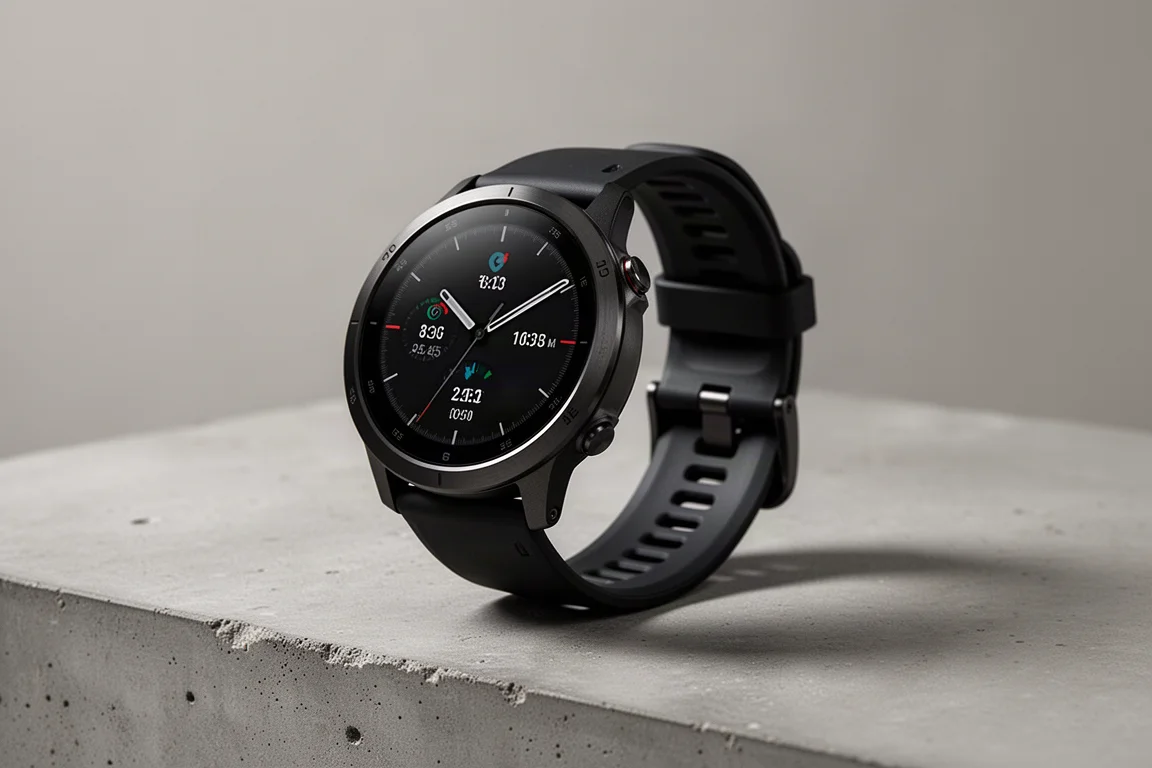
The Garmin Epix Pro launched in May 2023 as Garmin’s flagship AMOLED sports watch, and after living with one for most of the past twelve months, through a full London Marathon training block and an 80km ultramarathon, it has earned a long-term verdict. The short version: if you do not mind the size or the price, the 51mm Epix Pro is arguably the best sports watch on the market right now. The longer version involves some very real trade-offs, and some cheaper watches that get you most of the way there.
Design and Display
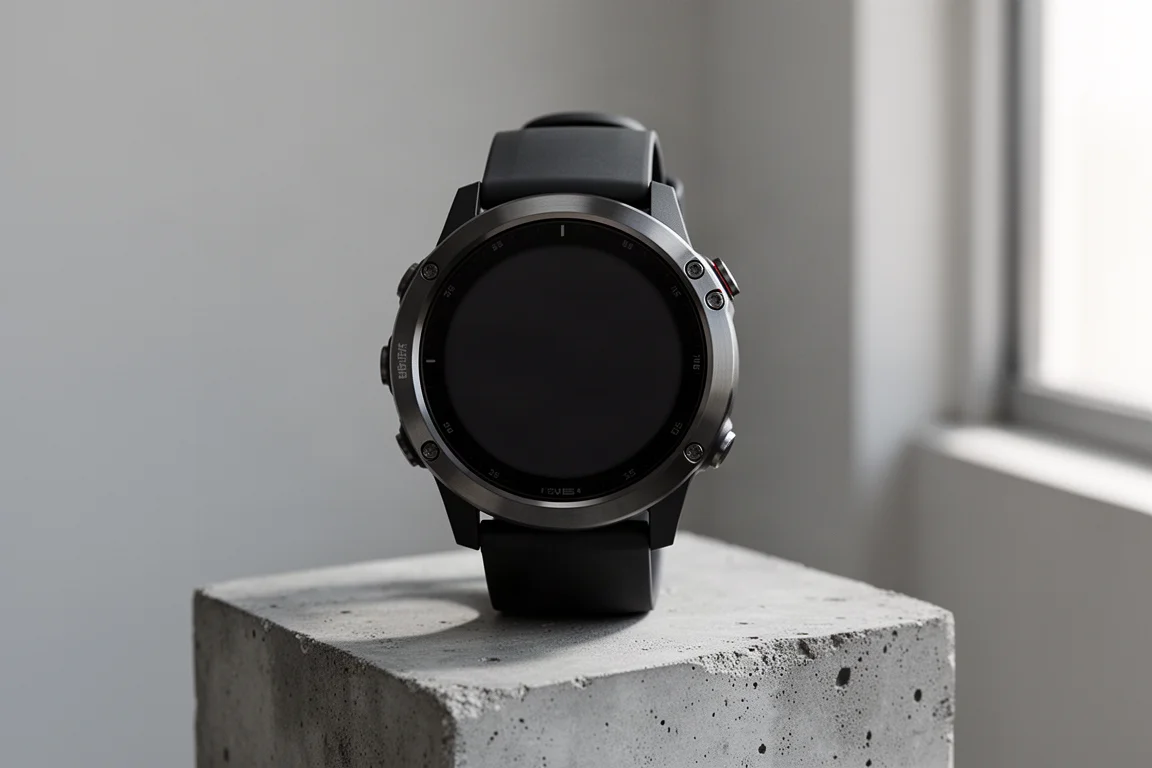
The Epix Pro comes in three sizes: 42mm, 47mm and the 51mm model tested here, with AMOLED touchscreens ranging from 1.2 to 1.4 inches. All models use Garmin’s classic five-button layout and include a built-in flashlight. Steel models with Corning Gorilla Glass sit below titanium models with sapphire crystal screens, with the metal used on the bezel and case back. Waterproofing is rated to 10 ATM, and sensors include the latest Elevate heart rate sensor, an ECG feature (currently US only), multiband GPS, altimeter, compass and pulse oximeter.
Despite its bulk, the 51mm watch has been surprisingly easy to live with. It is notably bigger than rivals like the Polar Grit X2 Pro or the Garmin Enduro, and lighter, slimmer options exist in Garmin’s own range, but it remained comfortable enough to sleep in for a full year. The touchscreen is snappy and responsive, and the buttons handle everything when conditions turn cold or wet. The flashlight, a key differentiator over the standard Epix 2, proved genuinely useful for moving around the house at night and for anyone spending time outdoors after dark.
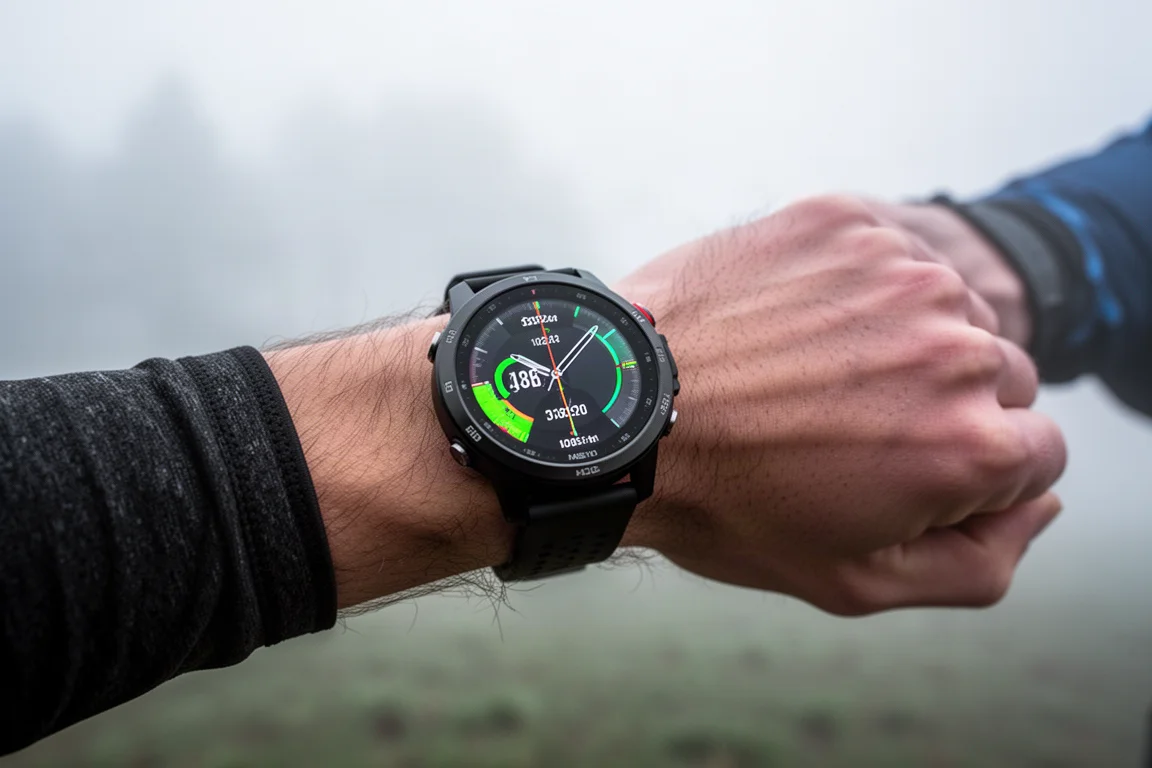
The AMOLED panel is the headline feature separating this from the Fenix and Enduro lines. It is very bright, easy to read indoors, under tree cover and in dappled light, and it holds up well even in direct sun, where it matches the classic LCD screens while beating them in most other conditions.
Sports Tracking and Training Analysis
Sports tracking is as comprehensive and polished as you would expect from a top-tier Garmin. You can customise data screens to show up to eight stats at once, access every sport mode you could want including a track mode for running, and build structured workouts either in Garmin Connect or directly on the watch. Over a full year of varied training, there was never a point where the watch could not do something asked of it.
The training analysis goes further than most people will ever need. Newer metrics like Hill Score and Endurance Score proved genuinely useful during a marathon block, with the Endurance Score visibly climbing as mileage and long-run intensity ramped up. Race predictions and VO2 Max estimates are on board, and the VO2 Max figure has tracked closely with a proper gas exchange test, which is more than can be said for the race predictor. Training Readiness is useful as a trend, though its accuracy is undermined by the sleep tracking, discussed below.
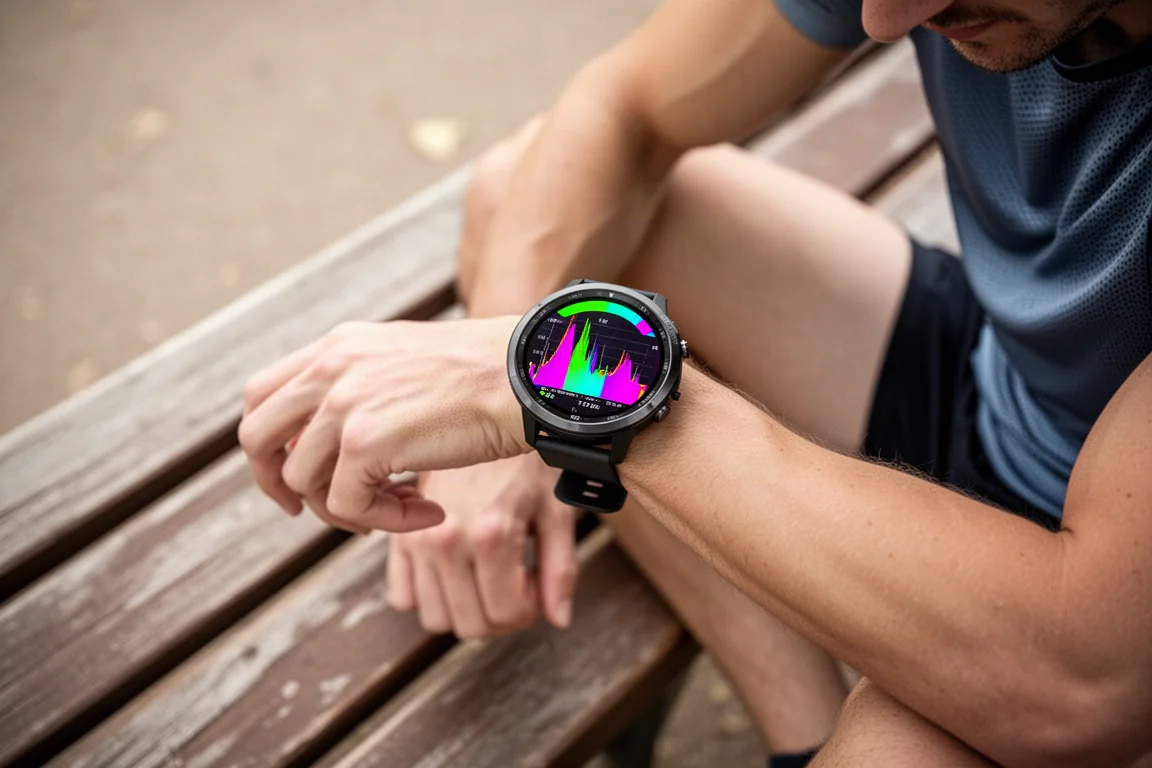
As with all top Garmins, the depth is there if you want it and easy to ignore if you do not. That balance is what makes the platform work for both data obsessives and runners who mostly go on feel.
GPS Accuracy
Tested against essentially every top multiband watch available, Garmin’s GPS accuracy here is as good as or better than anything else on the market. Only watches like the Suunto Race, Suunto Vertical and Coros Vertix 2 match it, and the Apple Watch Ultra comes close, while the Polar Grit X trails slightly. Under tree cover it is excellent, and pacing is steady and reliable, with none of the sudden catastrophic GPS errors that occasionally plague other watches.
No watch is infallible, and tall city skyscrapers during events like the London Marathon still produced some inaccuracy. But in a full year of use, there was not a single complete GPS failure, which speaks to a platform that has been polished for years.
Heart Rate Accuracy
The latest Elevate optical sensor is one of the better optical heart rate trackers on the market. During the London Marathon, run without a chest strap, the watch tracked heart rate in line with what chest strap training had shown all block. Still, one or two bad optical readings can throw out weeks of training analysis, so an external chest strap or armband, connectable over Bluetooth and ANT+, remains the safer choice for structured training.
Battery Life
Battery life is where the 51mm Epix Pro earns its keep. With the screen always on, multiband GPS, notifications and vibration in use, it delivered 9 to 10 days per charge, including the deepest weeks of marathon training at around 125km per week. That is roughly double the next size down and the best battery life seen on any AMOLED sports watch. During an 8-hour ultramarathon in multiband mode, it dropped from 97 percent to 79 percent, beating Garmin’s own estimate. Playing music will bring those figures down considerably.
The 47mm model, by comparison, managed 4 to 5 days, in line with the original Epix 2. That is respectable for a big AMOLED watch, but the 51mm is the clear battery pick, and you pay a meaningful price premium for it.
Maps and Navigation
Navigation is where Garmin remains well ahead of other brands, and the AMOLED screen makes these the easiest-to-read maps on any Garmin. The maps are routable, so the watch recalculates if you stray off a route, and you can create routes on the fly or navigate back to your start point. ClimbPro breaks out every climb and descent on a route, showing distance and elevation remaining so you can pace efforts on ascents. The only other Garmin AMOLED watches with maps are the Epix 2 and the Forerunner 965, and none offer anything extra beyond what is here.
Smart Features and Daily Use
This is not a full smartwatch, but it is the most capable sports watch in smart terms. Music storage works with Spotify, Amazon Music and Deezer premium accounts, Garmin Pay covers NFC payments (with limited UK bank support, though workarounds exist), and the Connect IQ store is limited but useful, with a gym barcode app being a perennial favourite. Activity tracking is solid, with adaptive step targets and a recovery advisor that sensibly factors in how active the rest of your day was.
Two caveats stand out. Garmin’s calorie counts read low because the baseline is set too conservatively, so do not judge fuelling by them. And sleep tracking, as with most Garmins, overestimates time asleep and missed overnight wake-ups during testing, which in turn softens trust in Training Readiness. Both are worth knowing about rather than dealbreakers.
Verdict: The Best Sports Watch, If Size and Price Do Not Matter
If you can live with a big watch on your wrist and a flagship price tag, the 51mm Epix Pro is the best sports watch tested this year. GPS is excellent, tracking is very good, navigation is class-leading, and the smart features cover the essentials. The standout over every other AMOLED option is the battery life. But money usually matters, and Garmin’s own range plus a few rivals offer genuinely better value, as the comparisons below show.
How It Compares
Garmin Forerunner 965
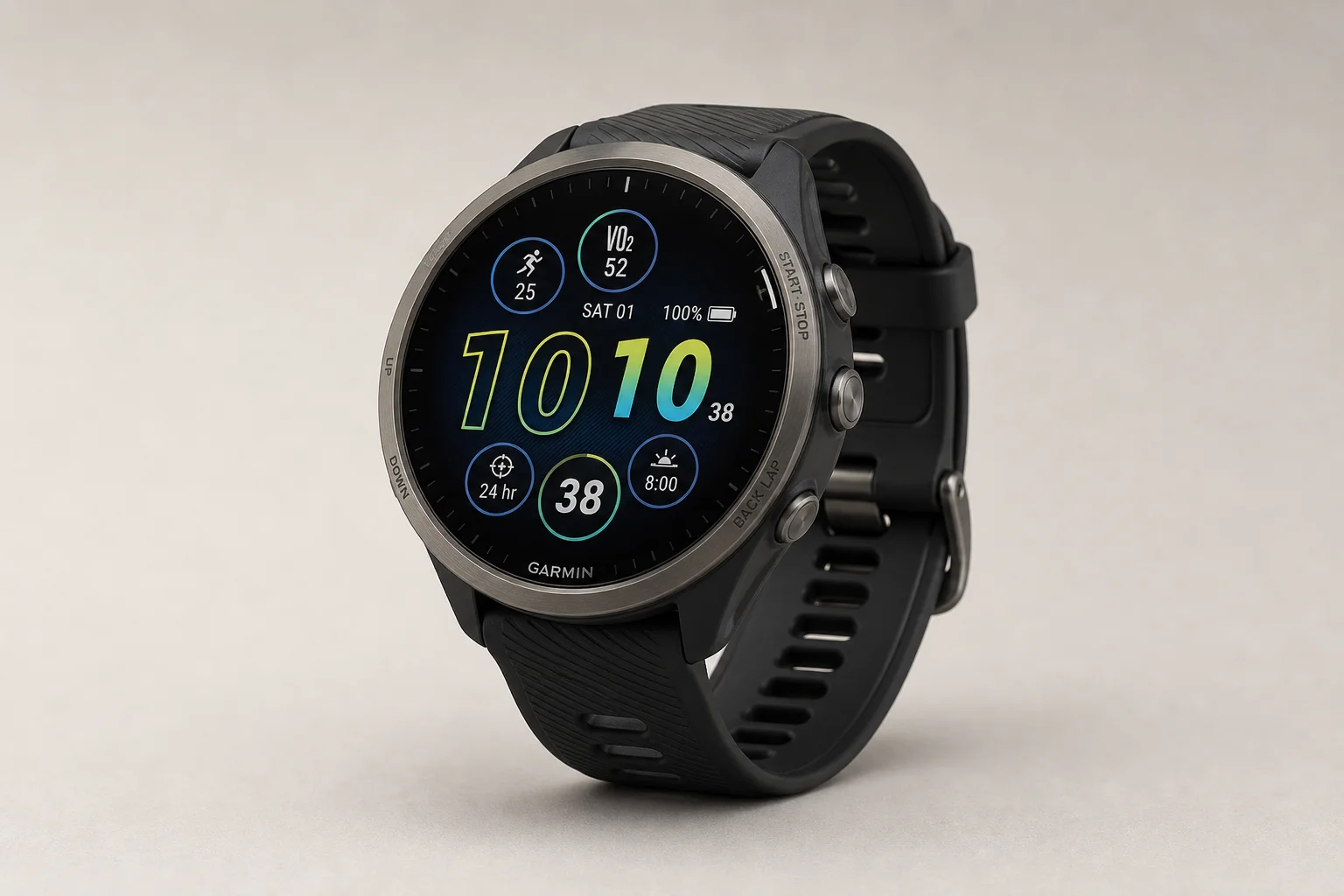
The Forerunner 965 is the strongest value alternative in Garmin’s line. It is lighter, slimmer and a little more comfortable, yet it has the same size screen as the 51mm Epix Pro, around 7 days of battery life, the same gorgeous AMOLED display and all of Garmin’s top software features. You give up the flashlight and the newest heart rate sensor, both arguably nice-to-haves. The one real concern is durability: the screen scratched easily during testing, so pair it with a screen protector and it becomes the watch many runners should buy over the Epix Pro.
Garmin Epix 2
The Epix 2 received nearly all of the Pro’s new software features, including Hill Score and Endurance Score, plus the bright AMOLED screen and full maps, in the more rugged body the Forerunner 965 lacks. You miss the flashlight and latest sensor, and you need a sapphire model for multiband GPS. Crucially, it is often available at a discount, making it the better value pick, though no 51mm version exists so that big battery bump is off the table. Expect a reliable 4 to 5 days per charge.
Apple Watch Ultra 2
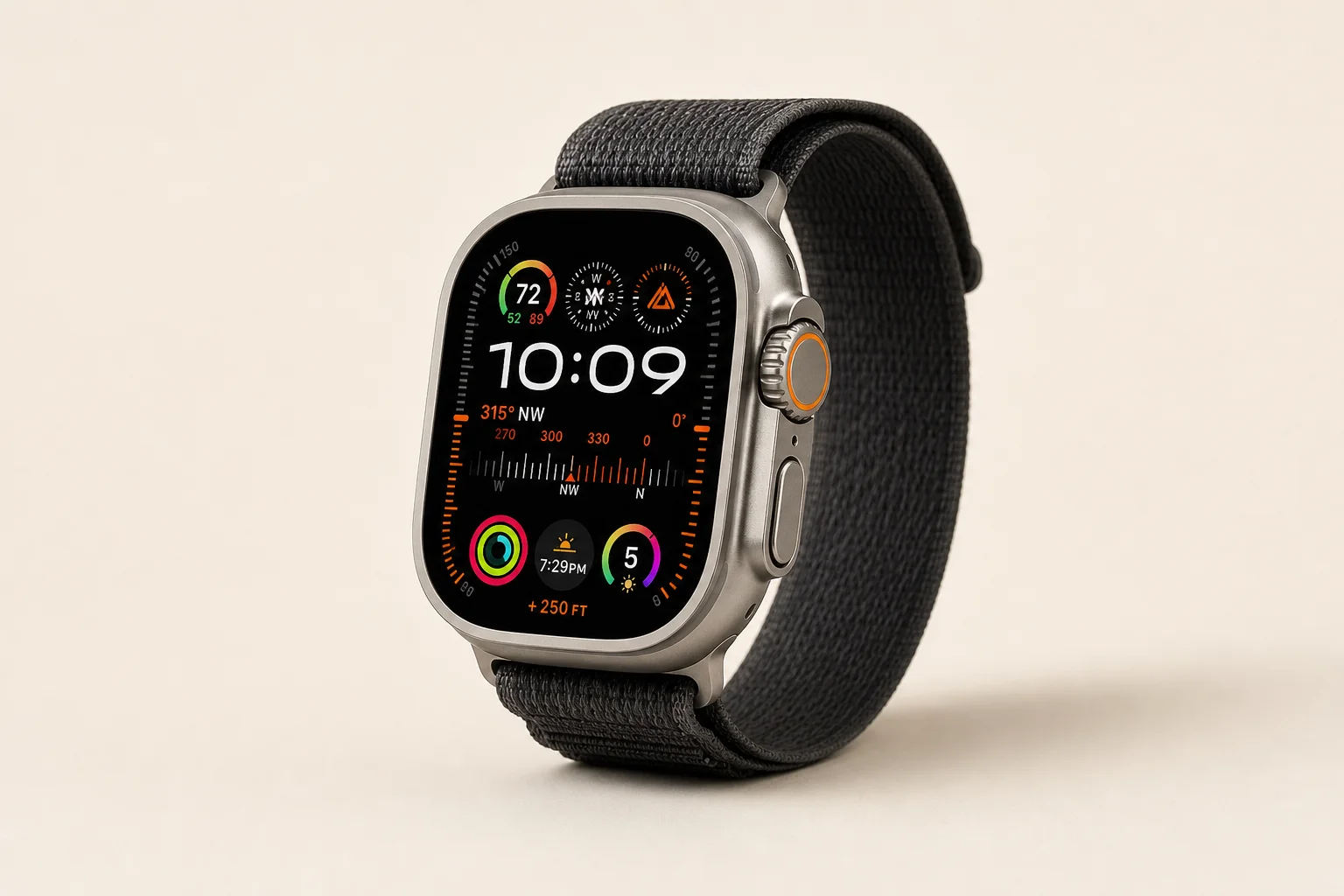
Worn back-to-back with the Epix Pro throughout a full marathon training block, the comparison broke down as expected. The Epix Pro is the better sports watch, with roughly five times the battery life, better training analysis, slightly better GPS and stronger native maps. The Apple Watch Ultra 2 is the better smartwatch, with a superb app store, and its design remains a draw. Even with third-party training apps, the hardware limits what they can measure. If you lean smartwatch-first but run seriously, it still does a very good job.
Garmin Fenix 7 Pro and Garmin Enduro 2
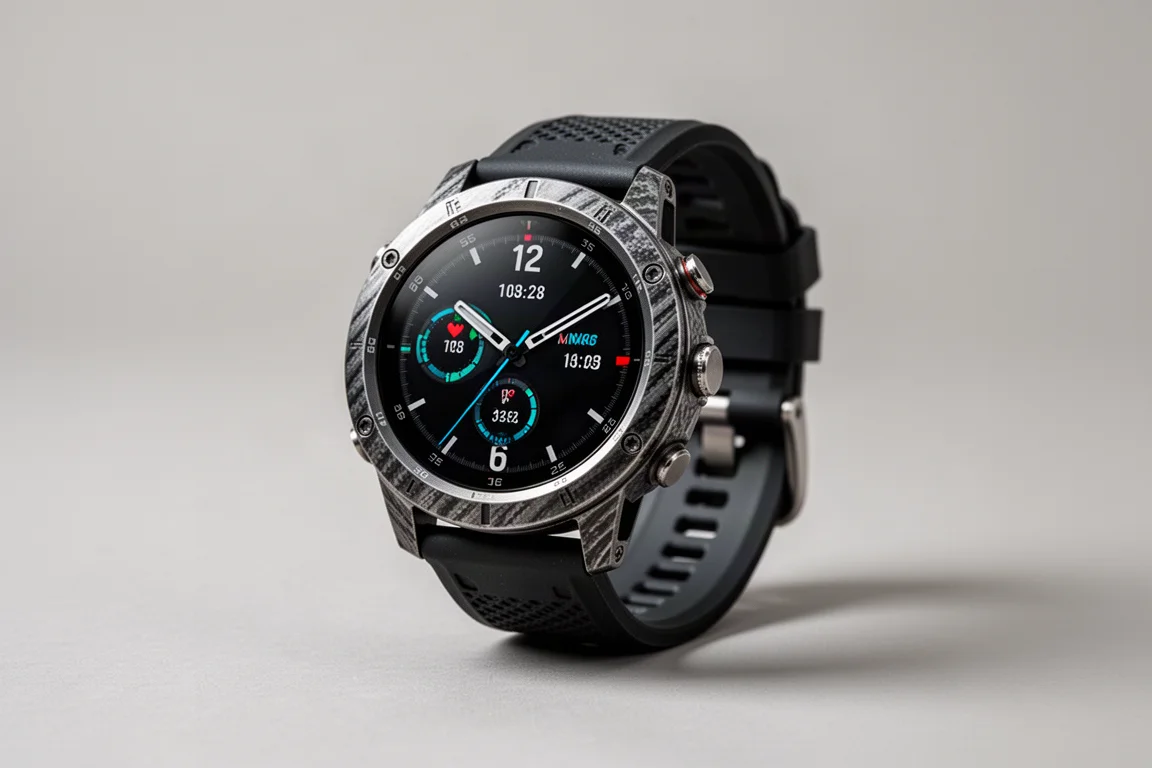
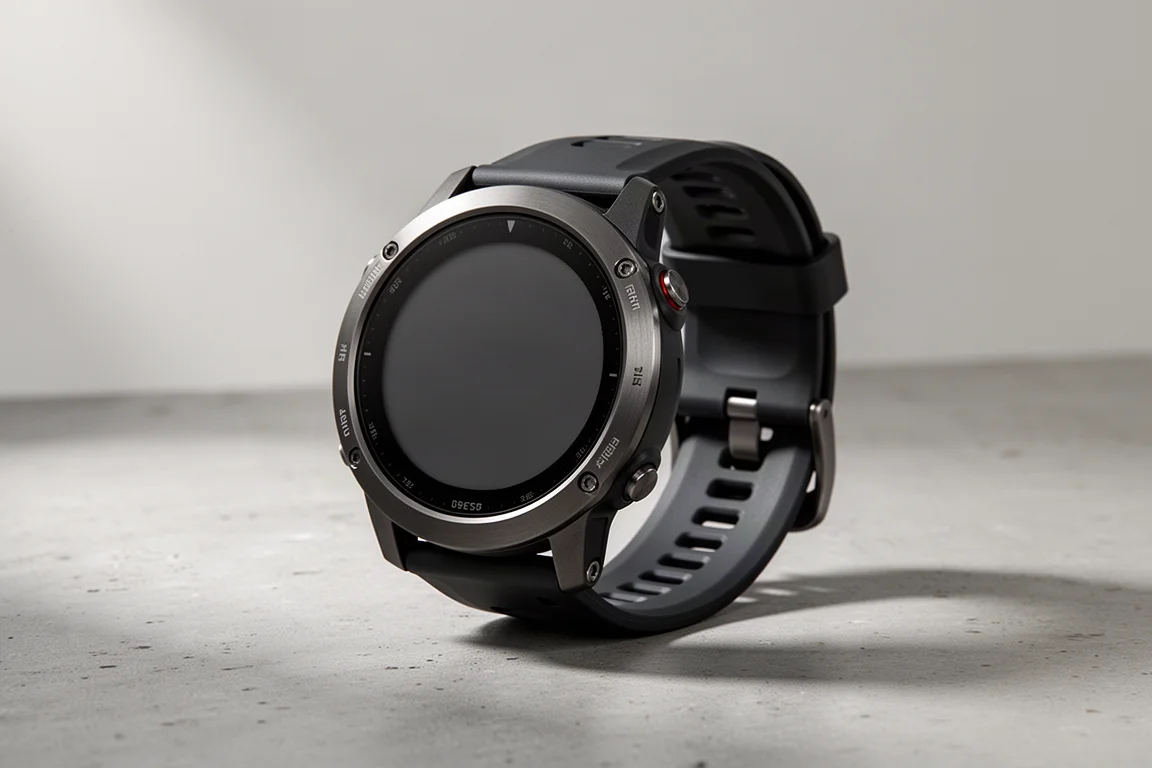
The Fenix 7 Pro and Enduro 2 offer the same top-tier Garmin feature set with LCD screens instead of AMOLED, which buys longer battery life. The Enduro 2 comes only in 51mm and lasted around 16 days per charge in testing, roughly a week more than the Epix Pro 51mm, with the Fenix falling in between. But the AMOLED screen on the Epix Pro is easier to read under cloud, tree cover and indoors, and matches LCD in bright sun. With the big Epix Pro’s battery gap now so small, AMOLED is the easier recommendation.
Polar Grit X2 Pro
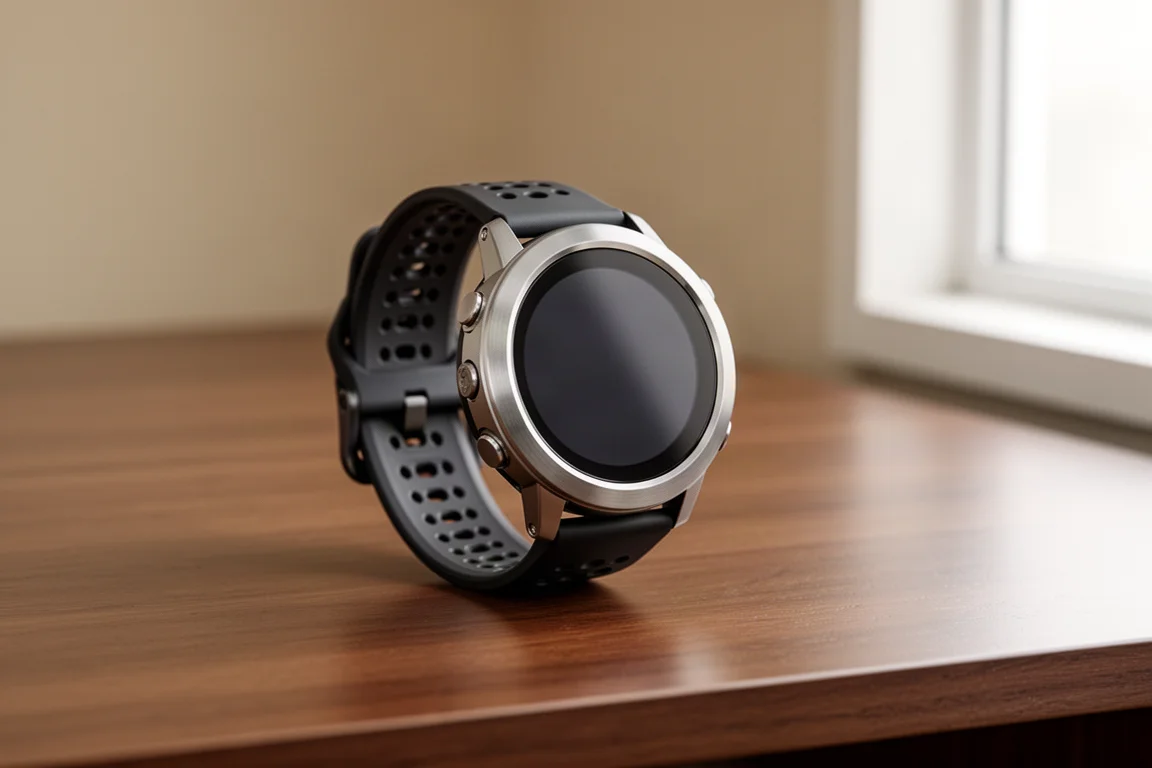
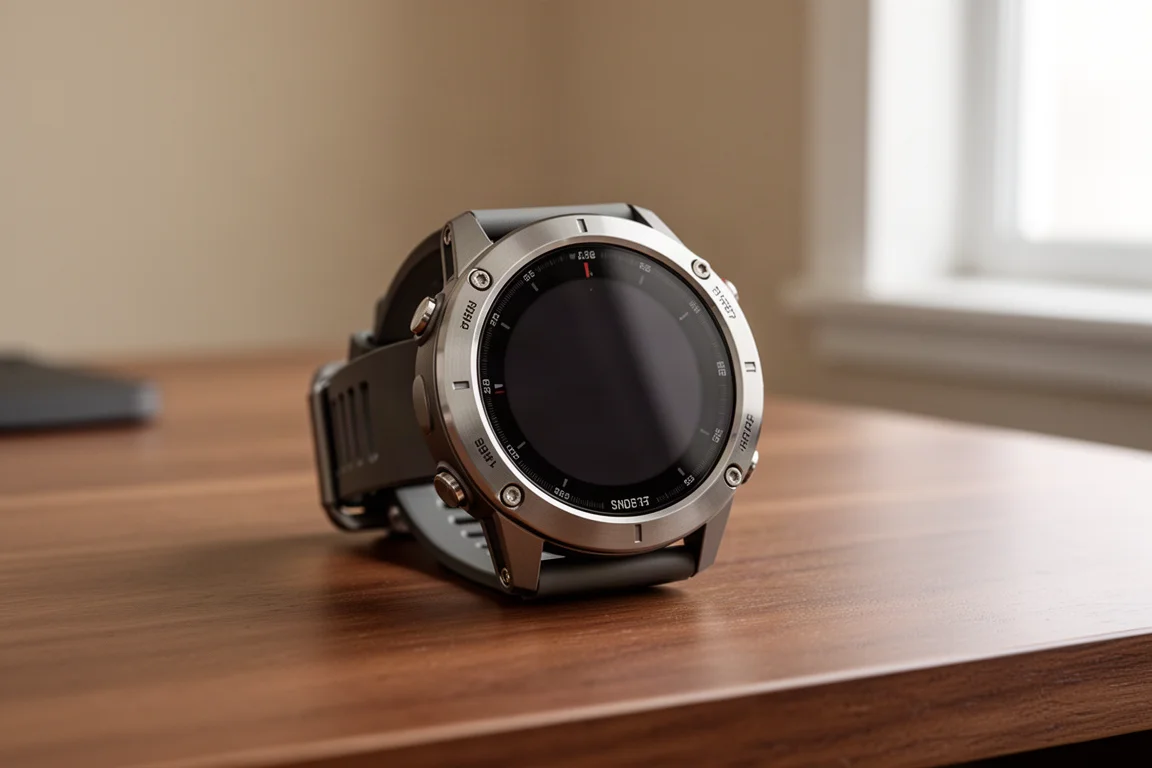
Polar’s flagship is a genuinely handsome watch, arguably sleeker and thinner than the Epix Pro, with a vibrant AMOLED screen, multiband GPS and onboard maps. Garmin wins on GPS accuracy, map detail and routability, and adds far more features, including music storage, deeper training analysis and ClimbPro. The Grit X2 Pro lasted 4 to 5 days, similar to the midsize Epix Pro, though it tended to underperform Polar’s stated targets while the Garmin beat its own. At a comparable high price, the Epix Pro simply offers more.
Suunto Race
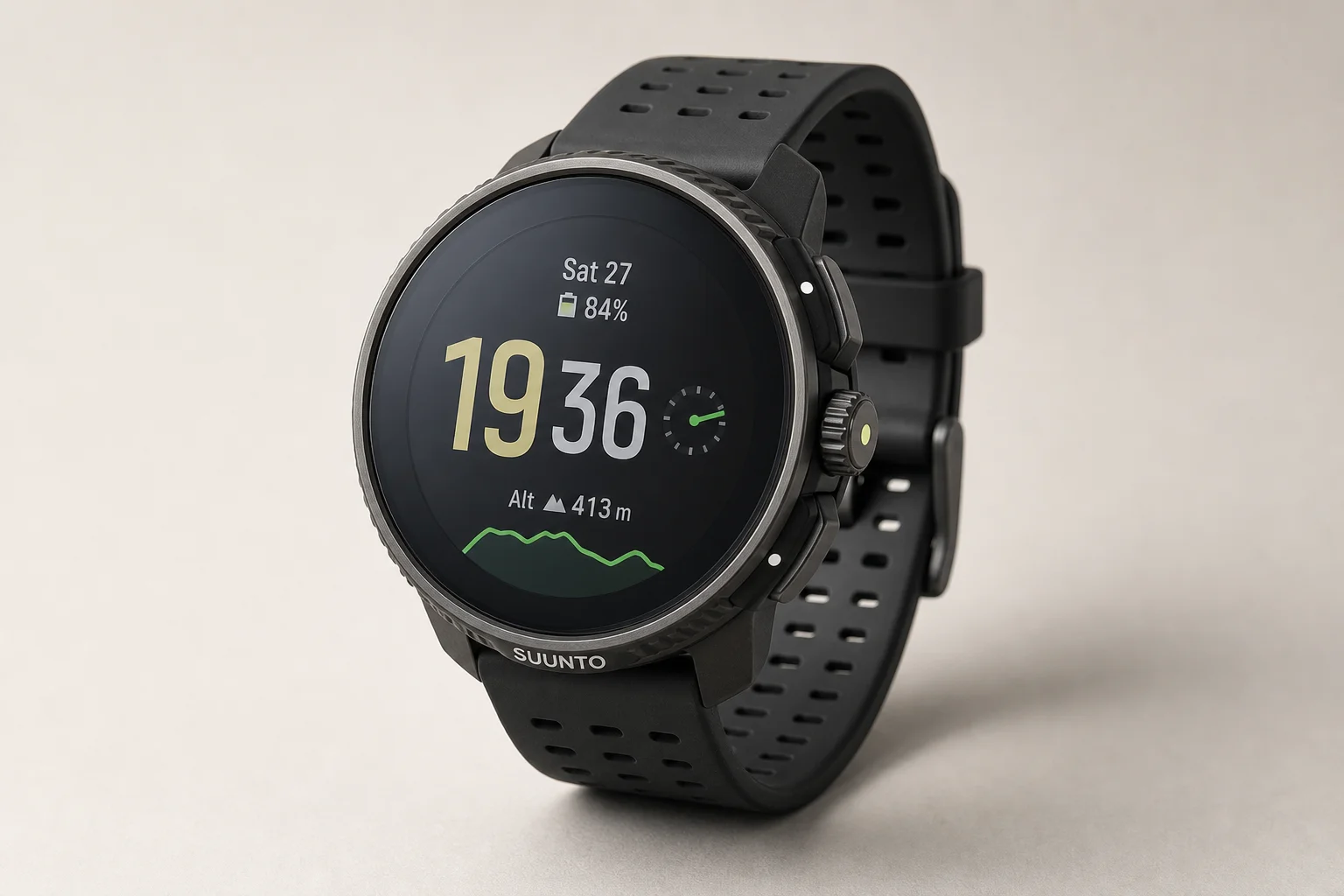
Suunto took a clear approach: it cannot match Garmin’s feature list, so it undercut on price. The Race delivers an AMOLED screen, around a week of battery life even with always-on display and multiband GPS, accuracy comparable to Garmin, and a hardy build with titanium and sapphire options well below the Epix Pro’s equivalents. It nails the essentials, but Garmin’s training analysis, smart features, maps and interface are all meaningfully better, and the Suunto UI can lag. If a deal brings the Epix Pro closer in price, the Garmin is the stronger buy, but the Race is a compelling watch to watch as Suunto iterates.
Overall Buying Advice
Choose the 51mm Epix Pro if battery life on an AMOLED watch is your top priority and budget is not a constraint. Choose the Forerunner 965 if you want the same screen and software in a lighter, cheaper package and can accept a more fragile body. The Epix 2 sapphire is the discount play if you can find one, the Fenix 7 Pro and Enduro 2 suit those who prefer LCD longevity, and the Suunto Race is the value outsider that gets the fundamentals right.
Conclusion
After a year of daily wear, marathon training and an ultramarathon, the Garmin Epix Pro 51mm stands as the most complete sports watch tested: outstanding GPS, deep training analysis, class-leading navigation and unmatched AMOLED battery life. It is expensive and large, and the Forerunner 965 or a discounted Epix 2 will suit many runners better on value. But if you want the best and are willing to pay for it, this is the watch.
Further reading
Related Reviews
Sports Watches
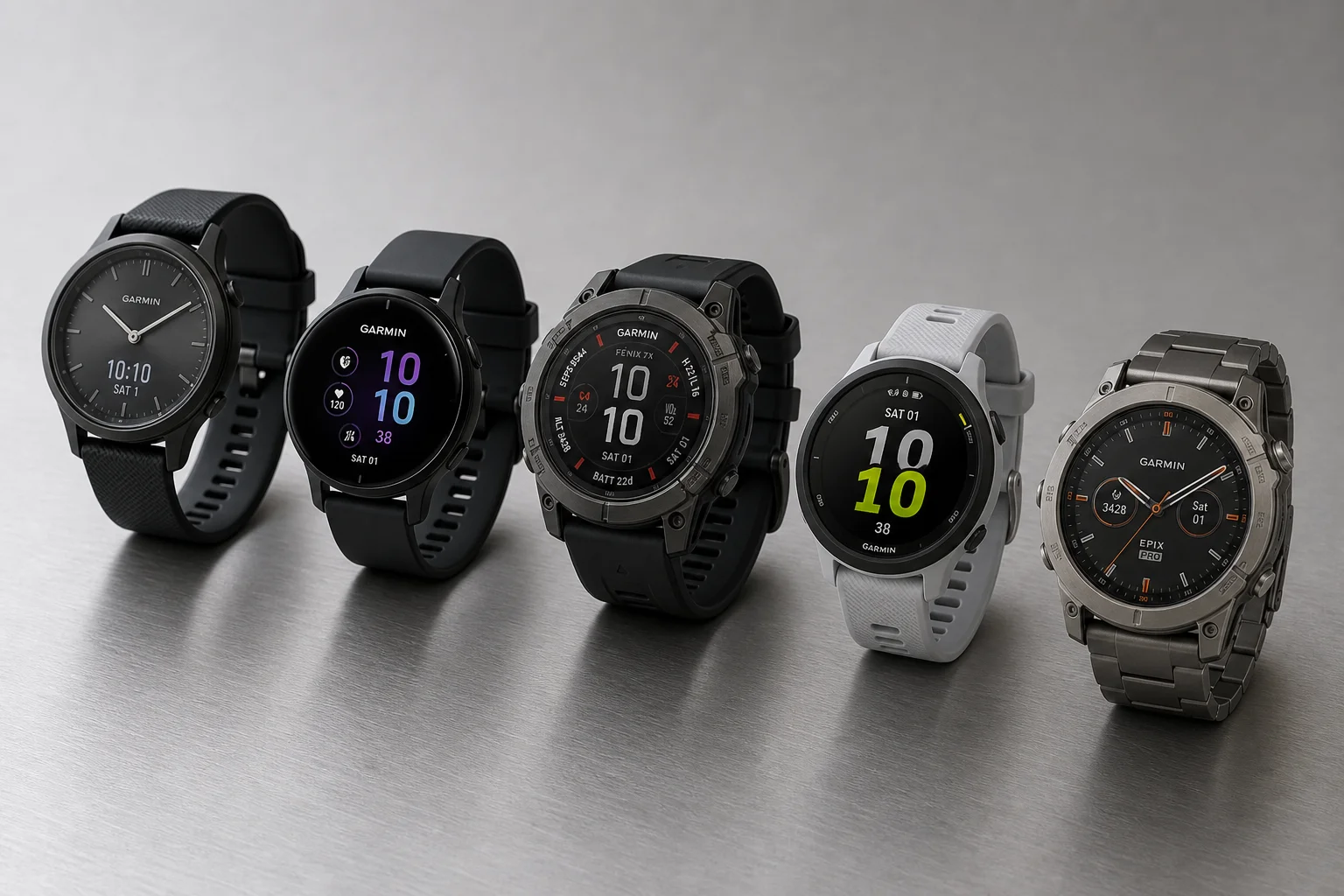
Garmin Sports Watch Guide: Finding the Right Model for Your Fitness Level
A comprehensive overview of Garmin's sports watch lineup, from casual fitness trackers to advanced multisport devices, helping you choose the right model for your needs and budget.
Sports Watches
Coros Pace Pro Review: A Complete Overhaul That Finally Feels Premium
Coros rebuilt the Pace Pro from the ground up with an AMOLED display, onboard maps, and a new heart rate sensor. Here is how it all holds up in real use.
Sports Watches
Polar Vantage M3 Review: The Sweet Spot in Polar's New Watch Lineup
A closer look at the Polar Vantage M3, which brings an AMOLED display, dual-frequency GPS, offline maps and the same software platform as Polar's flagship watches at a friendlier price.