Sports Watches
Garmin Epix Gen 2 vs Fenix 7: Which Display Should You Choose?
After a year of switching between AMOLED and transflective sports watches, here is how the two display technologies compare in daily use, outdoors, and on the trail.
Introduction
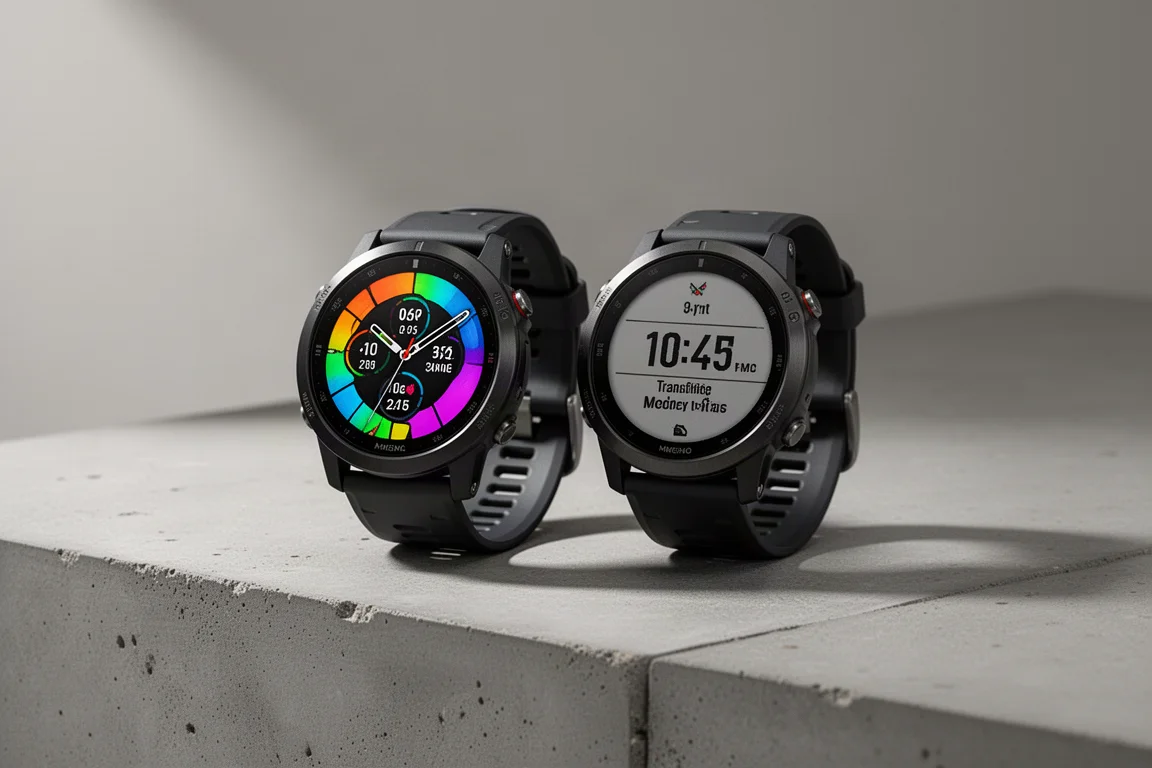
Choosing between the Garmin Epix Gen 2 and the Fenix 7 used to be simple. Then Garmin released a watch that is essentially a Fenix 7 with an AMOLED display, and the decision became genuinely difficult.
Both watches share nearly identical sports features, so the real difference comes down to display technology: the Epix Gen 2’s bright, high-contrast AMOLED panel versus the Fenix 7’s transflective memory-in-pixel screen. Having spent a year alternating between the Fenix 7X, Epix Gen 2, Forerunner 955, Coros Apex 2 Pro, MARQ Gen 2, Apple Watch Ultra, and Enduro 2, here is how the two technologies actually compare in everyday use.
Battery Life: The First Big Divide
A transflective display is hard to beat on battery. The Fenix 7X comfortably lasted three weeks or more per charge with about an hour of recorded activity per day, using roughly 30 percent brightness, a 15-second timeout, and SpO2 enabled for sleep only.
The Epix Gen 2, running an always-on display at its lowest brightness with a 15-second timeout and the same activity load, needed a charge every five to six days. That is a meaningful difference, but it is also a big improvement over typical AMOLED smartwatches, which generally manage only around three days at best. The Epix can stretch from roughly five days up to two weeks depending on settings, which changes the AMOLED conversation entirely.
Outdoor Readability
Transflective displays get better as the light gets brighter, which is exactly what you want in an outdoor sports watch. They also need almost no backlight during daytime activities, so they draw very little extra power when the sun is out.
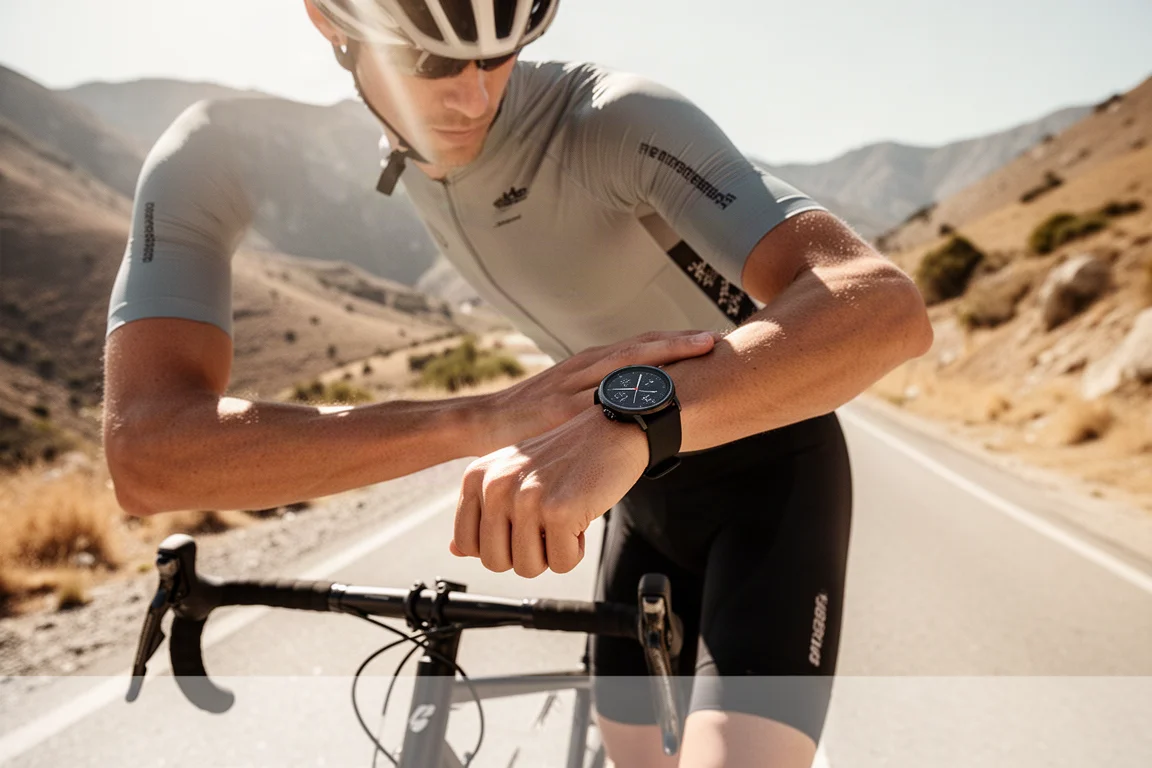
The Epix’s AMOLED panel fights back by pumping up brightness in direct sun, and it gets very bright indeed. Readability is generally not a problem, though in extreme conditions such as snow it becomes slightly more challenging. At certain angles, and especially at a quick glance, the AMOLED is harder to read than a transflective panel. In almost all outdoor situations, the transflective display still wins.
Night Use and Daily Comfort
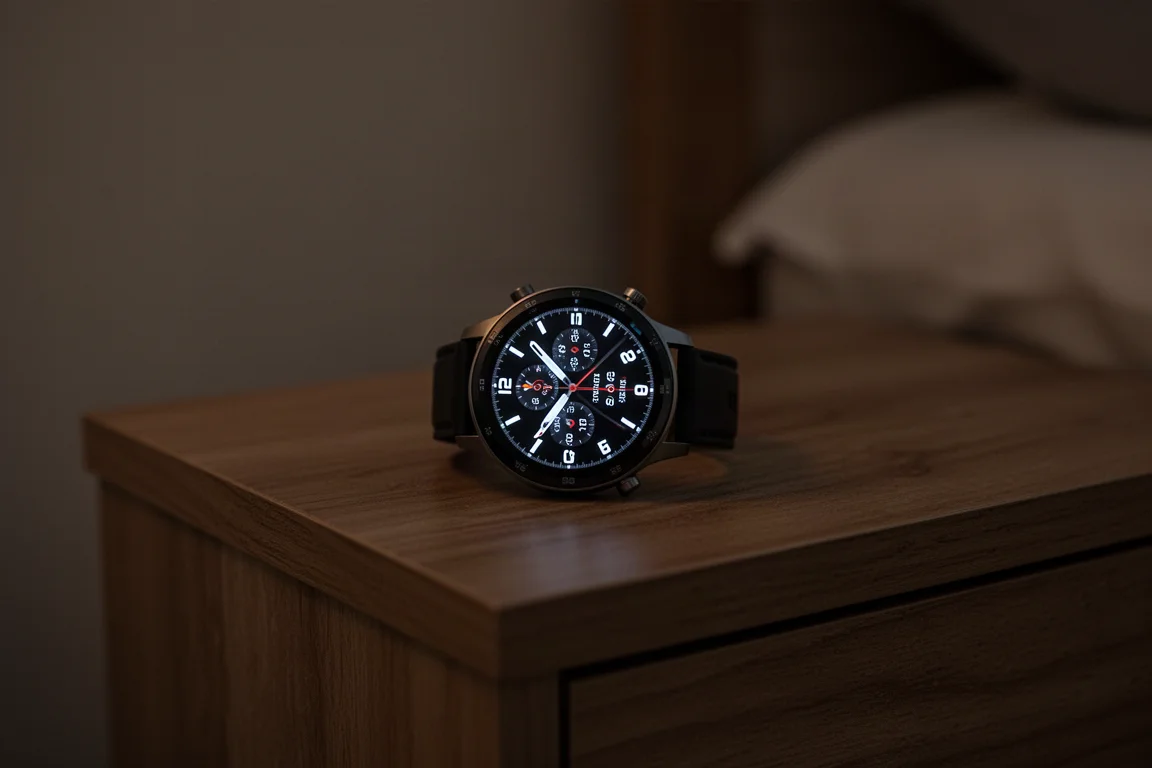
AMOLED panels are excellent when you are actively interacting with the watch, but they can feel jarring in the evening or first thing in the morning when the display wakes unexpectedly. The Epix addresses this with a night mode that dims the screen to a very low brightness, which largely solves the problem, though the panel still emits some light even at minimum.
The Fenix 7 emits no light at all with the backlight off, which is genuinely pleasant around bedtime. It also offers its own low-brightness night mode, but you may find yourself enabling the backlight more often in dim rooms because the passive display can be hard to read without it.
Maps: Where the AMOLED Pulls Ahead
This is where the Epix Gen 2 truly separates itself. Both it and the midsize Fenix 7 use a 1.3-inch display, but the Epix resolves 416 by 416 pixels against the Fenix 7’s 260 by 260. Even the larger Fenix 7X, at 1.4 inches and 280 by 280, does not match the Epix’s map detail.
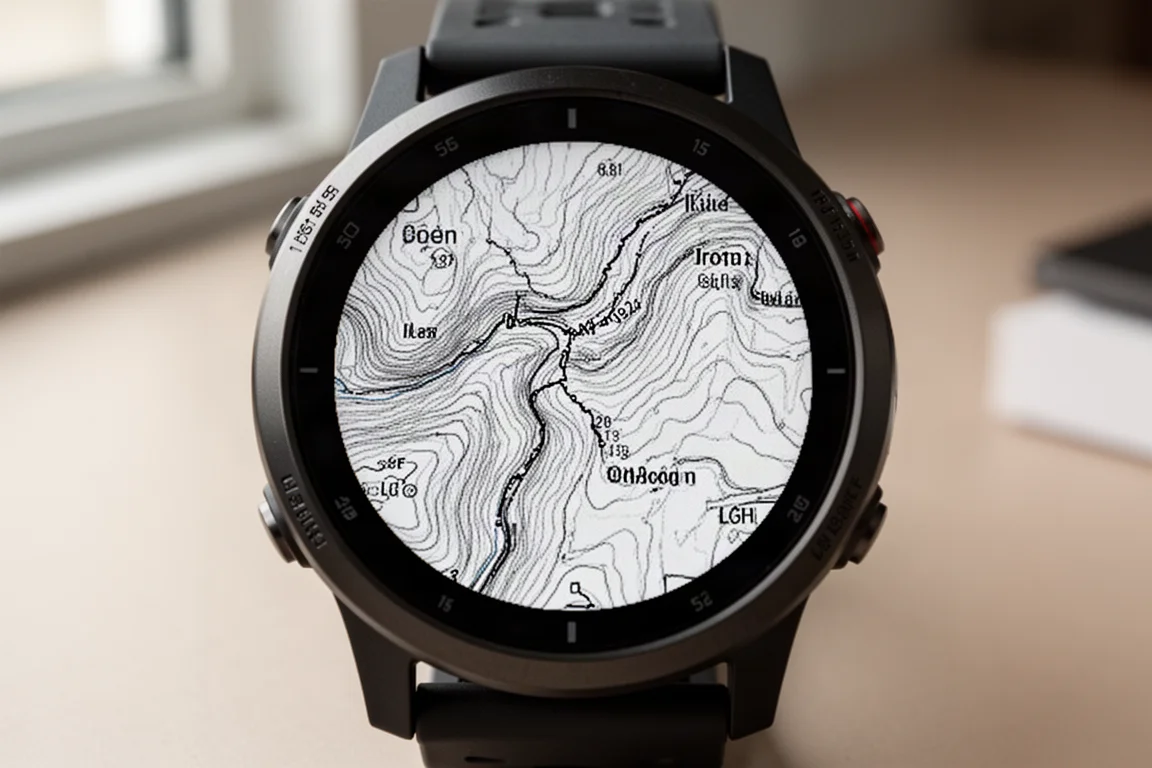
All those extra pixels are immediately noticeable on maps, which look dramatically richer on the AMOLED panel. And the Epix still delivers very respectable battery life while recording: roughly a day to a day and a half of continuous outdoor activity, extendable up to three days or even two weeks with lower-power modes. For multi-day adventures, that is workable with a little planning.
Solar Charging: Nice to Have, Not a Decider
Solar charging is exclusive to the Fenix 7 range, and it can help, particularly in sunny climates. Realistically, though, it only delays discharge rather than transforming battery life. On watches with larger solar surfaces and less power-hungry displays, such as the Instinct solar models, it makes a much bigger difference. On the Fenix 7, treat it as a bonus rather than a deciding factor.
The Feature That Keeps Pulling Me Back: The Flashlight
There is one feature that keeps drawing attention back to the Fenix 7X and the Enduro 2: the dedicated LED flashlight. The Epix has a flashlight function that uses the display itself, but it is not the same as a real LED beam, which proves genuinely useful in the dark.
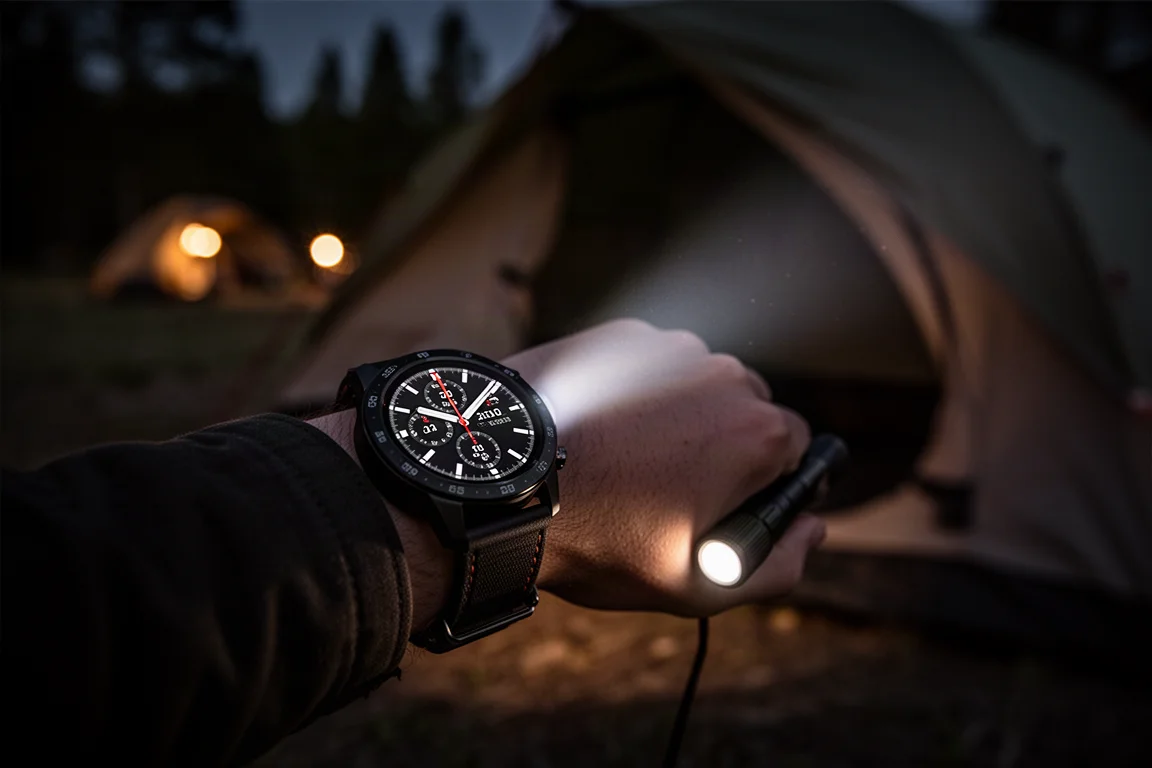
Amusingly, both the Fenix 7X and Enduro 2 are a bit large for a 185mm wrist, while the Epix fits better. Even so, the flashlight is compelling enough to outweigh the display preferences. It is a compromise every buyer eventually has to make, because no watch does everything.
The Other Watches Worth Knowing About
The Forerunner 955 remains a strong alternative for runners who want a lighter, running-first package with the same transflective benefits of long battery life and excellent outdoor readability.
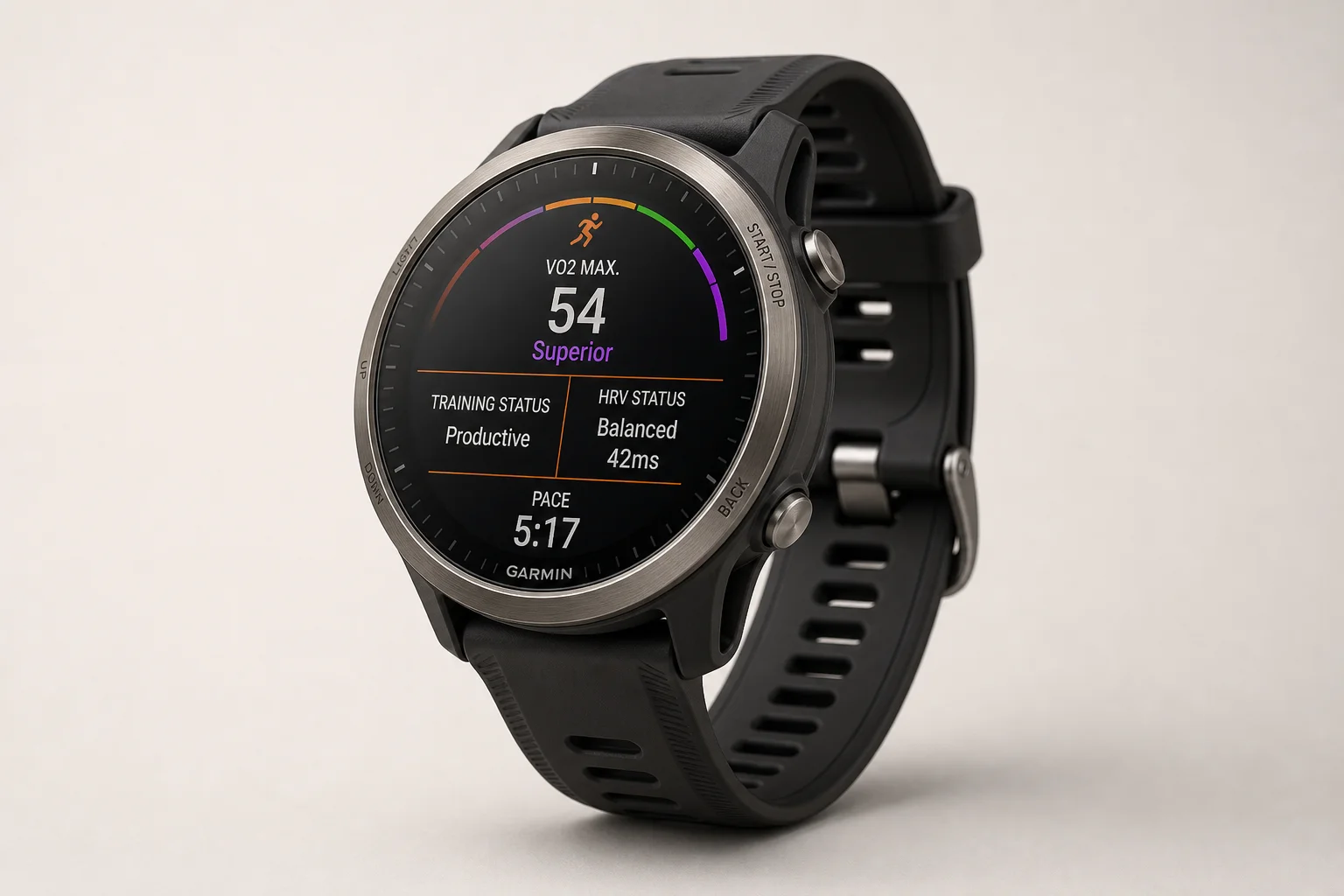
The Coros Apex 2 Pro sits in the same transflective camp and appeals to endurance athletes who prioritize weeks of battery over screen flair.
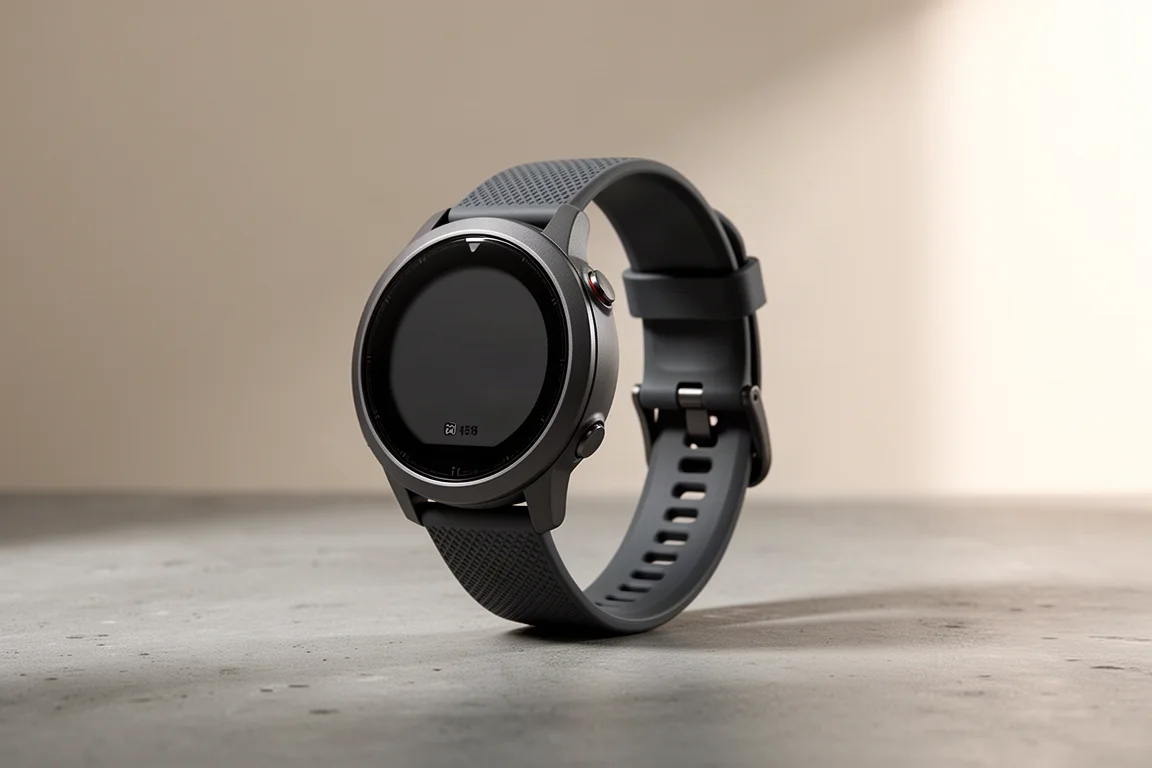
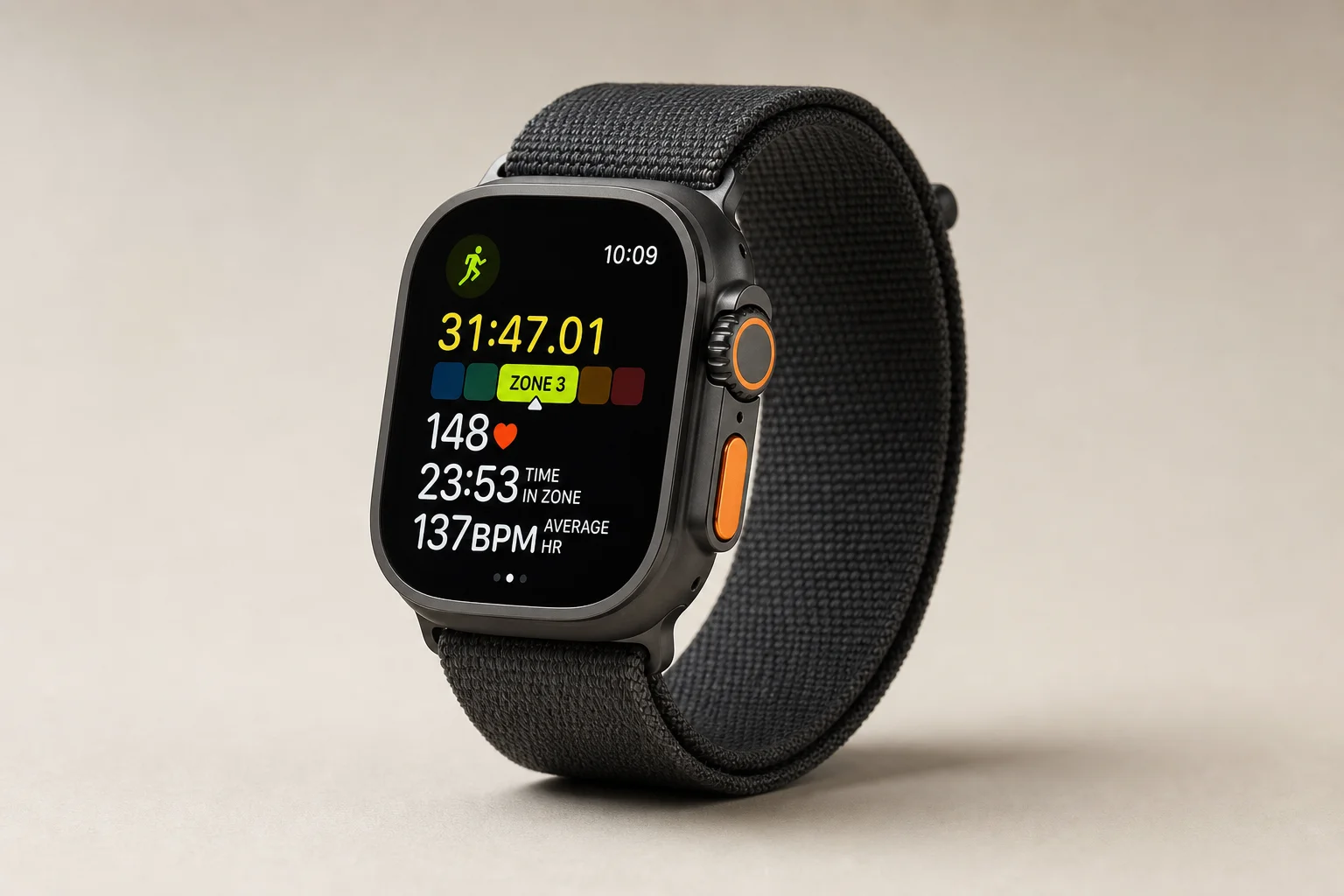
The Apple Watch Ultra represents the AMOLED side of the mainstream smartwatch world, but its roughly three-day real-world battery ceiling is still a stark contrast with what dedicated sports watches deliver.
Conclusion
Both display technologies have real strengths. The Epix Gen 2 delivers a bright, high-contrast AMOLED experience with genuinely usable multi-day battery life and stunning maps, while the Fenix 7 counters with unmatched outdoor readability, weeks of battery, solar charging, and the dedicated flashlight on the 7X. There is no wrong choice here; it comes down to whether you value screen beauty and map detail or raw efficiency and the LED flashlight more.
Further reading
Related Reviews
Sports Watches
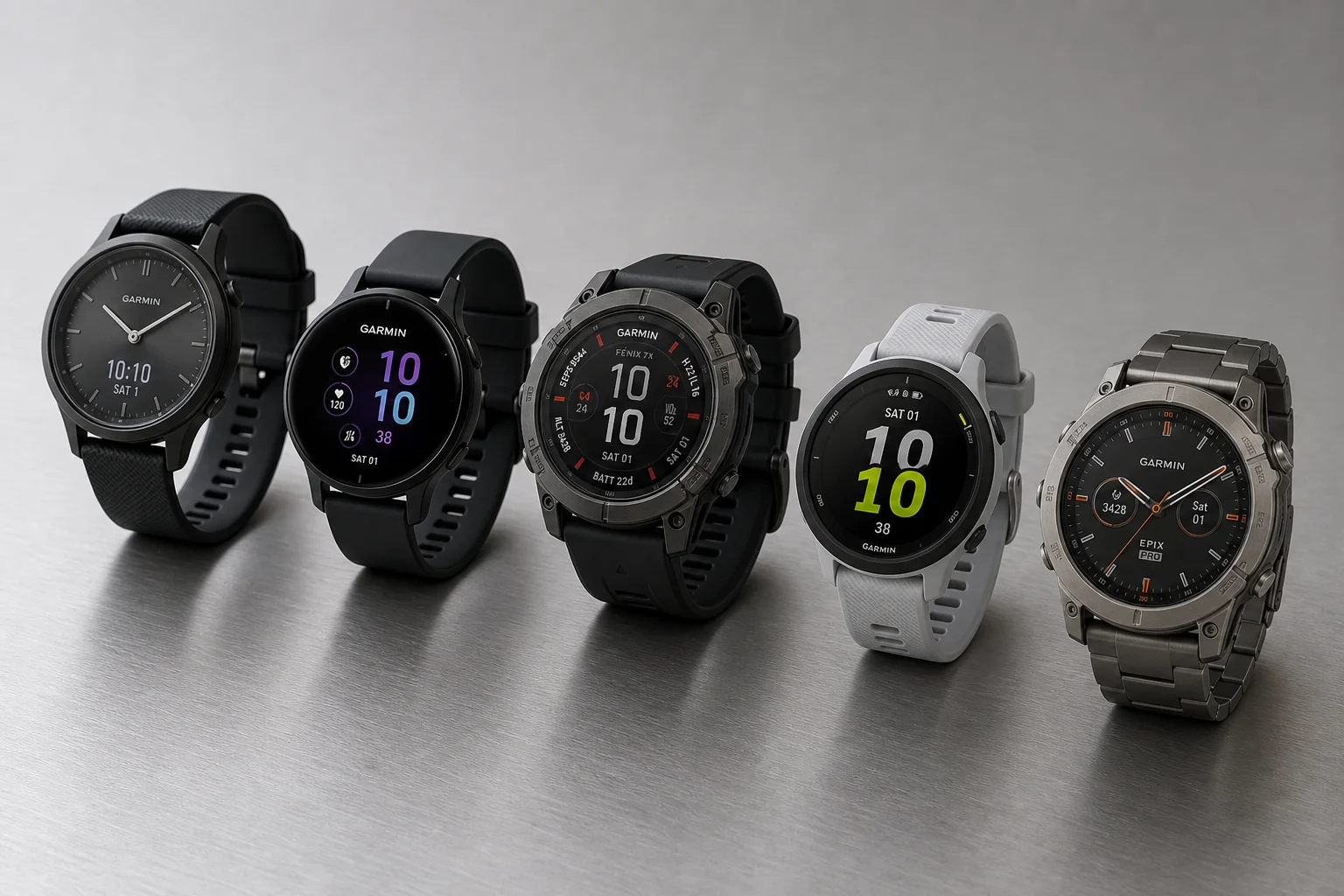
Garmin Sports Watch Guide: Finding the Right Model for Your Fitness Level
A comprehensive overview of Garmin's sports watch lineup, from casual fitness trackers to advanced multisport devices, helping you choose the right model for your needs and budget.
Sports Watches
Coros Pace Pro Review: A Complete Overhaul That Finally Feels Premium
Coros rebuilt the Pace Pro from the ground up with an AMOLED display, onboard maps, and a new heart rate sensor. Here is how it all holds up in real use.
Sports Watches
Polar Vantage M3 Review: The Sweet Spot in Polar's New Watch Lineup
A closer look at the Polar Vantage M3, which brings an AMOLED display, dual-frequency GPS, offline maps and the same software platform as Polar's flagship watches at a friendlier price.