GPS Sports Watches
Garmin Epix (Gen 2) Review: A Bright AMOLED Sports Watch with Serious Battery Life
After more than a month of swimming, biking, running, and hiking with the Garmin Epix (Gen 2), here's what holds up, what does not, and whether it justifies the price.
Introduction
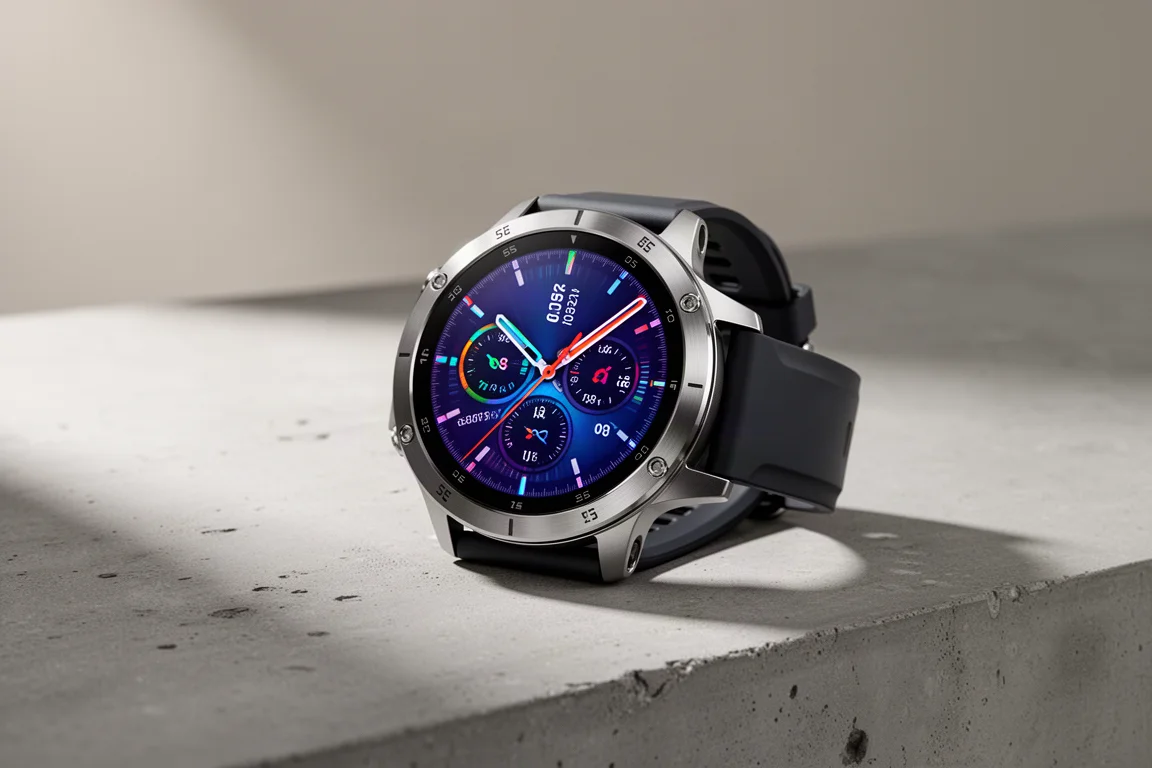
The Garmin Epix (Gen 2) is the second generation of Garmin’s premium AMOLED multisport watch, and after roughly six weeks of use across swimming, biking, running, hiking, and indoor sports, it comes across as one of the most complete sports watches Garmin has made. The headline change is a vibrant 1.3-inch AMOLED touchscreen at 416 x 416 pixels, paired with the familiar five-button layout, full onboard maps, onboard music, and a new dual-frequency GPS option on the higher-end model.
There are two versions. The base model sits at $899.99, and the Sapphire Edition costs $999.99. Every Epix, regardless of model, includes Wi-Fi, contactless payments, and music storage, so the split between the two comes down to four things: screen material (glass versus sapphire), bezel material (stainless steel versus titanium), storage (16GB versus 32GB), and multi-band GPS (absent on the base, included on the Sapphire).
Who This Watch Is For
This is a watch for people who train seriously across multiple sports but do not want to give up a genuinely beautiful everyday display. If you run, ride, hike, or swim and want maps, music, and structured training tools on your wrist, the Epix covers nearly all of it. The battery math is the practical anchor: in always-on display mode with about an hour of GPS workouts per day, expect around six days of smartwatch battery life. In gesture mode, where the screen sleeps and wakes on wrist raise, the claim is 16 days in smartwatch mode with smart features active behind the scenes. There is no solar charging on the Epix at all, which Garmin presumably skipped because solar helps little with a power-hungry AMOLED panel.
Main Strengths
The AMOLED Display Changes the Experience
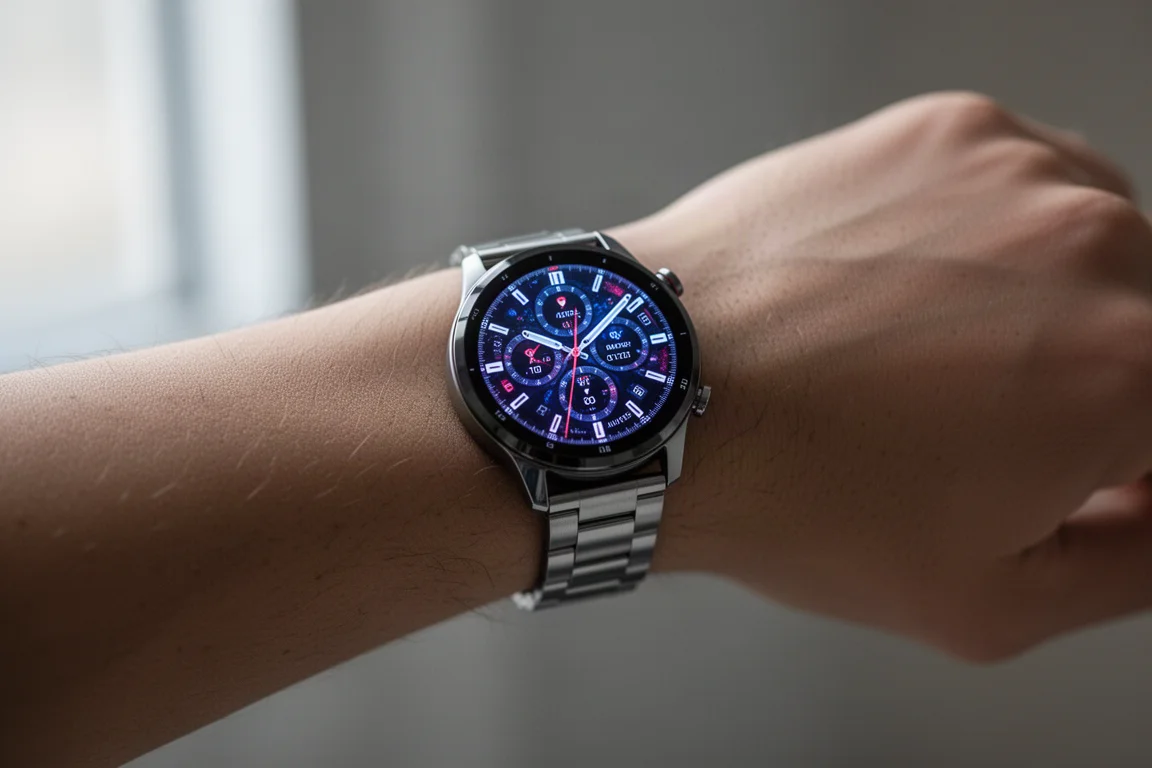
The AMOLED panel is unquestionably the most important feature here. It is noticeably more vibrant and higher-contrast than the transflective screens on Garmin’s Fenix lineup, and the watch keeps Garmin’s traditional five physical buttons while adding touch in useful places, such as panning around the map with a finger. You can lock or disable touch by mode, including separately during sleep, so it stays controllable during workouts. Once you have used this display, going back to a non-AMOLED Garmin screen is genuinely difficult.
Mapping and Navigation
Every Epix has full onboard maps. On the base 16GB model, only ski and golf maps come preloaded, and you download your chosen region for free over Wi-Fi. The 32GB Sapphire Edition ships with the whole world preloaded with full topo active mapping. Just be patient with those downloads: transferring roughly 2 to 2.5GB takes about an hour, so a full North America or Europe map set takes over four hours.

Route support is strong too. You can import routes with waypoints and see a glanceable “Up Ahead” page showing an icon and the distance to each defined waypoint, which is one of the more quietly useful features on the watch. Waypoint names and icons are configurable through Garmin Connect on the web or mobile.
GPS Accuracy and Dual Frequency
The Sapphire Edition adds multi-band, dual-frequency GPS, which taps into a much larger pool of satellites to improve positioning near cliffs or other difficult terrain. In real-world testing alongside other watches, the gains turned out to be modest: only occasional slim cases where it seemed to matter for a few seconds, with accuracy otherwise very good either way. Software updates over the coming years may close the remaining gap, but dual frequency is not a dramatic upgrade on its own today.
Training Features: Stamina and Race Predictor
The new stamina feature estimates how much energy you have left, split into long-term energy for the whole day and short-term energy for the current effort. It is available primarily in running and cycling modes, with data fields for distance-till-empty and time-till-empty that adjust with your effort. It is clearly designed with racing in mind and is hard to judge outside of genuinely hard, sustained efforts, though it tracked reasonably well during interval sessions. Race Predictor also gains historical data, so you can now see whether your predicted 5K, 10K, half marathon, and marathon paces are trending faster or slower over time. Keep in mind both features lean on VO2 max, which depends on higher-intensity training.
Heart Rate and Health Tools
The Epix carries Garmin’s fourth-generation Elevate optical heart rate sensor, providing continuous 24x7 heart rate, higher-power sampling during workouts, and pulse ox readings during sleep or around the clock if you wish. It proved generally accurate, even for intervals and cold-weather night sessions, with occasional struggles on outdoor steep descents. Chest strap pairing via ANT+ or Bluetooth Smart remains available for maximum accuracy.
The Health Snapshot feature takes a two-minute reading covering average heart rate, stress, pulse ox, HRV, and breathing rate, then generates a report you can export as a PDF from Garmin Connect mobile to share with a doctor. One gap: you currently cannot compare one snapshot against another over time, which seems like an obvious future addition since all these metrics are already tracked individually elsewhere.
Everyday Details Worth Knowing
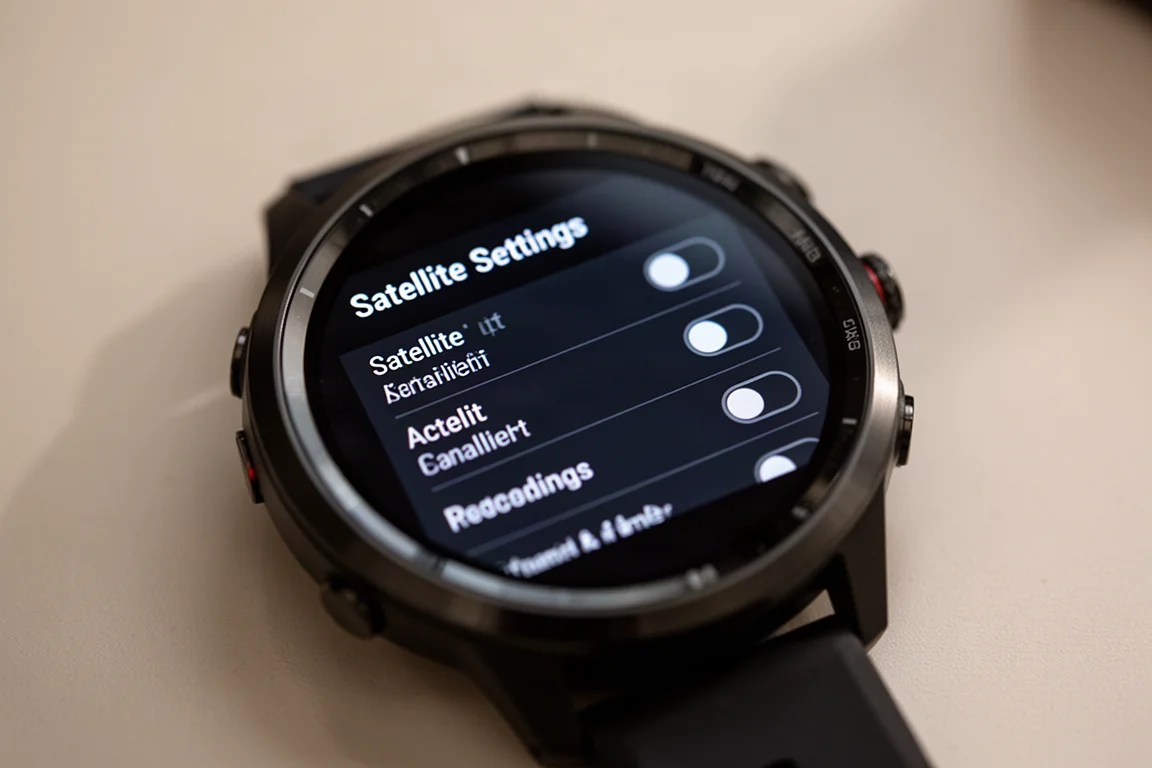
A long-overdue addition is phone-based configuration: data fields, sport settings, satellite systems, and most other options can now be set from the Garmin Connect app when the phone is nearby, roughly a decade after that became standard elsewhere. Map downloads still require the watch itself, and settings do not carry over from an older Garmin watch, so expect to set things up from scratch.
Other refinements add up. Ski View adds resort names, run and slope names, and cross-country trails, preloaded on every unit. Tapping any data bit on the watch face jumps straight to its widget, and widgets now support backward swipe for history. Post-workout summaries get better visualization of training load, training impact, and heart rate zones. There is a Connect IQ store on the wrist for installing a curated list of apps without a phone. A small button guard beside the start/stop button keeps jacket sleeves from accidentally pausing or starting an activity. And buried in the menus, you can configure display, button, and brightness behavior during sleep, even per day of the week.
Things to Consider Before Buying
The compromises are mostly small but real. Wi-Fi map downloads are painfully slow. Deep menu structures make some genuinely useful settings, like the sleep behavior options, hard to find. The stamina feature only really proves itself in long, hard efforts. And the dual-frequency GPS that justifies part of the Sapphire premium delivered only marginal measurable benefit in testing.
Buying Advice
Choose the base $899.99 model if you are happy downloading a regional map for free and do not need the sapphire glass, titanium bezel, or dual-frequency GPS. Pick the $999.99 Sapphire Edition if you want the tougher screen, more storage with world maps preloaded, and the multi-band positioning. Either way, the always-on display at about six days of battery life including an hour of daily workouts should cover most people’s needs comfortably.
Conclusion
The Garmin Epix (Gen 2) is an easy watch to recommend for multisport athletes who want premium build, onboard maps, music, and a display that finally makes Garmin’s screens look modern. The AMOLED panel alone is the kind of upgrade that is hard to go back from, and with sensible battery life, accurate heart rate, and thoughtful navigation tools, the trade-offs are minor for most buyers.
Product link
View more details for Garmin Epix (Gen 2)
This product is mentioned in the review. Check the specifications, options, and compatibility before buying.
View more details for Garmin Epix (Gen 2)Further reading
Related Reviews
GPS Sports Watches
Polar Grit X2 Pro vs Vantage V3 vs COROS Vertix 2S: Which Flagship Adventure Watch Makes Sense
Polar's new flagship shares its internals with the Vantage V3 and goes up against the COROS Vertix 2S. Here is what two months of testing revealed about GPS, heart rate, navigation, and value.
GPS Sports Watches
Coros Apex 2 vs Garmin: Six GPS Sports Watches Worth Comparing
A practical look at the Coros Apex 2, Apex 2 Pro, Vertex 2, and three Garmin rivals, with what each does well and where the trade-offs sit.
GPS Sports Watches
Coros Apex 4 Hands-On: Titanium Build, Faster Mapping, and a Battery Built for the Mountains
A first look at the new Coros Apex 4 GPS sports watch, including its titanium construction, improved mapping, built-in speaker, and standout battery life.