Sports Watches
Garmin Epix 2 Long-Term Review: Eight Months With Garmin's Brightest Sports Watch
After eight months of daily running, the Epix 2 proves that Garmin's best tracking can live on a gorgeous AMOLED screen, with battery life as the main trade-off.
Introduction
The Garmin Epix 2 launched in January and has spent the past eight months as my go-to running watch, the one I use almost as a benchmark against everything else in this bracket. This long-term review covers how it has held up, what has changed since launch, and who should actually buy it over Garmin’s battery-focused alternatives.
Design and Display
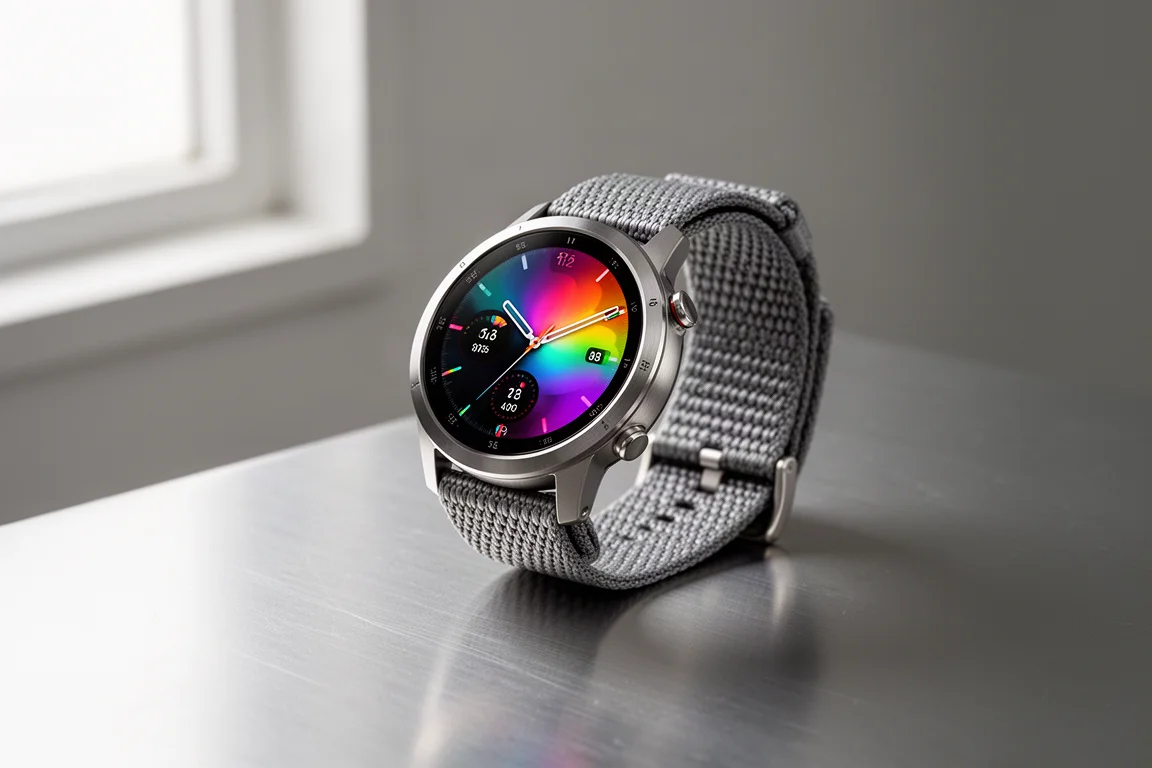
The Epix 2 shares its 47 x 47 mm case and 14.5 mm thickness with the Fenix line, but swaps the transflective display for a 1.3-inch AMOLED touchscreen with an always-on option or gesture wake. That change is the entire appeal of the watch: side by side with the Fenix, Enduro, or Forerunner, the AMOLED panel is noticeably brighter and crisper in almost all conditions. After eight months there has been no drop-off in screen quality at all.
Weight is 53 g with the steel case and 47 g with titanium, rising to roughly 70 g with a silicone band. The titanium model gets a sapphire crystal screen and multi-band GPS, neither of which is offered on the base steel version. Build quality has survived some rough treatment well: after eight months there are only small scuff marks and a hint of silver showing through on the bezel, no significant scratches.
A small navigation trick worth knowing: press and hold a stat on the watch face, such as weather or your weekly running total, and it opens the corresponding widget in more detail. It is a genuinely quick way to move around the watch. My main design gripe is the limited watch face selection; Garmin has added some, but you cannot adjust the data fields on them, and nothing in Connect IQ really makes good use of the colour display yet.
Battery Life in Real-World Use
This is where you pay for that screen. Official figures are six days in smartwatch mode with the display always on, or 16 days in gesture mode. GPS-only tracking lasts about 30 hours with the screen always on or 42 hours in gesture mode, and full multi-band all-systems tracking drops to 15 hours always-on or 20 hours gesture.
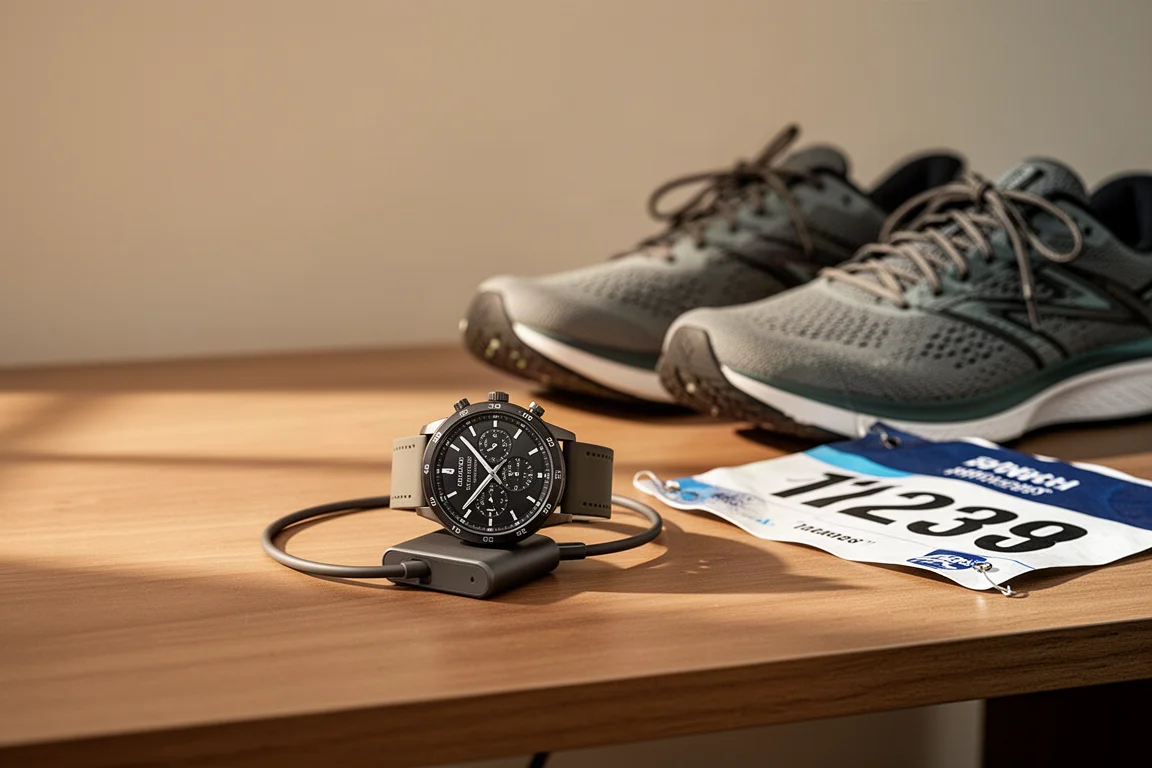
In practice, with the screen always on, the titanium model, and multi-band GPS used nearly constantly, I got a reliable four to five days throughout the year. At 70-80k per week it leaned toward five days; at 110k per week of marathon training it settled just over four. Training Readiness and HRV status arriving mid-year made no measurable dent in that figure.
Two practical notes. First, the watch charges quickly: half an hour on the cable is enough for a couple of days. Second, set up Power Manager. My overnight mode switches everything off except the heart rate sensor for sleep tracking; even going to bed at five percent, the watch survived to one percent in the morning with full sleep data captured. It is more management than a Fenix or Enduro measured in weeks, but it feels like an acceptable trade for this screen.
GPS Accuracy: The Best I Have Tested
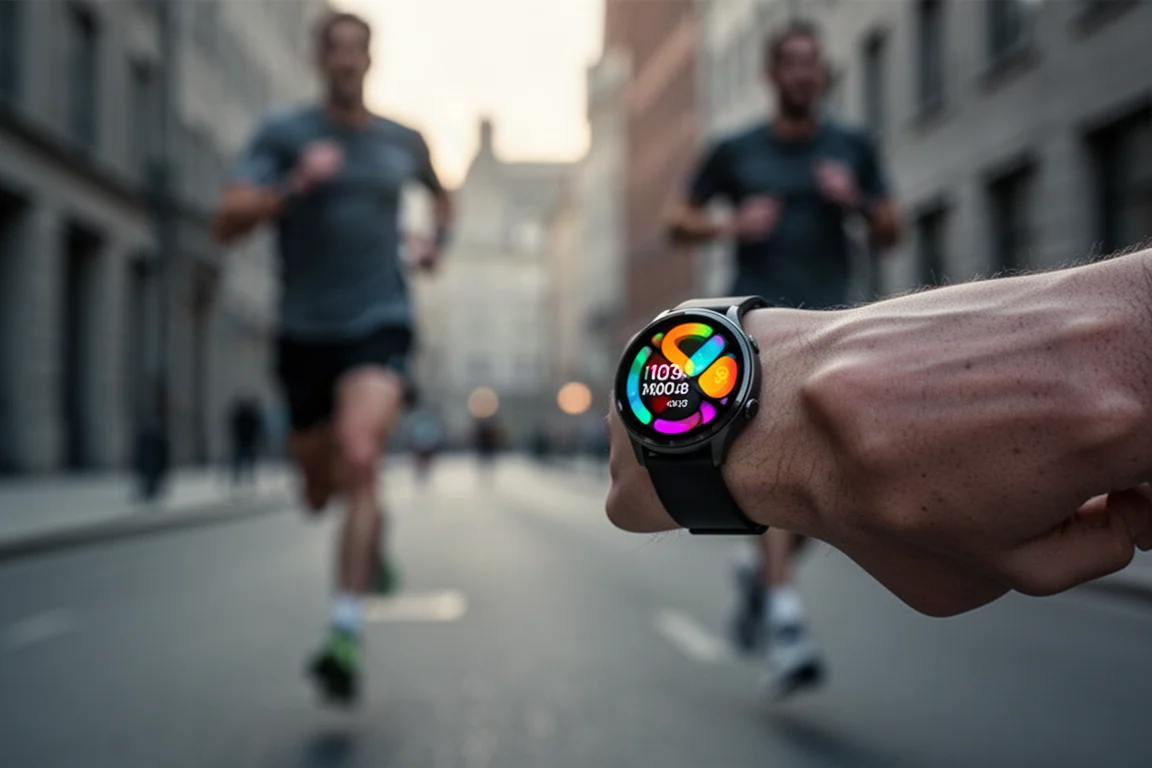
After eight months of comparisons, the Epix 2 is the most accurate GPS watch I have used, consistently outperforming other Garmin multi-band watches and other brands. I have a regular loop near home that is a GPS dead spot where almost every watch runs wide and inflates distance; the Epix 2 is flawless on it, tracking the correct side of the road nearly every time.
Only genuinely hostile courses sting it: a huge start-line tunnel that ruins every watch, and a twisty course around tall buildings where all GPS watches struggle. The new SatIQ auto-select mode is a nice idea, switching to GPS-only in easy conditions and back to multi-band when things get hard, but I saw only a marginal battery gain and a slight accuracy drop in forest runs. I am happy staying locked to multi-band and charging a bit more often.
Heart Rate and Training Features
The wrist heart rate sensor is fine most of the time, but not reliable enough to feed the training analysis on its own. A single bad run can skew an entire month of training load, so pairing the watch with a chest strap or armband is strongly recommended if you plan to use Training Readiness seriously.
That feature is the biggest addition since launch. Training Readiness is a colour-coded daily score built from sleep, recent training load, HRV swings, and more. The watch also gained HRV status tracking each night, plus a race calendar and event widget that counts down to logged races, shows expected weather, and displays a predicted finish time. Morning Report and native wrist running power (with a compatible accessory such as the HRM Pro strap) are rolling out too.
Mapping and Navigation
I cannot speak highly enough of Garmin’s navigation tools, and the Epix 2 makes them better simply because the screen is so good. Colour maps, turn-by-turn ClimbPro directions, and the new Next Fork feature are all easier to read under heavy tree cover than on the transflective solar screens of the Fenix and Enduro. Those screens are fine on their own, but viewed side by side the Epix is dramatically clearer.
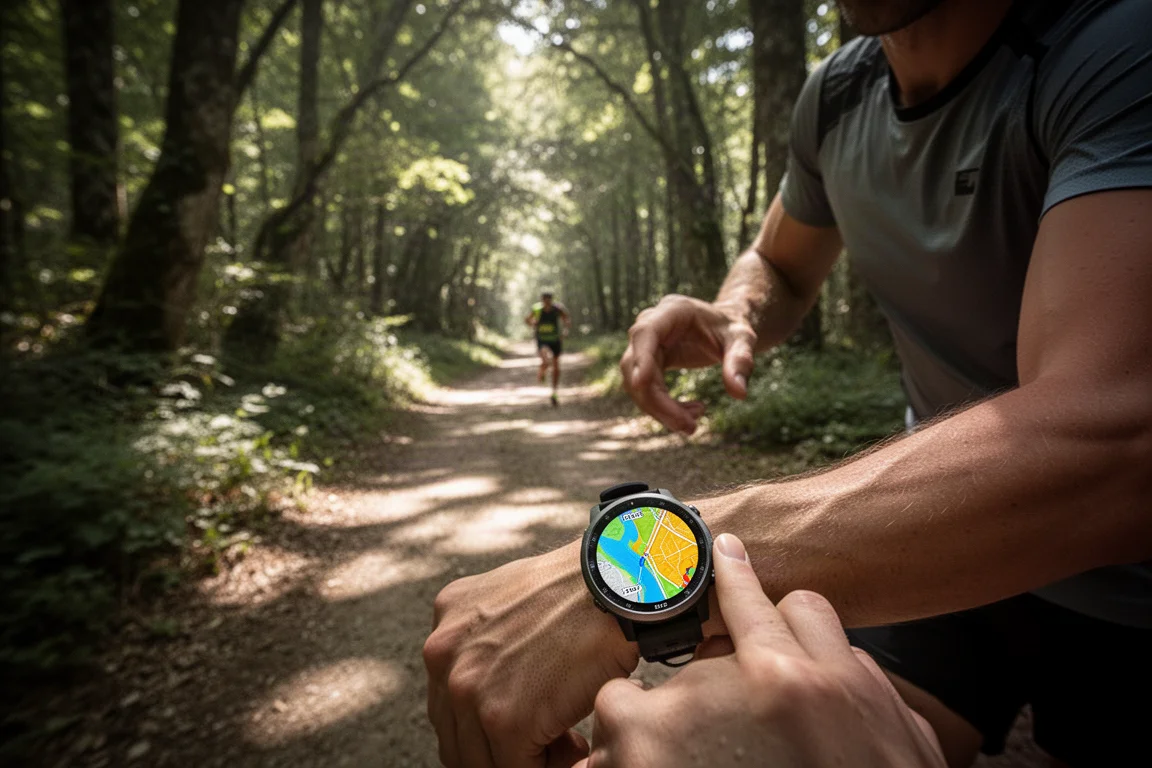
I have used the watch to plan holiday routes and explore new trails all year, and it has been fantastic throughout. If mapping matters to you, the Epix 2 is a genuine upgrade over the rest of Garmin’s range for this reason alone.
Smart Features and Everyday Use
Despite the smartwatch looks, this is still primarily a sports watch. The Connect IQ store is thin on useful apps, though there are plenty of watch faces, data fields, and handy extras like storing a parkrun barcode. Music storage is excellent: syncing from Spotify or dragging files over is easy, and every pair of headphones I connected held a reliable connection with no dropouts on runs.
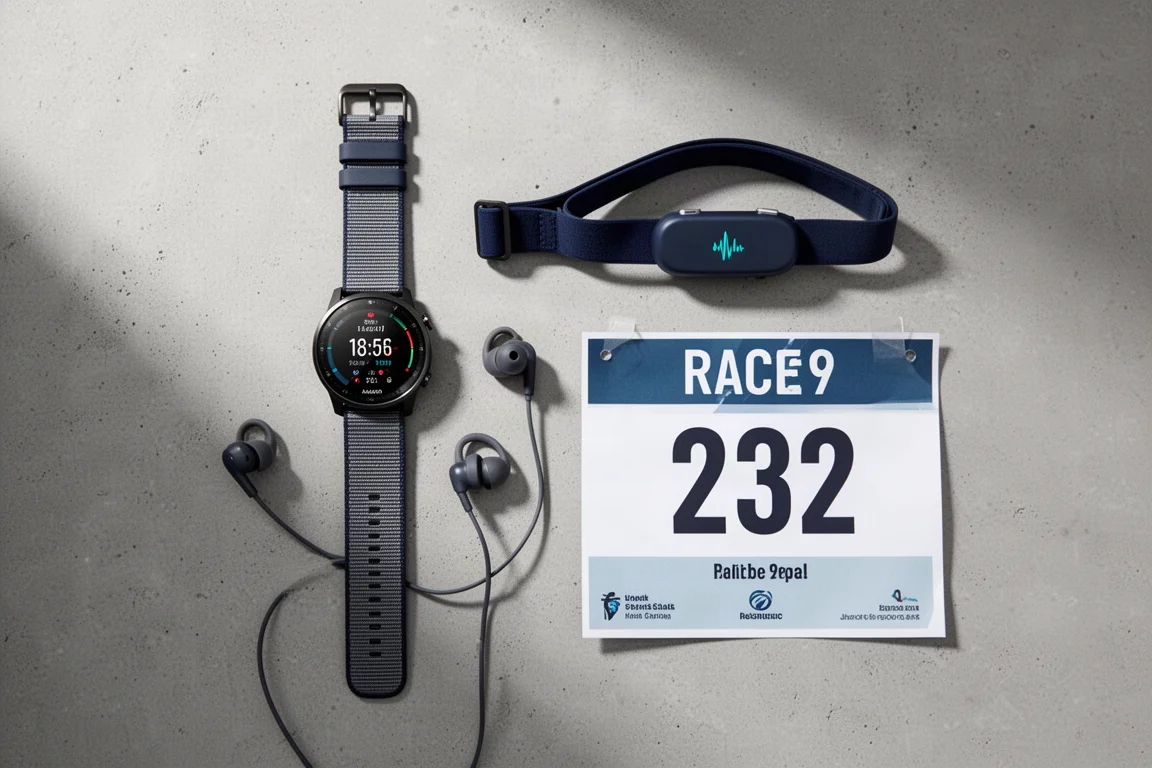
Garmin Pay, good notification support, and a solid weather widget round out the useful everyday features. Body Battery, race prediction from 5k to marathon, and a training acclimation view fill out the package. Just do not expect the breadth of a true smartwatch.
How It Compares
Versus the Fenix 7X, the choice is screen versus battery. The 7X lasts several times longer on a charge and the solar sapphire screen is slightly more rugged, but noticeably duller. For my running, the Epix stayed on my wrist; for ultra distances, the Fenix becomes more appealing, and cheaper solar sapphire models sit around 780 pounds versus roughly 900 for the Epix.
The Forerunner 955 is the strongest competition within Garmin’s range. It is a lighter plastic watch that lacks the premium finish, but it offers the same headline features, including multi-band GPS, Training Readiness, maps, and music, at a much lower price of around 480-500 pounds, with seven or eight days of battery in my use. The non-solar version is the smarter buy, since solar adds little battery and costs screen quality.
The Enduro 2 is essentially a Fenix 7X Ultra, offering five to six times the Epix’s battery life with the same feature set and a more eye-catching design with yellow accents. It is even more expensive, and unless you run very long adventures, the Epix is the cheaper, better-looking choice for daily training.
Against the Apple Watch, the trade is smarts versus sports. The Apple Watch is far cheaper, has a massive app store, excellent GPS accuracy, and lovely everyday design, but it needs daily charging and its native tracking is not in the same league. Apps can close much of the gap, though at real effort. The Epix’s native tracking, easy mapping, and multi-day battery won me over as a runner, even at roughly double the price.
Buying Advice
If you are not an ultra runner and you are not obsessed with squeezing out every extra day of battery, the Epix 2 is arguably the best premium sports watch available. Its costs are the high price and charging every few days instead of every few weeks. If budget matters, the Forerunner 955 delivers nearly everything for much less; if battery rules, look at the Fenix 7X or Enduro 2. For a runner who wants Garmin’s best tracking on the best screen, the Epix 2 has earned its place on my wrist all year.
Conclusion
Eight months in, the Epix 2 remains the watch I keep returning to. The screen transforms every interaction, the GPS accuracy is the best I have measured, and the battery trade-off proved liveable in heavy daily use. It is expensive, but as a balance of display, tracking, and navigation for serious runners, it is the most complete option I have tested this year.
Product link
View more details for Garmin Epix 2
This product is mentioned in the review. Check the specifications, options, and compatibility before buying.
View more details for Garmin Epix 2Further reading
Related Reviews
Sports Watches
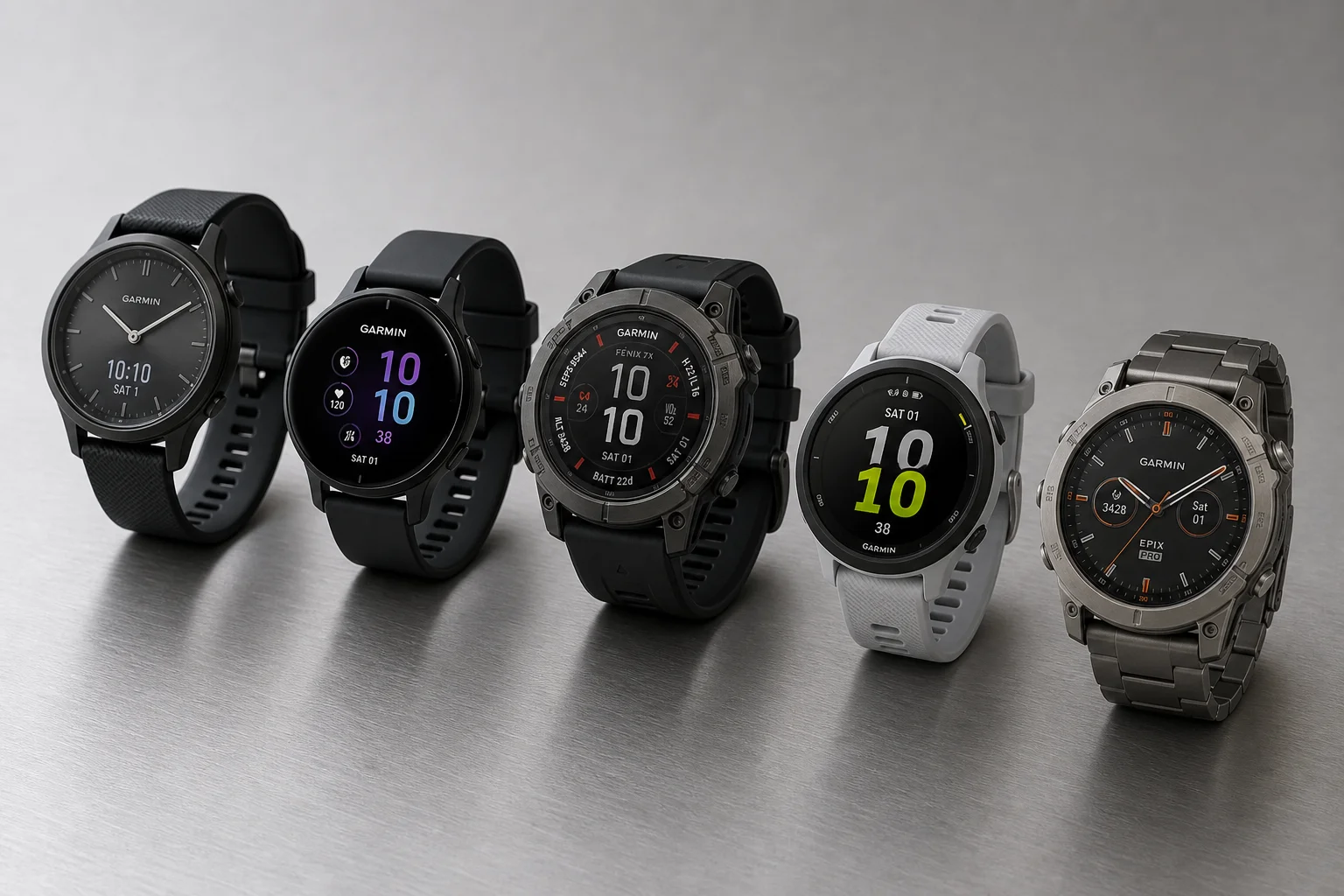
Garmin Sports Watch Guide: Finding the Right Model for Your Fitness Level
A comprehensive overview of Garmin's sports watch lineup, from casual fitness trackers to advanced multisport devices, helping you choose the right model for your needs and budget.
Sports Watches
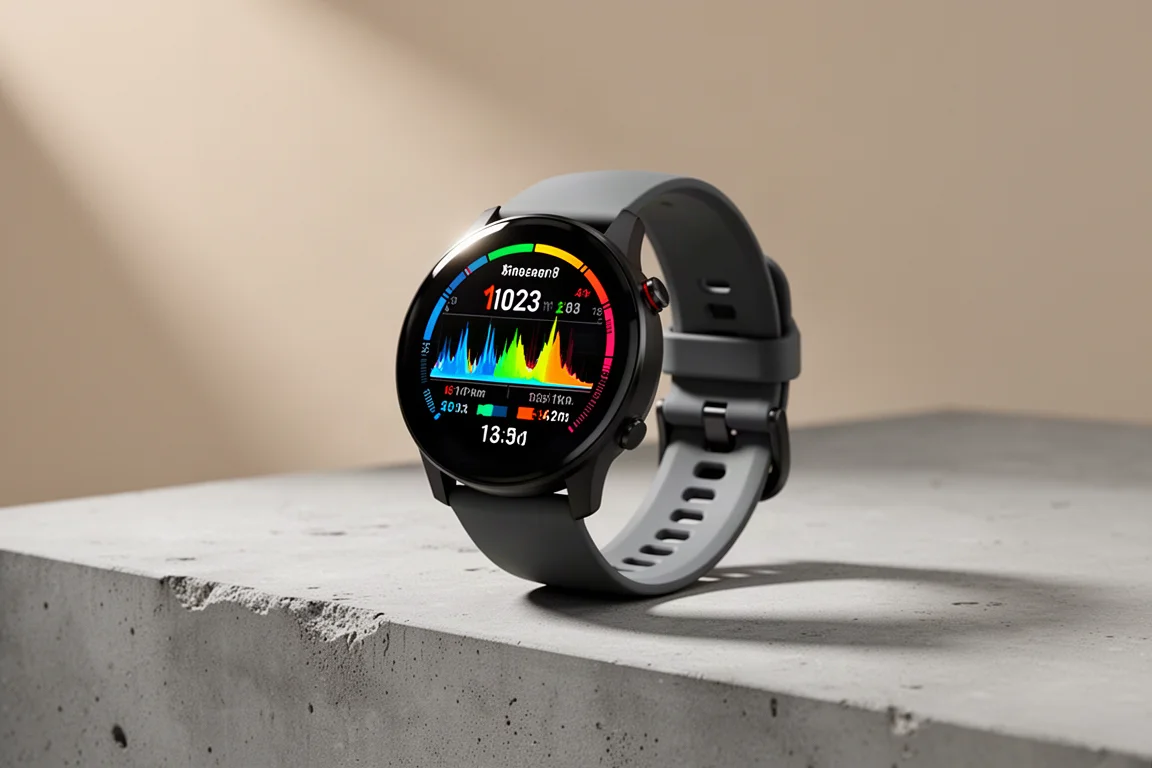
Coros Pace Pro Review: A Complete Overhaul That Finally Feels Premium
Coros rebuilt the Pace Pro from the ground up with an AMOLED display, onboard maps, and a new heart rate sensor. Here is how it all holds up in real use.
Sports Watches
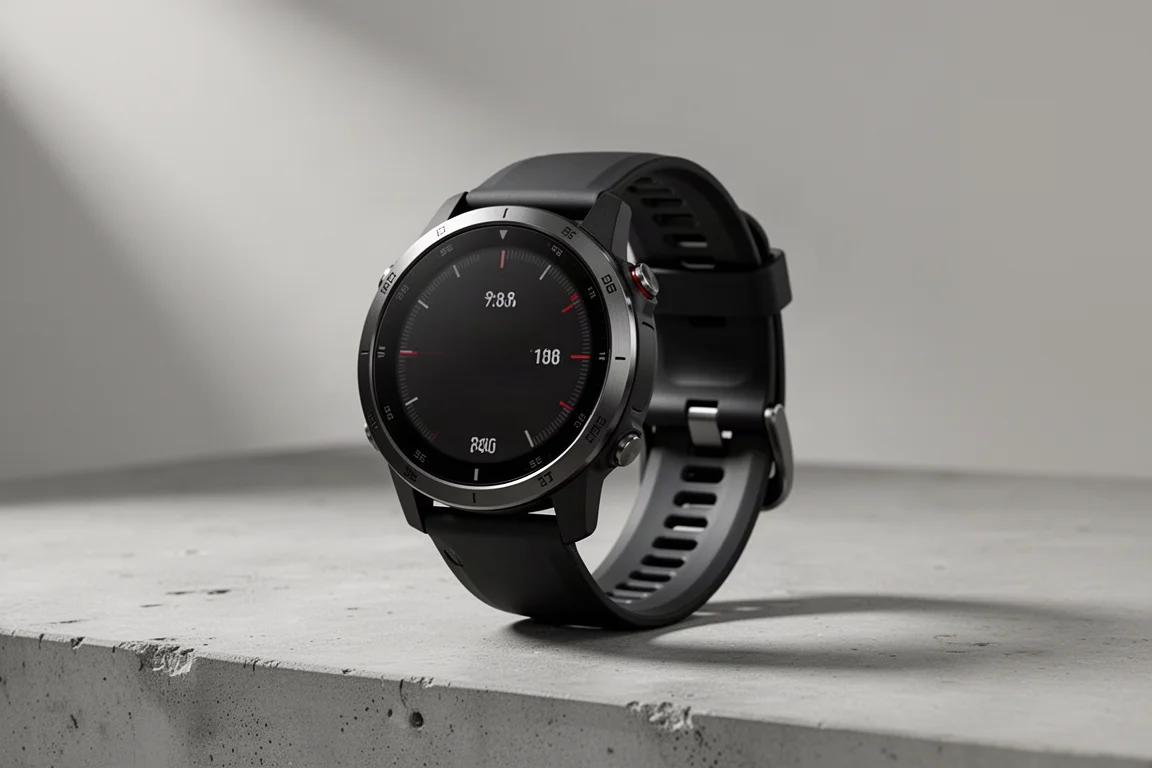
Polar Vantage M3 Review: The Sweet Spot in Polar's New Watch Lineup
A closer look at the Polar Vantage M3, which brings an AMOLED display, dual-frequency GPS, offline maps and the same software platform as Polar's flagship watches at a friendlier price.