Sports Watches
Garmin Enduro 2 vs Coros Vertix 2S: Which Long-Battery Sports Watch Wins?
Two of the longest-lasting GPS sports watches go head to head in a month-long side-by-side battery test, plus design, GPS, maps, and smart features compared.
Introduction
The Garmin Enduro 2 and Coros Vertix 2S are two of the longest-lasting sports watches on the market today, and both sit at the very top of their company’s ranges. They are also expensive: the Enduro 2 costs £870 or $1,000, while the Vertix 2S comes in at £600 or $700. This comparison focuses on a month-long side-by-side battery test, but also covers design, GPS accuracy, heart rate, training tools, maps, and smart features to help you decide which one deserves a place on your wrist.
Specs and Design at a Glance
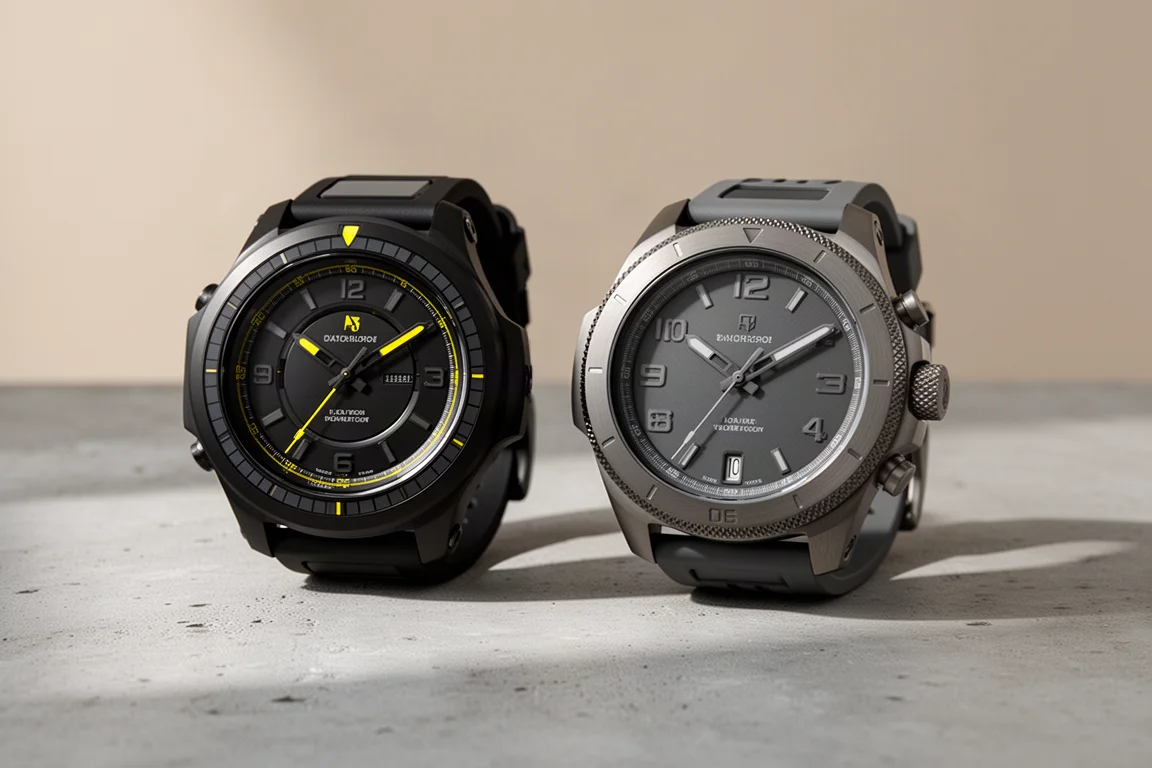
The Vertix 2S comes in grey, blue, and black, while the Enduro 2 ships in a single design: a black watch with yellow accents. The Vertix 2S has a 50mm case at 16mm thick, and the Enduro 2 is a 51mm case at 15.6mm. Both are lightweight for their size thanks to titanium construction: the Vertix 2S weighs 61g and the Enduro 2 weighs 64g. The Vertix 2S includes a nylon and silicone strap, while the Enduro 2 comes with just a nylon strap.
Both use titanium bezels and case backs with plastic elsewhere in the case, and both have sapphire glass screens. On the Enduro 2, solar panels run around the outside of the watch to extend battery life in sunny conditions. Both feature a 1.4-inch transflective memory-in-pixel touchscreen; the Garmin uses the familiar five-button layout, while the Coros uses three buttons with a digital dial in the middle. Both offer multiband GPS, optical heart rate sensors, and a 10 ATM waterproof rating.
One notable difference: the Enduro 2 has a built-in flashlight, something that has not come to the Coros range yet. For external sensors, the Garmin supports both Bluetooth and ANT+, while the Coros is Bluetooth only.
Battery Life: The Head-to-Head Test
On paper, the claims are close. The Vertix 2S is rated for 36 days in watch mode with sleep and stress tracking, versus 34 days on the Enduro 2, rising to 46 days with solar. Standard GPS is rated at 110 hours on the Enduro 2 and 118 hours on the Vertix 2S. The multiband figures are more questionable: Coros lists 43 hours of multiband GPS, while Garmin claims 68 hours, which does not tally with the rest of the numbers. A fully charged Enduro 2 shows roughly 45 hours of estimated multiband battery life when starting a run, which seems more realistic.
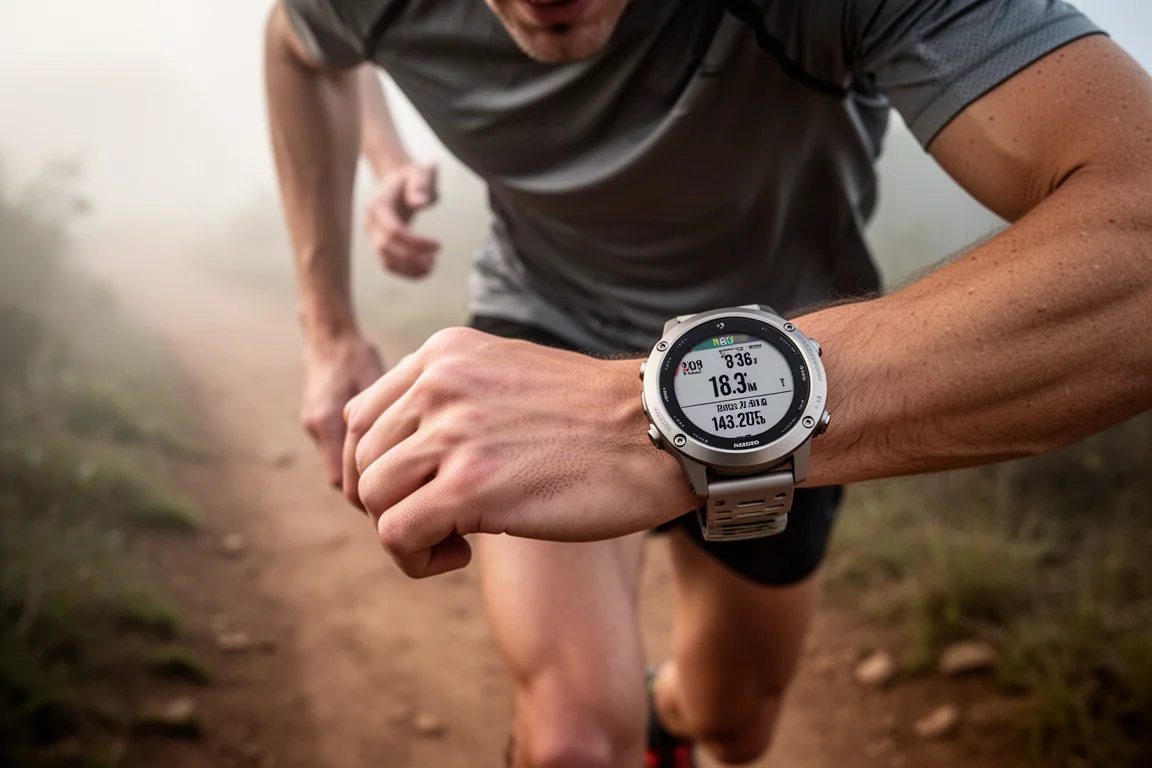
For the side-by-side test, both watches tracked heart rate 24/7, were worn to sleep and for all activities, used multiband GPS for every workout, and handled notifications. The test month included daily running with about an hour of GPS activity per day. The result: the Enduro 2 lasted 17 days on a charge, and the Coros beat it at 22 days. When the Enduro ran out, the Vertix 2S still had 32% of its battery left.
Training totals told the same story: 17 hours of training (about 15 GPS hours) on the Enduro 2 versus 24 hours of training (about 20 GPS hours) on the Coros before recharge. On individual activities, a 90-minute run cost the Coros about 3% of battery and the Garmin about 4% in multiband mode.
The real difference came outside of activities. The Coros barely drains at all between workouts, partly because its screen is not the brightest, while the Garmin is a more power-intensive watch with more developed stats and deeper sleep tracking detail. One big caveat: the test took place in the UK with limited sun. If you are outdoors for several hours a day in bright conditions with the watch face turned to the sun, the solar panels could change the picture considerably, and the battery comparison would likely be much closer.
Design and Build
The design win goes to Garmin. It has a nicer, more comfortable, sleeker look than the Coros, even though they are similar in weight and wrist feel. The built-in flashlight is a genuine upgrade, useful for getting around the house at night and genuinely valuable on camping trips.
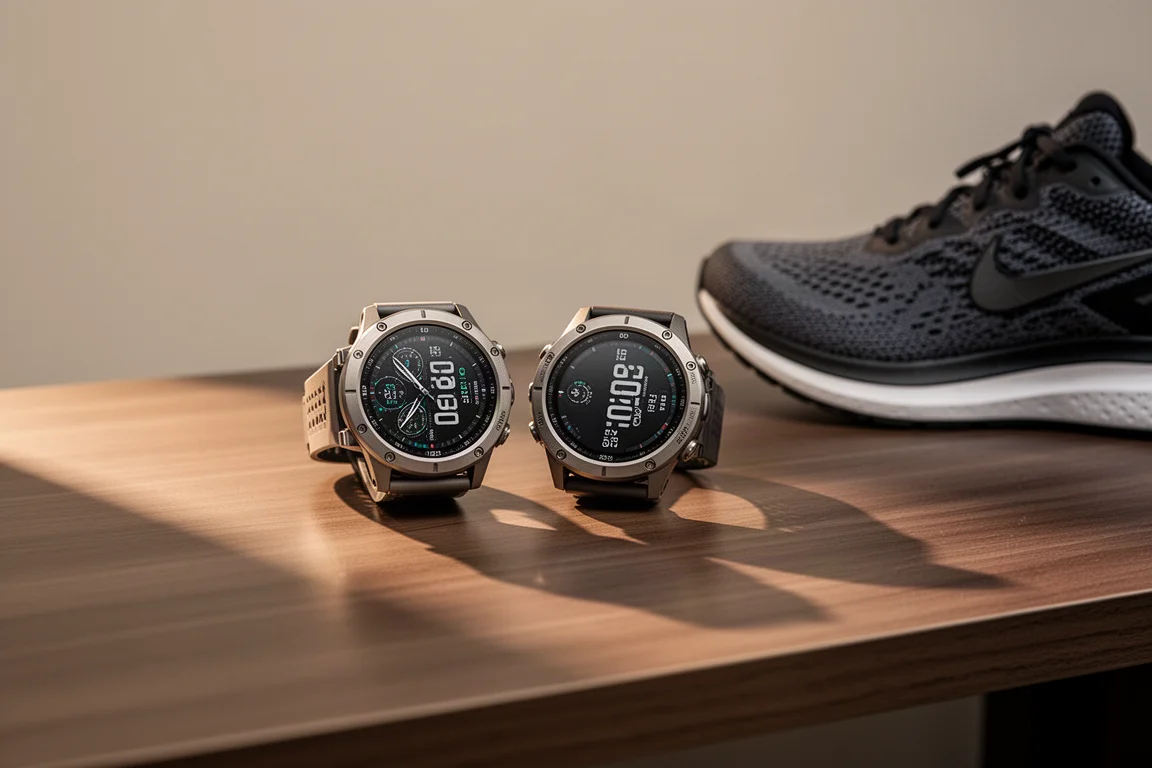
The five-button Garmin layout is also preferable to the Coros digital dial. The dial is large and easy to trigger accidentally with sleeves, jacket cuffs, or a bent wrist during activities like press-ups, forcing you to position the watch carefully to avoid unwanted inputs.
GPS and Heart Rate Accuracy
GPS accuracy has been very similar across the board. Worn daily on the same runs, lap splits were nearly always within seconds of each other, and GPS tracks were hard to tell apart. Longer runs showed slightly more variance in total distance, but pacing was comparable. The Garmin very slightly edges it, but with the new multiband setup on the Vertix 2S, the Coros has become a much more impressive GPS watch for running. There is no clear winner here.
Heart rate tracking has had ups and downs on both, especially in cold conditions, with some really inaccurate results from the Vertix 2S early in testing when the weather was cooler. Both are big, heavy watches on thin wrists, which is not a good mix for optical accuracy. If you want to use these watches to guide training, pair a chest strap with either one. If you rely on the wrist sensor, the Garmin Enduro 2 is slightly better, but expect errors with both at times.
Sports Tracking and Training Analysis
For sports modes, both watches offer extensive customization, plenty of data fields, a track run mode, structured workout builders, and big screens that stay clear to read outdoors. There is really nothing to separate them there.
Training analysis is where Garmin pulls ahead. It delivers richer, better-presented analysis with color-coded graphs, plus extras like Hill Score and Endurance Score, suggested workouts, and Training Readiness. Garmin’s training load handling is also better structured; the Coros 7-day load resets rather than rolling, which is a bit odd, though Coros does offer longer-term load analysis.
There are wrinkles on both sides: the race predictor is generally more accurate on the Coros, yet the VO2 Max estimate on the Coros was way off in testing while the Garmin’s matched lab gas exchange testing closely. Overall, Garmin’s training tools are more extensive and more interesting to dive into.
Maps and Navigation
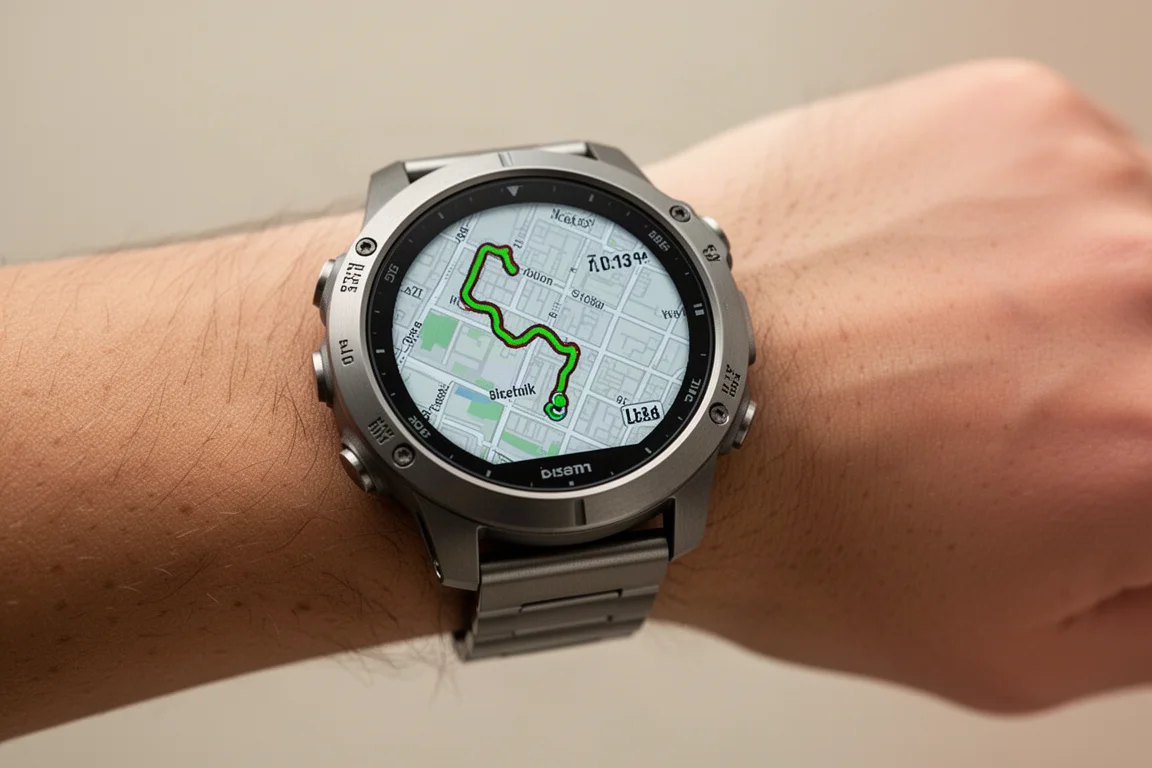
Both watches offer color maps, route creation in their partner apps with easy transfer to the watch, and turn-by-turn directions, though Garmin’s directions proved a little more reliable in testing. The Garmin maps carry far more detail, are routable, and let you create routes on the fly. The ClimbPro feature, which breaks down the climbs in your route and shows their length and profile, exists on both but is much more extensive and polished on the Garmin. This is a clear win for Garmin, which arguably has the best maps and navigation features of any company in the sports watch space right now.
Smart Features
Smart features are another comfortable win for Garmin. The Coros has music, but it is drag-and-drop MP3 files only, with no streaming service integration, plus a nice weather forecast, and that is about it. The Garmin offers NFC payments via Garmin Pay, full music support with Spotify, Deezer, or Amazon Music with playlists transferred wirelessly, and the Connect IQ app store, which is fairly minimal but includes useful apps like a parking barcode. Watch face customization is far better too: during testing, adding a second time zone to the Garmin’s watch face was easy, something the Coros simply cannot do.
Activity and Sleep Tracking
Both watches cover the standard basics: steps, calories burned, and active minutes. Coros watches tend to show a lower step count than other brands, likely by 1,000 to 2,000 steps on a busy day, while Garmin tends to slightly underestimate calories burned. Sleep tracking on both tends to overestimate time asleep, logging you as in light sleep when you are awake but still. It is accurate enough to be vaguely useful, but bear that tendency in mind. Both also track heart rate variability, and the morning HRV numbers were comparable between the two. On the Garmin, HRV feeds the Training Readiness stat, while Coros presents the HRV status as a hard number for gauging stress on your body.
Final Verdict
The Coros Vertix 2S is considerably cheaper, has the harder-to-beat battery record, and comes with the durable design you expect from Coros. In the side-by-side test, it clearly beat the Garmin Enduro 2. But there is a lot on the Garmin that gives it an edge: the design, the smart features, the maps and navigation, the training analysis, and arguably a slight GPS advantage. The flashlight alone will matter to some people.
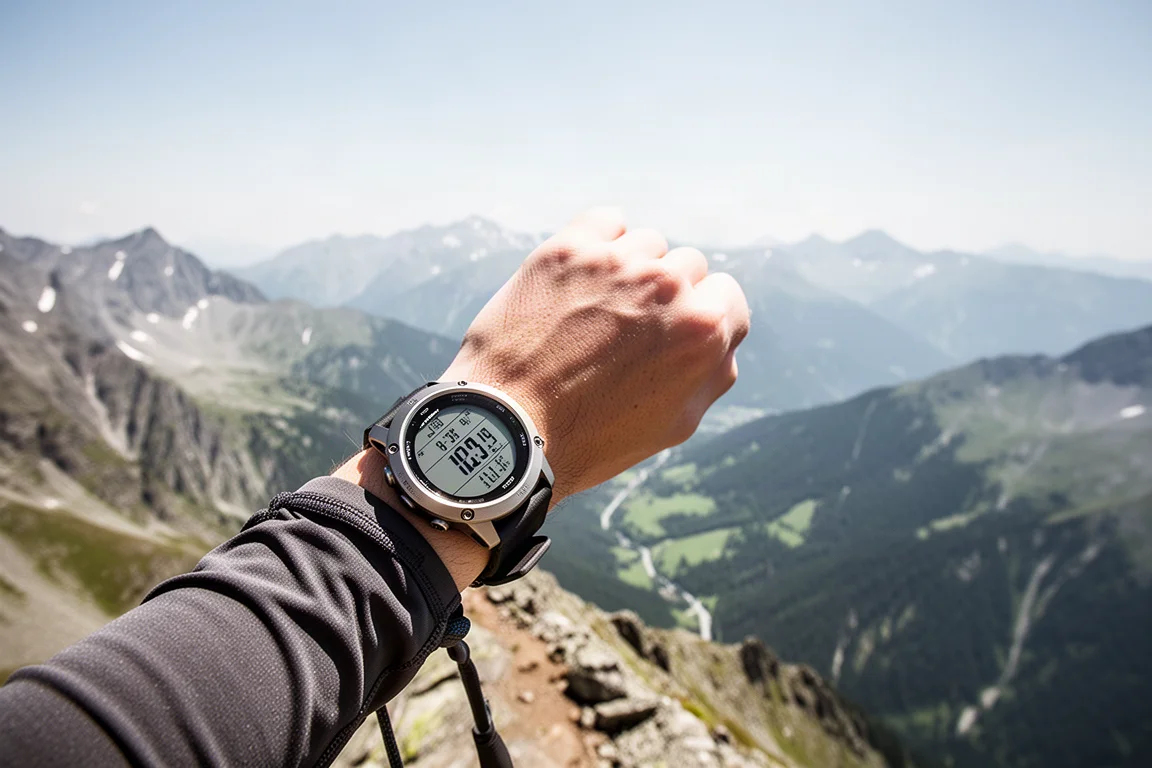
The Garmin is the better all-around watch, but it is much more expensive. That said, the Enduro 2 pops up in sales far more often than the Vertix 2S, which has a history of rarely receiving big discounts. If you can find the Enduro 2 on sale, it is a strong upgrade case. If raw battery life and value are your priorities, the Vertix 2S is the one to buy.
Conclusion
This comparison comes down to priorities. The Coros Vertix 2S wins the battery test and costs hundreds less, while the Garmin Enduro 2 is the smarter, better-mapped, more analytical watch with a flashlight on board. Outdoor athletes who get real sun exposure will find the battery gap narrows considerably thanks to solar charging. Whichever way you lean, both are exceptional long-endurance sports watches.
Product link
View more details for Garmin Enduro 2
This product is mentioned in the review. Check the specifications, options, and compatibility before buying.
View more details for Garmin Enduro 2Further reading
Related Reviews
Sports Watches
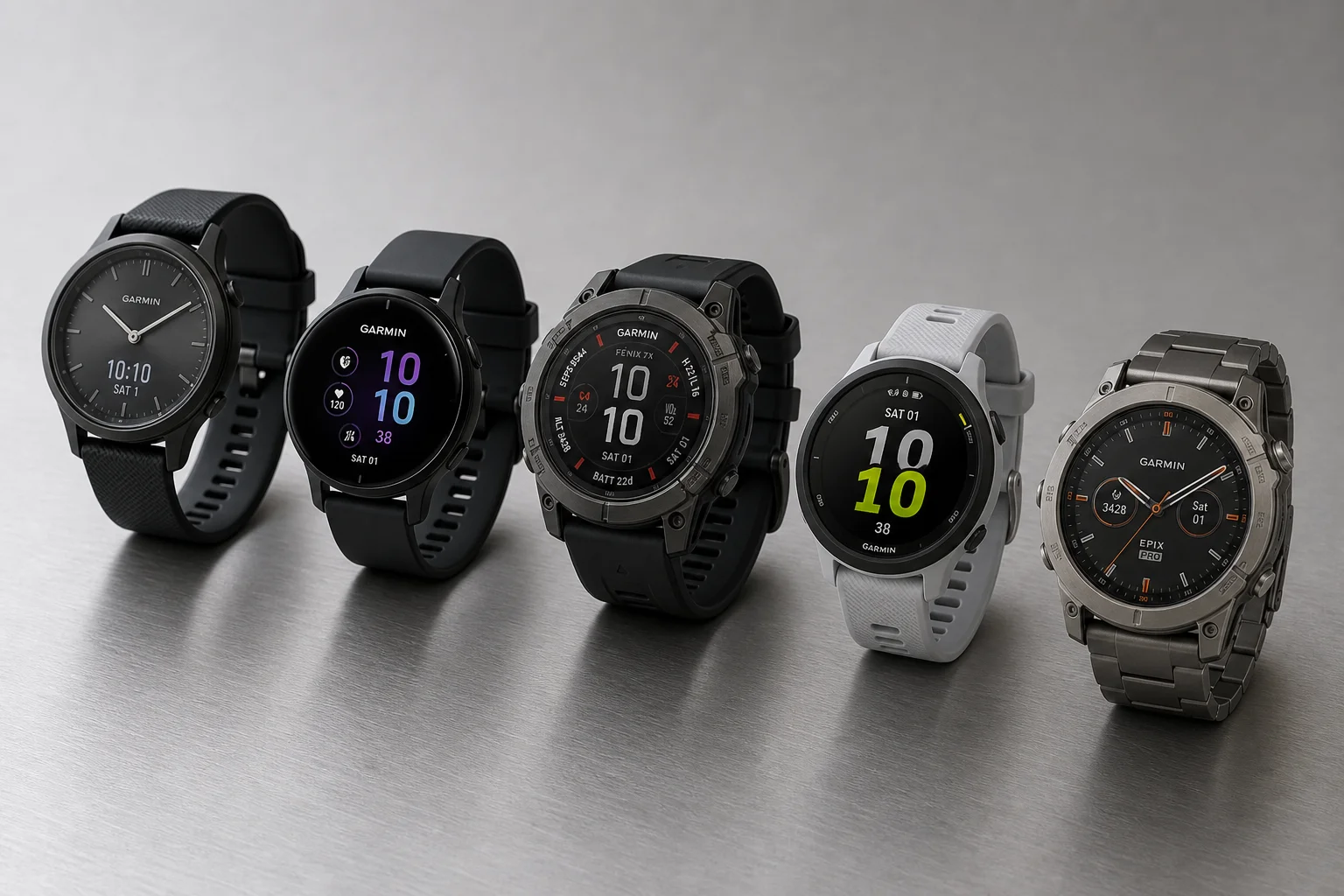
Garmin Sports Watch Guide: Finding the Right Model for Your Fitness Level
A comprehensive overview of Garmin's sports watch lineup, from casual fitness trackers to advanced multisport devices, helping you choose the right model for your needs and budget.
Sports Watches
Coros Pace Pro Review: A Complete Overhaul That Finally Feels Premium
Coros rebuilt the Pace Pro from the ground up with an AMOLED display, onboard maps, and a new heart rate sensor. Here is how it all holds up in real use.
Sports Watches
Polar Vantage M3 Review: The Sweet Spot in Polar's New Watch Lineup
A closer look at the Polar Vantage M3, which brings an AMOLED display, dual-frequency GPS, offline maps and the same software platform as Polar's flagship watches at a friendlier price.