Sports Watches
Garmin Enduro 2 First Look: Premium Battery Life and All the Features
Garmin's Enduro 2 combines the brand's longest battery life with maps, music storage, multi-band GPS and a built-in torch, at a premium price.
Introduction
The original Enduro was all about battery life, and it caught some criticism for costing more than the Fenix range while offering fewer features. No maps, no music. That split the Garmin lineup awkwardly for anyone trying to choose between battery life and features.
The Enduro 2 keeps things simpler. It is expensive, sitting well above the Fenix and Epix models, and it carries essentially the best of what Garmin offers: maps, music storage, multi-band GPS and the longest battery life in the range. You pay a premium for the combination, but the proposition is easy to understand. The watch costs £929.99 in the UK or $1,099.99 in the US, and there is only one model.
Design and Hardware
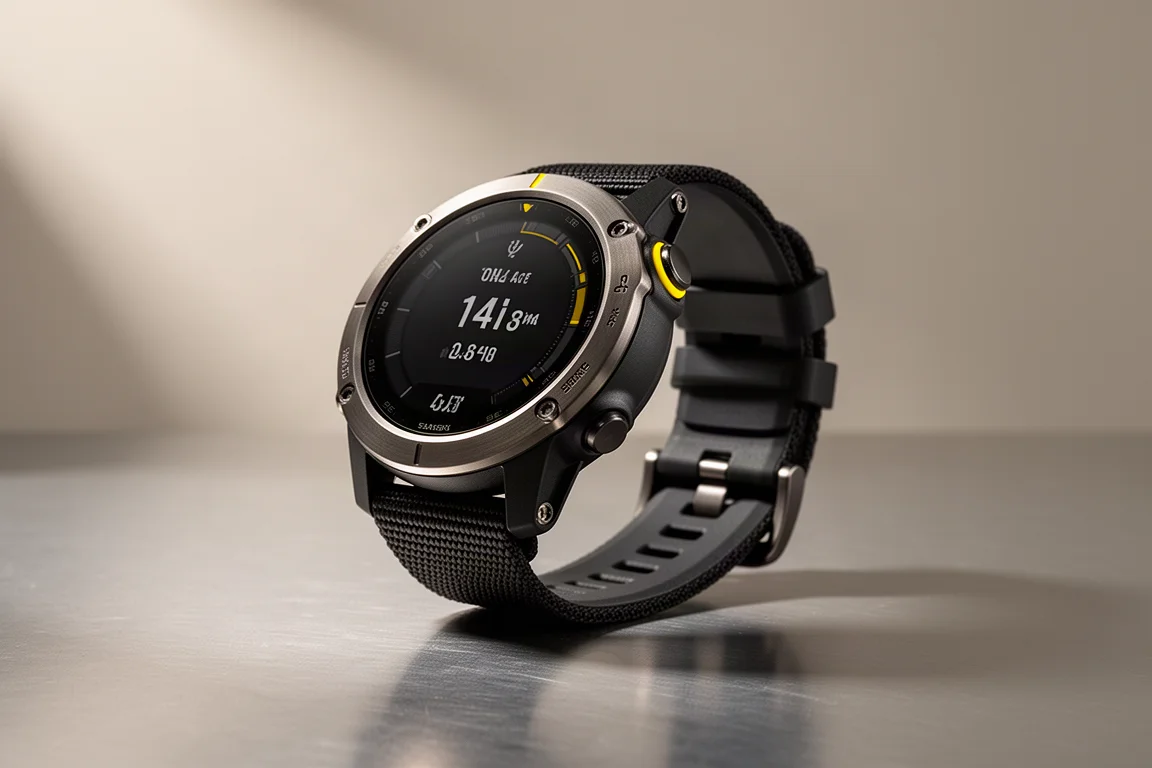
The Enduro 2 uses a titanium bezel and titanium rear case with fiber-reinforced polymer in between. It has a 1.4-inch Power Sapphire display with solar charging, five physical buttons and, like most top-end Garmin watches these days, a touchscreen as well.
The 51mm case matches the original Enduro and the Fenix 7X in size, but it is slightly thicker at 15.6mm compared with 14.9mm on the Fenix 7X. Weight comes in around 70 grams with the included nylon strap, or 64 grams without it. Two straps are supplied: the nylon one and a standard silicone strap.
A notable hardware addition is a torch built into the top of the watch, as on the Fenix 7X, but this one is claimed to be twice as bright. You get four settings of white light plus a red light mode.
Design and Display
On the wrist, the extra thickness is not noticeable. It has been comfortable enough to wear around the clock, including during sleep, in quite hot conditions. The small yellow accents on the button and around the screen give it a distinctive, attractive look that stays in keeping with the rest of Garmin’s lineup. The nylon strap is excellent too, and noticeably nicer than typical third-party options.
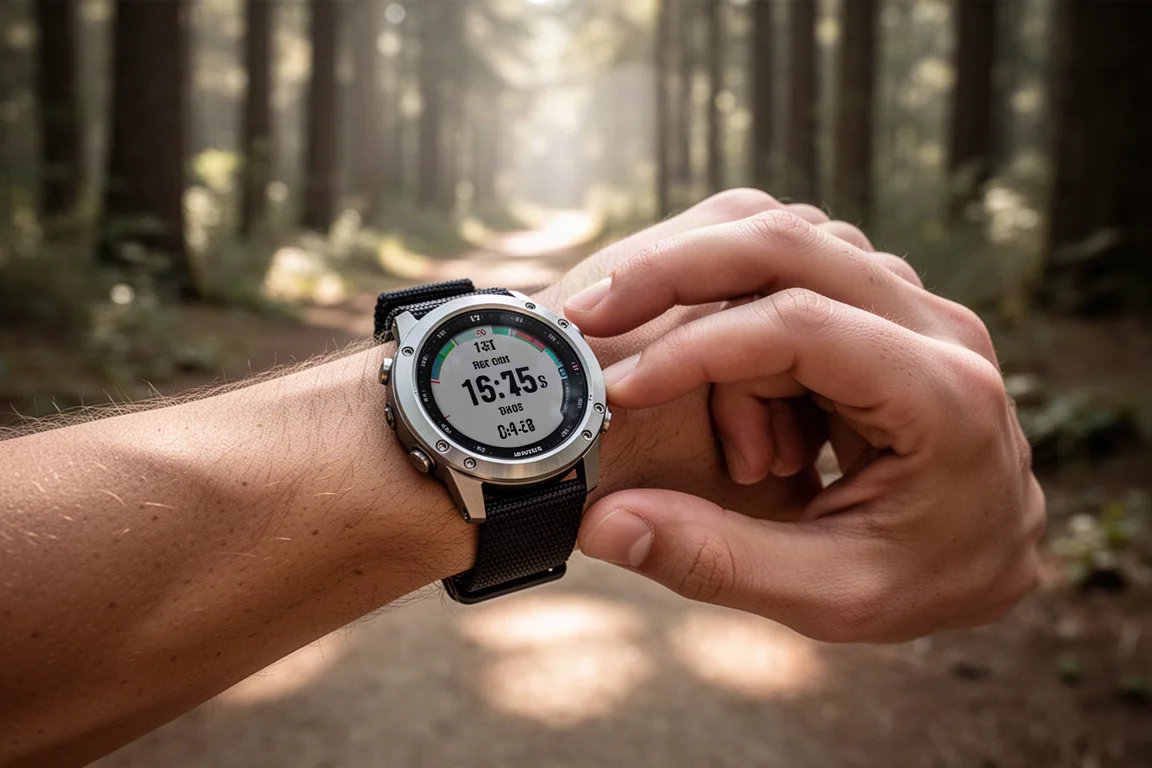
The screen is the usual story with solar sapphire Garmin displays. It is not quite as bright as non-solar screens because the panel sits slightly deeper behind the glass, and in dappled sunlight such as running through woodland, the maps can be a little harder to read. In direct, clear sunlight it is very legible, and raising the activity brightness helps. Next to something like the Epix 2 with its AMOLED screen there is a clear difference, but it is on par with the Fenix 7X Sapphire Solar.
GPS Accuracy
Testing was done against the Epix 2 in multi-band mode, paired with an HRM-Pro Plus chest strap as a benchmark, over four runs and a couple of yoga sessions.
Using SatIQ mode, which automatically switches between GPS modes, the tracks have been impressive. Runs on a looped forest course matched very closely with the Epix 2 in multi-band mode. There have been small wobbles and occasional distance differences in satellite-only situations, but no notable concerns. A hard park run came in at 5.02km on an accurately measured course, which is a good result.
SatIQ is worth considering for most everyday runs because it saves battery when conditions are favourable, while multi-band remains the safer choice for key sessions, races or challenging GPS conditions where the extra accuracy matters.
Heart Rate Accuracy
Wrist heart rate has been a mixed bag. Some runs were slightly off, one was spot on against the chest strap, and one long run read far too high for the first few kilometers before settling in and staying mostly correct.
That early error was enough to reclassify the run as a tempo run instead of an easy run in Garmin’s training analysis, and it inflated recovery time by around 20 hours compared with the Epix 2 with the chest strap.
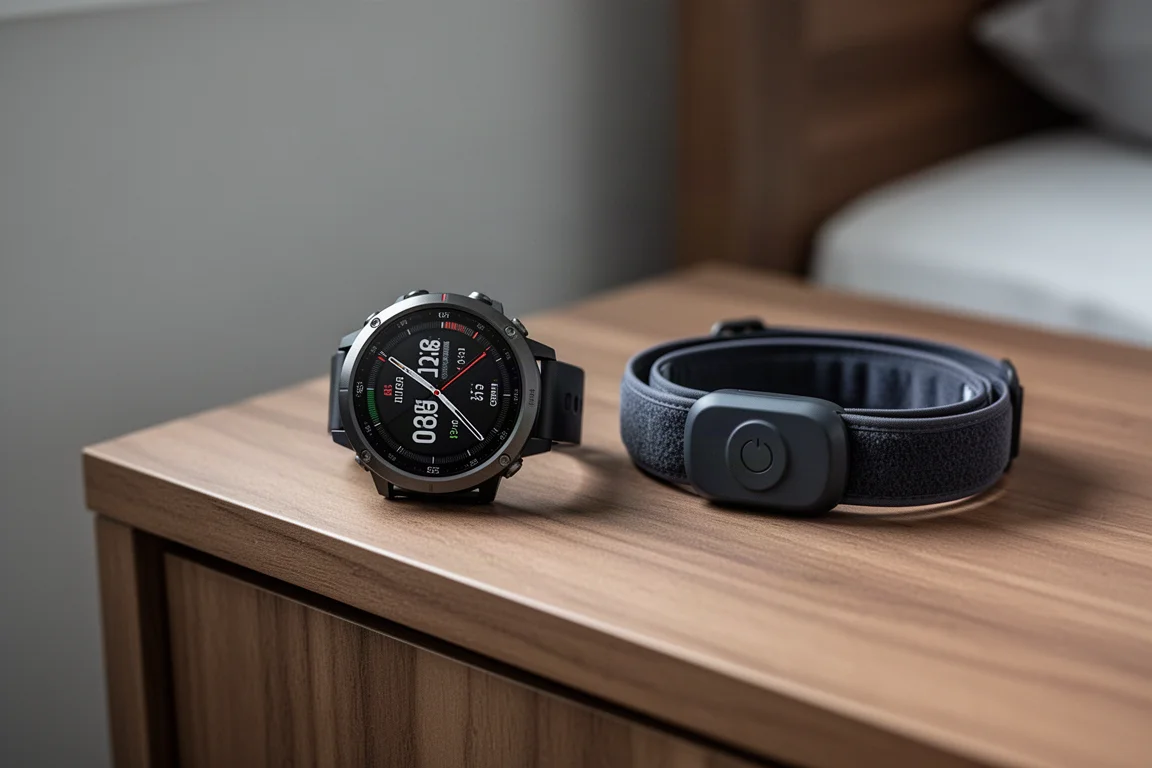
For a watch at this price, pairing it with a chest strap or an optical arm strap to feed more reliable heart rate into the training analysis is a sensible recommendation.
Mapping and Navigation
The mapping is fantastic and deserves real praise. You get Garmin’s full navigation suite: ClimbPro, turn-by-turn directions, an upper head feature showing aid stations and the distance to them, and the Next Fork feature, which flags the next fork on a trail and names the trails coming up when you are not following a course.
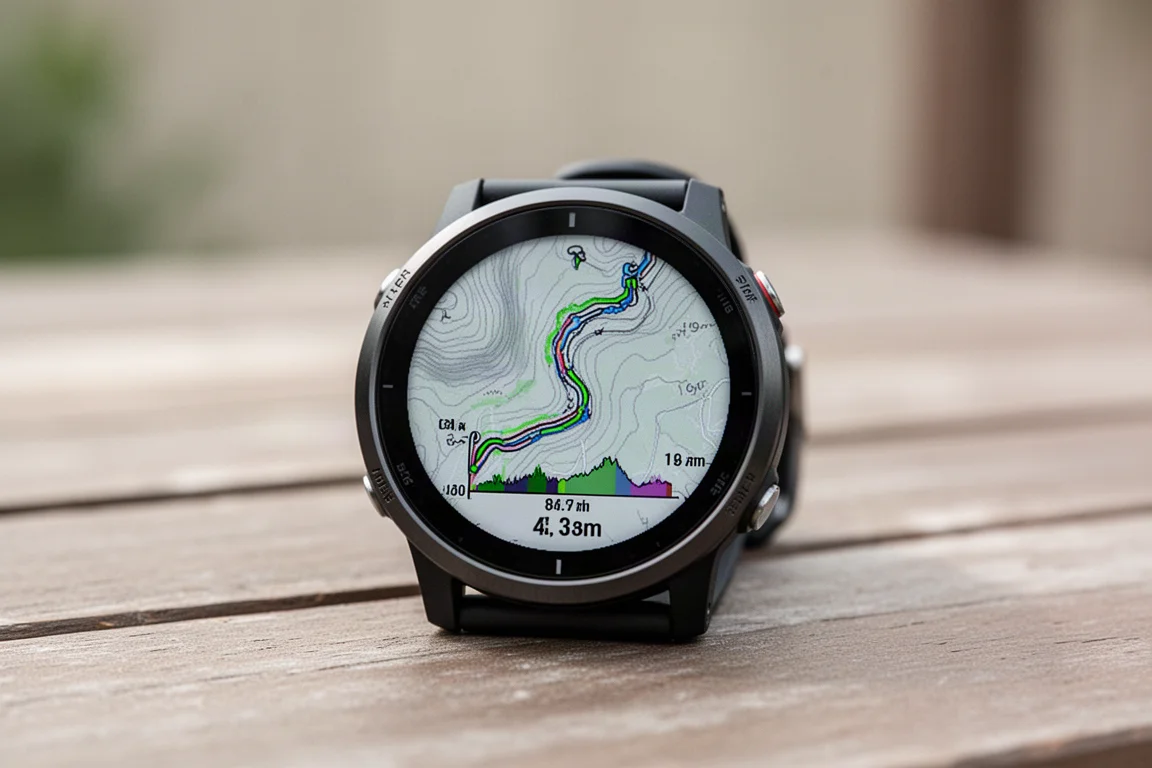
Maps were somewhat unwisely left off the original Enduro, and their inclusion here is a no-brainer for a watch marketed at ultra marathon and mountain runners, where good maps can genuinely guide you through new terrain and, in a pinch, matter for safety.
Music storage is also on board, with support for services like Spotify Premium, as with Garmin’s other music-capable watches.
Training Features
A new addition is Grade Adjusted Pace, recently seen on the Forerunner range and in Strava. It accounts for incline, so your adjusted pace is slower than your actual pace on downhills and vice versa on climbs. It is genuinely useful for slowing down on easy uphill runs and for not relaxing too much on downhills during hard efforts.
Two limitations are worth knowing. Instant grade adjusted pace can be jumpy, so an average or lap-based version would be more useful at a glance. And it only considers incline, not terrain, so it says little about a muddy climb or an icy, technical descent.
Automatic rest timers for ultras are another thoughtful touch. Instead of pausing the watch at an aid station, the watch logs the rest period automatically so you can review it afterwards. Additional training features from the Epix and Fenix ranges, such as readiness, are expected to arrive on the Enduro 2 over time.
Battery Life
Battery is the headline attraction, and Garmin claims a 40 percent improvement in activity tracking battery life over the original Enduro. Key figures: 110 hours of GPS-only tracking, rising to 150 hours with solar, and 68 hours in multi-band mode, or 81 hours with favourable sunlight. Smartwatch mode is quoted at 34 days, or 46 with solar, which is actually a slight drop versus the original Enduro. The Enduro 2 is clearly tuned for efficiency during tracking rather than pure smartwatch standby.

Real-world results so far are promising. After five days including about five and a half hours of outdoor running, two yoga sessions, plenty of menu browsing and raised screen brightness, the battery sat at 74 percent with a projected 22 days remaining. With two long runs already in that sample, three weeks or more of heavy use looks realistic, which would beat what the Fenix 7X delivered in comparable use. For a watch costing this much, it needs to.
Buying Advice
Garmin tends to complicate its upper ranges with different materials and prices, but the Enduro 2 is refreshingly simple: one very expensive titanium watch with all of Garmin’s best features and the longest battery in the lineup.
At this price you are realistically choosing between the Fenix 7, the Epix 2 and the Enduro 2. The Fenix 7X is cheaper and shares most of the same features with very good battery life, so the Enduro 2 has to justify the premium with meaningfully longer runtime. The Epix 2’s standout is its superb AMOLED screen, but you live with roughly four or five days of battery.
If you are a marathon runner whose longest efforts rarely exceed a few hours and you value a brighter screen, the Epix 2 remains an easy recommendation. If you are a mountain, adventure or ultra runner who wants maps and weeks of battery without thinking about charging, the Enduro 2 is now a very complete option, and the missing maps of the original are no longer a reason to look away.
Conclusion
The Enduro 2 is a simple proposition wrapped in a premium price: a titanium watch with Garmin’s best features and its longest battery life. Early testing shows strong GPS accuracy, excellent mapping and realistic multi-week battery, with wrist heart rate being the main weak point. Whether it is the right buy comes down to one question: is that battery life worth the extra money over the Fenix 7X? For ultra and adventure runners, the answer looks increasingly like yes.
Product link
View more details for Garmin Enduro 2
This product is mentioned in the review. Check the specifications, options, and compatibility before buying.
View more details for Garmin Enduro 2Further reading
Related Reviews
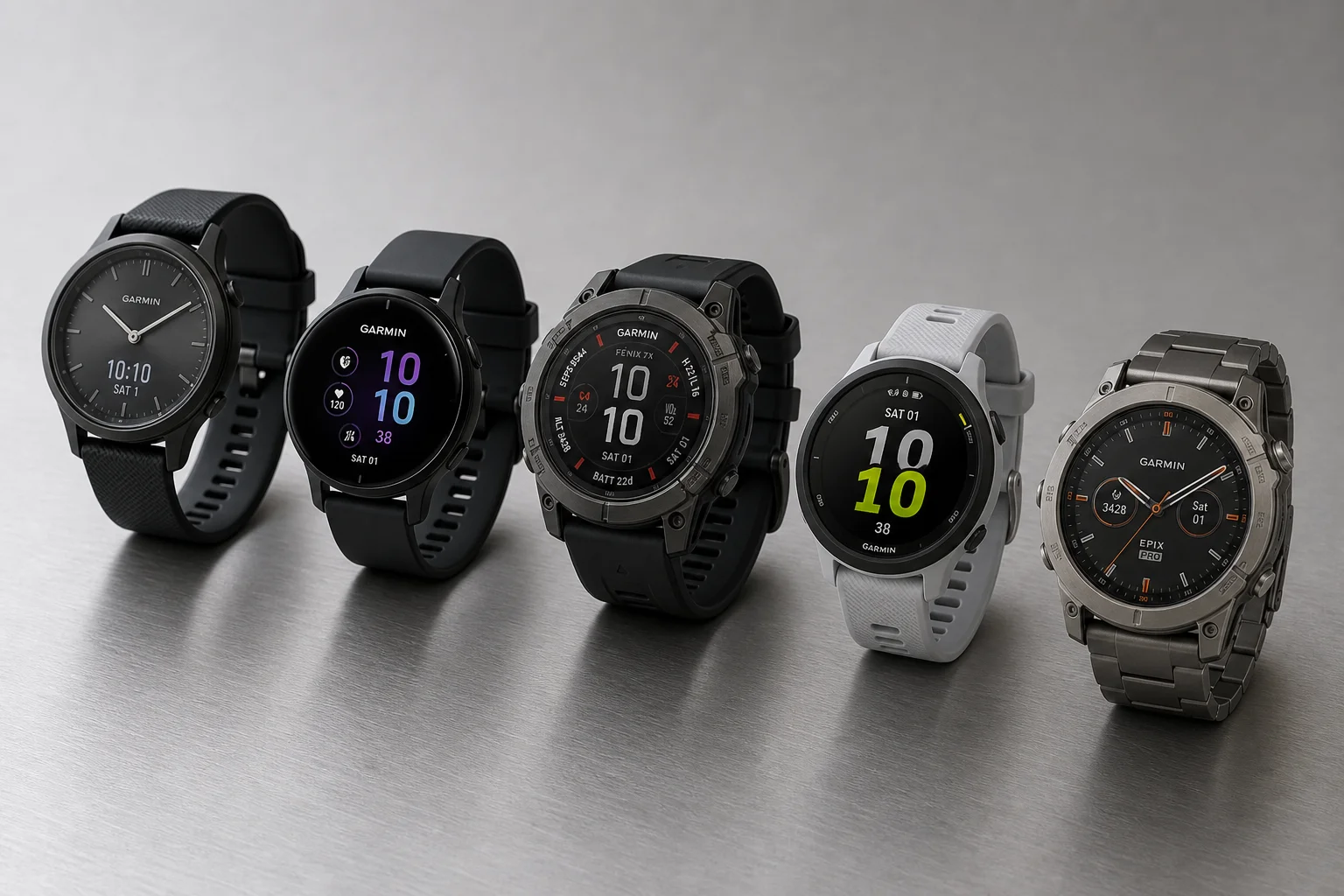
Sports Watches
Garmin Sports Watch Guide: Finding the Right Model for Your Fitness Level
A comprehensive overview of Garmin's sports watch lineup, from casual fitness trackers to advanced multisport devices, helping you choose the right model for your needs and budget.
Sports Watches
Coros Pace Pro Review: A Complete Overhaul That Finally Feels Premium
Coros rebuilt the Pace Pro from the ground up with an AMOLED display, onboard maps, and a new heart rate sensor. Here is how it all holds up in real use.
Sports Watches
Polar Vantage M3 Review: The Sweet Spot in Polar's New Watch Lineup
A closer look at the Polar Vantage M3, which brings an AMOLED display, dual-frequency GPS, offline maps and the same software platform as Polar's flagship watches at a friendlier price.