Wearables
Garmin Circa First Look: Garmin's Answer to the Screenless Band
A hands-on overview of the Garmin Circa: hardware, the Garmin Connect essentials, workout recording quirks, and how it stacks up against Fitbit, Whoop, Amazfit, and Polar.
Introduction
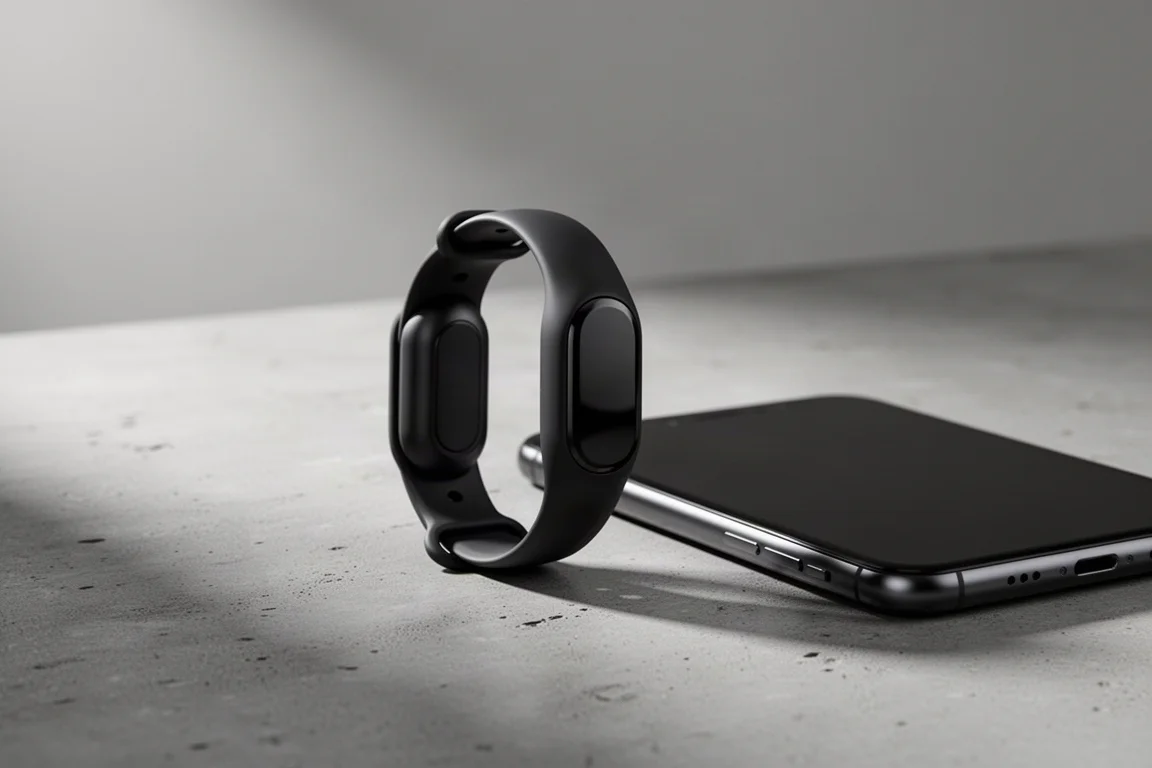
Garmin has finally entered the screenless band space with the Circa, a compact screenless tracker built around the same philosophy as the Whoop Band, the Amazfit Helio Band, the Fitbit Air, and the Polar Band: no display on your wrist, everything lives in the phone app. After putting it through early testing across running, riding, and everyday wear, the picture is familiar in shape but distinct in detail. This first look covers the hardware, the app experience, and how workouts actually get recorded, with the full in-depth accuracy review to follow.
The headline detail worth knowing up front: there is no subscription required. Everything covered here runs on the default configuration with no paid tier, which sets it apart from several rivals in this category.
Hardware: Small, Light, and Screenless
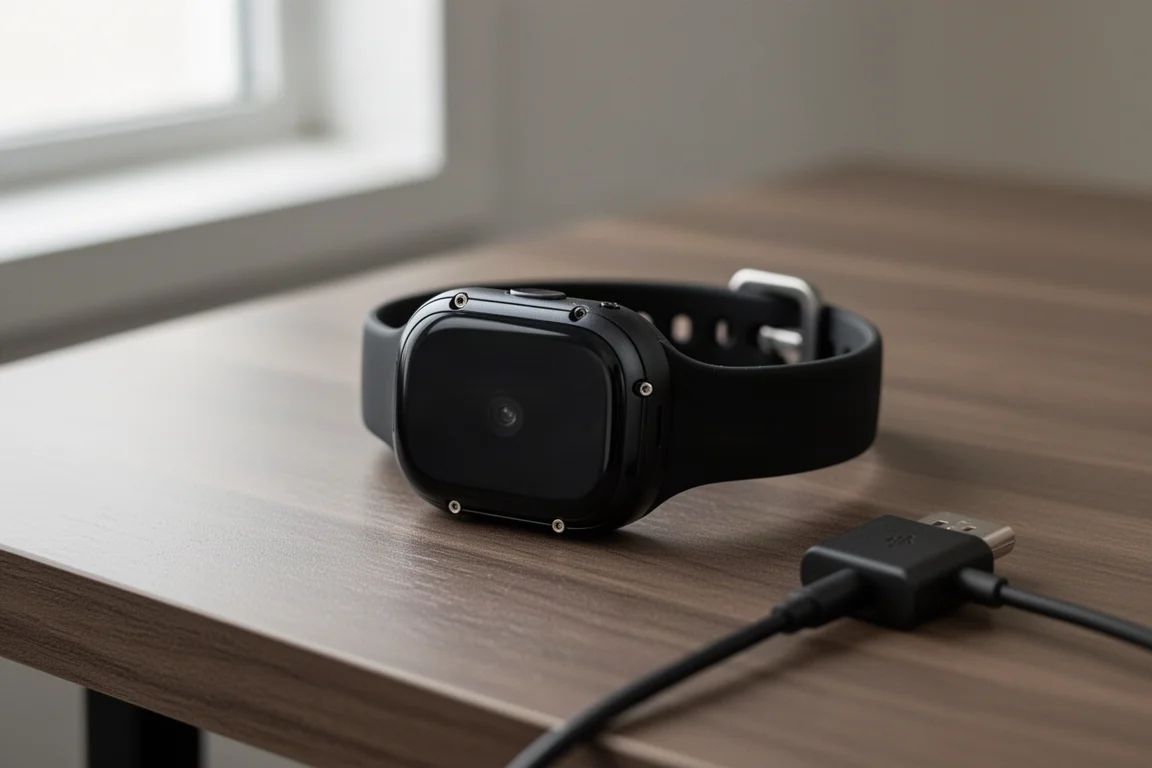
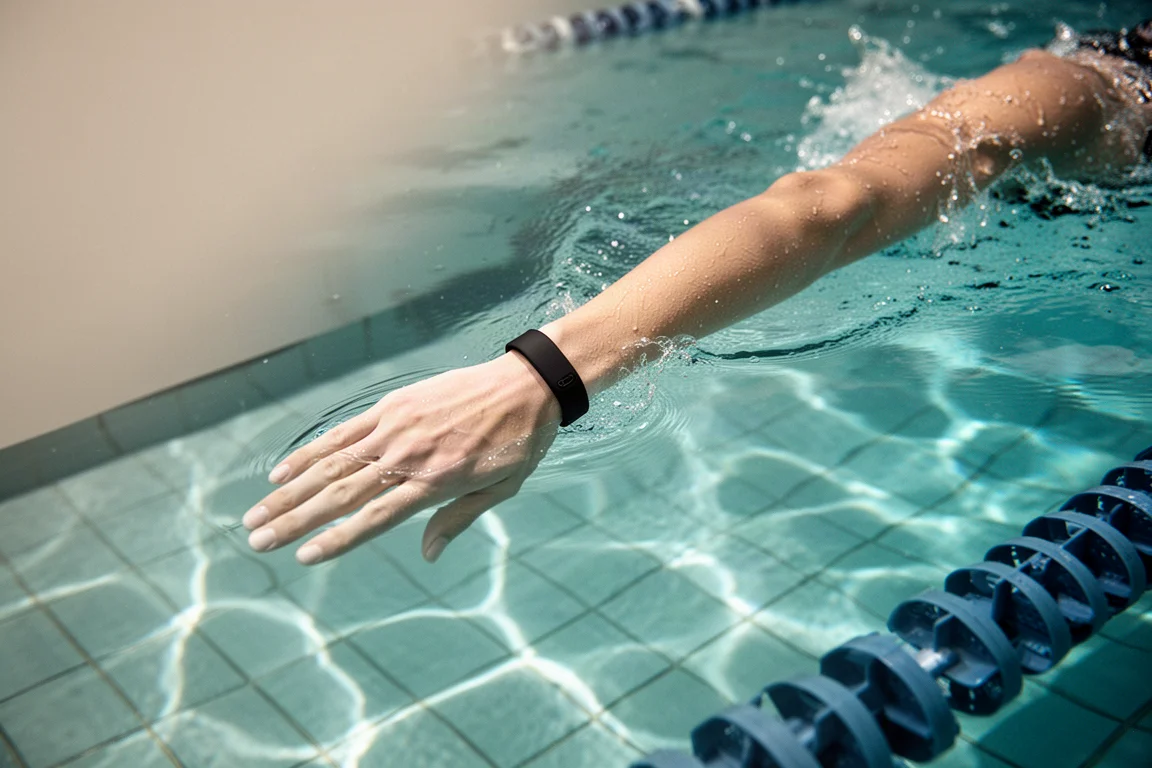
The Circa ships in two sizes, small/medium and large/extra large, and comes in four colors with a range of interchangeable bands plus a bicep band option. The band itself uses a detachable pod: press the small pin and the pod pops out of the strap, making band swaps straightforward. It weighs 20 grams and is rated waterproof to 50 meters, which covers pool swimming and daily water exposure without concern.
On the back of the pod you’ll find the standard Garmin charging connector and a Gen 4 optical heart rate sensor. That’s one generation behind the sensors in Garmin’s newest watches, and unlike those it lacks medically certified ECG, though it does offer skin temperature. In practice, Gen 4 accuracy is fine for most day-to-day scenarios, with differences only showing up in a handful of edge cases.
At $199, the Circa sits at the premium end of this category. The Fitbit Air and Amazfit Helio Band both land at $99, Polar’s band matches the $199 price, and Whoop runs around $199 per year as a subscription. Garmin’s pricing is consistent with its historical positioning, and crucially the Circa’s core experience doesn’t hinge on a subscription.
The App First: Garmin Connect Essentials
With any screenless wearable, the app is the make-or-break piece, and Garmin Connect is where the Circa either wins or loses you. The good news is that the band carries essentially the internals of a modern Garmin watch, just without the screen: sleep score, body battery, training readiness, HRV status, respiration rate, steps, calories, training status, and training load all appear here, largely mirroring what you’d find on a high-end Garmin watch.
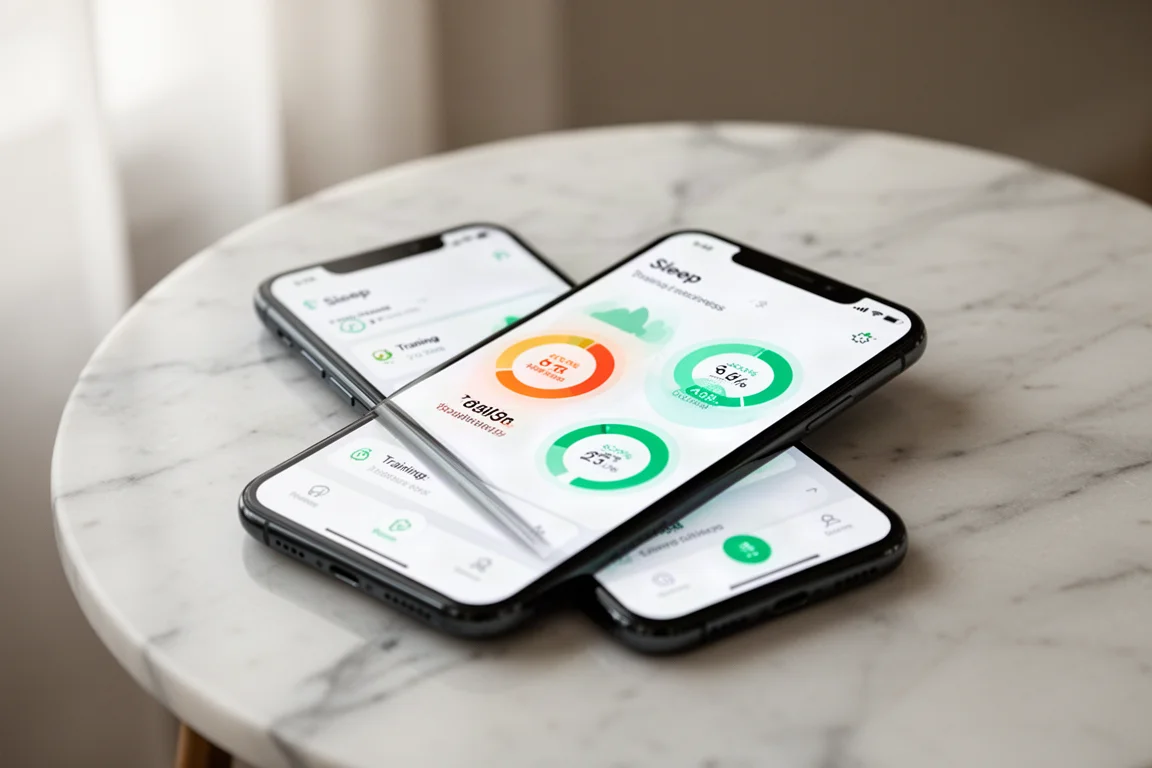
A new Essentials tab at the top of the app, available to all Garmin users, not just Circa owners, gathers a lightly customizable set of four tiles: sleep score, body battery, training readiness, and HRV status. Below that sit your day’s activities, completed workouts, and an In Focus dashboard with swipeable cards like training status.
The customization limits are noticeable. You can only choose from six total metrics for the top page, which means you can’t add acute load or a recovery-style score up top, two of the things that make the Whoop app so appealing. It’s a small gap, but for a screenless device this is exactly where flexibility matters most. Garmin Connect is still a solid starting point, and the Essentials layout bridges some of the simplicity that Whoop users enjoy.
Recording Workouts: Three Ways In
Workout recording works in three ways, and this is where the Circa behaves quite differently from a typical Garmin watch.
The first is automatic detection, similar to the Whoop approach. You just go out and move, and afterward the app surfaces a detected workout for you to confirm. It handles clear-cut activities like running and walking well, though Garmin hasn’t published an exact list of supported auto-detection types. For ambiguous workouts like yoga or strength training, automatic detection struggles.
The second is the side button. You can assign a default activity to the button so a single press starts and stops that workout, which is best suited to sports with an unclear start, like strength or yoga. By default it just starts a timed activity.
The third is manual recording from the app: tap the plus button, choose from one of ten predefined favorite sports or the full list of 80-plus activity types, and record directly through the phone, pulling heart rate from the band and GPS from the phone.
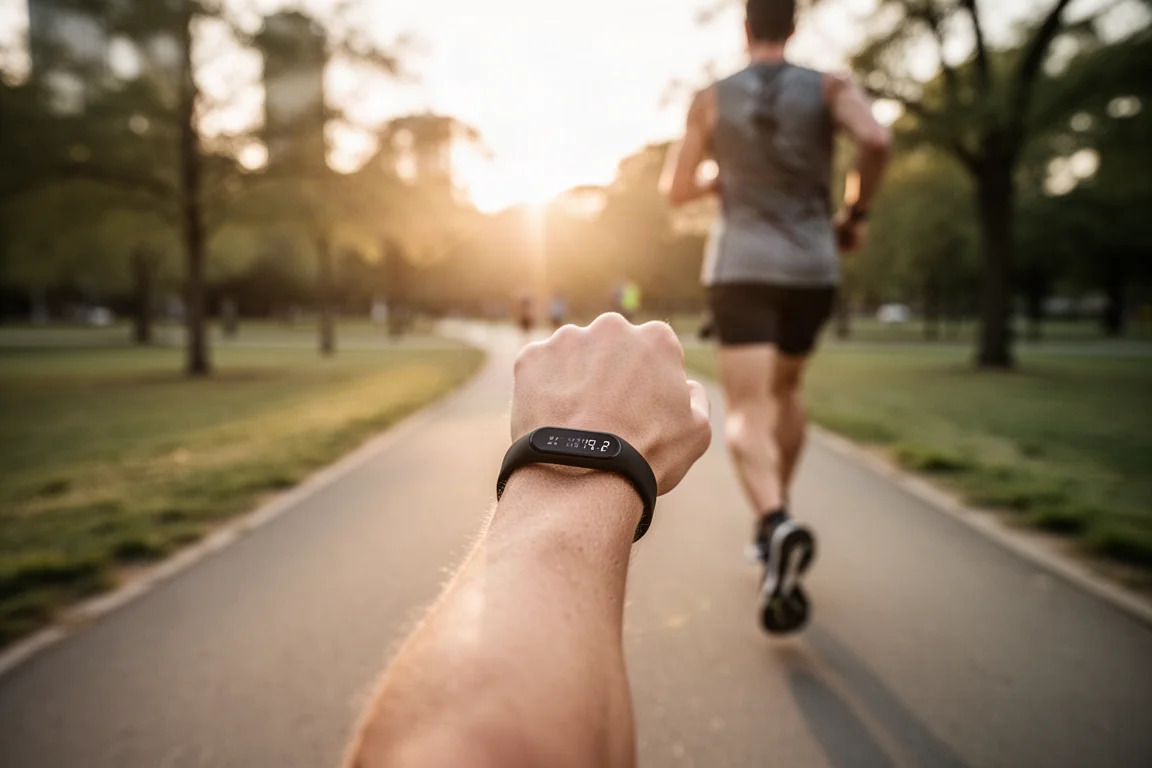
During a manually started activity, the in-progress view shows a timer, average heart rate, distance, and average speed, but not your live heart rate. That live heart rate graph is gated behind the optional Garmin Connect Plus subscription, which is a genuinely odd choice on a heart rate band, especially when the cheaper Amazfit Helio Band includes live metrics and maps for free. Connect Plus also unlocks structured workouts in the app; everything else on the band works without it.
One notable gap: saved workouts did not sync to connected platforms like Strava or TrainingPeaks during testing, an oversight most other devices in this space handle automatically.
Everyday Tracking and Wellness Features
Beyond workouts, the Circa covers the wellness basics well. Smart alarms wake you within a window based on sleep stages, and the side button doubles as a snooze control: tap to snooze, long-press to dismiss. Health and wellness settings cover step goals and intensity minutes, and you can enable heart rate broadcasting, letting other apps pair to the Circa as an ANT Plus or Bluetooth heart rate sensor with a long hold of the button.
Safety and tracking adds live tracking during workouts, sharing a link with friends and family so they can follow your position in real time, though it’s workout-only rather than around-the-clock. A power manager includes a battery saver mode that disables some features when the battery runs low, prioritizing which metrics get preserved. Battery life is claimed at 10 days, pending long-term verification.
How It Stacks Up
Against the Fitbit Air at $99, Garmin trades a lower price for genuinely athletic-focused training features that Fitbit doesn’t currently offer without its own subscription. Against Whoop at roughly $199 per year, the Circa’s big advantage is the absence of a recurring fee. Against the Polar Band, the Circa benefits from a generally stronger app experience, an area where Polar’s software has historically undercut otherwise solid hardware.
The main open question is long-term durability of the pod-and-strap design over months of use. The Gen 4 sensor without ECG is a modest compromise, but for most daily accuracy scenarios it holds up fine.
Buying Advice
If you’re already in the Garmin ecosystem and want a screenless band for sleep, recovery, and training metrics without a subscription, the Circa is an easy recommendation at $199. If you mainly want live in-workout data on a budget, the Amazfit Helio Band’s free live metrics make it the sharper value. And if you’re weighing a Whoop membership, note that the Circa delivers comparable top-level metrics with no recurring cost, at the expense of some app polish and the gated live heart rate view.
Conclusion
The Garmin Circa is largely what people expected from Garmin’s first screenless band: premium pricing, premium training features, no required subscription, and a few half-baked edges around live workout data and platform syncing. For athletes who want Garmin’s training ecosystem in a screenless form, it’s a strong first entry with clear room to grow. A full accuracy and durability review is on the way.
Product link
View more details for Garmin Circa
This product is mentioned in the review. Check the specifications, options, and compatibility before buying.
View more details for Garmin CircaFurther reading
Related Reviews
Wearables
Apple Watch Ultra 3 vs Garmin: Which Training Watch Wins for Athletes
A practical head-to-head comparison of the Apple Watch Ultra 3 and Garmin for serious training, covering GPS accuracy, data tracking, usability, and recovery metrics.
Wearables
Apple Watch vs Garmin for Running: A Year of Training Compared
After a year training for marathons with both devices, here's what actually matters when choosing a running watch.
Wearables
Apple Watch Ultra 3 vs Garmin Fenix 8 Pro: Satellite Messaging Compared
A practical comparison of satellite messaging on the Apple Watch Ultra 3 and the Garmin Fenix 8 Pro, covering connection methods, messaging workflows, coverage, and running costs.