Handheld Gaming
GameMT EX8 Review: A Powerful Handheld With a Few Sharp Edges
The GameMT EX8 brings a Helio G99 chip, a unique 3x2 display, and solid retro performance, but its design and ergonomics hold it back.
Introduction
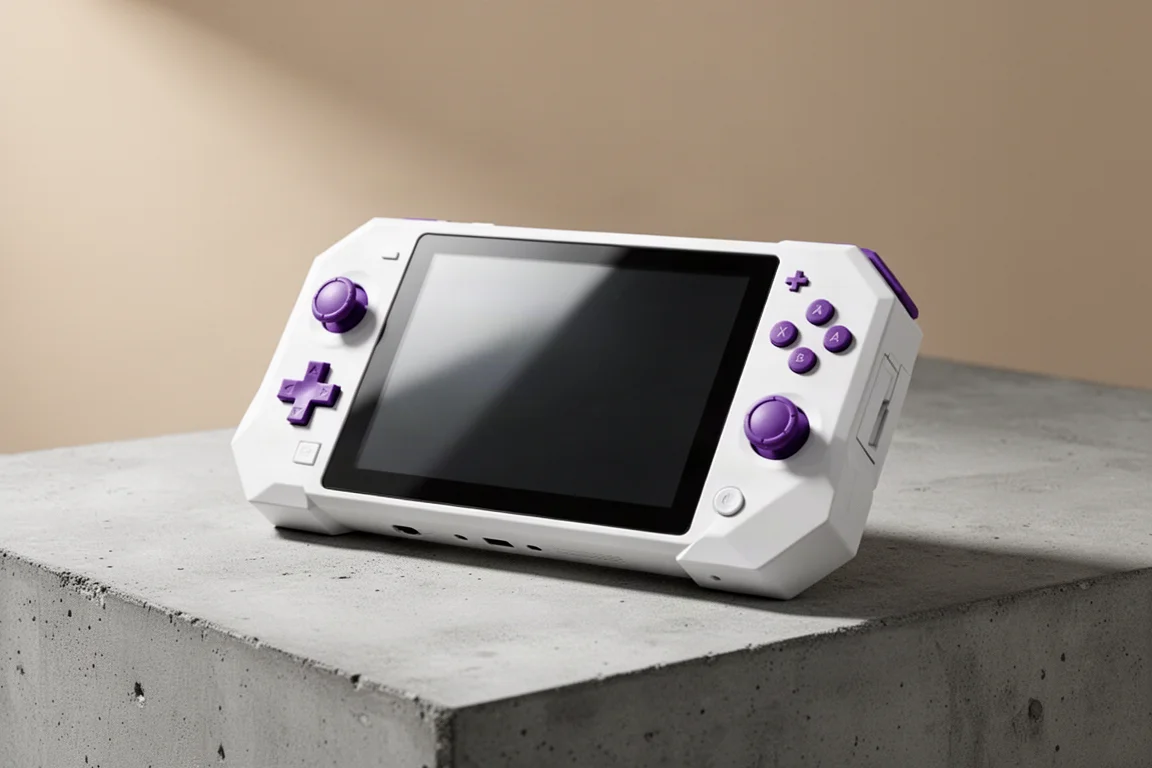
The GameMT EX8 is the flagship handheld from GameMT, a company that has been releasing retro gaming devices over the past couple of years. Priced at around $140, this is their most expensive unit, and it comes with some serious hardware under the hood. The Helio G99 chipset with a Mali G57 M2 GPU puts it firmly in the mid-range category, capable of handling everything from classic 3D retro systems to a good amount of GameCube and PS2 titles.
What sets the EX8 apart from other handhelds in this price range is its unique 3x2 aspect ratio screen. At 4.88 inches with a resolution of 1620 by 1080, it is one of the largest displays of this aspect ratio we have seen in a handheld to date. This makes it a versatile option for playing content across multiple systems, from 4x3 classics to 16x9 widescreen titles.
Who This Handheld Is For
The GameMT EX8 is aimed at retro gaming enthusiasts who want a single device capable of playing a wide variety of systems. If you are looking to play Nintendo 64, Dreamcast, PSP, and even some GameCube and PS2 games, this handheld has the processing power to handle them. The 3x2 screen is a clever compromise that works reasonably well with both 4x3 and 16x9 content, making it a flexible choice for gamers with diverse libraries.
This device is also suited for those who prefer a plug-and-play experience. Up to PSP, most games run smoothly without much configuration, and the built-in Magic Game front end offers a simple way to get started. If you are comfortable with Android-based handhelds and willing to set up your own emulators, the EX8 gives you plenty of room to customize your experience.
Design and Ergonomics
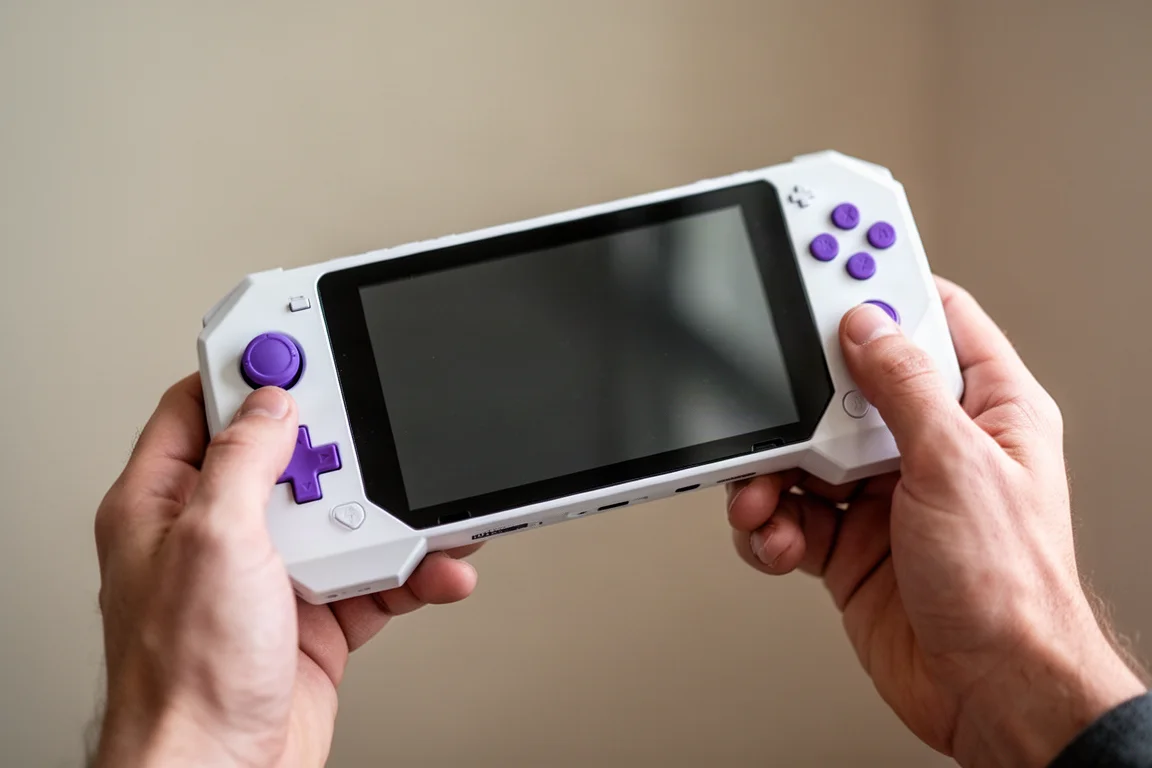
The first thing you notice about the GameMT EX8 is its blocky, angular design. The device is full of sharp corners and straight edges, which looks striking in renders but feels less refined in the hand. The all-glass front is a design choice that makes the device completely flat along one edge, and while it looks clean, it does not contribute to comfort during extended play sessions.
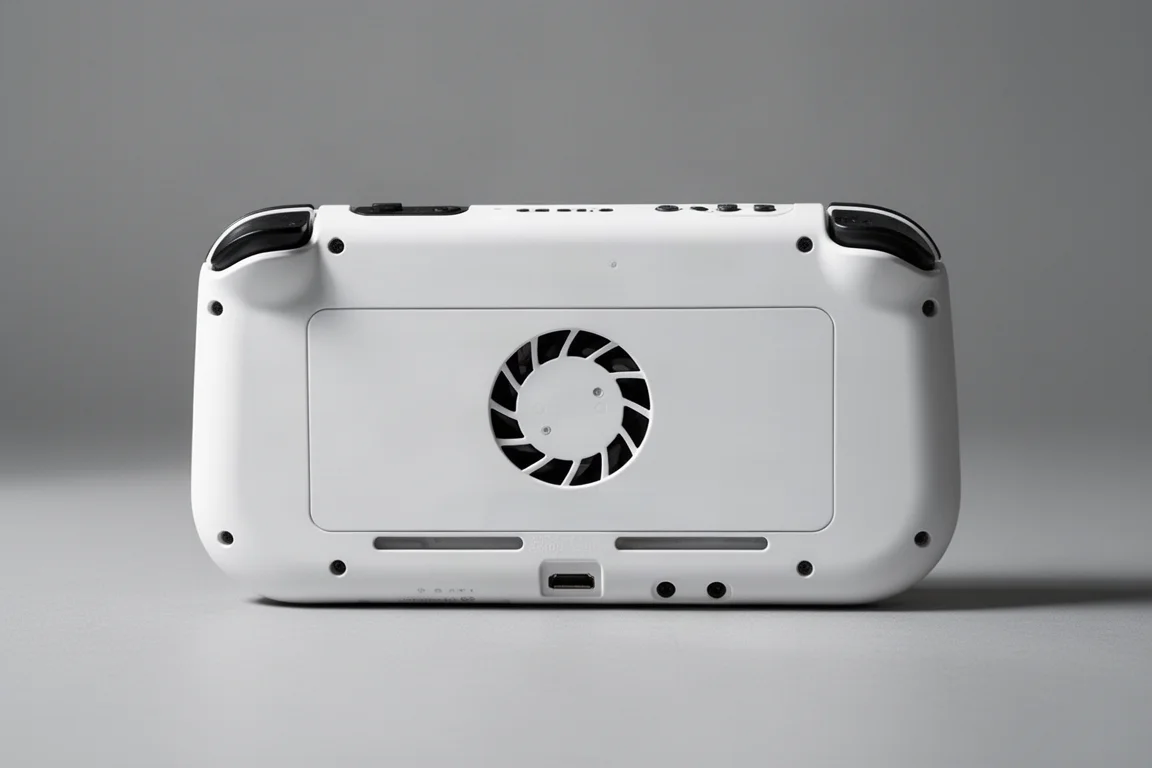
Holding the device is not terrible, as the lower portion rests comfortably in your palms. However, the upper corners where the shoulder and trigger buttons sit are noticeably sharp. Reaching for these buttons requires a claw-like grip, and the sharp lip makes it an uncomfortable experience. The overall design feels unfinished, almost like a prototype that was rushed to market. There is no branding on the back, just a single fan intake, which adds to the minimalist but somewhat bare aesthetic.
Controls and Buttons
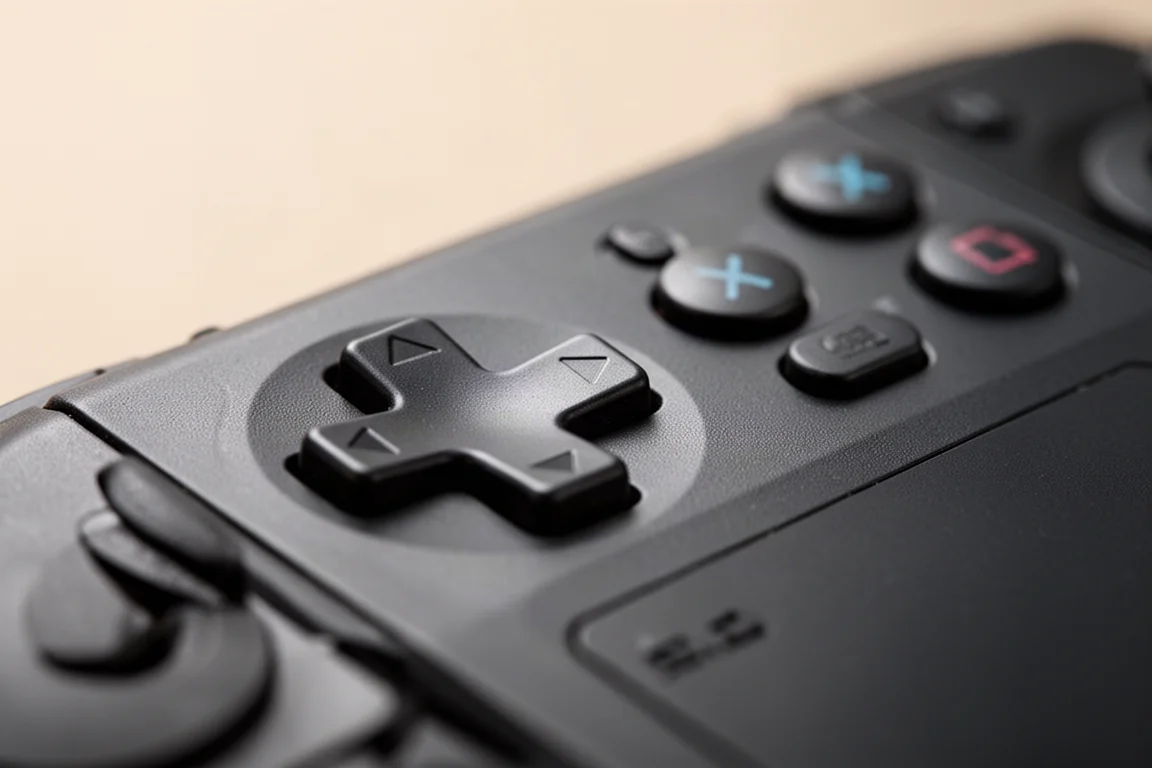
The controls on the EX8 are a mixed bag. The D-pad uses a rubber membrane and has a fair amount of pivot, but it bottoms out quickly, feeling a bit cheap and loose. In precise games where accidental diagonals are a problem, the shallow travel actually helps keep inputs accurate. However, in fighting games like Street Fighter 3, the shallow D-pad makes it difficult to hit diagonals reliably, with only about a 30% success rate on special moves.
The face buttons use micro switches, which are clicky and quiet. They feel decent, though they are very shallow with minimal travel. The analog sticks are a highlight. They offer a wide range of motion and feel precise in game. The caps are removable, allowing you to swap in third-party options from the market. One minor issue is that the sticks stick out quite a bit, which can interfere with thumb placement during gameplay, though most users will likely adapt over time.
The shoulder and trigger buttons are the weakest part of the control scheme. They are digital only, with no analog input, and their placement makes them uncomfortable to use regardless of how you hold the device. This is a significant drawback for games that rely heavily on these buttons, such as Mario Kart.
Display and Screen Quality
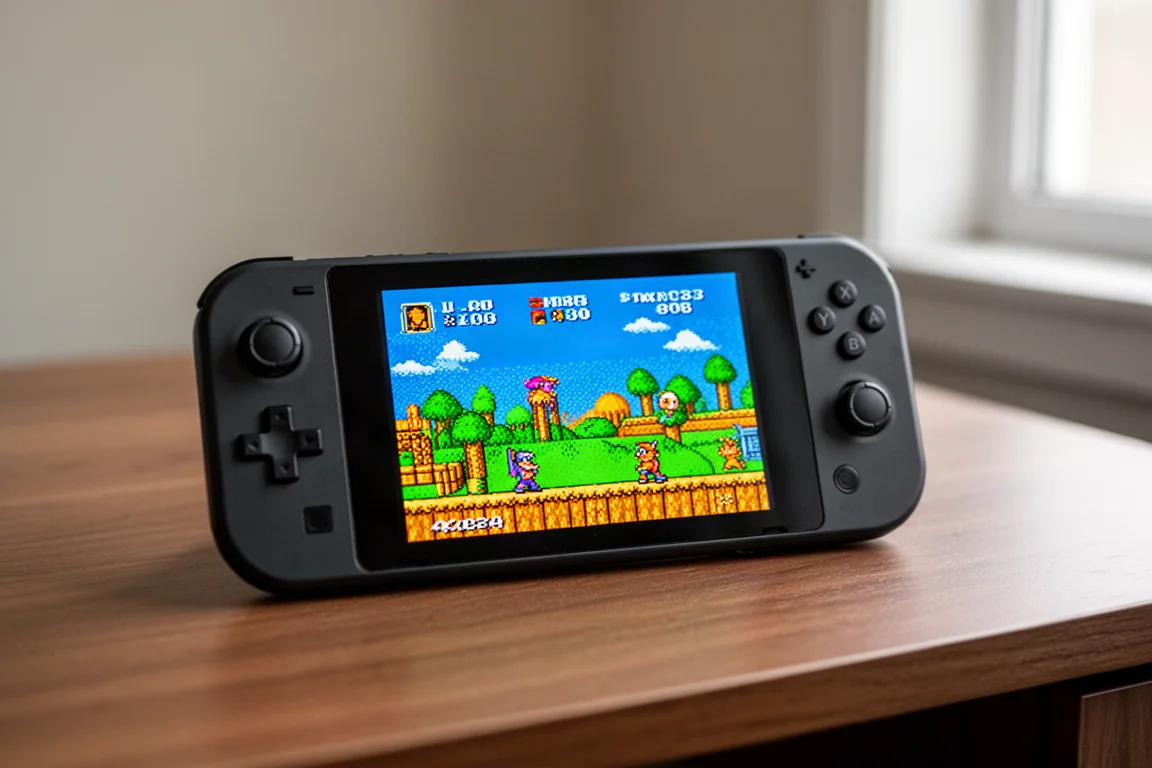
The 3x2 display is both a strength and a weakness. On the positive side, it scales well with a variety of systems. 4x3 content like PlayStation, Nintendo, and Dreamcast shows with minimal black bars, and 16x9 content like PSP also fits reasonably well. This makes the screen a good compromise for playing a wide range of games without major bezel distractions.
However, the panel itself leaves something to be desired. Colors feel desaturated compared to other LCD panels, and the contrast ratio feels low, giving the screen a washed-out appearance. The color temperature also runs cooler than competing devices, which further contributes to the muted look. The screen does get bright enough for outdoor use, but the lack of saturation and contrast makes it less enjoyable than it could be.
Performance and Game Testing
When it comes to performance, the GameMT EX8 delivers solid results for most retro systems. Game Boy, Game Boy Color, and Game Boy Advance all play flawlessly. The 3x2 aspect ratio is a near-perfect fit for GBA, and the high resolution means minimal pixel shimmering. 4x3 systems like NES, Genesis, and SNES also run great, with minimal black bars on the sides.
Moving up to more demanding systems, PlayStation 1 runs smoothly at 3x resolution, and Nintendo 64 and Dreamcast both perform well at 960p with standalone emulators. Sega Saturn is playable with the Yabause Shiro emulator, though it uses frame skipping, so the experience is not perfect. PSP is a standout, running at 3x resolution with minimal black bars and providing an impressive 5.6 inches of screen real estate.
GameCube performance is surprisingly decent. Most games are playable at native resolution with the Vulkan backend, though you may experience occasional slowdowns. High-end titles like F-Zero GX require some tweaking, such as using the European ROM to run at 50Hz. PS2 is more challenging, with only a handful of games running at acceptable speeds. Most 3D titles suffer from significant slowdown, making the EX8 a poor choice for PS2 emulation.
Game streaming is also not a strong suit for this device. Local streaming tests showed an average decoding time of 9ms, which introduces noticeable lag in fast-paced games. If streaming is a priority, there are better options available.
Battery Life and Audio
The 5,000mAh battery provides decent endurance. Under heavy load, you can expect around 4 hours of gameplay, but lighter titles like Game Boy Advance can stretch that to 12 hours or more. Charging is straightforward, accepting most chargers and cables at around 10 watts.
The down-firing speakers are surprisingly good. They are clear and quite loud, with no major complaints about audio quality. There is no 3.5mm headphone jack, so you will need to use Bluetooth or USB-C audio if you prefer headphones.
Buying Advice
At around $140, the GameMT EX8 is priced in line with other Helio G99 devices. The performance is solid for retro gaming up to PSP, and the 3x2 screen is a clever compromise. However, the design and ergonomics are significant drawbacks. The sharp corners and uncomfortable shoulder buttons make extended play sessions less enjoyable than they should be.
If you are looking for a handheld under $150, there are alternatives worth considering. The Ayn Neo Pocket Air Mini starts at around $90 and offers better ergonomics with a 4x3 display. The Mag Me Air X at around $105 is also more comfortable, with analog triggers and a wider aspect ratio better suited for PSP and streaming. Both are slightly less powerful than the EX8 but provide a more polished overall experience.
Conclusion
The GameMT EX8 is not a bad handheld. It does quite a few things right, from its capable chipset to its versatile screen. If it had been released a couple of years ago, it might have been a standout option. But in the current market, with stiff competition at similar price points, it is hard to recommend. The design and ergonomics feel unfinished, and the screen’s color quality is disappointing. Unless you specifically need the 3x2 aspect ratio, there are better choices that offer a more comfortable and enjoyable experience.
Product link
View more details for GameMT EX8
This product is mentioned in the review. Check the specifications, options, and compatibility before buying.
View more details for GameMT EX8Further reading
Related Reviews
Handheld Gaming
Acer Nitro Blaze Link and Predator Atlas 8: Two New Handhelds Compared
Acer's new handheld lineup includes a budget streaming device and a powerful Windows gaming machine. Here is what to expect from both.
Handheld Gaming
Anbernic RG Rotate Review: A Unique and Powerful Pocket Handheld
The Anbernic RG Rotate brings a clever rotating design, a square 720x720 screen, and solid Android performance to a truly pocketable form factor.
Handheld Gaming
Anbernic RGDS: A Fresh Look at the Linux Experience
The Anbernic RGDS gets better with updated Linux firmware. We explore Rocknix improvements, the new official Anbernic Linux OS, and how this dual-screen handheld handles Nintendo DS gaming.