Hi-Fi Accessories
FZY LC30 Review: A Speaker and Amplifier Switcher With Analog Watt Meters
A compact switcher for comparing two amplifiers or two pairs of speakers at home, with analog-style watt meters, a remote, and a calibration step you should know about.
Introduction
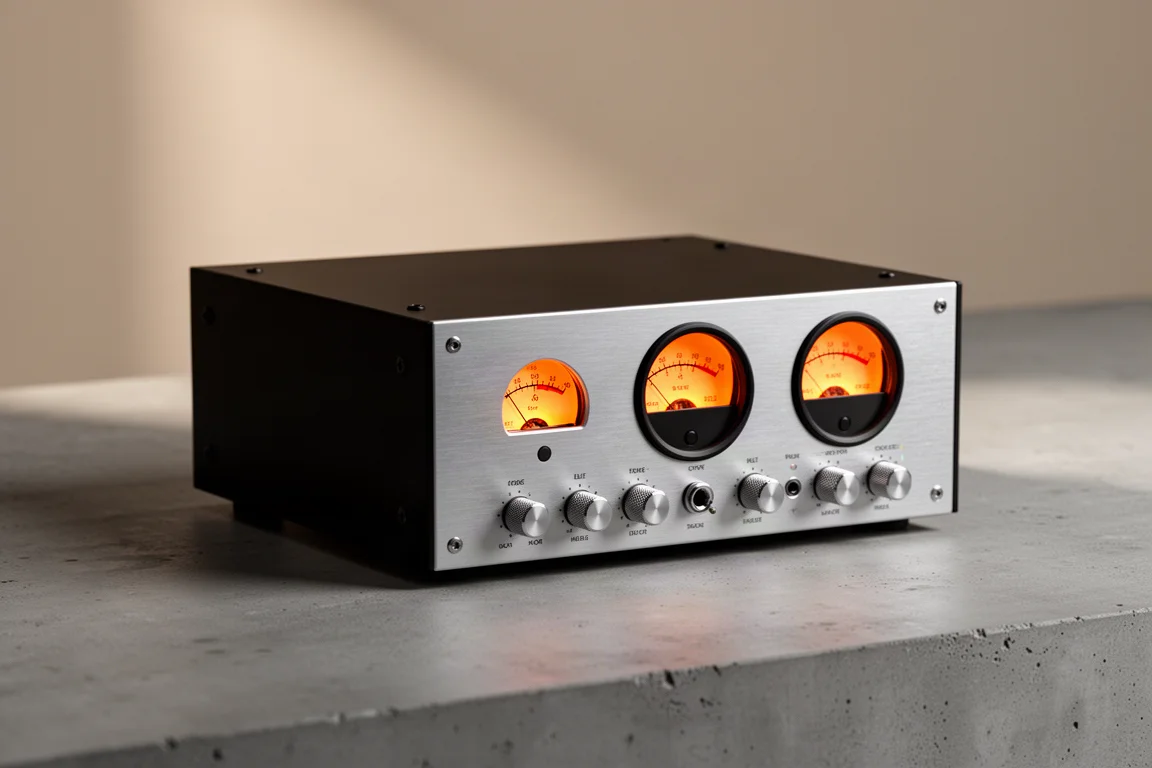
The FZY LC30 is a speaker and amplifier switcher with an unusual amount of personality. Rather than hiding behind a plain black front panel, it puts a pair of analog-style watt meters up front and backlights them in orange. At around $150, it offers a compact way to flip between two amplifiers or two pairs of speakers, either from the front panel or from the included remote.
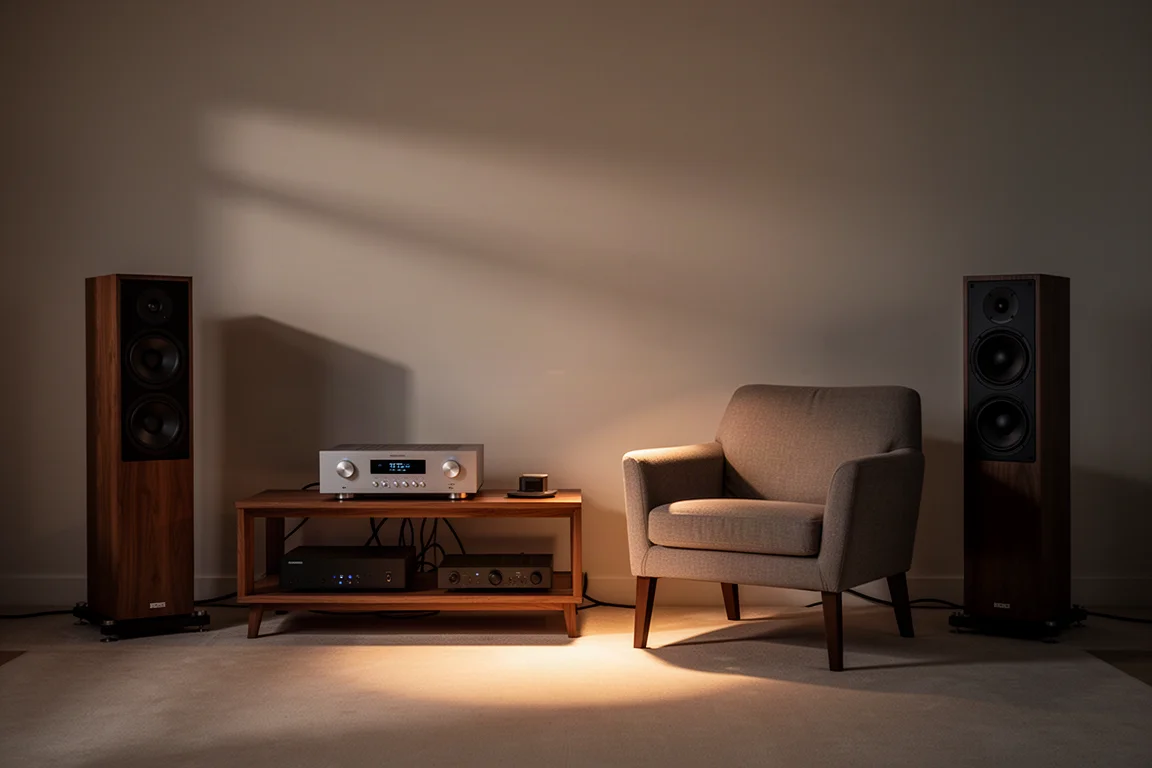
Switching gear is one of the more rewarding parts of this hobby. If you want to work out what you actually like about a speaker, or whether you can hear any difference between two amplifiers, a switcher is a sensible starting point. It is not the final word in testing, but it is a practical and enjoyable way to explore your own system.
Who the FZY LC30 Is For
This is a product for listeners who want to compare gear at home out of personal curiosity rather than to publish conclusions. A dedicated blind ABX comparator, which hides which source is playing and tracks your guesses across repeated rounds, is the more rigorous tool for that job. The LC30 sits a step below that level: it makes switching easy and immediate, but it does not conceal what you are listening to, and it cannot match output levels between the two sources.
If you are comfortable with that distinction, the LC30 is a neat addition to a system. It also suits anyone who simply likes the look of a moving-needle-style meter on the rack.
What the FZY LC30 Does Well
The most important finding is that the LC30 does not color the sound. Frequency response measured with the switcher in the signal path was essentially identical to the response without it, and listening comparisons between different speakers and different amplifiers through the unit did not reveal any audible change in character.
Noise performance is also fine. The switcher does affect the noise floor slightly, with the 60 Hz fundamental and the third harmonic around 180 Hz measuring a little higher than the baseline and the second harmonic a touch lower, but the overall noise level is low enough that it is not a practical concern.
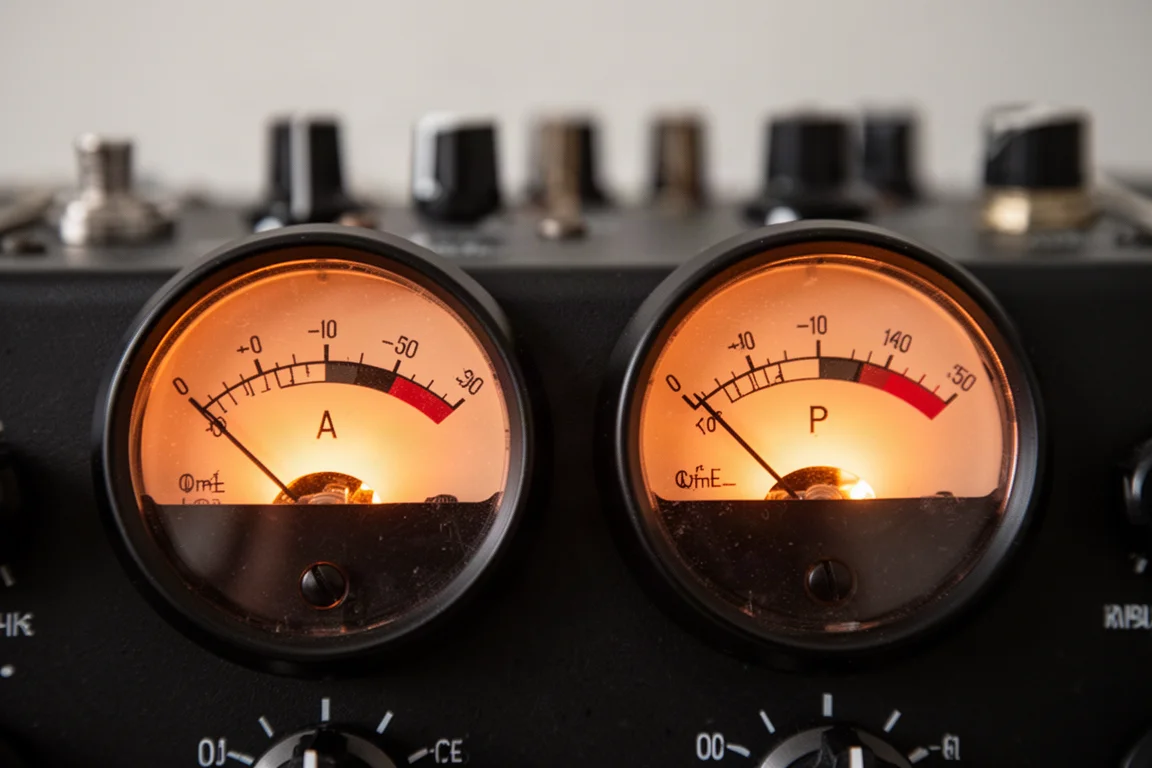
The remote is a genuinely useful inclusion. Being able to switch sources from your seat keeps a comparison flowing instead of sending you back to the rack every time. The watt meters, which read up to 300 watts, add a bit of visual interest that most switchers do not bother with.
Calibrating the Watt Meters
Out of the box, the meters are not calibrated for any particular load, so the readings will not match your setup until you adjust them. The process is manageable with a basic digital multimeter that offers AC voltage and resistance.
Start by measuring the resistance of your speaker across its terminals. A nominal 4 ohm speaker may read something like 3.8 ohms, and most loudspeakers will land somewhere in the range of about 3.5 to 8 ohms. You can use the manufacturer’s nominal figure instead, though it will be less accurate. Next, play a 1 kHz tone through your amplifier into the switcher at a modest volume and measure the AC voltage at the switcher’s speaker output. With the resistance and voltage in hand, enter both figures into an online Ohm’s law calculator. In one example, 4.913 volts across 3.8 ohms works out to about 6.35 watts. Turn the small knob on the front of the LC30 until the display reads approximately that figure, and the meter will track your system reasonably well.
Remember that you will need to repeat this if you connect a speaker with a different load, and that music is dynamic, so the displayed wattage will move around with the program material. The reading is an approximation rather than an instrument-grade measurement.
Things to Consider Before Buying
There is a small amount of power loss when the LC30 is in the chain. In testing, a 100 watt output into 4 ohms came back at roughly 98 watts, and at higher levels near 190 watts the drop was around 10 watts. That is a minor penalty and not something you are likely to hear, but it is worth knowing.
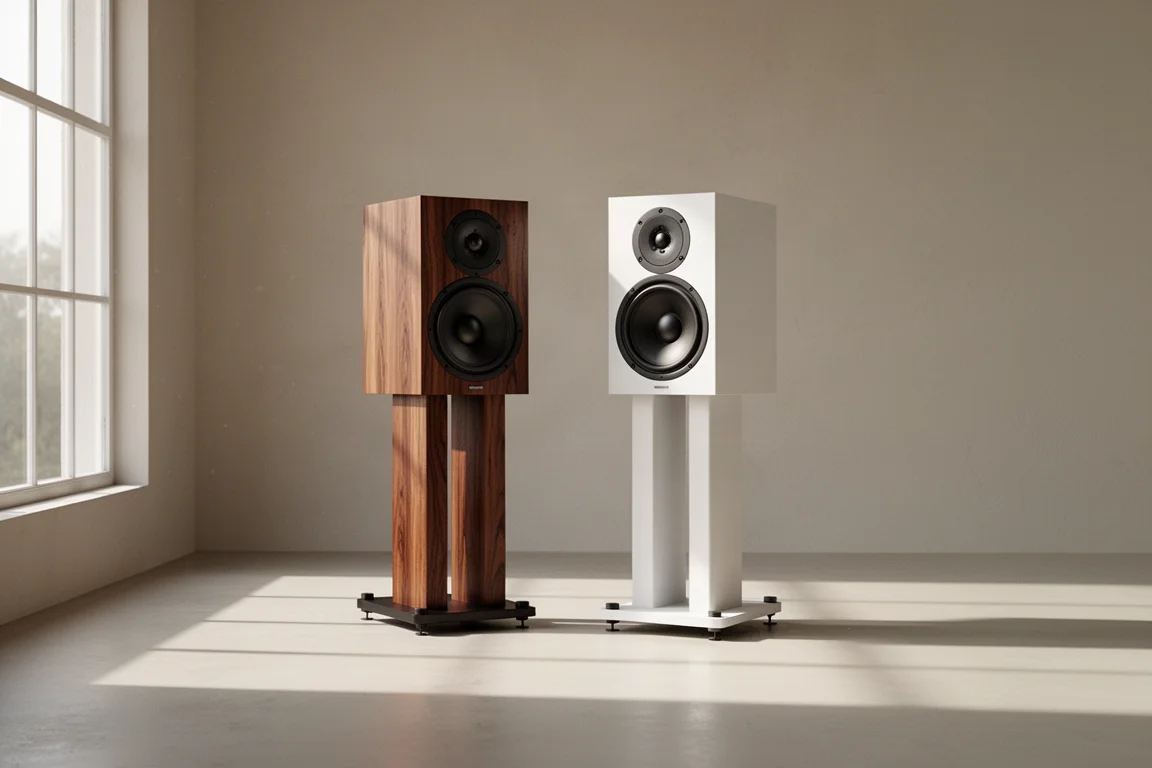
The bigger limitation is the lack of level matching. There is no built-in way to equalize the output of two speakers or two amplifiers, and that matters more than it sounds. People tend to prefer the louder option by default, so if one pair of speakers is a few decibels more sensitive than the other, your preference may reflect the level difference rather than the sound. Working around this requires extra effort outside the box.
The meters need manual calibration, and you will need to recalibrate them for a different speaker load. The lighting is fixed in orange as well, so if you were hoping to match a different color scheme in your rack, that is not an option.
Buying Advice
For around $150, the LC30 makes sense if you want a simple, good-looking way to switch between two amplifiers or two pairs of speakers and you are happy to treat the results as a personal listening exercise rather than a formal test. It does not alter frequency response, it does not add meaningful noise, and it comes with a remote that makes comparisons much easier to run.
If your goal is to prove a difference to yourself or anyone else, budget for a proper blind comparison setup with level matching instead. For everything else, the LC30 is a pleasant and functional piece of gear.
Before you buy, think about how many sources you actually want to switch and whether the calibration routine is something you are willing to do once per speaker load. Buyers who go in with those expectations tend to be satisfied with what this box does.
Conclusion
The FZY LC30 is a cool little device. It gives up a small amount of power, leaves frequency response and noise essentially untouched, and delivers the switching convenience and visual appeal it promises. If you have ever wanted to sit in your chair and flip between two speakers or two amplifiers to hear what changes, this is a straightforward way to do it.
Product link
View more details for FZY LC30 Speaker and Amplifier Switcher
This product is mentioned in the review. Check the specifications, options, and compatibility before buying.
View more details for FZY LC30 Speaker and Amplifier SwitcherFurther reading
Related Reviews
Hi-Fi Accessories
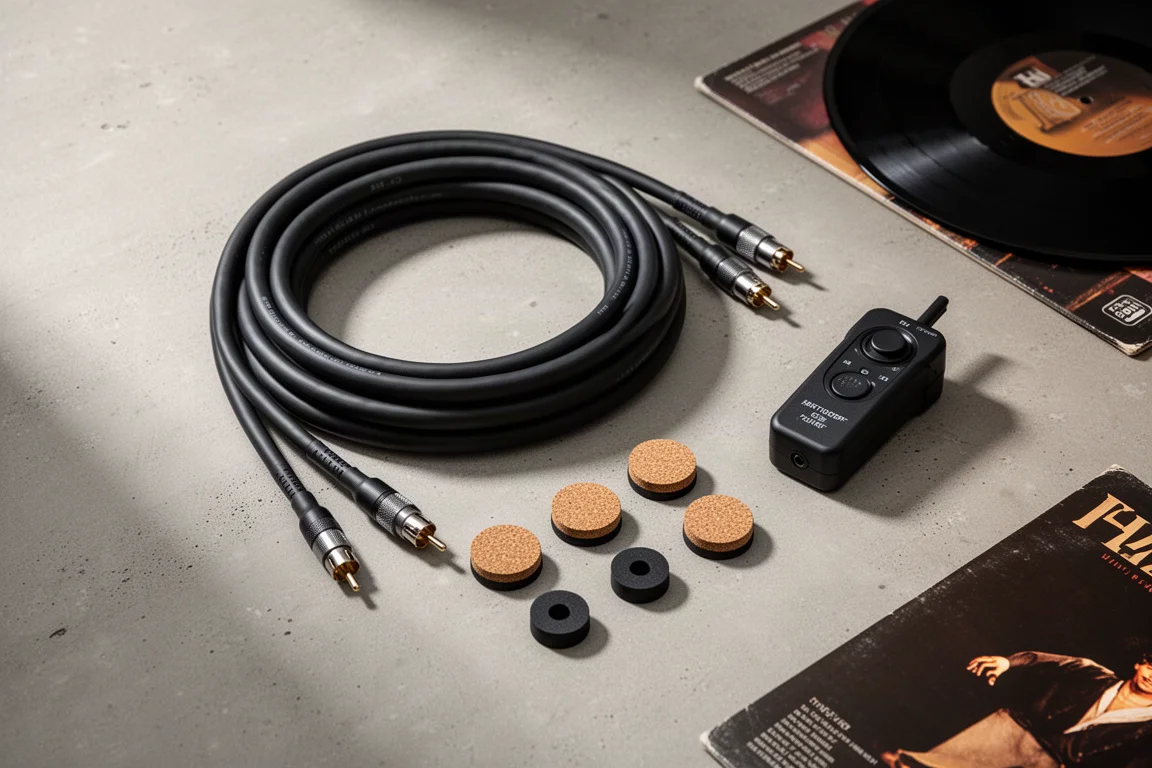
Affordable Hi-Fi Accessories Under $100: A Practical Gift Guide
A practical guide to budget Hi-Fi upgrades, from 12-gauge speaker cable and isolation pads to affordable bookshelf speakers, a warm stereo receiver, and a vinyl anti-static device.
Hi-Fi Accessories
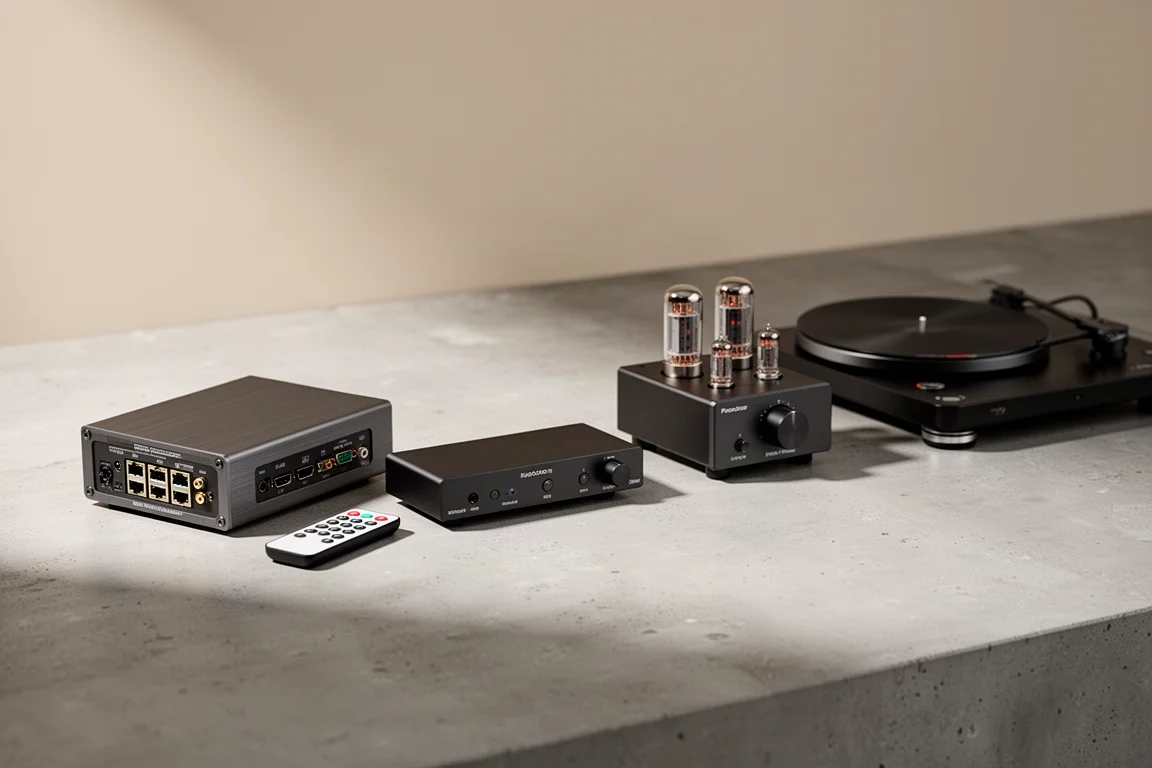
Five Affordable Hi-Fi Upgrades to Modernize a Vintage or Budget System
Five inexpensive add-ons that bring HDMI, extra inputs, phono support, and CD playback to a modest hi-fi setup.
Hi-Fi Accessories
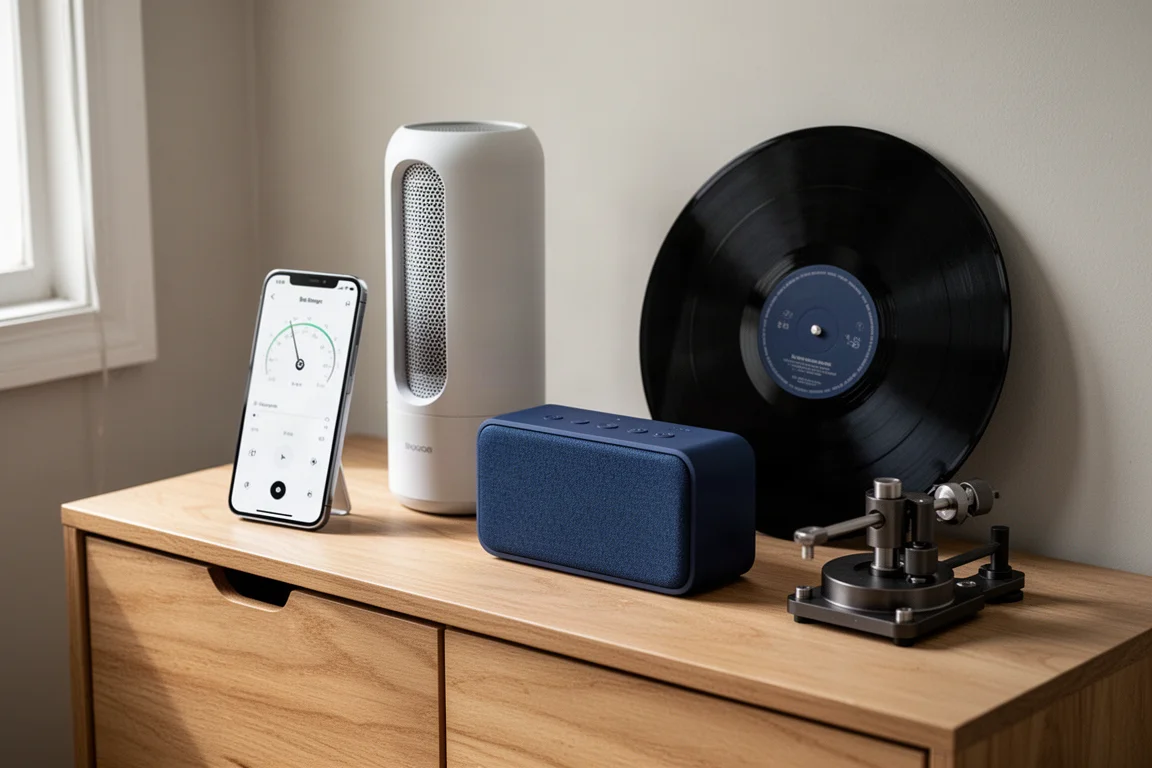
Best Hi-Fi Accessories for Summer: Five Upgrades That Improve What You Hear
A free room-measuring app, a genuinely quiet fan, a serious Bluetooth speaker, and two vinyl essentials that make summer listening better.