Cycling
Full Suspension Gravel Bike vs XC Mountain Bike: Trek Checkout SL5 and Trek Supercaliber SL 9.7 Compared
A 60mm-travel gravel bike and an 80mm cross-country race bike on the same mixed-surface loop, and the point where each one stops being the faster choice.
Introduction
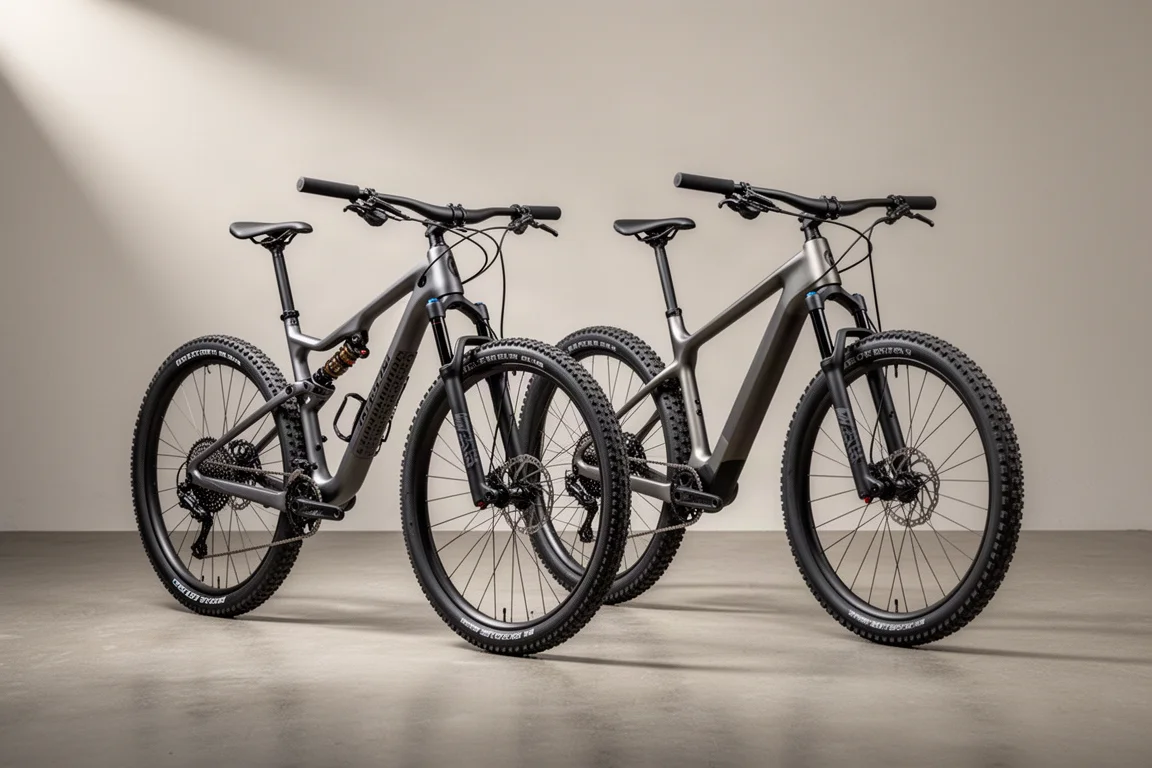
A full suspension gravel bike and a World Cup style cross-country mountain bike look like they should overlap heavily, but ride them back to back on the same loop and the split becomes obvious within the first hour. The Trek Checkout SL5 and the Trek Supercaliber SL 9.7 share a Trek badge, a carbon frame and a serious build sheet, yet they are arranged around very different amounts of travel, very different bar shapes and very different ideas about what speed means.
The route that separated them was deliberately mixed. It opened with a tarmac climb, moved onto long stretches of wide open gravel, added a few fire roads, and finished in tight, rooty woodland singletrack with wet, chalky patches underfoot. That combination is exactly where the “one bike for everything” question gets interesting, because it gives road speed and technical composure equal weight.
Trek Checkout SL5 at a Glance
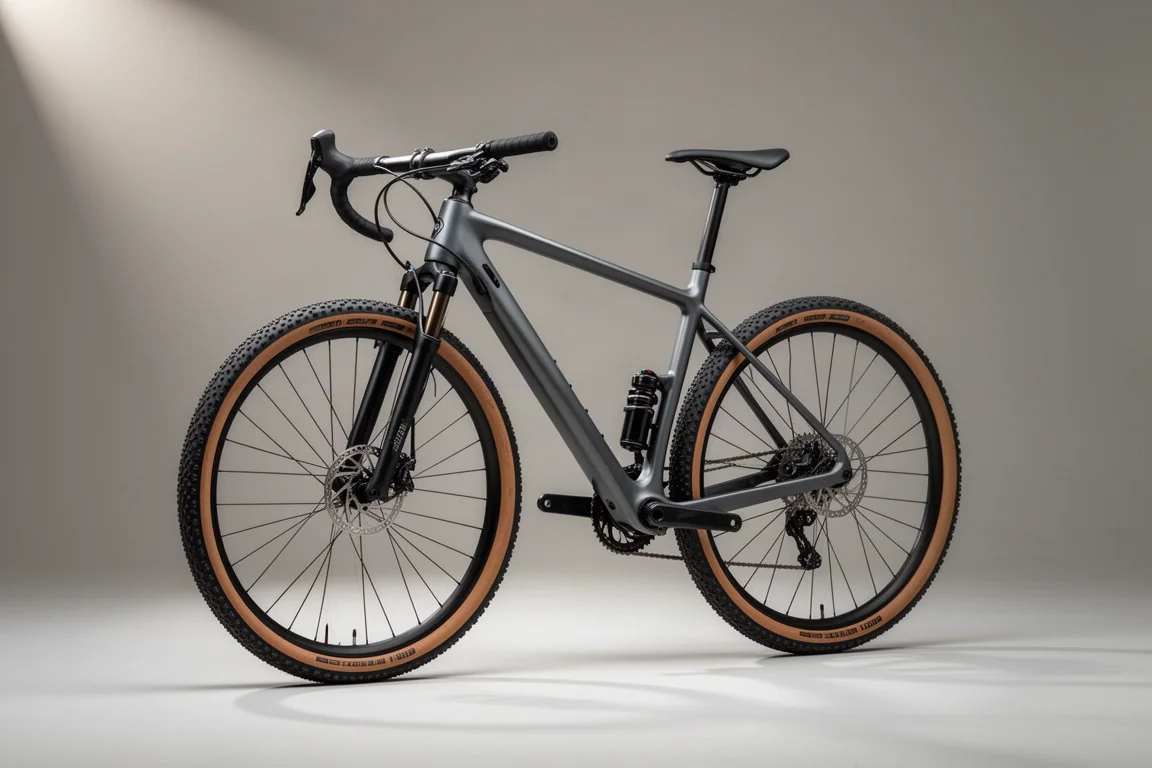
The Checkout SL5 is Trek’s full suspension gravel bike. It pairs a 1x12 mechanical GRX drivetrain with a RockShox Rudy XL gravel fork running 60mm of travel, backed by a rear shock offering 55mm. That makes it an unusually serious proposition for the category, because most gravel suspension so far has leaned on material flex rather than engineered damping, while this bike has proper suspension at both ends.
The build sits around 12.5kg. The frame carries a pivoting rack mount, so a loaded ride home from the shops does not have to end with shaken-up cargo. Drop bars, a steep seat angle and a fairly upright position complete the picture. It is aimed at riders who want more comfort and control on rough surfaces without giving up road manners.
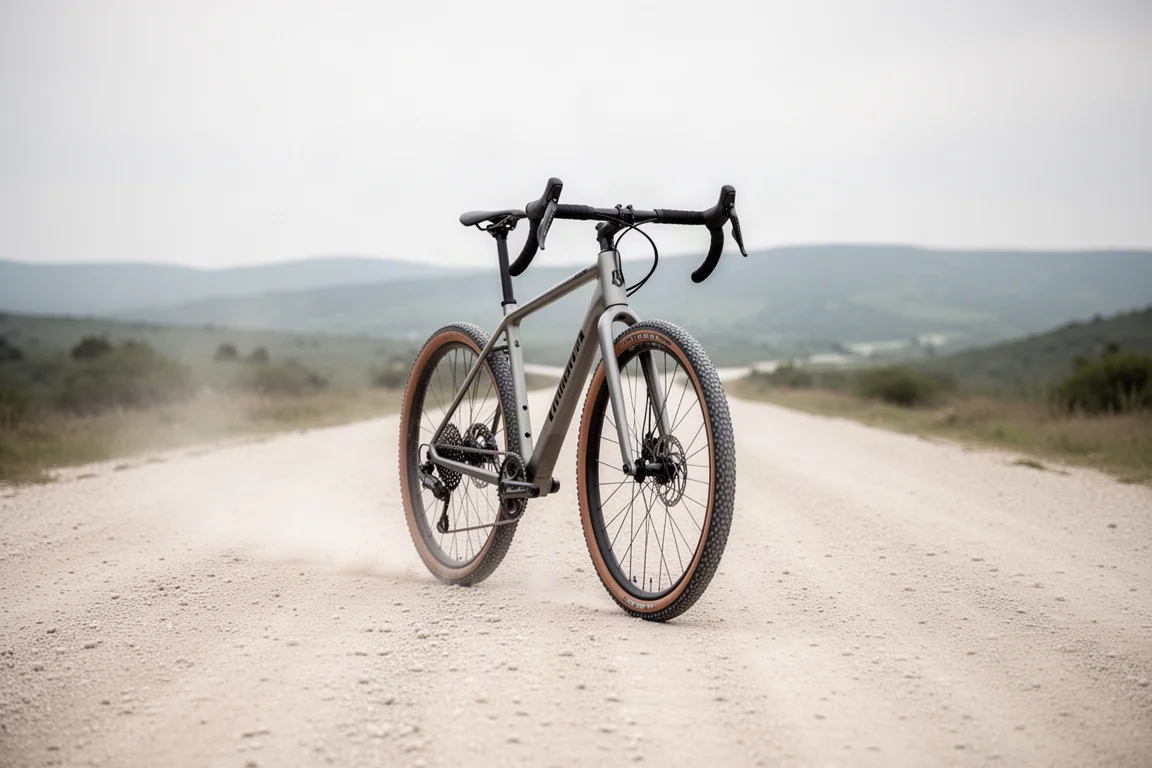
On smooth gravel and tarmac the bike feels quiet and planted. The shock does visible work over small stones as well as bigger hits, which is where 60mm of real travel starts to feel different from a frame that simply gives a little under load. Over chattery, mellow gravel it delivers a genuine smoothness that is easy to notice from the saddle.
Trek Supercaliber SL 9.7 at a Glance
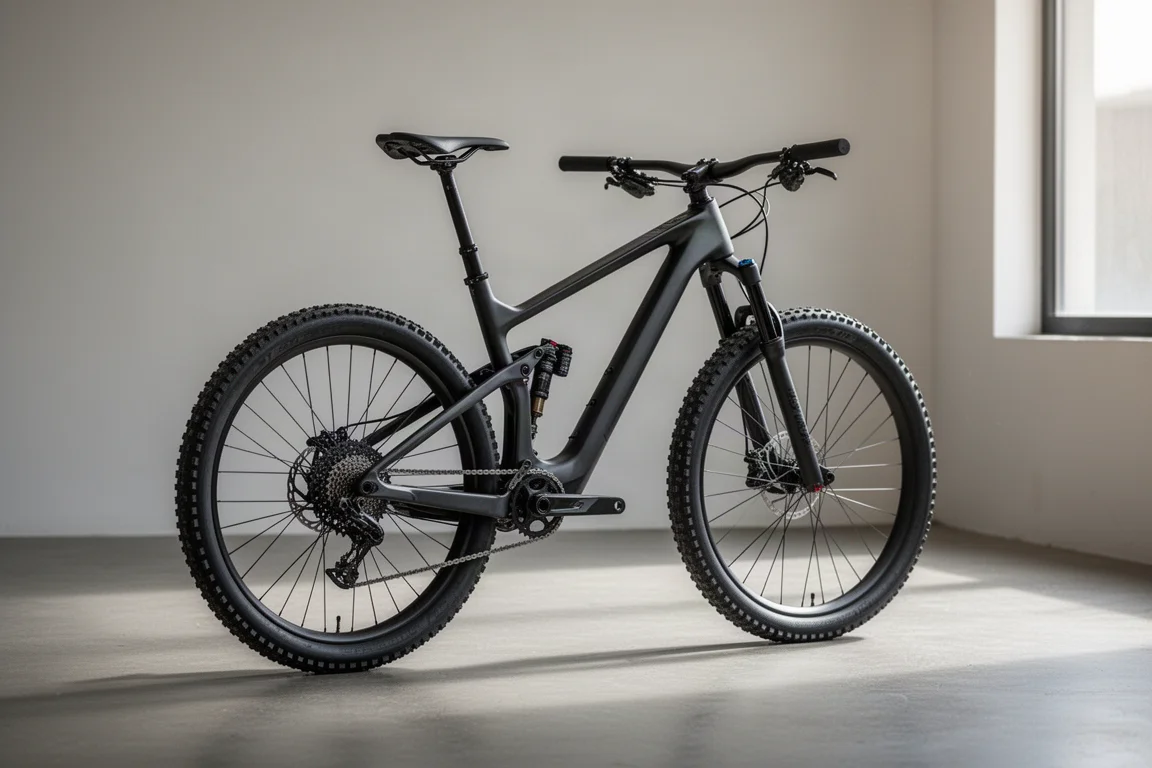
The Supercaliber SL 9.7 is an 80mm carbon cross-country race bike, built to World Cup ready specification. Up front there is 110mm of travel from a RockShox SID fork, with the frame’s short-travel rear suspension handling the back end. SRAM drivetrain and brakes take care of shifting and stopping, and the finishing kit comes from Bontrager, including a 150mm dropper post.
It rolls on 2.4in tires run at roughly 20 PSI, and the two bikes here sit about a kilogram apart on the scales. At around $4,500, it is priced as a race-ready machine rather than a casual all-rounder, and its suspension layout is genuinely unusual rather than a borrowed gravel formula.
Tarmac, Climbs and Fast Gravel
This is home ground for the gravel bike. Smaller tires at higher pressure and a lower drop-bar position mean less frontal area and less rolling resistance, so on tarmac and long, moderately flat gravel the Checkout SL5 simply rolls away. Holding speed takes noticeably less effort, and the rider stays tucked and efficient rather than braced.
On the tarmac climb the two were closer than expected, with the gravel bike’s gearing helping it spin up the gradient without drama. On steeper, more technical gravel climbs the positions swapped: a steep seat angle and an upright, open-chested posture made the suspended bike the calmer of the two, with easier traction and a steadier rear wheel, while the drop-bar bike needed more care to keep the back tire hooked up.
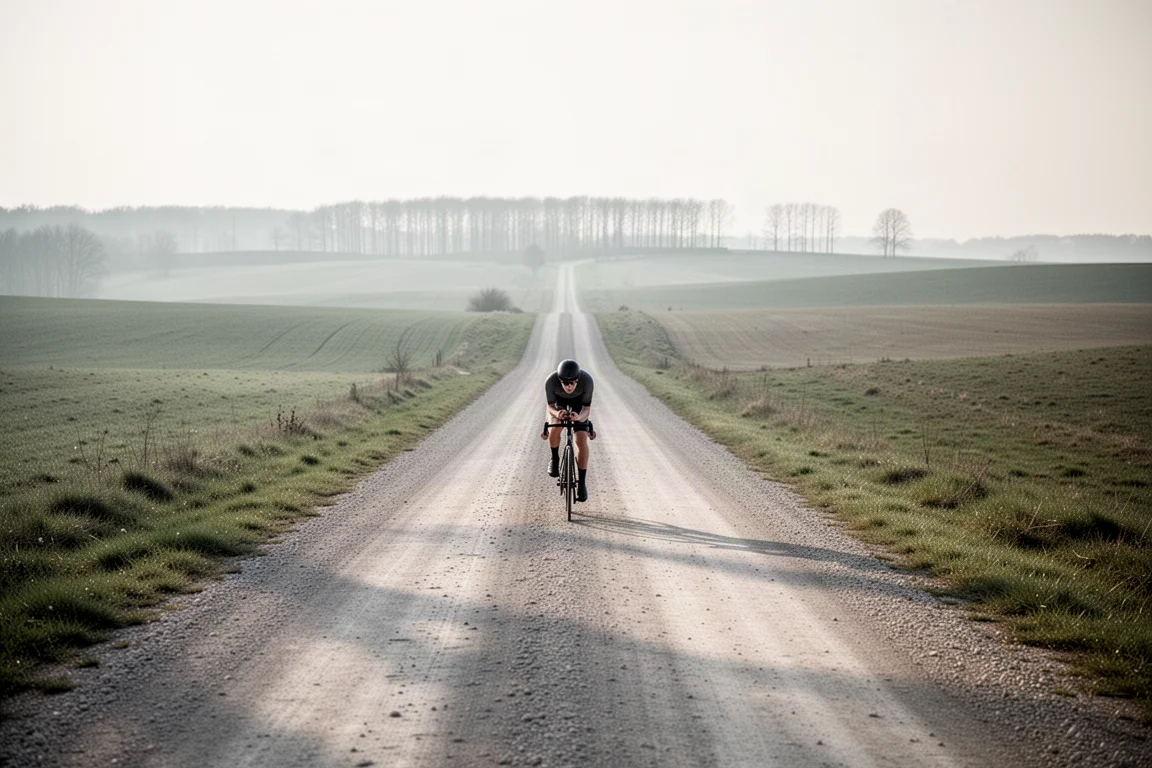
Where gravel is fast and wide open but chewed up by water run-off and loose stones, the picture shifts again. The gravel bike stays efficient, but the front end gets lively and starts to dance over the surface, and the rider has to work hard to hold a straight line. It is an engaging ride, and it is not the quickest way down.
Choppy Descents and Technical Singletrack
Point the two bikes downhill on choppy, washboard gravel and the mountain bike takes over. High-volume tires at low pressure spread the load and float over the surface, while the more relaxed head angle keeps everything tracking straight with far less correction from the rider. On the gravel bike, the same descent is fast and exciting but demands constant reaction.
In the woods the gap widens further. Over roots, the Supercaliber floats where the gravel bike skips and jitters, and that translates directly into line choice: the rider can pick a cleaner path instead of absorbing everything the trail throws up. Stability and tracking are the visible advantages, and they matter most exactly where the terrain gets messy. The steeper and more technical the trail becomes, the more clearly the mountain bike is the faster and more composed option.
Grip, Mud and Tire Choice
Traction, more than suspension, decided some of the day’s biggest gaps. In the sloppy, chalky sections the wider, lower-pressure tires kept finding grip while the narrower gravel rubber let go, even on terrain that would normally be considered gravel country. Spreading weight across a larger contact patch at lower pressure turned a survival exercise into a manageable one.
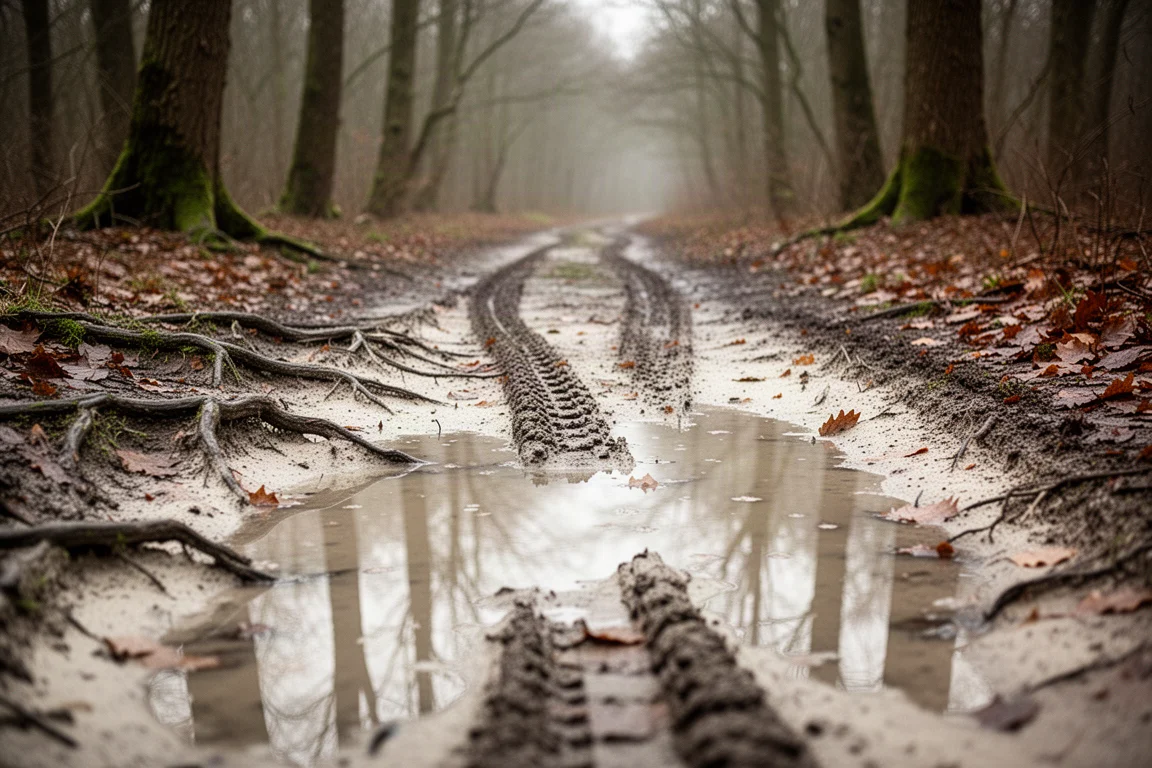
Tire specification is worth thinking about before buying either bike. The Supercaliber arrived with fast cross-country race tires that suit dry, hardpack conditions but give away a lot in winter mud, so a more aggressive tread is a sensible first upgrade for wet-weather riding. The gravel bike’s suspension, meanwhile, made a clear difference to comfort over chattery surfaces, smoothing both the small stones and the larger movements. That is the part of the package that pays off most on long days.
Rack, Dropper and Practical Details
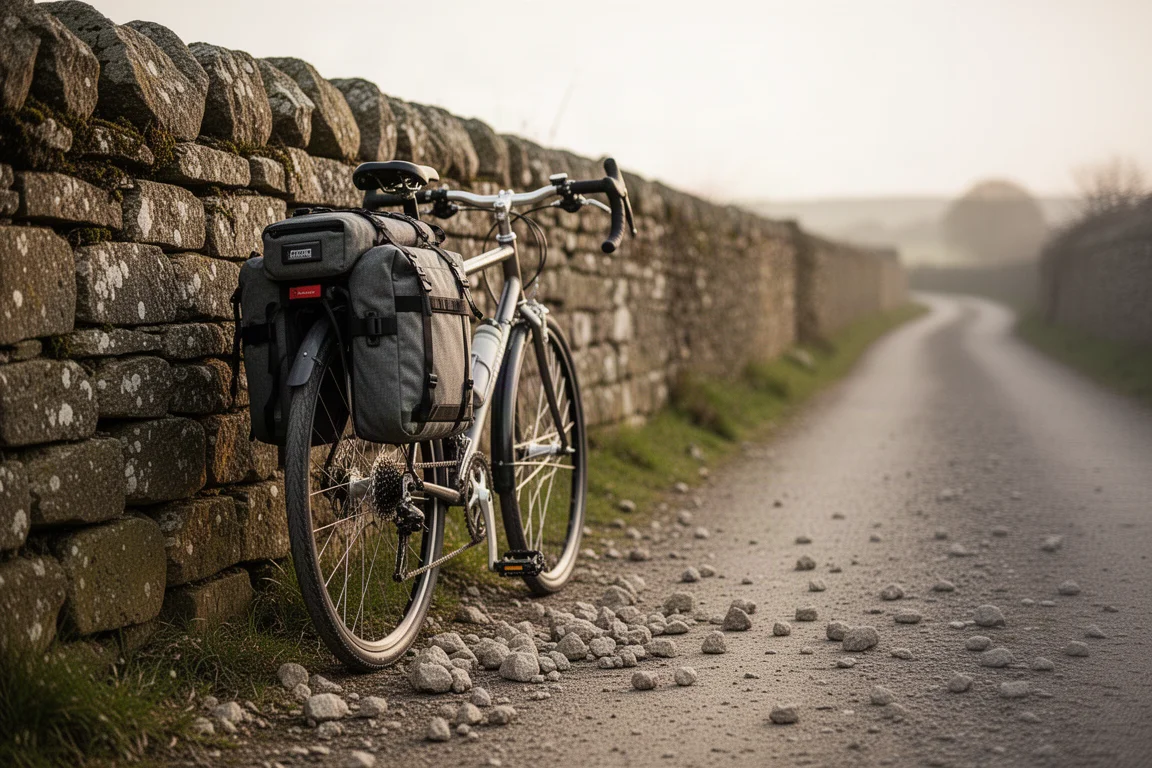
Small specification choices matter as much as the headline numbers. The gravel bike’s pivoting rack mount makes it genuinely usable for errands and loaded rides, and its drop bars keep road links between trails civilised. The Supercaliber counters with a 150mm dropper post that clears the saddle out of the way for steep, technical descents, plus flat bars that give more leverage and control when the trail turns rough.
Neither bike is pretending to be the other, and that is the point. One is a drop-bar machine with real suspension added to make rough surfaces survivable and comfortable. The other is a race mountain bike whose short-travel rear end and relaxed geometry make it unusually capable on terrain that sits just below full enduro territory.
Buying Advice
Choose the Trek Checkout SL5 if most of your riding is long, moderately flat gravel and tarmac, with rough sections you want to survive comfortably rather than attack. Its 60mm fork and 55mm rear travel take the sting out of chattery surfaces, its road-biased position keeps it quick across the kilometres that make up most gravel rides, and the rack mount plus a 12.5kg build make it a practical, versatile choice for all-day routes.
Choose the Trek Supercaliber SL 9.7 if your routes tilt steeper and more technical. It is the calmer and faster bike on choppy descents, rooty singletrack and loose, wet ground, and it hands the rider more line choice when the trail gets messy. Budget for a set of more aggressive tires if you ride through winter, because the stock race rubber is built for dry, fast conditions. As a $4,500 race-platform build, it also makes sense for riders who value descending confidence as much as outright climbing speed.
Conclusion
The useful takeaway is that neither bike wins the whole loop. On tarmac, climbs and long flat gravel, the Trek Checkout SL5 is the more efficient machine, and its 60mm and 55mm suspension setup makes rough surfaces far more comfortable than the category norm. As soon as the trail steepens, turns rooty or gets wet and loose, the Trek Supercaliber SL 9.7 becomes the faster and more secure bike, with more travel, more grip and more line choice.
Buy around your typical terrain rather than your ambitions. If most of your kilometres are smooth, choose the gravel bike. If most of your smiles come from technical descents, choose the mountain bike, and plan for a tire change to match your seasons.
Further reading
Related Reviews
Cycling
2026 Bike of the Year and the Cycling Gear Worth Watching
A drop bar roundup for 2026 covering the Ridley Kanzo Fast 2.0, Shimano Dura-Ace Di2 R9300, Trek Checkpoint ALR Gen 3, Specialized Tarmac SL9, Garmin Fenix 9 and Insta360 X6.
Cycling
Best All-Road Bikes 2026: Six Versatile Endurance Road Bikes Worth Considering
A practical look at six all-road and endurance road bikes, from lightweight carbon speed machines to steel all-rounders and comfort-focused mile eaters.
Cycling
Best All-Road Bikes 2026: 8 Endurance Bikes for Road and Light Gravel
Eight all-road bikes that blur the line between endurance road and light gravel, compared on tire clearance, ride character, practicality, and value.