Backpacking
Backpacking Gear Loadout: 13 Items That Earned Their Place in the Pack
From a 1.9-pound backpack to a 5.2-ounce hammock, a practical look at the gear that carried a multi-day trip, including what worked and what fell short.
Introduction
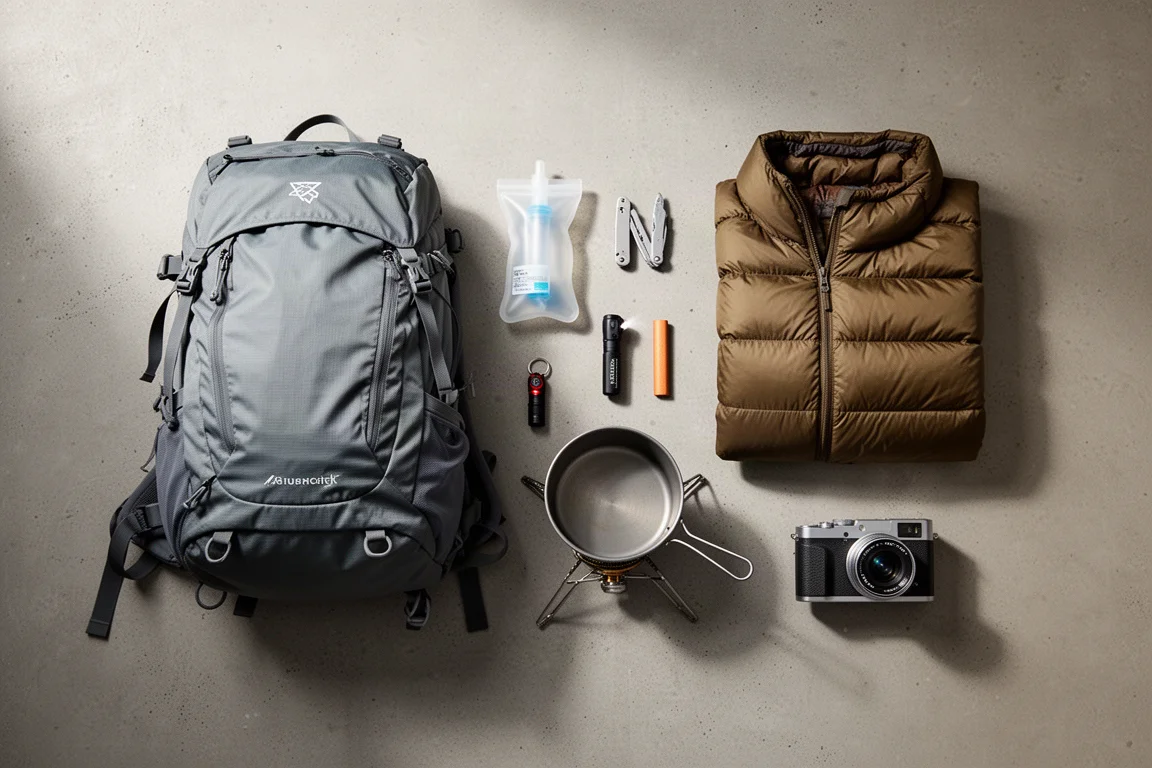
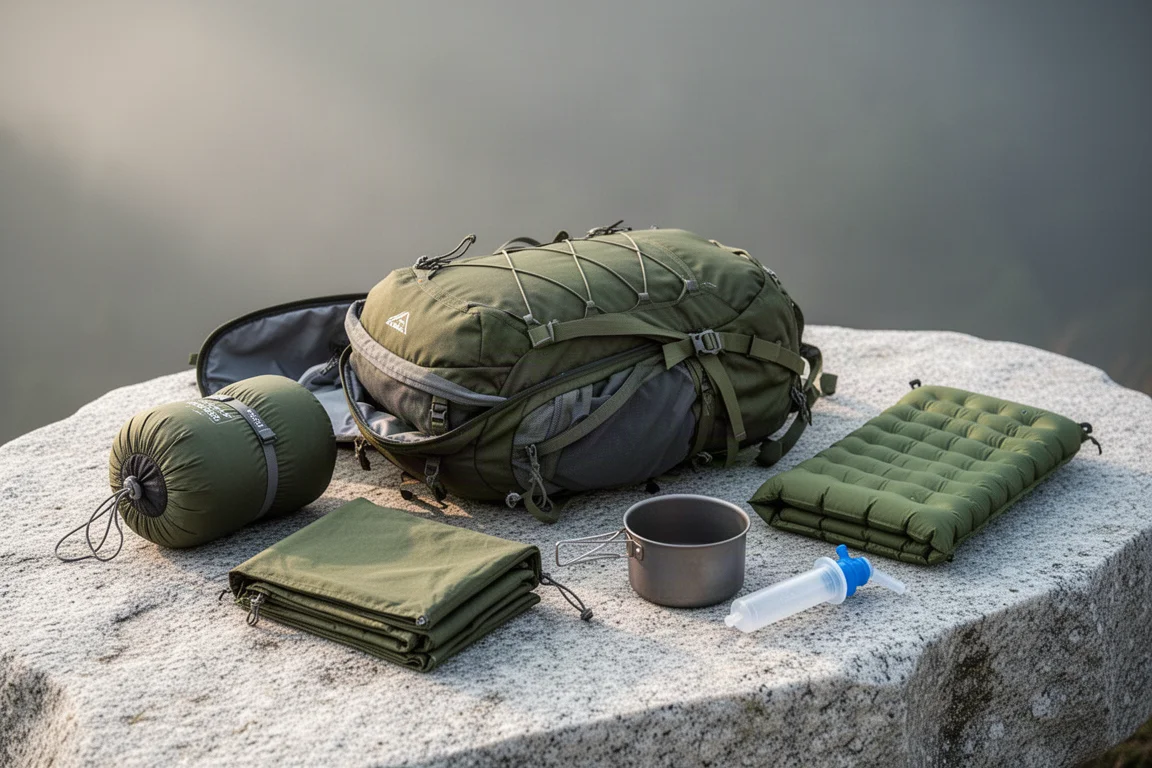
Packing for a first serious backpacking trip forces every item to justify its weight. This loadout was built around a simple principle: keep the total load reasonable, favor lightweight and inexpensive options, and accept a few trade-offs along the way. The base weight with food and water, minus camera gear, came in around 27 pounds, which felt manageable without going full ultralight.
Some choices turned out brilliantly. Others, like a 360 camera and a pair of trekking poles, taught clear lessons about what to do differently next time. Here is what made the cut, section by section.
The Pack: Drop Durston 40L
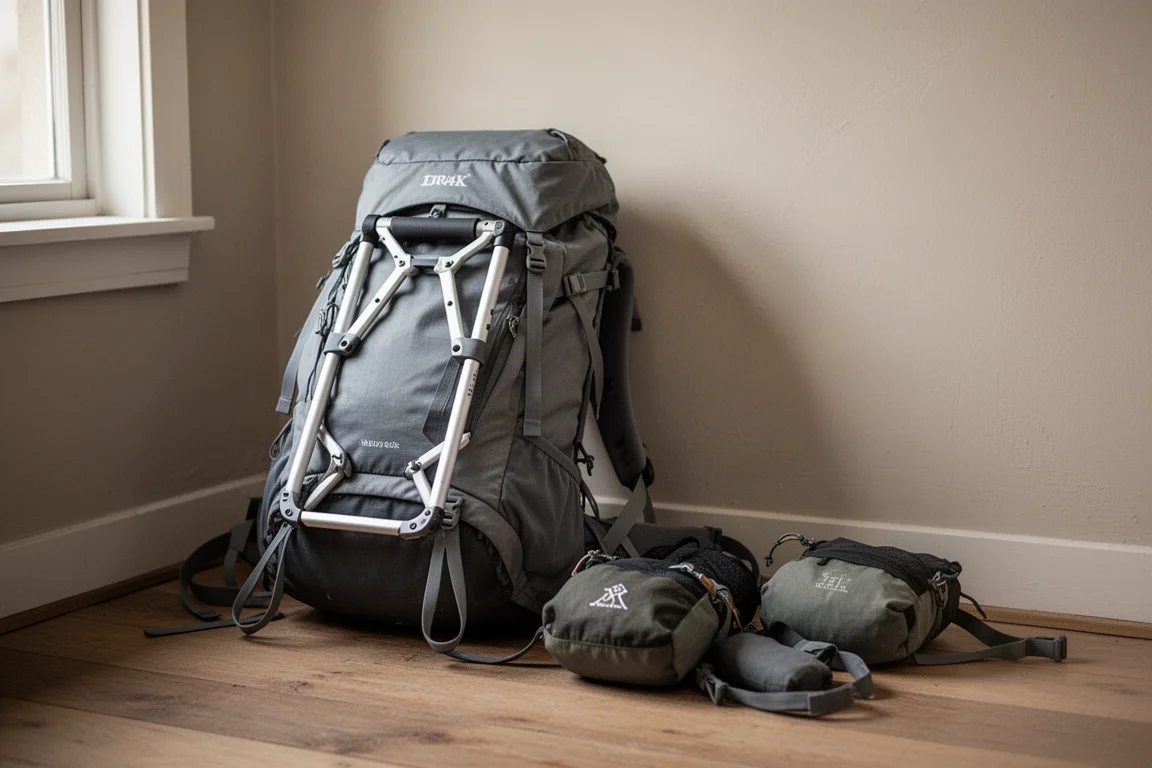
The Drop Durston 40L was chosen deliberately. Rather than start with a roomy 60-liter pack and inevitably overfill it, the goal was something limiting: super lightweight and relatively inexpensive. This was one of the few options under two pounds that also landed well below $200, and it was picked up for around $120.
It weighs roughly 1.8 to 1.9 pounds and has a removable aluminum internal frame, and it proved genuinely comfortable over long days. The main complaint is capacity: at 40 liters (a 40+3 configuration), it was a struggle to fit everything, and the larger size with a few extra liters would have helped. One small wear point appeared at a side strap, and the larger size was no longer available at purchase time. Still, for the price, it is a killer bag, and the aesthetics and feel are easy to like.
Water: Katadyn BeFree 3.6L
Water treatment was handled with the Katadyn BeFree 3.6-liter filter. You dunk the pouch in a river, fill it, and squeeze filtered water straight out of it, either drinking directly or filtering into other bottles. Both approaches worked well on the trail.
At roughly $40, it was called worth every penny, and it stayed in a quick-access hip belt pouch on the outside of the pack. Rather than bring a specialized bottle, two Smartwater bottles did the job: cheap, available everywhere, and surprisingly durable for what they are.

Small Lights and Tools
Lighting was kept minimal but redundant. A headlamp-style right-angle light came along, though its bulky velcro strap attachment was a frustration, and a second compact light was packed as backup but never used. The real star was the tiniest light of the bunch.
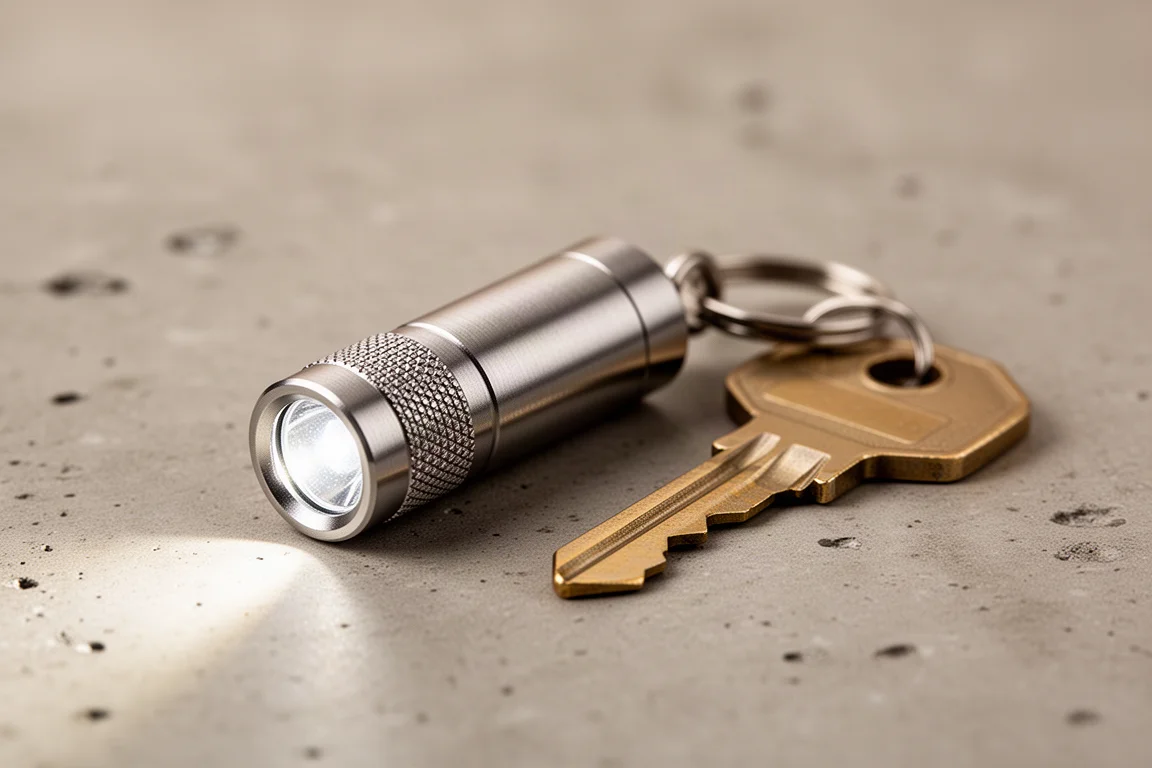
Olight i1R 2 EOS
The Olight i1R 2 EOS is a genuinely tiny rechargeable flashlight, and it turned out to be all that was really needed. With a battery pack on hand for the camera gear, recharging it was quick and easy. Next time, this might be the only flashlight taken, or a step up to the larger, heavier, but more functional full Perun. A magnetic USB-C charging adapter also made topping up the lights cordless and simple.
SOG PowerPint
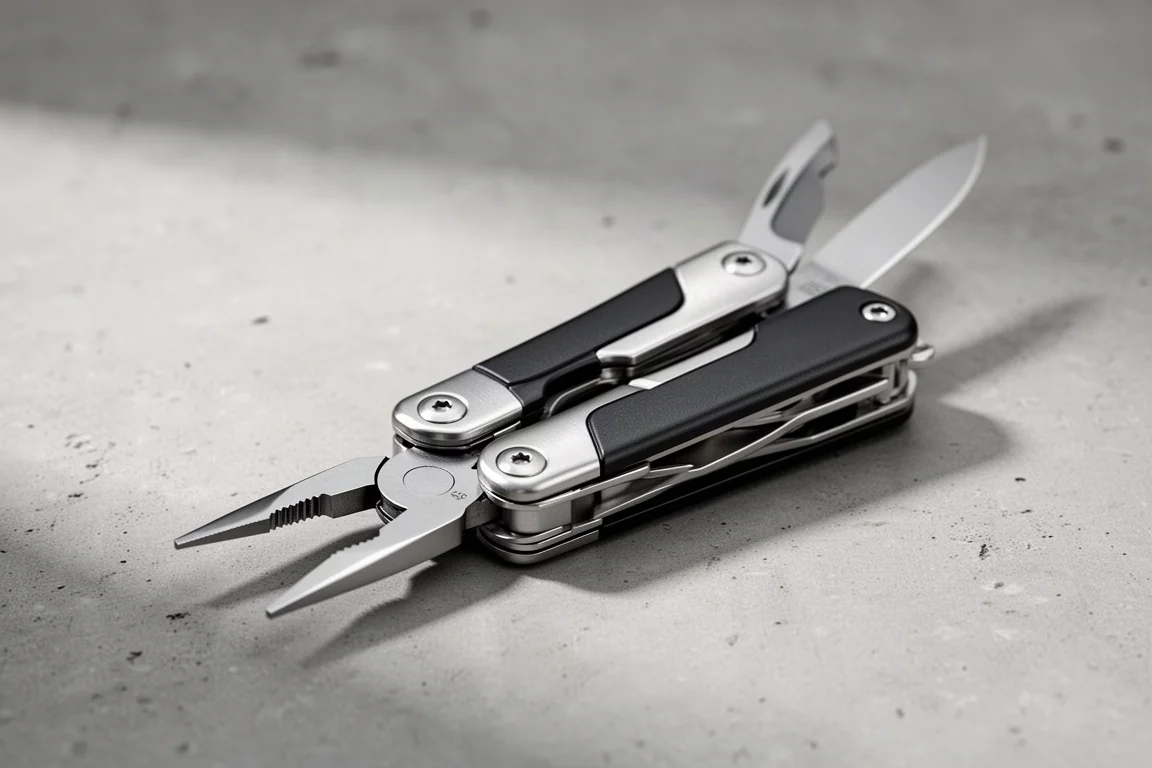
A multi-tool is one of those items worth carrying the weight for, and the SOG PowerPint was the pick. It was described simply as the best tiny multi-tool, a good middle ground for anyone who does not want to haul a full-size Leatherman into the woods.
Exotac nanoSTRIKER XL
For fire, there was some deliberate redundancy: a fire starter necklace plus the Exotac nanoSTRIKER XL. The nanoSTRIKER XL is very small, compact, lightweight, and genuinely usable, which made it a fun addition even though two fire starters turned out to be one more than the trip demanded.
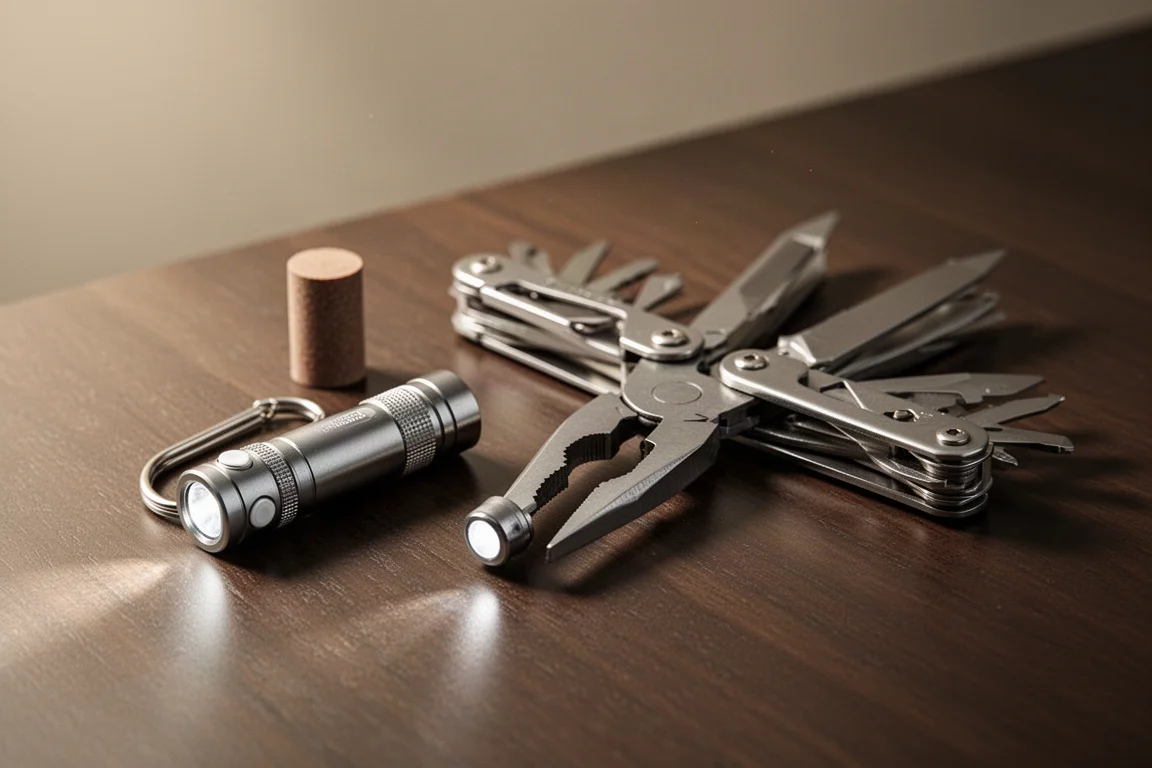
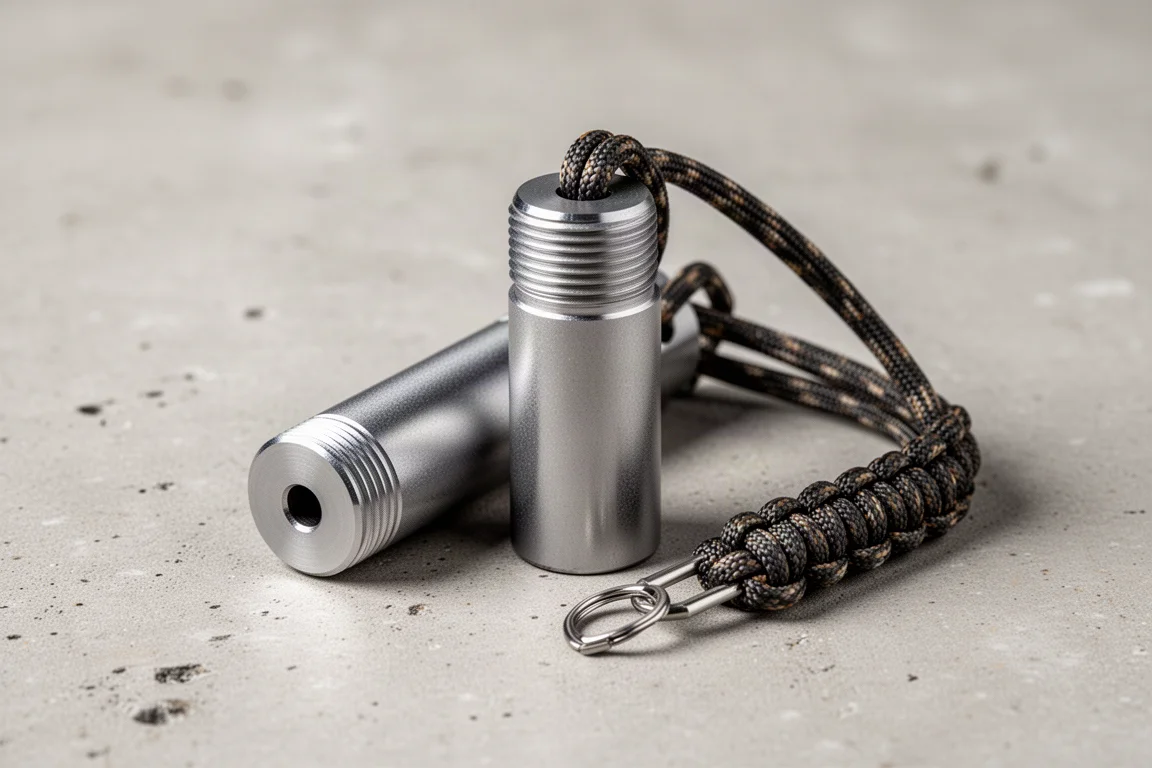
View more details for SOG PowerPint
Camera Kit
Camera gear was the biggest weight indulgence, packed in stuff sacks and a large dry bag for organization. The setup centered on a full-frame mirrorless body with a versatile zoom, plus audio and accessories.
Sony A7R III
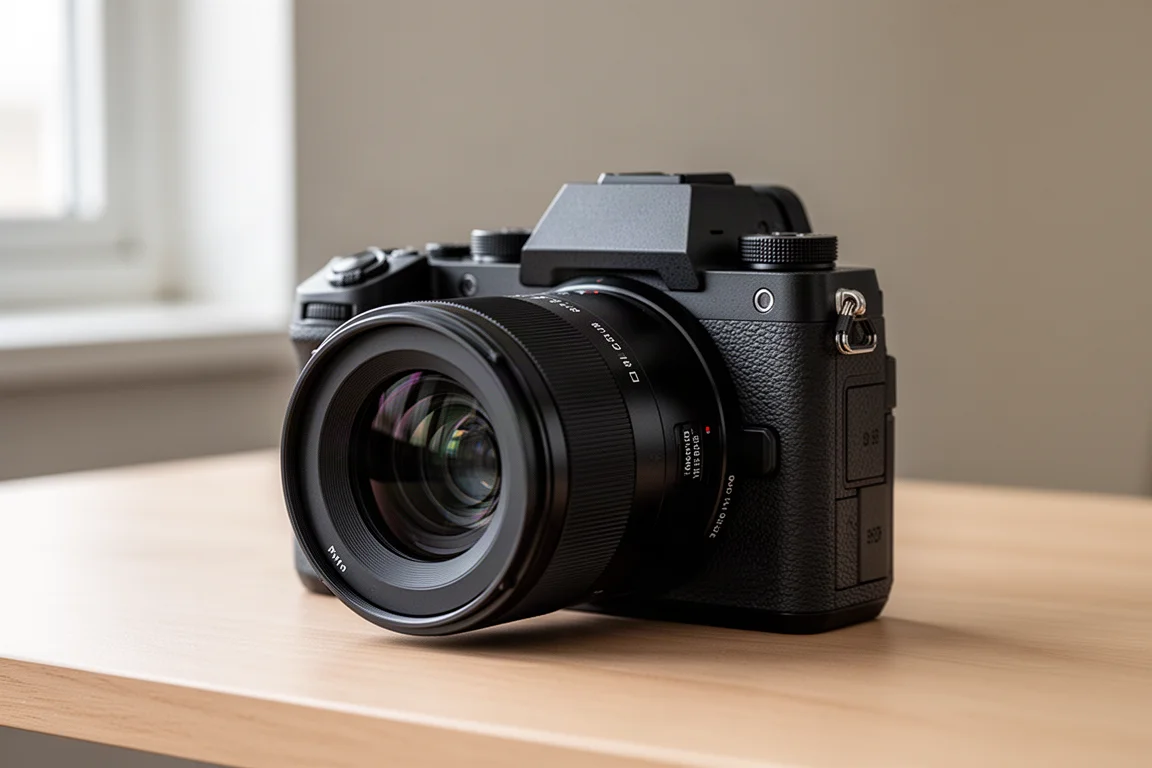
The Sony A7R III paired with a Tamron 28-75mm f/2.8 lens formed the core kit, worn with a Peak Design strap and backed up by spare batteries and a charger. For anyone documenting a trip seriously, this combination covers a huge range of scenes with one lens.
A GoPro Max was also strapped to a shoulder mount for 360 video, but that experiment taught a hard lesson: framing a 360 camera while hiking and turning means constantly telling the camera where to look, and editing the footage took days. Most clips ended up looking straight ahead anyway, so a regular GoPro is the more likely choice next time.
Rode VideoMicro
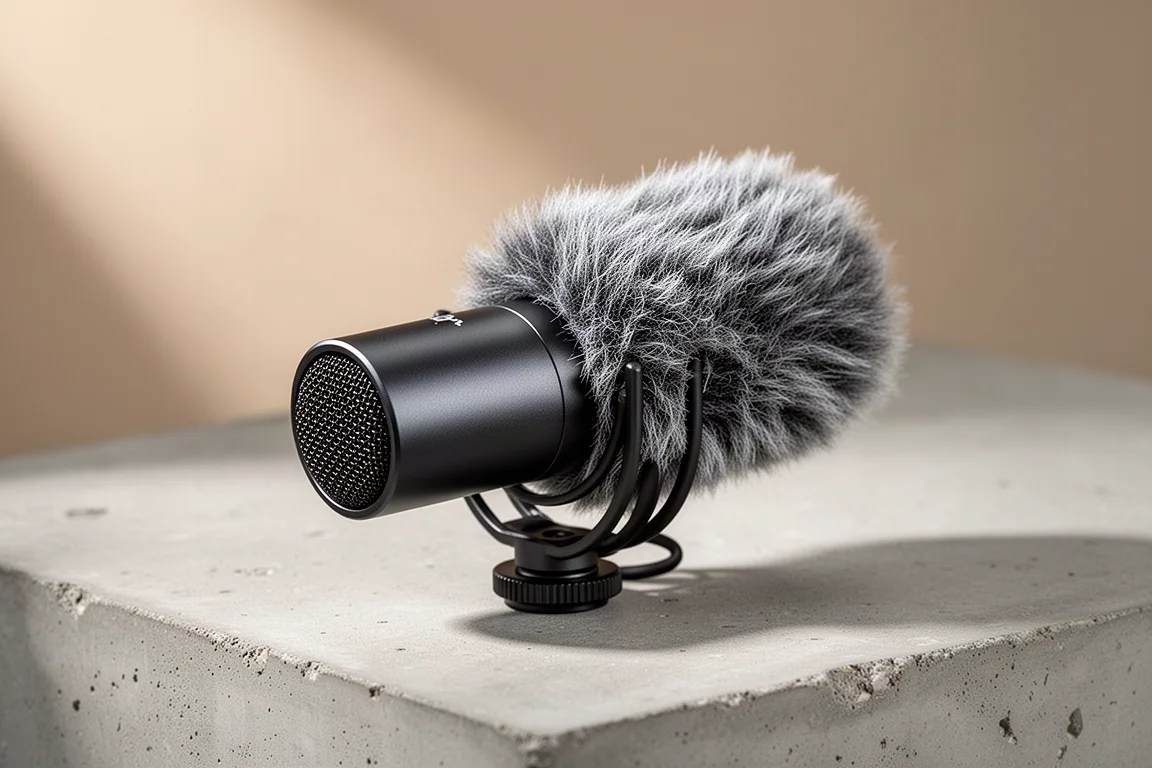
Audio was the weak link. The Rode VideoMicro simply did not perform well outdoors and will not be packed again. Its bigger sibling, the Rode VideoMic Pro, performed much, much better and rode inside a Matador cover that is mostly for dust, with a rain fly built into the bottom.
Camp Kitchen: MSR PocketRocket 2 Stove Kit
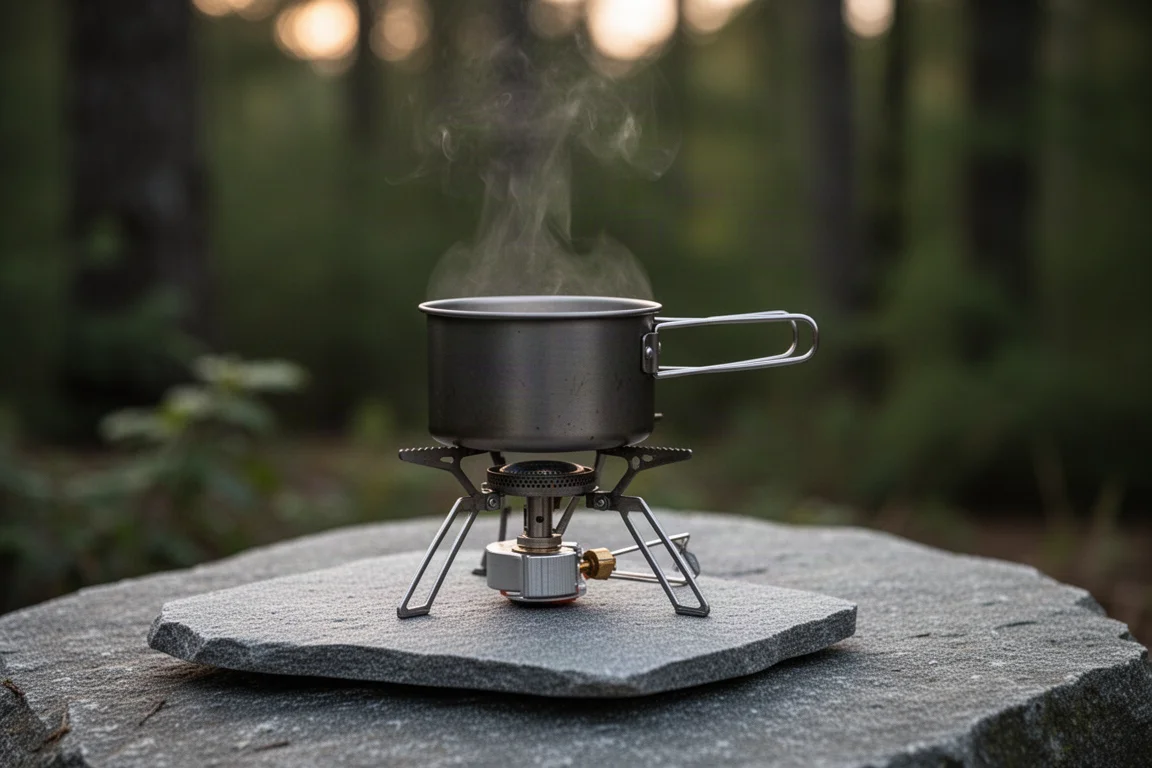
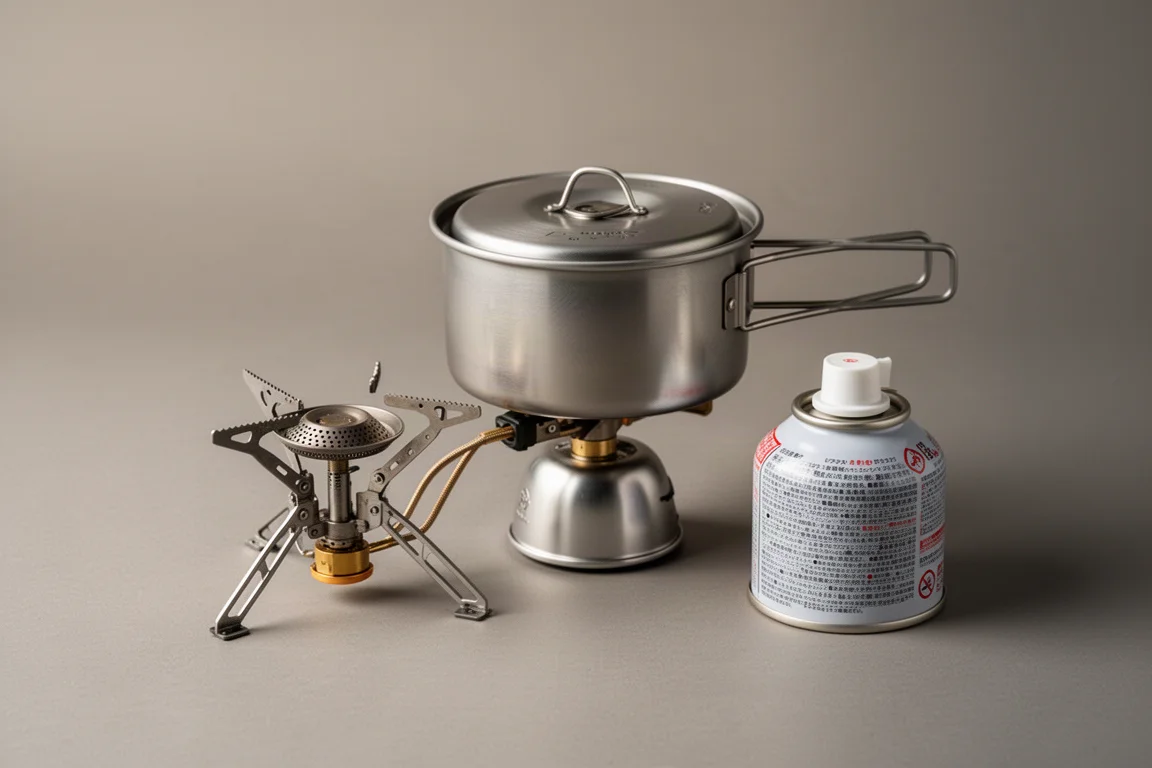
The MSR PocketRocket 2 Stove Kit is liked, but it has real limitations worth knowing before buying. Cooking is minimal: heat water in the pot and eat from it. The problem is that once the pot is hot, you cannot pick it up, even with gloves on, and the included pot grabber gets finicky when you are trying to eat, making it easy to drop the pot since there is so little to hold onto.
A comparison with the MSR WindBurner 1L system made the trade-off obvious. The WindBurner is bigger and heavier, but the stove locks in, sits on a stabilizing base, and its handle lets you hold and move the pot even when hot. It also cooks roughly a liter at a time versus about a cup and a half. For anyone leaning toward comfort over minimalism, the larger system is tempting; the lesson here was that ultra-minimal is not always the right call.
Clothing and Insulation
The layering system was budget-conscious and mostly effective. A Target All in Motion athletic jacket served as the mid layer, and its thumb loops turned out to pair perfectly with thin gloves on a cold night, turning an ordinarily dorky feature into a genuinely cozy one. An Under Armour quarter-zip acted as the long-sleeve base layer, mostly slept in. Cold Proof long johns with a merino wool blend inside and polyester outside were excellent, though almost too warm.
Gloves from FRDM were chosen for a specific reason: they work with a phone touchscreen with the tips down, but the index and thumb tips flip back for fine work. A merino wool -33 beanie kept things cozy, and alcohol wipes pulled double duty as both hygiene items and very good fire starters. A toiletry kit covered toilet paper, a lightweight aluminum trowel, soap, and a clever refillable toothbrush with replaceable tips and a toothpaste storage compartment in the handle.
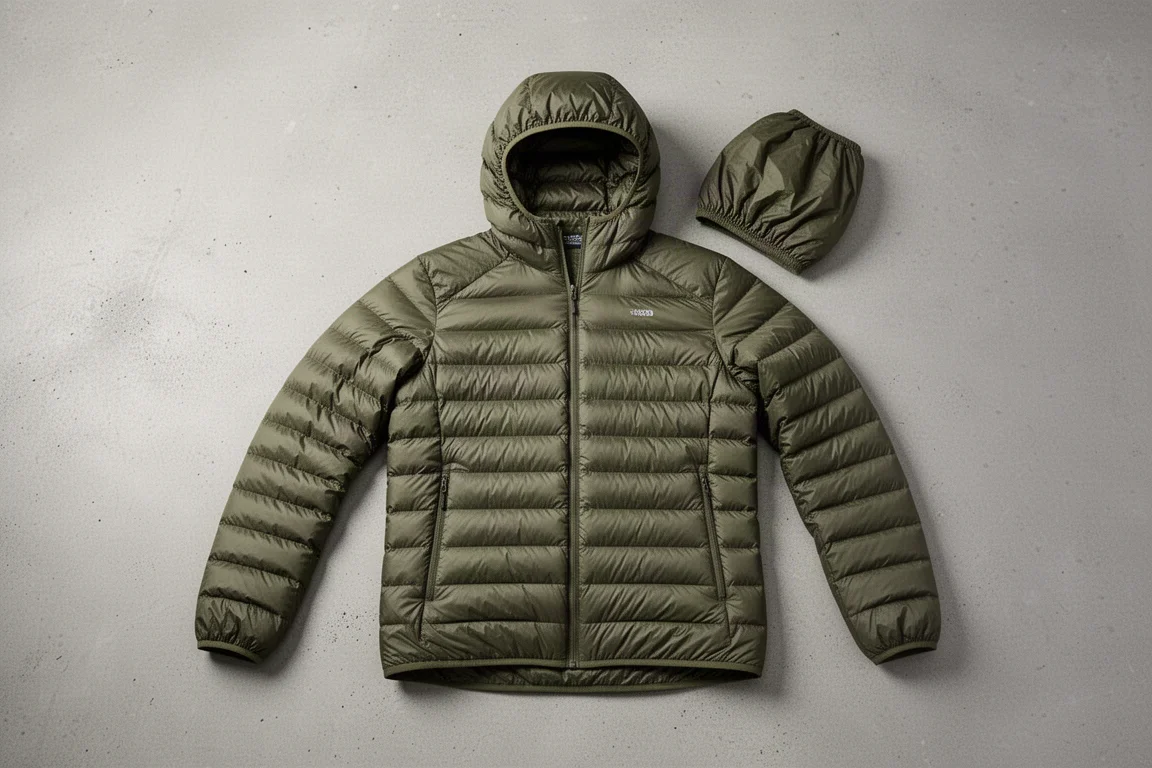
The one wardrobe star was bought specifically for this trip: the Mountain Hardwear Ghost Whisperer 2. It is an 850-fill down jacket, very lightweight and warm, though the weather never got cold enough to wear it for more than about five minutes. It spent the trip doing duty as a pillow instead. Paired with a Wise Owl rain fly that went unused thanks to perfect weather, but which nobody would go without, since mountain weather can change in an instant.
Sleep System: Hammock, Bag, and Under Quilt
Hammock camping turned out to be the most comfortable sleeping setup of the trip, built from a few compact pieces that together take up almost no pack space. One lesson learned the hard way: bring a pillow. A rolled shirt in a stuff sack was not enough for a sore neck after hauling a 30-pound pack up and down a mountain, and a lightweight air pillow would have been the difference maker.
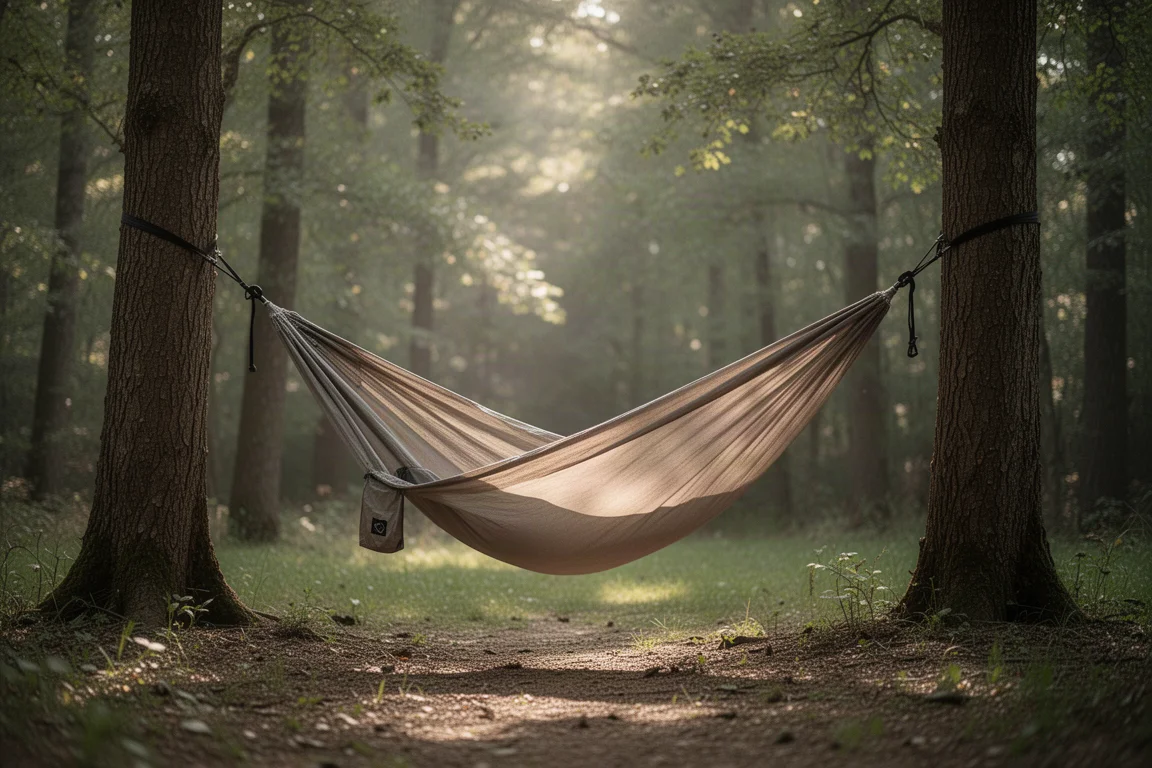
Hummingbird Hammock
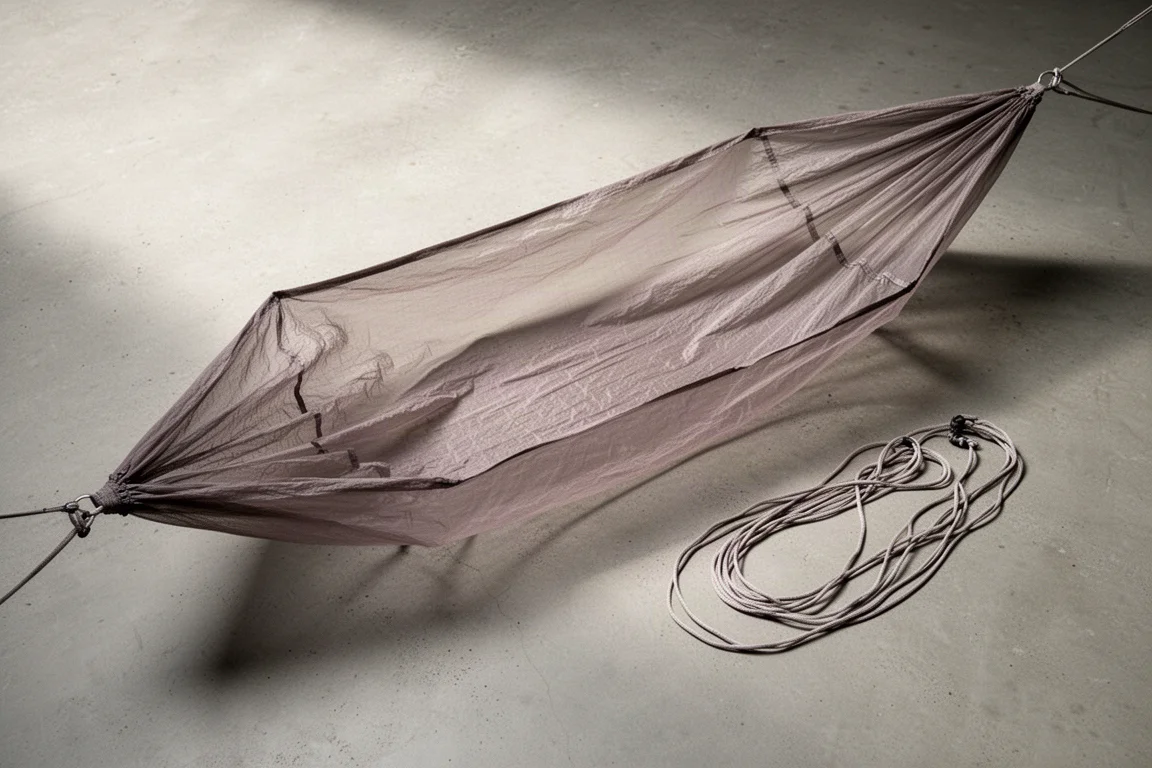
The Hummingbird Hammock is the headline piece: 5.2 ounces, a 300-pound max load, made from parachute fabric thinner than paper. It is honestly intimidating to sit in the first few times, being held by what feels like a quarter-inch of rope, but it held up, kept its occupant cozy all night, and never broke. The only regret is not getting the double version, since wider shoulders make laying at an angle difficult in the single. Its button clasp design means no carabiners are needed at all, with 1,500-pound test cord on both sides.
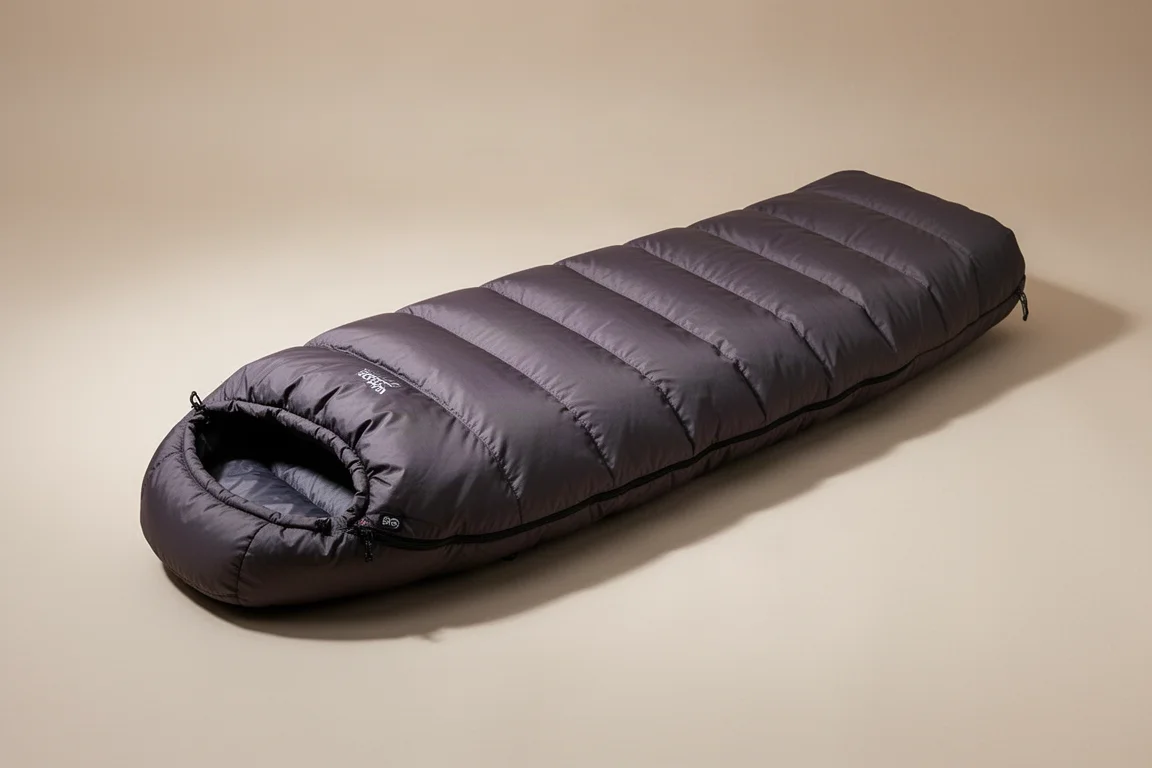
Kelty Light Year 15
The Kelty Light Year 15 is a discontinued 15-degree down bag found years ago for around $100 at an army surplus store, an absolute steal. It compresses well even without a stuff sack, and in the hammock it works feet-in-the-footbox, flipped upside down over the occupant with the hood beside the face. It kept things very warm all night.
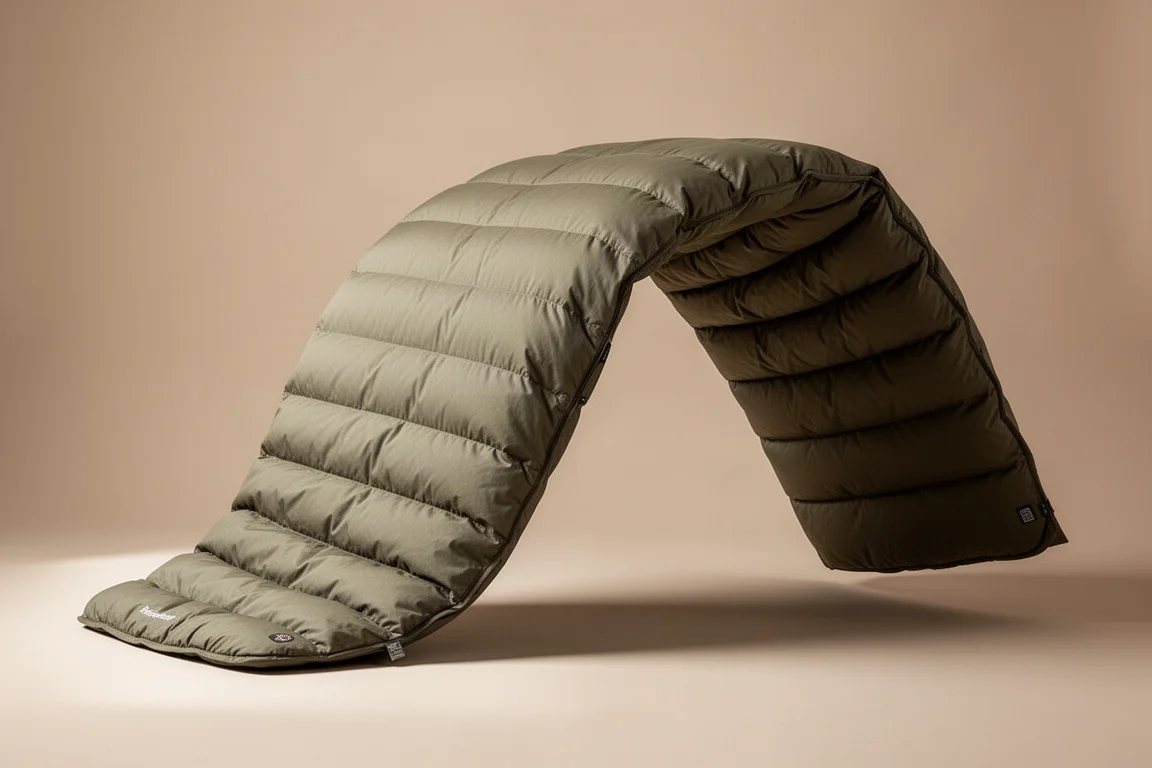
Outdoor Vitals StormLoft 30
Rounding out the sleep setup is the Outdoor Vitals StormLoft 30 down under quilt, in long size. Thirty degrees is the rating, and it delivered: very warm, almost too warm at times, even when temperatures dropped outside. Stuffed into the sleeping bag for storage, it compresses well and adds almost no bulk.
Final Thoughts
The through-line of this loadout is simple: prioritize lightweight, buy smart on price, and accept that some experiments will not repeat. The hammock system, water filter, tiny flashlight, and down jacket were unanimous wins. The 360 camera, undersized trekking poles, and minimal cook setup taught their own lessons. If there is one takeaway for a first trip, it is this: bring the pillow, and do not be afraid to pick the slightly heavier option when it makes life easier at camp.
The Garmin Instinct Solar also deserves a mention as the trip’s quiet workhorse: it tracked all three hikes on a single charge and still had about 13 days of battery left on exit, with solar charging extending it further for anyone outdoors a lot. For hikers tired of charging a smartwatch every night, it is a strong argument in favor of a dedicated outdoor watch.
{{image:4-anchor-placeholder}}
Further reading
Related Reviews
Backpacking
Best Ultralight Backpacking Packs 2026: 6 Options Compared
Six ultralight backpacks that balance low weight with real-world comfort, capacity, and frame design. We break down what each does well and where it makes trade-offs.

Backpacking Gear
Building a 10 lb Base Weight: An Ultralight Backpacking Gear List
A practical walkthrough of the ultralight pieces behind a 10 lb base weight, from a 765 g pack and a roomy one-person tent to a full camp chair and a dependable water filter.
Backpacking Gear
A 15-Pound Lightweight Backpacking Gear List for Solo Trips
A beginner-friendly 15-pound backpacking setup built from easy-to-find gear, with notes on what each piece does, how it packs, and where to spend your attention.