Camping Stoves
Four Winds Compact Camp Stove Review: Solid Build, Fiddly Setup
A butane single-burner stove with excellent build quality, a dependable igniter and strong wind resistance, held back by fussy folding hardware and a small burner head.
Introduction
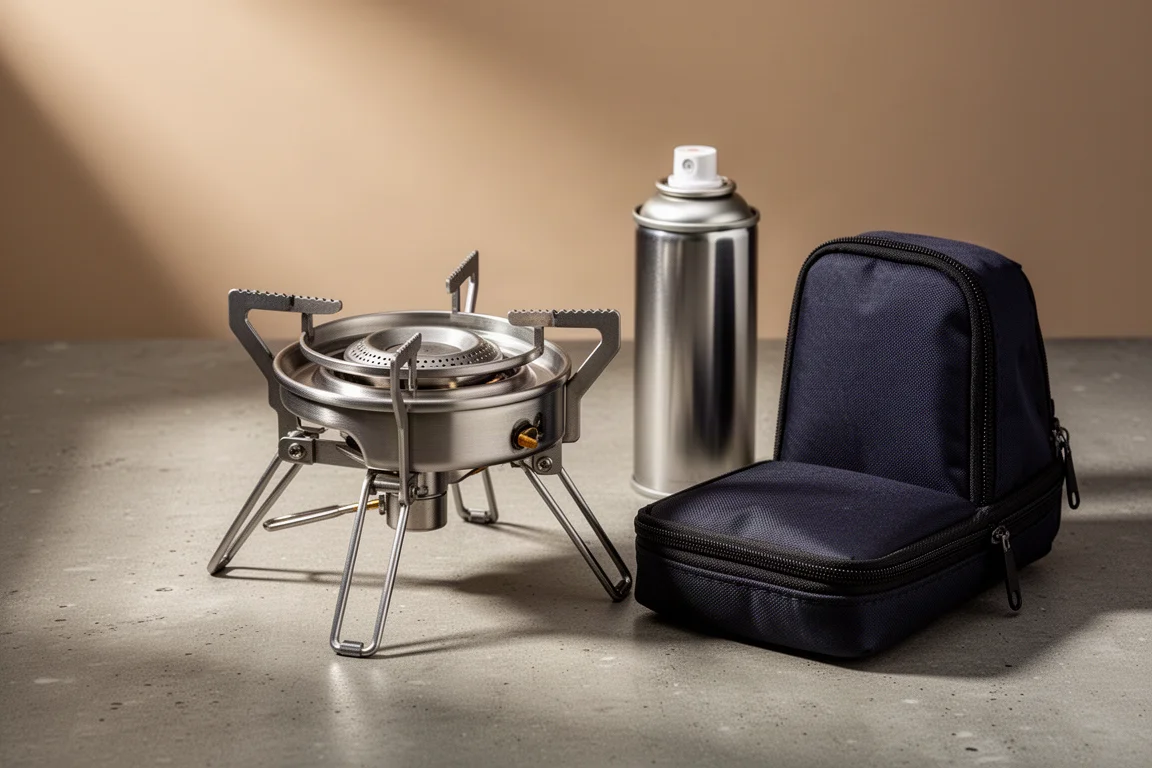
The Four Winds Compact Camp Stove is a single-burner butane stove from a Japanese manufacturer, and the first thing most buyers will notice is how substantial it feels. The package includes the stove, a zippered storage case with an EVA foam insert, and an unusually large instruction manual. In months of mixed use the stove has held up well and continues to perform reliably, but its folding hardware asks for a level of patience that few campers will enjoy. At around $80, it lands in a middle ground that makes it a difficult recommendation.
Who This Stove Is For
This is a butane stove rated at 9,200 BTU, so it runs on widely available butane canisters rather than the isobutane canisters common to ultralight backpacking setups. It suits campers who want a stable single burner for boiling water and simple meals, and who value a protective case and consistent ignition. It is less suited to backpackers counting grams, because the stove is larger and heavier than typical trail stoves.
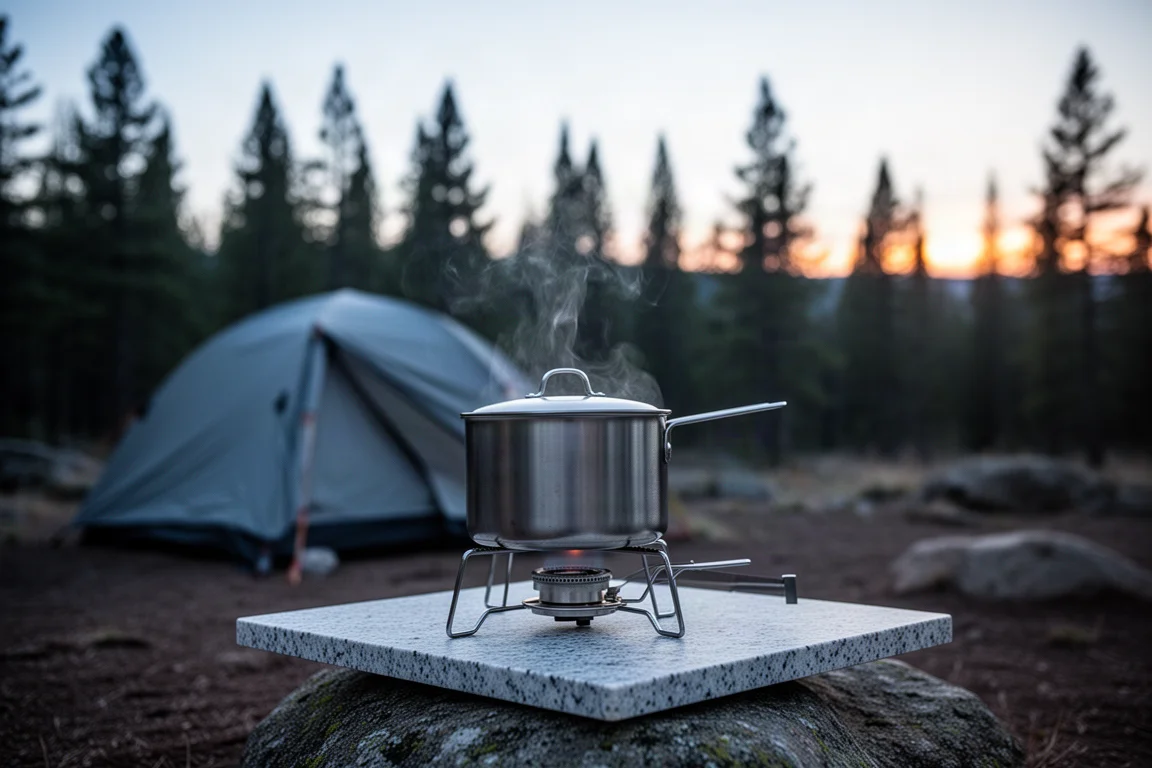
The clearest fit is car camping, picnic cooking, or a base camp where the stove stays packed in its case between trips. Anyone cooking for a group or preparing multi-pan meals should look at a wider burner instead.
Build Quality and Controls
The primary material is stainless steel, with some aluminum and plastic, plus EVA foam and a polyester shell in the case. Nothing on the stove feels like a weak point: there are no sharp edges on the metal, the finish has survived regular handling, and the hardware has stayed tight.
Connecting fuel is straightforward. The stove and the canister each have a notch, and you line them up, push them together, and twist to lock. The control adjuster has a good feel, neither too stiff nor too loose, and it moves smoothly from a full-power flame down to a simmer. The piezo igniter has fired on every attempt. The stove also builds in wind protection in three places: a ring around the burner head, a lip at the burner head itself, and the legs, which act as a windscreen once deployed.
Performance and Wind Resistance
Heat output is 9,200 BTU, and two cups of water reached a boil in about three minutes. Runtime comes in at roughly 100 minutes on a single 8-ounce butane canister with mixed use, alternating between full output for boiling water and a lower setting for simmering.
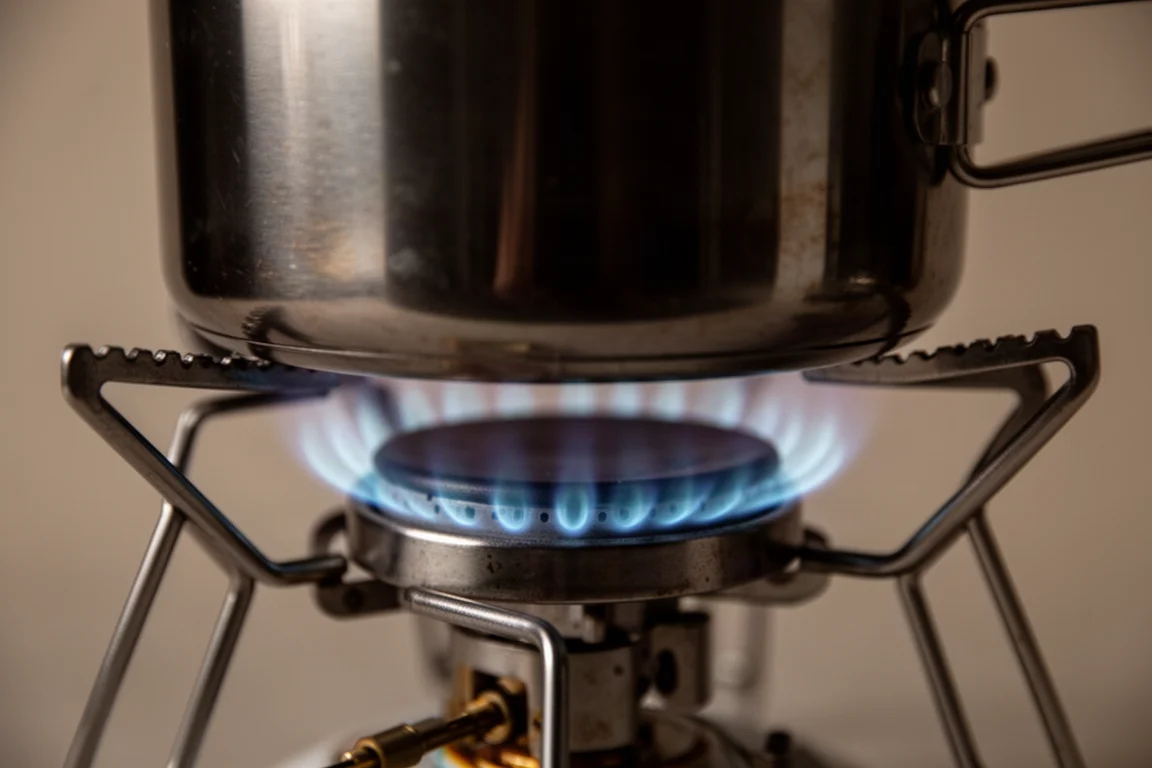
Wind performance is one of the stove’s stronger points. The layered shielding around the burner keeps the flame steady in breezy conditions, and the pot supports hold everything from small cups through to larger pots and pans without wobbling. Once the stove is set down, it is stable enough that it is not easily knocked over.
Setup and Breakdown Friction
This is where the stove loses most of its appeal. The pot supports and the legs fold in a sequence that is not intuitive. Each one has to be moved halfway, then the rest of the way, and the same applies when packing up. Opening a leg fully in one motion blocks the neighbouring leg from standing up.
The result is a fiddly routine repeated across the pot supports and again across the legs, both at setup and at breakdown. It takes time, it never feels natural, and it is the single biggest reason the stove is hard to enjoy.
Cooking and Size
The burner head is small, which shapes how the stove should be used. It excels at boiling water and works best with small cups, pots, and pans. For larger meals, a pot or pan with an inner core will spread heat more evenly and give noticeably better results. Cooking big camp meals is not this stove’s strength.
Packed in the case, it measures 4.3 by 3.2 by 2.7 inches. Set up, it stands 5.5 inches tall and measures 6.5 inches from the end of one pot support to the opposite side. It weighs 11.5 ounces with the case and 9.5 ounces without it, which is large and heavy for a backpacking stove, and all the more noticeable given the small burner head.
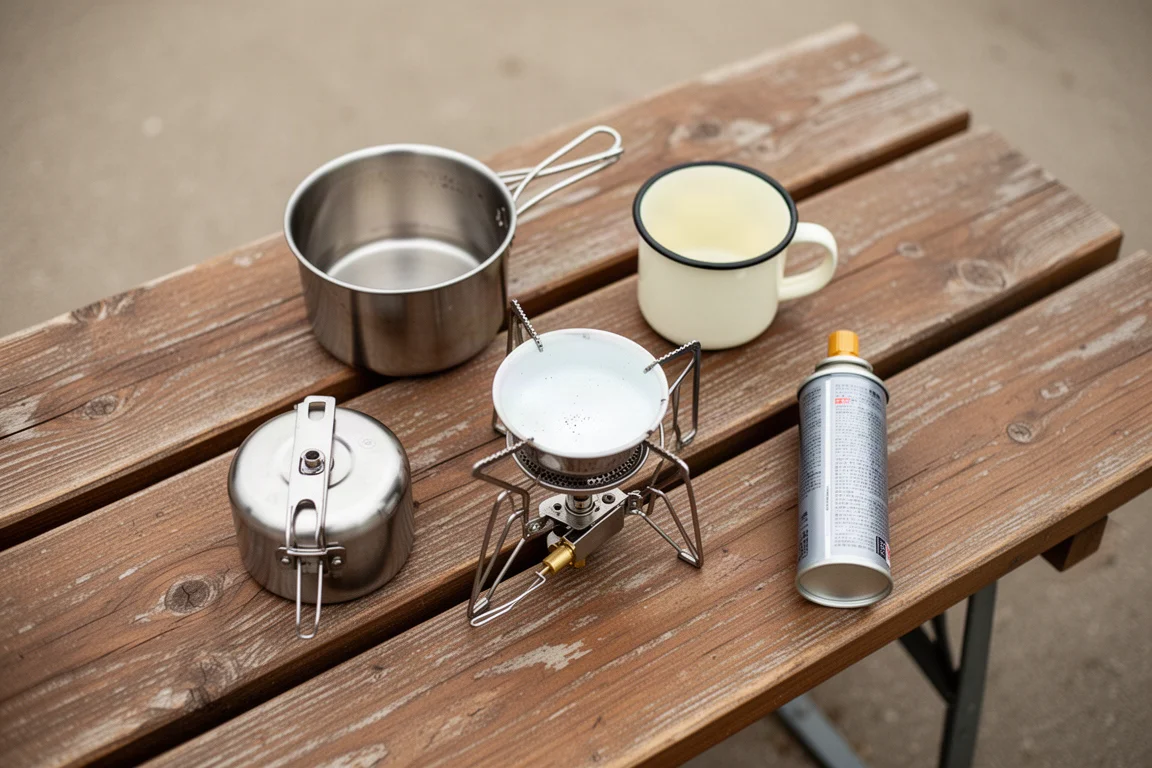
The included case deserves credit. It is one of the better storage solutions in this category, with a single zipper and a pull tab, and EVA foam that holds the stove firmly so it does not rattle inside a pack.
Fuel Pricing and Long-Term Value
The stove runs on butane, which is inexpensive in general. The parent company’s own branded canisters are the exception: a single 8-ounce can has been listed at $14 on sale, while other sellers offer twelve 8-ounce cans for roughly $34. That gap is worth checking before committing to a fuel supply, since it changes the running cost of the stove considerably.
Buying Advice
At around $80, the Four Winds Compact Camp Stove competes with two very different groups of products. Small isobutane backpacking stoves can be found for very little, often in the $10 to $20 range, while larger car-camping stoves offer better cooking performance and more stability for the money.
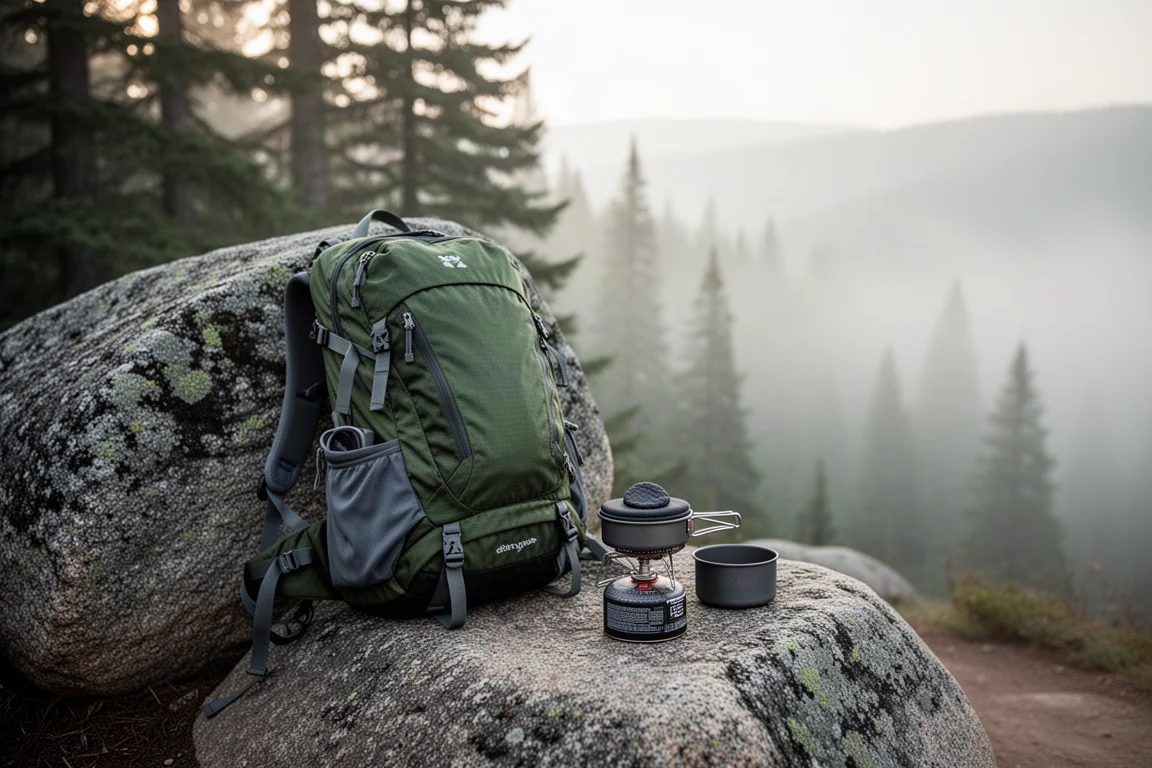
The stove makes sense only for a narrow buyer: someone who wants a butane single burner with excellent build quality, a dependable igniter, strong wind resistance, and a protective case, and who is willing to accept a slow, fussy setup. Most other campers will find a better experience elsewhere at this price.
Conclusion
The Four Winds Compact Camp Stove gets a lot right. Materials and construction are very good, the igniter works every time, the adjuster is well tuned, the pot supports are stable, wind performance is strong, and the case is genuinely well made. The problems are equally clear: setting up and breaking down the folding hardware is a chore, the burner head is small, the stove is bulky and heavy for its class, and the branded fuel is expensive.
Given the $80 price and the alternatives available, this is a hard stove to recommend.
Product link
View more details for Four Winds Compact Camp Stove
This product is mentioned in the review. Check the specifications, options, and compatibility before buying.
View more details for Four Winds Compact Camp StoveFurther reading
Related Reviews
Camping Stoves
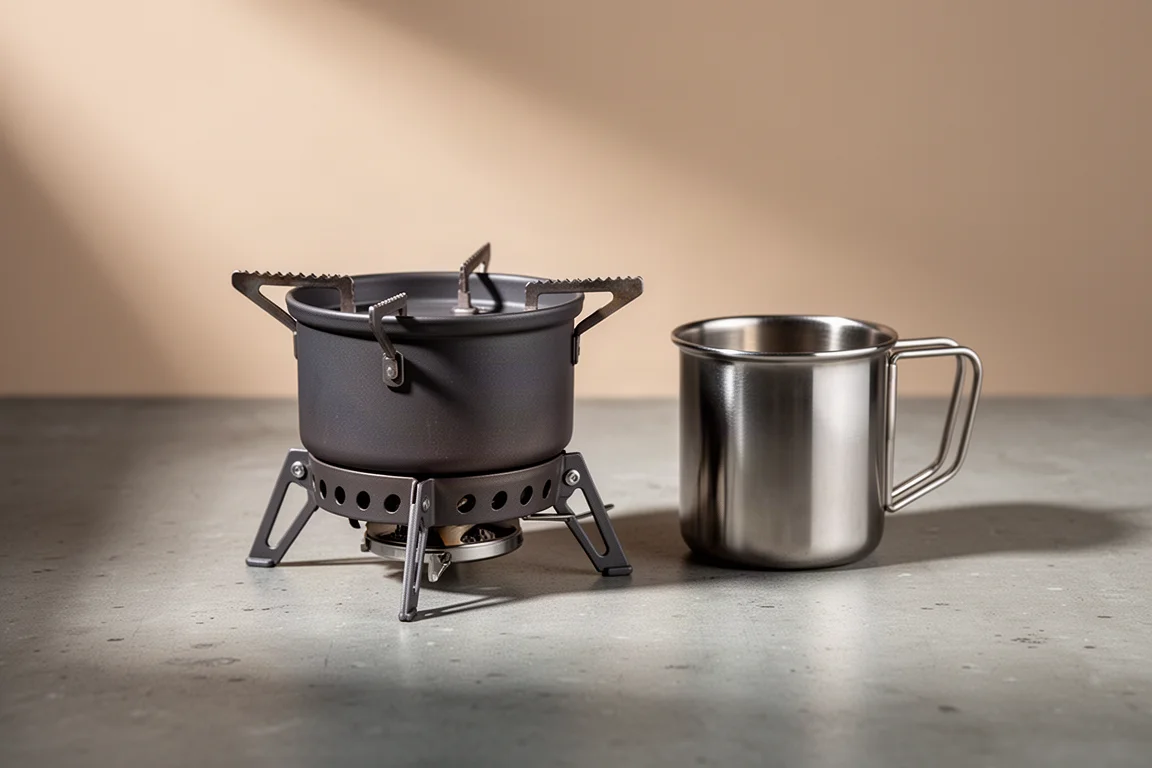
BCB Fire Dragon Mini Cooker Review: A Tiny Folding Stove With Real Trade-Offs
A palm-sized, fuel-flexible folding stove that heats water well enough, but brings flame control, stability, and fuel cost questions worth understanding first.
Camping Stoves
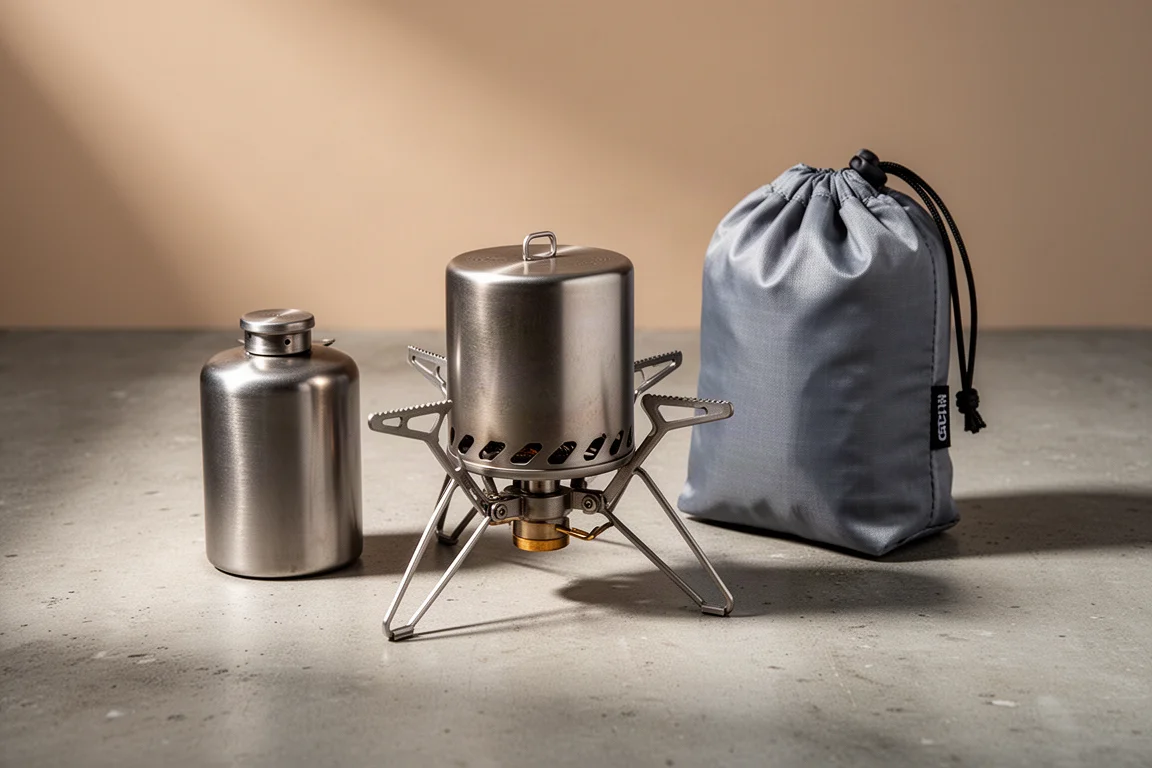
Boundless Voyage Titanium Alcohol and Wood Stove Review: Ultralight Cooking, Two Ways
A titanium alcohol and wood burning stove kit that weighs 4.5 oz complete, boils two cups of water in about 10 minutes, and costs $36.
Camping Stoves
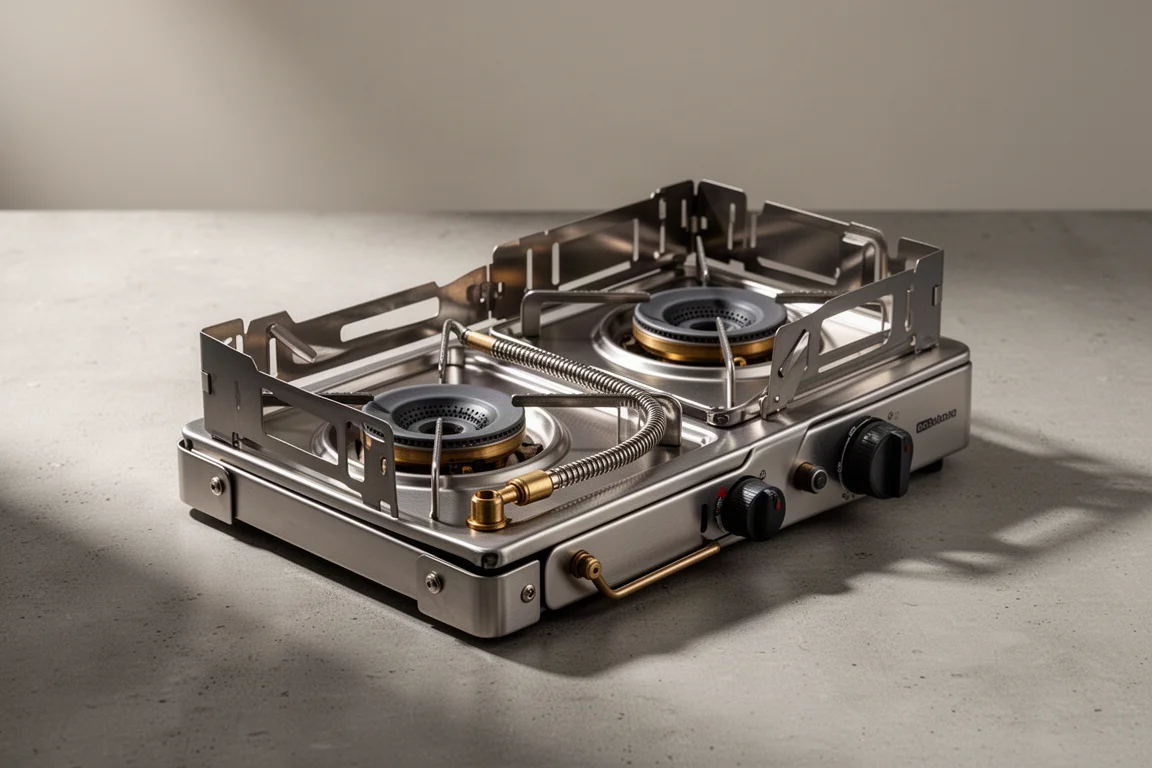
BRS 32 Dual Burner Stove Review: A Folding Two-Burner That Packs Down Flat
A detailed look at the BRS 32, a slim folding dual burner camping stove that expands into a stable cooking platform for around $60.