Cycling Gear
Four Bike Upgrades Worth Buying: Tires, Saddle, Handlebar and Ride Fuel
Four road and gravel upgrades that earned their place over a full season: a fast tubeless race tire, a 3D printed saddle, a one-piece carbon handlebar and a low-mess ride fuel.
Introduction
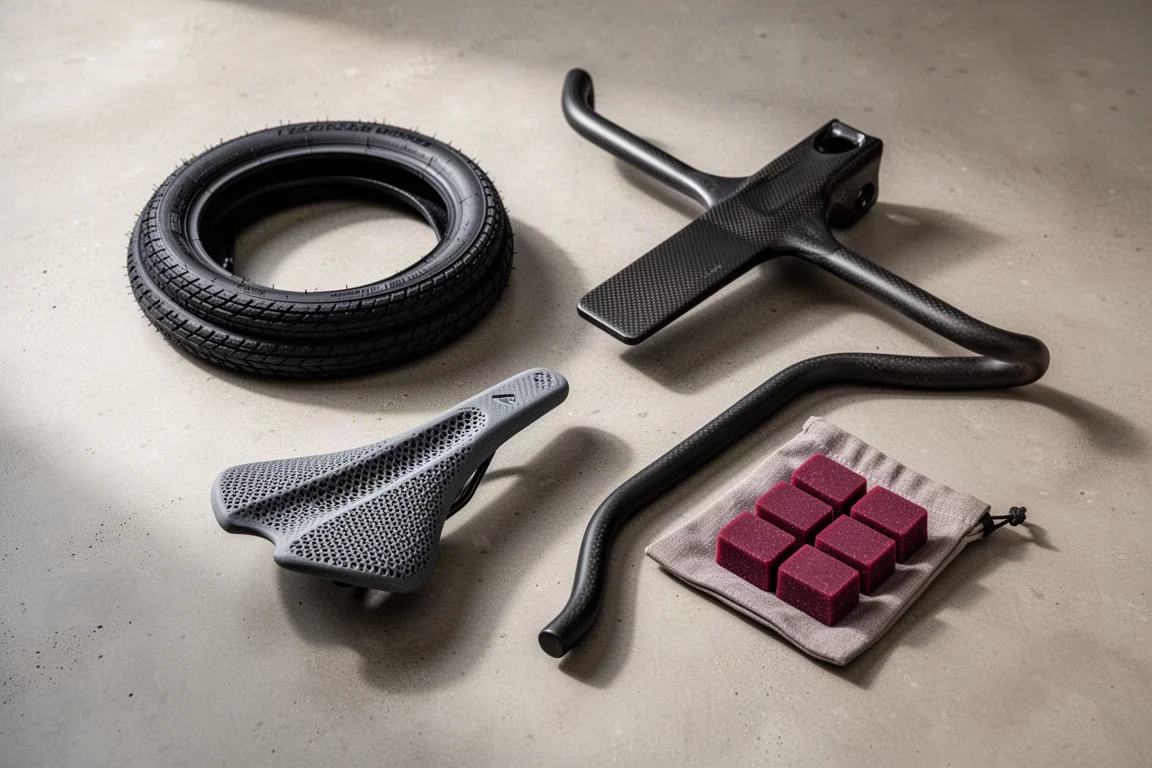
Buying upgrades is easy. Buying upgrades that actually change how the bike performs is harder. The four products below all earned a permanent place on the bike over a full season of road and gravel riding, and each one addresses a different limiter: rolling speed, contact point comfort, cockpit ergonomics, and fuelling on long efforts.
None of them are the cheapest option in their category, and several sit firmly in premium territory. What they share is that the gains show up in normal riding, not just on a specification sheet.
How These Upgrades Were Chosen
Four criteria shaped this list. First, real-world durability, meaning the product still performs after months of use rather than a handful of rides. Second, setup and maintenance, because a fast tire that is miserable to mount or a cockpit that needs constant attention is not really an upgrade. Third, versatility, or whether the product works across more than one discipline or riding position. Fourth, whether the improvement is repeatable rather than a one-off good day.
Price was considered but never treated as the deciding factor. Several of these products are expensive, and where a cheaper alternative exists within the same brand, that is noted in the relevant section.
Best Tire Upgrade: Pirelli P Zero Race TLR
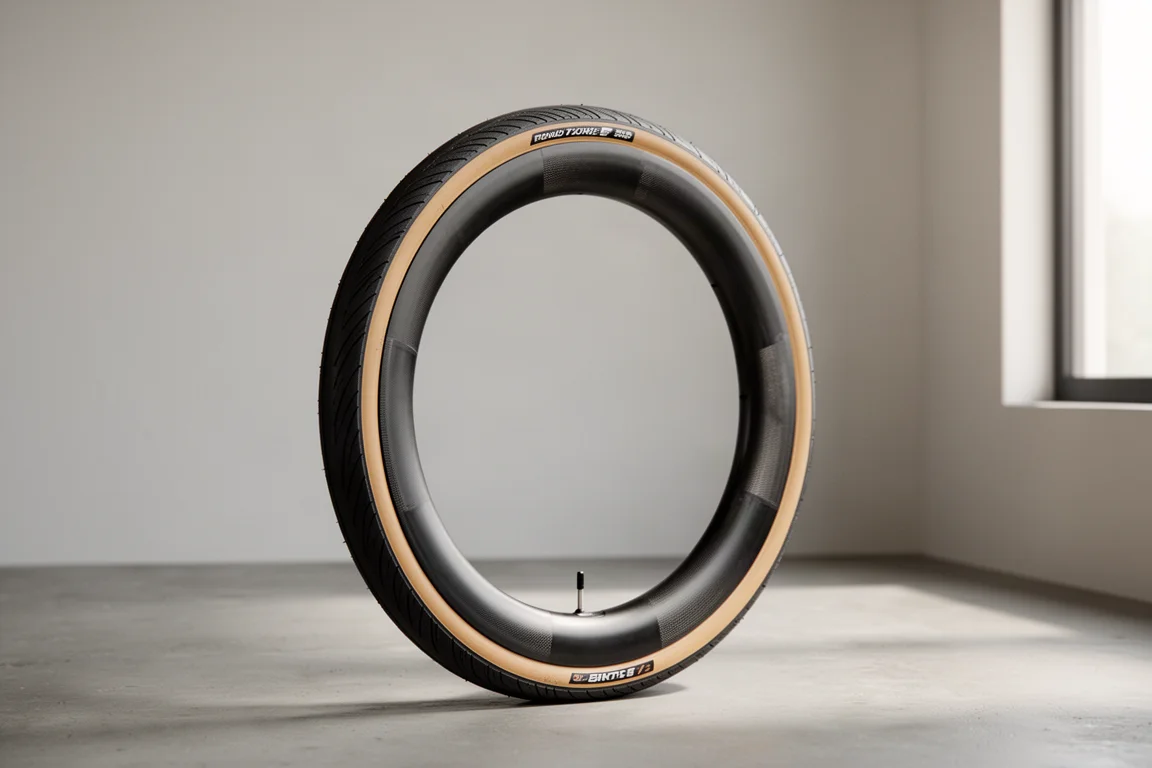
The P Zero Race TLR is the most clear-cut upgrade of the four. It is fast, it mounts easily on both hooked and hookless rims, and tubeless installation is straightforward rather than a wrestling match. Weight is reasonable without chasing the extreme low end, which usually trades away durability and puncture protection.
Ride quality is the other headline. The casing feels soft and compliant over rough tarmac, which matters more on a long ride than a marginal rolling resistance figure. Durability has held up too: wear rates after a full season have been good, and puncture protection has proven stronger in practice than the Continental GP 5000 S TR benchmark. Independent rolling resistance testing places the Pirelli very close to that benchmark for speed, while the Pirelli adds more grip in wet conditions, which is where a race tire usually gives something up.
One detail worth knowing: a tubeless plug repair in the rear tire has now covered more than 500 km of regular riding without issue. For racing, a fresh tire still makes sense. For everyday training, the repair has been a non-event.
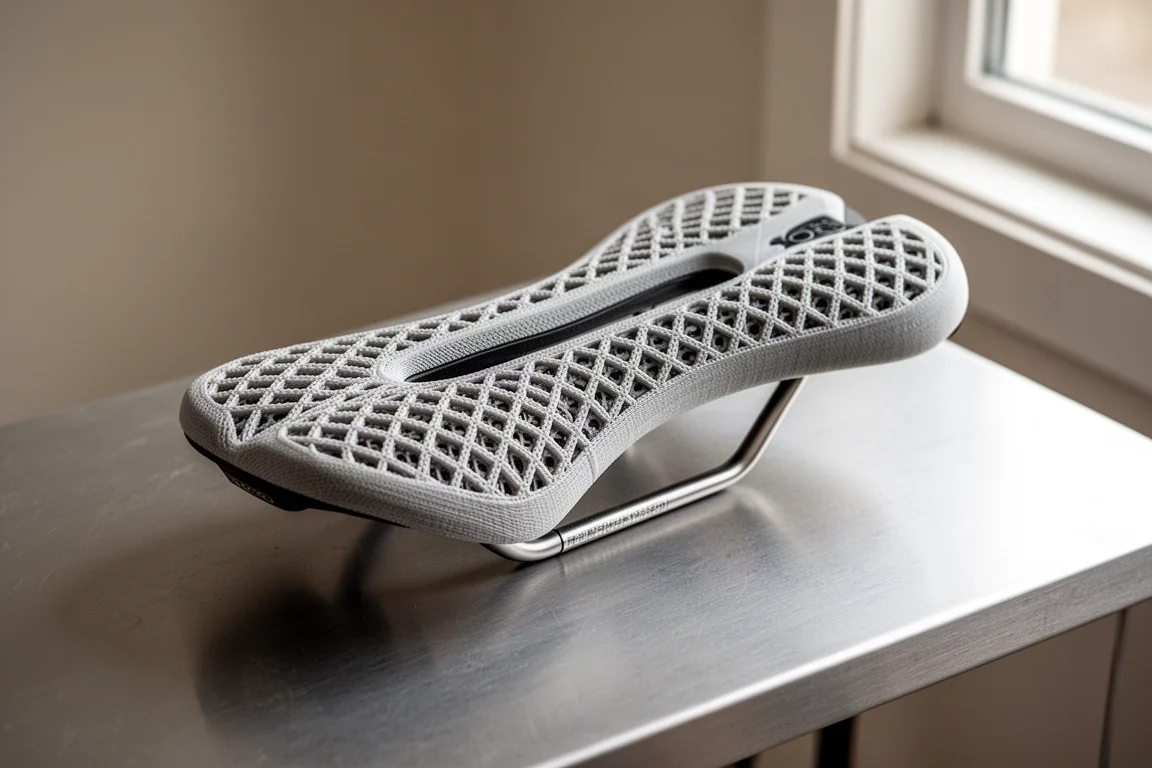
Best Saddle Upgrade: Specialized S-Works Power Evo with Mirror
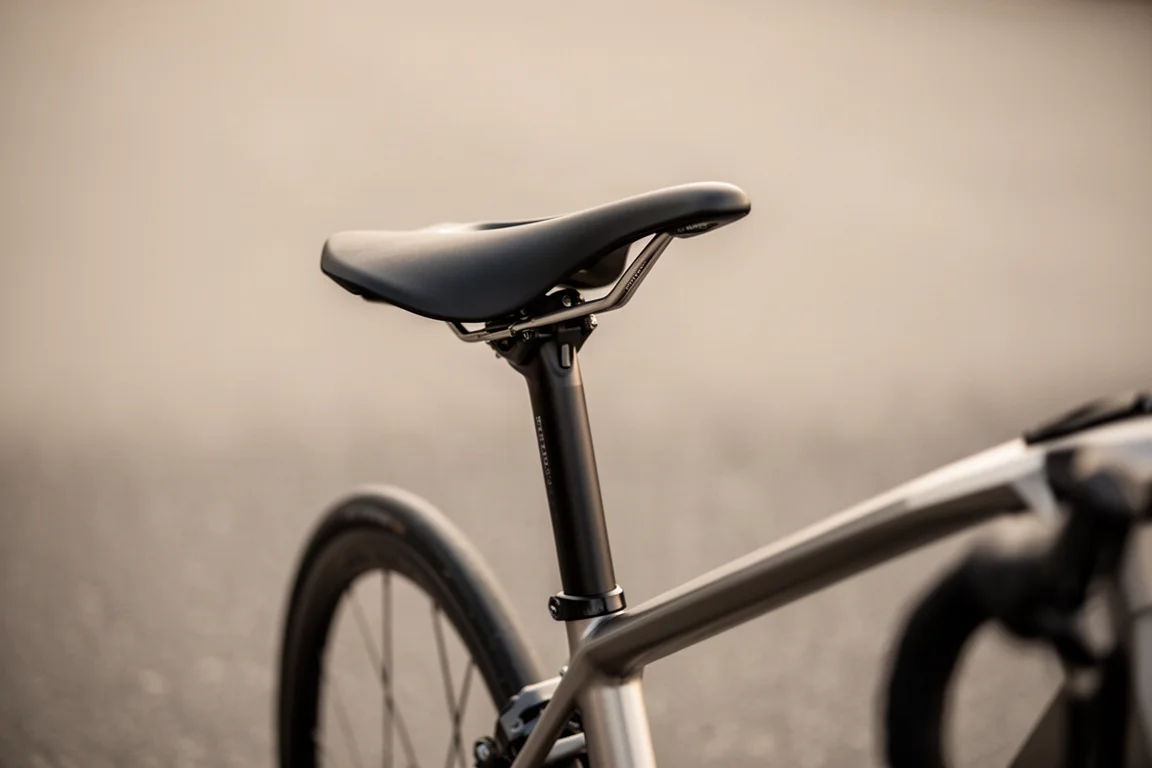
The S-Works Power Evo with Mirror takes the short-nose performance shape that made the original Power saddle popular and opens it up to more riders. The changes are subtle but meaningful: a slightly wider nose for comfort when sitting forward on the rivet, and sides trimmed back so there is less contact with the inner thighs in a more upright position.
Padding is supportive rather than soft. It gives where it needs to and stays firm elsewhere, and the 3D printed lattice holds its shape over long distances better than conventional foam. A gentle central relief channel keeps pressure away from sensitive areas.
The practical benefit is freedom to move. The original Power locks the rider into one aggressive position, which suits racing but is limiting elsewhere. The Power Evo keeps that performance while allowing enough movement to work on a road bike and a gravel bike alike. It is an expensive saddle, and pricing across 3D printed saddles is only coming down gradually, but for high-performance comfort it is a strong choice.
Best Handlebar Upgrade: ENVE AR One-Piece Handlebar
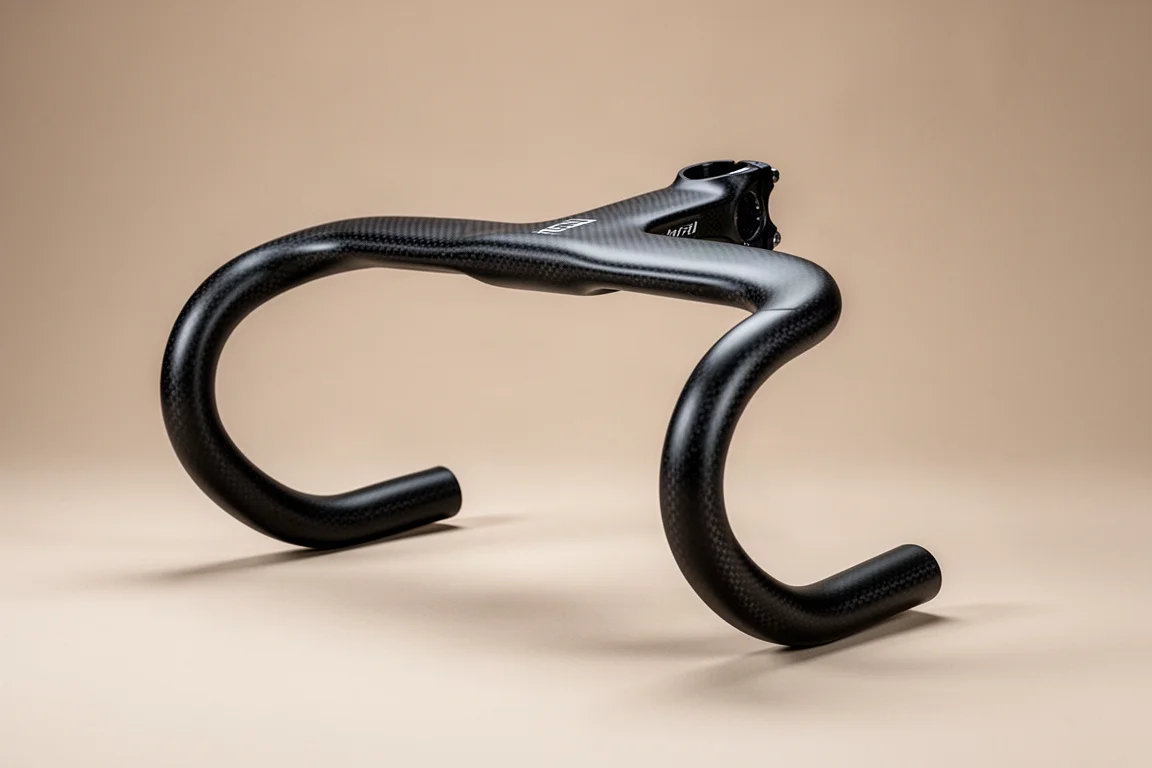
One-piece carbon cockpits are now standard on high-end road bikes, and they exist for aerodynamics, clean internal routing and looks. Shape and feel are deeply subjective, which is why handlebar preferences are always personal. The AR One-Piece stands out because its ergonomics work in several positions rather than just one.
The top section has a slight aero profile, but it is slimmer than a full aero bar, which makes it far more usable for steady climbing and long stretches on the flats. The bar tapers from a wide stem junction to a tighter bend at the hoods, leaving a longer straight section for the hands and a generous stretch of bar tape. The drops are flared at 18 degrees, enough to open up the position without becoming unwieldy, and the flat bottom section gives a stable platform when riding hard.
This example measures 38 cm at the hoods. Narrower options exist, but going much narrower noticeably affects handling when riding out of the saddle, so 38 cm is a sensible floor for most riders.
Small details hold up well. The bar end plug is integrated into the handlebar, so there is nothing to work loose. The out-front mount stays rigid with a computer on top and a light or camera underneath, with no visible flex. Some one-piece bars use a single-bolt mount that moves noticeably once a camera is added, which matters if you film your rides.
The main drawback is price. This version is made in the United States in small numbers, and it is expensive. A newer version made in Taiwan uses the same shape and the same details at a considerably lower price, with a different computer mount. Either way, a lifetime crash replacement policy is included, which is rare at the budget end of the market.
Best Ride Fuel: FTP Endurance
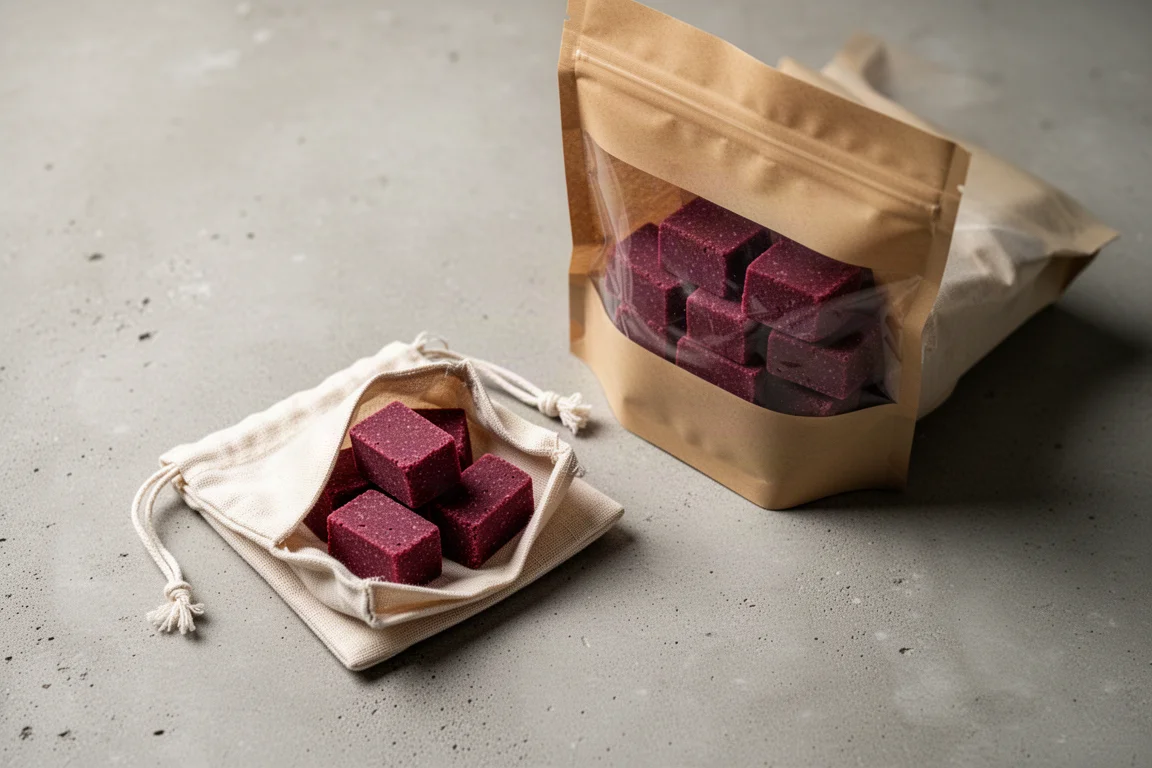
Fuelling is the least glamorous item on this list and often the one that decides how a long ride ends. FTP Endurance is a British brand built around soft, fruit pastel style chews. Two pieces deliver 30 g of carbohydrate, and the format solves two common problems at once.
The first is mess. Gels leave residue on fingers, gloves, the top tube and the face, and they are easy to fumble when riding hard. These chews are not sticky, and they are easier to digest than a dense chewy bar, which makes them practical during a race effort or a long training ride.
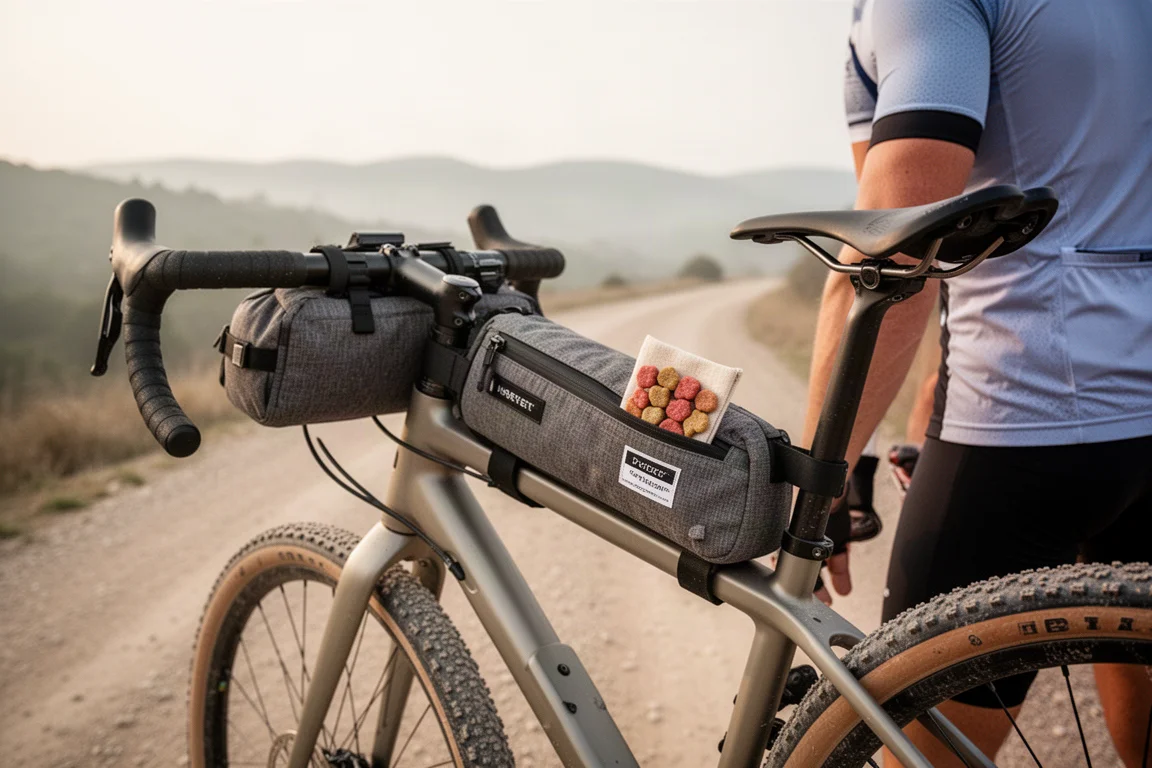
The second is packaging. The product is sold as a bulk bag, and riders portion what they need into a small reusable pouch before heading out. That cuts down on the disposable wrappers that end up on roadside verges. During a two-and-a-half-day ultra race, carrying two pouches, one in a hydration pocket and one in a frame bag, made fuelling simple: reach in, take one or two, keep pedalling, no tearing wrappers open with cold hands.
Flavour is a tart cherry that stays fairly neutral, not too sweet and not sickly. Other flavours are available. Even after two and a half days of racing, the taste and texture did not become tiresome, which is a real consideration when it is one of your main fuel sources.
What These Four Have in Common
Each of these products removes a specific friction point rather than adding a feature. The tire reduces rolling losses while keeping punctures rare, which means fewer interruptions and more confidence on poor road surfaces. The saddle removes the discomfort that quietly caps how long and how hard you can ride. The handlebar improves control and hand comfort without forcing one fixed position. The chews remove the mess and stomach trouble that make fuelling a chore.
That is also why they justify the spend. An upgrade that removes a recurring problem gets used on every ride, while one that adds a marginal gain on paper often gets forgotten.
Buying Advice: Matching the Upgrade to the Rider
If only one upgrade fits the budget, start with tires. They are the most cost-effective change here and the effect is felt immediately in speed and comfort. Riders who already run fast tires should look at contact points next: a saddle that allows movement and a handlebar that suits your position will do more for long-ride performance than most component swaps.
Fuelling deserves a place in the budget as well, even though it is consumable. A nutrition product that is easy to eat and easy to carry gets used properly, and over a long event that matters more than any single component.
For riders drawn to the one-piece cockpit, the lower-cost version of the same handlebar shape is the sensible starting point. The ergonomics and the accessory mounting are the reasons to buy it, and those carry over. If you race and want the lightest, most refined version, the premium option remains available.
Conclusion
Four products, four different jobs, and all four still on the bike. The Pirelli P Zero Race TLR brings race speed without the usual durability penalty. The S-Works Power Evo with Mirror makes a performance saddle shape work for more riders and more disciplines. The ENVE AR One-Piece Handlebar pairs a comfortable shape with genuinely solid accessory mounting. FTP Endurance turns fuelling into something simple enough to do at race pace.
None of them are the cheapest way to upgrade a bike. They are, however, the kind of purchases that keep paying off ride after ride, which is the only test that really matters.
Further reading
Related Reviews
Cycling Gear
8 Cycling Products Riders Keep Coming Back To
Eight cycling components and accessories with clear strengths, honest trade-offs and long-standing reputations among riders and mechanics.
Cycling Gear
Aero Helmets and Bottle Setups Tested: Six Options Ranked by Measured Watt Savings
Wind tunnel data on six aero helmets and bottle setups, with real watt savings, practical trade-offs, and guidance on what is worth buying first.
Cycling Gear
Aero Road Bikes and Fast Tires Worth Watching in 2026
Four aero road bikes and one fast road tire, with the real strengths, the open questions, and what to check before you buy.