Backpacking Packs
Four Backpacking Pack Styles Compared: Traditional, Ultralight, Frameless, and Hybrid
A practical guide to the four main backpacking pack styles, with four representative packs and the load ranges each one suits.
Introduction
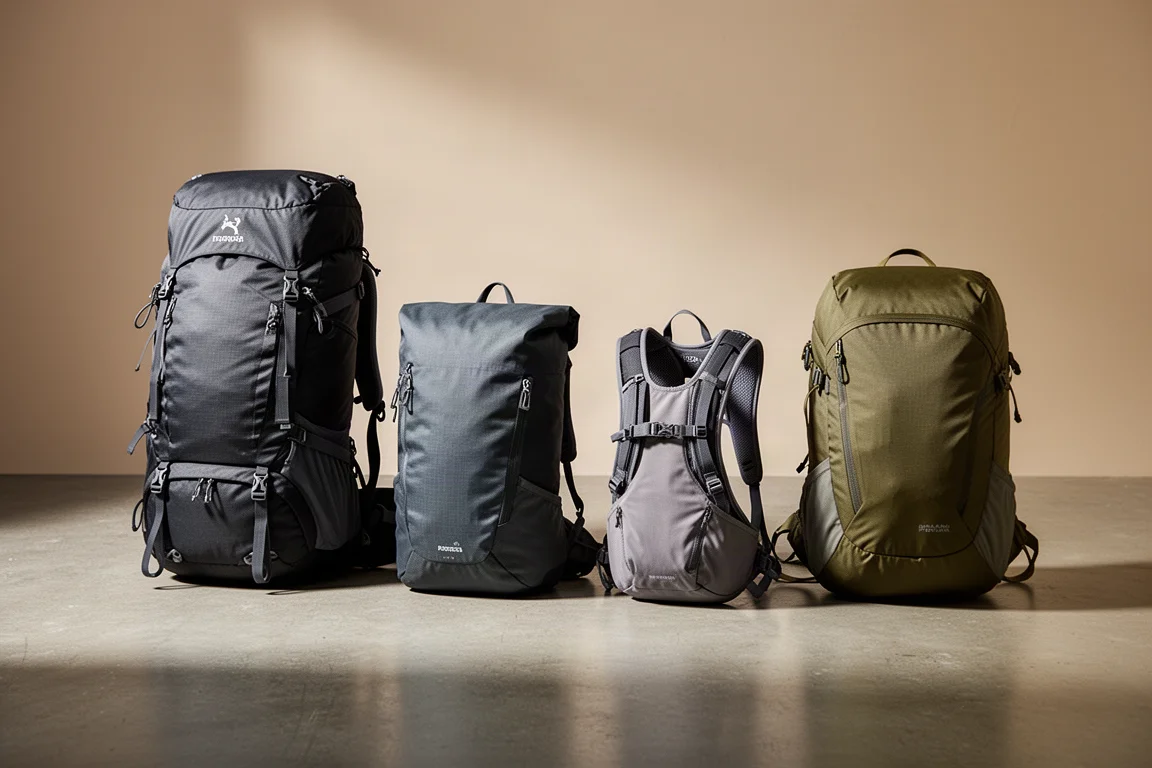
Choosing a backpacking pack is less about finding one universally best model and more about matching a pack to the weight you actually carry. A pack that feels ideal for one hiker can feel wrong for another, because load weight, volume, and personal priorities change what a pack needs to do.
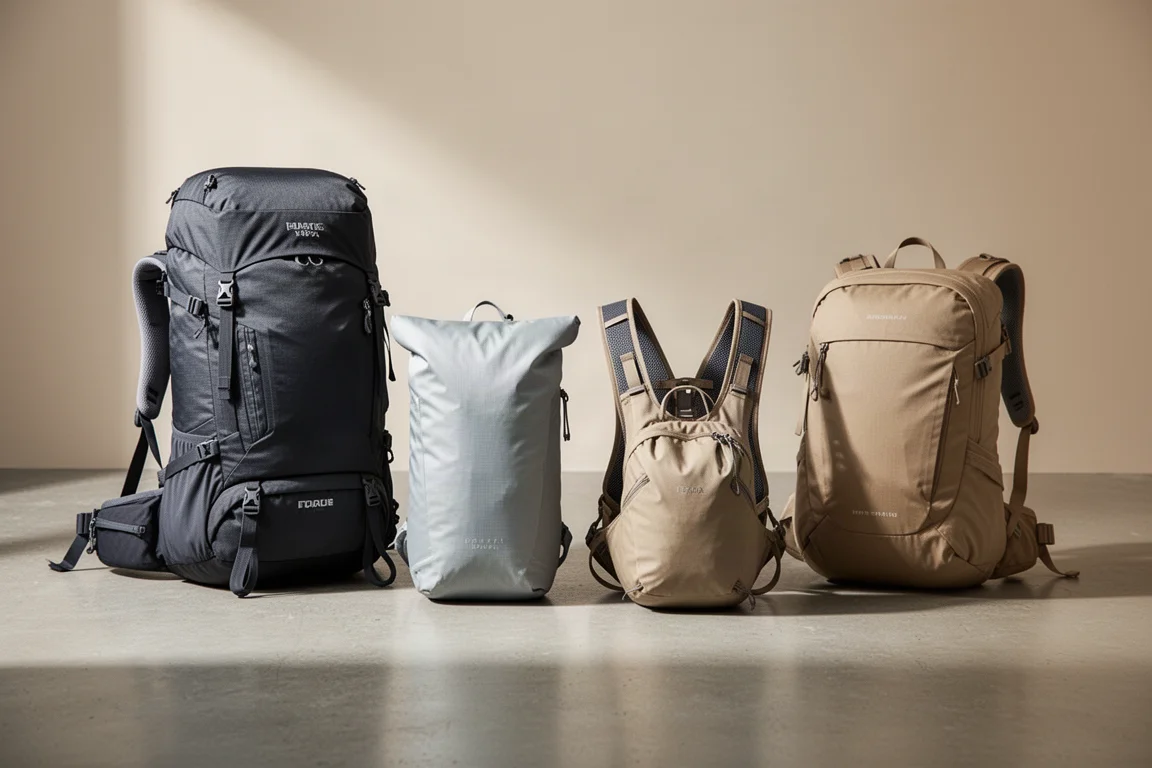
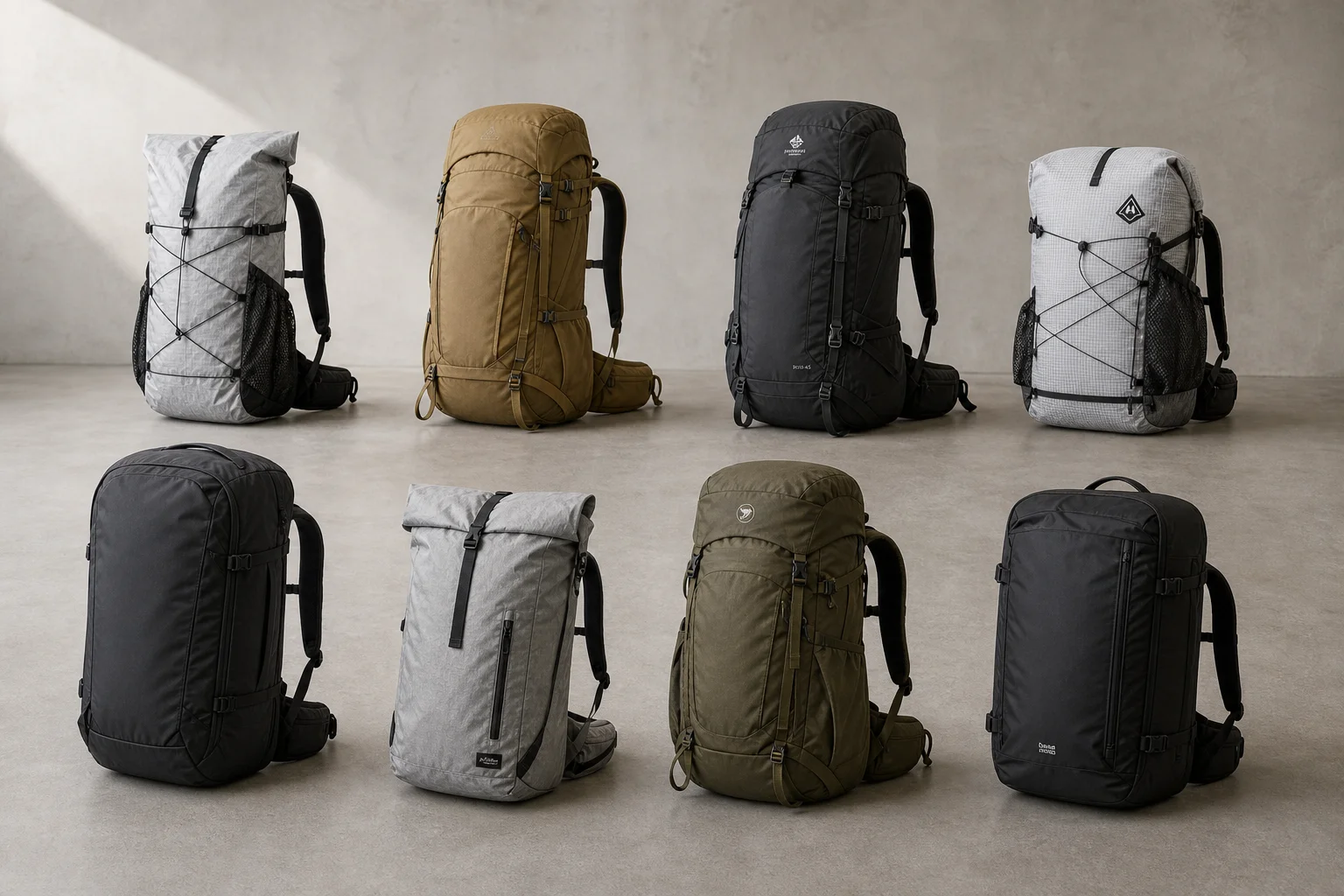
The market breaks down into four broad pack styles: traditional, ultralight, frameless, and hybrid. Each makes different trade-offs between load support and overall weight, and each suits a different kind of trip.
What Separates the Four Pack Styles
The differences come down to suspension and simplicity.
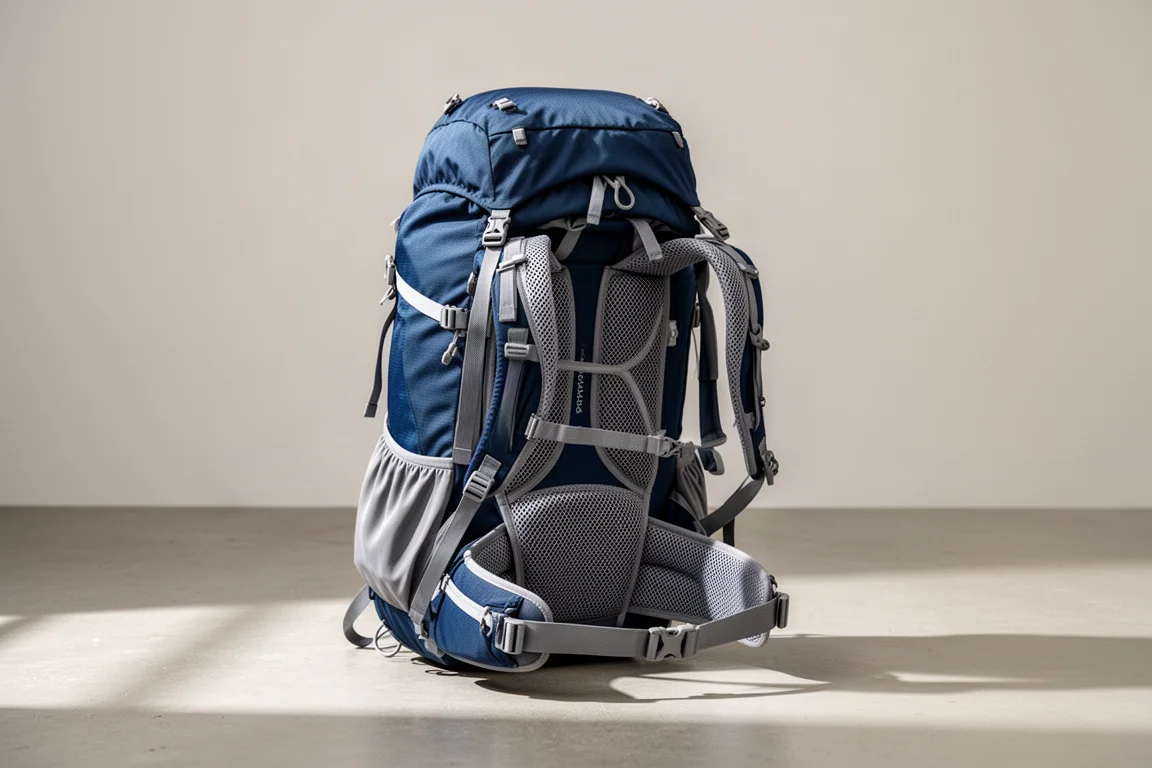
Traditional packs are built to carry big and heavy loads as comfortably as possible. They put heavy emphasis on suspension: thick padding on the shoulder straps and hip belt, stiff frames that transfer weight to the hips, and stabilizing straps that pull the load in close to your back.
Ultralight packs take a minimalist approach. They are essentially a large bag with a shoulder strap and a hip belt carrying a fraction of the padding, because they are not intended to carry heavy loads. In backpacking terms, ultralight usually means a base weight, everything except food and water, under 10 lb.
Frameless packs push that idea further. They expect loads light enough that most of the weight can ride on your shoulders with little or no weight on your hips. Hybrid packs sit between the traditional and ultralight camps, keeping some comfort features while trimming weight.
Weight is worth thinking about honestly. A heavier pack and a heavier load put more wear on your body, especially your joints and knees, even when the suspension is doing its job well. That does not make traditional packs a poor choice, but it does mean the right answer depends on how much you are genuinely carrying.
Traditional Packs: The Osprey Aether 55
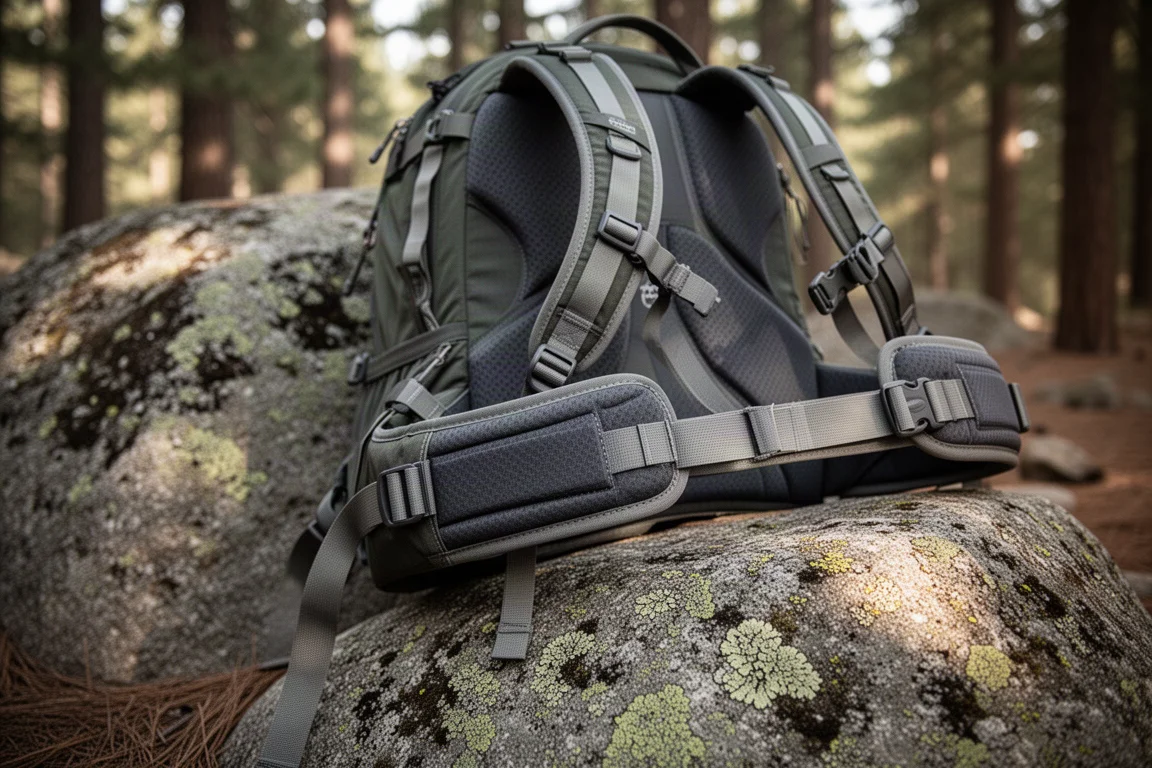
The Osprey Aether 55 is a newer traditional pack, and it shows the style clearly. The fabric is a rugged high denier nylon chosen to hold up under the pressure of heavy loads. The top section, commonly called the brain, holds extra gear and doubles as a large compression system for packing down bulky items. Thick padding on the shoulder straps and hip belt, along with a stiff frame, keeps the weight riding on your hips.
The trade-off is weight. The Aether 55 comes in at almost 5 lb empty. A traditional pack makes sense for hikers with large, bulky gear and pack loads well above 30 lb, and for anyone who likes to be prepared with extra items just in case.
Ultralight Packs: The Hyperlite Mountain Gear Southwest
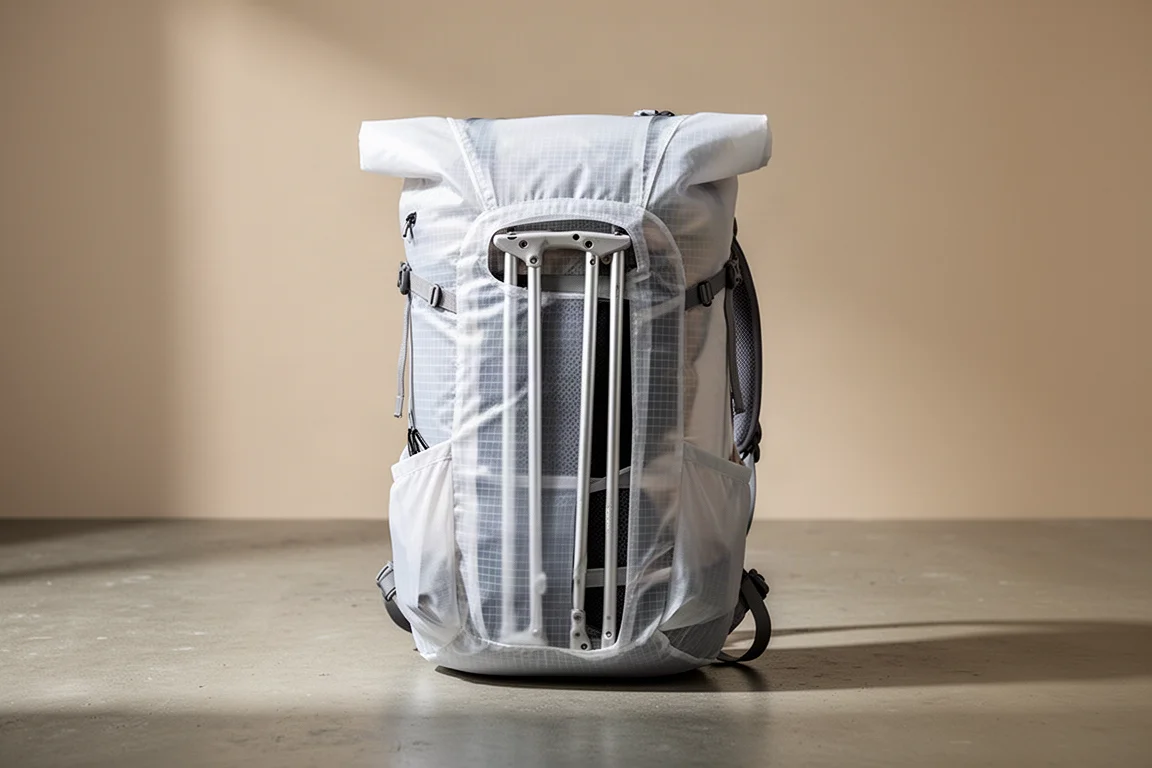
The Hyperlite Mountain Gear Southwest is one of the most popular ultralight packs available. Compared with a traditional pack it is far simpler: a big bag with a shoulder strap and a hip belt that have a fraction of the padding. Stabilizing straps are eliminated, there is no brain, and the closure is a simple roll top paired with two compression straps. There are no zippers and only minimal pockets.

Materials do the heavy lifting. Ultralight packs use lighter denier fabrics or specialty fabrics such as Dyneema composite fabric and newer ultra fabrics, which offer some of the highest strength-to-weight ratios available today. Most ultralight packs weigh 2 lb or less empty, so the pack itself contributes little to the total load. Many still use frames or stays to shift weight to the hips, though they do not have to.
Frameless Packs: The Mountainsmith Zerk 40
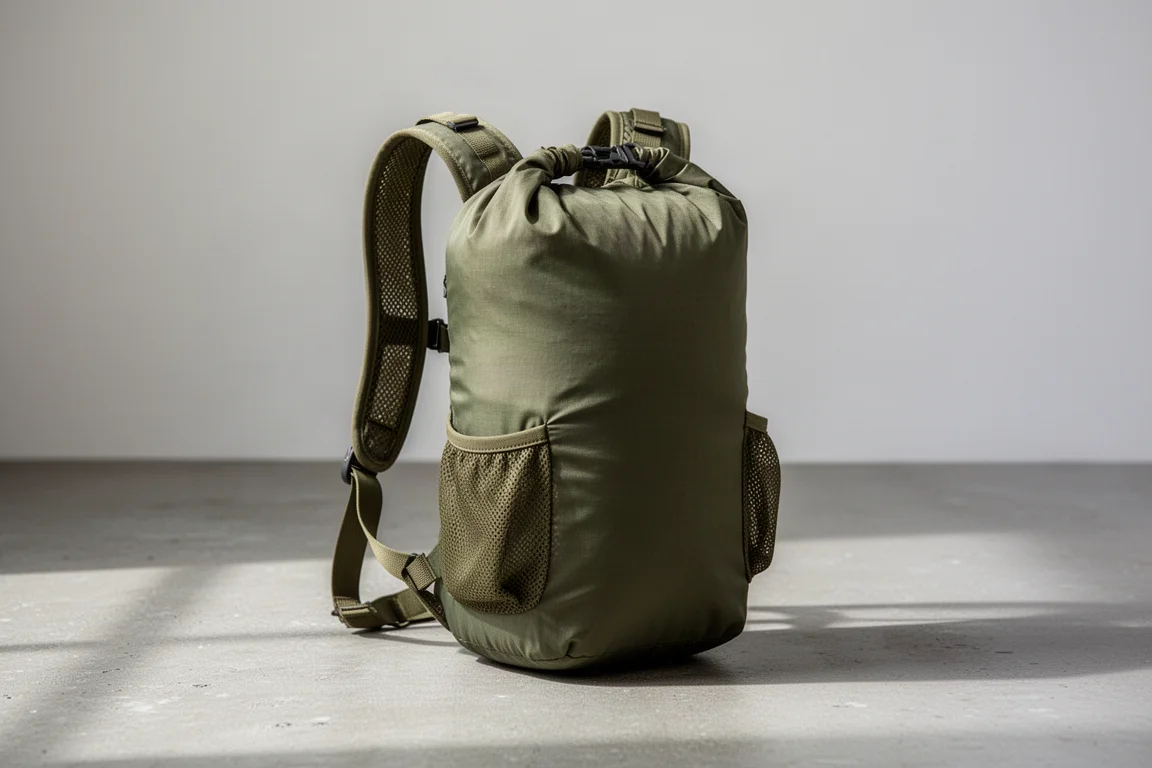
Frameless packs are ultralight taken to the extreme. A pack like the Mountainsmith Zerk 40 assumes a load light enough that most of the weight can sit comfortably on your shoulders, with little or no weight on your hips.
The weight savings come from removing the stiff, heavy frame and from minimizing or eliminating the hip belt. Some frameless packs weigh well under a pound. Many use vest-like shoulder straps that spread the load across your core, which can be genuinely comfortable, but only below a weight limit that varies by manufacturer.
Hybrid Packs: The Big Agnes Prospector 50
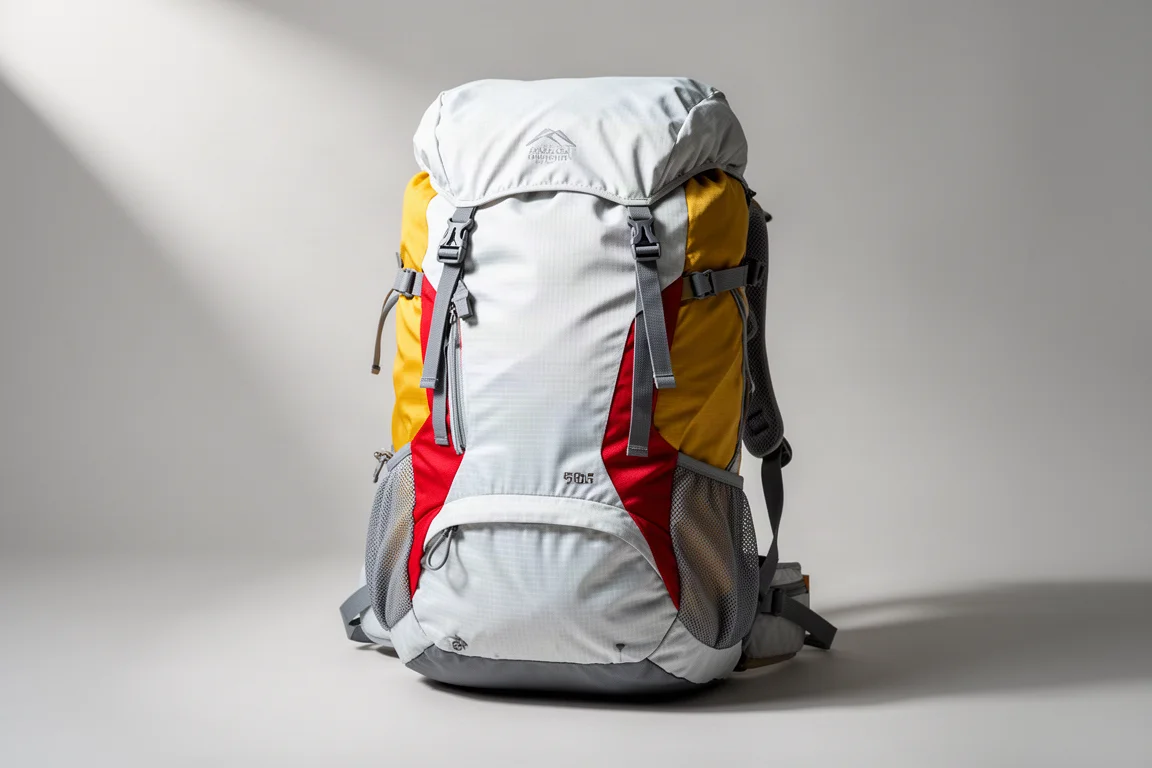
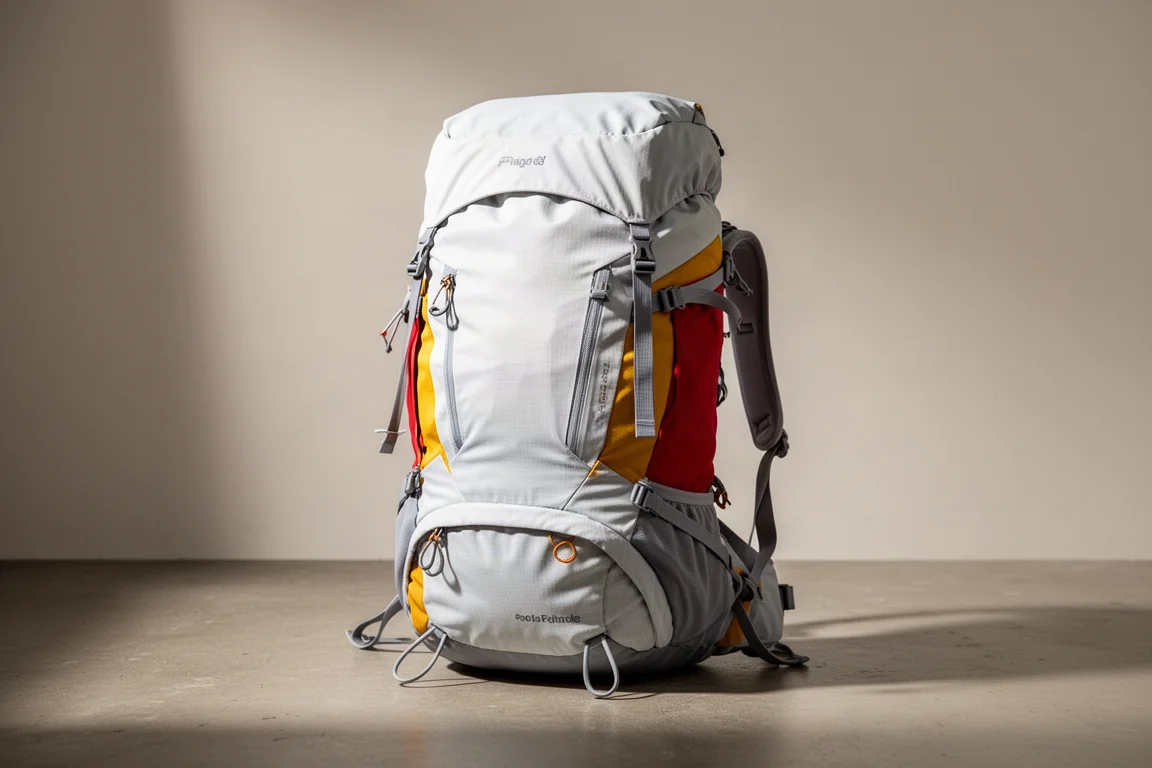
The Big Agnes Prospector 50 is a compromise between the two ends of the market. Its design leans ultralight, with minimal pockets and no brain, but it keeps traditional touches: rugged high denier fabric and thick padding on the shoulders and hip belt. It weighs 3 lb even.
That is not ultralight, and it is not as heavy as a full traditional pack either. It suits hikers who want to lighten their load without giving up the padding and durability they are used to.
Worth noting as well: all of these pack categories include women-specific versions built around women-specific body features, so the style you choose does not lock you out of a proper fit.
Matching a Pack to Your Load
Work backwards from your gear. If your pack loads regularly run well above 30 lb and your equipment is bulky, a traditional pack with a real suspension will carry it more comfortably than anything else here. If your base weight is under 10 lb, an ultralight pack such as the Southwest keeps the pack itself from adding unnecessary weight. If your kit is lighter still and you want the absolute minimum, a frameless pack like the Zerk 40 is the logical endpoint. And if you are not ready to go fully ultralight, the Prospector 50 splits the difference at 3 lb.
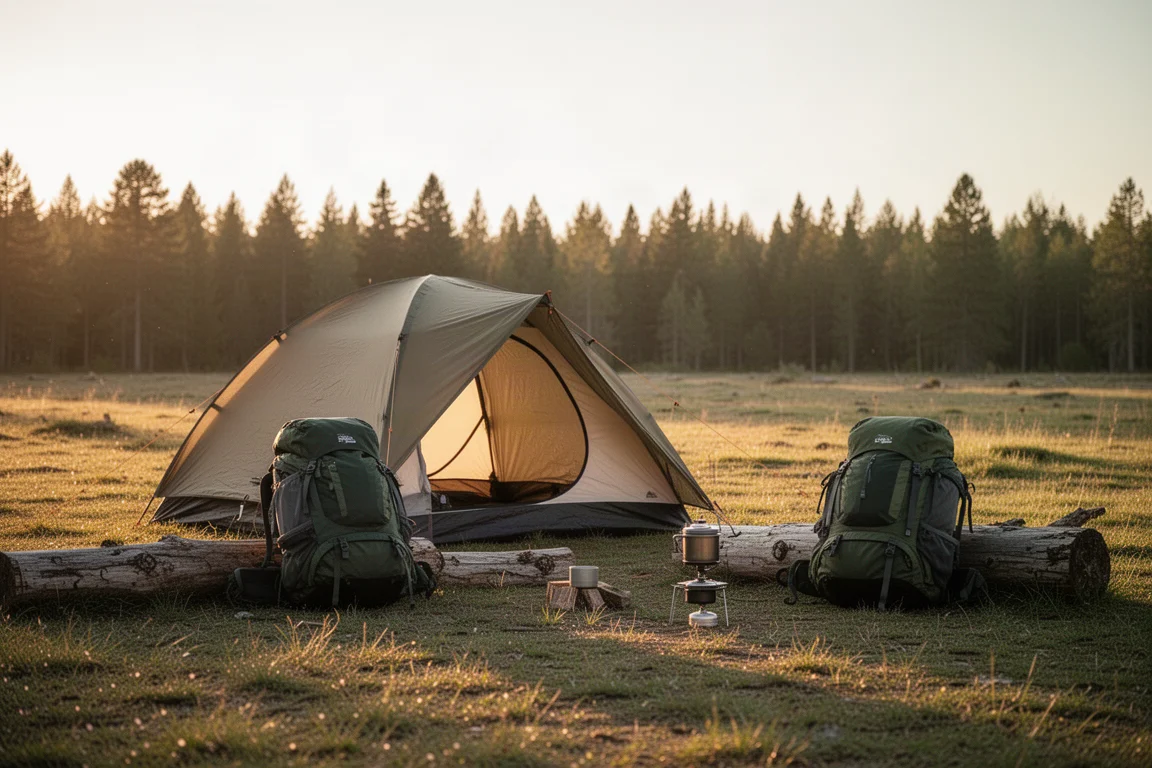
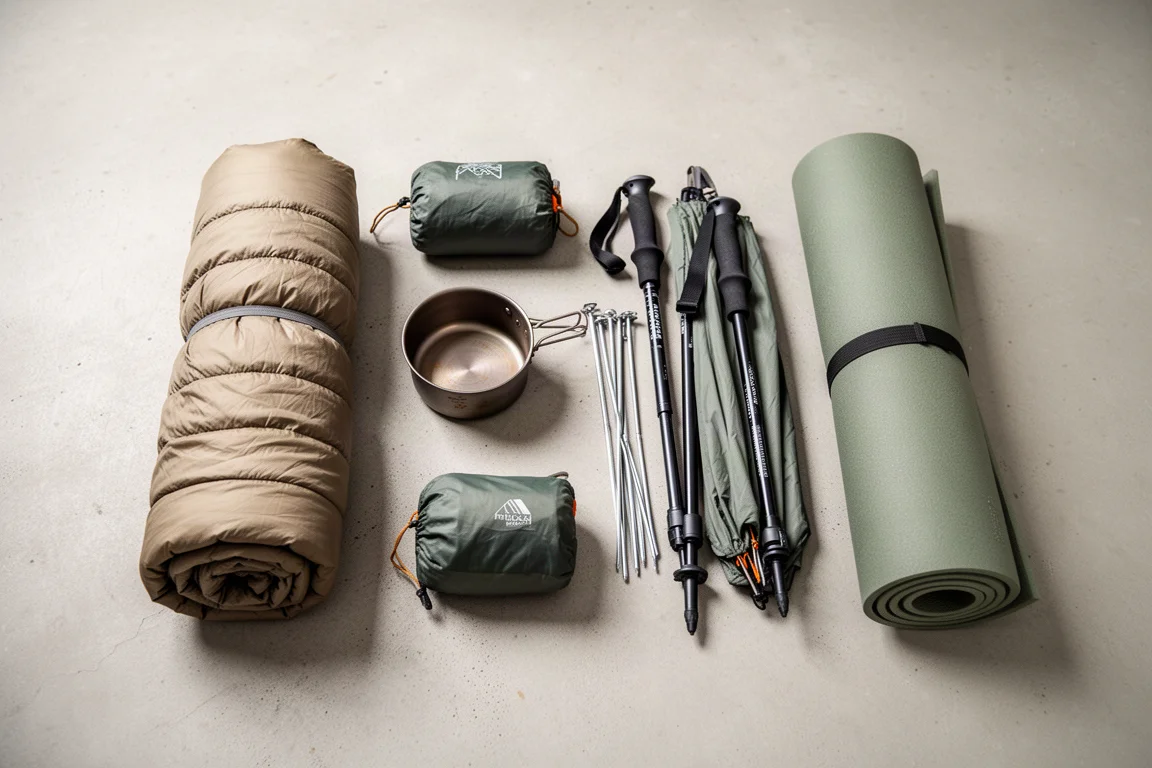
These categories also require honest gear matching. Both framed and frameless ultralight packs work best with specialized gear such as ultralight tents, quilts, and cook sets, because those items are what make a low base weight achievable in the first place.
Conclusion
There is no single best backpacking pack, only the pack style that fits the load you carry. Traditional packs support the heaviest loads, ultralight packs cut the pack’s own weight to a minimum, frameless packs take that idea to the extreme for the lightest kits, and hybrid packs sit in between with a useful balance of padding and weight.
Further reading
Related Reviews
Backpacking Packs
Backpacking Pack Types Compared: Traditional, Ultralight, Frameless, and Hybrid
Four pack categories, four representative packs, and a practical way to decide which kind of backpacking pack matches the weight of your gear.
Backpacking Packs
Best Backpacking Packs 2026: Six Picks for Every Style of Trip
Six backpacking packs that earned their place by weight class and purpose, with the real strengths and trade-offs to weigh before you buy.
Backpacking Packs
Big Agnes Prospector 50 Review: A Hybrid Pack That Sits Between Two Worlds
A 50-liter backpacking pack that mixes ultralight features with traditional padding and panel access. Here is who it suits and where it falls short.