Stationery
Switching from Ballpoint to Fountain Pens: 5 Key Differences and 2 Great Starter Pens
Ink, paper, grip, pressure, and maintenance all change when you switch to a fountain pen. Here is what to expect, plus two budget-friendly starter picks.
Introduction
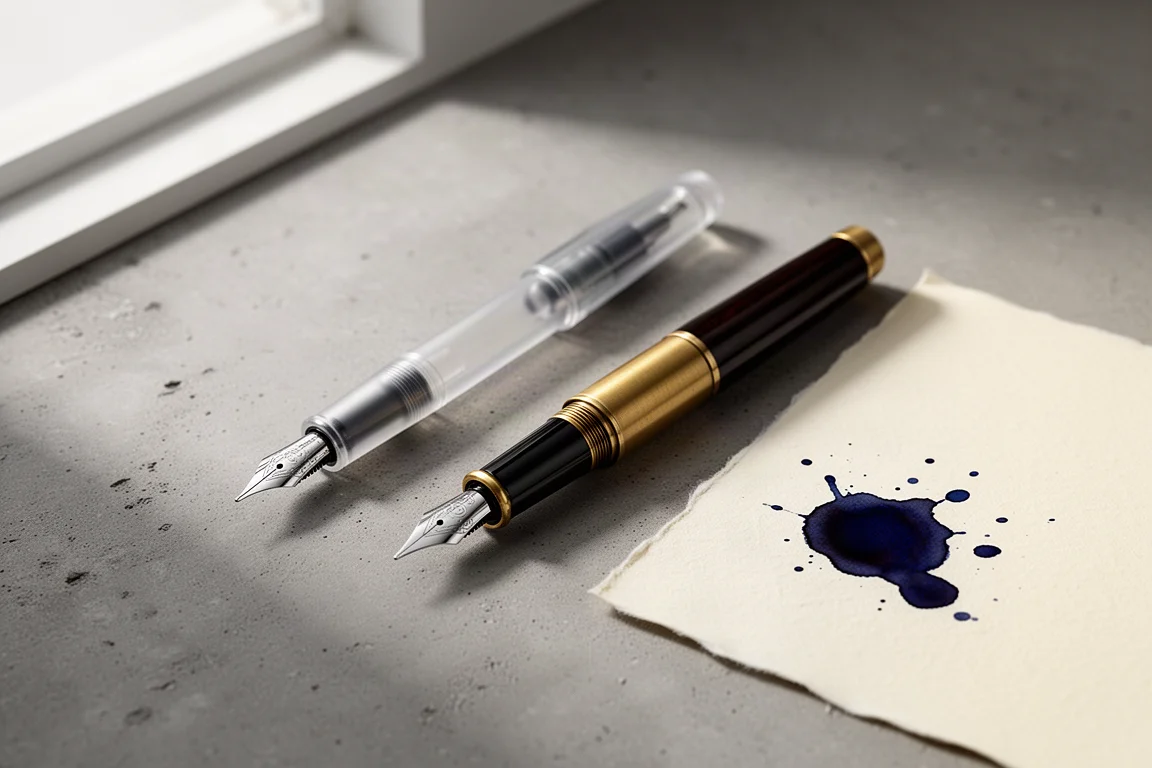
Moving from a ballpoint pen to a fountain pen is a small change on paper and a bigger change in habit. The two pen types write differently, expect different paper, and need different levels of care. None of it is difficult, but knowing the differences up front makes the switch far smoother and helps you pick a first pen you will actually enjoy using.
1. The Inks Are Completely Different
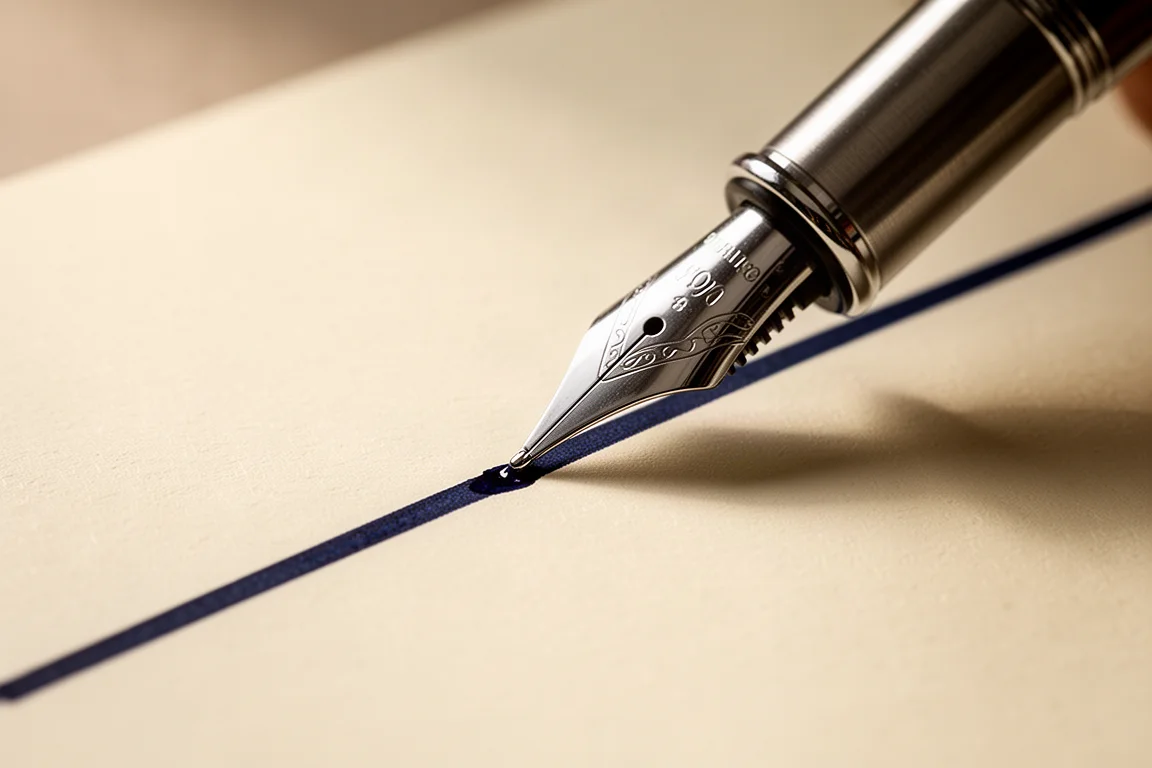
Fountain pens and ballpoints do not just differ at the tip: they use entirely different inks. Fountain pens run on water-based inks, while ballpoints use oil-based inks. Water-based inks generally take longer to dry and can smear when exposed to water, though many manufacturers now formulate quick-drying or waterproof options to work around that. The upside is enormous variety: fountain pen inks come in a huge range of colors, some with special effects like sheen or dual shading. Oil-based inks are always quick-drying and waterproof, but the color range is limited, with most ballpoints offering little beyond black, blue, and red.
2. Fountain Pens Do Not Work on Every Paper
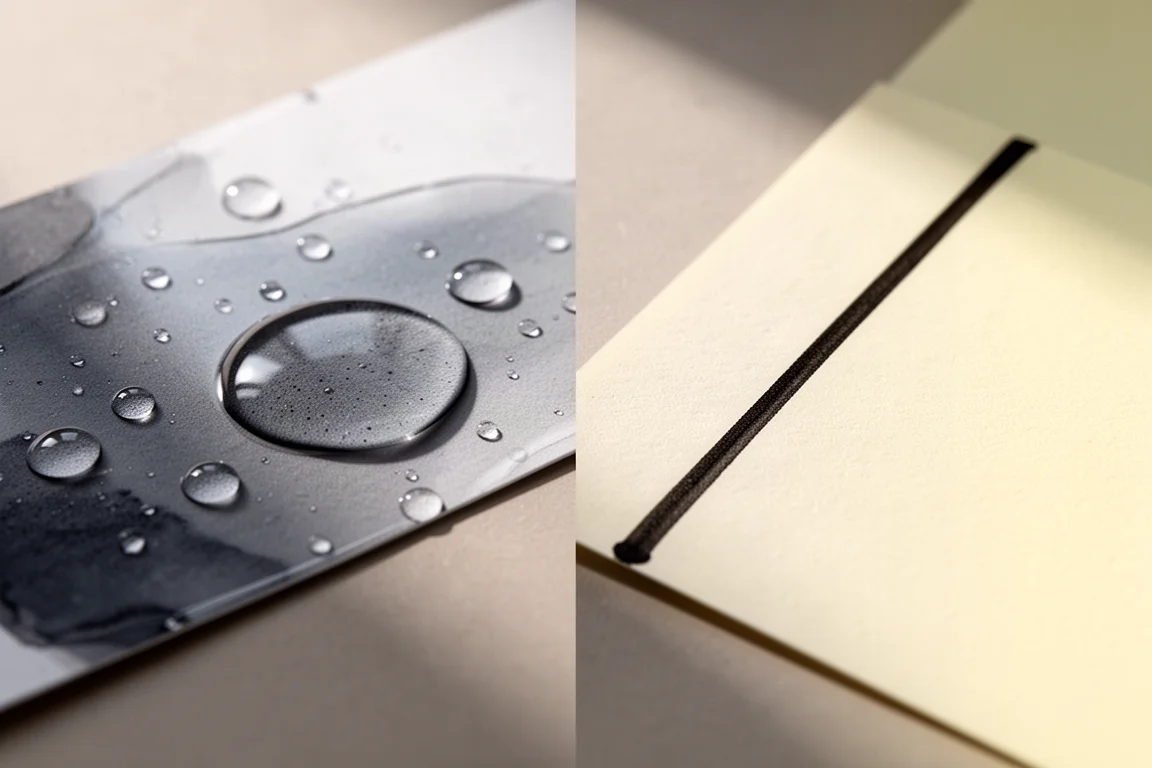
The two ink types also behave differently on paper. Glossy photo paper and thermal receipt paper do not absorb water-based inks well, so the ink simply sits on the surface with nowhere to go. Oil-based inks do not need to soak into paper fibers to dry, which is why ballpoints write fine on coated paper. It is worth keeping a ballpoint on hand for those situations, and reserving your fountain pens for high-quality paper like Rhodia, Midori MD, or Tomoe River to get the most out of them.
3. The Grip Angle Changes
A ballpoint is usually held nearly perpendicular to the paper. Its tip is a small revolving ball held in a cone, and if you hold the pen at too low an angle, the edge of the cone drags and feels scratchy. A fountain pen should be held at roughly a 45 degree angle. Some people naturally hold their pens a little higher, and that is fine as long as the pen writes well. If the flow feels dry, try lowering the angle slightly. One more habit to build: a ballpoint’s spherical tip tolerates rotation as you write, but a fountain pen nib must stay oriented with its slit and breather hole facing up.
4. Fountain Pens Need Less Pressure
Ballpoint ink is thick and viscous, closer to a paste than a fluid, so you have to press down to make the pen mark the page. Fountain pens are the opposite: many will write with a mere brush of the nib against the paper. If your hand cramps when writing, excess pressure may be the cause, and a fountain pen can genuinely help. Just watch the feedback: if the tines visibly spread as you write, you are pressing too hard. Use only the pressure needed to keep ink flowing.
5. Fountain Pens Need More Maintenance
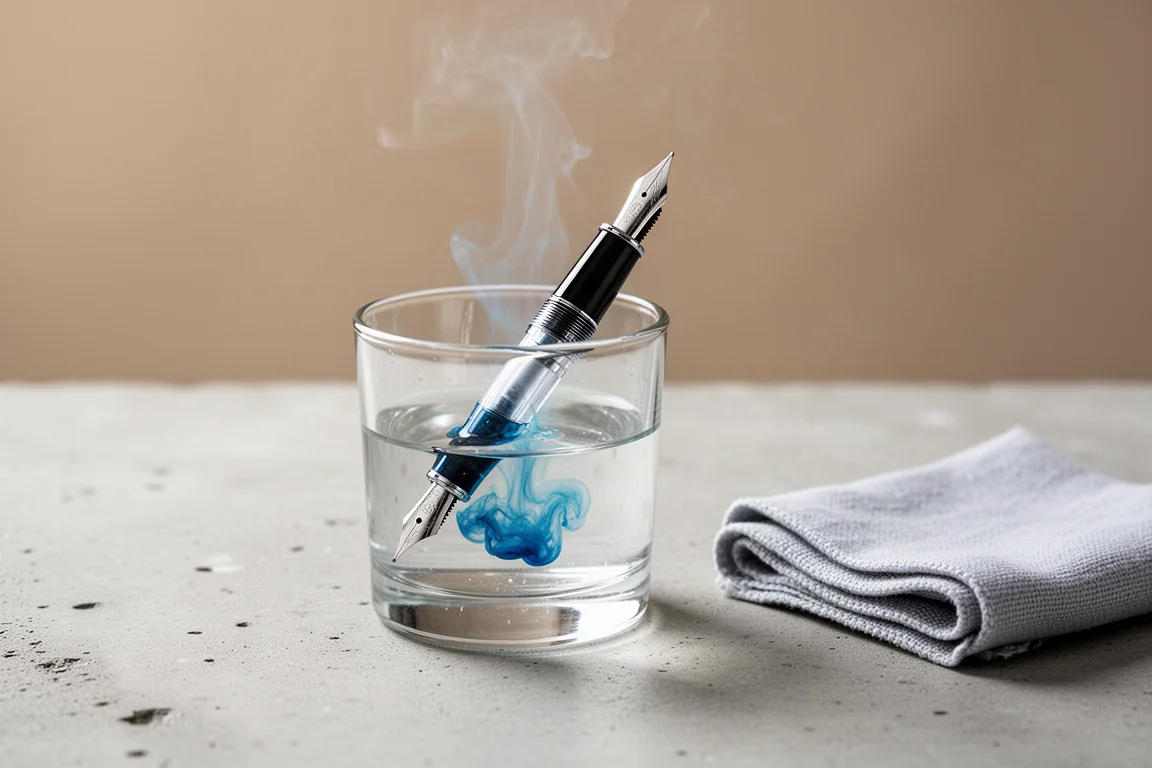
Pick up an abandoned ballpoint, scribble, and it usually starts writing again. A fountain pen left unused for a while may take a minute to get ink flowing, or it may have dried out entirely. Regular use keeps ink moving through the feed and staying fluid. Fountain pens also need periodic cleaning: always clean the pen before switching ink colors so you do not contaminate the new one, and give it a flush every so often even if you refill with the same ink.
Buying Advice: Choosing Your First Fountain Pen
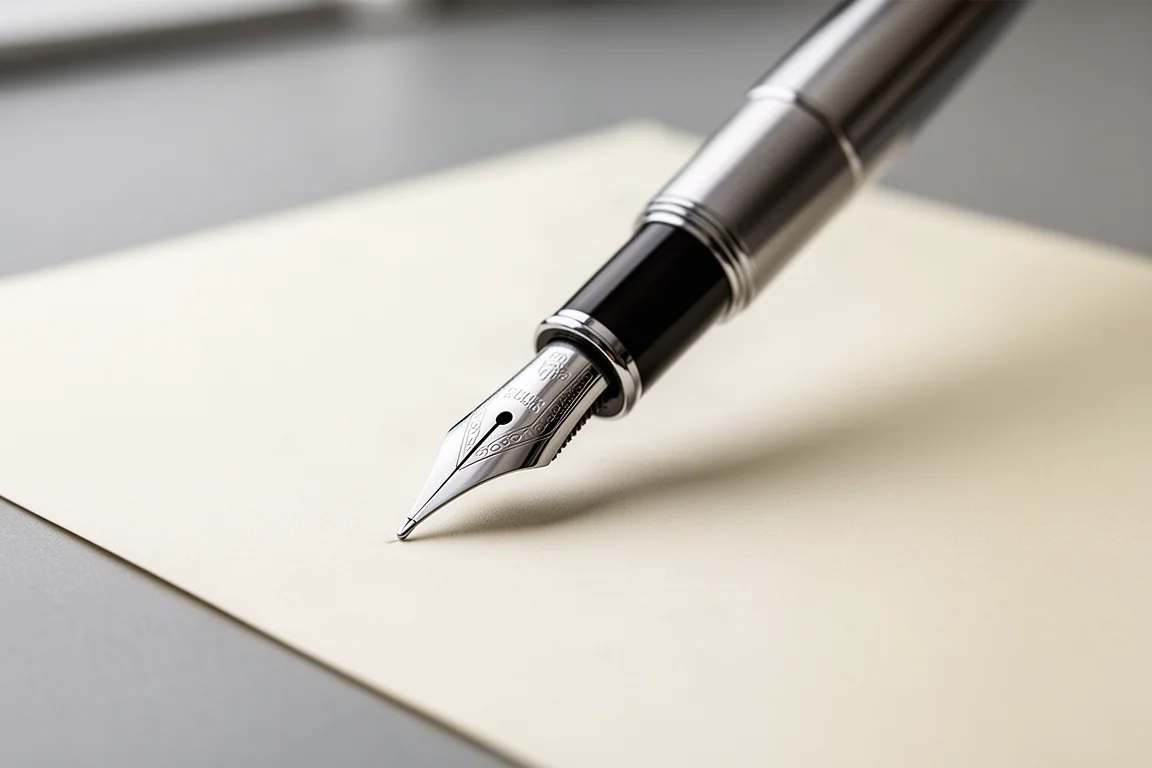
Before adding your first fountain pen to the cart, keep two things in mind. Start with cartridge-filling pens, which are the easiest to use: pop in a cartridge and wait for the ink to reach the nib. Many cartridge pens also accept converters, so you can move on to bottled inks later. Second, pick an inexpensive pen. If fountain pens turn out not to be for you, a luxury pen would feel like a waste, and there are plenty of budget-friendly options for students, professionals, and everyone in between.
The Platinum Preppy is a classic starting point. It comes in under $10 and has a fantastic nib available in three sizes: extra fine, fine, and medium. You can add a converter if you want to branch out into different inks. The trade-off is durability: as a plastic pen, it may not stand up to the knocks of everyday life.
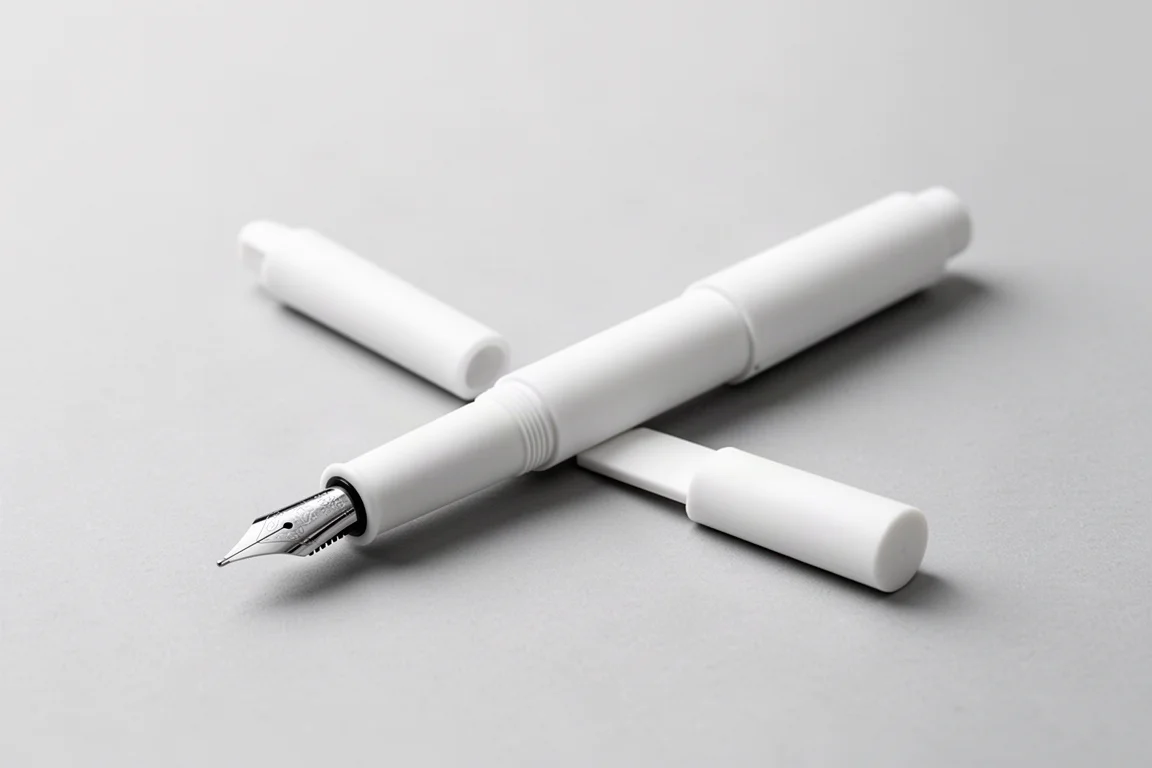
If you want something more durable at a still-friendly price, the Pilot Metropolitan is an easy recommendation. Its brass body comes in a variety of sophisticated and fun colors, and it includes a converter so you can start using bottled inks right away. Between the two, the Preppy is the disposable-feeling experiment and the Metropolitan is the pen you keep on a desk for years.
Conclusion
Switching to a fountain pen means adjusting to water-based ink, choosing better paper, holding the pen at a lower angle, writing with less pressure, and accepting a bit of routine cleaning. In exchange you get expressive ink colors and a noticeably more comfortable writing experience. Start with a cartridge pen like the Platinum Preppy or the brass-bodied Pilot Metropolitan, keep a ballpoint around for receipts and glossy paper, and the transition will feel effortless.
Further reading
Related Reviews
Stationery
Musgrave Pencils Review: Four Classic Pencils from Tennessee's Last Pencil Factory
We put four Musgrave pencils to paper, from the classic Harvest to the Unigraph 1200 drawing pencil, to see what a century-old Tennessee workshop can still do.
Stationery
Fountain Pen Tiers Explained: From Starter Pens to Luxury Grails
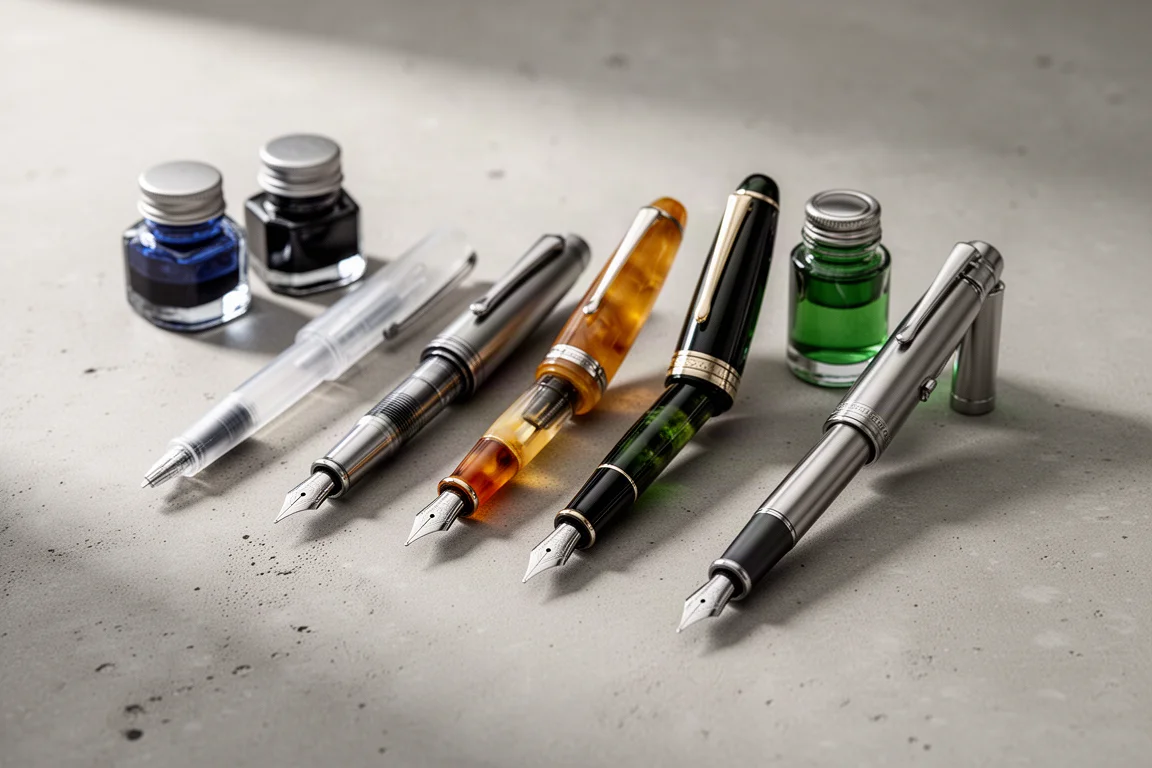
A practical overview of the different levels of fountain pens and inks, from a sub-$20 starter setup to Italian piston fillers and retractable gold-nib everyday carries.
Stationery
HP Premium 32 lb Copy Paper Review: A Fountain Pen Friendly Everyday Printer Paper
A heavy, smooth 120 GSM copy paper that handles fountain pens far better than standard printer stock, with only minor trade-offs in shading and sheen.