Stationery
10 Fountain Pens, First Impressions: From Budget Finds to a Grail Pen
A hands-on look at ten fountain pens, from sub-$10 experiments to a $162 resin beauty, with honest notes on nib feel, filling systems, and what is actually worth buying.
Introduction
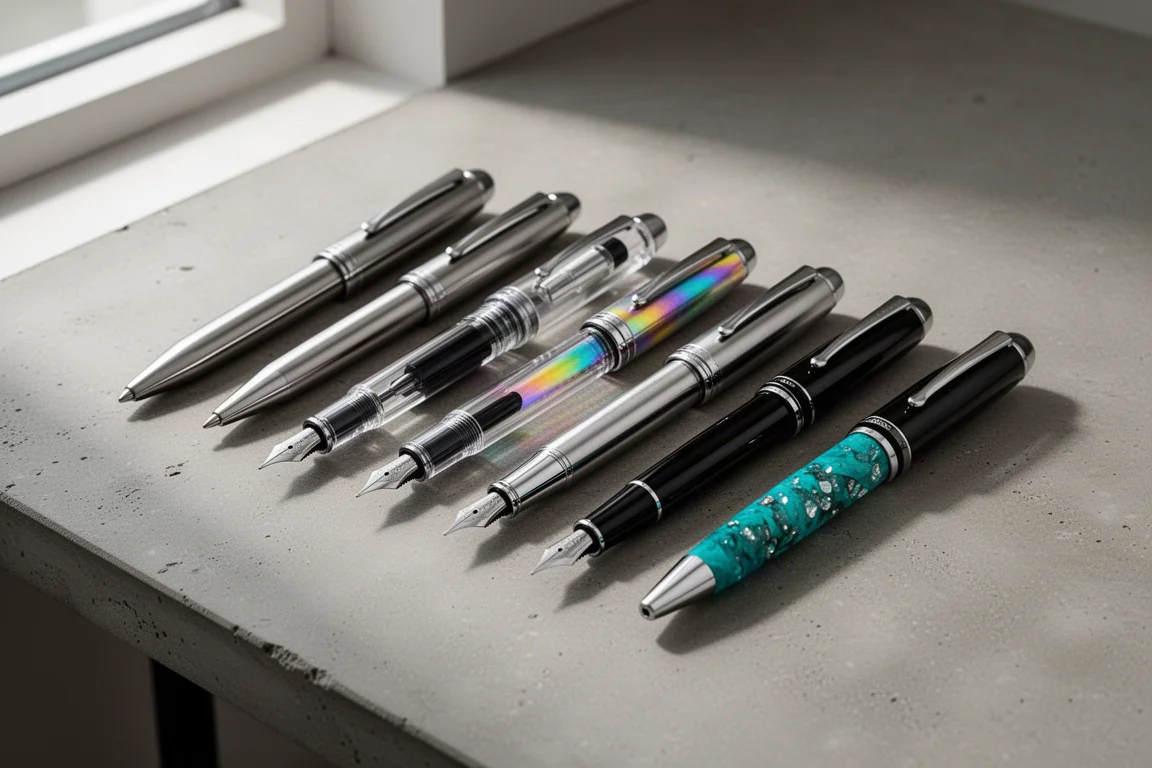
This year turned me from a lifelong gel pen loyalist into someone with a growing fountain pen collection. The beautiful inks did it. Once I started seeing what shimmer and shading could do on paper, there was no going back, and the collection grew quickly. Some of these pens are genuinely affordable, a few sit in the luxury range, and one or two taught me lessons the hard way.
These are first impressions from someone still early in the hobby, so take them as honest field notes rather than final verdicts. Here is everything in the collection so far, pen by pen.
Pilot Metropolitan: The Reliable First Step
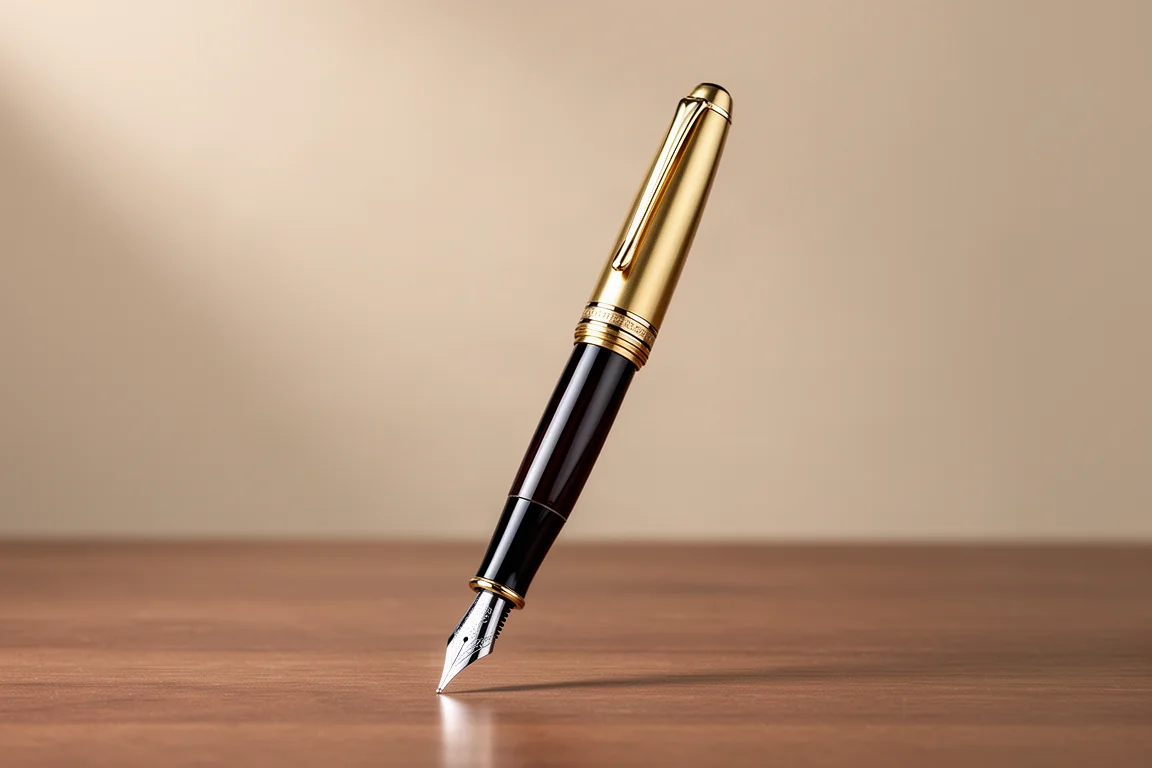
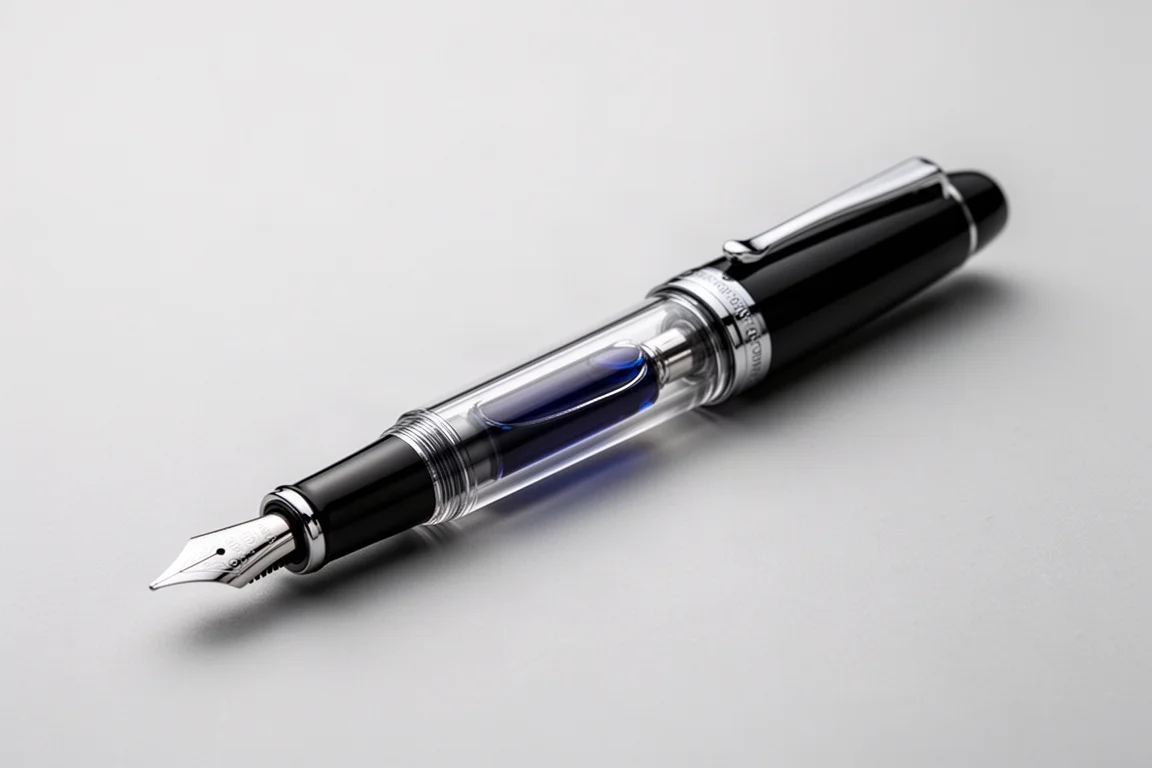
The Pilot Metropolitan was my first real fountain pen, and honestly the first one I truly enjoyed. It comes in multiple colors and band designs, though my two are the plain black and plain gold versions. The black body wears a fine nib, the gold a medium. They typically run around $25 each, which feels like a bargain for the quality.
The pen has a good medium weight, writes comfortably, and lays down ink smoothly on paper. Every Metropolitan also comes with a black ink cartridge and a squeeze converter. The squeeze converter works, but it is not see-through, so judging remaining ink is annoying. A separate slip-on converter fixes that, and it is worth picking one up. The nib lineup includes fine and medium as standard, with a 1.0 mm stub and medium italic available only in certain colors and from certain retailers.
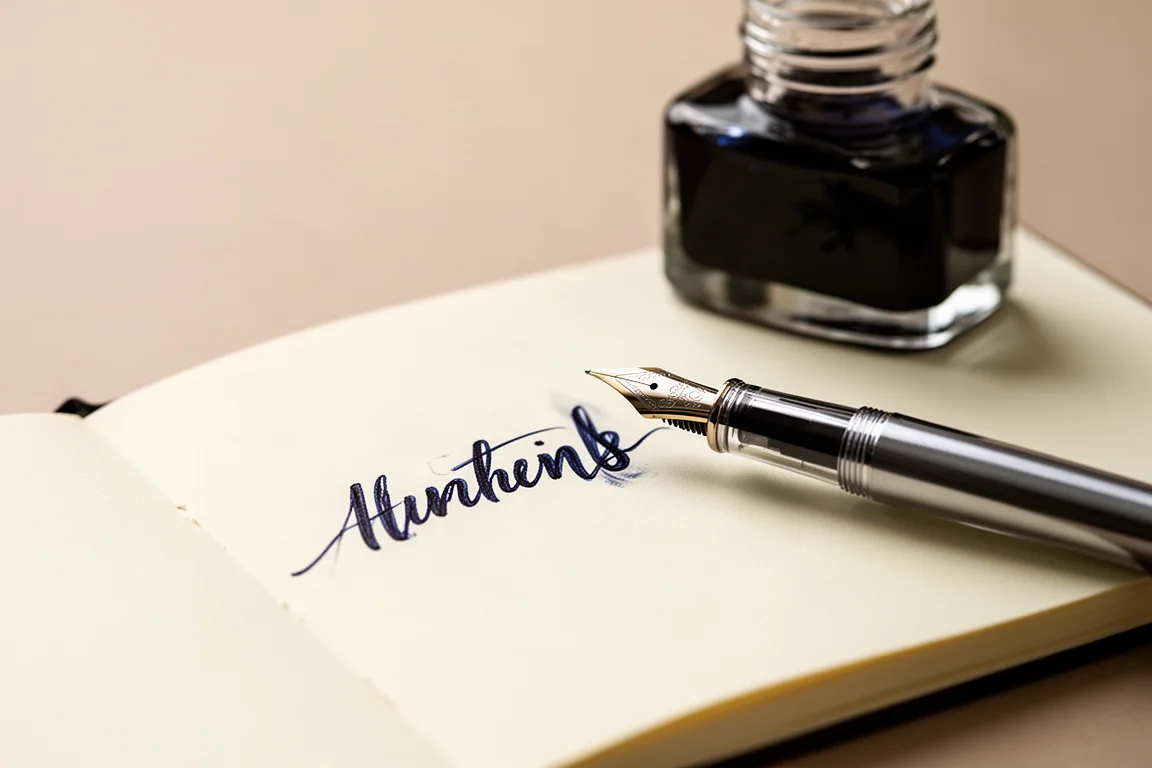
If you are brand new to fountain pens and want something sleek and sophisticated without breaking the bank, this is still one of the easiest recommendations in the hobby.
TWSBI Eco: The Piston-Fill Sweet Spot
The TWSBI Eco is the pen that reignited my interest in fountain pens this year. I have two: a white-bodied extra fine and an amazonite colorway with a medium nib. TWSBI keeps releasing new colors, and pricing ranges from roughly $35 to $55 depending on the metals used in the clips, bands, and nibs. Nib sizes cover extra fine, fine, medium, broad, and a 1.1 mm italic.
The clear demonstrator body and piston fill mechanism are the stars here. Twist the piston knob at the end and ink draws straight from a bottle into the body. No cartridges, no converters, and you can always see how much ink is left. With shimmery inks, the clear body even shows when the particles start to settle, which is a nice bonus.
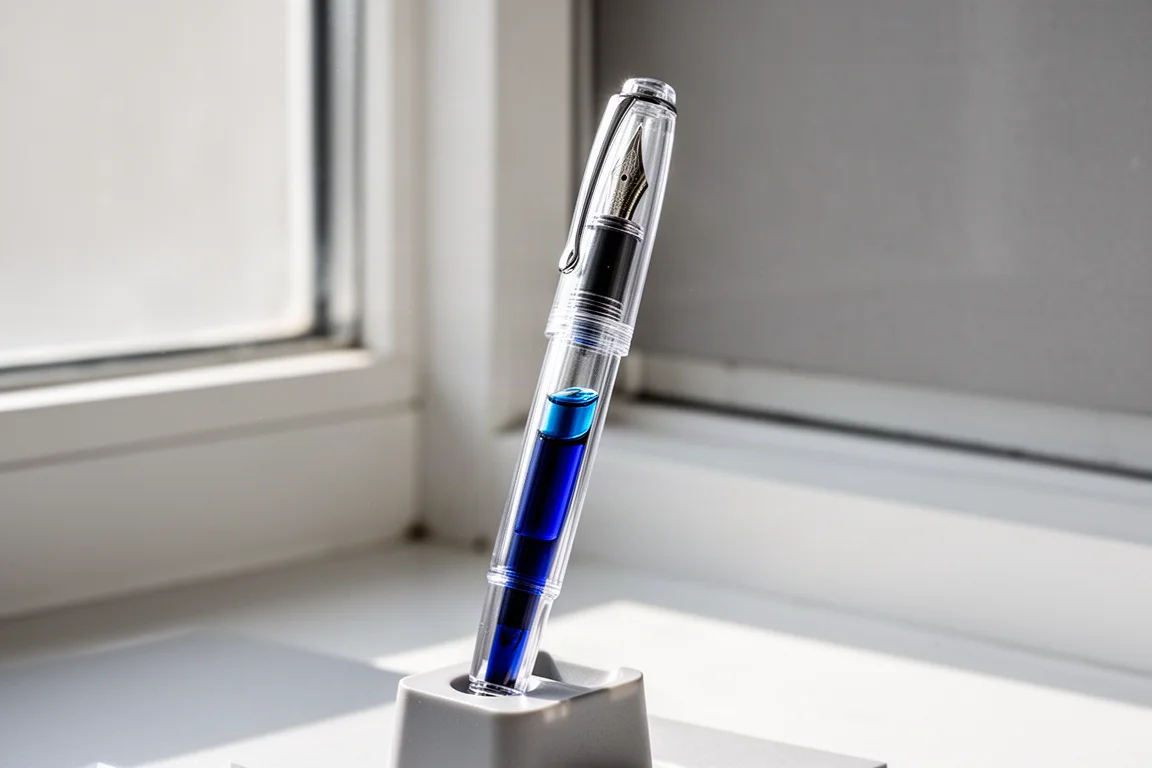
TWSBI pens are also designed to be self-serviceable at home: each comes with a wrench for disassembly and a small bottle of silicone grease for maintenance. One real caution: do not overtighten the cap. These pens can crack if you keep twisting past snug. The weight is well balanced, comparable to the Metropolitan and only slightly lighter, and the cap can be posted securely to the back for extra length. At around $35, the Eco is an easy recommendation for beginners and experienced users alike.
TWSBI Diamond 580: A Step Up in Smoothness
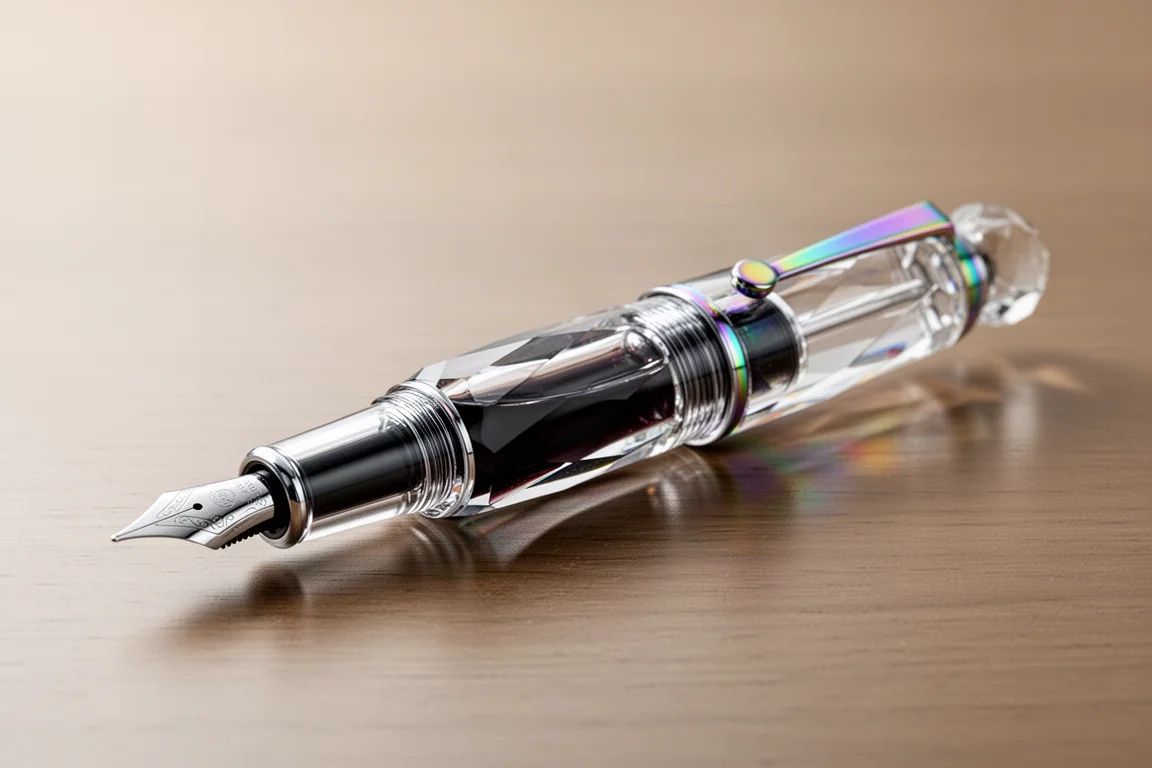
The TWSBI Diamond 580 in the Iris shade, with a medium nib, retails for about $85 and changed my personal definition of a smooth writing experience. The medium nib feels incredibly soft on paper, almost plush, which I had never experienced before.
It shares the Eco’s DNA: clear demonstrator, piston fill, included wrench and silicone grease for home maintenance. The iridescent rainbow detailing is gorgeous but tastefully applied, appearing only in small areas of the pen and cap rather than covering everything. One quirk: when posted, the cap rests directly on the piston knob rather than fully covering it, and twisting to unpost risks twisting the knob itself. I prefer to leave the cap unposted and hold it in my other hand.
TWSBI Diamond AL Mini: Pocket-Sized Practicality
The TWSBI Diamond AL Mini comes in only two shades, silver and grape, and typically retails for about $60. Mechanically it mirrors the Diamond 580: piston knob, twist-off cap, clear demonstrator, just with a smaller ink capacity because of the compact size.
What makes the Mini work is that the cap posts onto the back to create a full-size pen, so the tiny form factor never becomes uncomfortable. The medium nib is exactly as plush and smooth as the 580’s. It also includes the wrench and silicone grease. Honestly, the ink capacity has never been a problem for me; a full fill lasts a long time.
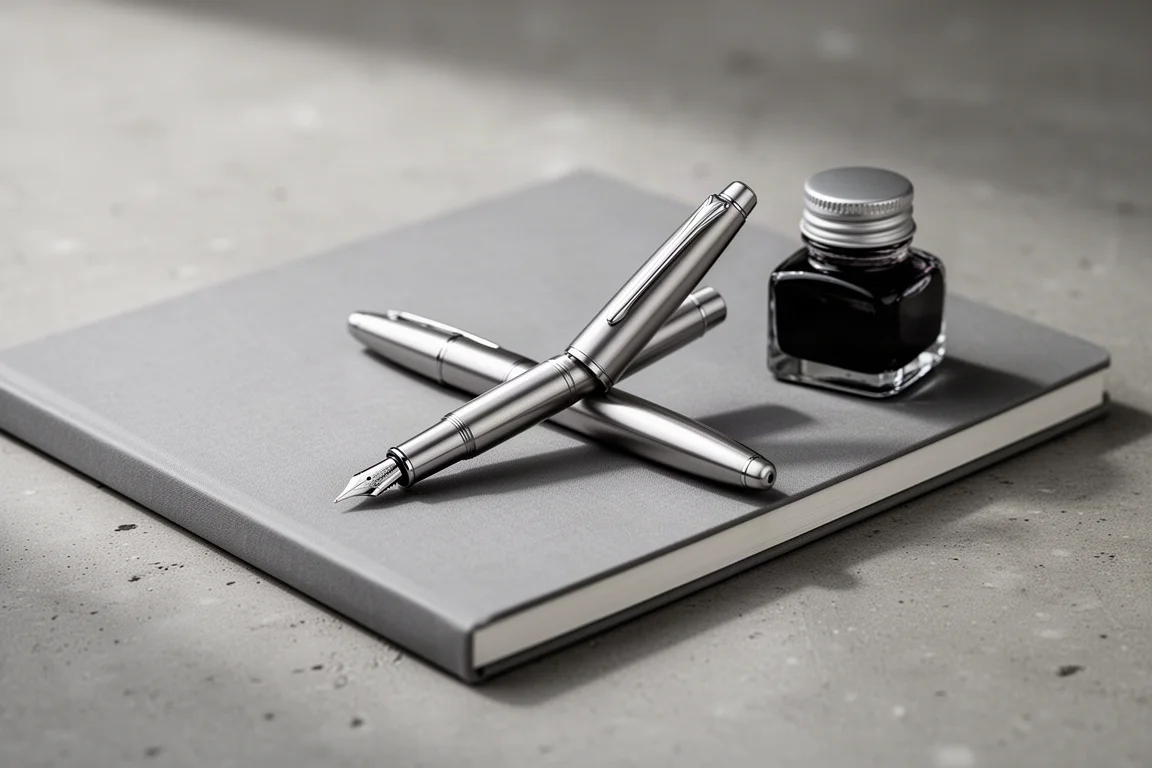
If you want a genuine pocket pen with a piston fill system, this is the one that makes the most sense in my collection.
Jinhao 82: Cheap, Colorful, and Disappointing
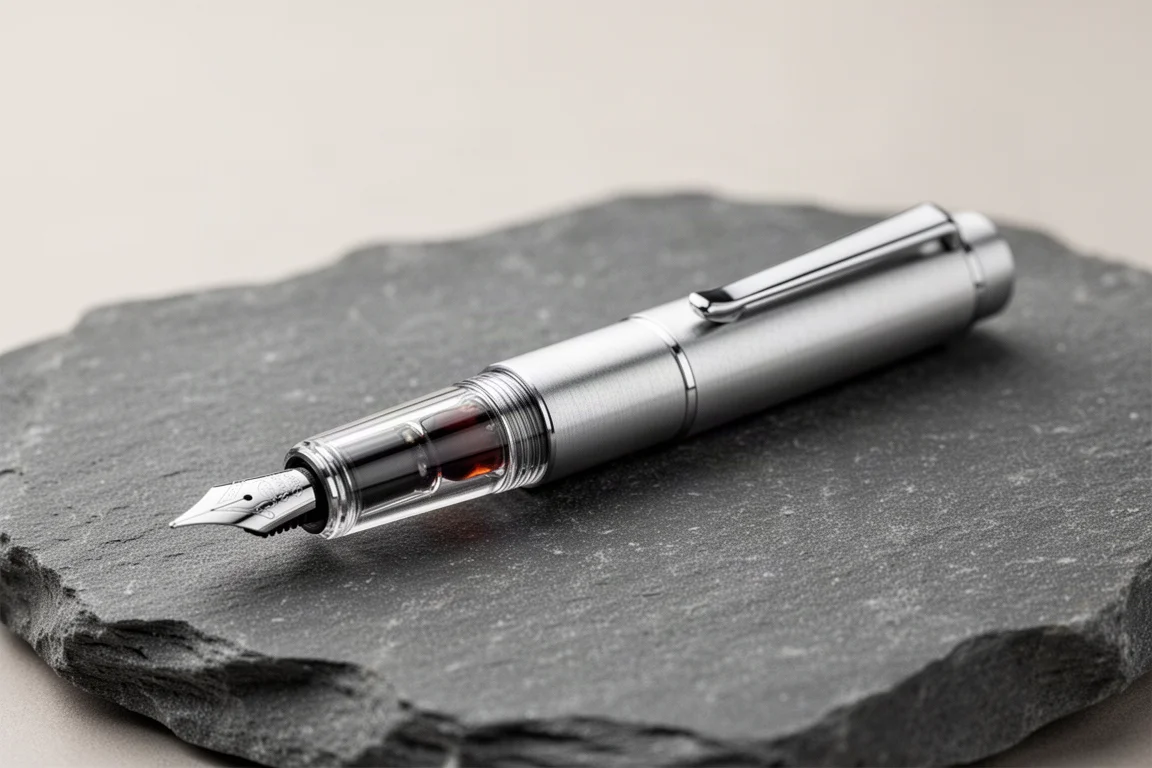
The Jinhao 82 is widely described as a budget take on the Sailor Pro Slims, and at roughly $9 to $10 each, the price is hard to argue with. They come in extra fine, fine, medium, and a bent nib, in an abundance of colors. My three are all medium nibs: lake blue, coffee fluorescent, and olive green clear.
They feel reasonably light but not toy-like, and they include their own converter, so filling is easy and you can watch the ink level. Unfortunately, that is where the good news ends. All three of mine write scratchy, not smooth, despite being medium nibs. The olive green is the worst, feeling scratchier in one writing direction than another, and no amount of adjustment has fixed it. The coffee pen also had a flow problem from day one: ink visibly reached the feed but never appeared at the breather hole, suggesting the nib sat too close to the feed. After much tweaking it flows, but still inconsistently.
Jinhao 10: Beautiful Retractable, Frustrating Start
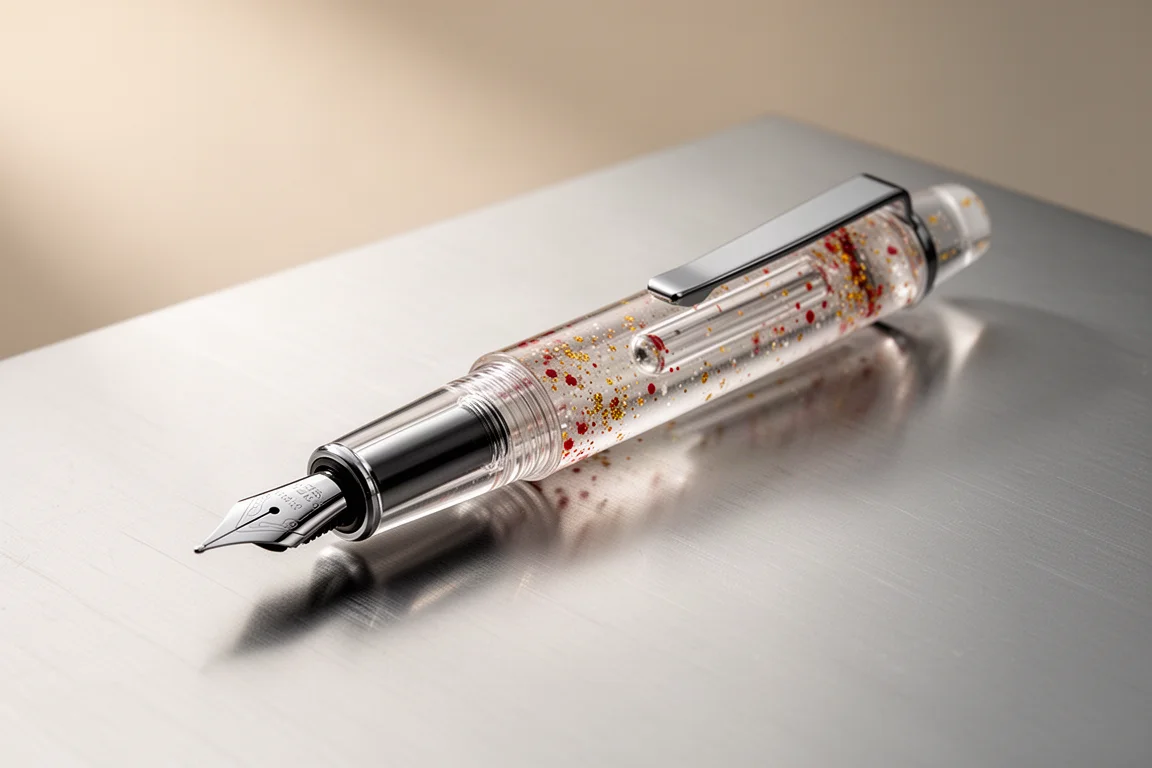
The Jinhao 10 is a Pilot Vanishing Point style retractable fountain pen, around $20 each, in a variety of colors and finishes. I own the caramel orange and brushed matte gold, both fine nibs, and they are the only retractable fountain pens I own. Only extra fine and fine sizes are offered, and each comes with its own converter.
The weight and finish genuinely look and feel high quality for $20. The problem is hard starting. If these pens sit unused for two days or more, they refuse to write smoothly until some coaxing gets ink flowing again. My suspicion is that the closing mechanism that shields the nib when retracted is not sealing well, letting ink dry out quickly. I wanted to love these because of the price, but with the scratchy 82s alongside them, the Jinhao experiment has been disappointing overall.
Platinum Pro-Fonte: An Elevated Budget Pick
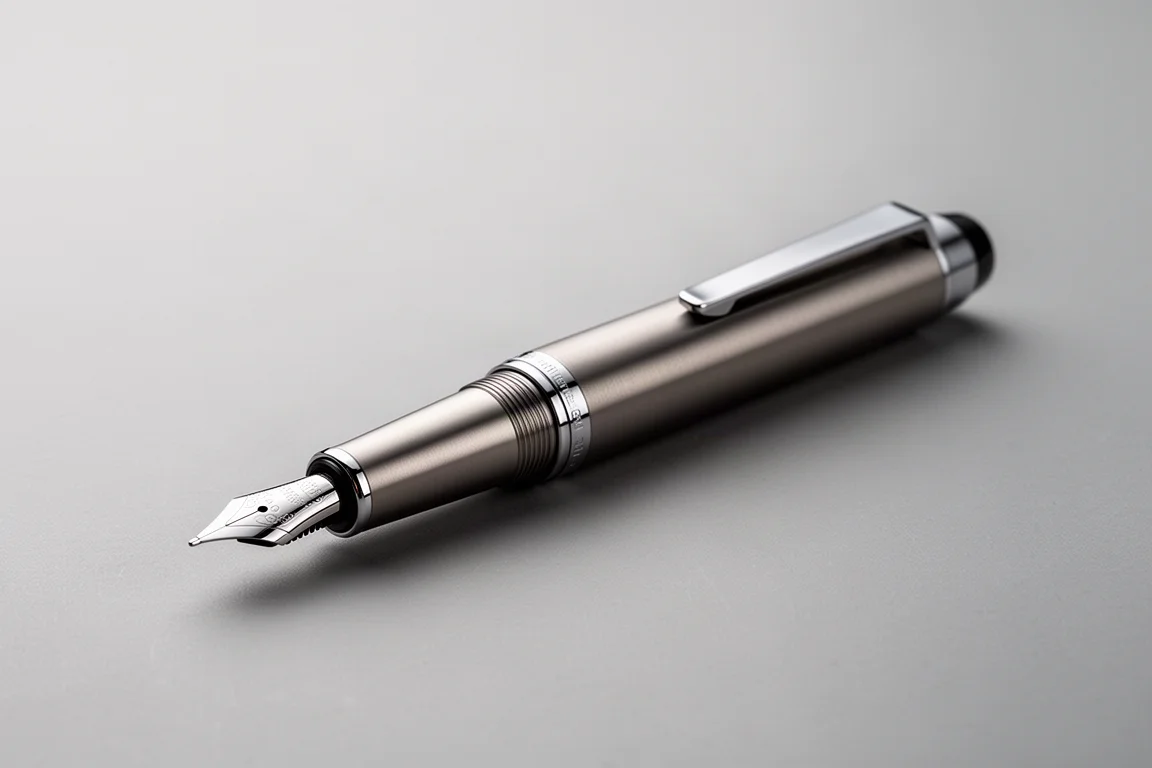
The Platinum Pro-Fonte in Night Sea, with a medium nib, sells for about $11. Think of it as a slightly more sophisticated version of the popular Platinum Preppy. It comes in a few colors, fine or medium nib only, and arrives with a blue-black cartridge in simple, sleek packaging.
The snap cap posts onto the back, and the pen is remarkably lightweight, possibly the lightest fountain pen I own. I have no complaints so far. If you do not want to spend another $11 on a converter, you can refill the included cartridge with bottled ink of your choice after cleaning it out. For beginners wanting something a step above the Preppy in classiness, this is an easy yes.
Monteverde Invincia: Sleek with a Touch of Glam
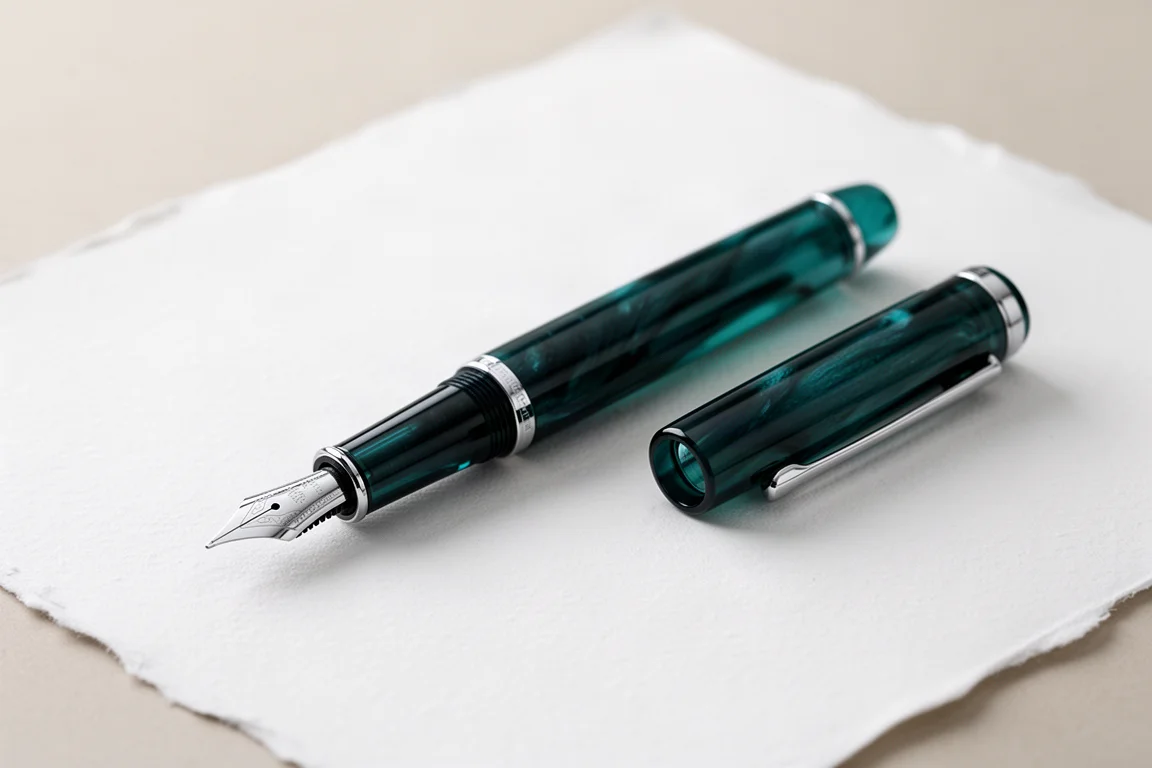
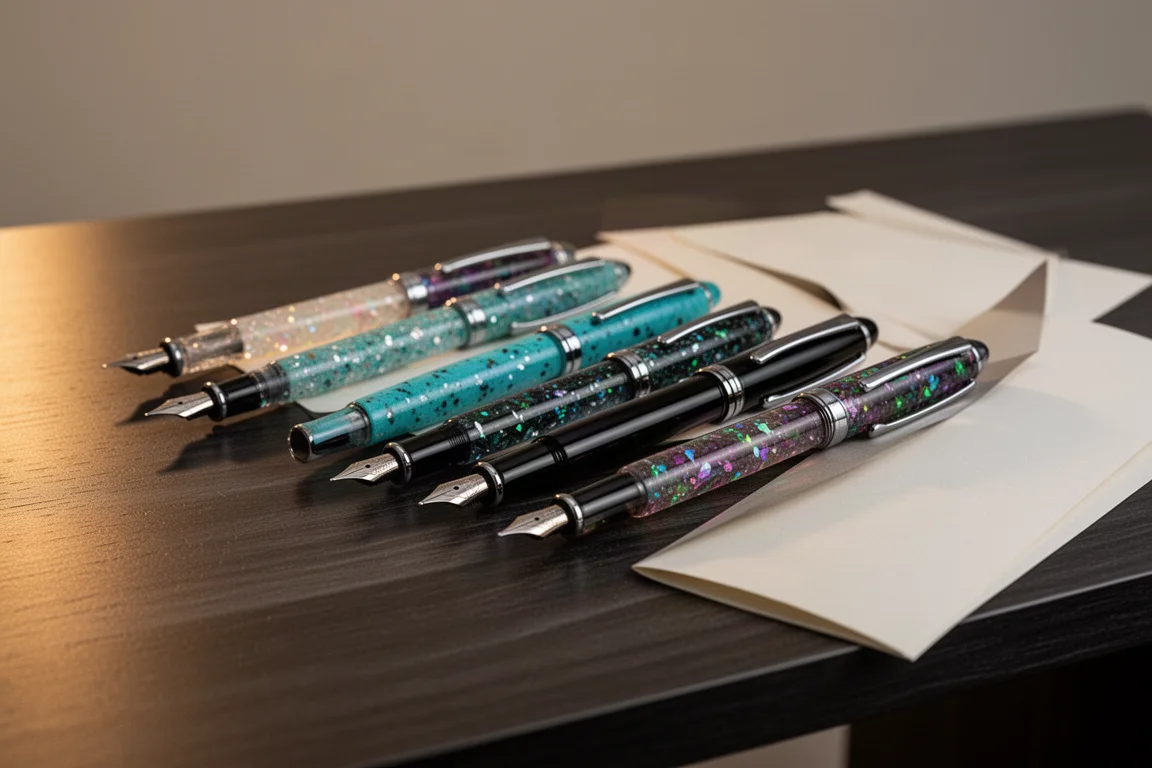
The Monteverde Invincia in Black Sparkle City is a special edition Goulet Pens exclusive, also available in Blue Sparkle City, retailing at $63. It is offered in quite a few nib sizes; mine is medium.
The pen is coated in black lacquer with holographic glitters immersed inside it, and since the glitter is not coated over, you can actually feel the texture. The twist-off cap posts by pushing, the weight is comparable to the Metropolitan, and it ships with a standard international cartridge plus a converter. The large number six black nib writes beautifully. In daylight the sparkle stays subtle; in low lighting the holographic effect truly comes alive. If you want sophistication with a bit of pizzazz, this one delivers.
BENU Talisman Echline: The Current Favorite
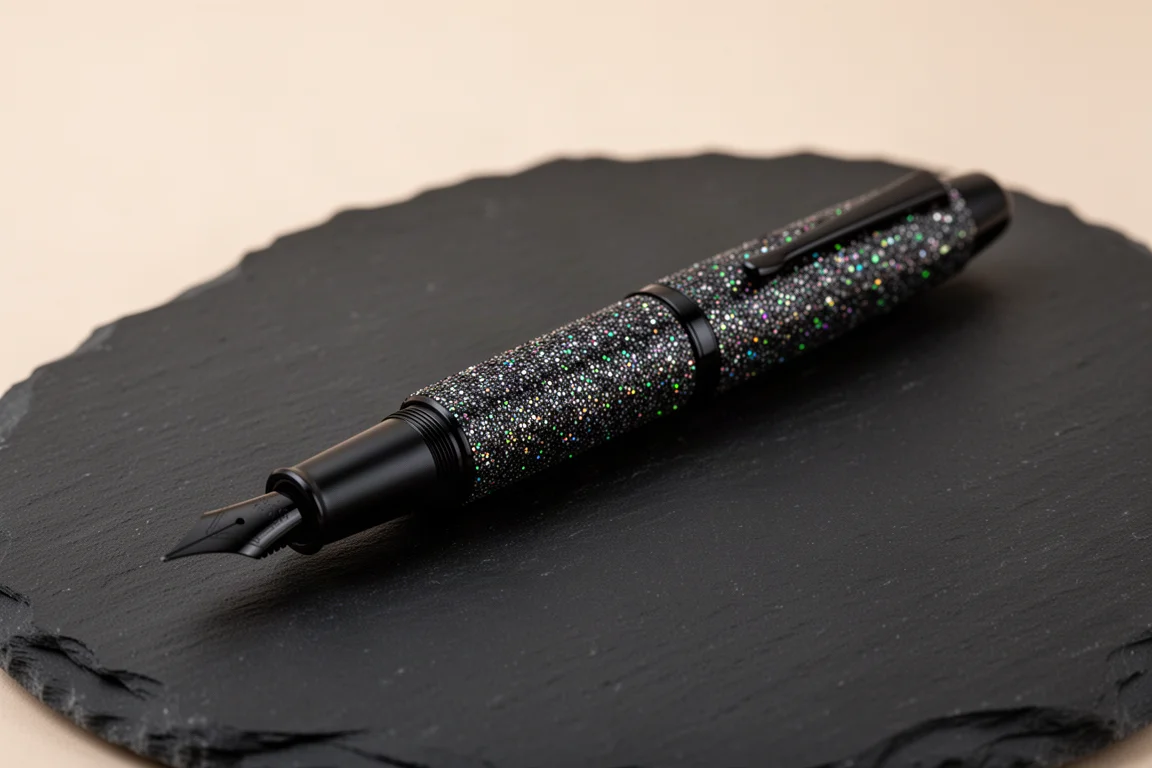
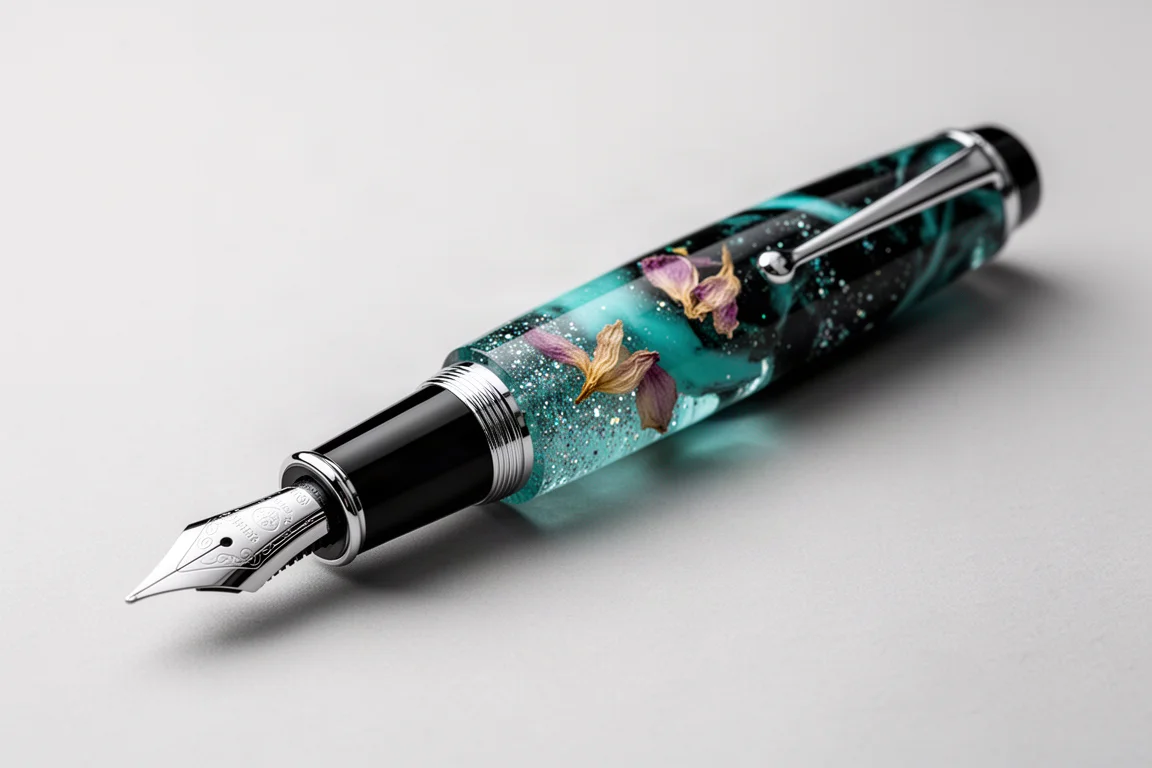
The BENU Talisman Echline is my favorite fountain pen at the moment and, at $162, by far the most expensive one I own. The resin body is what sold me instantly: black resin mixed with sparkly turquoise resin, holographic flakes, and dried talisman petals infused inside. BENU pens are available in fine, medium, and broad nibs; mine is medium.
It has a twist-off cap that posts for extra length, a large number six stainless steel nib, and comes with a blue cartridge plus a standard international converter. The big surprise is the weight: it is extremely light, far lighter than the price would suggest. But looks aside, it writes incredibly smooth, soft and plush on the page with zero nib issues. I have to actively remind myself that I own other pens, because I keep reaching for this one.
If elegant, unusual pens appeal to you, BENU deserves a look.
Pilot Petit1: The Discontinued Honorable Mention
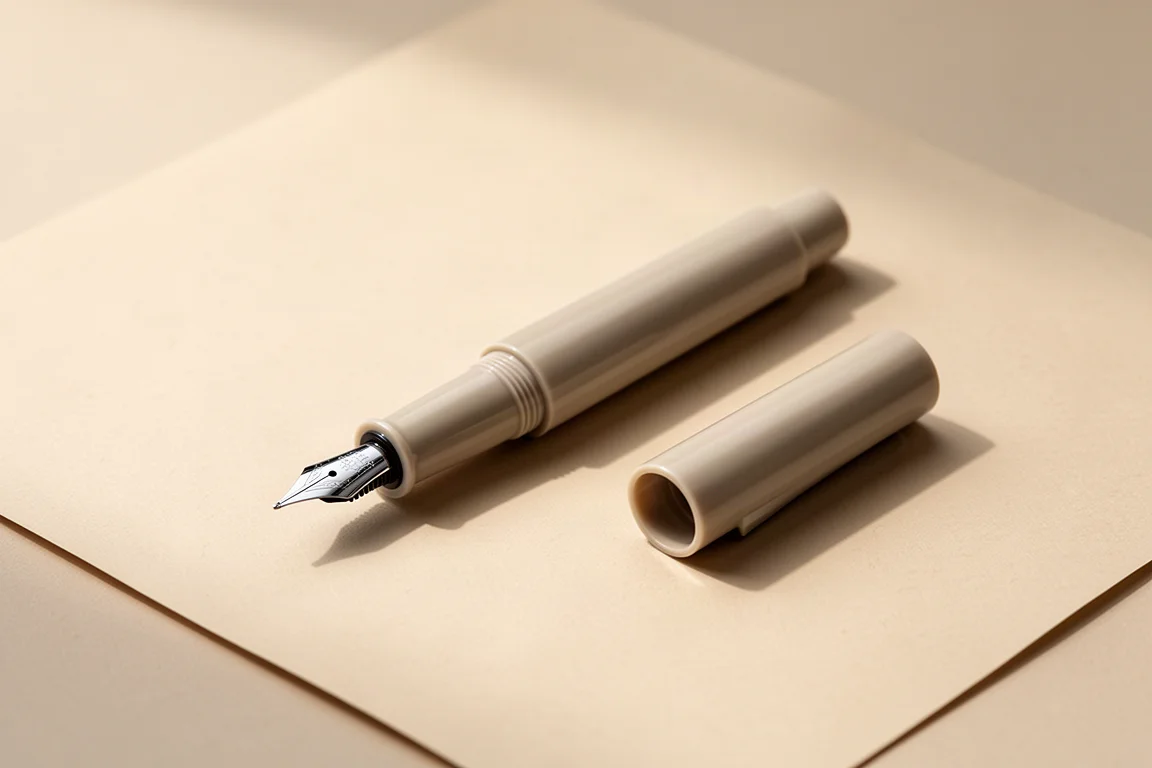
The Pilot Petit1 is an honorable mention, sadly, because it has been discontinued. Along with the Metropolitan, it was one of the first fountain pens I ever tried, and after all these years I love it even more. It was fairly affordable back when it was available, and it was perfect for beginners and for anyone wanting a great quality pocket-sized pen without spending much.
Pilot still sells the ink cartridges for it, which is what currently sits in mine. I genuinely wish it would come back, because as an adorable, affordable pocket pen, it has never really been replaced.
Buying Advice: What I Would Pick Now
If you are starting from zero, the Pilot Metropolitan and Platinum Pro-Fonte are the safest low-cost entries. If you want the least fuss and the most visible ink, the TWSBI Eco’s piston fill is hard to beat, and the Diamond 580 and AL Mini extend that formula upmarket and downsize. The Monteverde Invincia and BENU Talisman Echline are the fun, glamorous picks if the budget allows. The Jinhao pens taught me that ultra-cheap sometimes means scratchy nibs and drying ink, so buy those with low expectations.
Conclusion
Ten pens in, the pattern is clear: the mid-priced TWSBI and Pilot options deliver the most consistent experience, the affordable Platinum punches above its price, and the pricier BENU earns its spot as a daily favorite. My collection will keep growing, and these first impressions may shift, but for anyone dipping a toe into fountain pens, this lineup covers every budget and every filling system you are likely to encounter.
Further reading
Related Reviews
Stationery
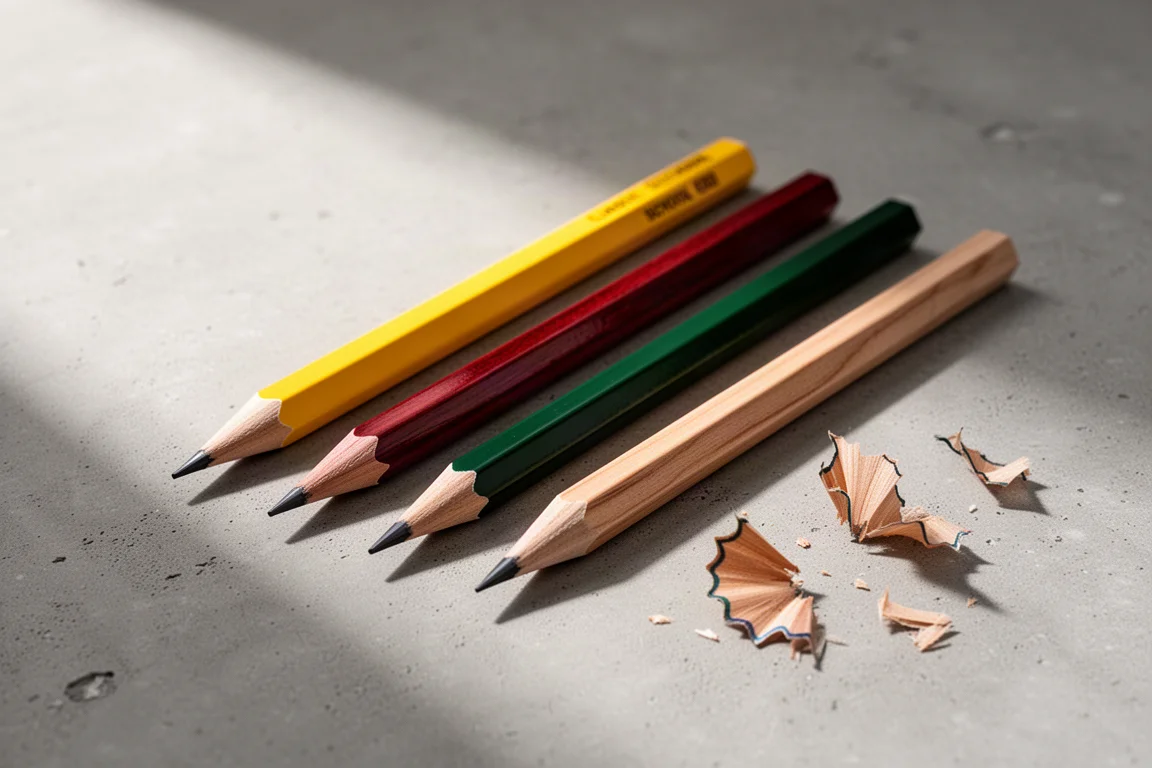
Musgrave Pencils Review: Four Classic Pencils from Tennessee's Last Pencil Factory
We put four Musgrave pencils to paper, from the classic Harvest to the Unigraph 1200 drawing pencil, to see what a century-old Tennessee workshop can still do.
Stationery
Fountain Pen Tiers Explained: From Starter Pens to Luxury Grails
A practical overview of the different levels of fountain pens and inks, from a sub-$20 starter setup to Italian piston fillers and retractable gold-nib everyday carries.
Stationery
HP Premium 32 lb Copy Paper Review: A Fountain Pen Friendly Everyday Printer Paper
A heavy, smooth 120 GSM copy paper that handles fountain pens far better than standard printer stock, with only minor trade-offs in shading and sheen.