Headphones
Fosi Audio i5 Review: An Open-Back Planar Magnetic Headphone Built for Long Sessions
The Fosi Audio i5 pairs a 97 mm planar driver and a genuinely comfortable swivel headband with tuning potential that rewards a little EQ work.
Introduction
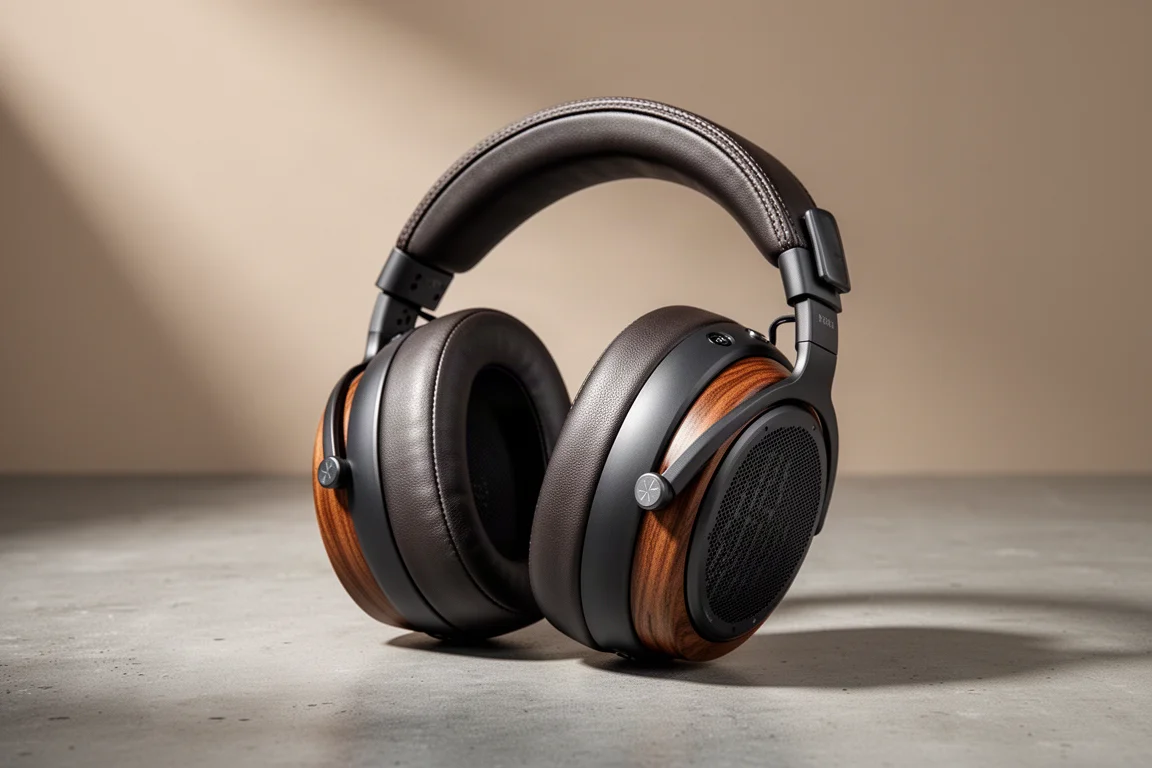
Fosi Audio built its name on compact desktop electronics, and the i5 is its first serious move into full-size headphones. It is an open-back planar magnetic model at $550, and the specification sheet reads like a deliberate statement rather than a first attempt: a 97 mm planar driver, a diaphragm just two micrometers thick, and a silver alloy coating applied through a magnetron sputter process for clarity and durability. The headband uses a suspension design with a leather strap, refined with a silicone sliding adjustment that will not scratch or strip the finish over time. Walnut wood on the earcups gives the whole thing a warmer, more furniture-like presence than most headphones at this price.
What matters more than the spec list is how the i5 behaves across a long working day. This is a headphone designed to be worn, not just auditioned.
Who the Fosi Audio i5 Is For
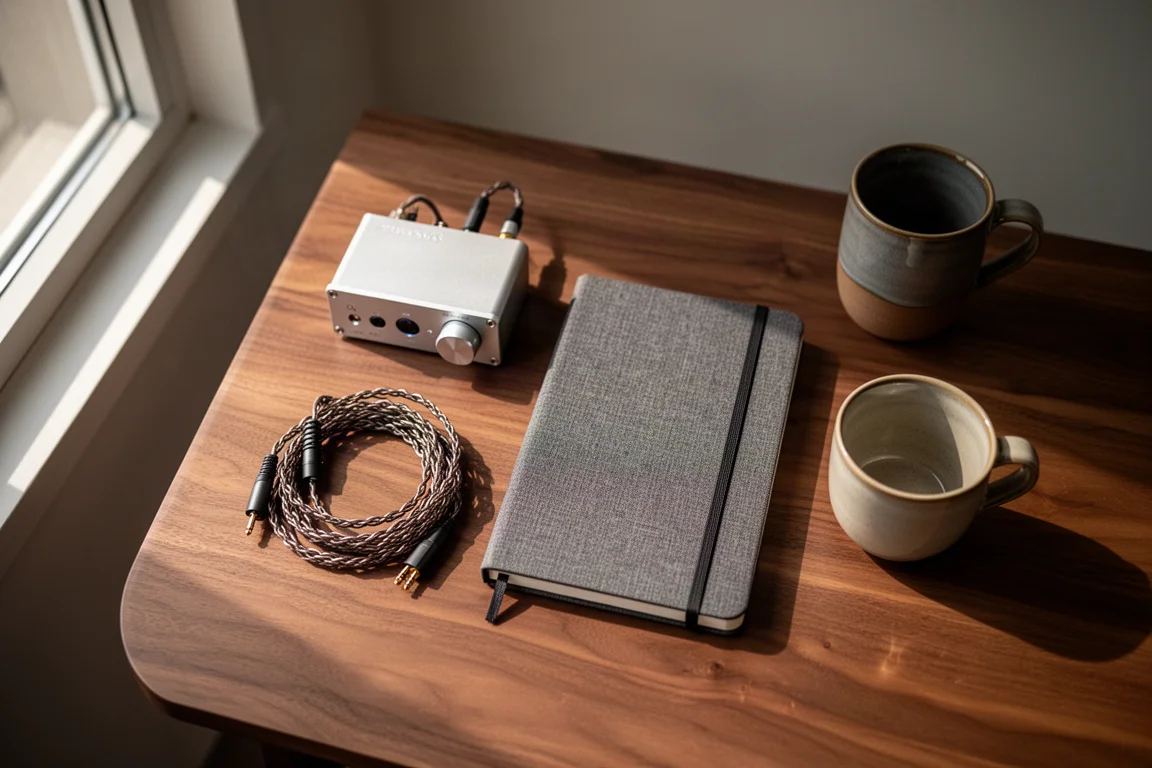
The i5 makes the most sense for people who keep headphones on for hours at a time: desktop workers, editors, and listeners who move between music, mixing, and long film sessions without swapping gear. The comfort story is central. The earcups swivel with just enough tension to hold whatever angle you set, so you can cradle the shape of your own head rather than fighting a fixed frame. For anyone who has dealt with pressure points at the back of the neck or across the shoulders, that small mechanical detail changes how long a session can run.
Planar magnetic fans will feel at home too. The i5 delivers the openness, nuance, and detail retrieval the driver type is known for, and it does so without the brightness that can make long listening tiring.
Main Strengths
Comfort and Fit
Comfort is the i5’s strongest argument. The suspension headband carries a leather strap, and the silicone slider keeps adjustment smooth without marking the frame. The earpads are thick, plush leather, breathable enough that they do not build up heat, and cushioned enough to disappear after a few minutes.
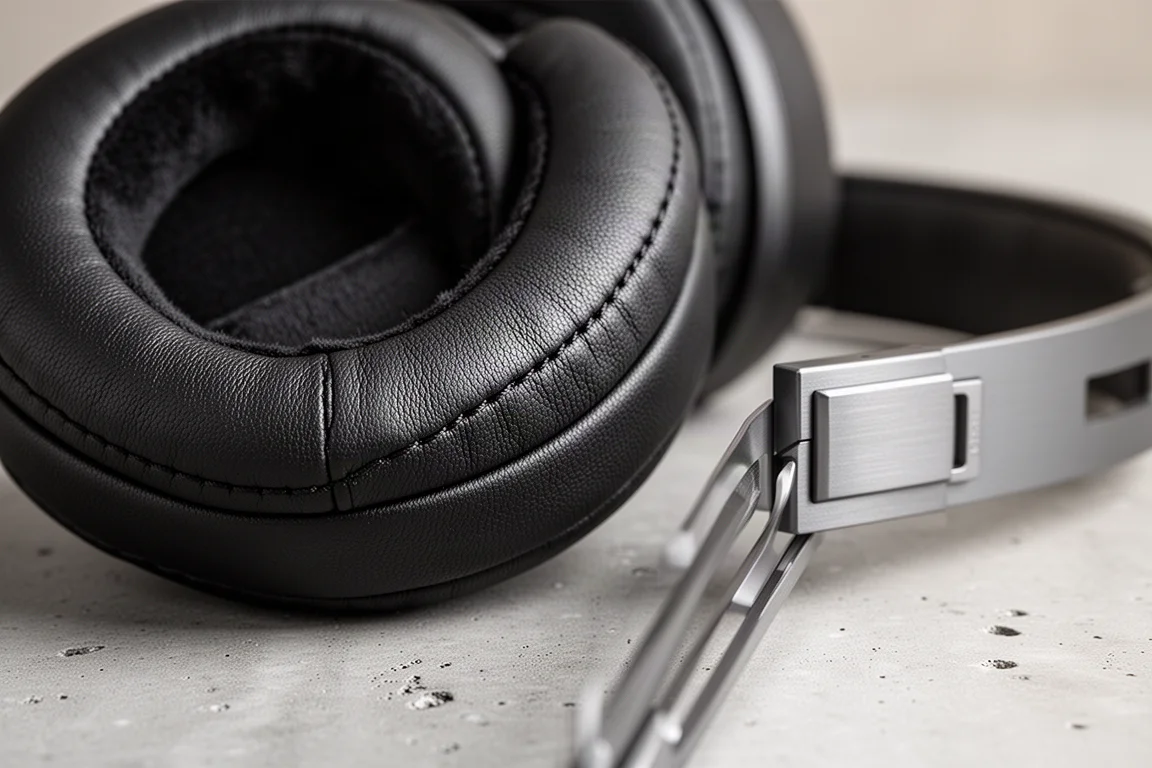
The swivel mechanism deserves its own mention. It holds position with the right amount of tension, so you can angle the cups to match the shape of your head and they stay where you put them. For listeners with neck, shoulder, or back sensitivity, that means pressure is spread rather than concentrated. In practice, the i5 has proven easier to wear through a full working day than the Sennheiser HD600 that long served as a daily reference, which is a meaningful result for an open-back built around long sessions.
Sound Quality
Sonically, the i5 leans into the classic strengths of an open-back planar. The stage feels spacious and out of the head, detailed enough that you can hear the space around instruments, and structured well enough that attack and decay come through cleanly. It is not bright or fatiguing, and it keeps just enough edge on instruments to stay interesting without turning brittle.
Two honest caveats stand out. The presentation still hovers around the head rather than projecting a deep, wide image in front of the listener, and the overall balance is a touch lean for anyone who wants warmth and low-end weight straight out of the box. Both are addressable, which leads to the part of the i5 that makes it genuinely interesting.
EQ and Tuning Potential
The i5 has recently been added to the Luxen EQ platform, which opens up a useful set of adjustments. Of the many target curves on offer, the flat profile is the one that works: it makes the i5 more neutral and suits mixing, mastering, and audio work where accuracy matters more than flavor. Other target curves did not translate well to this headphone.
For music listening, a small custom setup goes much further. Start from the flat profile, raise the 105 Hz low shelf to about 11 dB, then move to the effects page and set stereo width around 65 with crossfeed at 650 Hz and 9.5 dB. The bass lift compensates for the thinning that wider stereo settings tend to introduce, so the sound stays full while the image moves out in front of the listener instead of sitting inside the head. Pushing stereo width all the way to 100 is possible, but it becomes lean and less pleasant over long sessions. Around 65, the balance between stage and detail holds up, and the result resembles a pair of desktop monitors more than a typical headphone presentation. The i5 takes these adjustments unusually well, because its planar drivers already resolve the detail and nuance that many headphones trade away when the stage is stretched.
Things to Consider Before Buying
The i5 rewards effort. Out of the box it is detailed and open, but a listener who wants warmth, weight, and a forward soundstage will get the most from it by pairing it with an EQ platform and spending time on settings. That is a real step, not a formality.
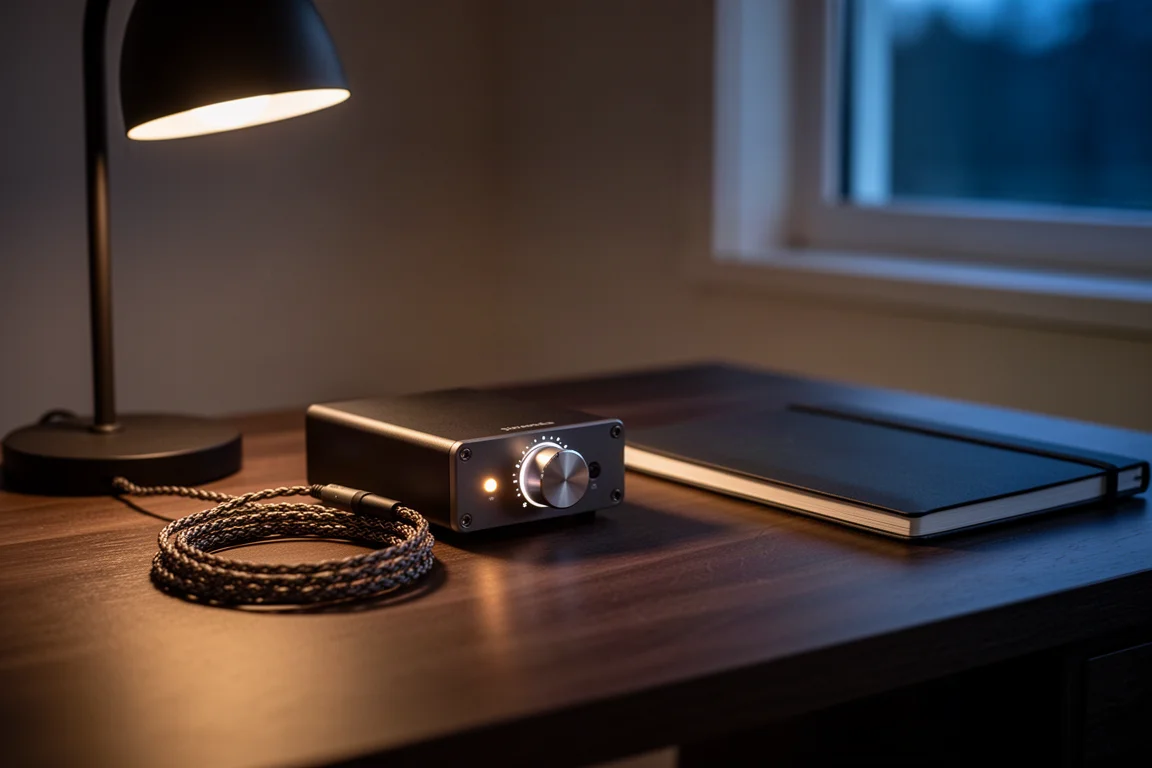
It is also worth being clear about priorities. If your main interest is a rich, bass-forward signature with no tuning required, the i5’s leaner stock balance may not be the first thing you reach for. If long-session comfort and detail retrieval matter more, it is a very different story. Even with a substantial bass lift, the headphone and amplifier handled the demand without strain, so the i5 does not need exotic hardware to stay composed.
Buying Advice
At $550, the i5 sits in a crowded part of the market, and it competes on comfort, build, and tuning headroom rather than on specification alone. The value case is straightforward: a planar magnetic open-back with a refined headband, breathable leather pads, a walnut finish, and enough resolution to justify a long-term place on a desk. Adding the EQ platform turns it into something closer to a monitor setup, and the settings can be adjusted over time, whether that means trimming vocal sibilance or adding a little more low end.
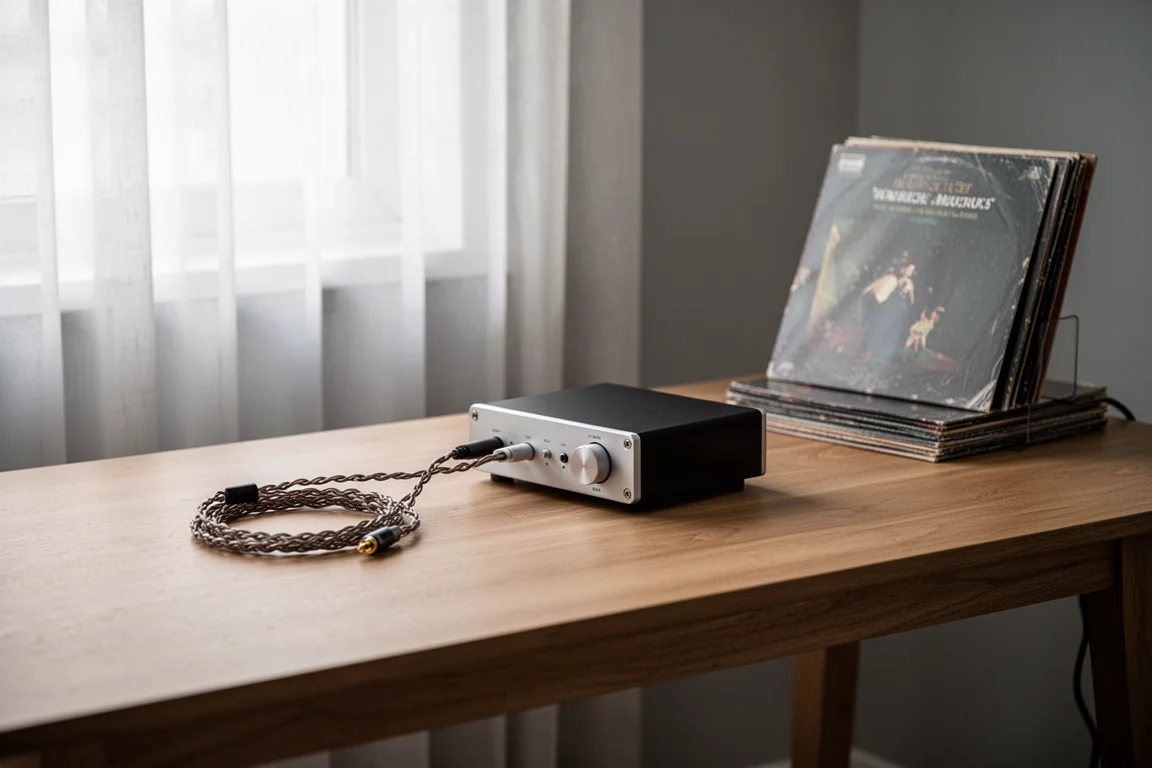
If you have been holding onto a long-serving reference headphone because nothing else felt comfortable enough to replace it, the i5 is worth auditioning on that basis alone. A limited early-buyer discount has been noted for the first pairs, which slightly improves the value proposition for anyone buying early.
Conclusion
The Fosi Audio i5 gets the fundamentals right. It is comfortable enough to wear all day, detailed and spacious enough to satisfy planar magnetic fans, and flexible enough that a short EQ session turns it into a far more immersive listen. For $550, that combination is hard to argue with.
Product link
View more details for Fosi Audio i5
This product is mentioned in the review. Check the specifications, options, and compatibility before buying.
View more details for Fosi Audio i5Further reading
Related Reviews
Headphones
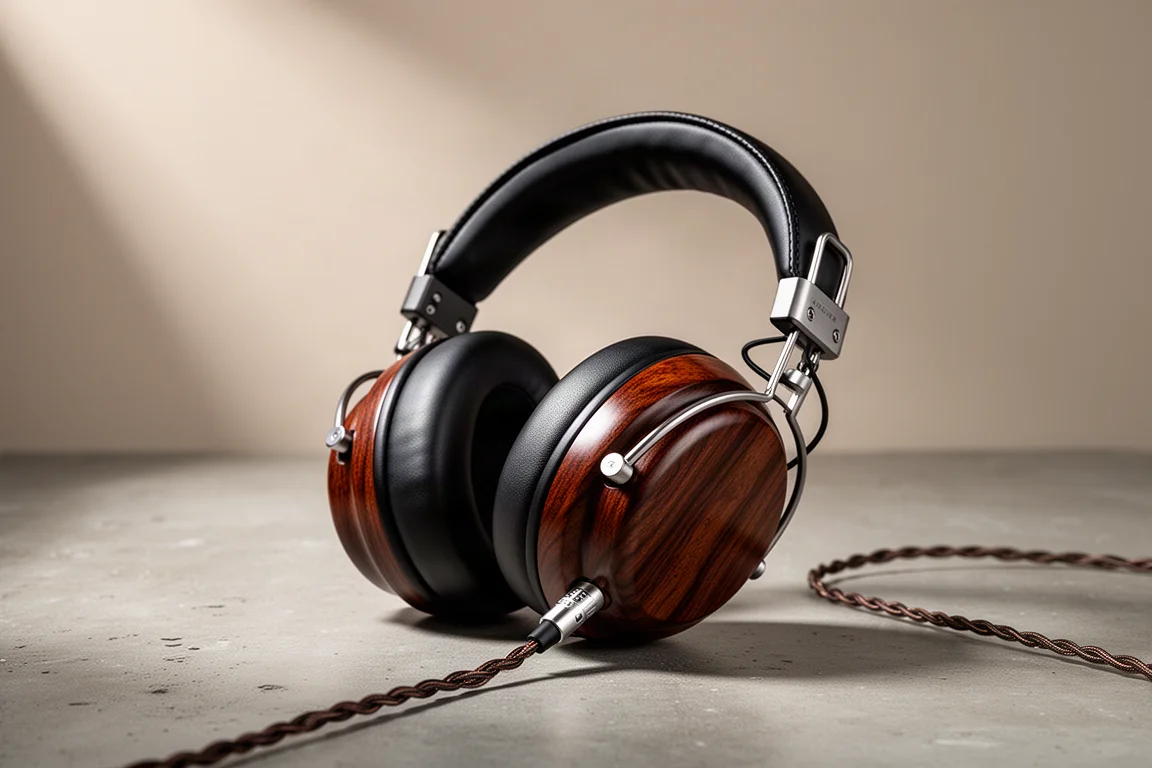
Apos Audio Caspian Review: Warm Bass, Solid Build, and a Detail Trade-Off
The Apos Audio Caspian is an easy-to-drive open-back headphone with standout bass and a warm, relaxed tuning, though mid-range and treble detail trail the competition.
Headphones
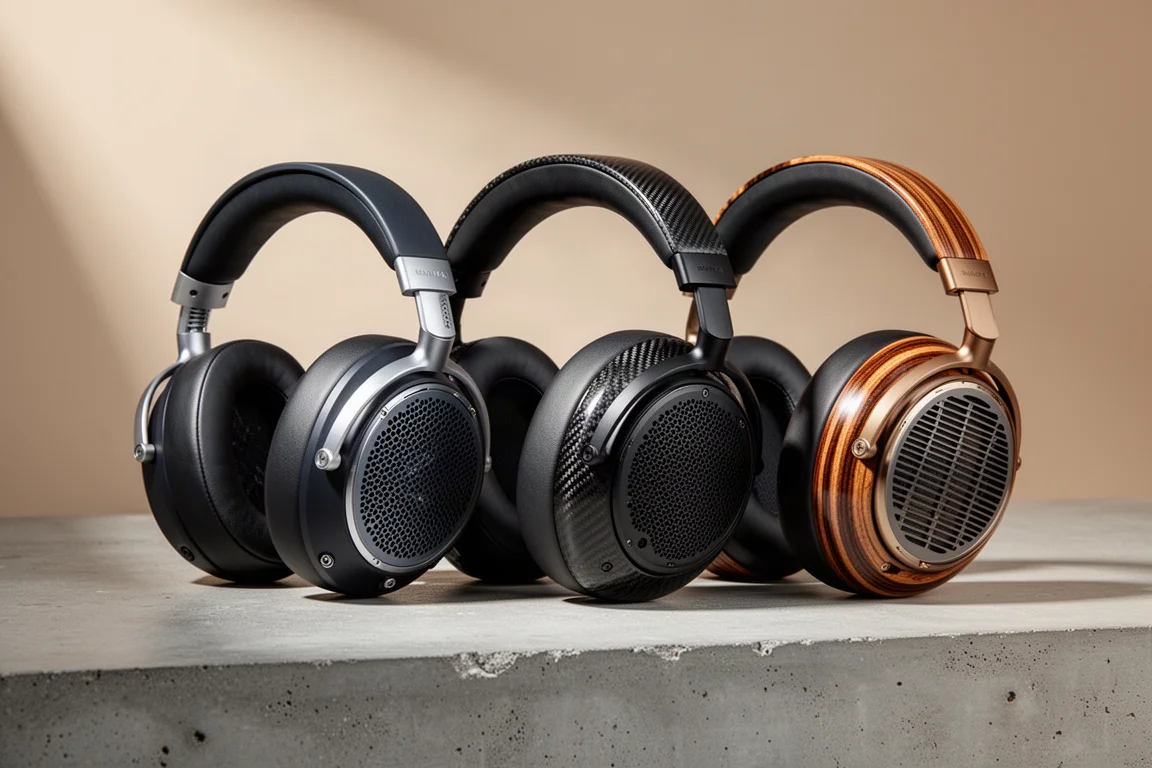
Audeze LCD-X vs LCD-XC vs LCD-3: Which High-End Headphone Fits Your Setup
A practical comparison of three Audeze planar magnetic headphones under $2,000, covering the open-back LCD-X, the closed-back LCD-XC, and the wood-ringed LCD-3.
Headphones
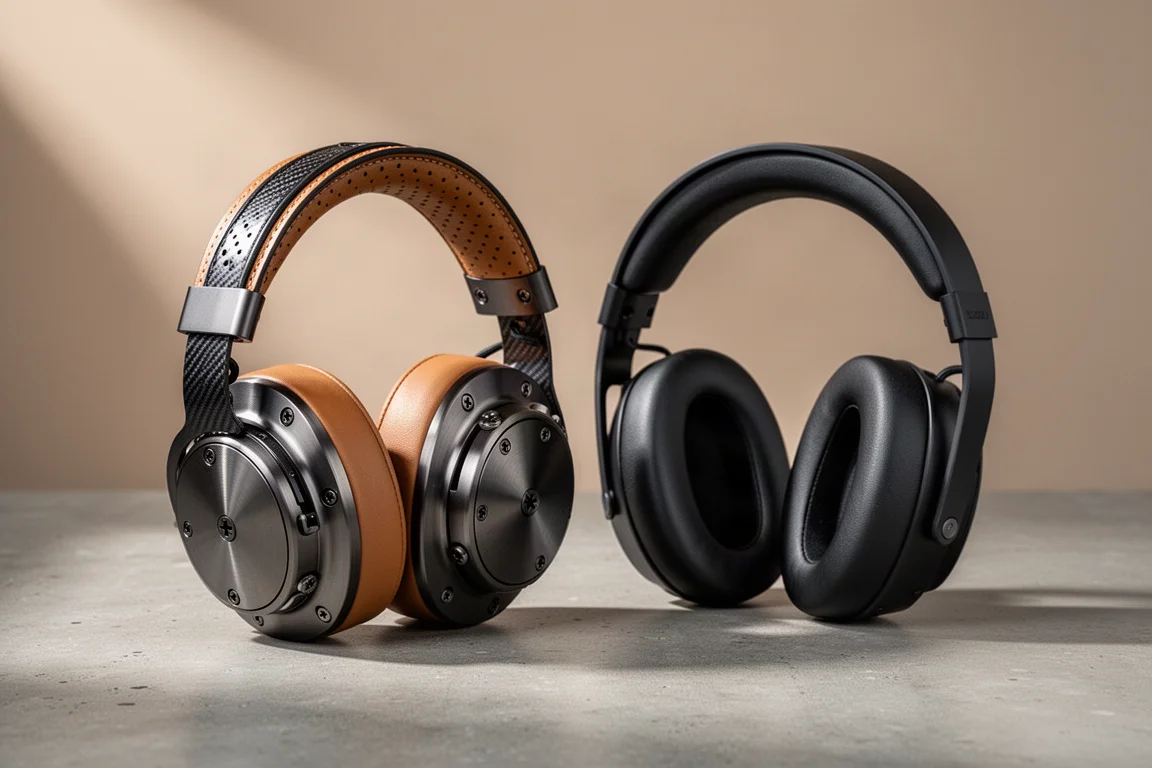
Audeze LCD-X vs HiFiMan Edition XS: Two Open-Back Headphones Compared
A practical comparison of the Audeze LCD-X and the HiFiMan Edition XS, covering build quality, comfort, sound signature, and which listener each one suits.