Camper Vans
Ford Transit Overland Van Review: A Simple, Stealthy Travel Setup
A short-wheelbase, low-roof Ford Transit with all-wheel drive and an Explorer conversion interior, reviewed as a practical and deliberately simple overland travel van.
Introduction
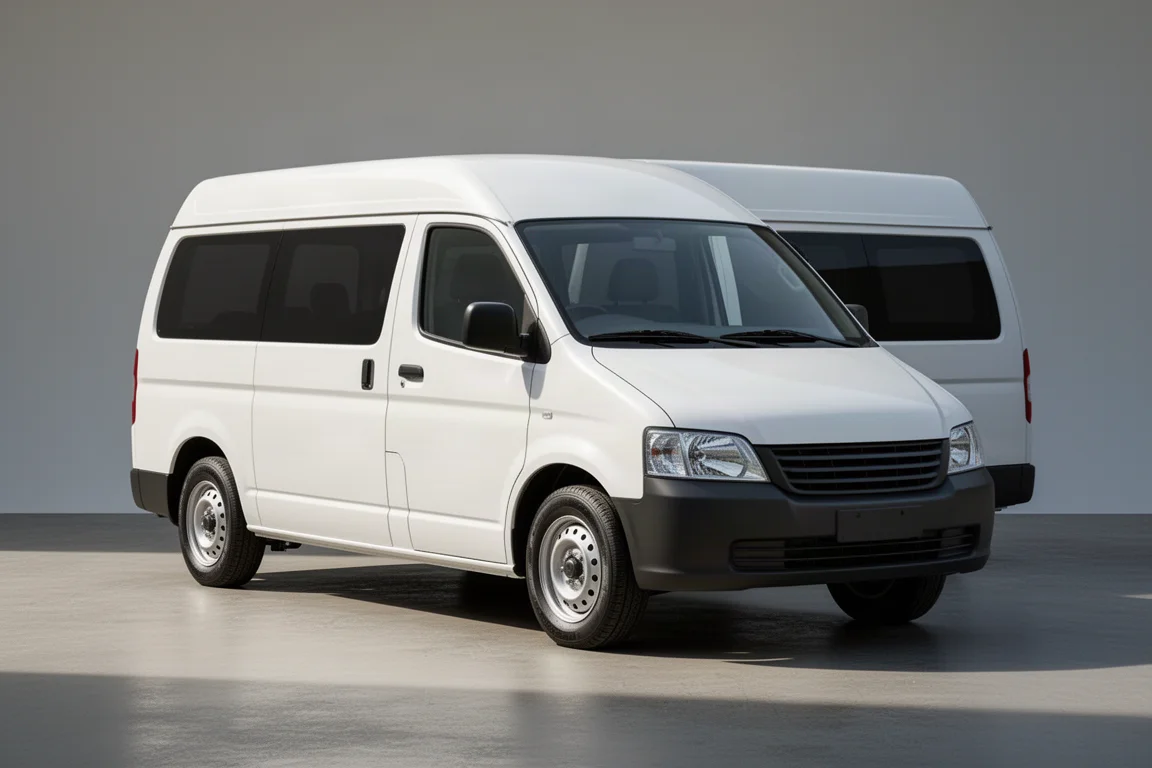
A van does not have to be complicated to work well. This Ford Transit build is a short-wheelbase, low-roof, all-wheel-drive van with an Explorer conversion interior, and it was assembled around a single idea: keep everything needed in one space so there is no reason to step outside to use it. After several long trips in a pickup truck, the appeal of moving straight from the driver’s seat into a living space became obvious.
The setup is deliberately simple and deliberately inexpensive compared with the fully outfitted vans that sell for hundreds of thousands. Every item has a purpose, and most of it can move between the van, a truck, and an off-grid cabin.
Who the Ford Transit Van Is For
This van is built for travel, not for full-time living. That distinction shapes almost every decision in it, starting with the roof.
The low roof has not been a hindrance. Standing height is not a priority for a vehicle that has to cross the country to reach anything, and the low roof handles crosswinds far better than the high-roof version. Drivers of high-roof vans often avoid long cross-country drives for exactly that reason, so for a travel-focused build the trade-off is worth it.
It is also worth being honest about size. The Transit is roughly as large as a full-size pickup, with clearance that is adequate rather than generous. It handles long gravel roads and remote routes without complaint, but it is not the vehicle for narrow, technical mountain tracks. Raising it has never been part of the plan: the fuel economy penalty and the reliability questions are not worth the extra height.
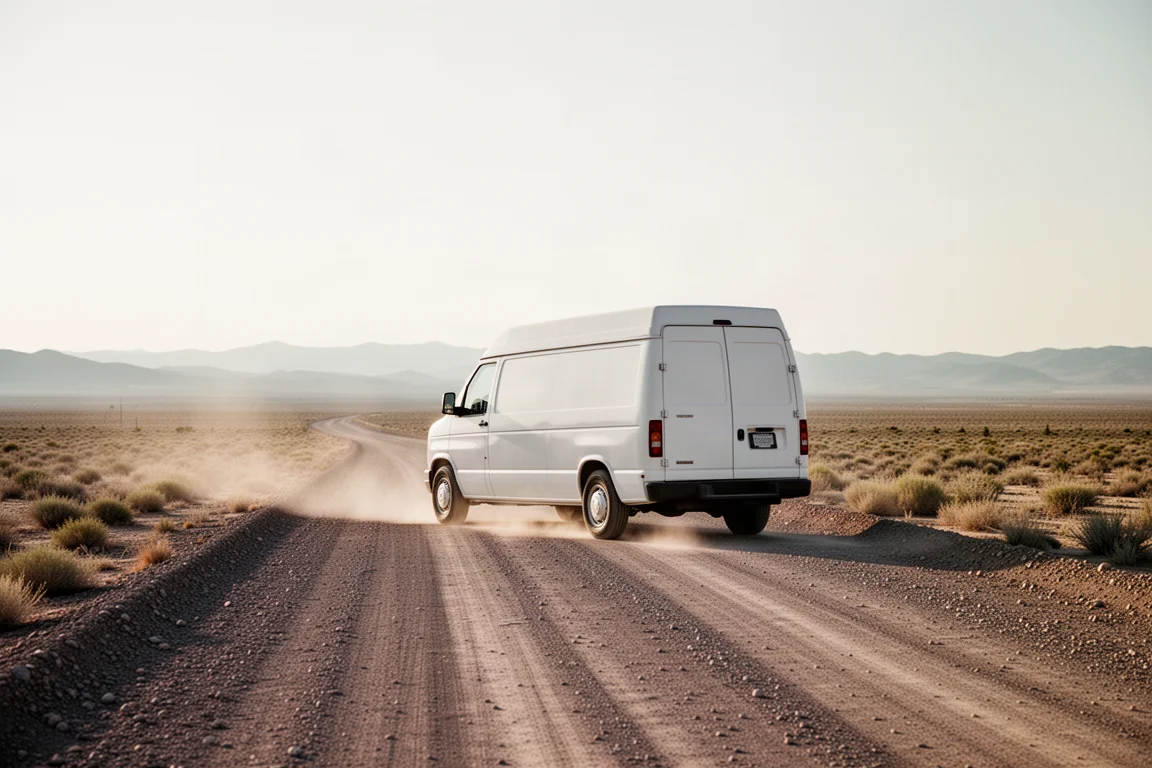
Capability matters more than clearance for this kind of travel. All-wheel drive has been used in snow with good results, and it has been enough to reach every destination so far, even if it is not the equal of a dedicated off-road system.
Main Strengths of the Ford Transit Setup
The strengths of this build come from a handful of choices that reinforce each other: the drivetrain, the door configuration, the power system, and the storage layout.
All-Wheel Drive and Everyday Capability
The EcoBoost V6 is a genuinely powerful engine, and it moves the van without strain. Fuel economy sits around 17.3 mpg, which is a strong result for a vehicle of this size and weight.
Just as importantly, the van does not look or behave like a specialist vehicle. It fits a standard parking space, it can go through a drive-through, and it blends into ordinary traffic.
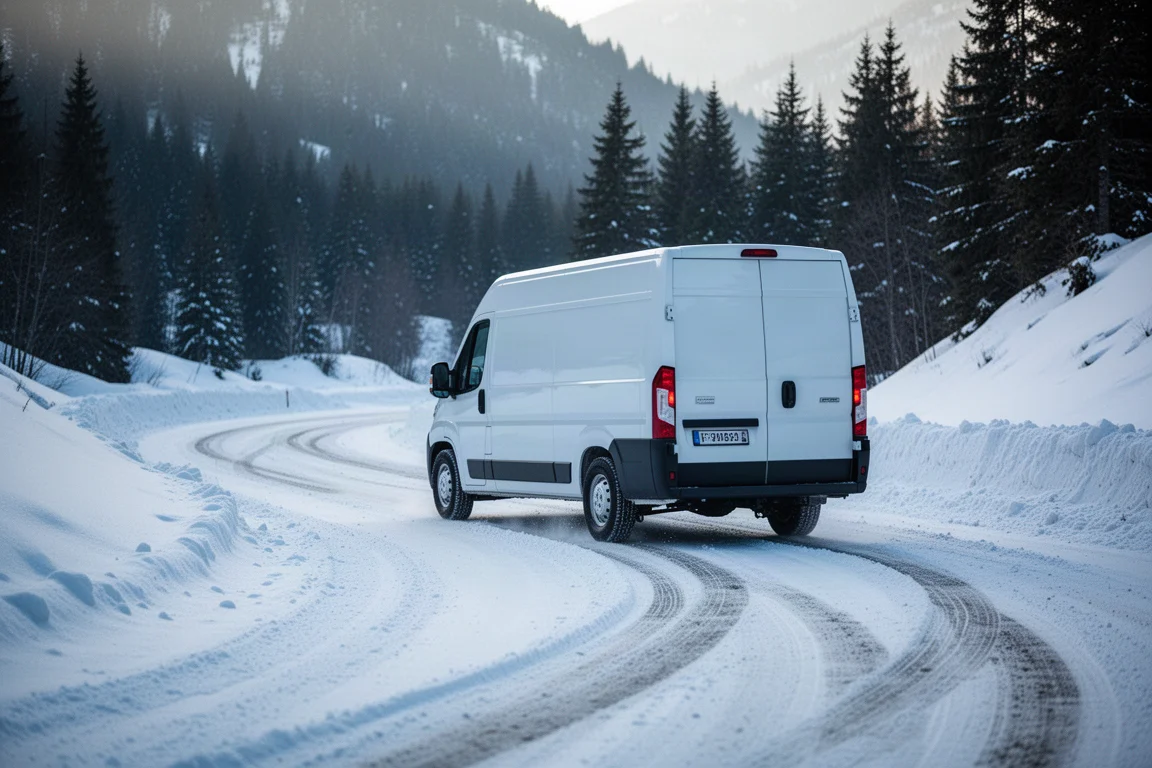
That everyday usability is a real advantage on long trips. A vehicle that is easy to park and easy to drive in normal conditions gets used more, and it attracts far less attention than a rig covered in exterior accessories.
Doors, Airflow, and Cabin Comfort
This build uses side-opening doors and rear doors rather than a sliding door, for two reasons. The first is airflow: with openings on both sides, a cross breeze can be regulated by opening or closing one side as needed. The second is reliability. Sliding door tracks collect dust and grit on gravel roads, which is exactly where this van spends much of its time.
The conversion includes windows all the way around with limo-black tint, so visibility from the inside is good while the interior stays private from the outside. Blinds drop down over each window. The bed folds up into a bench and lays flat into a bed large enough for two people, and there is air conditioning in the rear. A dual battery setup supports the electrical needs of the cabin.
Power, Cooling, and Everyday Systems
Managing heat is the single most effective way to reduce power consumption in a van. Reflective insulation panels fitted to the windshield and side windows stop radiant heat from entering, and the blinds do the same job. The result is a cooler interior, a refrigerator that cycles less often, and far less charging to think about.
The refrigerator in this build is a Dometic CFX 45, the largest unit used here so far, and it has been impressive in practice: quiet in operation and efficient with power. It is a significant investment, but it keeps food cold for long stretches in a way that coolers and ice cannot.
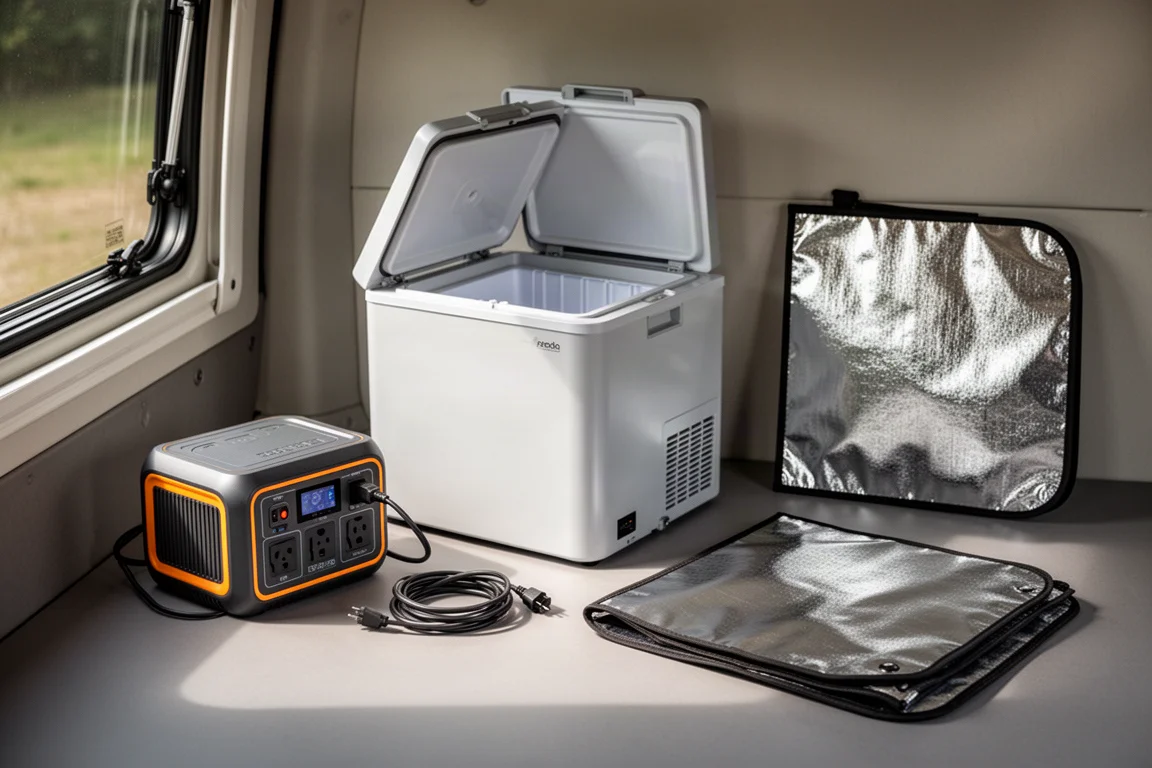
Power comes from a portable power station paired with an add-on battery module, topped up through a DC socket while driving and supplemented by solar panels during longer stationary stays. Charging on the move has been quick and reliable. Fresh water is carried in a five-gallon water bag tied in place, one of the least expensive parts of the entire setup.
Storage and Simple Camp Systems
Storage is arranged so that everything has a home. Expedition duffel bags slide under the bed and hold clothing, with two fitting perfectly. Behind the bed there is cargo space for backpacks, tools, an extra battery bank, and a food container, and beneath that sits a camp kitchen storage system with a hard top that doubles as a work surface.
A quick coffee kit hangs on the side within easy reach, holding instant coffee, fuel, a small stove, a pot, and spoons, so coffee is ready in minutes without unpacking the main cooking gear. There is also a table, chairs, a suction-cup awning, and a pop-up shower shelter, along with a simple shower system built from heated water and bottles with drilled lids. A do-it-yourself toilet bucket stores inside an ottoman that doubles as an extra seat, using contractor bags, kitty litter, and scented packs made for RVs, with no smell.
What to Consider Before Buying
The conversion interior comes from Explorer, and the fair assessment is that the quality is adequate for the money spent. Insulation, sound insulation, lighting, and extra outlets are all handled, which saves a great deal of work compared with starting from an empty cargo van shell. At the same time, small details were missed: a fuse panel issue required troubleshooting, and one blind had been fastened in the wrong place and pulled loose.
That is worth knowing before choosing a conversion. Buying a cargo van directly from a manufacturer means receiving an empty shell, so the interior still has to be finished by the owner or by another company. A conversion van removes that work, but it is reasonable to expect a few fixes afterward.
Costs also add up quickly. The refrigerator, the power station, and the window vent and screen sets are all meaningful expenses, and the vents in particular have risen in price since purchase. Simple choices keep the total down, which is why this build removed the middle seats, the center console, the television, and the rear air conditioning unit that came with the original configuration.
Finally, consider how the vehicle will be used. A van that looks obviously outfitted for camping is a target for break-ins, particularly at trailheads. Staying visually ordinary is a practical safety measure, not just a style preference.
Buying Advice
Match the van to the way you actually travel. For travel rather than full-time living, a low roof and a short wheelbase make more sense than maximum interior volume, because they keep the vehicle manageable on long highway drives and in ordinary parking.
Then focus on the systems that make daily life easier. Block the sun with reflective panels and blinds, because it keeps the interior cooler and reduces how much power the refrigerator and electrical system have to draw.
Plan for airflow. Window vents with slats let air move without letting rain in, and mesh screens on the side and rear openings create the cross breeze that keeps a small space comfortable. These are specific to the vehicle model, so confirm fitment before ordering.

Storage deserves the same attention. Anything that requires pulling out several other items to reach will become a daily irritation, so organize by priority and put things back in their place every evening.
Above all, keep the setup simple. Simple systems cost less, break less often, and can often be shared across a van, a truck, and a cabin. Treat any existing build as inspiration rather than a template: the right setup is the one that fits your own trips.
Conclusion
This Ford Transit build works because it does not try to do everything. All-wheel drive and a strong EcoBoost V6 handle the driving, a low roof keeps long cross-country trips comfortable, and a compact, well-organized interior means there is never a need to step outside to eat, sleep, or make coffee. The conversion interior is good rather than perfect, and the components add up, but the underlying approach is sound: keep it simple, keep it organized, and get on the road.
Product link
View more details for Ford Transit
This product is mentioned in the review. Check the specifications, options, and compatibility before buying.
View more details for Ford TransitFurther reading
Related Reviews
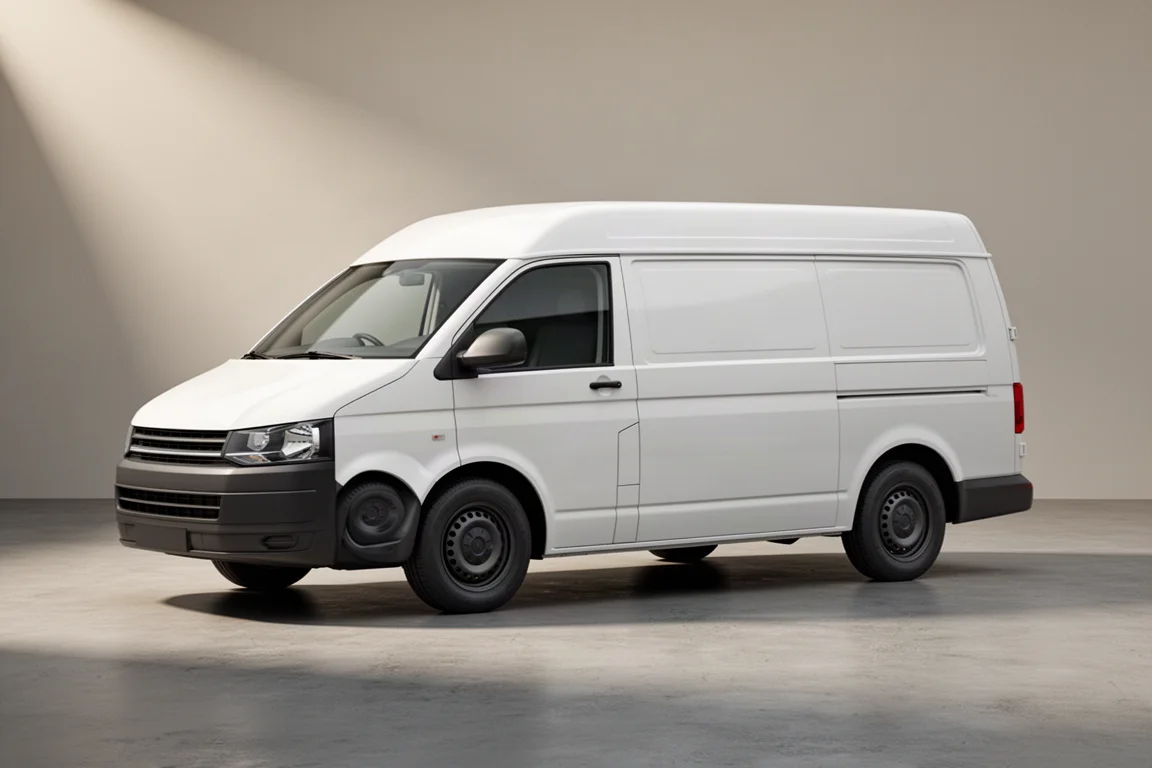
Camper Vans
Ford Transit Explorer Conversion Van Review: A Simple, Capable Travel Setup
A practical look at a short-wheelbase, low-roof Ford Transit converted by Explorer, covering all-wheel drive, fuel economy, the interior build, and the trade-offs to weigh before buying.
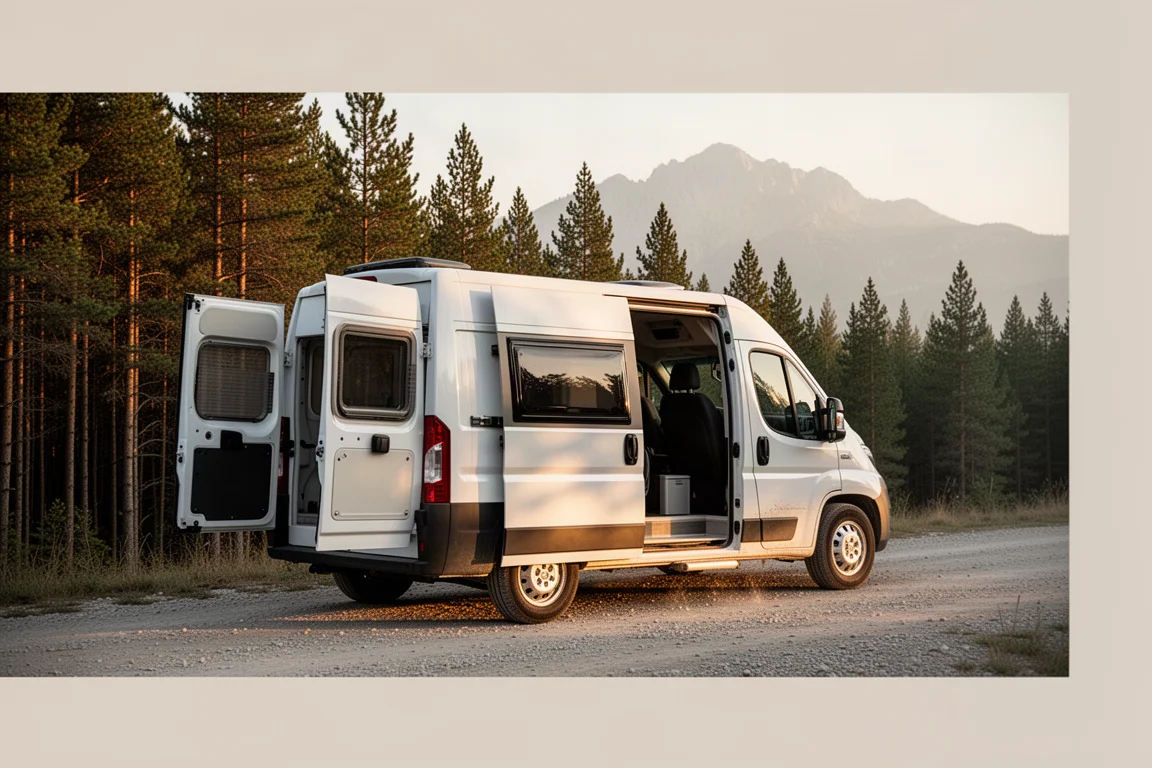
Camper Vans
Explorer Ford Transit Conversion Van Review: A Simple, Capable Travel Van
A short-wheelbase, low-roof Ford Transit camper conversion built for travel, with a finished interior, all-wheel drive, and a deliberately simple set of systems.

Camping Tarps
Aqua Quest Defender vs Safari 20x13: Which Large Tarp Fits Your Setup?
A side-by-side look at Aqua Quest's two 20 ft by 13 ft tarps: the 9.2 lb, 20,000 mm Defender and the 4.5 lb, 5,000 mm Safari, plus sizing, setup, and warranty details worth knowing.