Camper Vans
Ford Transit Explorer Conversion Van Review: A Simple, Capable Travel Setup
A practical look at a short-wheelbase, low-roof Ford Transit converted by Explorer, covering all-wheel drive, fuel economy, the interior build, and the trade-offs to weigh before buying.
Introduction
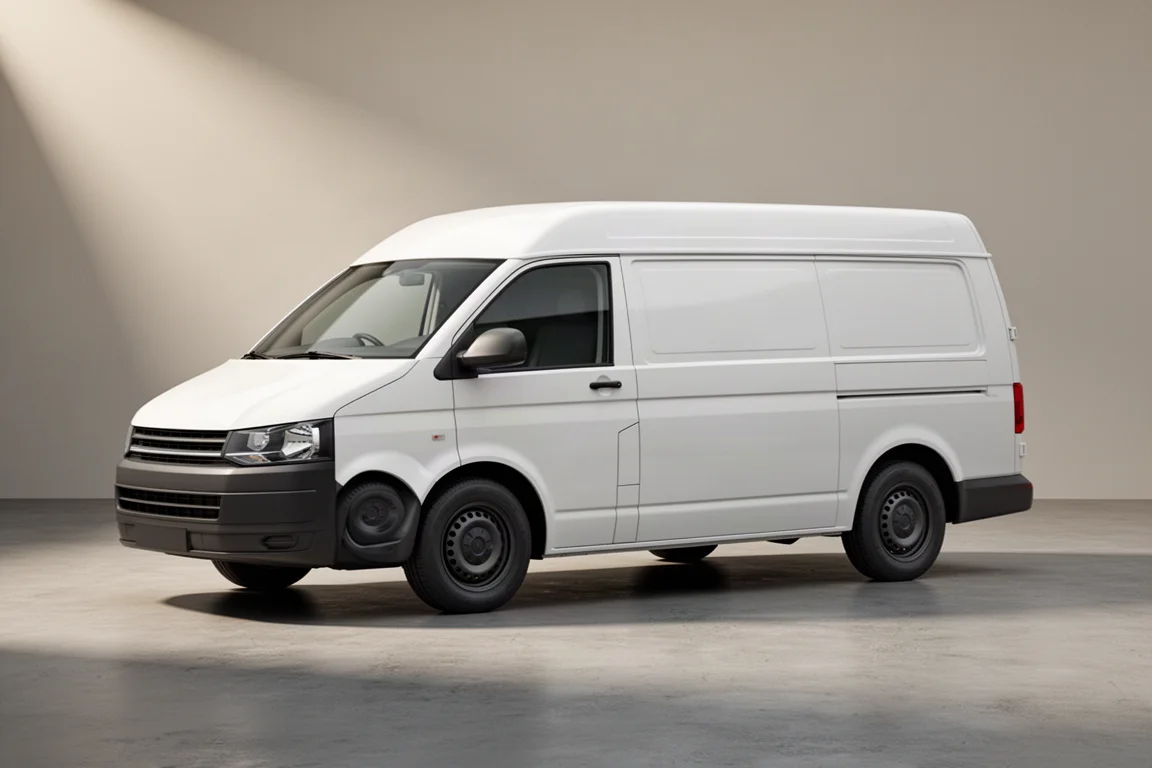
The Ford Transit is a familiar sight on North American roads, but the van in this setup is a specific configuration: short wheelbase, low roof, and all-wheel drive, converted into a finished travel vehicle by Explorer. It is not a full-time home. It is built around one clear idea, which is that everything needed for a night on the road should sit inside a single enclosed space.
That requirement shaped nearly every decision here, from the door layout to the way the bed, kitchen, and power system are arranged. Stopping for the night never means stepping out into rain, wind, or mosquitoes, and that alone changes how a long trip feels.
Compared with a pickup-based overland build, the appeal is continuity. The driver’s seat, the bed, the refrigerator, and the coffee kit all sit within a few steps of each other, and none of them require opening an exterior door to reach.
Who This Van Is For
This configuration suits travelers who want to travel rather than live permanently in a vehicle. The owner is explicit about that distinction: the van exists for trips, not for full-time residency, and the choices reflect it. A low roof makes sense if you are covering long distances, and a short wheelbase makes sense if you want to park in ordinary spaces.
It also suits buyers who want a finished interior without commissioning a full custom build. Buying a bare cargo van from Ford means starting with an empty shell, which leaves you either doing the interior work yourself or paying another company to do it. A conversion van arrives with insulation, added sound insulation, lighting, and extra outlets already installed, which is a meaningful shortcut for anyone who would rather spend the budget on travel than on labor.
Finally, it suits buyers who are conscious of cost. Fully kitted alternatives from other manufacturers can run into the hundreds of thousands of dollars, and that kind of money only makes sense if the vehicle is also your house.
Main Strengths
All-wheel drive is the headline capability. It has handled snow well, and it has proven good enough to reach the places this van is asked to go. It is worth being honest about the limits: it is not a substitute for a dedicated four-wheel-drive system, and the van does not have especially high ground clearance. What it does have is composure on long gravel roads. Nineteen miles into a remote route, with no other traffic in sight, it simply keeps going without complaint.
The low roof deserves more credit than it usually gets. Standing height is not something you miss when the van is used for travel rather than living, and the lower profile makes a real difference in crosswinds. Owners of high-roof versions often avoid long cross-country drives for exactly that reason.
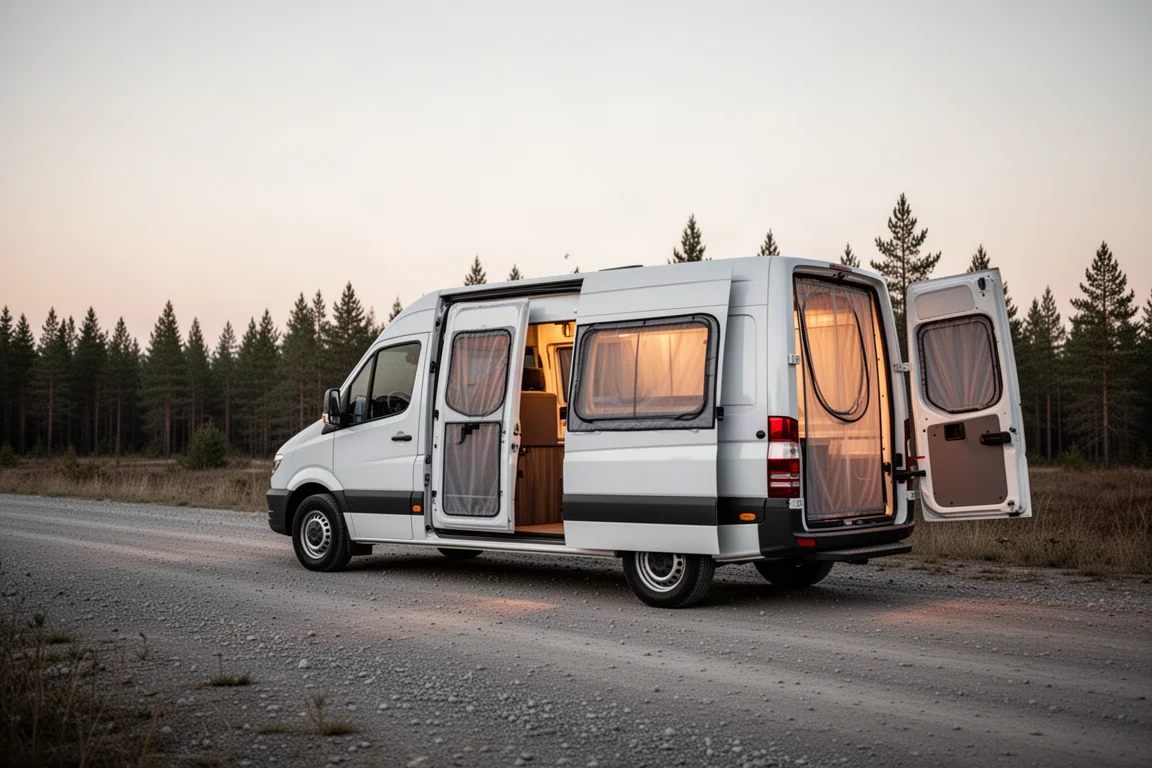
The EcoBoost V6 is the most powerful engine the owner has used in a vehicle like this, and fuel economy has settled around 17.3 mpg, which is strong for a vehicle of this size. The side-hinged doors and rear doors, rather than a sliding door, were chosen for two reasons: airflow can be regulated by opening one side at a time, and there are no exposed sliding tracks to collect dust and grit on gravel roads.
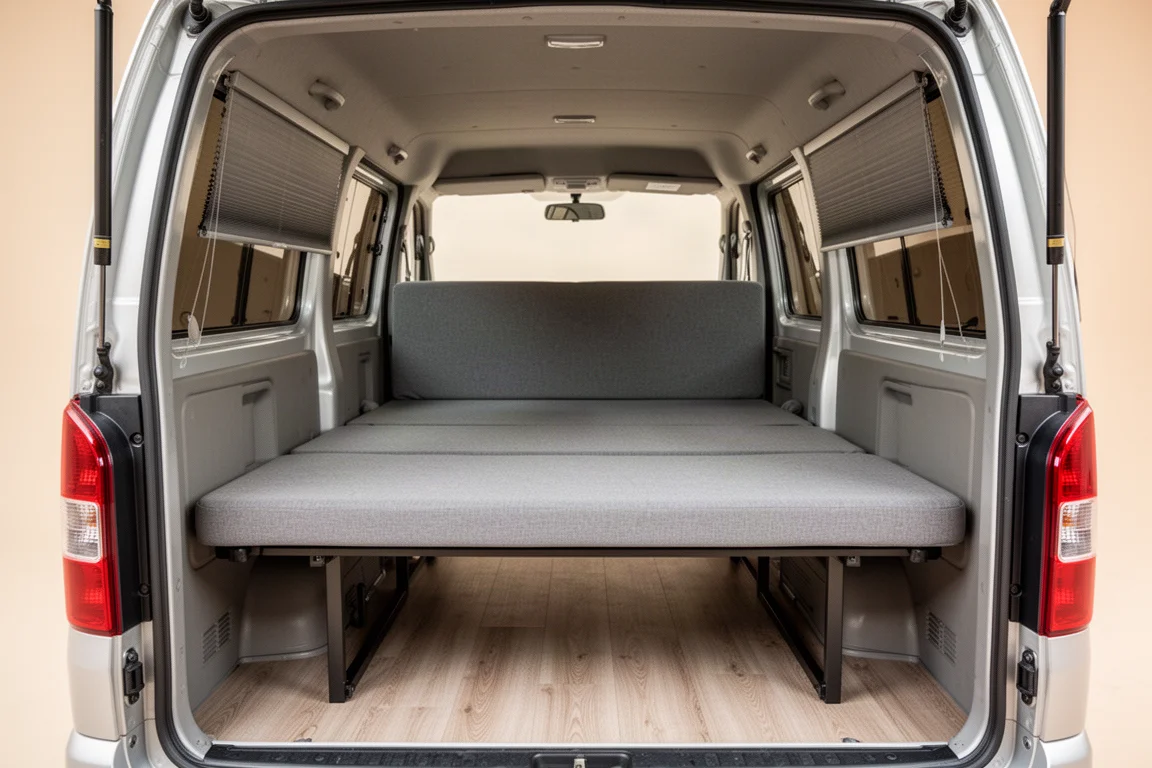
Inside, the conversion brought insulation, additional sound deadening, lighting, and extra outlets. Windows run all the way around with a dark tint that keeps the interior private, and each window has its own pull-down blind. The rear bench folds flat into a bed wide enough for two, there is air conditioning in the back, and the van runs a dual battery setup.
Things to Consider Before Buying
Size is the first thing to accept. This is a large vehicle, comparable in footprint to a full-size pickup, and it is not the tool for narrow, steep mountain tracks. The owner has never considered lifting it, and the reasoning is practical: a lift would hurt fuel economy and introduce reliability questions, and the van already reaches the remote places it needs to reach.
Build quality is adequate rather than flawless. The interior is nice enough for what it cost, and it compares well against more expensive conversions that do not necessarily have better fit and finish. That said, small details needed attention. One circuit in the fuse panel did not work on delivery and had to be traced and corrected, and a blind was screwed into the wrong spot and pulled loose. Both are minor and fixable, but they are the kind of thing worth inspecting on any conversion before you commit.
The door configuration is a deliberate trade-off. Foregoing a sliding door means giving up some convenience in tight parking, in exchange for airflow control and fewer dust-prone mechanical parts.
Living With It Day to Day
Reflectix panels cut for the windshield and side windows are one of the highest-value additions in the whole setup. By blocking radiant heat, they keep the interior cooler, which means the refrigerator runs less and the power system has less work to do. The window blinds contribute to the same effect while adding privacy.
Screens and vents come from a company that builds them specifically for the Ford Transit, and the vehicle-specific fit matters. The side screen and rear screen attach with magnets that stick directly to the metal, while the window vents use slats that keep rain from being blown inside. Those vents were not cheap, around $100 when purchased, and the price has risen since, but they make the van usable in poor weather.
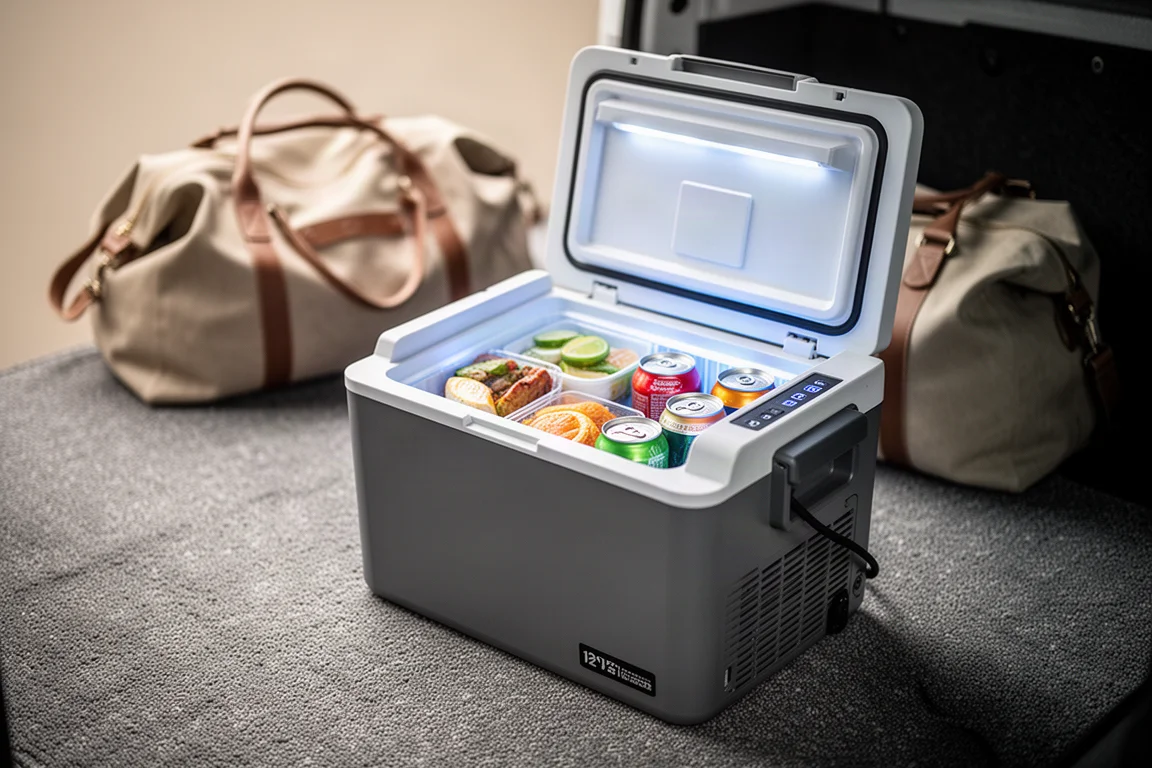
Power comes from a portable power station paired with an add-on battery module, backed by solar panels for long stationary stretches. In normal use the system charges through a DC cigarette port while driving, and it fills up quickly between stops. A large portable compressor refrigerator keeps food cold for extended periods, runs quietly, and draws very little power, which is a different experience from the older unit it replaced.
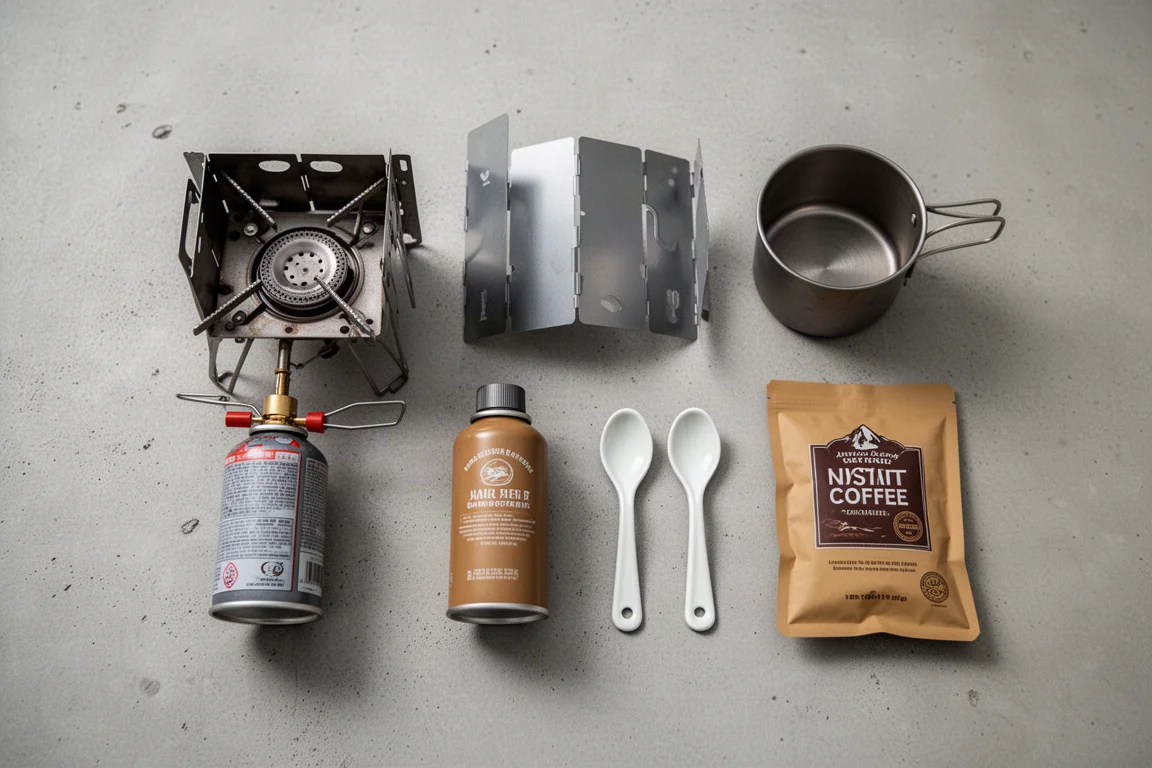
Water is handled by a five-gallon bag tied in place, an inexpensive solution that works well. Under the bed, two large duffel bags hold clothing, and the same space carries a table, chairs, a suction-cup sun shade that serves as an awning, and a pop-up shower shelter. Showers are simple: heat water, pour it into a bottle with a drilled lid, and squeeze. A small coffee kit hangs within reach and contains a stove, fuel, a pot, spoons, and instant coffee, so a hot drink takes minutes rather than a full kitchen setup.
Behind the bed is a genuinely useful cargo area holding backpacks, tools, an extra battery bank, and a food container. Beneath that sits a camp storage system with a hard top that doubles as a work surface, which is where most cooking happens. The stove runs on butane or propane. The rest of the van is full of cubbies, cup holders, and pockets, and the owner’s advice is to use them ruthlessly: everything needs a home, and everything needs to go back to it at the end of each day.
Buying Advice
If you are weighing a similar build, start with heat and airflow. Sun-blocking panels for the windshield and side windows, plus blinds, keep the interior cooler and reduce how hard the refrigerator and power system have to work. Window vents and magnetic mesh screens make cross-ventilation possible in bad weather, and the cross breeze through an open side door and an open rear door is what keeps the space comfortable. Open only one side and it will still get hot.
Storage should be organized by priority, not by available space. Anything that requires moving several other items to reach will become a daily irritation in a small interior. Keep the frequently used gear, the coffee kit, the water, and the fridge, in the easiest positions, and put the occasional items under the bed or in the rear cargo area.
Keeping the system simple is the theme that runs through everything here. Simple is cheaper, it is easier to maintain, and the same gear can move between the van, a truck, and an off-grid cabin without being rebuilt for each one. It is easy to overcomplicate a travel setup, and the payoff for restraint is a van that is pleasant to use on day thirty of a trip, not just on day one.
The last point is the one owners tend to learn the hard way: make the setup your own. Borrow ideas freely, look at what other travelers have done, then test them yourself. Some of it will work for you and some of it will not, and the only reliable way to find out is to get out on the road and use it.
Conclusion
The strongest argument for this van is not any single component. It is that stopping for the night requires no transition at all. You pull over, switch off the lights, lower the blinds, and you are already home for the evening. After years of traveling in a pickup, where every stop meant stepping outside, that difference is the whole point.
Add all-wheel drive that handles snow and long gravel roads, an engine with plenty of power, roughly 17.3 mpg, and a discreet exterior that blends into ordinary parking, and you get a travel vehicle that is genuinely easy to live with. It is not a full-time residence, it is not a rock crawler, and its finish is good rather than exceptional. For the purpose it was built for, though, it works remarkably well.
Product link
View more details for Ford Transit Explorer Conversion Van
This product is mentioned in the review. Check the specifications, options, and compatibility before buying.
View more details for Ford Transit Explorer Conversion VanFurther reading
Related Reviews

Backpacking Gear
Building a 10 lb Base Weight: An Ultralight Backpacking Gear List
A practical walkthrough of the ultralight pieces behind a 10 lb base weight, from a 765 g pack and a roomy one-person tent to a full camp chair and a dependable water filter.

Road Bikes
10 New Road Bikes Worth Watching: Aero, Titanium, Steel and Endurance Standouts
A practical roundup of 10 new road bikes, from aero flagships chasing single-watt gains to titanium, steel and endurance platforms built for real roads.
Bikepacking Gear
11 Bikepacking Essentials for Long-Distance Cycling
Eleven bikepacking essentials for long-distance cycling, from a steel gravel frame and a two-person tent to helmet lights, packable gloves, and a frame bag that puts weight in the right place.