Loudspeakers
Focal Scala Utopia Evo Review: A Full-Range Luxury Tower With a Magical Midrange
The Focal Scala Utopia Evo pairs a 92 dB three-way design with a pure beryllium tweeter and an inert, time-aligned cabinet. Here is what it does well, and what to check before buying.
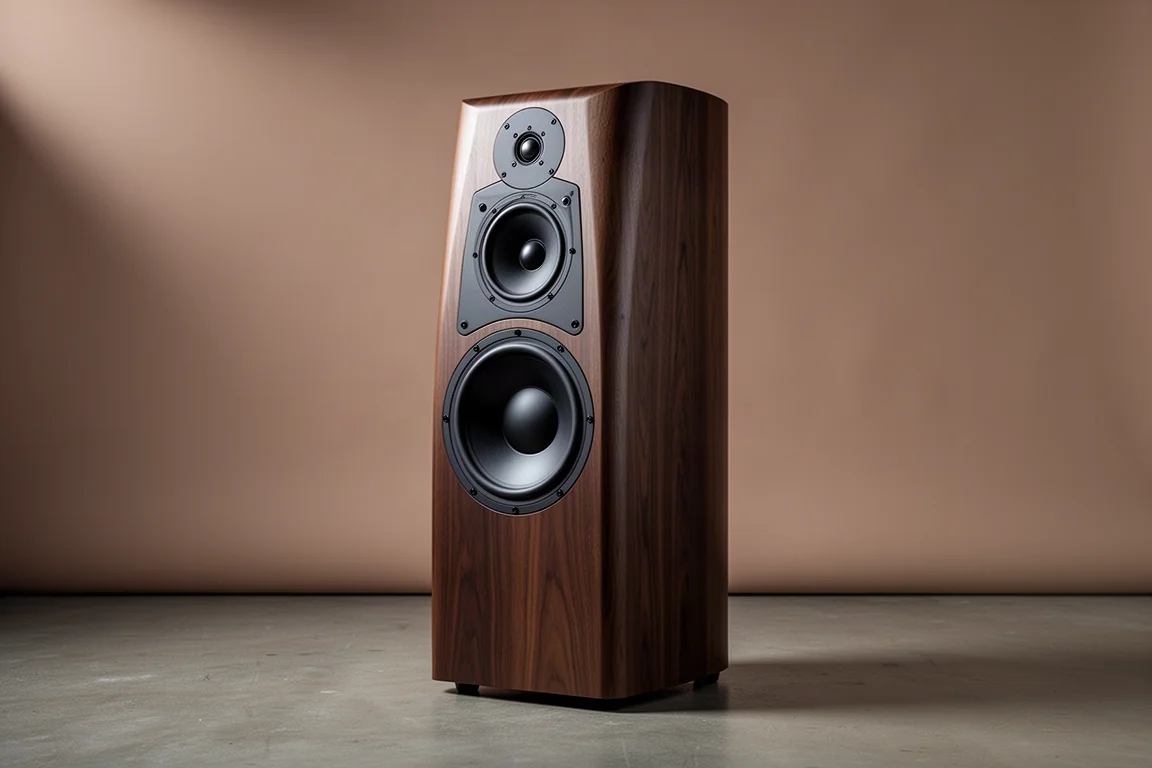
Introduction
The Focal Scala Utopia Evo is the entry point into Focal’s Utopia floorstanding range, and at $39,998 per pair it sits firmly in the luxury high-end audio category, where performance, design and exclusivity carry equal weight. It is a three-way design with a nominal impedance of 8 ohms, a minimum impedance of 3.2 ohms, crossover points at 220 Hz and 2.4 kHz, and a rated sensitivity of 92 dB. On paper, that makes it a relatively approachable speaker to drive.
The name is deliberate. Scala means ladder, and Focal positions the model as the bridge into its flagship lineup. The speaker is designed and manufactured in France, stands 49 5/8 inches tall, and weighs 187 pounds per cabinet. Those numbers hint at what the Scala is trying to be: a full-range tower that makes a visual statement as much as a sonic one.
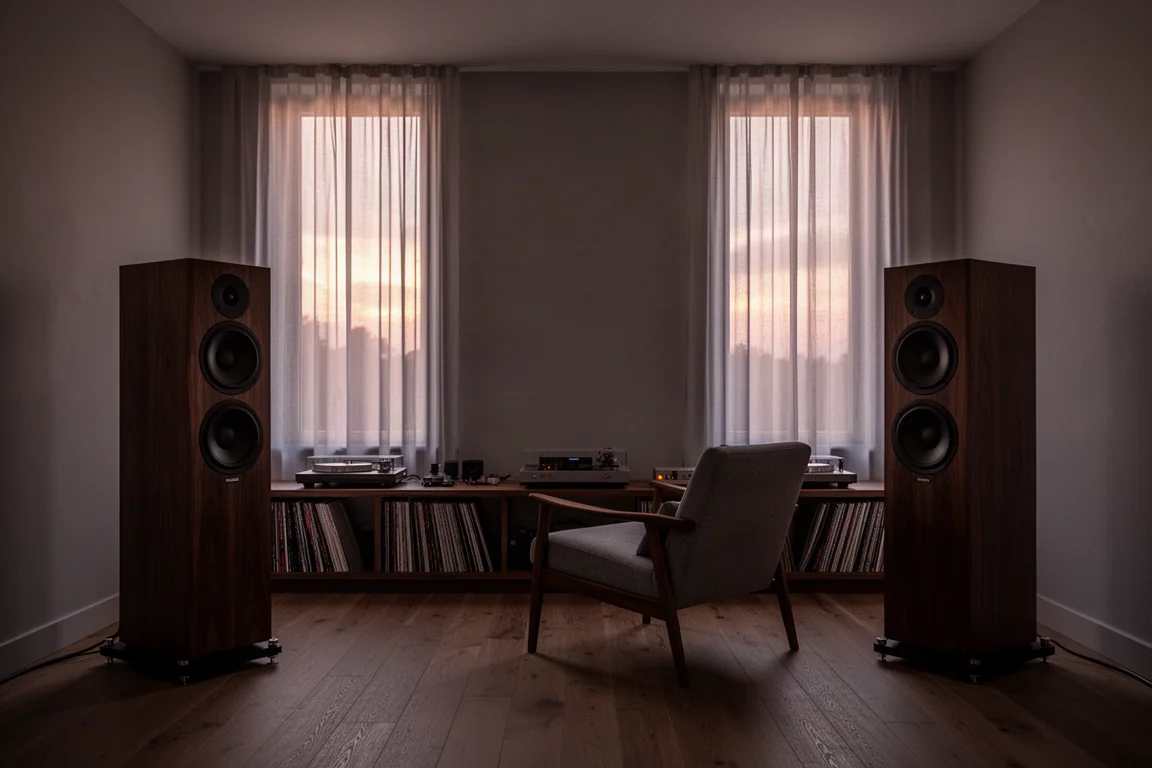
This article looks at the Scala Utopia Evo as a two-channel proposition, covering its engineering and cabinet construction, its measured in-room behaviour, the listening traits that stand out, and the practical questions worth answering before committing to a speaker at this level.
Who the Focal Scala Utopia Evo Is For
The Scala Utopia Evo is aimed at listeners who want one pair of full-range towers that can anchor a serious two-channel system without leaning on a subwoofer, while still slotting naturally into a multichannel setup. Its 92 dB sensitivity and 11-inch woofer give it enough output and extension for medium to large rooms. A space of roughly 16 feet wide by almost 26 feet long proved a comfortable match, with the speaker moving air convincingly without feeling oversized for the room.
Buyers at this level are also paying for presentation. The Scala is available in seven colours plus a natural wood grain option, and Focal treats the cabinet as part of the performance rather than a box wrapped around it. If you want a speaker that looks as considered as it sounds, that is clearly the intent here.
It is worth knowing where the model sits in the range. Larger Utopia towers step up from here, and the next model above the Scala adds a second 11-inch bass driver with a design intended for bigger rooms. The Scala is the sensible starting point for a room of moderate size; the larger models exist for listeners who need more displacement and more low-frequency authority.
Design, Build, and Driver Technology
The cabinet is built from precision-cut MDF panels and is exceptionally inert. Focal uses vibration cartography, essentially heat maps of cabinet resonance, to identify where additional internal bracing is required, and the front baffle is gently curved to reduce diffraction from the drivers. Each driver also sits in its own acoustically isolated sub-enclosure inside the cabinet, which limits how much one driver influences another.
The baffle steps back progressively: the tweeter is set back from the midrange, and the midrange is set back slightly from the bass driver. Focal calls this Focus Time, a passive time-alignment approach intended to deliver every frequency to the listening position at the same moment.
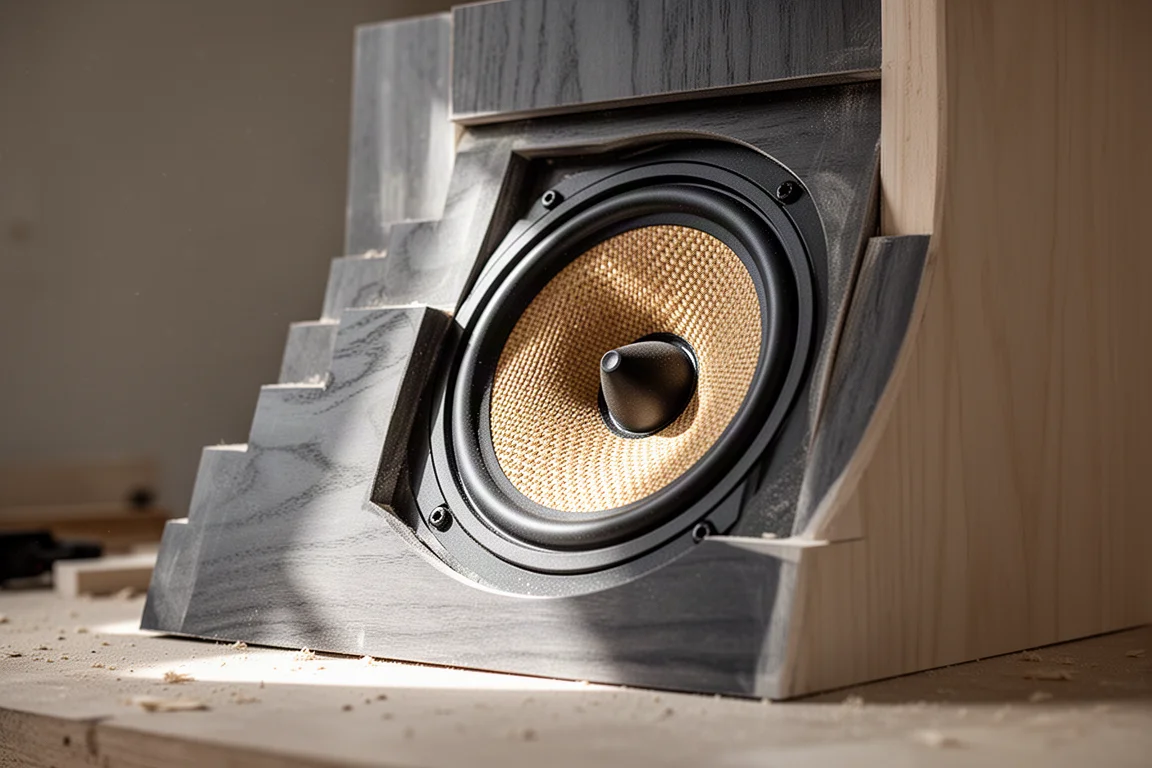
The drivers use Focal’s W composite sandwich cone, made from two sheets of woven glass tissue bonded to a foam core. The combination of low mass, high rigidity and good damping gives the company tight control over the response of each driver, and Focal positions the W cone above the Kevlar and aramid cones used in its other ranges. The midrange driver is built around a substantial magnet structure with double-stacked ferrite rings arranged in a hexagonal layout around the voice coil.
The tweeter is a 1.1-inch pure beryllium inverted dome reserved for the Utopia line. Beryllium is valued for its combination of low mass, extreme stiffness, strong high-frequency output and low distortion, with breakup occurring beyond the limits of human hearing. The 11-inch bass driver works in a ported enclosure, and the open design also helps cool the voice coil, since air moved by the midrange driver is forced through the vents as it works harder. On the rear panel, jumpers let you trim the bass and treble response by roughly 1 dB in either direction.
Setup is more thoughtful than the 187-pound weight suggests. The shipping carton includes a protective plywood sheet that doubles as a ramp, and wheels built into the base let the speaker glide down it and into position. Spikes are included and can be fitted once you have settled on final placement.
Main Strengths: Sound Quality and Dynamics
The midrange is the heart of the Scala’s character and the single strongest argument for the speaker. Voices come through with body, texture and a natural sense of scale, which matters because a system can get almost everything else right and still fail here.
The cabinet contributes nothing you can hear. There is no boxiness or enclosure colouration, and the speaker disappears into a wide, well-defined soundstage with a generous sweet spot. Images are large and lifelike, and off-axis performance stays solid, so listeners sitting away from the centre seat still get a coherent picture.
Dynamics are another standout. The 92 dB sensitivity and 11-inch woofer give the Scala an effortless quality across the range, with more headroom than the specification alone suggests, and it produces usable output down to roughly 26 Hz. In practice it behaves like a genuine full-range speaker. Focal was confident enough in that capability to ask that the low-frequency effects channel be sent concurrently to both the Scala and a pair of subwoofers during multichannel use, a request few loudspeaker manufacturers would make.
Where the Scala gives ground is in the deepest bass. Against a larger reference tower built around dual 12-inch woofers, it cannot match the sheer output or the ability to pressurize a large room. Within the range it does cover, its output is exceptionally tight, detailed and dynamic. Compared with a similarly positioned reference floorstander, the Scala’s vocals came across as more dynamic and its midrange slightly fuller, while the other speaker reached lower in the bass. Differences of that kind are also shaped by the room and the electronics in front of the speakers, so a personal audition remains the only reliable test.
If you plan to add a subwoofer, choose carefully. The Scala’s speed and transparency make it unforgiving of a slow or distorted subwoofer, and a low-distortion, high-output design with low group delay is the right kind of partner. Focal offers a matching Utopia subwoofer, which was not part of this evaluation.
In-Room Measurements and Amplifier Matching
Because the Scala weighs 187 pounds per cabinet and the samples were pulled from stock rather than set aside for testing, outdoor ground-plane measurements were not practical. The in-room results below are therefore limited by the room and its treatment, but they still show the general shape of the response.
The rear jumpers behaved as intended. Each position shifts the tweeter or bass output by about 1 dB, and the change is essentially transparent elsewhere in the response. The treble jumper begins to take effect just above 2 kHz, which makes it a practical tuning tool if you sit further back, run less toe-in, or place the speaker behind an acoustically transparent screen. The bass jumper’s effect was minor in this room, acting between roughly 60 Hz and 300 Hz.
Horizontal off-axis measurements taken at 15, 30, 45 and 60 degrees at one metre confirm the wide sweet spot heard during listening. A nine-point average at the main listening position showed an exceptionally smooth in-room response, with the left and right speakers tracking each other closely above 200 Hz. Low-frequency room modes appear below that, as expected.
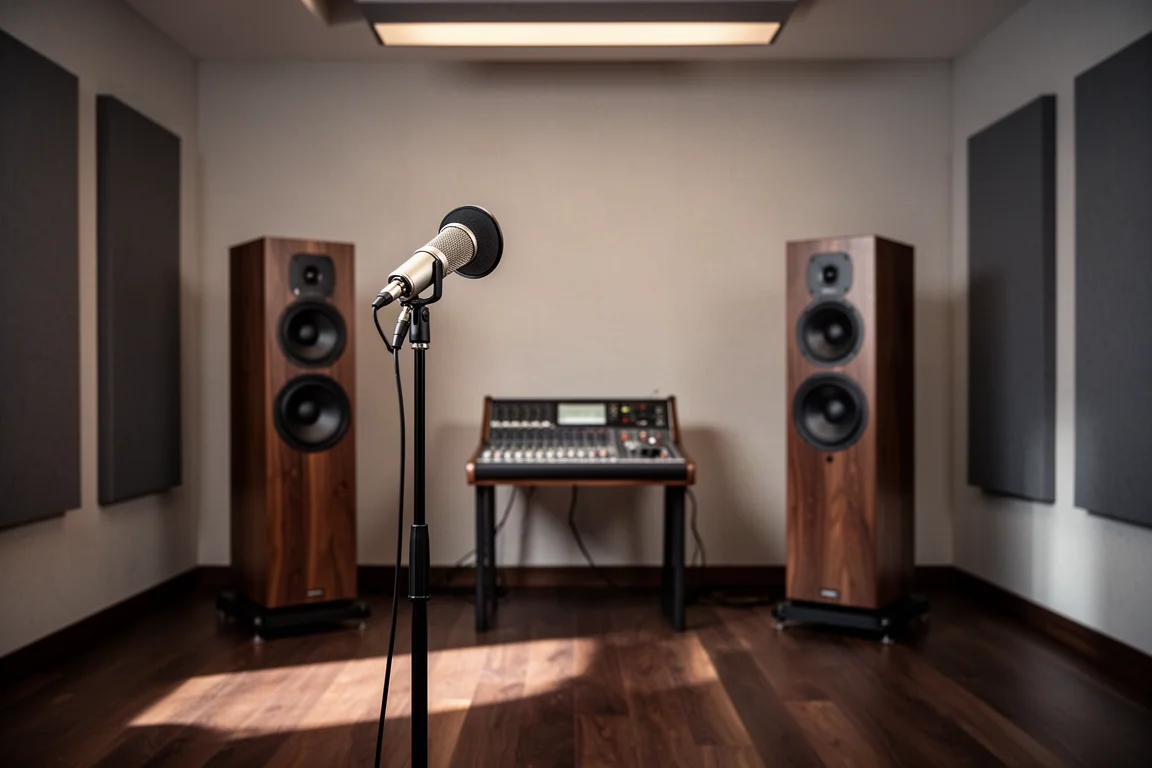
A single-point measurement at the listening position shows no aggressive tweeter roll-off. Instead there is a gentle rise peaking between 6 and 7 kHz. Listeners who prefer a softer top end can address it with less toe-in and the treble jumper, or with room correction, which also smooths the overall response and tightens the bass. Measured usable output extended down to about 26 Hz.
One practical warning matters more than any measurement. The Scala’s minimum impedance is specified at 3.2 ohms, but the Utopia line is known for presenting amplifier loads that dip as low as 1.8 ohms. Pair it with an amplifier that is genuinely stable into 2-ohm loads, and plan your electronics budget around that requirement.
Things to Consider Before Buying
Price is the first consideration. At $39,998 per pair, the Scala is in line with high-end luxury loudspeakers of this caliber, but it remains a serious commitment that deserves a proper audition rather than a quick comparison.
Room size matters just as much. The speaker worked well in a space of roughly 16 by 26 feet, moving air with ease. If your room is considerably larger, or if maximum low-frequency output is a priority, the next model up in the range adds a second 11-inch bass driver and is designed for bigger spaces.
Amplifier matching is non-negotiable. Despite the 8-ohm nominal rating and the 92 dB sensitivity, this speaker needs an amplifier that stays composed into low impedances.
The physical side is also worth planning for. Each cabinet stands 49 5/8 inches tall, is 15 1/2 inches wide and 26 3/8 inches deep, and weighs 187 pounds. The built-in wheels and the plywood ramp in the carton make unboxing far easier than the weight suggests, but you will still want help and a clear path to the final position.
Finally, think about bass strategy before you buy. The Scala covers a great deal of low frequency on its own, but if you want the last octave at high output, plan for a fast, low-distortion subwoofer that can keep pace with the speaker’s speed and transparency.
Buying Advice
The Scala Utopia Evo makes the most sense for a listener who values midrange purity, imaging and dynamics above all else, and who wants one pair of speakers capable of serving both two-channel listening and multichannel film duty. At this price, the question is less about whether the speaker is good and more about whether its priorities match yours.
Two checks are worth doing first. Confirm that your amplifier is comfortable into 2-ohm loads, and confirm that your room can give the speaker enough space to breathe. If deep bass output is your primary criterion rather than midrange and imaging, the larger models in the range, or a carefully chosen subwoofer, are the better path.
An audition is essential at this level. Differences between top-tier loudspeakers come down to nuance, and those nuances are strongly influenced by the room and the electronics driving them. Hearing the Scala in a room comparable to yours will tell you more than any specification sheet.
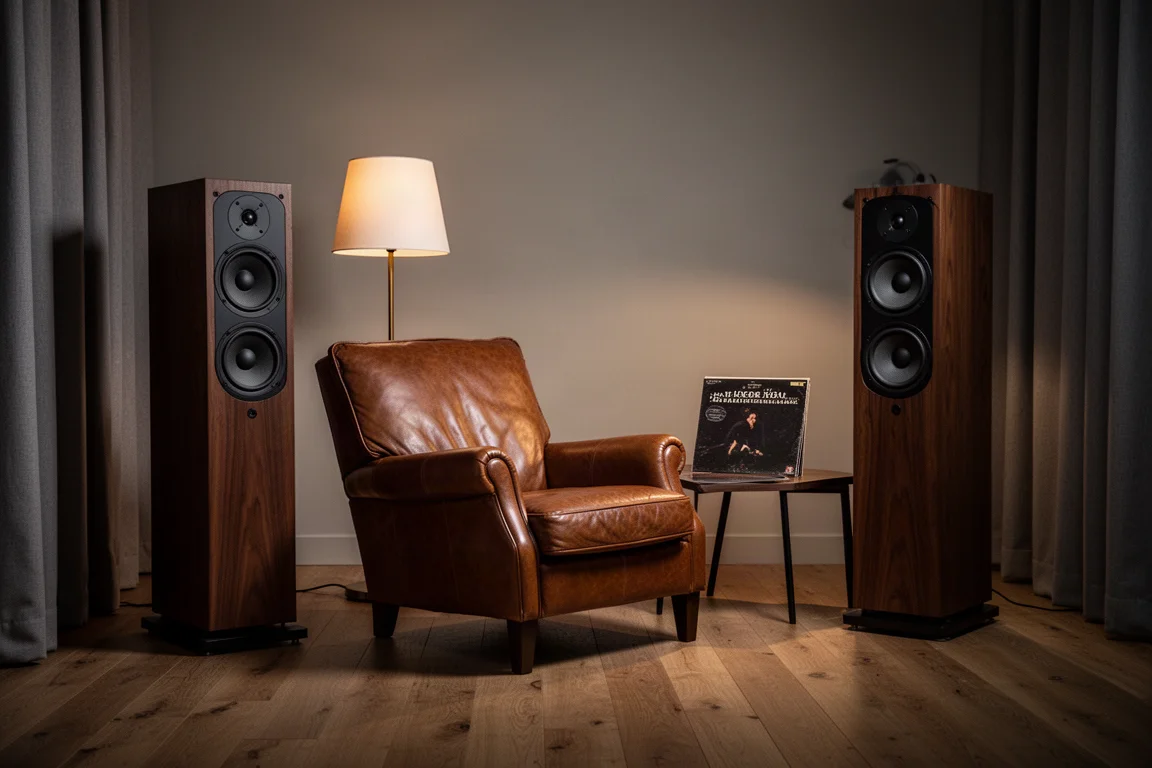
For the right system in the right room, this is a speaker that rewards long, unhurried listening sessions rather than quick side-by-side comparisons. Its strengths accumulate over time.
Conclusion
The Focal Scala Utopia Evo reflects the best of what the brand does. It is expensive, but its price sits squarely within the high-end luxury category for a speaker of this caliber. Designed and made in France, it combines impeccable build quality, advanced driver technology, a pure beryllium tweeter, striking aesthetics and genuinely full-range performance down to about 26 Hz.
Its midrange is the headline, and the rest of the package supports it: an inert cabinet that stays silent, a wide and stable soundstage, effortless dynamics, and a smooth in-room response that improves further with room correction. The caveats are equally clear. It needs a low-impedance-stable amplifier, it will not out-punch a large dual-woofer tower in the deepest bass, and it asks for a room with enough space to let it work.
For listeners shopping in this tier who want a visually striking tower that also delivers a full-range, emotionally engaging performance, the Scala Utopia Evo deserves a place on the shortlist. Audition it with your own amplifier and in a room you know, and the decision becomes straightforward.
Product link
View more details for Focal Scala Utopia Evo
This product is mentioned in the review. Check the specifications, options, and compatibility before buying.
View more details for Focal Scala Utopia EvoFurther reading
Related Reviews
Loudspeakers
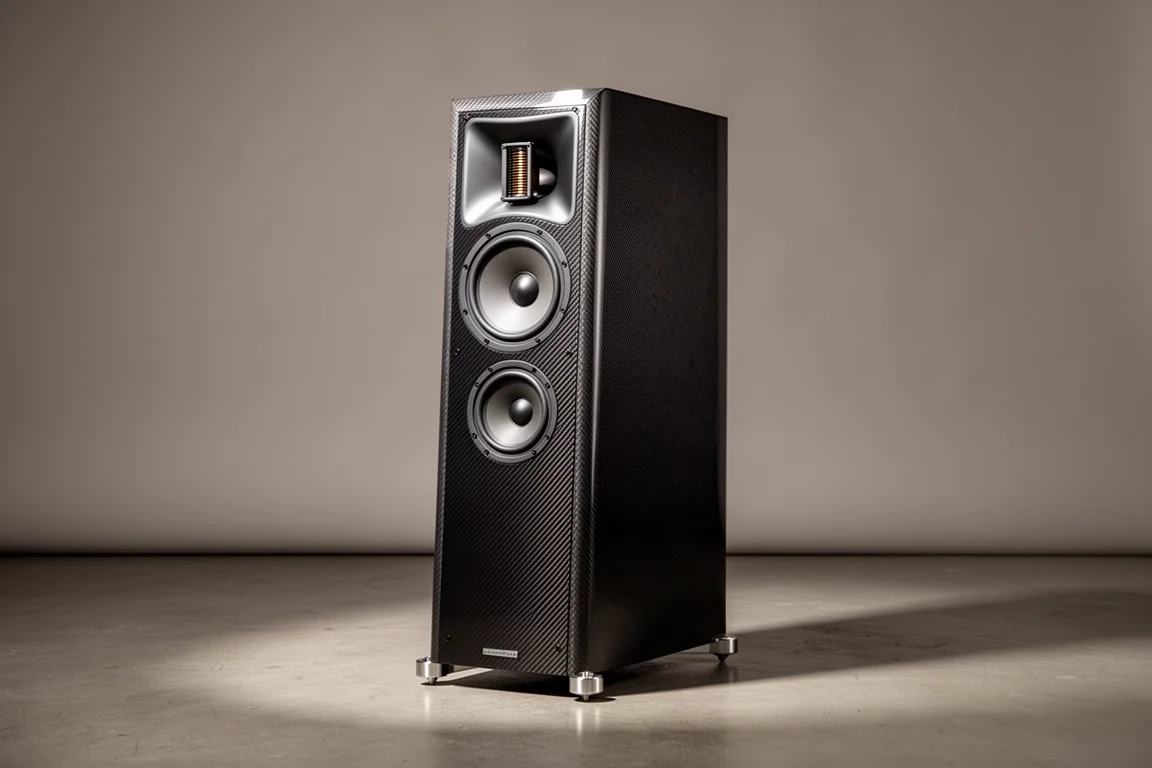
Borresen X2 Review: Deep Bass and a Warm Balance From a Slim Floorstander
A close look at the Borresen X2 loudspeaker: ribbon tweeter and carbon fiber drivers, bass below 30 Hz without a subwoofer, and how it behaves with solid state, integrated and tube amplification.
Loudspeakers
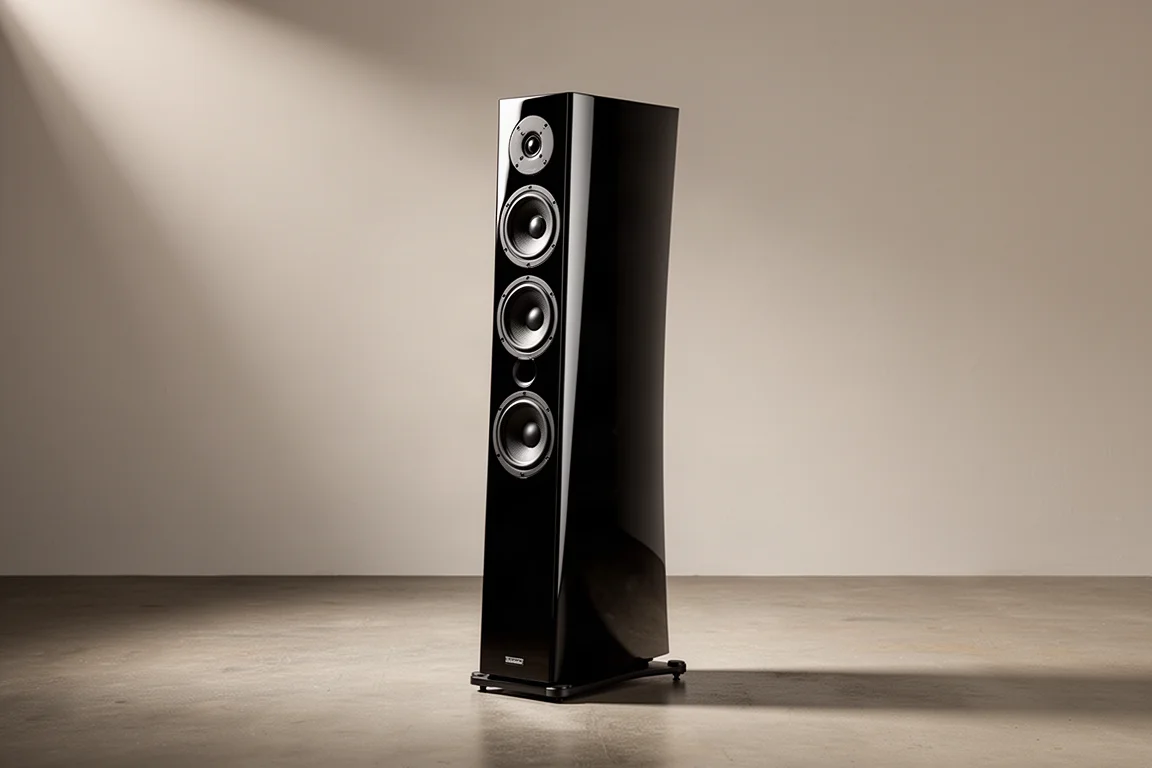
Borresen X3 Review: A Danish Floorstander Built Around Soundstaging
The Borresen X3 pairs a true ribbon tweeter and a slim Danish cabinet with remarkable imaging, fast transients, and a few practical trade-offs worth knowing before you buy.
Loudspeakers
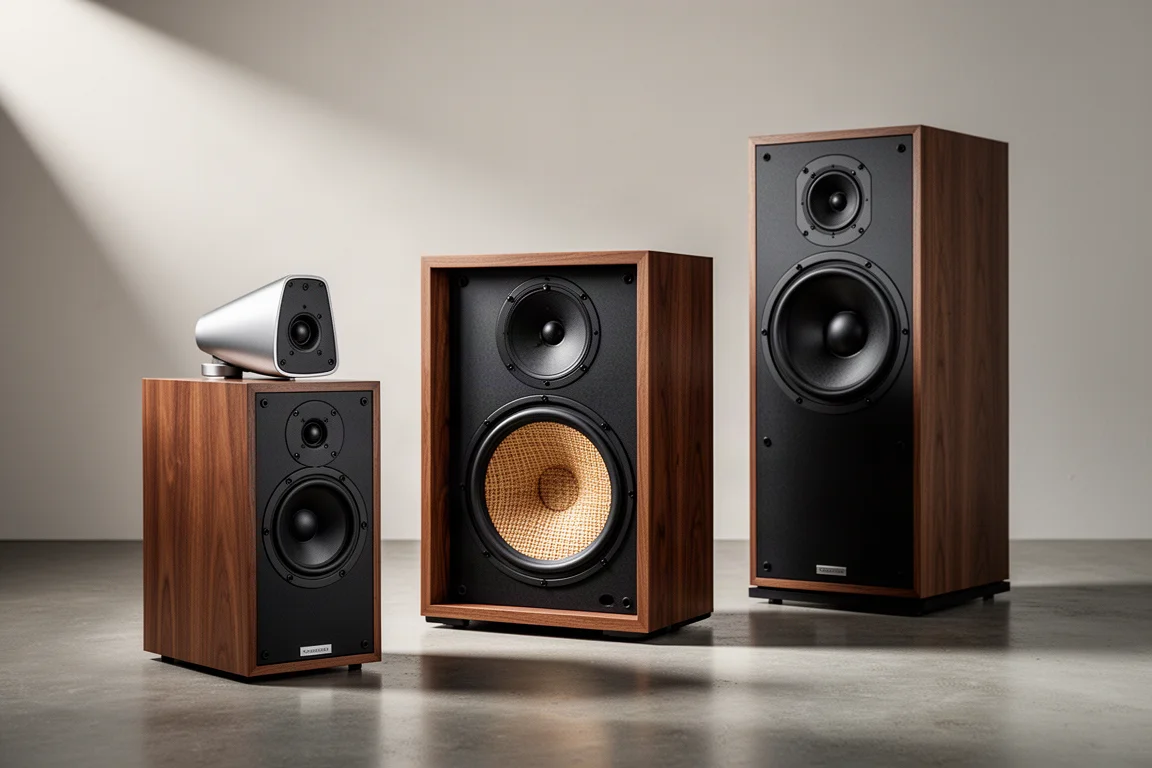
Bowers & Wilkins 705 S3 vs Wharfedale Linton vs Zu Audio DWX: Three Standmount Speakers Compared
A three-way standmount loudspeaker comparison covering the detail-led Bowers & Wilkins 705 S3, the value-focused Wharfedale Linton, and the dynamic Zu Audio DWX.