Floorstanding Speakers
Focal Evo X No.2 Review: Strong Bass and Midrange, Bright Treble to Manage
A three-way floorstanding tower with high sensitivity, low distortion, and satisfying bass, plus a bright top end that responds well to placement and equalization.
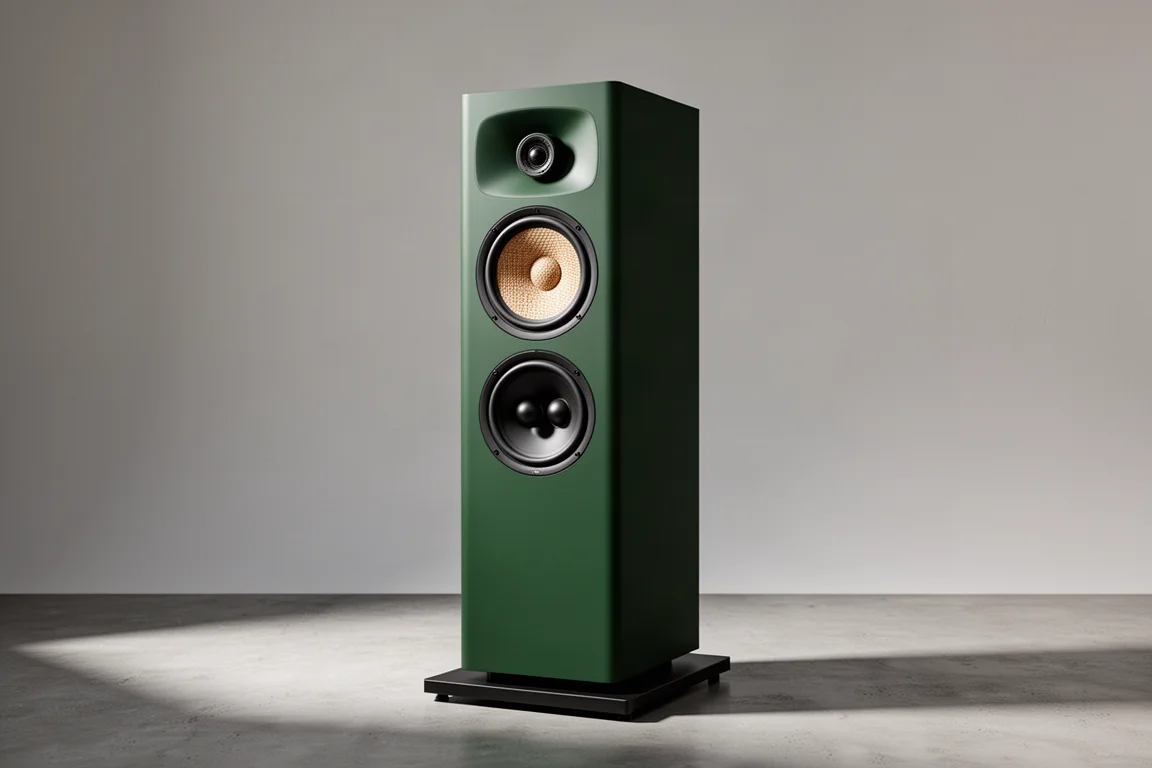
Introduction
The Focal Evo X No.2 is a three-way floorstanding loudspeaker priced at about $5,200 per pair. It combines a 6.5-inch flax midrange driver with dual 6.5-inch midbass drivers and an aluminum-magnesium inverted dome tweeter set into a relatively mild waveguide. At roughly 41 inches tall and about 55 pounds each, it is a substantial tower that asks for a capable amplifier and a room where it can breathe.
The short version: the midrange and bass are genuinely enjoyable, sensitivity is high, and distortion is low. The treble balance is the one thing to plan around, and it is a solvable problem.
Who the Focal Evo X No.2 Is For
This speaker makes the most sense for listeners building a system around a capable 4-ohm amplifier, and for anyone using it in a home theater setup or a stereo system where equalization is on the table. High sensitivity, low measured distortion, and solid bass output all point toward a tower that is easy to drive and easy to enjoy once the top end is brought under control.
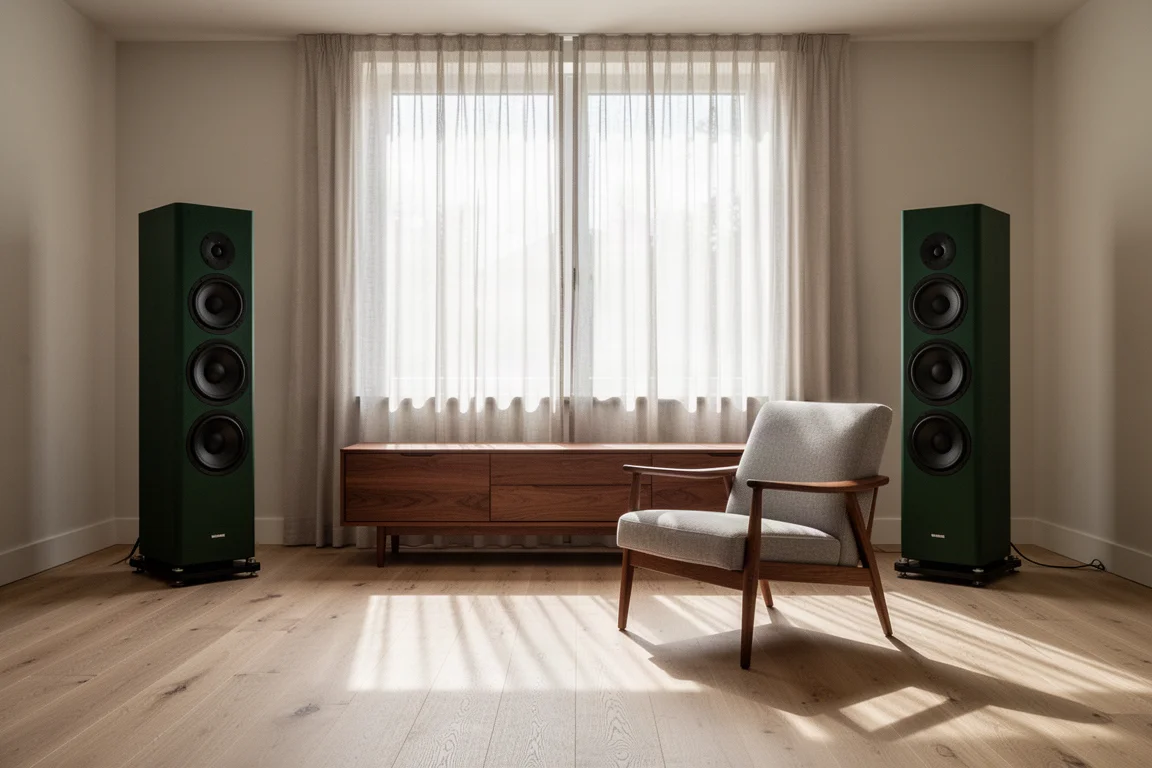
It is a less obvious match for listeners who want a strictly unprocessed stereo signal and a neutral top end straight out of the box. In that scenario, the tweeter level tends to dominate the presentation.
Main Strengths
Bass output, dynamic ease, and amplifier friendliness carry this design.
Midrange and Bass Character
Bass extension reaches an F3 of 50 Hz and an F10 of 38 Hz, which translates to useful in-room output down to roughly 40 to 50 Hz depending on the room and placement. Below that, a subwoofer is needed to reach 30 Hz. There is also a mild midbass lift between about 80 and 120 Hz that adds weight and a bit of thump, making the speaker feel as though it reaches lower than its extension figure alone would suggest.
The flax midrange is the highlight. Vocals and instruments carry real body, and the presentation stays easy to listen to across long sessions.
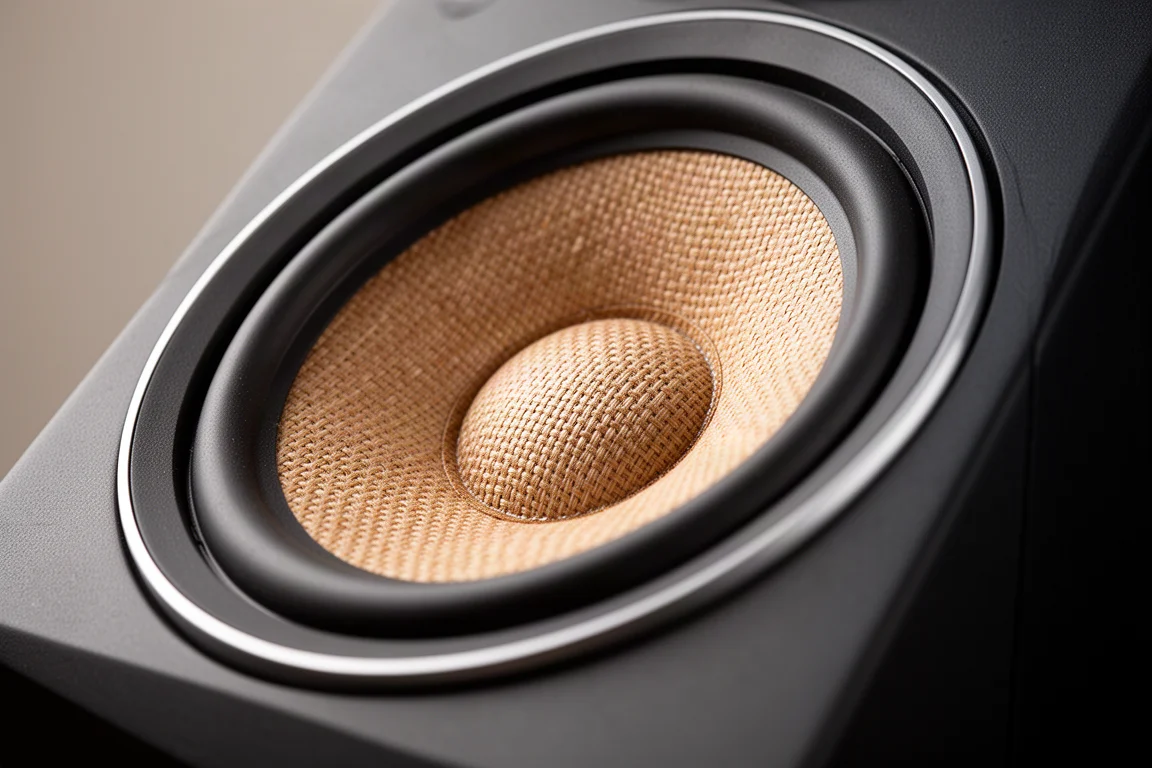
There is a small dip in the lower midrange, around 200 Hz, which tends to make male vocals sound slightly more subdued. Female vocals are less affected by it.
Sensitivity, Distortion, and Amplifier Friendliness
Recommended amplifier power is 40 to 250 watts, and the manufacturer states sensitivity at around 91 dB, with measured sensitivity at about 88.2 dB. That is strong for a tower. Harmonic distortion is low at both 86 dB and 96 dB, multitone distortion is low through the midrange, and crossing the speaker over to a subwoofer at 80 Hz changes very little, which suggests the drive units are already low in distortion on their own. Compression linearity is good overall, with one narrow area near 4.5 kHz that could sound like glare at very high playback levels.
Impedance is the other thing to know. It dips to about 3.4 ohms, the EPDR falls to roughly 1.4 ohms, and the midrange sits near 2 ohms. A solid 4-ohm capable amplifier is the sensible pairing, ideally one with low output impedance so the frequency response stays consistent. A high output impedance amplifier can shift the midrange response by two to two and a half dB.
Things to Consider Before Buying
Two areas deserve attention before you commit to this speaker.
Treble Balance and the Crossover Region
The tweeter runs noticeably hotter than the midrange, arriving roughly 5 to 6 dB above it. Combined with a dip that runs from about 1 kHz to 4 kHz, roughly two octaves wide, the result is a laidback upper midrange paired with a bright, sibilant top end. The dip itself is only about 1.5 to 2 dB deep, but its width is what removes attack and clarity from dialogue and instruments.
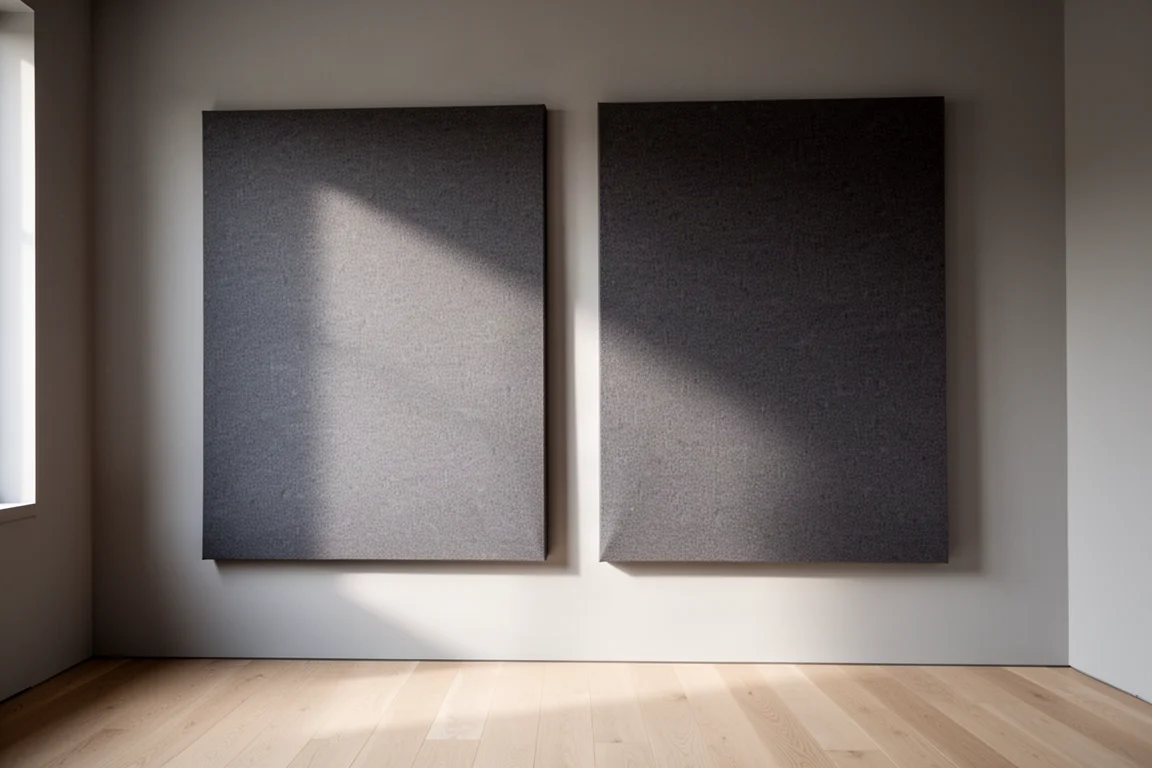
The horizontal radiation pattern shows the same discontinuity: the midrange narrows as it climbs while the tweeter’s output expands quickly once it takes over. The handoff between the two is smooth rather than abrupt, which helps, but the overall balance still leans bright. Vertical directivity is roughly plus or minus 15 degrees, so staying near the tweeter axis pays off. Sidewall absorption panels tamp down high frequency reflections and reduce treble energy at the listening seat.
Placement, Room Treatment, and Equalization
These speakers need their plinth. The supplied plinth bolts to the cabinet, lifts the base off the floor, and provides clearance for the port underneath, so setting them directly on the floor is not an option.
Positioning matters too. With the cabinets about 3 feet from the front wall, bass stayed clean. Moving them closer introduced a boomier low end that needed correction. Toe-in is a balancing act: aiming the speakers directly at the listening position made the tweeter too bright, while angling them out to about 20 degrees softened the top end but exposed more of the upper midrange and lower treble scoop.
Equalization works well here. A modest boost in the upper midrange and a reduction above roughly 5 kHz brings the response closer to neutral, and smoothing a few room-induced bass peaks cleans up the low end considerably. Expect some of the top-end liveliness to go away once you do this. Note that a boost around 4 kHz is harder to apply cleanly because of the mismatch between vertical and horizontal directivity in that region.
Buying Advice
Pair the Evo X No.2 with a good 4-ohm amplifier and be willing to spend time on placement, room treatment, or equalization, and it becomes a rewarding speaker with real strengths: high sensitivity, low distortion, satisfying bass, and a midrange that is easy to live with.
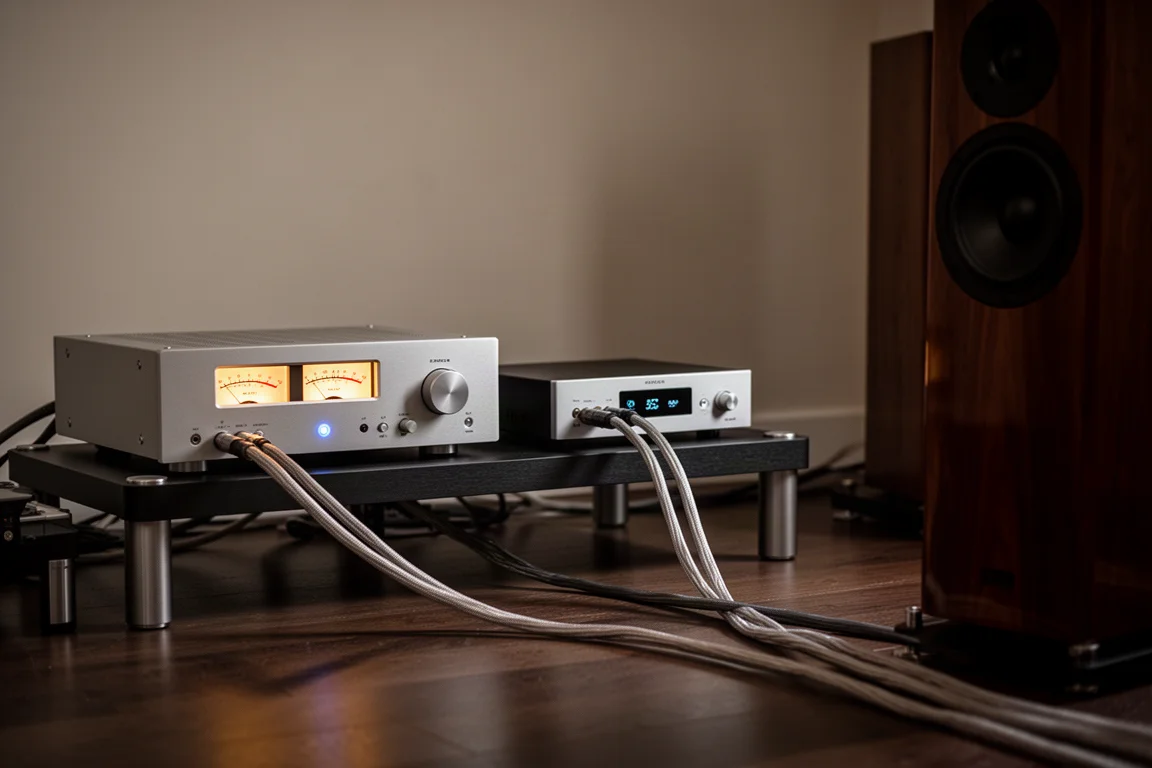
Run it straight from a preamp and power amp with no tone control at all and you should expect a bright top end. In a home theater role, or in a stereo system where a little digital correction is acceptable, it is a worthwhile consideration at its price point.
Conclusion
The Focal Evo X No.2 gets the fundamentals right: efficient, low in distortion, and strong through the bass and midrange. The tweeter level is the one characteristic to plan around, and it is manageable with the right room and setup. Buy it for the midrange, the bass, and the sensitivity, and budget some attention for the top end.
Product link
View more details for Focal Evo X No.2
This product is mentioned in the review. Check the specifications, options, and compatibility before buying.
View more details for Focal Evo X No.2Further reading
Related Reviews
Floorstanding Speakers
Acoustic Energy AE109 Mark II Review: A Refined Floorstander at £699
The Acoustic Energy AE109 Mark II is a slim, warm sounding floorstander that delivers clarity, midrange body and strong imaging in small to medium rooms.
Floorstanding Speakers
Acoustic Energy AE509 Review: A Slim Floorstander With Deep, Defined Bass
A practical look at the Acoustic Energy AE509, a slim floorstanding speaker with carbon fibre drivers, deep and well-defined bass, and an easy-going character that rewards careful system matching.
Floorstanding Speakers
Arendal 1528 Tower 8 Review: Reference Neutrality With Real Demands
A close look at the Arendal 1528 Tower 8, a nearly five-foot, 200-pound floorstander that rewards generous space, serious power, and high listening levels with reference-grade neutrality.