Floorstanding Speakers
Focal Aria K2 936 Review: A Neutral, High-Sensitivity Tower Speaker
The Focal Aria K2 936 pairs a five-driver tower design with 92 dB sensitivity and a smooth off-axis response. Here is what to know before you buy.
Introduction
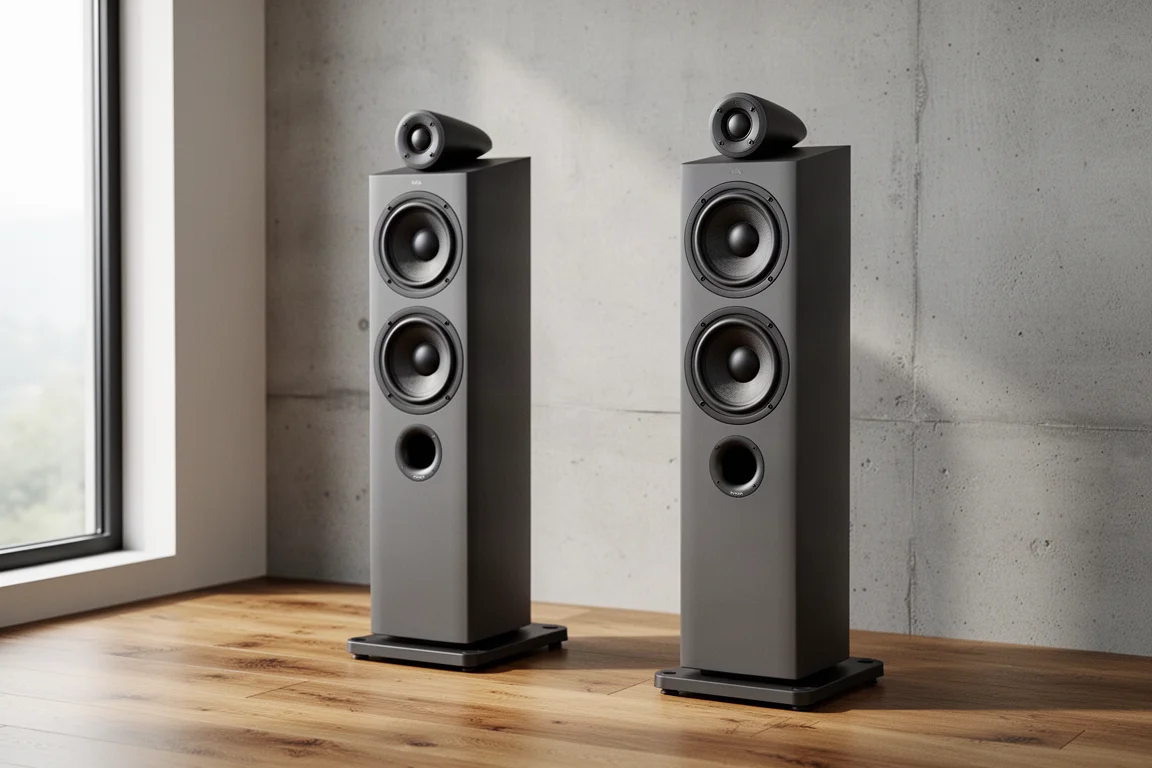
The Focal Aria K2 936 is a five-driver floorstanding loudspeaker that sits in the more attainable part of Focal’s range, below the Kanta and Sopra lines, while still borrowing much of the design language that makes those speakers recognizable. The K2 version builds on the earlier Aria 936, which used flax cone drivers, and moves to a revised cone material along with a reworked driver package.
At $6,600 per pair, the K2 936 costs roughly $600 to $700 more than the original 936 it replaces at the top of the Aria family. That places it firmly in serious audiophile territory, where buyers reasonably expect a speaker to combine high output, low coloration, and a cabinet that looks at home in a living space. This review covers what the speaker does well, where it asks for compromises, and how to decide whether it belongs in your room.
What the Focal Aria K2 936 Is
The K2 936 is a three-way tower built around five drivers: three 6.5-inch bass drivers, a dedicated 6.5-inch midrange, and a 1-inch inverted dome tweeter. The tweeter uses an aluminum and magnesium dome, a combination chosen to push the driver’s breakup mode above the audible range so the top end stays smooth rather than sharp.
The midrange is its own driver rather than a repurposed woofer. It carries a dust cap shaped like a phase plug, and its larger 6.5-inch diameter extends low-frequency output while raising sensitivity. Because of that, crossover points fall at roughly 260 Hz and 3 kHz, which keeps crossover circuitry out of the critical midrange band and helps produce a flat, even response through the region where voices and most instruments live.
The K2 cone material is a hybrid of fiberglass and another material that Focal says controls resonances and pushes breakup modes beyond the driver’s operating bandwidth. Cabinet dimensions are 45 inches tall, 9 inches wide, and 14.5 inches deep, with a weight of 64 pounds per speaker. Two ports fire forward and one fires downward, and the base plinth serves a dual purpose: it stabilizes the tall cabinet and sets the correct spacing between the floor and the down-firing port. A glass-like top plate, radiused cabinet edges, and a logo at the base give the speaker a finished, furniture-grade appearance.
Published specifications list a frequency response of plus or minus 3 dB from 39 Hz to 28 kHz, sensitivity of 92 dB at 2.83 volts per meter, a nominal impedance of 8 ohms with a claimed minimum of 2.8 ohms, and power handling up to 300 watts.
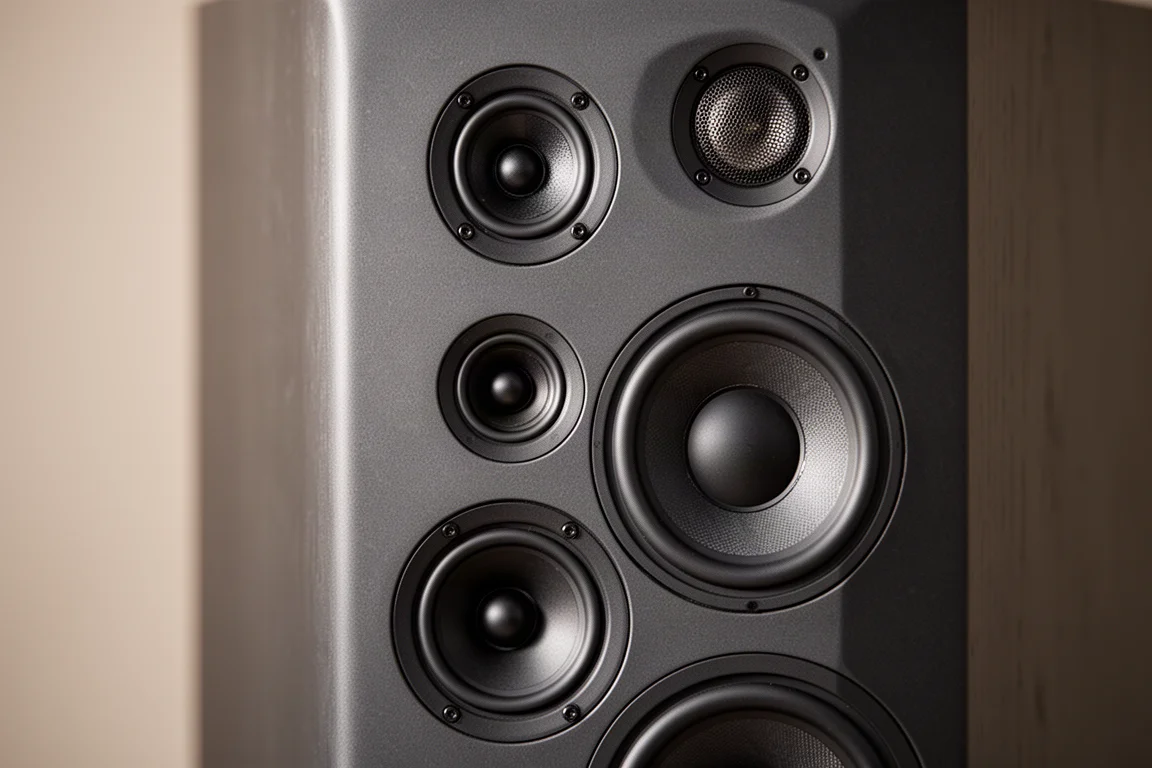
The speaker uses a single pair of binding posts, so it is neither bi-wirable nor bi-ampable. For most owners that is a non-issue. Passive biamping delivers marginal gains, and a speaker at this price point is usually driven by a capable amplifier anyway.
Who This Speaker Is For
The K2 936 makes the most sense for listeners with a larger room who want high output, low distortion, and a neutral tonal balance rather than a wall of low bass. It suits two-channel systems and home theater setups alike, particularly ones that already include one or two powered subwoofers.
Plan on sitting roughly seven to eight feet from the speakers to get proper driver summation. It is also a strong fit for anyone who wants a speaker that responds predictably to room correction or manual EQ, since a linear speaker with consistent off-axis behavior gives EQ something useful to work with.
Main Strengths
Three qualities stand out when the K2 936 is assessed as a complete design: its measured behavior, its efficiency, and the way it is put together.
Neutral, Well-Behaved Response
Measured outdoors at a two-meter distance to remove room effects, the speaker shows a smooth, continuous response on and off axis. There is mild beaming above roughly 8 to 10 kHz, which is normal for a dome tweeter without a large waveguide, but the overall shape stays consistent rather than swinging between peaks and dips.
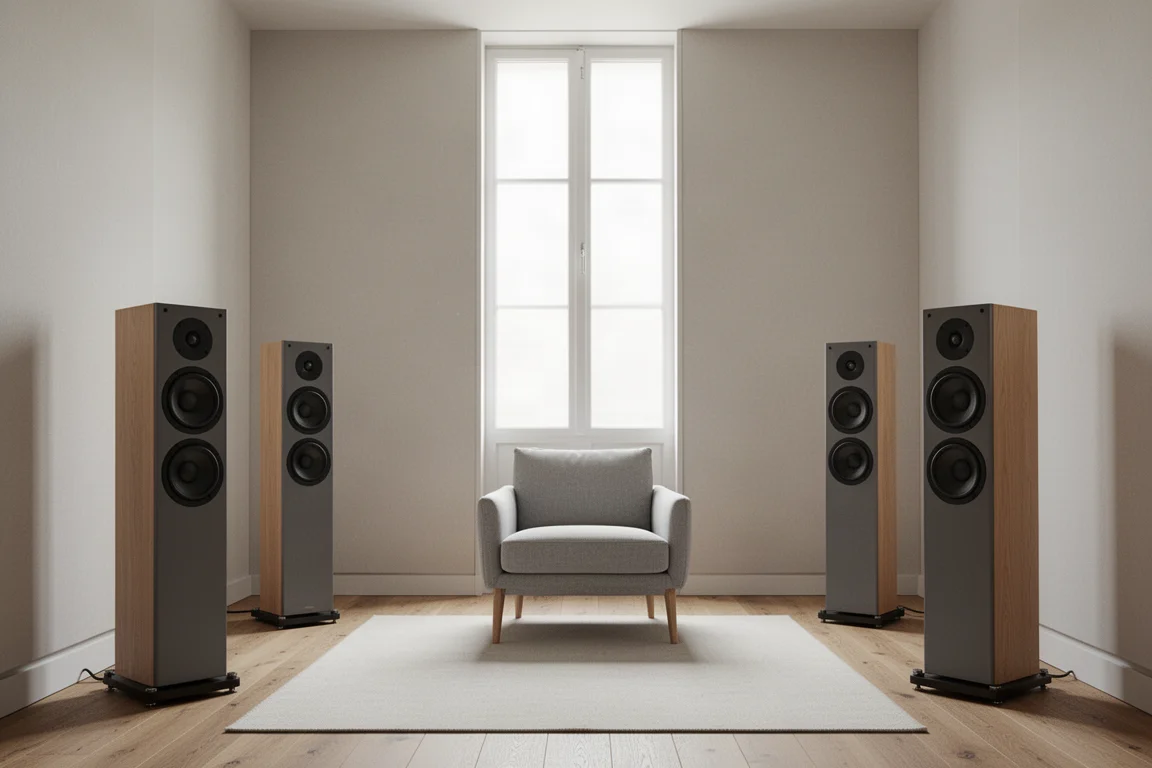
Vertical dispersion holds up well within about 10 degrees above and below the tweeter axis, and horizontal response stays consistent out to around 40 degrees. In practice that means a slight toe-in toward the listening position pays off, and listeners seated off-center still get a coherent sound. Because the reflections arriving from the side walls share the same tonal character as the direct sound, the speaker does not demand heavy acoustic treatment. In many rooms those reflections add width to the soundstage rather than smearing it.
One practical note: the grille introduces combing effects that smooth out once it is removed. Listen with the grille off for critical sessions, and keep it on only when the drivers need protection.
High Sensitivity and Dynamic Range
At 92 dB at 2.83 volts per meter, the K2 936 is a few decibels more sensitive than the typical tower with a similar driver complement, which usually lands between 88 and 90 dB. That extra efficiency translates directly into headroom: the speaker plays louder on a given amount of amplifier power, and it stays clean at high output levels.
Focal appears to have traded some deep bass extension for that efficiency, a reasonable choice for a speaker likely to be used in home theater systems where subwoofers handle the lowest octaves. The result is a tower that sounds powerful and composed rather than one that tries to pressurize a room on its own.
Build Quality and Design
The cabinet feels heavy and rigid, which matters for a tall tower that has to stay quiet under high drive levels. The plinth adds stability and gives the down-firing port the clearance it needs. The glass top plate and radiused edges carry over design cues from the more expensive Kanta line, and small touches like the logo at the base and the name on the top plate add to the sense of ownership.
A matching center channel and surround speakers are available in the same series, which makes it straightforward to build a consistent multichannel system around the towers.
Room Placement and Amplification
The impedance curve is the detail that should shape your amplifier plans. Although the nominal rating is 8 ohms, the speaker dips to roughly 2.5 to 3 ohms in the region between 100 Hz and a couple hundred hertz, exactly where an amplifier is asked to deliver a lot of current. That behavior places real demands on the amp.
Aim for 150 to 200 watts per channel from something stable into 4 ohms, and avoid pairing a speaker at this level with an entry-level receiver. If your receiver has preamp outputs, adding a dedicated power amplifier is the cleaner path. Sensitivity is high enough that a mid-level receiver will usually cope, but the speaker rewards good amplification with better control and a more open sound.
Things to Consider Before Buying
Low-frequency extension is the main compromise. The response begins rolling off at around 50 Hz and falls away more steeply than you might expect from a tower of this size. Room gain fills in some of that, and the speaker still delivers clean, hard-hitting bass at high output, but it is not a design that will shake the house on its own.
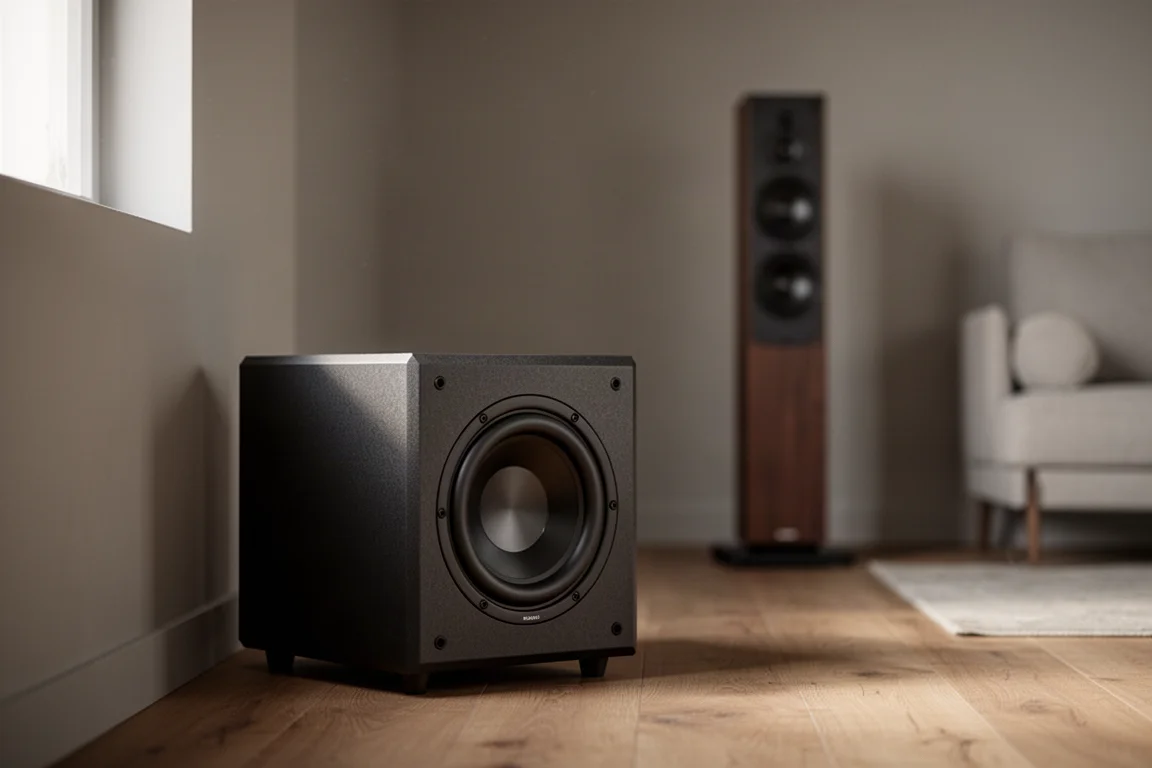
For full-range listening, plan on adding one or two powered subwoofers. Two subwoofers are generally preferable to one because they even out seat-to-seat consistency and give bass a more natural, fluid character. Choose subwoofers with strong transient response and plenty of output to match the tower’s dynamic capability.
Placement is the second consideration. The speaker needs a larger room to sound its best, and its response is less consistent at angles below the tweeter axis, so very close or very low seating positions are not ideal. If your listening space is small or your seat sits well below the tweeters, this may not be the right match.
Buying Advice
At $6,600 per pair, the K2 936 competes with a well-known group of large towers, including the KEF R11, the Bowers & Wilkins 702 S2, the Aerial Acoustics 6T, the Polk Audio Legend L800, and the Revel F226Be, among others. If you are shopping at this price, auditioning more than one option is worth the effort, because the differences come down to bass extension, room fit, and tonal preference rather than any single measurement.
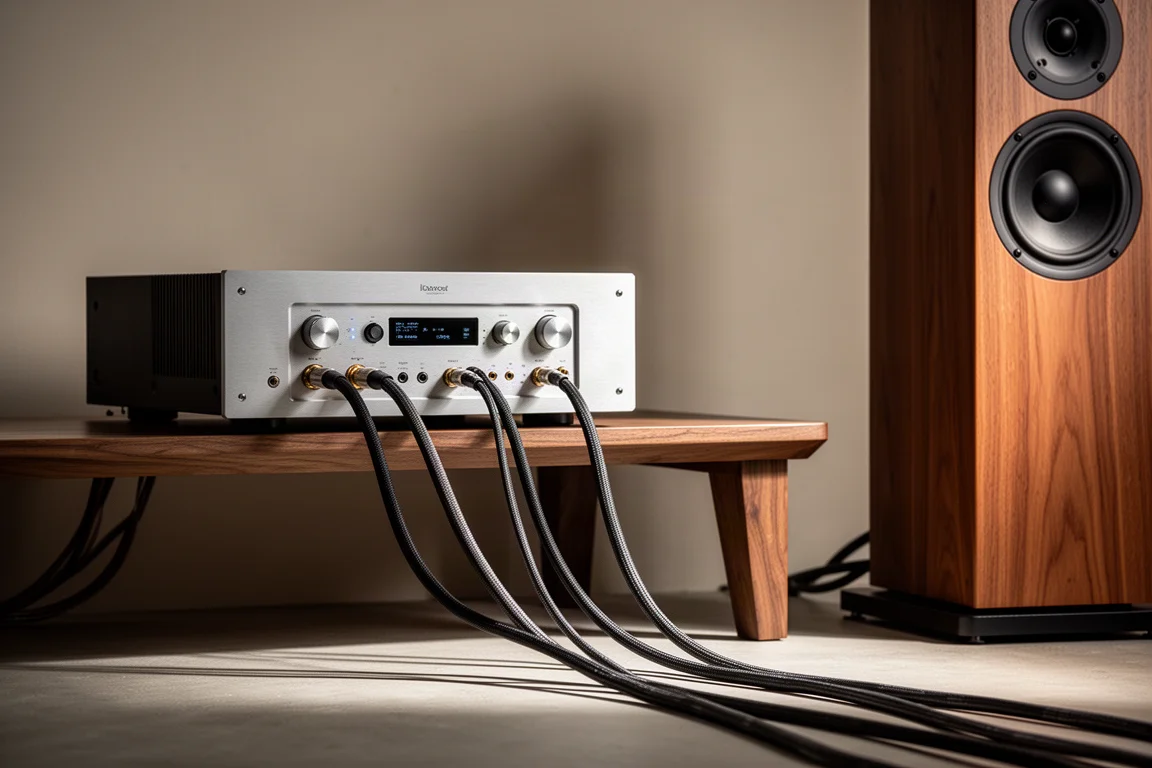
Budget for amplification as part of the purchase, not as an afterthought. Money spent on a stable 150 to 200 watt per channel amplifier shows up in dynamics and control, and it lets the speaker reach its potential rather than run out of steam.
It also helps to decide early whether you are building a two-channel system or a multichannel one. The availability of a matching center channel and surrounds makes the multichannel path simple, and the speaker’s efficiency suits home theater use well.
Conclusion
The Focal Aria K2 936 is a stylish, powerful tower that trades some low-frequency extension for higher sensitivity and a wide dynamic range. Its on and off axis response is accurate at or just above tweeter height and stays consistent from roughly 10 to 30 degrees off axis. A high-mounted tweeter and less consistent response below that axis mean it suits larger rooms where listeners sit well back and roughly level with the drivers.
For Focal fans, the character is familiar: neutral, composed, and never fatiguing. Pair it with one or two capable subwoofers and a stout amplifier, and it delivers a full-range, high-output system that works as well for movies as it does for music.
Product link
View more details for Focal Aria K2 936
This product is mentioned in the review. Check the specifications, options, and compatibility before buying.
View more details for Focal Aria K2 936Further reading
Related Reviews
Floorstanding Speakers
Acoustic Energy AE109 Mark II Review: A Refined Floorstander at £699
The Acoustic Energy AE109 Mark II is a slim, warm sounding floorstander that delivers clarity, midrange body and strong imaging in small to medium rooms.
Floorstanding Speakers
Acoustic Energy AE509 Review: A Slim Floorstander With Deep, Defined Bass
A practical look at the Acoustic Energy AE509, a slim floorstanding speaker with carbon fibre drivers, deep and well-defined bass, and an easy-going character that rewards careful system matching.
Floorstanding Speakers
Arendal 1528 Tower 8 Review: Reference Neutrality With Real Demands
A close look at the Arendal 1528 Tower 8, a nearly five-foot, 200-pound floorstander that rewards generous space, serious power, and high listening levels with reference-grade neutrality.