Floorstanding Speakers
Focal Aria Evo X No.2 Review: A Calmer, More Refined Focal Tower
The Focal Aria Evo X No.2 pairs a fast inverted dome tweeter with a noticeably calmer top end. Here is what it does well, where upper bass energy can get in the way, and who should consider it.
Introduction
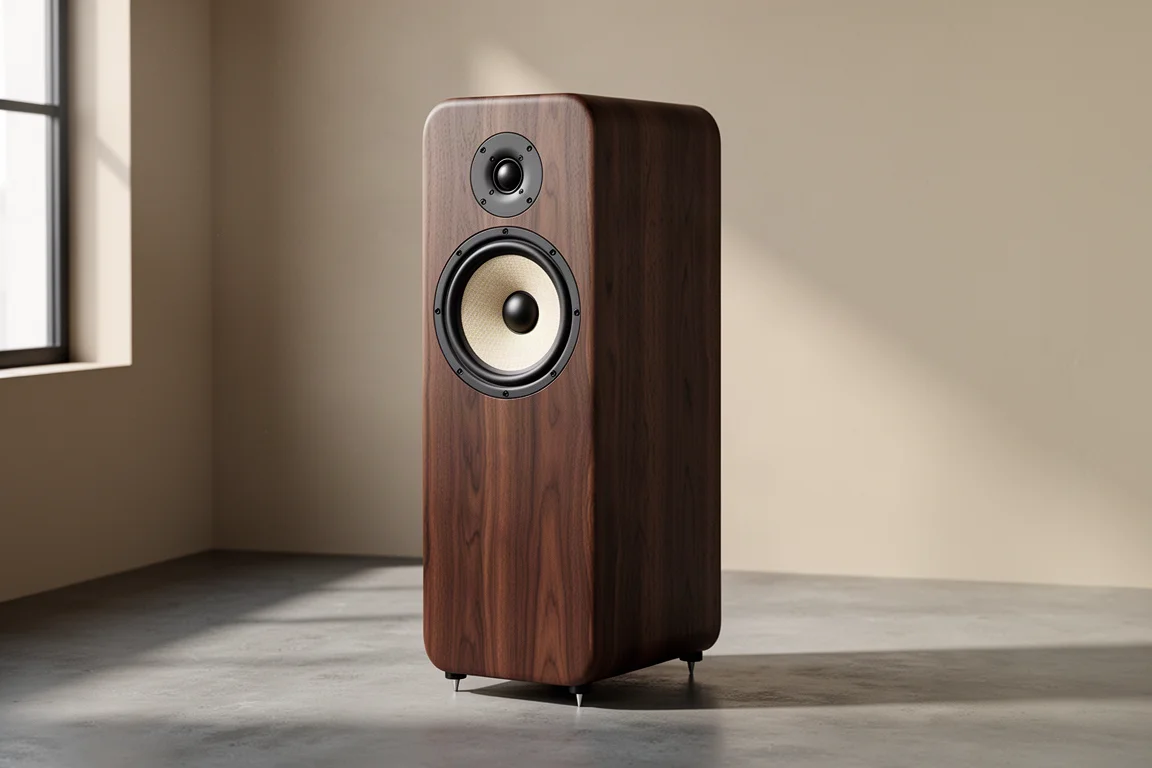
Focal built a reputation on a bright, energetic top end, and plenty of listeners avoided the brand for exactly that reason. The Aria Evo X No.2 is one of the clearest signs that the voicing has moved on. It is a tall floorstanding tower with a flax-fibre driver complement and an inverted dome tweeter, and in a normal room it lands noticeably calmer than the older Focal sound while keeping a little of the liveliness that made the brand fun in the first place.
This review covers what the speaker does well, where its bass behaviour can get in the way, how it fits into an already crowded Focal range, and who should think twice before buying.
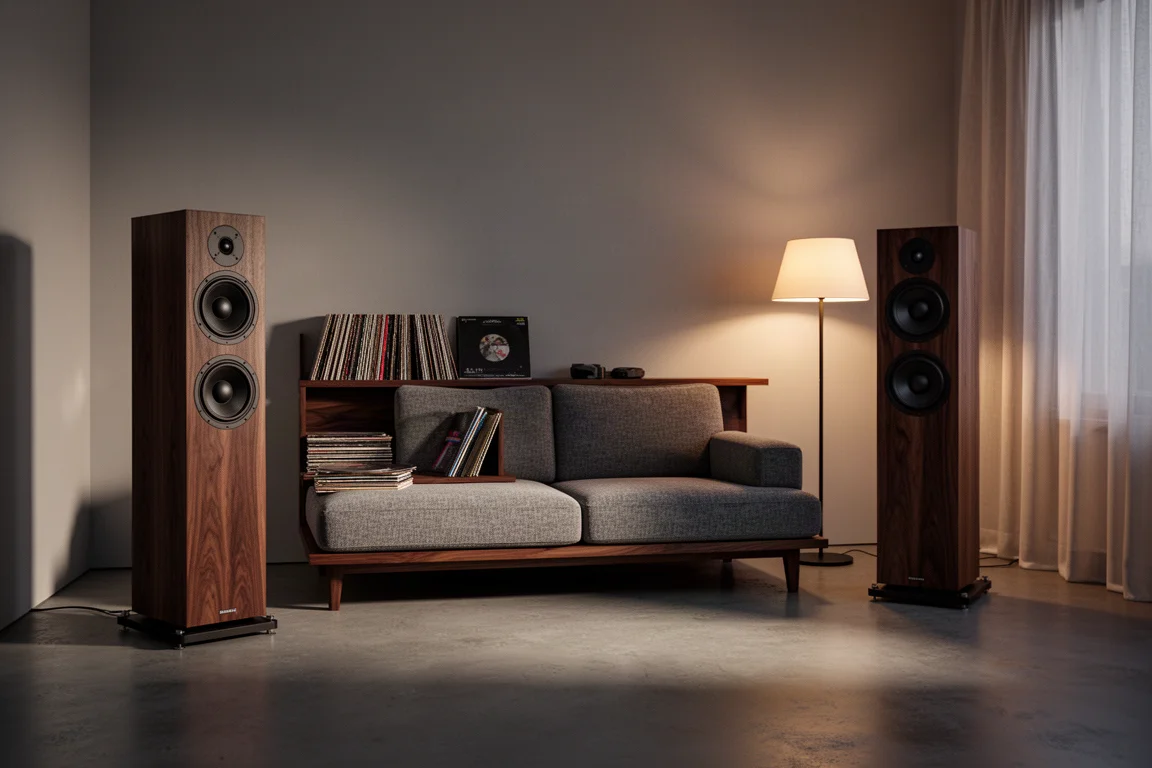
The short version: this is a detailed, refined tower that is easy to listen to for long sessions, and it responds predictably to tone controls and room correction. The main thing to plan for is a lift in the upper bass that can read as resonance in some rooms.
Who the Aria Evo X No.2 Is For
The Aria Evo X No.2 suits listeners who want detail and refinement more than raw excitement. If you have skipped Focal in the past because of a bright, tipped-up treble, this generation is worth a fresh audition, because the top end has been dialled back and the result is a speaker that stays composed over long listening sessions.
It is also a strong candidate for a mixed music and film system, since the Evo line includes a matching centre channel and these towers handle cinematic material well.
It is less suited to listeners who want maximum punch and dynamic immediacy. The Kanta models in the same range come across brighter, punchier and more dynamically efficient, and owners who love that contrast may find the Aria Evo X No.2 a touch polite by comparison. Listeners with a strong sensitivity to energy in the upper bass should also plan for room correction or careful placement rather than expecting a plug-and-play result.
Main Strengths: A More Refined Focal Sound
The headline change is the treble. The Aria Evo X No.2 uses an inverted dome tweeter, and the new Aria generation adds tuned mass damping to the design. The older, harder edge is largely gone, and the speaker stays free of harshness or ringing even when pushed hard. Material played at punishing levels never tipped into the kind of glare that makes a long session tiring.
That composure holds up under measurement as well. In-room sweeps taken at 65, 75, 85, 95 and 105 dB produced a consistent frequency response and a consistent distortion character, so there is no obvious compression creeping in as the volume rises, especially at the top of the range.
Detail retrieval is the other strength. Busy mixes come across with more separation between instruments, and quieter production touches sit further forward than they do on more budget-oriented designs. That extra information can feel unusual at first, almost as if a familiar track is playing slower, because there is simply more to process. It is not a timing change, it is added definition, and for most listeners it is the reason to step up to this class of speaker.
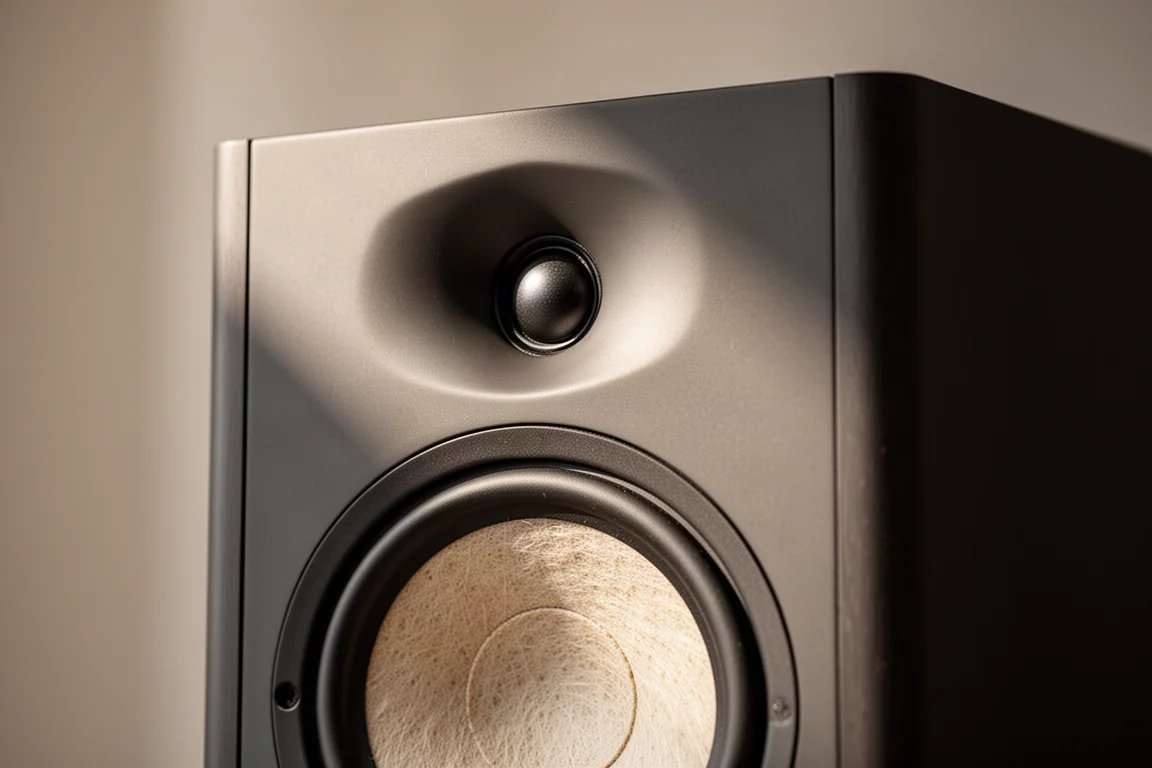
Where the speaker is especially strong is the way it balances that detail with restraint. Nothing in the presentation feels artificially sharpened, and nothing feels smoothed over either, which makes it an easy tower to live with across jazz, acoustic material, electronic music and film scores.
Bass Energy, Resonance and Room Interaction
Bass output is deliberately moderate rather than showy. Against punchier rivals, the Aria Evo X No.2 sounds a little more subdued in the low end, and it does not deliver the same physical thump as some competitors. Think of it as a middle ground: more weight than a slim bookshelf, less aggression than a bass-forward tower.
There is an injection of energy in the region around 60 to 100 Hz, which is where many speakers add a lift to create a sense of scale. In some rooms that lift reads as resonance rather than bass, and it can take a while to notice, since it does not show up in a short audition with unfamiliar music. It is not cabinet rattle, and it is not a defect. It is a bump that interacts with room gain.
The good news is that the speaker responds to correction in a linear and predictable way. Pulling the low end back with tone controls changed the character cleanly, and bass management through a receiver or processor cleaned up the resonance noticeably, to the point where dialogue intelligibility improved dramatically. If you are willing to tune, the behaviour is manageable. If you want a speaker that behaves perfectly in a bare room without any adjustment, hear it first.
Where the Aria Evo X No.2 Sits in the Focal Lineup
Focal’s range now spans several closely spaced families, and the Aria Evo X line sits in the middle of it. The new models borrow their physical design language from the Aria line while using flax drivers similar to the ones found further up the range, which makes them feel like a blend of two families rather than a clean replacement for either.
Comparing in-room measurements, there is no night and day difference between the Vesta line and the Aria Evo X models from the midrange upward, since both use related tweeter technology, with the Vesta generation omitting the newer tuned mass damping. The tower format adds noticeably more bass weight and impact, and that is where most of the audible gap comes from. Whether that gap justifies the price difference depends on your room and your priorities, and for existing Vesta owners the upgrade case is not automatic.
Against Kanta, the picture is clearer. Kanta models come across brighter, punchier and more dynamically efficient, with a greater sense of immediacy. The Aria Evo X No.2 trades some of that contrast for a more linear, more refined presentation. Neither approach is better in absolute terms, but they suit different tastes.
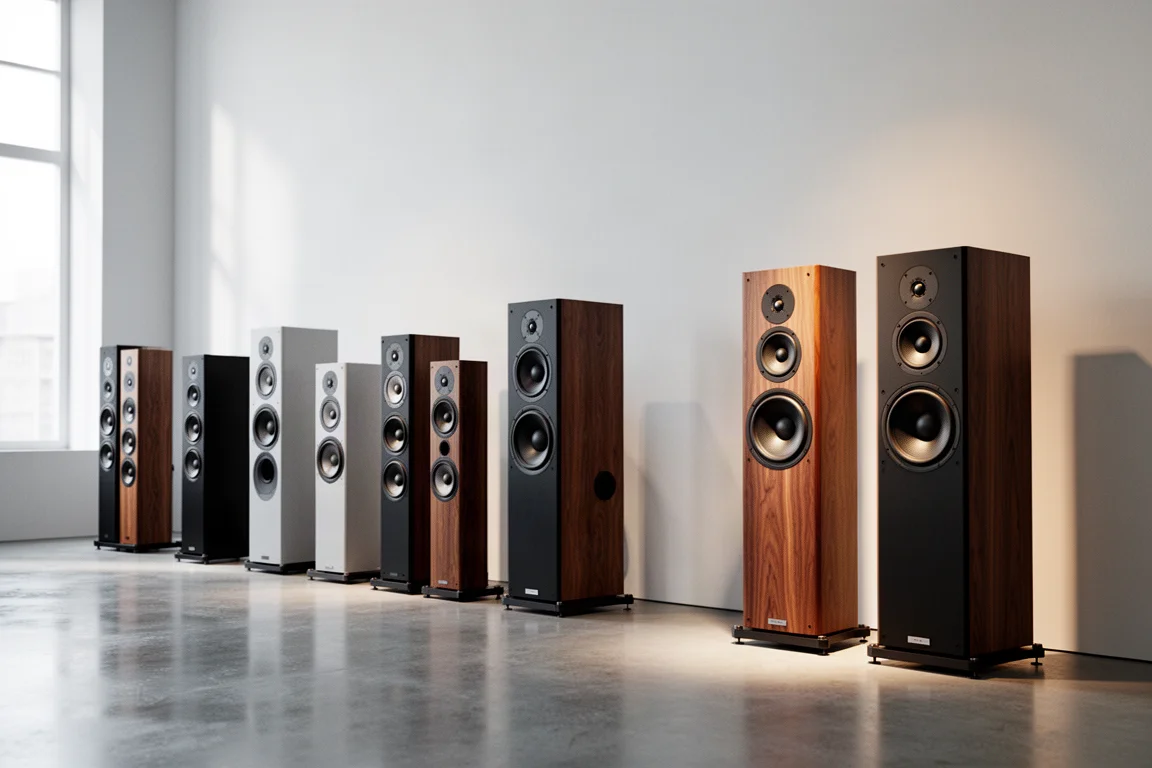
It is also worth noting that the price step up from the Vesta towers to the Aria Evo X No.2 is significant rather than marginal. Buyers comparing the two should listen to both if they can, because the differences are gradual rather than dramatic, and the more expensive option is not automatically the better match for a given room.
Home Cinema and Dialogue Intelligibility
For film, the Aria Evo X No.2 is genuinely enjoyable. The matching centre channel from the Evo line integrates well, and the system has plenty of scale for action material. Paired with a capable subwoofer, the towers deliver a big, engaging presentation without strain.
Dialogue is the area that needs attention. Because of the upper bass lift, listeners who are sensitive to that region may find some resonance competing with speech intelligibility, particularly in a room with limited acoustic treatment. Bass management and room correction address most of it, and the improvement is substantial rather than subtle.
If you plan to run a phantom centre instead of a dedicated centre channel, treat that as a tuning project rather than a shortcut. Getting the low end under control first makes the biggest difference to how clearly dialogue comes through, and the results are much better once that step is done.
Buying Advice
Audition this speaker if your last experience with the brand was several years ago. The voicing has moved on, and the difference is large enough that an old impression is not a reliable guide.
If you know you are sensitive to energy in the upper bass, budget for room correction, tone controls or a subwoofer with proper bass management. The speaker takes adjustment well, and a small amount of tuning transforms how it behaves in a normal living room.
If maximum punch and dynamic contrast are what you are chasing, listen to the Kanta models before deciding. If detail, composure and a refined treble are the priority, the Aria Evo X No.2 is a convincing choice, and it works well in a mixed music and film system with the matching centre channel.
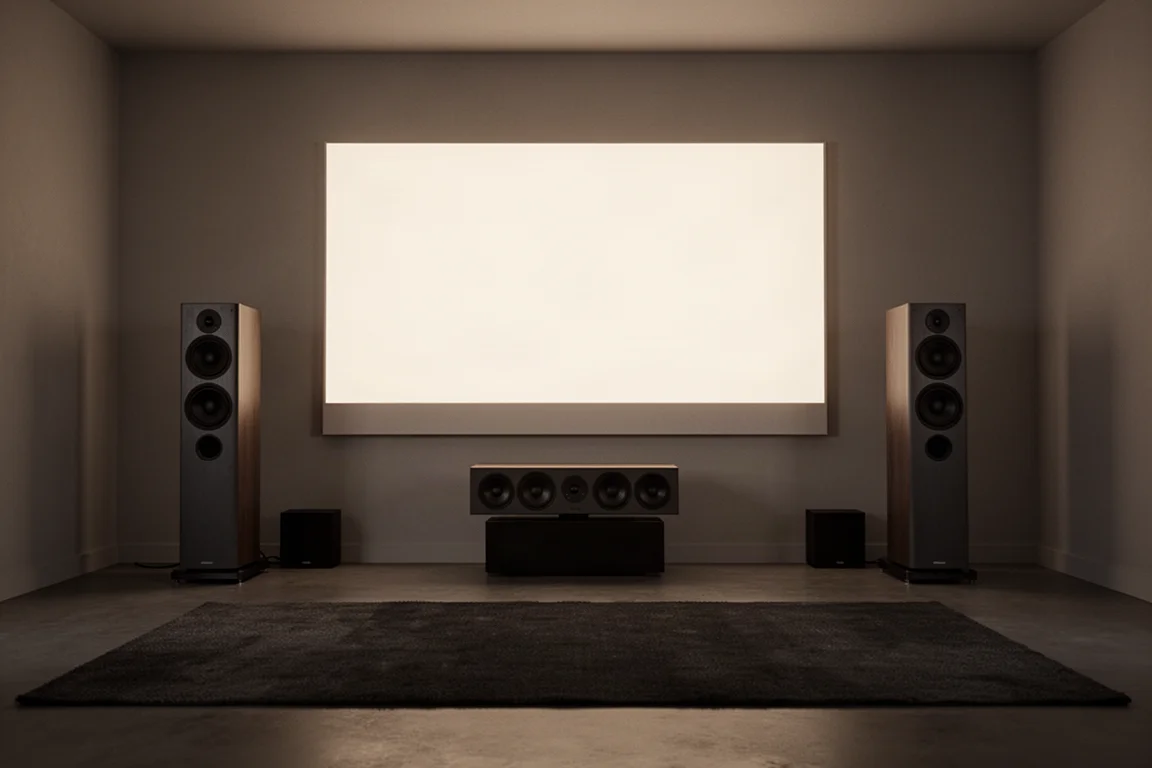
Finally, give some thought to where it sits in the range. With several Focal families priced close together, it is worth mapping out the alternatives before committing, and worth confirming that the tower format and the extra bass weight are what you actually want rather than a smaller model paired with a subwoofer.
Conclusion
The Focal Aria Evo X No.2 is a well-judged tower for listeners who want detail without fatigue. The inverted dome tweeter is fast and clean, the tuned damping keeps harshness out of the equation, and the in-room behaviour stays consistent from moderate volumes all the way up to punishing levels.
Its compromises are equally clear. The bass lift around 60 to 100 Hz can turn into resonance in some rooms, and the speaker is not the punchiest option at its level. Handled with tone controls, room correction or a subwoofer, both concerns become manageable, and what is left is a refined, engaging floorstander that is easy to recommend for music and film alike.
Product link
View more details for Focal Aria Evo X No.2
This product is mentioned in the review. Check the specifications, options, and compatibility before buying.
View more details for Focal Aria Evo X No.2Further reading
Related Reviews
Floorstanding Speakers
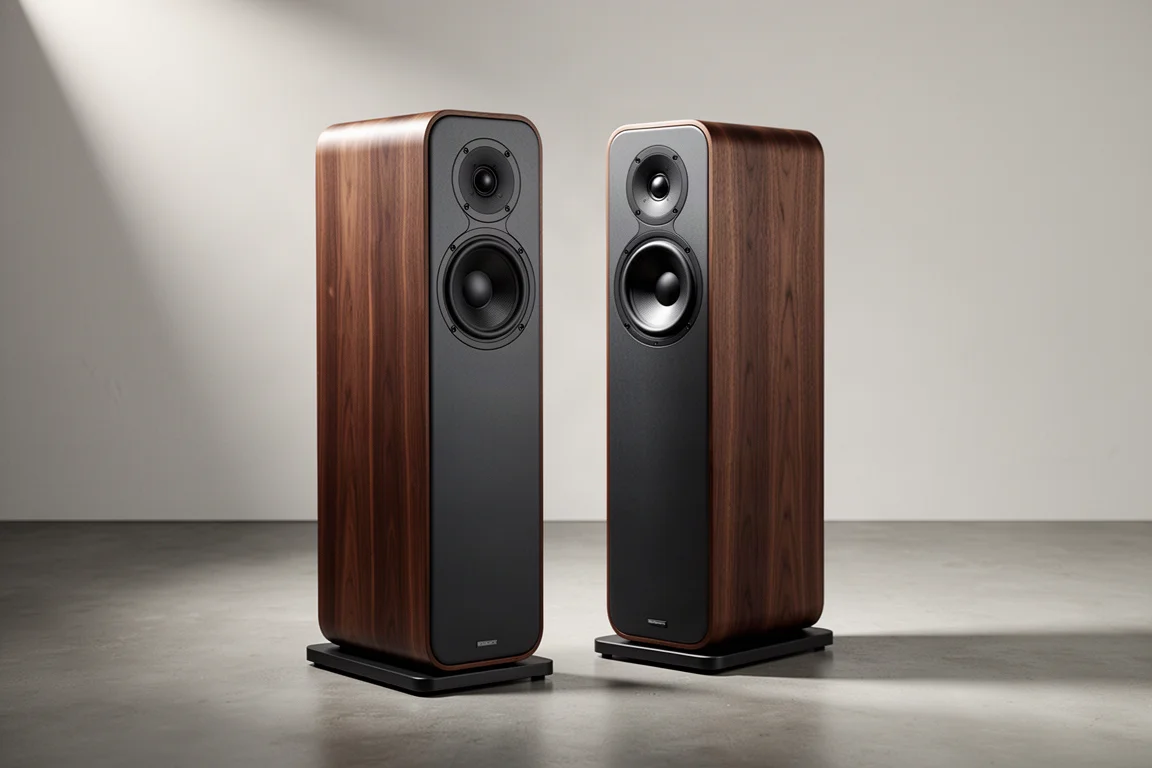
Acoustic Energy AE109 Mark II Review: A Refined Floorstander at £699
The Acoustic Energy AE109 Mark II is a slim, warm sounding floorstander that delivers clarity, midrange body and strong imaging in small to medium rooms.
Floorstanding Speakers
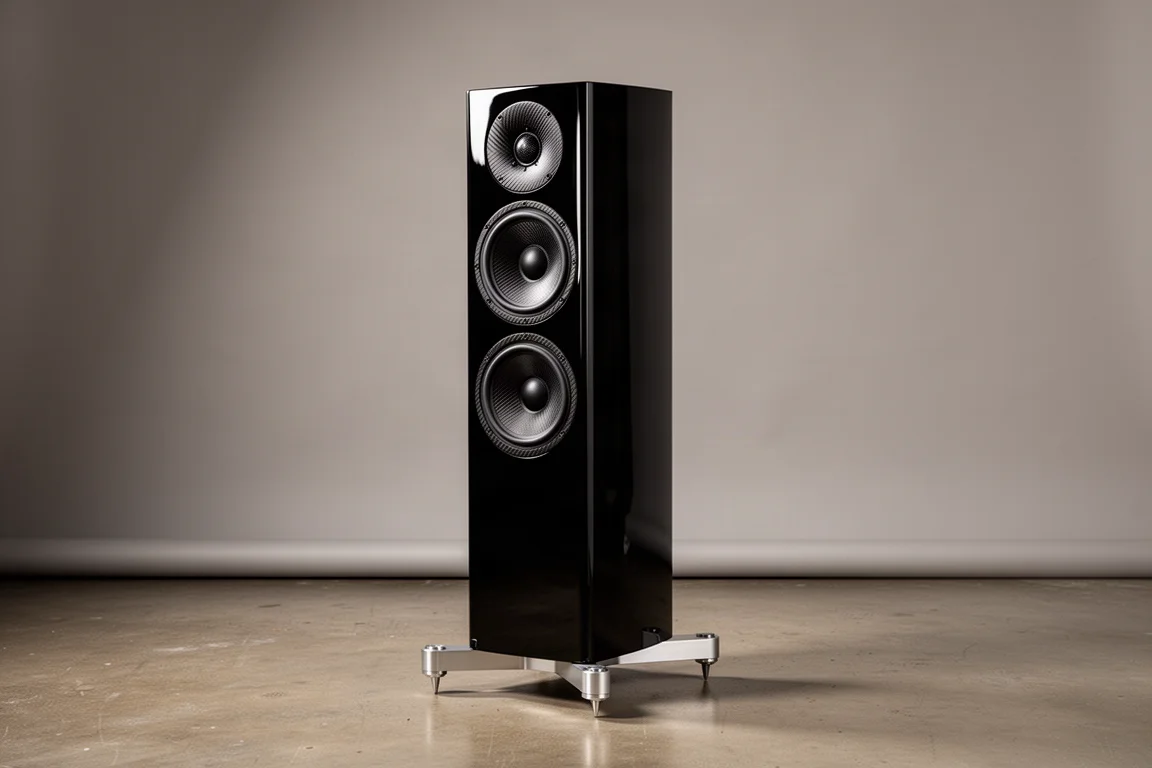
Acoustic Energy AE509 Review: A Slim Floorstander With Deep, Defined Bass
A practical look at the Acoustic Energy AE509, a slim floorstanding speaker with carbon fibre drivers, deep and well-defined bass, and an easy-going character that rewards careful system matching.
Floorstanding Speakers
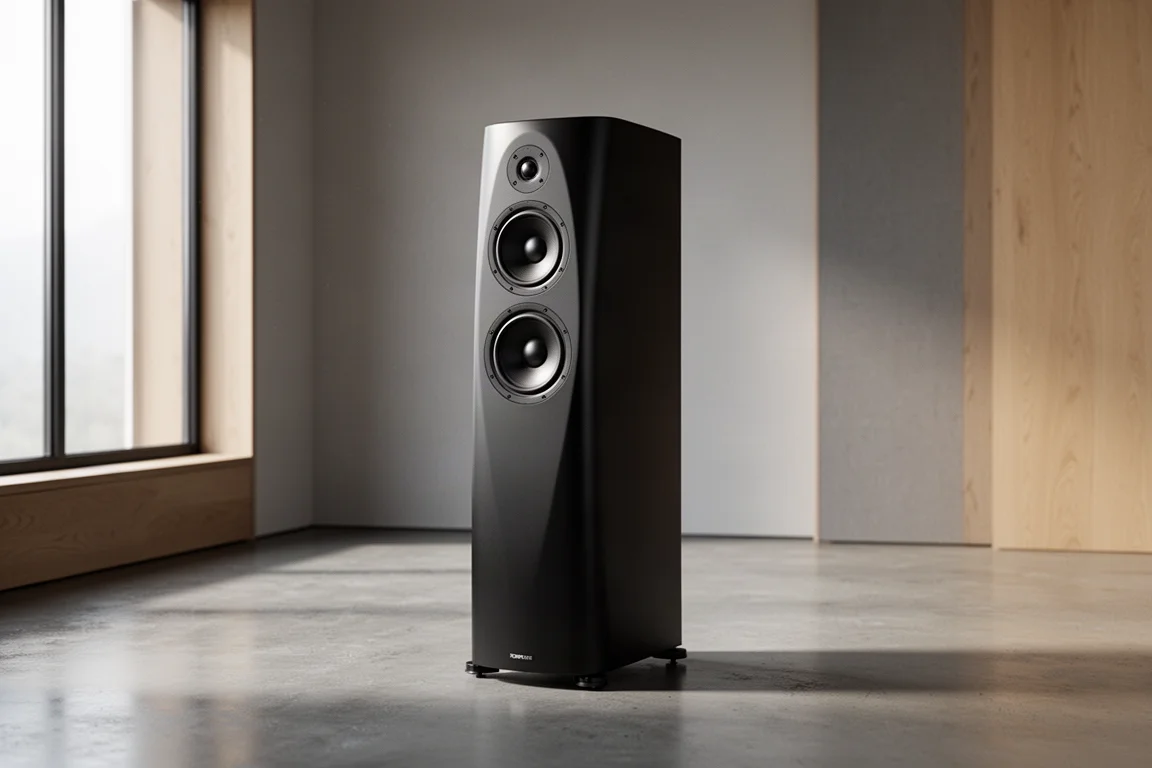
Arendal 1528 Tower 8 Review: Reference Neutrality With Real Demands
A close look at the Arendal 1528 Tower 8, a nearly five-foot, 200-pound floorstander that rewards generous space, serious power, and high listening levels with reference-grade neutrality.