Floorstanding Speakers
Focal Aria 936 K2 Review: A Calmer, More Neutral Focal Tower
A special edition of the Aria 936 with aramid fibre drivers, a remarkably neutral midrange and a composed treble. Here is what to know before buying.
Introduction
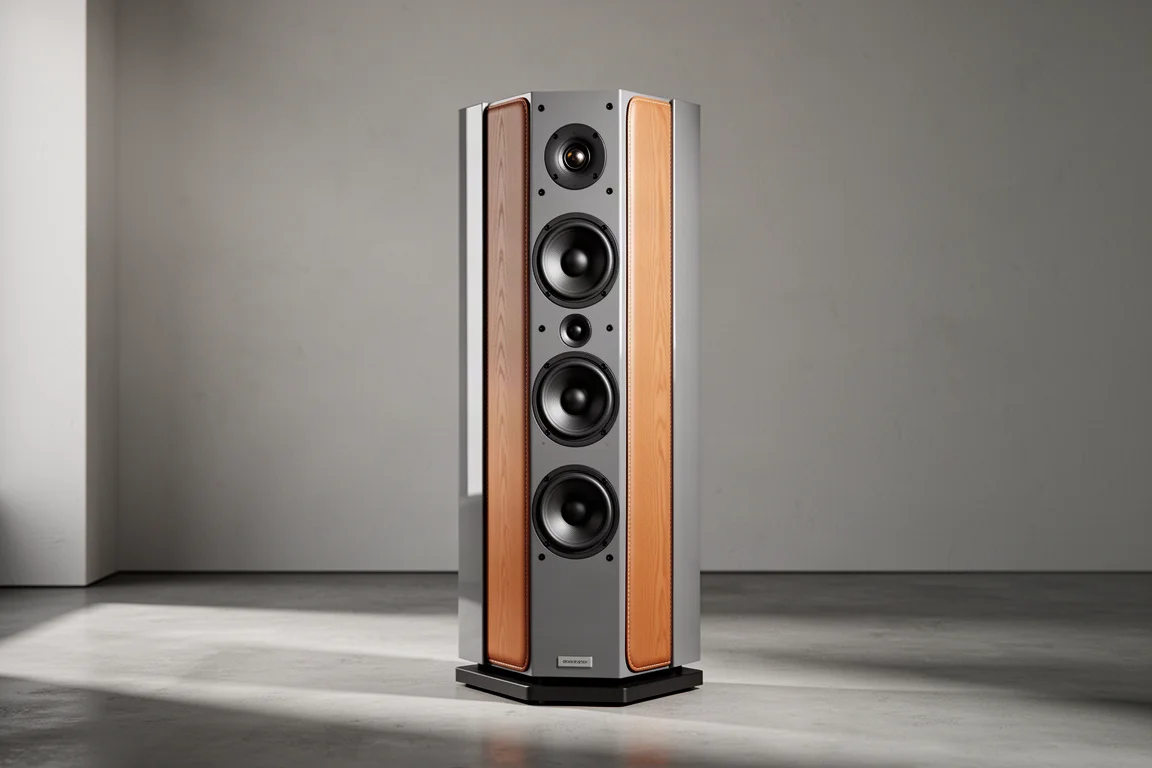
The Focal Aria 936 K2 is a special edition of the Aria 936, the French manufacturer’s long-running three-way floorstanding tower. It arrives with the same architecture as the standard model: a one-inch aluminium-magnesium inverted dome tweeter, a 6.5-inch midrange driver and three 6.5-inch bass drivers. The difference is the cone material. Where the regular 936 uses Focal’s flax diaphragms, the K2 uses aramid fibre drivers throughout.
The published specifications are otherwise identical. Both speakers claim a frequency response of 39 Hz to 28 kHz, a sensitivity of 92 dB and a nominal impedance of 8 ohms. The K2 is therefore less a reinvention than a special edition, and the useful question is whether the changes amount to a meaningfully different speaker in daily use.
The short answer is that this is a genuinely well-balanced tower, easier to live with than most Focal designs, and one of the calmest and most neutral speakers the brand has produced. It also sits above the standard 936 in price, so the value calculation deserves a closer look.
Who the Focal Aria 936 K2 Is For
This is a speaker for listeners who want one pair of towers to handle both music and film without leaning on the forward, energetic treble that defines much of the Focal range. It suits anyone who values a neutral midrange, because the K2 adds very little character of its own, which makes it a useful reference point when judging upstream components.
It is also a sensible choice for people who want high-end sound without an endless amplifier search. The K2 is not a difficult load, but it rewards a solid amplifier. Anyone with an integrated amp that is comfortable driving a four-ohm load and can deliver a healthy 50 watts per channel or more has a realistic path to getting the most out of it.
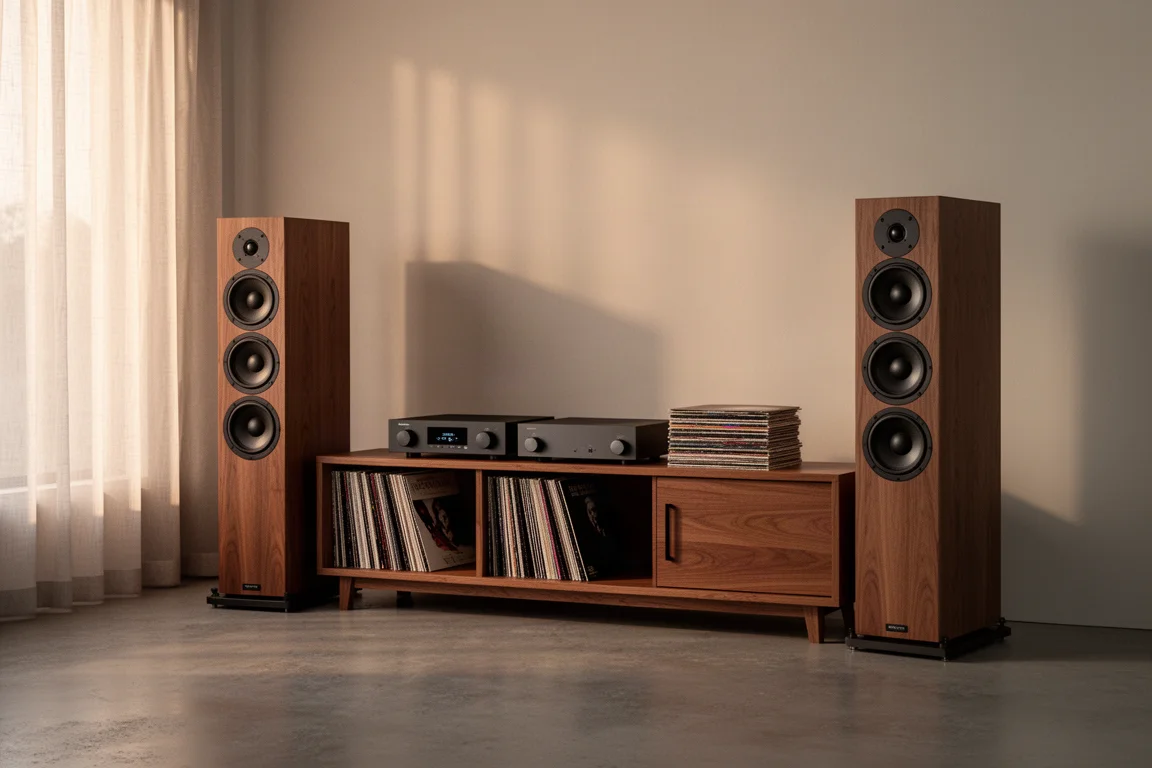
Finally, it fits systems where a subwoofer is part of the plan. The K2 is a full-range tower in the sense that it plays low, but its most convincing bass lives in the upper forties rather than at the very bottom of the audible range.
Design and Finish
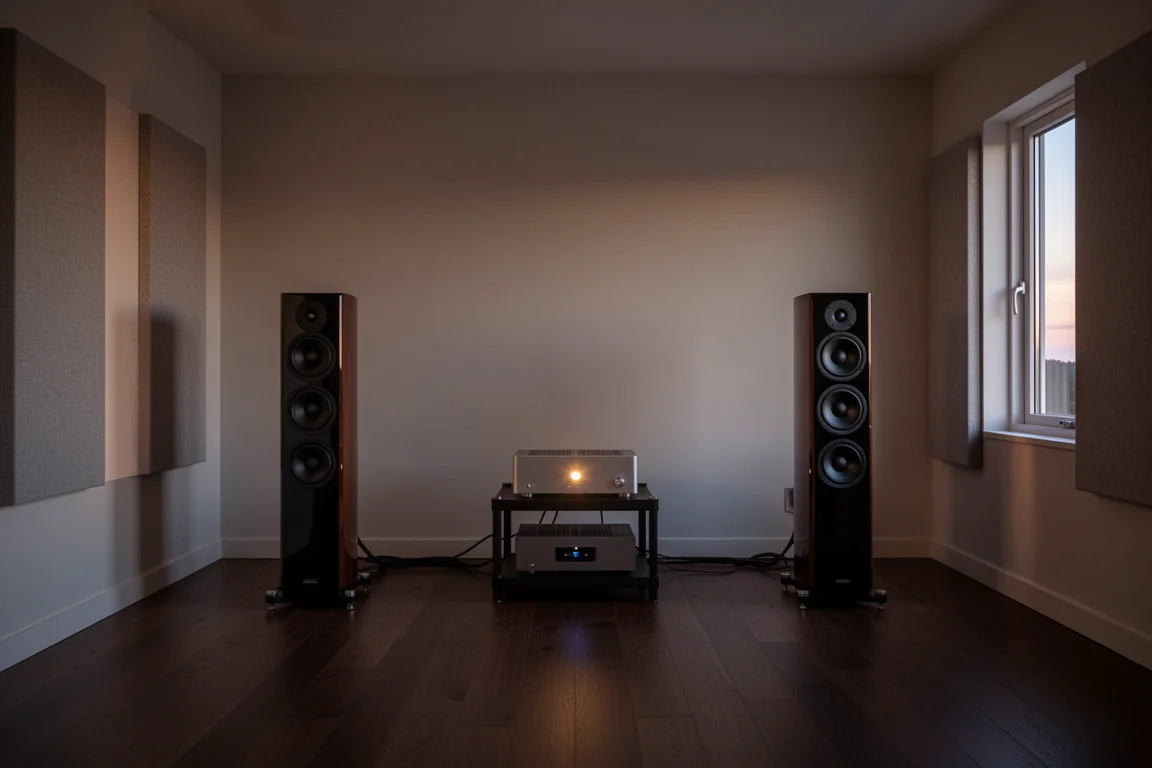
Physically, the K2 is a handsome speaker. The special edition finish is a gloss ash grey applied to the side panels, with the front and rear baffles wrapped in a leatherette material that adds a tailored feel. Magnetic grilles are supplied and they fit neatly.
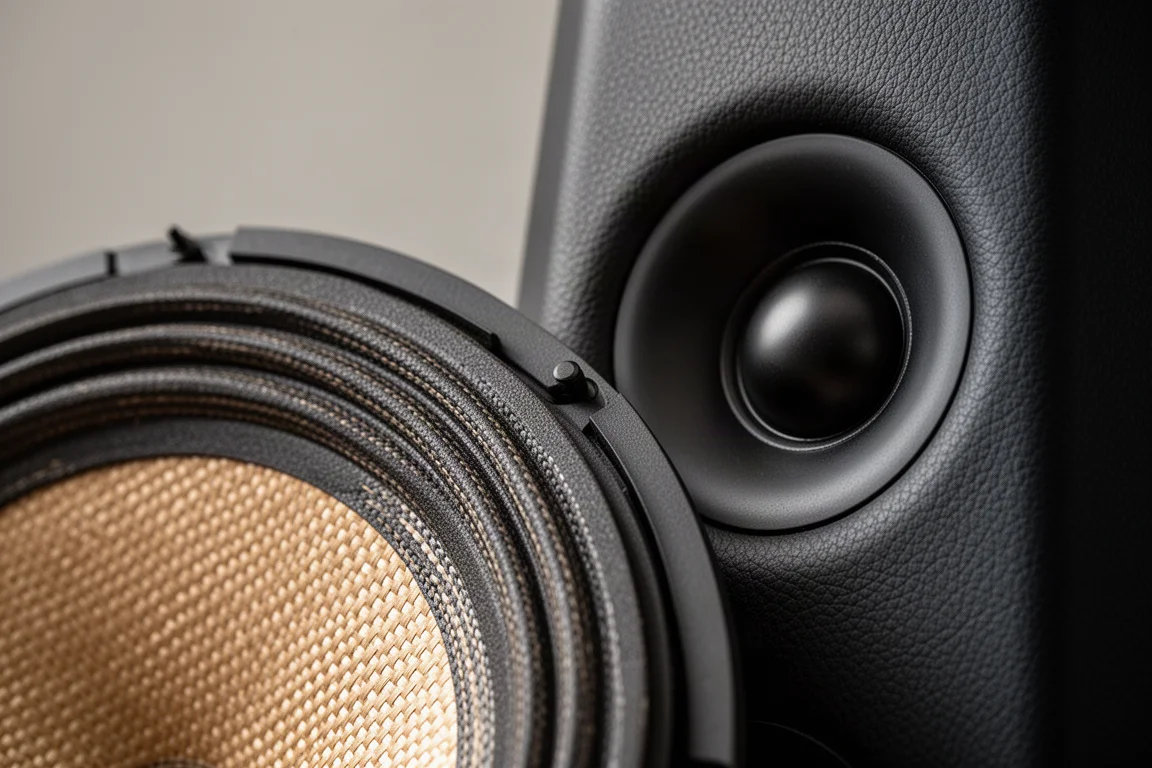
Two details are worth knowing before you commit. First, the finish options are limited to that single gloss ash grey, which is unusual for a special edition. Second, the drivers themselves are finished in yellow, and removing the grilles exposes them. That colour is divisive, and it can make an otherwise premium tower read as less expensive than it is. Leaving the grilles on solves the problem, and the grilles suit the cabinet well, though they do hide the leatherette detailing that separates the K2 from the standard model.
How the Focal Aria 936 K2 Sounds
The K2 does not sound like the Focal speakers most listeners know. Across the range, Focal designs tend to carry a little top-end energy that makes them captivating but can tip into brightness for some tastes. The K2 largely steps away from that. It is even-keeled from top to bottom, and that consistency is the defining quality of the speaker.
Bass Response
The claimed 39 Hz lower limit is not the whole story. The most appreciable low-frequency output sits in the upper forties, and for true full-range playback from 20 Hz to 20 kHz a subwoofer remains necessary. Adding a single SVS 3000 Micro opened up the presentation noticeably for film material, adding weight and gravitas to the mix.
On its own, the bass is relatively deep, well damped and never boomy. Amplifier choice matters more here than anywhere else. Amplifiers with strong power delivery into four ohms unlock the low end, and the difference between a modest amplifier and a capable one is easy to hear. Rich instruments such as drum kits, double bass and synth lines come across with lifelike timbre and scale, and with real in-room presence even without a subwoofer.
Midrange and Treble
The midrange is remarkably neutral. There is no added warmth or colouration to detect, which makes the K2 unusually useful for evaluating the character of other components. There is also no pronounced rise in the upper midrange as the driver approaches the tweeter, so the handoff between the two is seamless and linear around the crossover point. The result is a clear, articulate, detailed sound that never feels artificially sharpened.
The tweeter deserves particular praise. It is the least polarising treble response in the Focal line-up, and while it is not ruler flat, any lift in the region around 15 kHz sounds appropriate rather than forward. Highs are airy, extended and highly detailed. A more expensive Focal tweeter is a touch more refined at its limits, but the K2’s tweeter sits better within the overall mix, delivering pristine high frequencies without drawing attention to itself.
That combination of a neutral midrange and a composed treble is what makes long listening sessions easy, and it is the main reason the K2 works as well with film dialogue as it does with music.
Soundstage and Dynamics
With a capable amplifier, the K2 throws a soundstage approaching 180 degrees, and the tall cabinets disappear within it. Detail and separation across the stage are excellent, and centre focus is precise.
Dynamics are amplifier dependent. Driven properly, these towers can approach explosive territory, with impressive force, scale and agility. Driven poorly, they can leave you reaching for the volume dial and wondering what the fuss is about. If a lack of punch is your concern, the amplifier is almost always the answer.
Amplifier Matching and Setup
The K2 is not hard to drive, but it is revealing enough that each step up in amplification tends to bring an audible improvement. Its nominal 8-ohm impedance dips to around four ohms, so the amplifier needs to be comfortable with that load.
Several amplifiers were paired with the speaker. The Canor Audio AI 110 produced the most appealing result, with a mildly smooth, warm and three-dimensional presentation. The Parasound Hint 6 was more exacting and drove the towers to what can fairly be called perfection, with the Audiolab 6000A Play a close second. Even the Bluesound Powernode, which costs well under a thousand dollars, worked well.
Home cinema listeners have options too. An AV receiver can drive the K2, provided it handles impedances dipping to about four ohms. The Onkyo RZ50 proved a better match than the more powerful Yamaha A8A, though the speaker only really came into its own on an integrated amplifier, from the Audiolab upward. Focal also offers a matching centre channel and bookshelf speakers for surround duties, and the K2 centre is a terrific match for the tower.
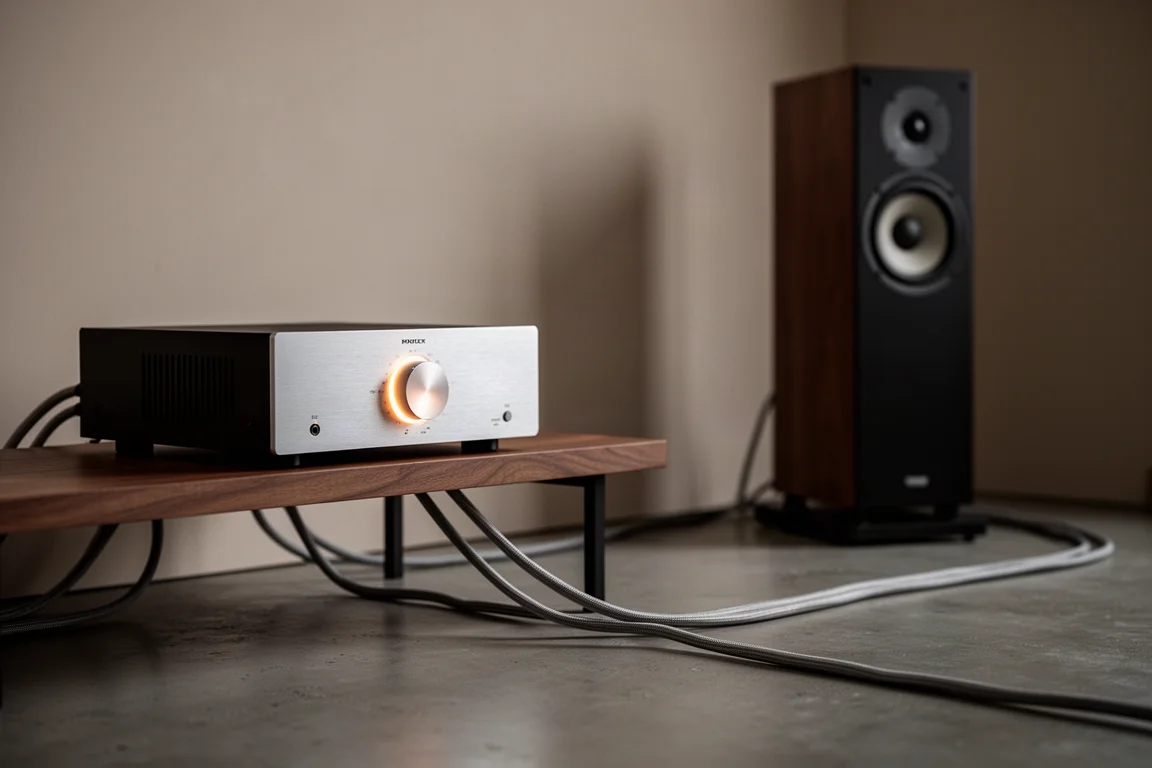
The practical takeaway is that a dedicated integrated amplifier with solid four-ohm capability will show you more of what this speaker can do than a comparably priced AV receiver, even though both will make sound.
How It Compares With Alternatives
The most direct rival is the standard Aria 936, which retails for $600 less per pair. On paper the two are identical, including the published frequency response, and any difference in day-to-day performance is likely to be modest at best. Buyers choosing the K2 are effectively paying for the aramid drivers and the special edition finish.
Against the Bowers & Wilkins 702 Signature, the K2 is the easier speaker to own. The Bowers & Wilkins is a superb design, but it demands enormous amplifier power, and only one amplifier made it truly sing. With that speaker priced upwards of almost $8,000 a pair and a minimum amplifier budget in the $6,000 to $7,000 range, the total commitment is substantial. The PSB Synchrony T600 offers a slightly weightier bass presentation, but it becomes pickier about amplifier pairing, placement and overall setup. The K2 is not fussy about placement and does not require an endless amplifier search.
For listeners chasing the very top of the Focal range, the Utopia Color Evo remains the step up at around $16,000, and it is notably unfussy about amplification. Below that level, the K2 is the more sensible place to stop.
Things to Consider Before Buying
- A subwoofer is needed for genuine full-range performance. The K2 plays low, but not to the very bottom of the audible range with authority.
- The yellow drivers are a matter of taste, and the only finish available is gloss ash grey.
- There are no upward-firing Atmos speakers in the K2 series. The workaround is to mount the bookshelf models near the ceiling or use in-ceiling speakers.
- Amplifier quality shapes everything from bass impact to dynamic headroom, so budget accordingly.
Buying Advice
If you want a neutral, reference-calibre tower that handles music and film equally well and does not require a laboratory of amplifiers to sound good, the K2 is a strong candidate. Budget for an integrated amplifier that is stable into four ohms and delivers at least 50 watts per channel, and plan for a subwoofer if full-range playback matters to you.
If you are weighing the K2 against the standard Aria 936, be honest about what you are buying. The special edition is a different driver material and a different finish, not a different class of speaker. Choose it because you want those specific things, not because you expect a dramatic change in sound.
Conclusion
The Focal Aria 936 K2 is the most even-tempered Focal tower in recent memory. Its neutrality, composed treble and near-180-degree soundstage make it an easy speaker to recommend to anyone who wants refinement rather than fireworks, and with the right amplifier it can be genuinely thrilling. The caveats are real: a subwoofer is needed for the last octave, the finish options are limited, and the standard 936 remains a compelling alternative for less money. Set those aside and the K2 stands as a genuinely well-balanced loudspeaker for listeners with high-end ambitions and a sensible budget for the electronics that feed it.
Product link
View more details for Focal Aria 936 K2
This product is mentioned in the review. Check the specifications, options, and compatibility before buying.
View more details for Focal Aria 936 K2Further reading
Related Reviews
Floorstanding Speakers
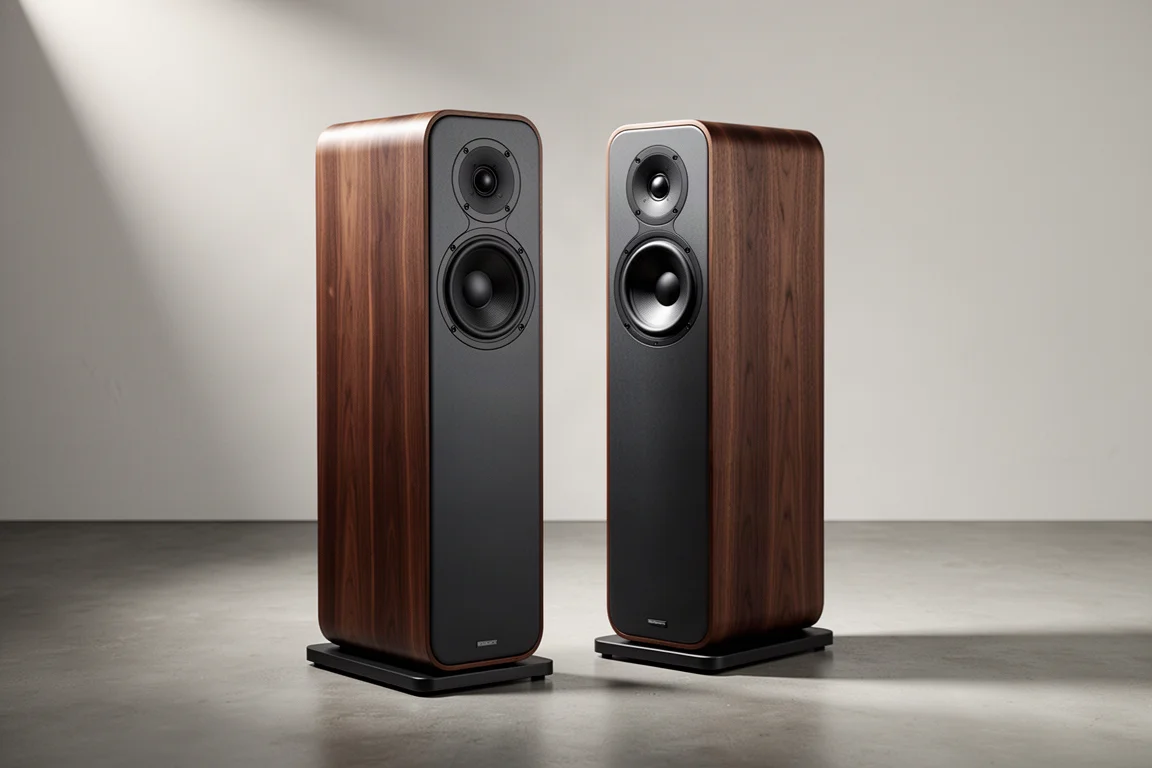
Acoustic Energy AE109 Mark II Review: A Refined Floorstander at £699
The Acoustic Energy AE109 Mark II is a slim, warm sounding floorstander that delivers clarity, midrange body and strong imaging in small to medium rooms.
Floorstanding Speakers
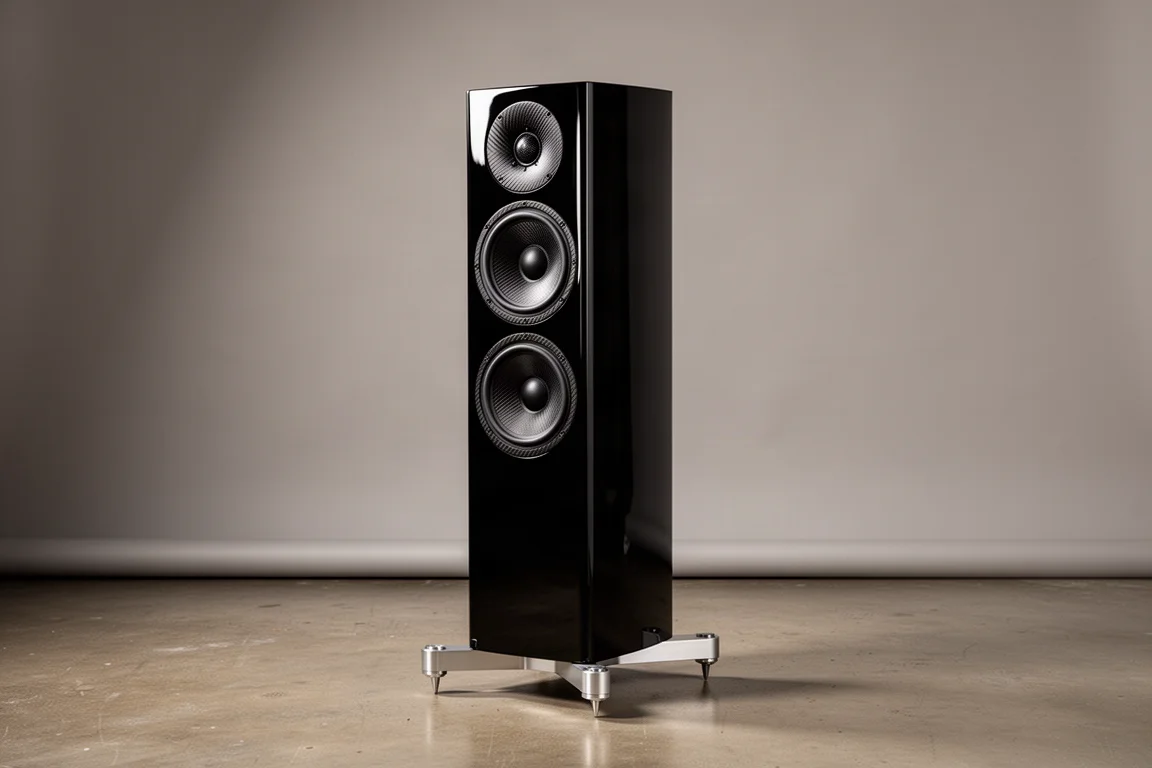
Acoustic Energy AE509 Review: A Slim Floorstander With Deep, Defined Bass
A practical look at the Acoustic Energy AE509, a slim floorstanding speaker with carbon fibre drivers, deep and well-defined bass, and an easy-going character that rewards careful system matching.
Floorstanding Speakers
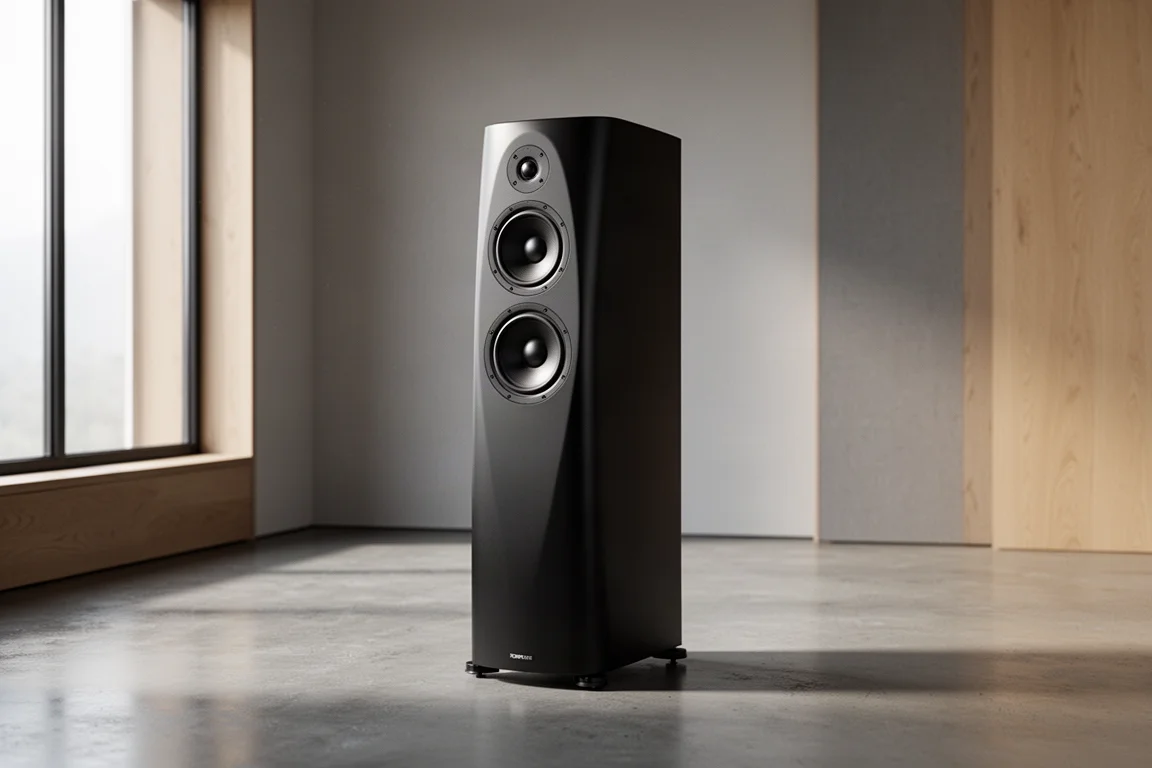
Arendal 1528 Tower 8 Review: Reference Neutrality With Real Demands
A close look at the Arendal 1528 Tower 8, a nearly five-foot, 200-pound floorstander that rewards generous space, serious power, and high listening levels with reference-grade neutrality.