Test Equipment
Fluke TL-175 vs TL-75: Why Cold Weather Exposes the Difference in Test Leads
A freezer-cold comparison of Fluke test leads, from the stiff PVC TL-75 to the flexible silicone TL-175, plus how budget alternatives stack up.
Introduction
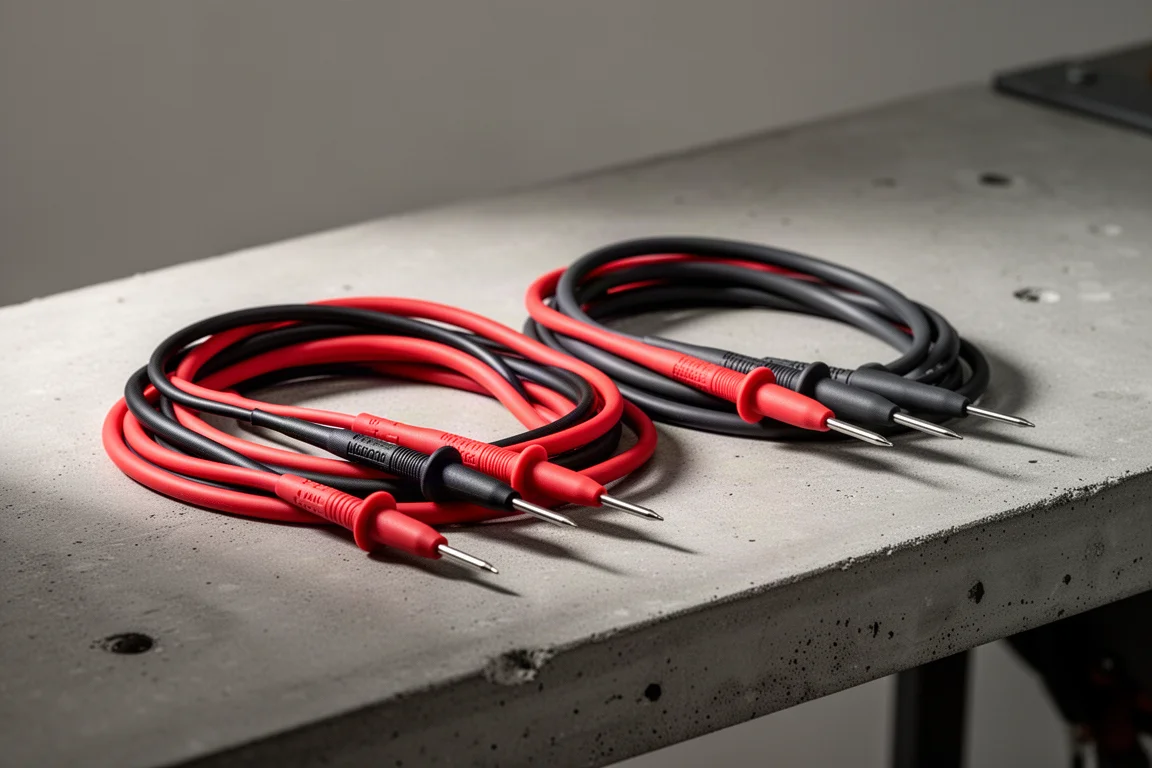
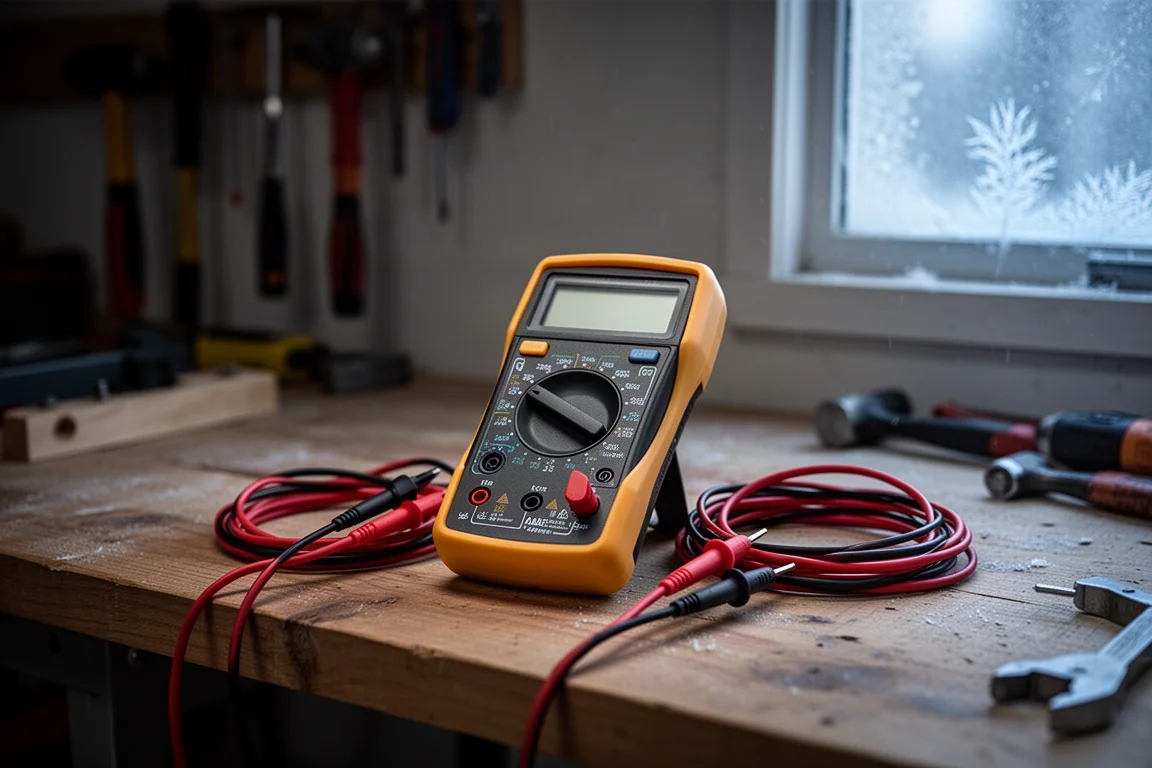
Test leads are the kind of accessory most people never think about until they become genuinely annoying. That was the case in a cold garage workshop, where a Fluke multimeter paired with the standard Fluke TL-75 leads turned out to be nearly unusable at low temperatures. The leads were so stiff that any small movement dragged the meter across the bench, and at one point a lead held its own shape almost straight out, stiff enough to knock the meter off a desk or into an engine bay.
That frustration led to a simple cold-flex comparison between several sets of leads, including the Fluke TL-75, the premium silicone Fluke TL-175, and a few budget alternatives. The results were clear enough to be worth sharing, especially for anyone working in an unheated shop or outdoors in winter.
The Cold-Weather Problem With Standard PVC Leads
The TL-75 is a classic PVC test lead with decent overall durability, and it has clearly been around long enough to earn its reputation. But PVC stiffens dramatically in the cold. In a shop that measured 57 degrees indoors, with temperatures below zero at night outside, the TL-75 leads behaved like bent wire: they held whatever shape they were in and yanked the meter around with every movement.
This is not unique to Fluke. Other PVC leads, including a Sperry set, showed the same stiffness. A 1990s-era Craftsman PVC set, surprisingly, still works and performs somewhat better than expected, and Klein’s run-of-the-mill PVC leads showed far less of the problem. But the Fluke TL-75 was the worst offender in cold conditions, which is particularly surprising given that it ships as the standard lead with Fluke’s own meters.
The Freezer Test: How Each Lead Performed
To make the comparison fair, several sets of leads were wrapped around a frozen ice block from the freezer and then checked for flexibility. The differences were dramatic.
The Fluke TL-75 was the worst performer by far. Pulled straight from the cold, it held a nearly straight, rigid shape entirely on its own and would likely have stayed that way for a long time even as it slowly warmed up.
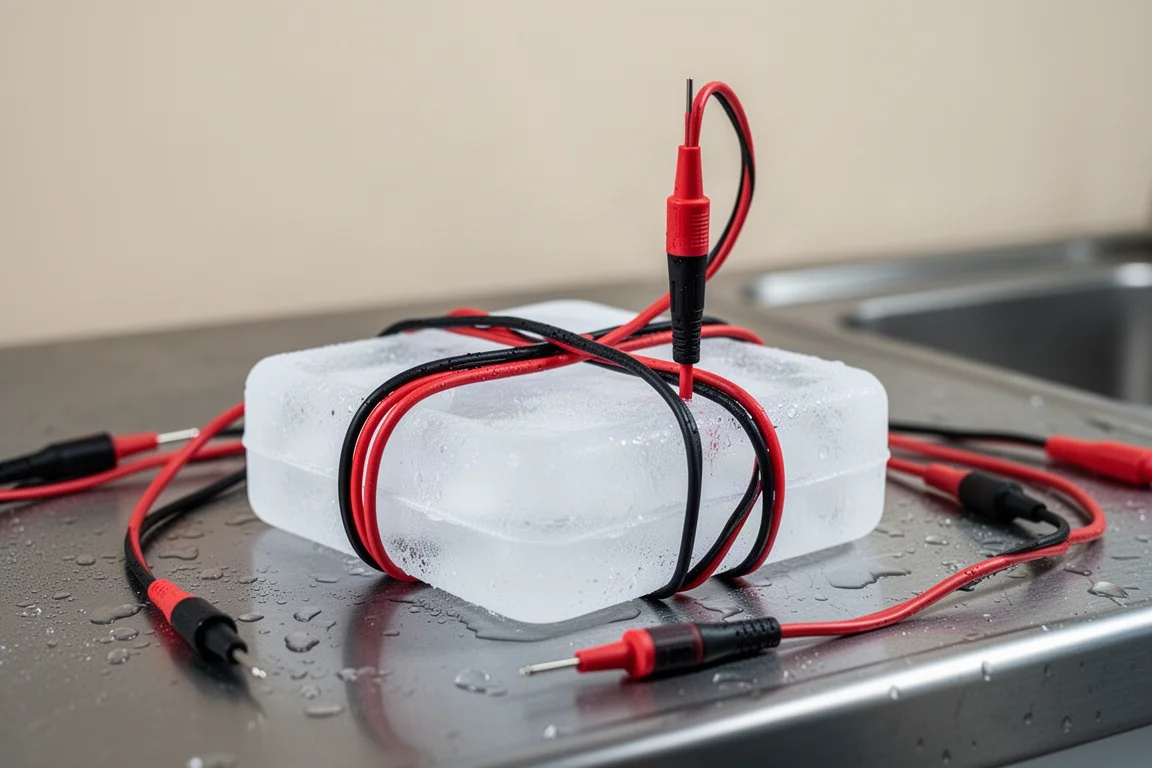
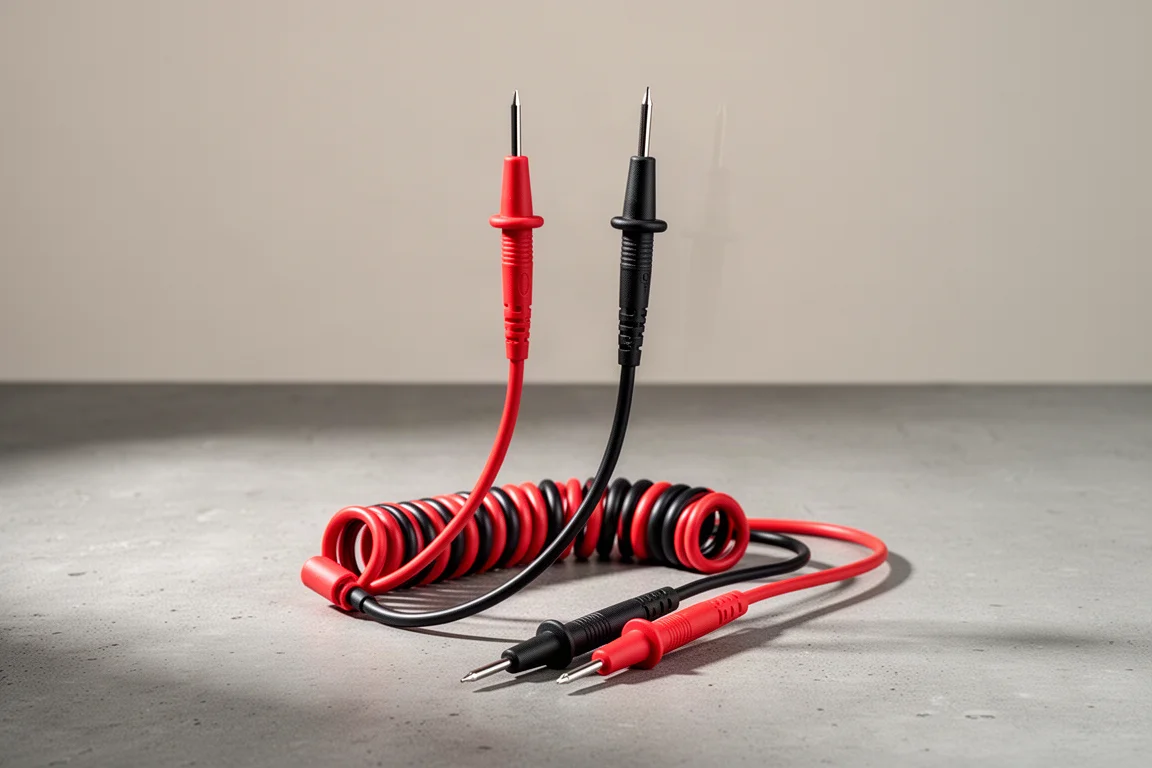
The TL-175 silicone leads were the opposite: extremely flexible even in the cold, with very low heat capacity so they warmed up quickly in the hand. A budget silicone set from Cowet, priced around 15 dollars, also did well, with only a slight trace of rigidity. A GB Instruments set bought as a control, roughly two pairs for 12 dollars, remained surprisingly stiff, even holding a lead upright on its own. The Klein PVC set was noticeably better than the Fluke PVC leads, though not in the same class as silicone.
Fluke TL-175: The Silicone Upgrade
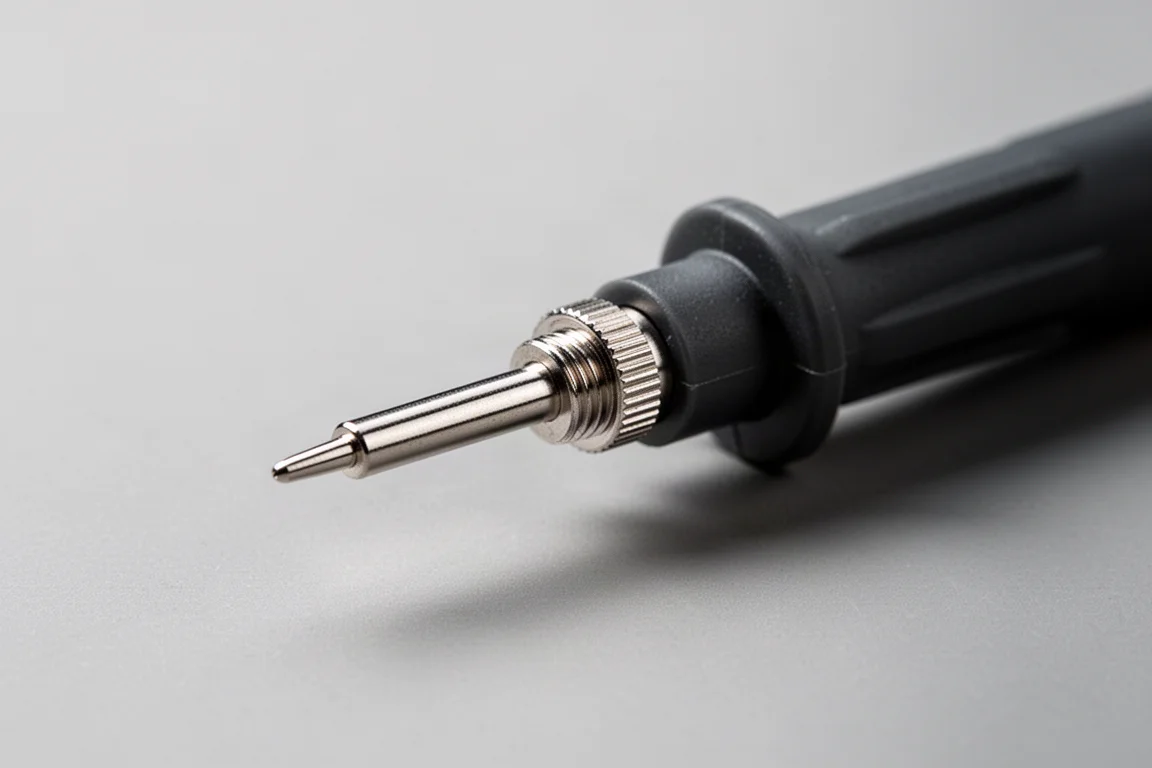
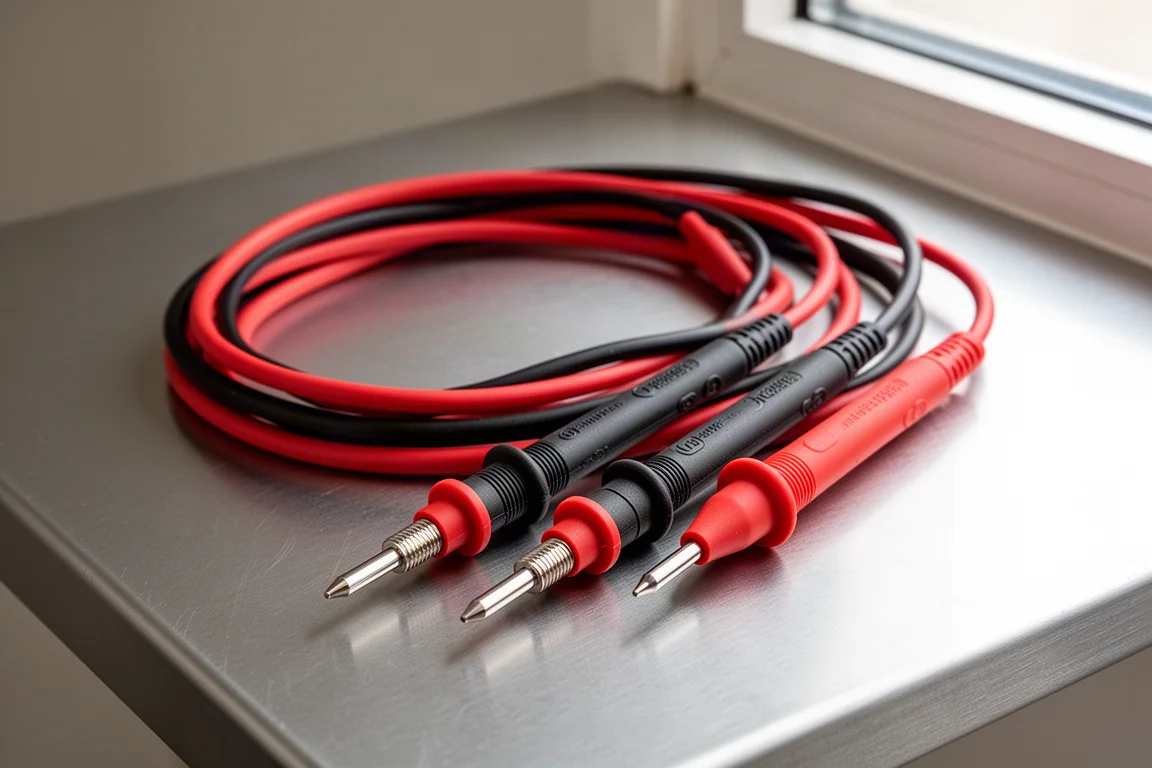
The TL-175 is a silicone test lead, which is the whole point: silicone stays flexible in conditions where PVC turns rigid. It has a retractable collar at the probe tip, a great feel in the hand, and strong strain management. Fluke rates it for 30,000 cycles, which sounds generous until you realize heavy daily use could easily put 100 cycles on a lead in a day, meaning the rating could be exhausted in under a year of intensive daily work.
There are two variants: the TL-175 and the TL-175E. The only difference is that the E version includes four millimeter lantern-style plugs on the front end for accessories that need that connection size.
The tip design is also practical: with the extended tip you can work on standard Cat II applications, and with the tip closed down you get the precision and safety margin suited to Cat III and Cat IV work, where you do not want to accidentally bump something.
There are two honest downsides. The first is price: the TL-175 costs around 37 dollars on Amazon, which is only 9 dollars less than an entire Fluke 101 multimeter (about 46 dollars) that comes bundled with standard TL-75 leads. The second is durability relative to PVC; a good PVC lead can last decades, and silicone may not match that longevity. There is also a counterfeit risk with premium Fluke leads, so buying through an authorized Fluke dealer is worth considering.
Fluke TL-75: The Familiar Standard
The TL-75 remains a reasonable lead in moderate temperatures. It is durable, widely available, and comes bundled with many Fluke meters, including the budget Fluke 101. In a heated shop or for light indoor use, it does the job fine.
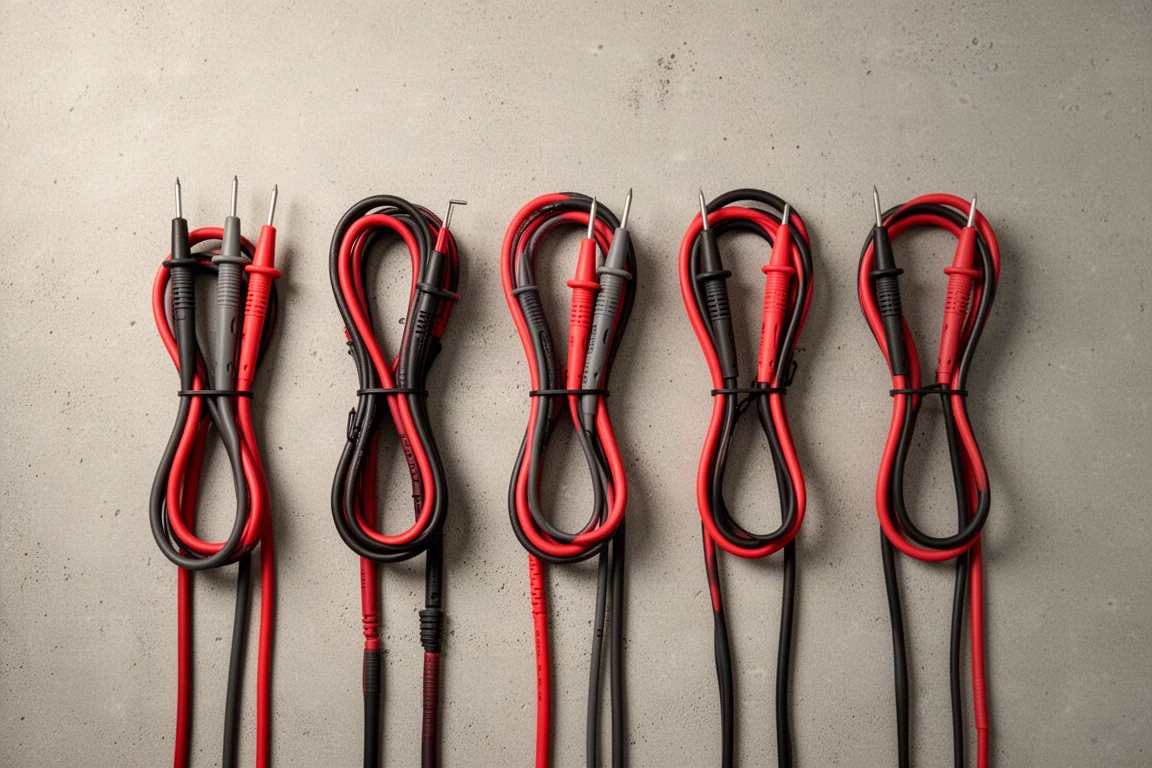
The problem only shows up when temperatures drop. For anyone in a cold climate or an unheated workspace, the TL-75’s PVC construction becomes a daily irritation rather than a minor quirk, and it may be worth treating the bundled pair as a spare rather than a primary lead.
Buying Advice
If you work in cold conditions and the leads came with your meter, the TL-175 is the straightforward upgrade, and the flexibility difference is immediately obvious. If you want a silicone lead without the Fluke price, the Cowet set at around 15 dollars performed respectably in the cold-flex test, at less than half the cost. For occasional warm-shop use, the TL-75 that came with your meter is perfectly serviceable, and even an old Craftsman PVC set can outlast expectations.
One practical note: at 37 dollars, the TL-175 is close to the price of an entire entry-level Fluke meter. If your current meter is old or basic anyway, that math may influence your decision.
Conclusion
Cold weather is the great equalizer for PVC test leads, and the Fluke TL-75 turned out to be the worst performer in the comparison despite its pedigree. The silicone Fluke TL-175 solves the problem with excellent flexibility, good ergonomics, and useful tip versatility, at a genuinely premium price. Budget silicone alternatives cover the middle ground well. Match the lead to your working conditions and the choice becomes simple.
Further reading
Related Reviews
Test Equipment
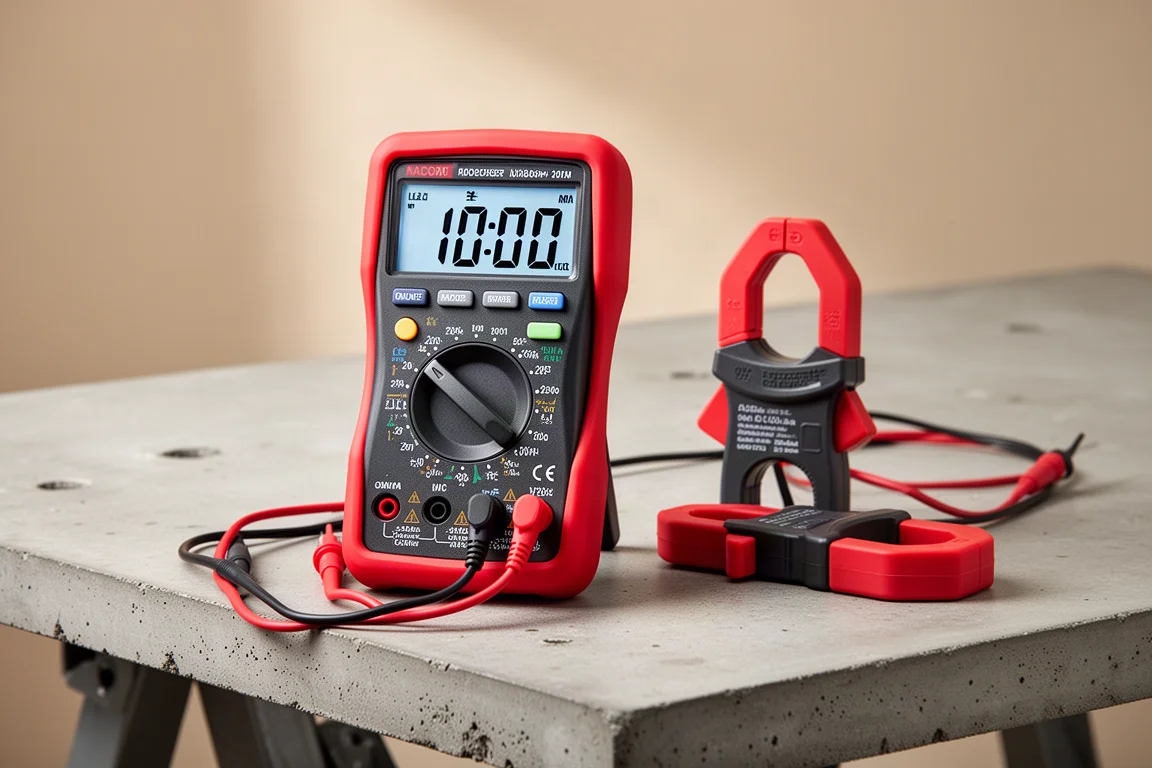
ZIBOO 17B Pro Multimeter Review: A Practical True RMS Tool for Home and Auto Testing
A detailed look at the ZIBOO 17B Pro true RMS digital multimeter and its optional i600E AC current clamp, covering features, real-world measurements, and value.

Backpacking Gear
Building a 10 lb Base Weight: An Ultralight Backpacking Gear List
A practical walkthrough of the ultralight pieces behind a 10 lb base weight, from a 765 g pack and a roomy one-person tent to a full camp chair and a dependable water filter.

Road Bikes
10 New Road Bikes Worth Watching: Aero, Titanium, Steel and Endurance Standouts
A practical roundup of 10 new road bikes, from aero flagships chasing single-watt gains to titanium, steel and endurance platforms built for real roads.