Aquarium Maintenance
Flipper Float Review: A Floating Magnetic Glass Cleaner for Reef Tanks
Flipper's Float magnetic cleaner keeps the flip design reef keepers rely on and adds a wet side that floats, plus a larger handle and revised scraper clearance.
Introduction
Magnetic cleaners have become the default way to keep aquarium viewing panels clear. They are convenient, they maneuver easily around corners and equipment, and they keep your hands out of the water. Within that category, Flipper’s magnetic cleaners have long been a favorite among reef keepers, largely because they pair an abrasive pad for film algae with a scraper blade for tougher deposits such as coralline, spirorbids and other calcareous buildup.
The new Flipper Float line keeps that two-sided approach and adds a genuinely practical change: the wet side now floats. The range arrives in three sizes, the Flipper Float Nano, Flipper Float, and Flipper Float Max, rated for panels up to a quarter inch, half an inch, and one inch thick respectively. That spread covers tanks from a small nano aquarium through to a very large display with thick glass.
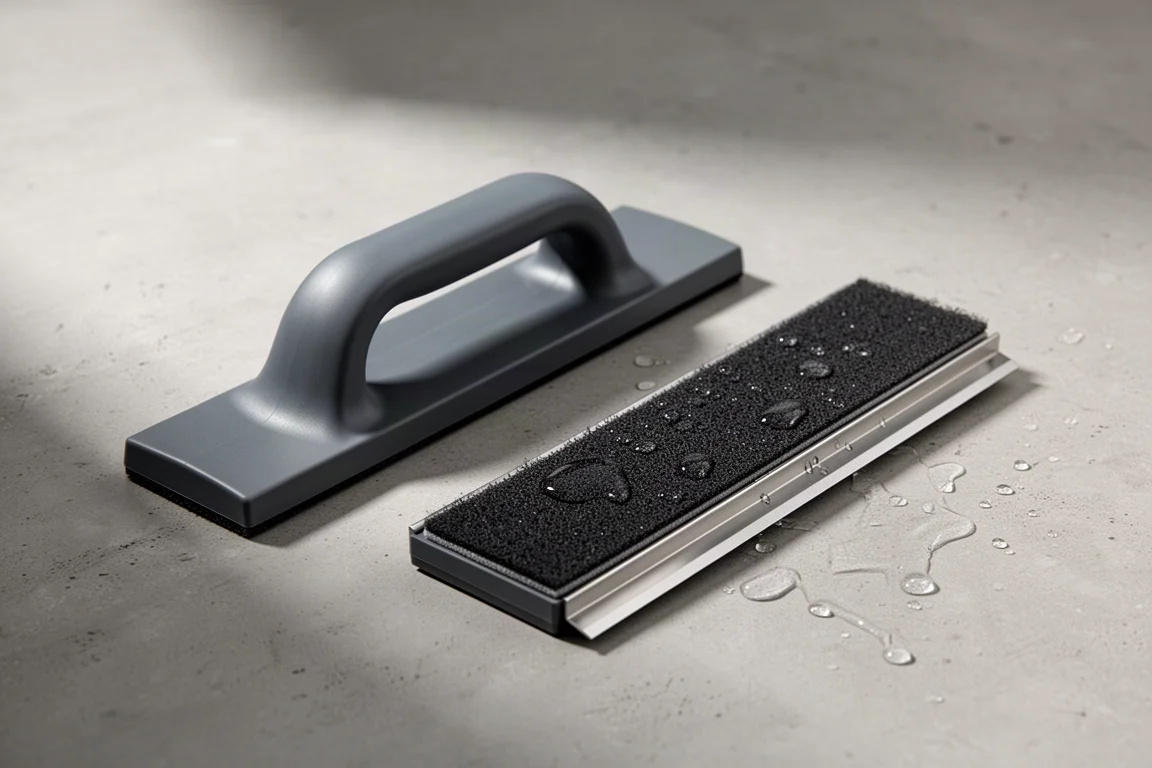
The floating wet side is the headline, but it is not the only update. The dry side now uses a larger, more comfortable ergonomic handle and an external pad that is built to last longer. On the wet side, there is better clearance around the scraper blade, and the blade itself has a new low-profile design intended to clean more effectively while still reaching awkward spots.
Who This Product Is For
This is a cleaner for reef keepers who want a fast, low-effort way to keep the front panel clear without rolling up their sleeves. Because the wet side floats, it is especially appealing to anyone who has watched the internal half of a magnetic cleaner sink to the bottom of the tank and then spent the next ten minutes fishing it out with tongs.
The flip design also makes it a sensible choice for tanks with a sand bed. Sand trapped under an abrasive pad is one of the classic ways to scratch an aquarium, and the ability to switch to the scraper side with extra clearance means the blade can be worked right down into the substrate without carrying grit across the glass.
Acrylic tank owners are covered as well, since each Flipper Float ships with a plastic acrylic-safe scraper blade alongside the preinstalled stainless steel one. That makes it a reasonable option for keepers who want one cleaner that can handle either type of viewing panel.
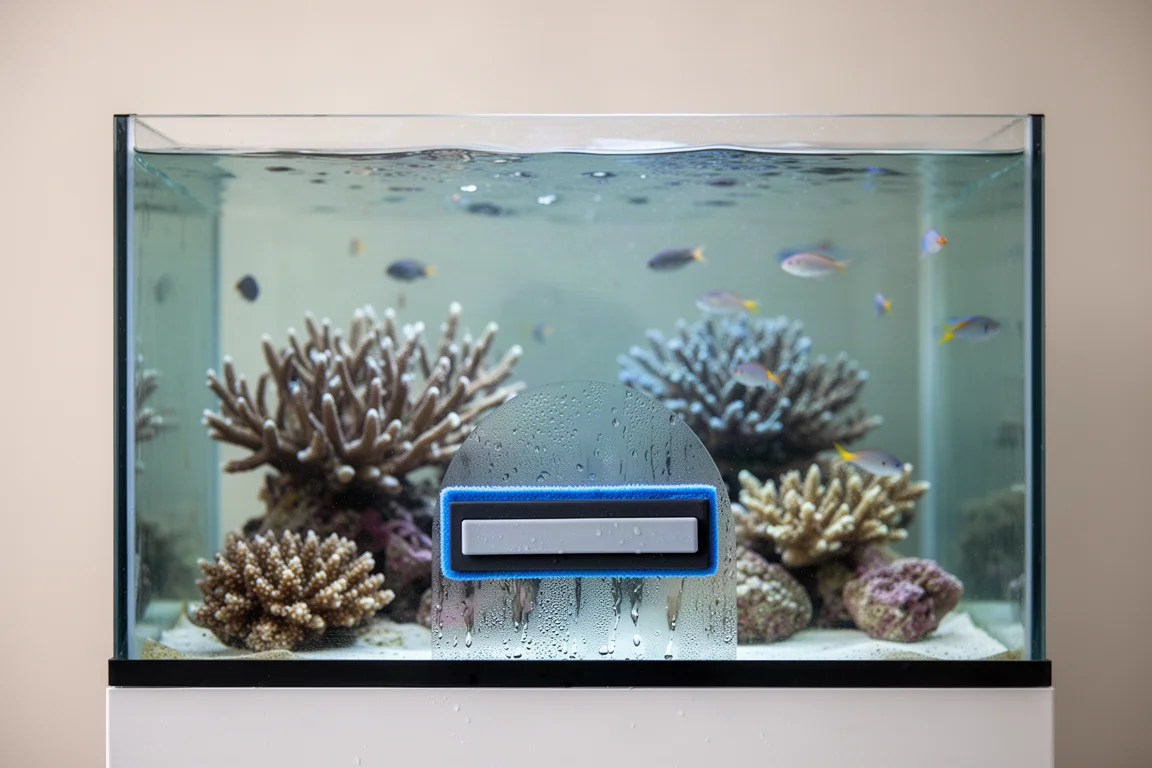
If you already own an older magnetic cleaner, the question is less about whether the Float works and more about whether these specific upgrades matter for your routine. For anyone cleaning glass several times a week, or anyone with coarse substrate and a habit of scraping close to the sand line, the changes are easy to appreciate in daily use.
Main Strengths
The Float line keeps the core Flipper formula intact and refines the details that reef keepers deal with every time they clean the glass. Four things stand out.
Floating Wet Side Makes Retrieval Simple
The largest quality-of-life change is the floating wet side. If the internal half detaches from the outer magnet, it rises to the surface instead of dropping into the rockwork or disappearing behind the aquascape. Retrieving it becomes a quick grab rather than a chore.
That single change removes one of the main frustrations of magnetic cleaning, and it makes the cleaner easier to recommend to anyone who has dealt with a sunken inner magnet before.
The Flip Design Keeps the Scraper Sand-Safe
The Flipper design places the abrasive pad and the scraper blade on opposite sides of the cleaner. To switch between them, you move the cleaner toward a corner of the tank and rotate the outer magnet as you move from one panel to the next. The internal wet side flips over to present the other face. With a little practice and quick timing, it is also possible to flip the wet side without heading to the corner at all.
The practical benefit is clearance. When the scraper side is facing the glass, there is no abrasive pad sitting against the panel and there is extra room behind the blade, so you can push the scraper into the sand bed without trapping substrate under the pad and dragging it across the glass. That reduces one of the most common causes of scratched aquariums.
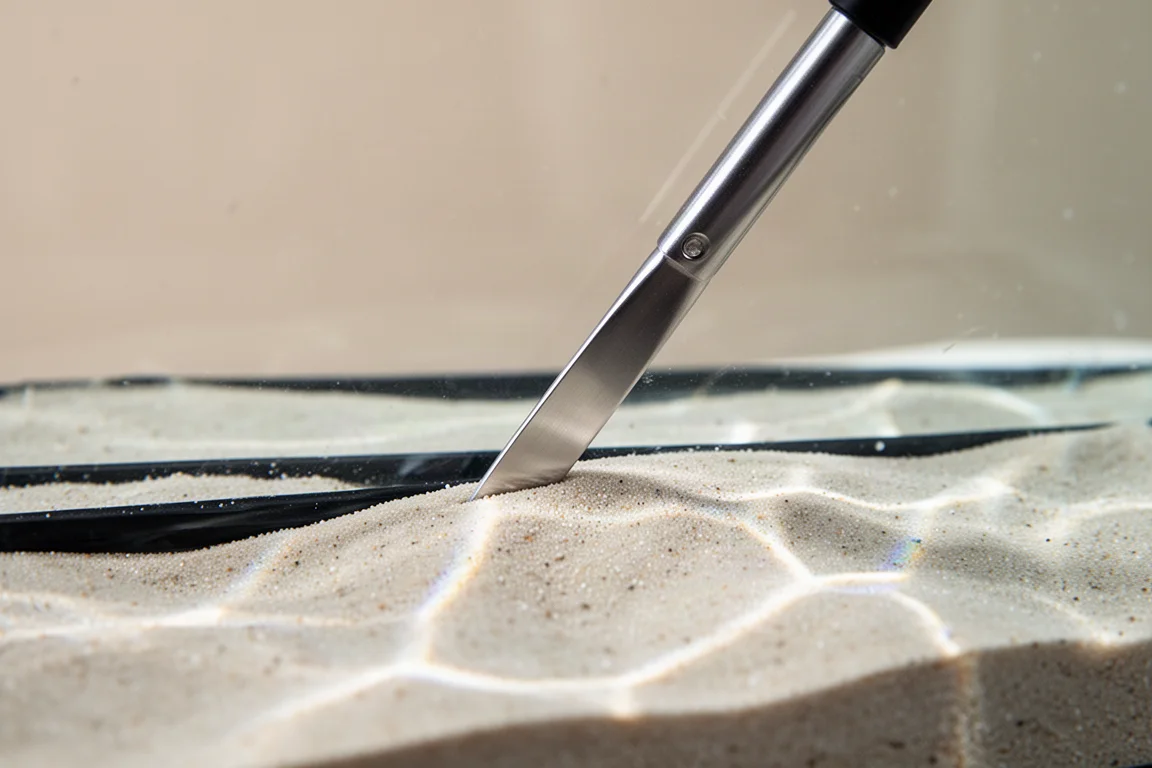
It is a small mechanical trick, but it changes how confidently you can clean the lower few inches of the tank, which is exactly where stubborn calcareous deposits tend to collect.
New Handle, External Pad, and Scraper Blade
The dry side has been updated with a larger, more comfortable ergonomic handle, which makes longer cleaning passes easier to control, particularly on tall panels where your grip matters most. The external pad on the dry side is also designed to last longer than before.
On the wet side, the revised clearance around the scraper blade makes it less likely that any substrate, including coarser grain sand, gets caught between the blade and the glass. The new blade design is low-profile, which helps it slide into tighter spaces around rockwork and equipment while still removing tougher buildup.
Three Sizes, From Nano to Max
The range covers a wide span of tank sizes. The Nano has a compact wet side measuring roughly 3 3/4 inches long and 2 inches wide, which suits small aquariums where a full-size cleaner feels clumsy.
The Max, at roughly 6 1/2 inches long and 3 1/2 inches wide on the wet side, is one of the largest cleaners available, and it delivers a lot of cleaning surface for the price. The standard Flipper Float sits between the two, rated for panels up to half an inch thick.
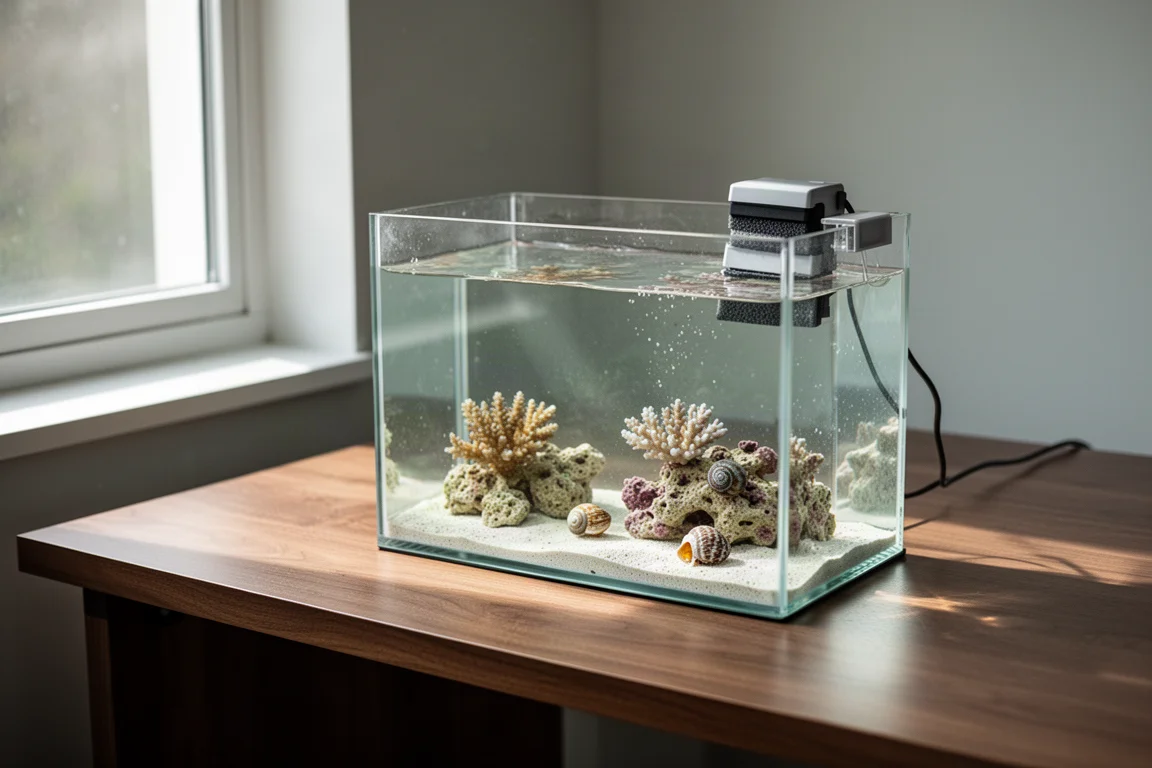
Matching the model to your panel thickness matters more than matching it to tank volume. A cleaner rated for thicker glass will hold properly on a large aquarium, while an under-rated magnet will slip and feel ineffective no matter how carefully you use it.
Things to Consider Before Buying
Panel thickness is the first thing to check. The Nano is rated for panels up to a quarter inch, the standard Float up to half an inch, and the Max up to one inch. Buying above your tank’s actual thickness is fine, but buying below it will hurt performance.
It is also worth being clear about what a magnetic cleaner can and cannot do. Magnetic cleaners handle film algae and surface deposits, but not every algal pest responds to them. Cyano, diatoms, hair algae and bryopsis are problems that need a different approach, and no scraper blade will solve them on its own.
Flip timing takes a little practice. Flipping at the corner of the tank is the reliable method, and flipping mid-panel is a technique that rewards a quick hand rather than something to expect on the first attempt.
Finally, safe storage matters. Each unit includes a spacer so the cleaner can be stored with the two halves properly separated, which protects the pad and the blade between cleaning sessions.
Buying Advice
What you get in the box is consistent across the range: the Flipper Float with its wet and dry sides and a preinstalled stainless steel scraper blade, a plastic acrylic-safe scraper blade for acrylic panels, and the storage spacer. Replacement blades are also inexpensive, which matters because the running cost of a cleaner is often what makes it annoying to own over several years.
The Flipper Float line is a feature-rich option relative to most magnetic cleaners while remaining affordable, particularly next to high-end alternatives, and the Max stands out as strong value given how much cleaning surface it provides. For keepers with a nano tank, the Nano is the sensible pick; for standard glass, the mid-size Float covers the widest range of setups; and for large aquariums with thick panels, the Max is the one that will hold and clean properly.
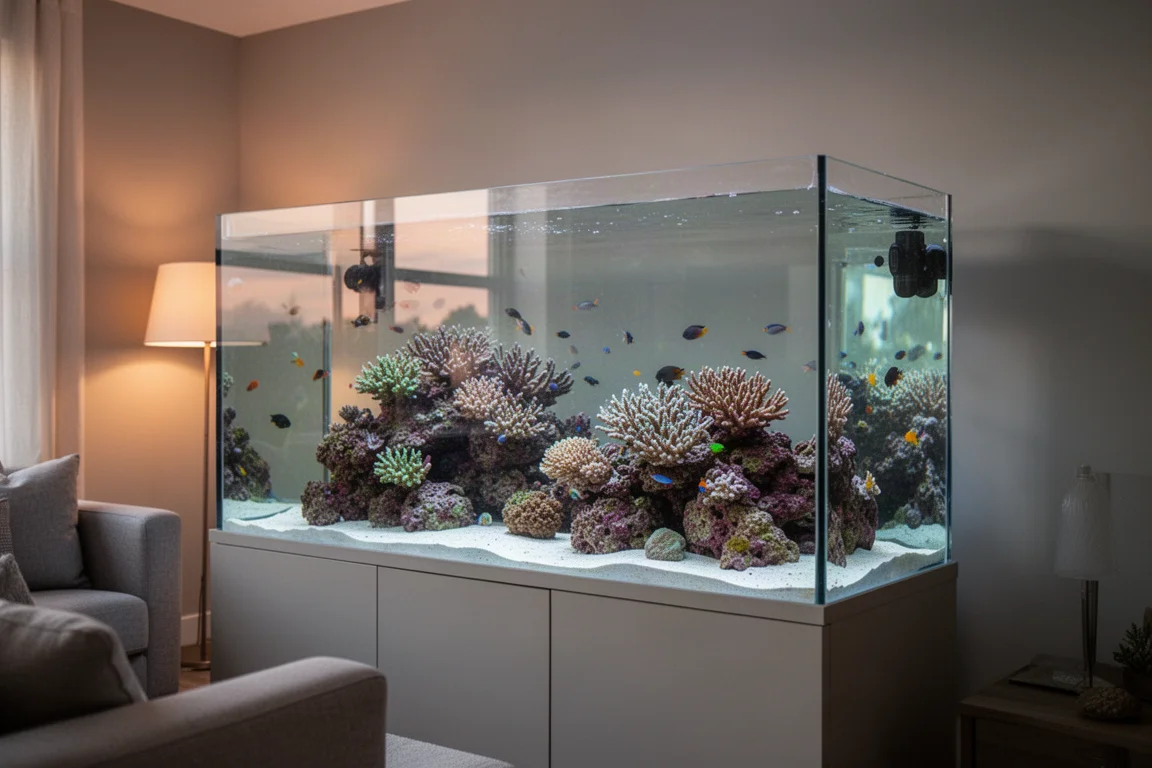
If you clean your glass often, this is the kind of product that quietly improves a routine you repeat every week, and the floating wet side is the detail most owners will notice first. If you already own a cleaner you are happy with and have never lost the inner magnet, the upgrade case is thinner, but the improved sand-bed clearance is still a meaningful difference for tanks with a deep substrate.
Conclusion
The Flipper Float takes a design that reef keepers already trusted and fixes its most annoying failure point. A wet side that floats means a dropped magnet is no longer a problem, and the larger handle, longer-lasting external pad, revised scraper clearance and low-profile blade all support the same goal: cleaning the glass quickly without risking scratches near the sand bed.
With three sizes covering panels from a quarter inch up to a full inch, there is a model for nano tanks and for very large displays alike. Check your panel thickness, choose the size that matches it, and the Flipper Float is an easy recommendation for anyone who wants an affordable, well-equipped magnetic cleaner that stays easy to live with.
Product link
View more details for Flipper Float Nano
This product is mentioned in the review. Check the specifications, options, and compatibility before buying.
View more details for Flipper Float NanoFurther reading
Related Reviews
Aquarium Maintenance
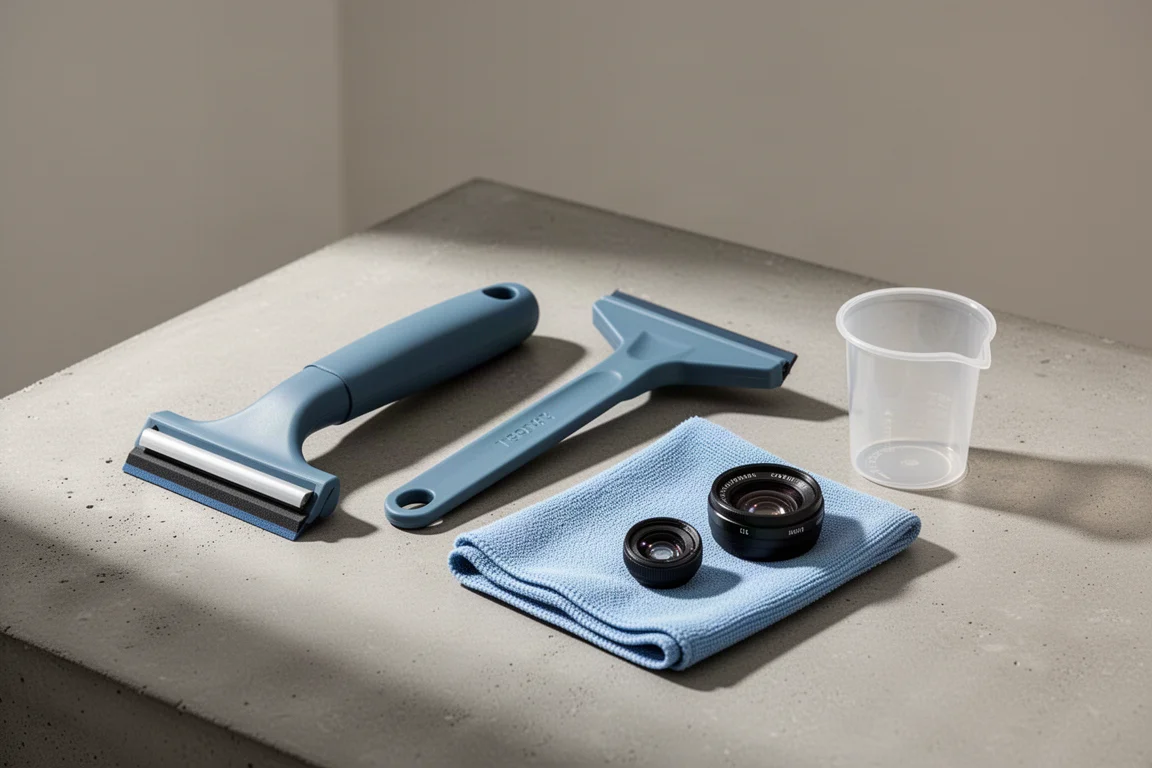
Aquarium Maintenance Must-Haves: 6 Tools for a Cleaner Tank
A practical roundup of aquarium maintenance tools, from magnetic algae scrapers to a glass cleaner and camera lens, with strengths and trade-offs.
Aquarium Maintenance
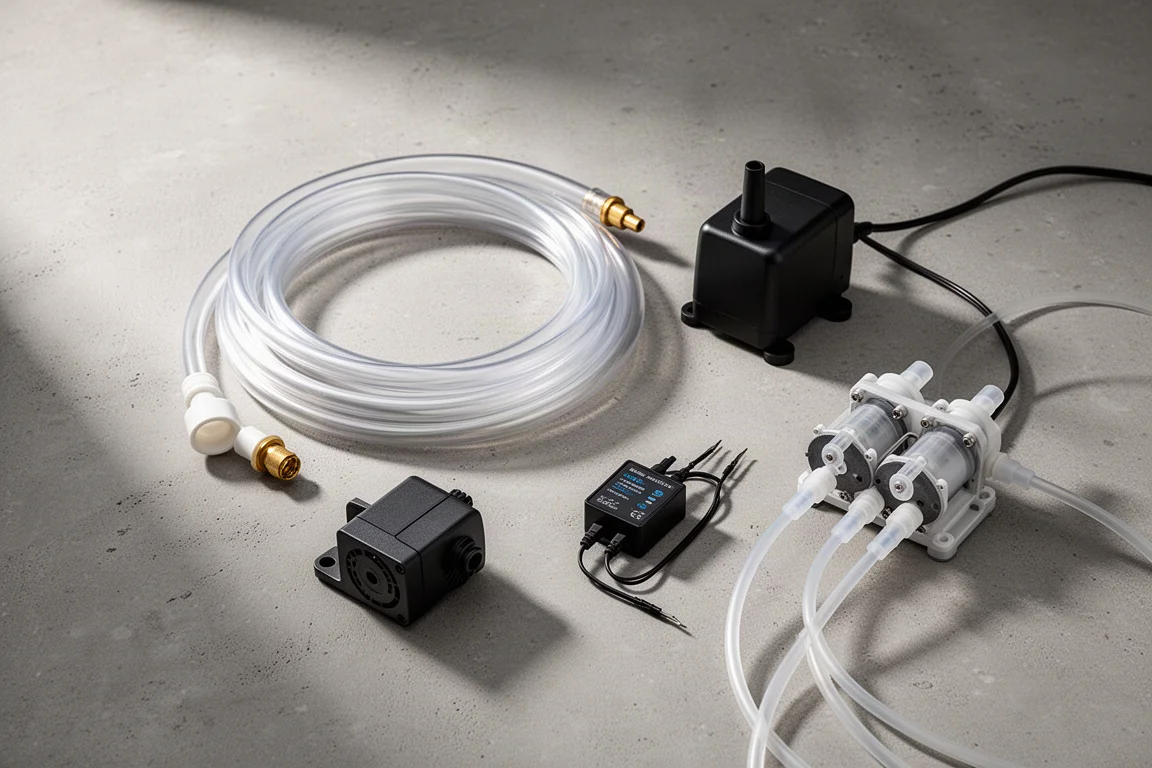
Best Aquarium Water Change Tools 2026: Six Options That Beat the Bucket
A practical comparison of six aquarium water change tools, from a sink-powered siphon to app-controlled auto water changers, with the trade-offs that actually matter.
Aquarium Maintenance
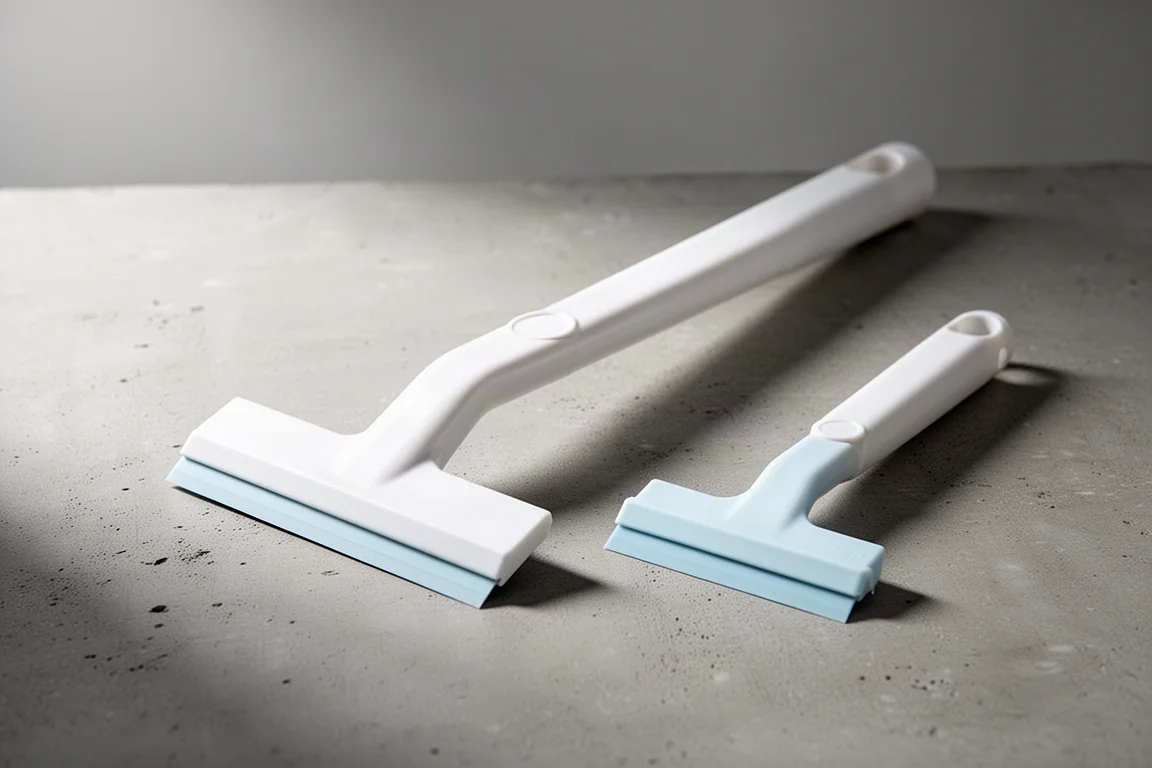
Continuum AquaBlade Aquarium Scraper Review: A Sturdy Tool for Cleaner Glass
A practical look at the Continuum AquaBlade scraper, its one-piece build, swappable plastic and metal blades, size options, and the everyday jobs it handles beyond algae.