Power Banks
Flextail Zero Power Review: An Ultra-Light 10,000mAh Power Bank
A 5.1 oz carbon fiber power bank with dual USB-C ports, 22.5W output, and a soft amber battery indicator built for nights in a tent.
Introduction
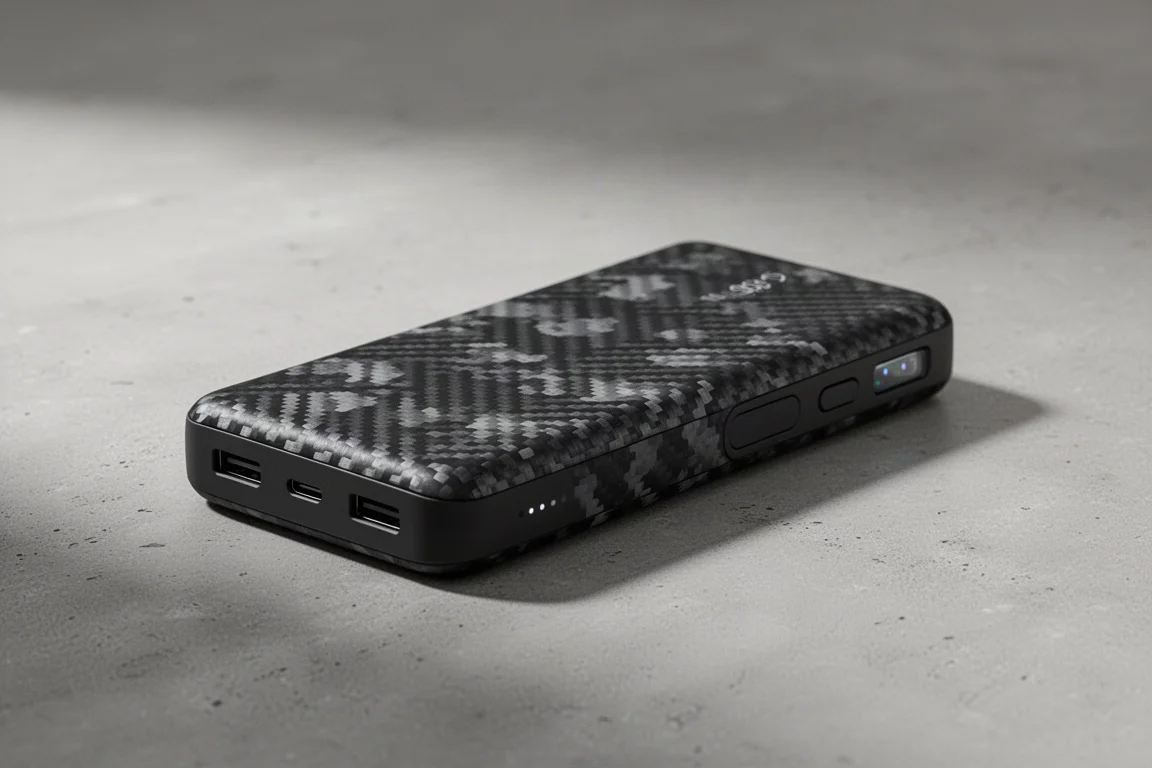
A power bank only earns its place in a pack when it stops being noticeable. The Flextail Zero Power is built around that idea: a 10,000mAh battery pack in a carbon fiber shell that weighs 5.1 oz and measures less than half an inch thick.
Flextail offers the Zero Power in two capacities, 5,000mAh and 10,000mAh. The larger version is the one that makes sense for overnight trips, since it holds enough charge for roughly two phone cycles while staying small enough for a hip belt pocket or a jacket.

This review covers what the 10,000mAh version does well, where it asks for compromises, and whether the price lines up with the way you actually travel.
Who This Power Bank Is For
The Zero Power is aimed at people who measure gear in grams and pack volume rather than in feature lists. It suits:
- Backpackers on overnight or multi-day trips who need a phone, a headlamp, and a camera battery to last
- Hikers who would rather carry two or three small packs than one heavy block
- Travelers who want a slim pack that disappears into a jacket pocket
It is a less obvious fit for anyone who needs a USB-A port for older cables, or who prefers a single large battery over several small ones.
Main Strengths: Weight, Size, and Build Quality
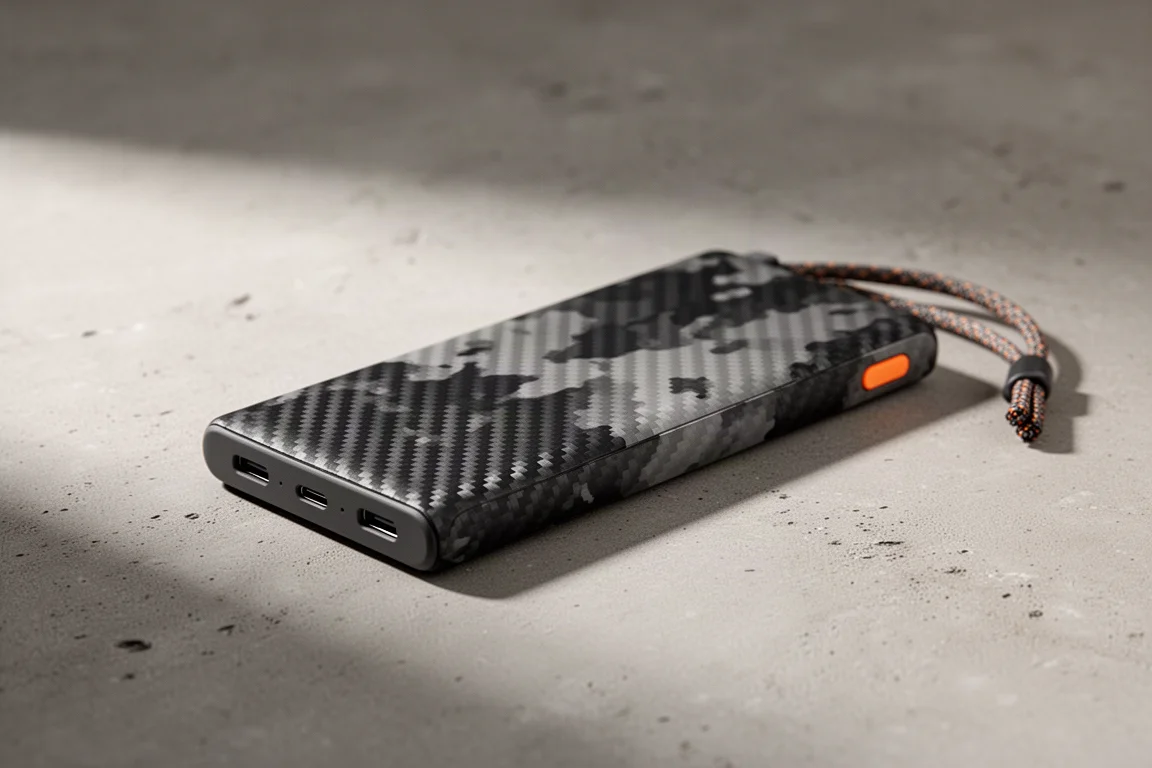
The headline numbers are 5.1 oz, 4.8 in long, 2.3 in wide, and 0.4 in thick. Inside a pack that is close to nothing, and in a pocket it is barely there. The corners taper to a slight point rather than a sharp edge, so carrying it against a leg or in a chest pocket stays comfortable.
Build quality is where the Zero Power separates itself from generic packs. The carbon fiber shell has a woven pattern that reads almost like a subtle camo print, and the fit and finish around the ports, buttons, and indicator window is clean and consistent. Across a month of regular use it has been dependable, with no glitches, no dropped charges, and no odd behaviour from the ports.
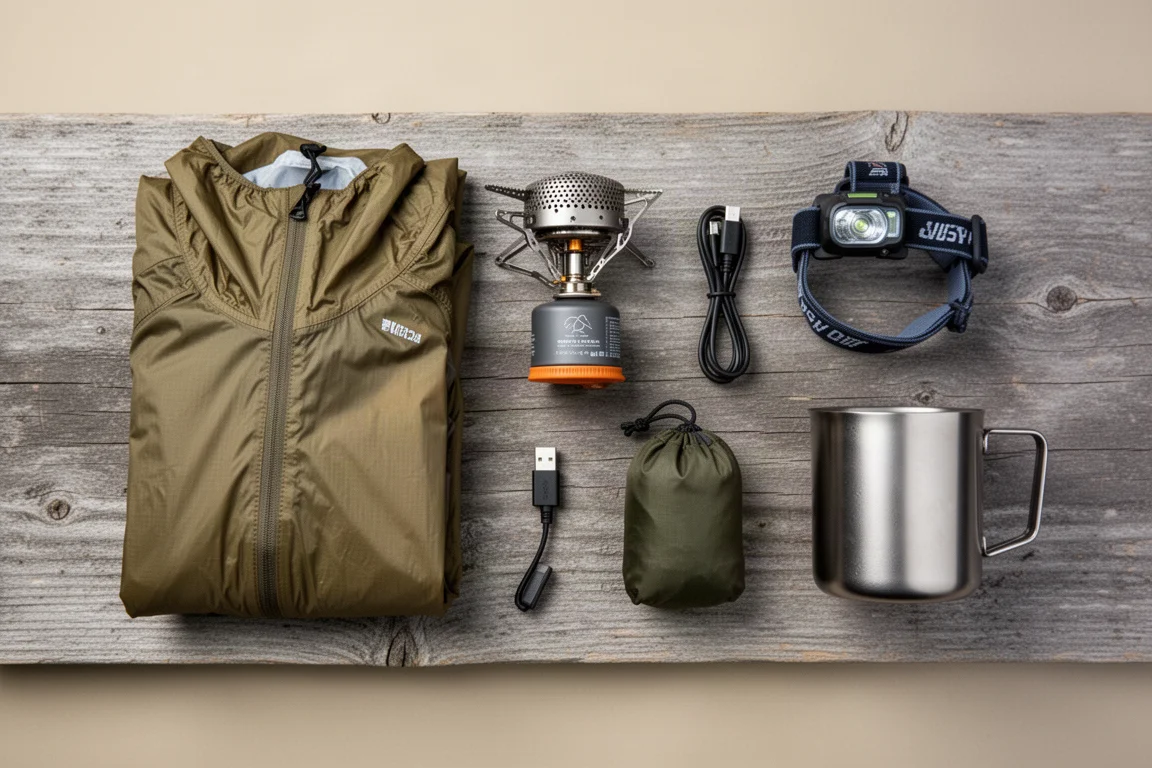
Because the pack is so small, capacity is easy to stack. Two or three of these take up less room than a single large battery and add almost nothing to the weight of a loaded pack, which is a practical way to cover a week of power needs without carrying a heavy brick.
Charging Performance, Ports, and the Efficiency Mode
The Zero Power has two USB-C ports on one edge and no USB-A port. The orange port works both ways, so it can charge the pack or power a device, while the black port is output only. Output tops out at 22.5W and input at 18W, which means a full recharge takes roughly 3 hours and 20 minutes.
In the box you get the pack, a short instruction manual, and a lanyard that doubles as a USB-C to USB-C cable. It is a clever piece of design: the cable clips into the lanyard body and unfolds to roughly 6 in.
The power button also works as a mode selector. Double tap it and the pack drops into a high-efficiency mode that outputs 5V at 1A. The trade-off is a slow charge, and the benefit is less heat and better efficiency, which is useful for an overnight phone top-up inside a tent. For most trips the standard mode is fine, but the option is there when it matters.
Capacity works out to roughly two phone charges, depending on the phone, and enough to run a small camping fan through the night.
Nighttime Usability and the Battery Indicator
Press the power button and a small window in the corner lights up with an amber battery indicator. That colour choice matters more than it sounds. Most power banks use blue LEDs, which are harsh in the dark and can be bright enough to light up an entire tent when you are trying to sleep. Amber is far easier on the eyes, and it settles into the background of a dark shelter instead of demanding attention.
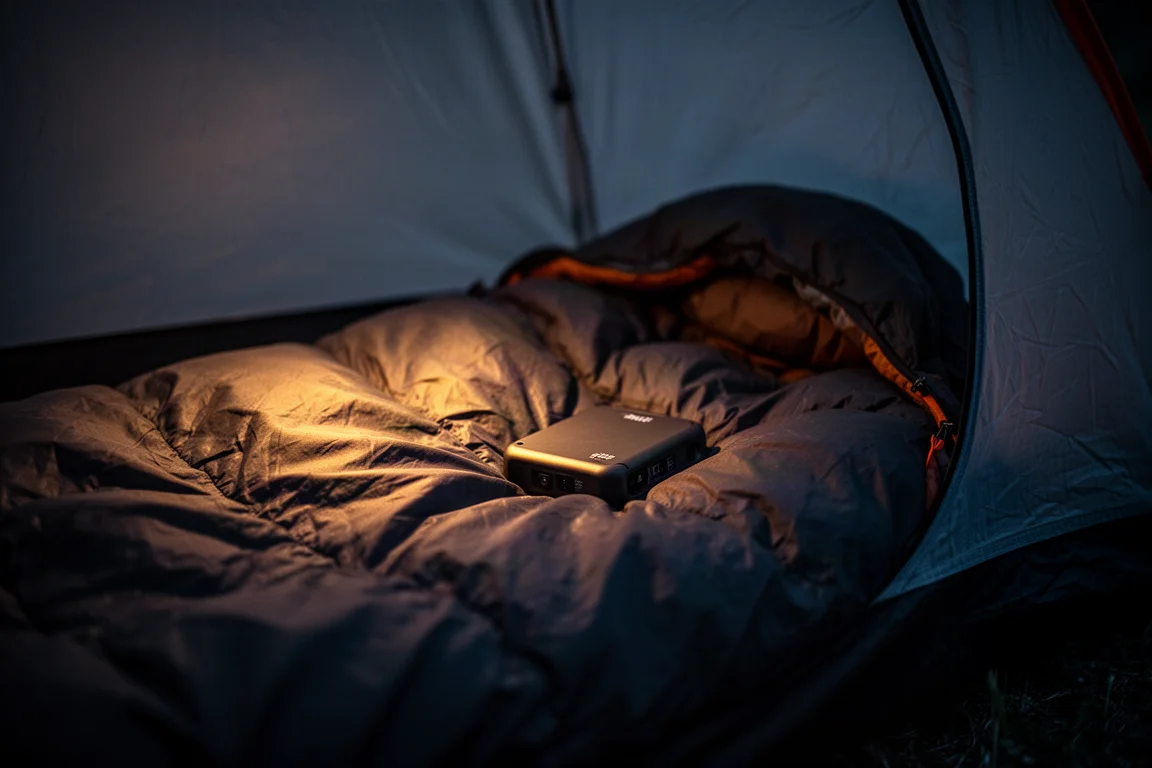
The ports themselves are the weak point after dark. They are not marked with high-visibility paint or plastic on the outside, so plugging in by feel takes a moment. Packs that wrap their ports in bright material are easier to use one-handed at night.
Things to Consider Before Buying
A few details are worth knowing before you order:
- The USB-C ports are not colour coded on the outside, which makes them harder to locate in dim light.
- There is no USB-A port, so older cables need an adapter.
- The included lanyard cable is short at roughly 6 in unfolded. A longer cable is more comfortable when you want the pack out of arm’s reach.
- Water resistance is IPX4, which covers splashes, mist, and light rain. It is not a waterproof pack, and it is worth keeping dry.
- Pricing sits around $60 at full retail, with sale pricing near $54, which is in line with other carbon fiber packs of similar capacity.
Buying Advice
The Zero Power makes the most sense for anyone whose priority is weight and pack volume. At this size and weight it is realistic to carry more than one and still notice nothing in the pack, which changes how you plan power for a longer trip.

If you need a USB-A port, want a long integrated cable, or expect sustained rain, plan for those gaps: an adapter, a longer cable, and a dry bag cover all three. For everyone else, the combination of capacity, build, and price is straightforward, and the amber indicator is a small detail that becomes valuable on the first night you use it.
Conclusion
The Flextail Zero Power is a well-built, genuinely light 10,000mAh pack. It charges a phone twice, refills in about 3 hours and 20 minutes, and stays out of the way in a pocket or a pack lid. Its compromises, a pair of unmarked USB-C ports, no USB-A, and a short included cable, are easy to work around. For backpackers who count grams, it is an easy recommendation.
Product link
View more details for Flextail Zero Power
This product is mentioned in the review. Check the specifications, options, and compatibility before buying.
View more details for Flextail Zero PowerFurther reading
Related Reviews
Power Banks
Anker 737 PowerCore 24K Review: Fast Charging in a Simple Package
A 140W portable power bank with a 52-minute recharge time, a health-tracking display, and a three-port layout that skips the app entirely.
Power Banks
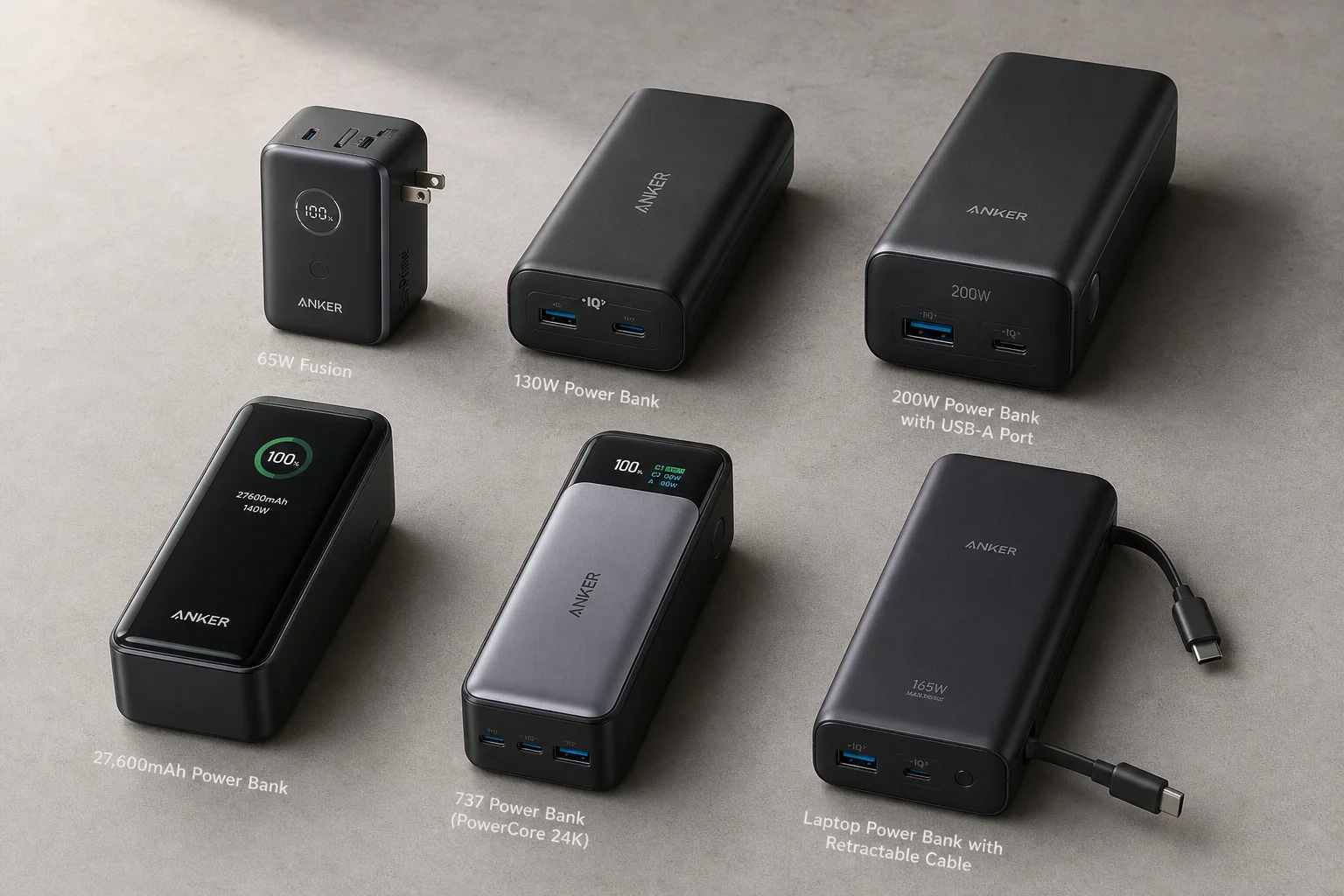
Best Anker Power Banks 2026: Six Models Tested and Ranked
A comprehensive guide to six Anker power banks, from compact 65W chargers to high-capacity 250W models. Find the right fit for your charging needs.
Power Banks
Flextail Zero Power Battery Bank Review: Ultralight 10,000 mAh Power for Backpacking
The Flextail Zero Power pairs a carbon fiber shell with a 5.1 oz body and 10,000 mAh of capacity. Here is what it does well, and what to weigh before you buy.