Power Banks
Flextail Zero Power 10000mAh Power Bank Review: Tiny Carbon Fiber Backup Power
A 10,000 mAh power bank with a carbon fiber shell, a 5.1 oz body, and an orange night-friendly indicator. Here is what works, and what to check before buying.
Introduction
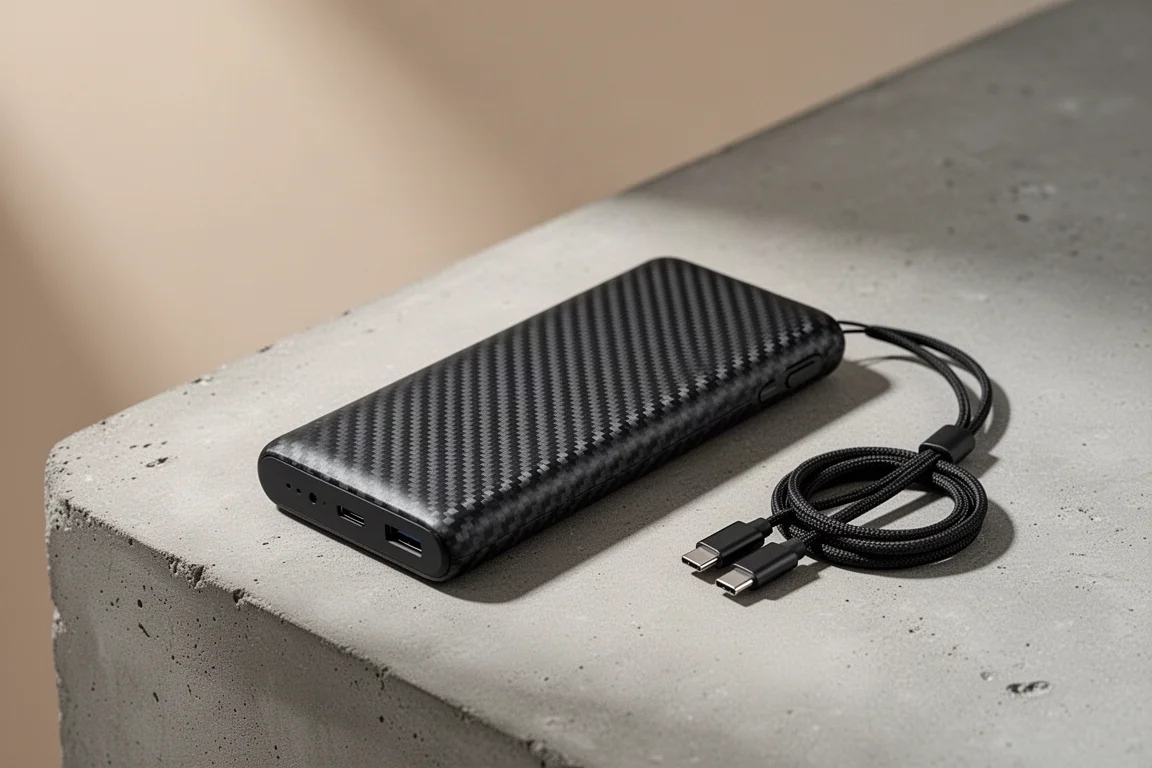
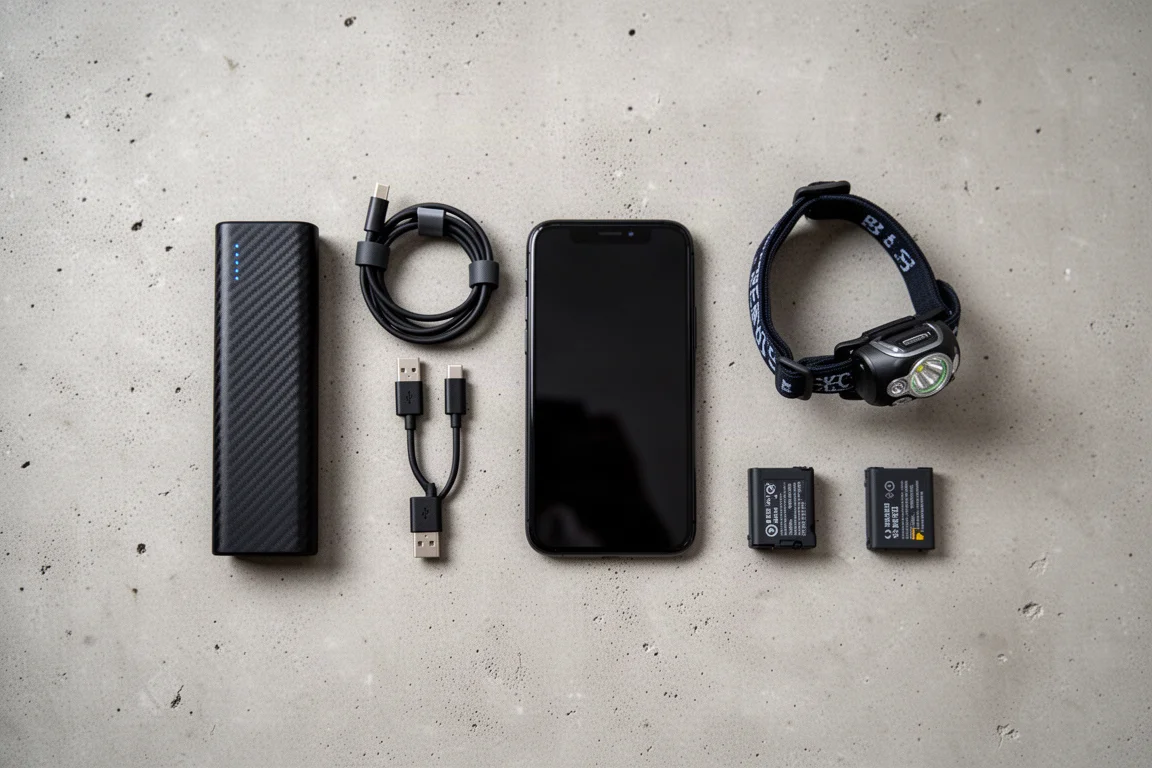
Ultralight power banks have quietly become one of the more interesting corners of backpacking gear. The Flextail Zero Power is a 10,000 mAh battery bank built around a carbon fiber shell, and its headline numbers are genuinely small: 5.1 oz on the scale and a body just 0.4 in thick. A 5,000 mAh version is also available for anyone who wants to go even smaller.
After roughly a month of regular use on trips, the picture is clear. This is a compact, well-built pack that behaves exactly like a battery bank should, with a couple of small details worth knowing before you buy.
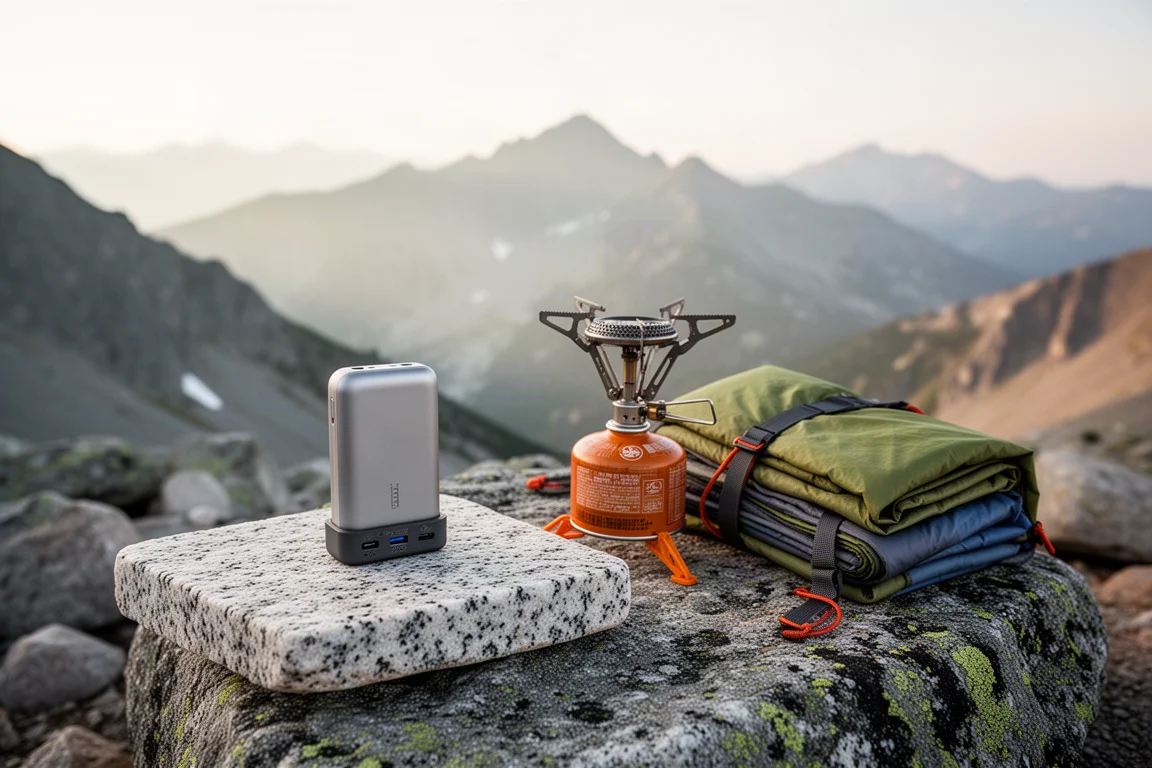
Two things stand out immediately. First, the size and the weight make it easy to carry more than one without noticing the load. Second, the fit and finish is excellent, and the pack has been completely reliable throughout, with no glitches or odd behaviour.
Who this product is for
This is aimed at people who count grams: backpackers, bikepackers, fastpackers, and anyone doing overnights where every item in the pack has to justify itself.
In practical terms, the 10,000 mAh capacity is good for roughly two phone charges, depending on the size of the phone. That is more than enough for an overnight trip, and it is also enough capacity to run a small fan through the night in warm conditions.
If you regularly carry a laptop or several camera batteries and need a large amount of power, a bigger pack will make more sense. If you mostly need to top up a phone, a headlamp, or a camera battery, this capacity is well matched to the job.
Design, size, and weight
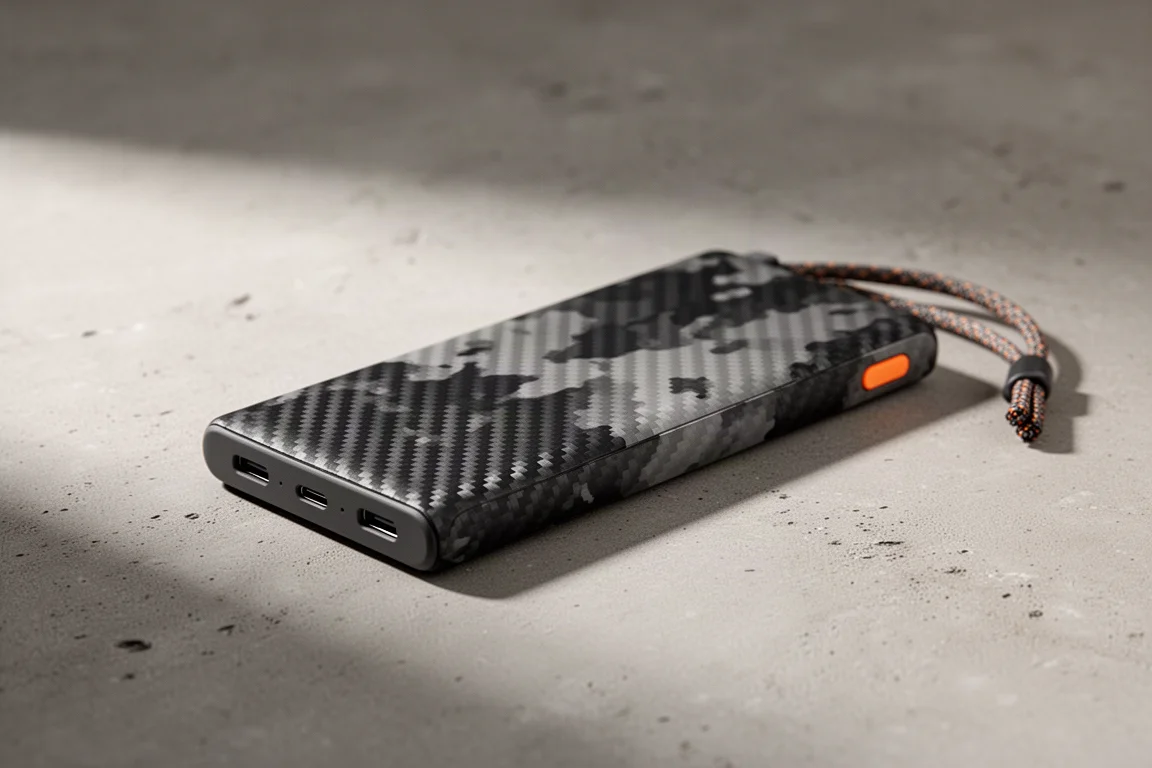
The shell is carbon fiber, and the weave reads almost like a camo pattern. It looks good, and it does not look like a generic plastic brick.
Dimensions are 4.8 in long, 2.3 in wide, and 0.4 in thick, and the pack weighs 5.1 oz. That is small enough to slip into a pocket without much notice.
Up in one corner there is a power button that doubles as a mode selector, and beside it a small cutout window. Press the button and the battery indicator lights up in orange. Along the edge you get two USB-C ports and a lanyard hole. The orange port works in both directions, so it can charge the pack and discharge to your devices, while the black port is discharge only.
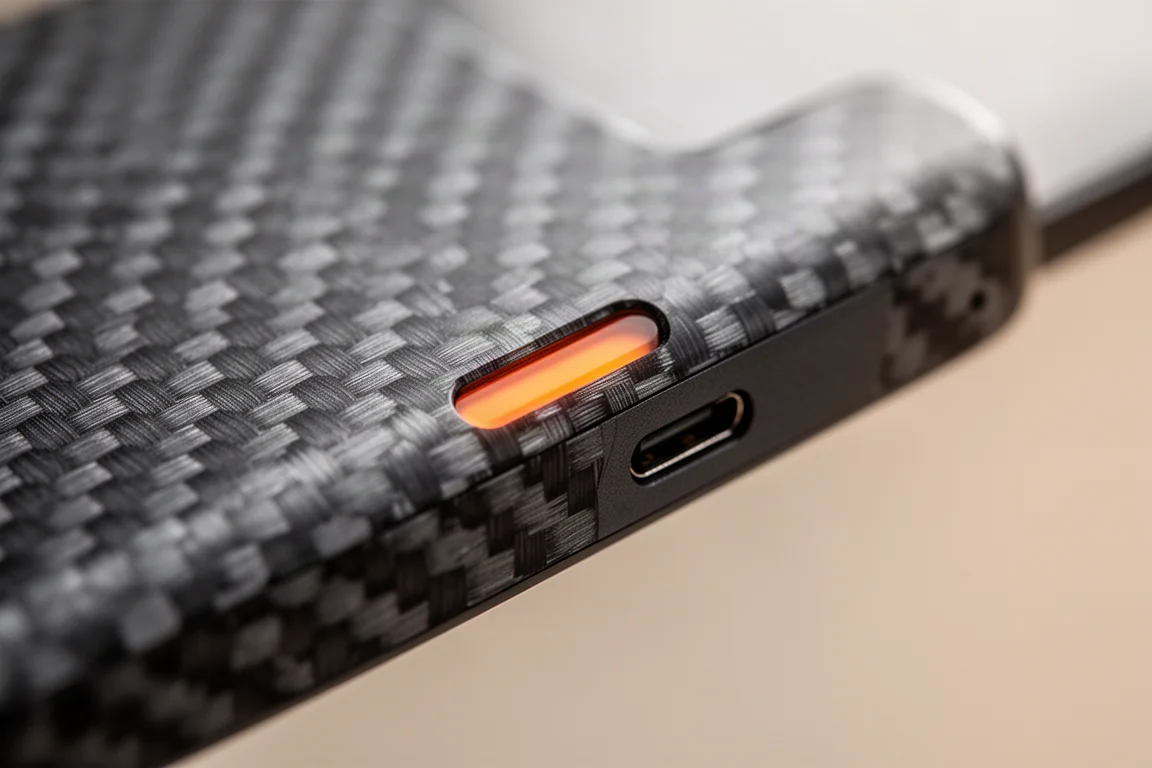
The edges taper to more of a point than some packs do. It is not sharp in any meaningful way, but it is worth knowing if you plan to carry it loose in a pocket next to thin fabric.
Charging performance and ports
Output tops out at 22.5 W, and the pack recharges at 18 W, which works out to roughly 3 hours and 20 minutes for a full charge.
The ports are not waterproof. They are rated IPX4, which covers splashes and light rain. That is a useful margin when the weather turns, but it is not a licence to leave the pack exposed in a downpour, and protecting battery packs from moisture remains the sensible habit.
The included lanyard is clever: it doubles as a USB-C to USB-C cable, and the cable end locks into the lanyard itself. Fully unfolded it measures about 6 in. It is a good quality cable and a smart piece of design, though the length is the one thing that limits it. A longer cable lets you leave the pack in a mesh pocket overhead or on the ground while you use your phone in comfort, while a short cable keeps the two devices tied closely together.
One more thing to note: there is no USB-A port. USB-A is being phased out in favour of USB-C, and adapters are widely available if you still have accessories that need the older connector.
The high efficiency mode
Double tapping the power button puts the pack into a high efficiency mode, where it outputs 5 V at 1 A. In other words, it slow charges.
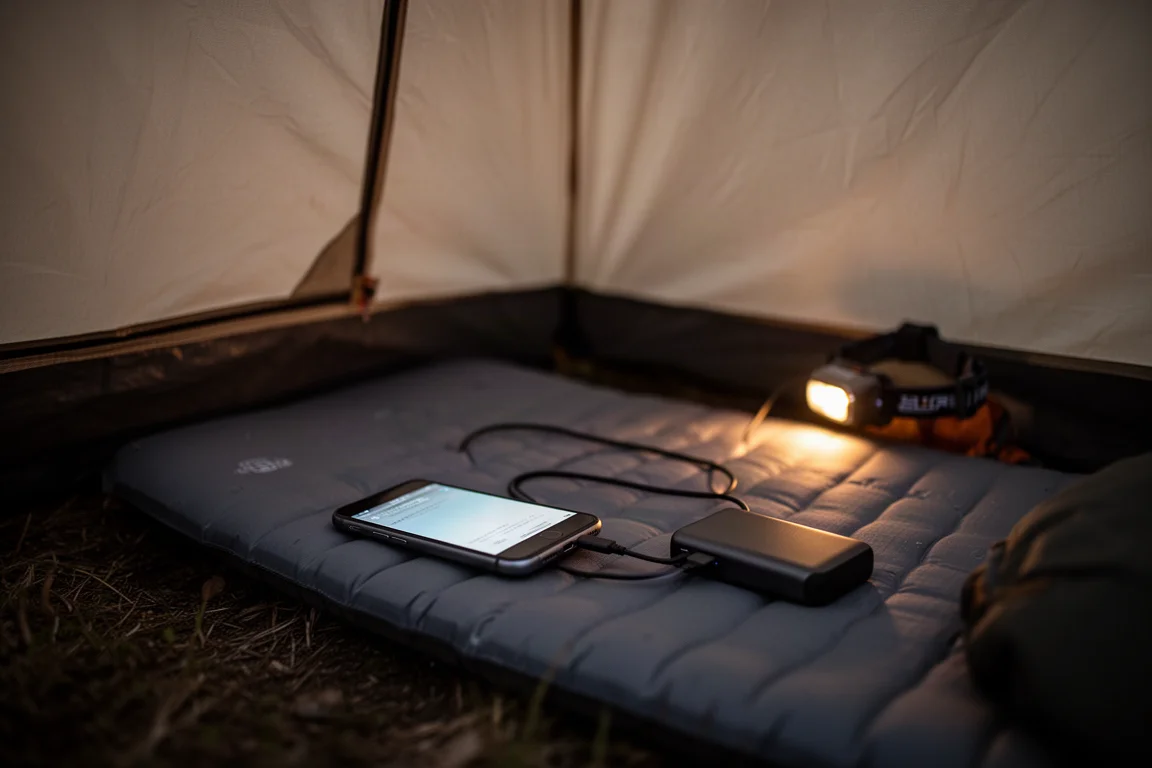
The point of the mode is heat. A slower charge generates less heat, and less heat means less energy lost along the way, so more of the stored capacity reaches your device. The obvious use case is charging a phone overnight inside a tent, where a slow, cool charge is all you need and efficiency matters more than speed.
The mode does work as described. That said, it is a feature you reach for when you want it rather than something you will use on every trip. For most charging, the standard mode is faster and perfectly fine.
Things to consider before buying
The most practical annoyance is port visibility. The ports are not color coded on the outside with bright paint or plastic, so in dim light or darkness you cannot easily see where to plug in. Packs that use a high visibility material around the port area make this much easier.
The charging indicator is the opposite story. Here it is a genuine advantage. The orange glow is soft and easy on the eyes in a tent at night. Some packs use blue indicator lights that are bright enough to illuminate a whole tent interior, which is exactly the kind of thing that wakes you up when you are trying to sleep. If you charge devices overnight in a small shelter, the orange indicator is a real quality-of-life detail.
The short included cable is the third consideration. It is well made and doubles as a lanyard, but about 6 in of reach is limiting if you like to keep the pack away from your phone.
Finally, there is the name. Zero Power is an odd choice for a battery pack, and it does not do the product any favours. It has no bearing on how the pack performs, but it is worth a mention.
Buying advice
At a list price of $60, with sale pricing around $54 at the time of writing, the value is fair. That sits in line with other carbon fiber power banks, and the price is comparable to the competition rather than a premium over it.
The closest reference point is the Nitecore NB10000 line, which has long been a benchmark for light, compact packs. The Flextail Zero Power is lighter still, yet it performs about the same in everyday use. It is the first pack in this class to give that benchmark genuine competition.
The trade-offs are easy to summarise: you give up port visibility in the dark, a USB-A port, and a longer cable. In exchange you get a lighter, thinner pack with a soft orange indicator, a genuinely useful efficiency mode, and excellent build quality.
If your priority is the lowest possible weight and bulk for overnight trips, this is an easy recommendation. If you need to charge a laptop or want maximum port flexibility, look at a larger pack instead.
Conclusion
The Flextail Zero Power does the simple things well. It is ultra-light, very compact, and reliable, and it carries enough capacity for two phone charges or a fan running all night. The carbon fiber shell looks good, the orange indicator is thoughtful, and the efficiency mode has a real use for overnight charging.
The caveats are minor and specific: a short included cable, ports that are hard to find in the dark, and no USB-A. None of them change the fundamentals.
For backpackers who care about weight and space, this is a strong, well-priced option that earns its place in the pack.
Product link
View more details for Flextail Zero Power 10000mAh Power Bank
This product is mentioned in the review. Check the specifications, options, and compatibility before buying.
View more details for Flextail Zero Power 10000mAh Power BankFurther reading
Related Reviews
Power Banks
Anker 737 PowerCore 24K Review: Fast Charging in a Simple Package
A 140W portable power bank with a 52-minute recharge time, a health-tracking display, and a three-port layout that skips the app entirely.
Power Banks
Best Anker Power Banks 2026: Six Models Tested and Ranked
A comprehensive guide to six Anker power banks, from compact 65W chargers to high-capacity 250W models. Find the right fit for your charging needs.
Power Banks
Flextail Zero Power Battery Bank Review: Ultralight 10,000 mAh Power for Backpacking
The Flextail Zero Power pairs a carbon fiber shell with a 5.1 oz body and 10,000 mAh of capacity. Here is what it does well, and what to weigh before you buy.