3D Printers
Flashforge Creator 5 Review: Four-Toolhead 3D Printer at an Unexpected Price
The Flashforge Creator 5 delivers multi-material 3D printing with four independent toolheads for $699. We examine the engineering trade-offs and real-world print quality after 60 hours of testing.
Introduction
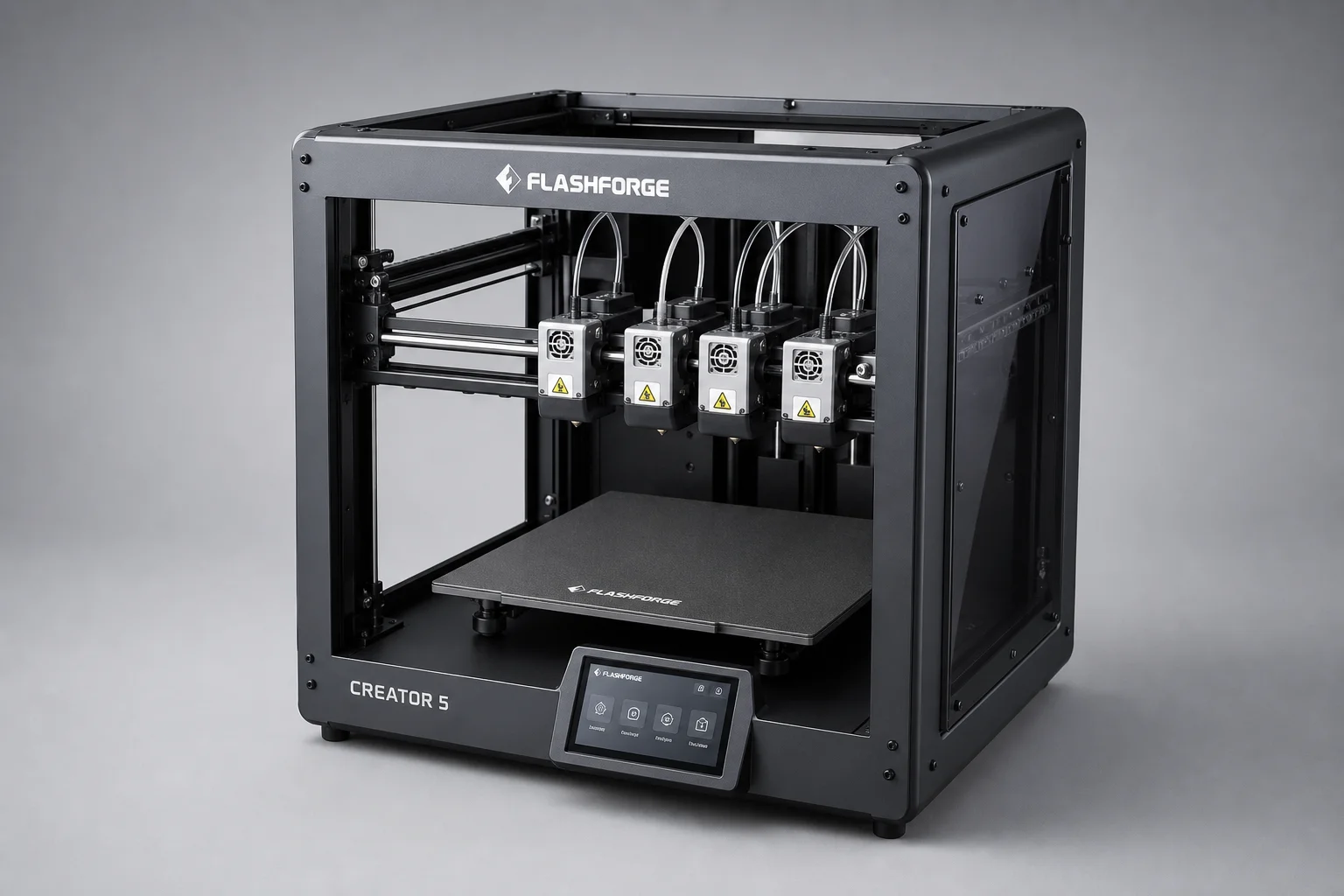
The Flashforge Creator 5 enters a crowded field of multi-material 3D printers with an unusual proposition: four independent toolheads, a 256-cubic-millimeter build volume, and a price of $699. For context, comparable machines from Snapmaker and Bambu Lab cost $999 and $799 respectively. The question is not just how Flashforge achieved this price, but whether the engineering trade-offs actually matter in practice.
After 60 hours of testing across PLA, PETG, TPU, PEBA, and PCTG, the answer is more nuanced than a simple yes or no.
Engineering Trade-Offs for the Price
To hit the $699 price point, Flashforge made deliberate choices across nearly every subsystem. Understanding these trade-offs is essential to deciding whether this printer suits your needs.
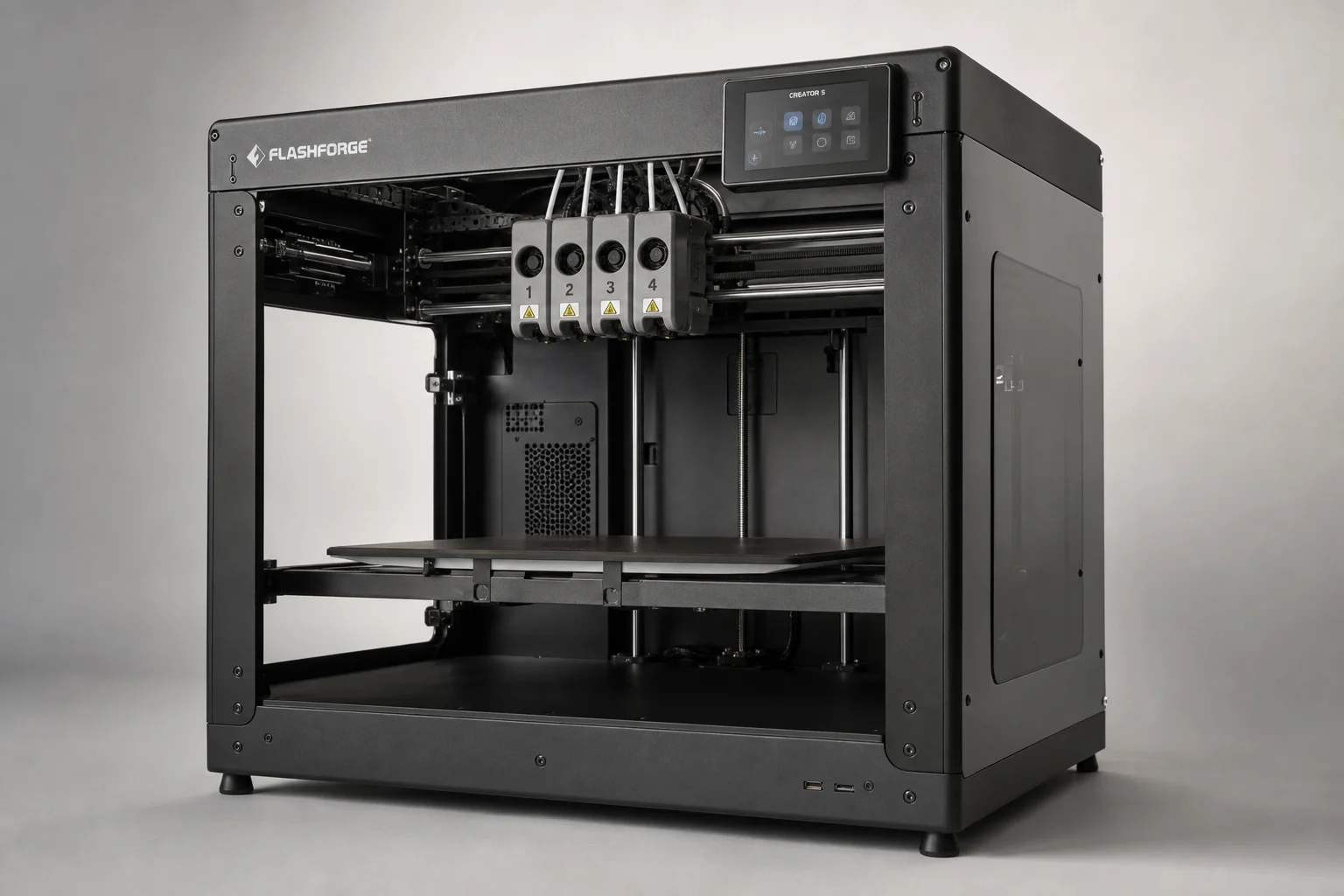
The most significant change is the toolhead design. Unlike competitors, the Creator 5 does not mount an extruder motor on each toolhead. Instead, a single motor on the carriage couples to the extruder gears during each tool swap via an ingenious mechanical design. This eliminates the cost of four stepper motors sitting idle when not in use.
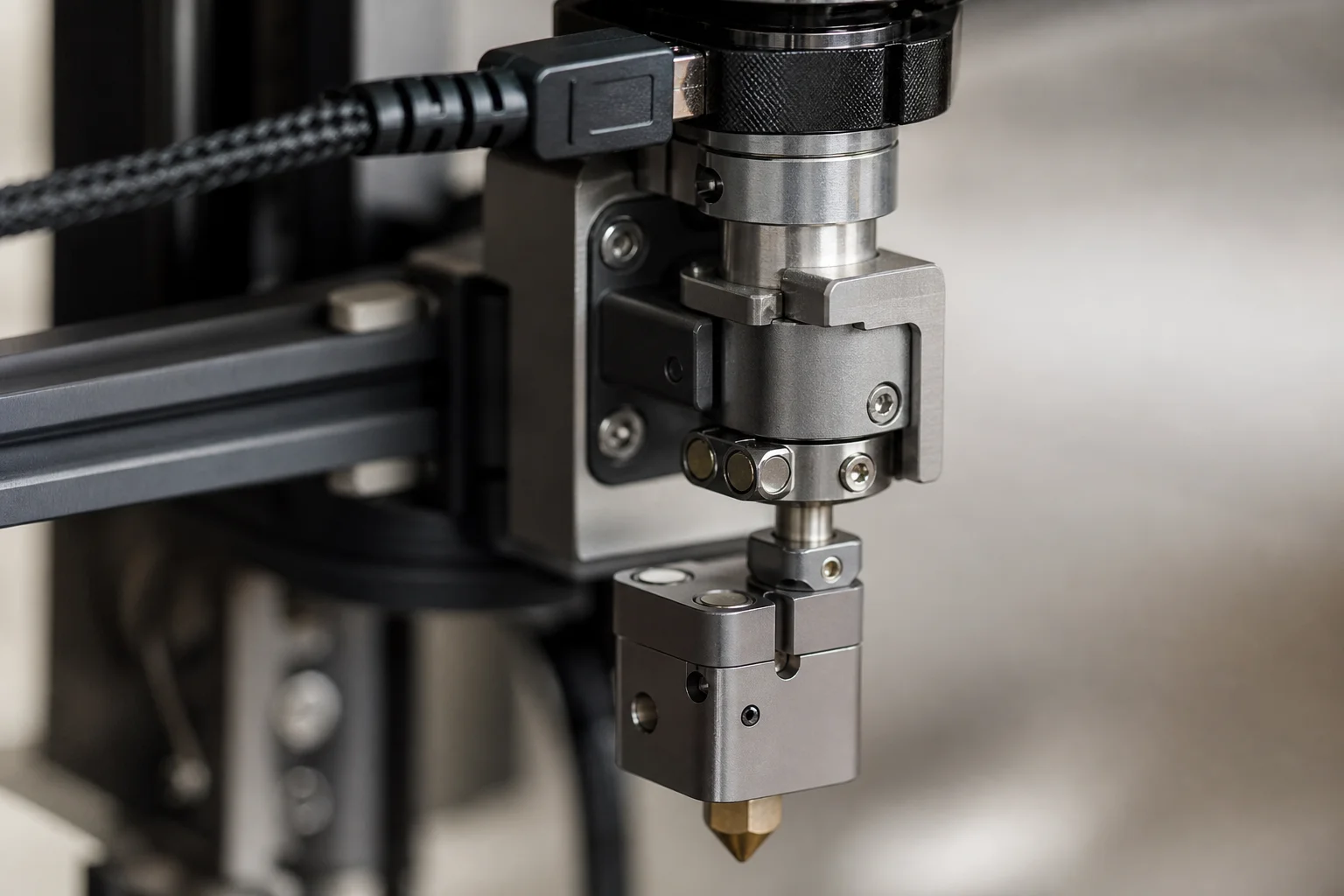
The coupling mechanism itself uses strong neodymium magnets instead of heavy CNC-machined locking hardware. Communication between toolhead and carriage runs through simple USB cables rather than pogo pins and additional PCBs. On the filament side, Flashforge replaced convenient pre-feeders with a manual extruder lever and integrated a filament cutter into each toolhead. The spool holder is a simple hook rather than a precision mechanism.
The frame uses rolled sheet metal for the X gantry instead of carbon rods. Injection molding appears throughout the design. Purging happens down the side of the bed rather than into a dedicated bucket. There are no spare tools included, and filament samples are small rather than full half-kilo spools.
What is notable is where Flashforge did not cut costs. The frame itself is metal, and the top appears to be machined from a single aluminum block. The coupling mechanism and toolhead assemblies are precision-made despite extensive use of plastic elsewhere. The X-Y motion system uses linear rails and bearings without compromise. All four toolheads arrive pre-assembled into a single sub-assembly, significantly reducing setup time compared to other toolchangers. Quality control appears thorough, with machines fully assembled and tested before shipping.
Print Quality Across Materials
After calibration, the Creator 5 produced consistent results across a variety of materials and color combinations. A four-color Benchy printed cleanly with no obvious defects. A Teenage Mutant Ninja Turtle bust in multiple Polymaker filaments showed excellent color transitions at fine detail intersections, with only minor stair-stepping visible on rounded surfaces at 0.2-millimeter layer height. Switching to 0.12-millimeter layers would have eliminated this entirely.
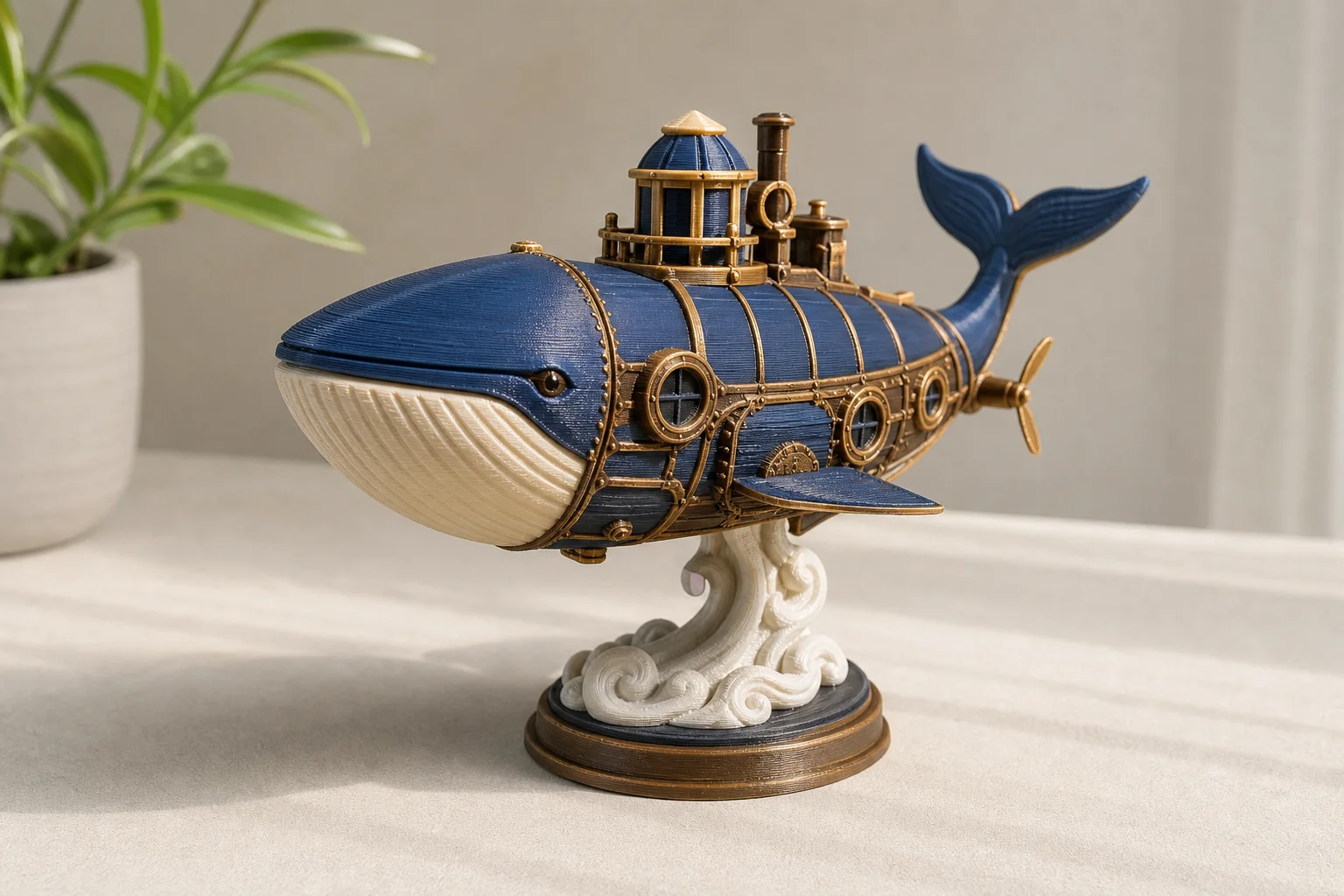
The automatic pressure advance calibration proved effective even when materials differed significantly in flow characteristics. A Trivenger model combining Prusament PETG with flexible PEBA printed without issues despite neither filament being fully dehydrated. Loading and unloading flexible materials with shore hardness ratings of 85A and 90A presented no problems, though the filament run-out detection sensor does make the path slightly more restrictive for very soft TPUs.
A plate of PJ Masks Gekko statues in Galaxy Green and Hyper PLA demonstrated the calibration’s ability to adapt to different flow rates between filament brands. The only issue was a prime tower knockover, which was resolved by switching to the rib prime tower design in subsequent prints.
Multi-Material Printing Performance
The most ambitious test was a Miles Morales Spiderman bust using all four Prusament PLA colors on every layer, printed at 0.12-millimeter layer height. This resulted in over 3,000 tool changes across approximately 36 hours. Despite a prime tower failure partway through that created a spaghetti mess, the Flash Swap coupling mechanism completed all 3,358 tool changes without a single failure.
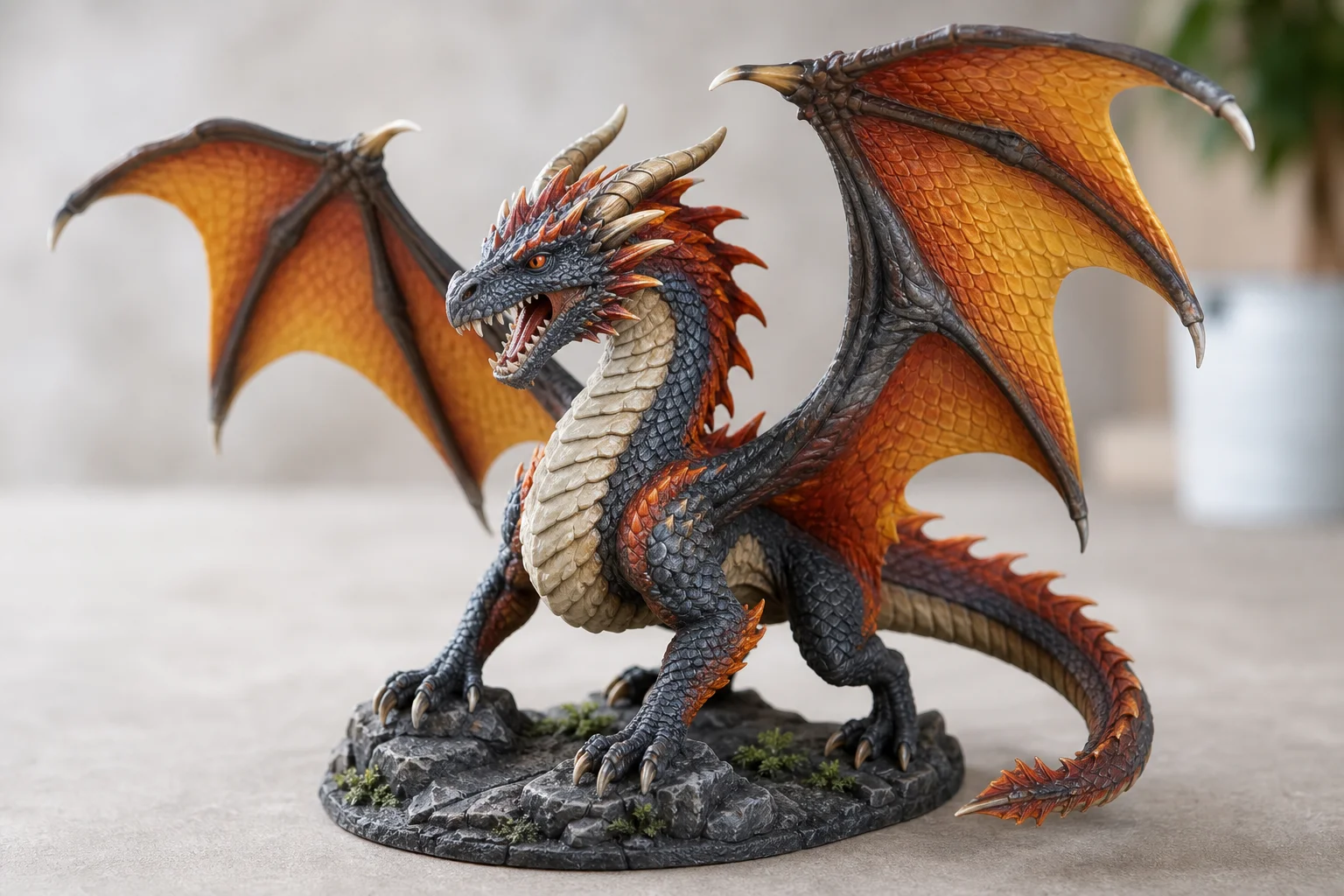
The texturing visible on the finished bust is not a print defect but actual model detail that the printer successfully reproduced. One aesthetic issue was a matte-to-glossy transition in the bluish-gray filament, which occurred because the bust and base were printed on the same plate at different heights. As the base thinned and completed, the time between layers on the bust changed, causing uneven cooling rates. Printing these parts separately or using software features like PrusaSlicer’s Consistent Surface setting would eliminate this effect.
A multi-material pencil case combining Fiberlogy 40D TPU, 3D-Fuel PCTG, and Silk PLA supports printed without issues. Support ironing produced a perfect finish on internal divots. The firmware currently lacks a dedicated PCTG profile, but selecting PETG allowed the automatic calibration to properly compensate for the different flow characteristics.
Real-World Reliability and Firmware
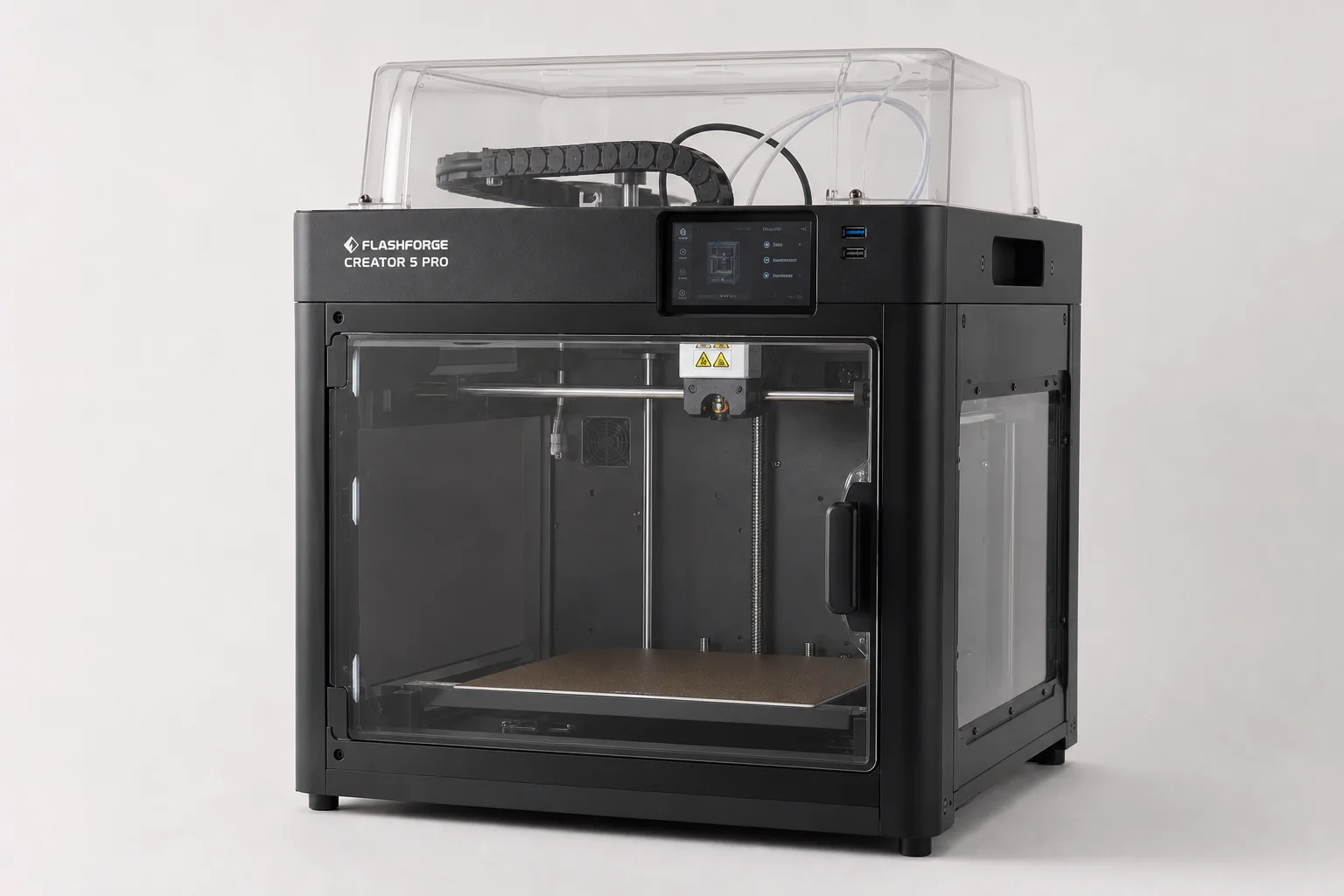
The Creator 5 Pro adds an enclosure door, rear viewing window, HEPA filtration, chamber heater, and top hat for only $150 more at $849. Neither model includes RFID readers, which Flashforge omitted entirely to keep costs down. This is arguably a sensible decision until the industry settles on a universal standard, as filament compatibility across different RFID tag types remains inconsistent.
Feedback provided to Flashforge focused on software and firmware improvements rather than hardware issues. The prime tower design has been flagged for optimization. Interface tweaks and slicer improvements are expected as the production version approaches release.
Conclusion
The Flashforge Creator 5 is a solid multi-material printer that justifies its price through intelligent engineering rather than corner-cutting on critical components. The trade-offs in convenience features and aesthetic details do not meaningfully impact print quality or reliability. For anyone seeking an affordable entry point to four-color printing, this machine removes a significant barrier to entry. The Creator 5 Pro offers practical additions for users who want an enclosed environment, though the base model performs admirably as-is.
Further reading
Related Reviews
3D Printers
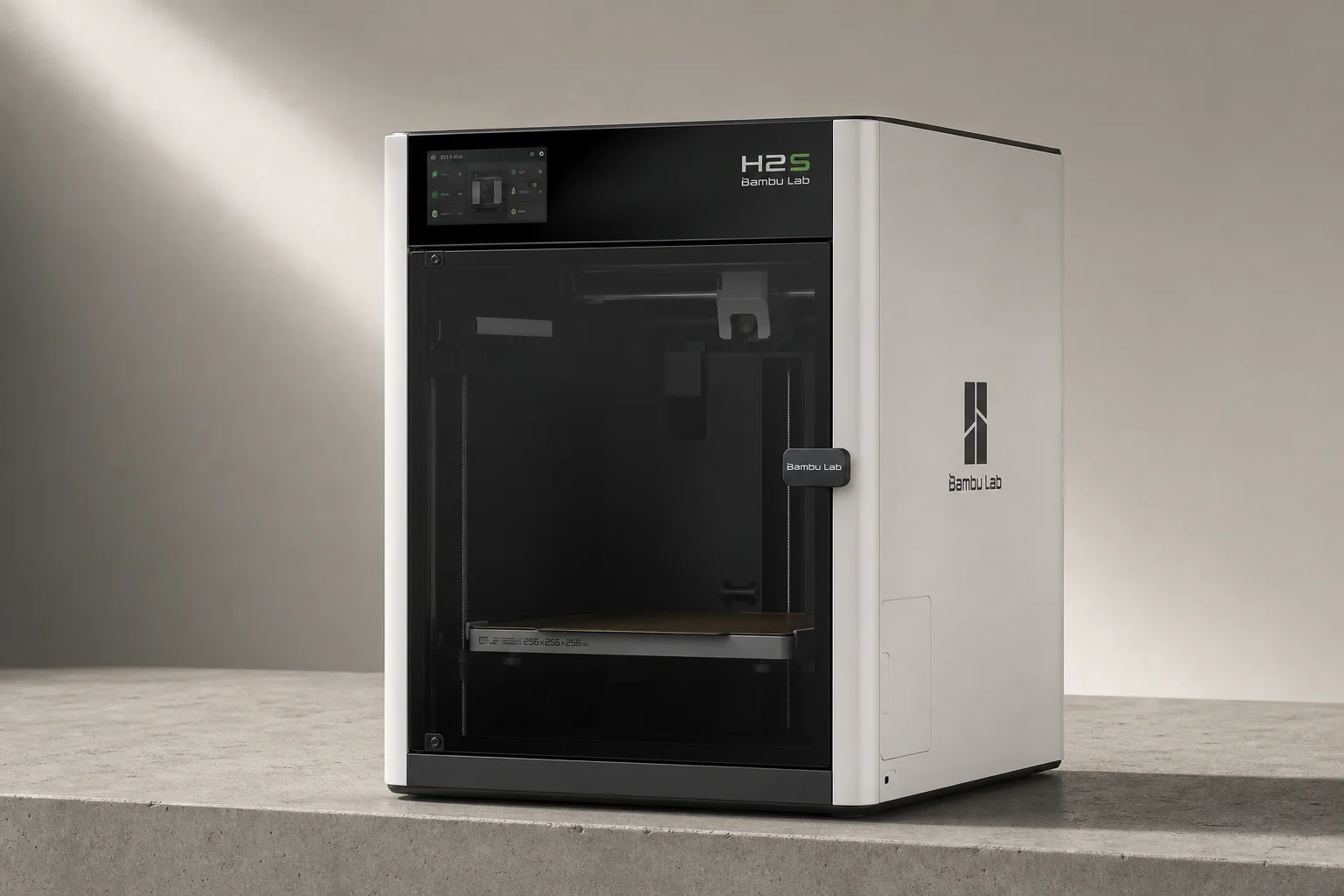
Bambu Lab H2S Review: Large-Format 3D Printing Without the Dual Extruder
The H2S strips away the H2D's dual-nozzle complexity for a simpler, cheaper large-format printer. Here's what that trade-off means for your prints.
3D Printers
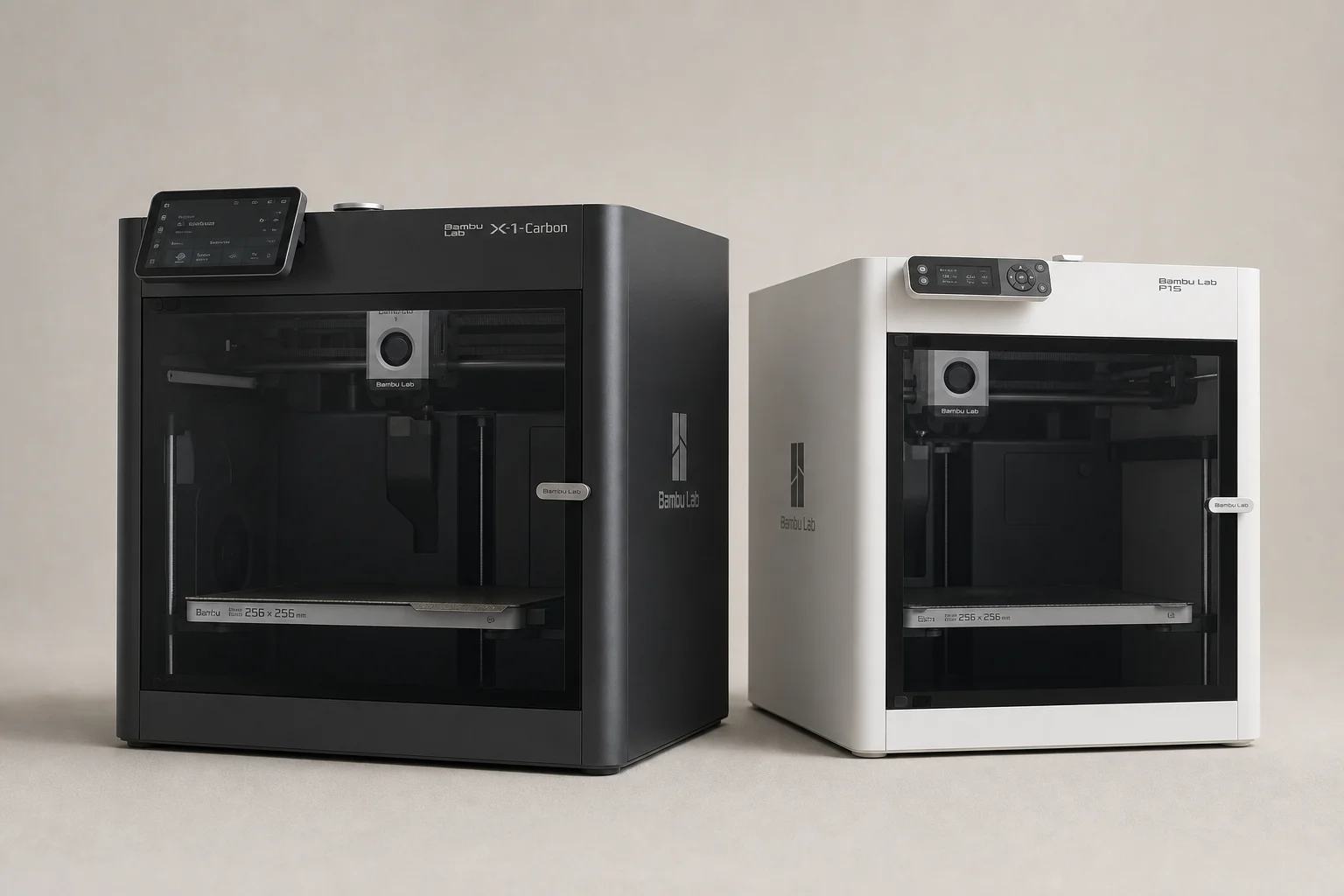
Bambu Lab P1S vs X1 Carbon: Why the Budget Option Wins
After testing both printers side by side, the P1S delivers nearly identical print quality at half the price. Here's what the premium features actually cost you.
3D Printers
Bambu Lab P2S Review: A Strong Mid-Range 3D Printer Worth Considering
The Bambu Lab P2S brings significant upgrades over its predecessor, including a new touchscreen, improved cooling, and quick-swap nozzles. Here's what real-world use reveals about its strengths and trade-offs.