Outdoor Gear
Fjällräven Abisko Tarp 10x10 Review: A Premium Square Tarp Built to Last
A close look at the Fjällräven Abisko Tarp in its 10 x 10 ft size, covering materials, tie-off points, weight, price, and what to weigh before buying.
Introduction
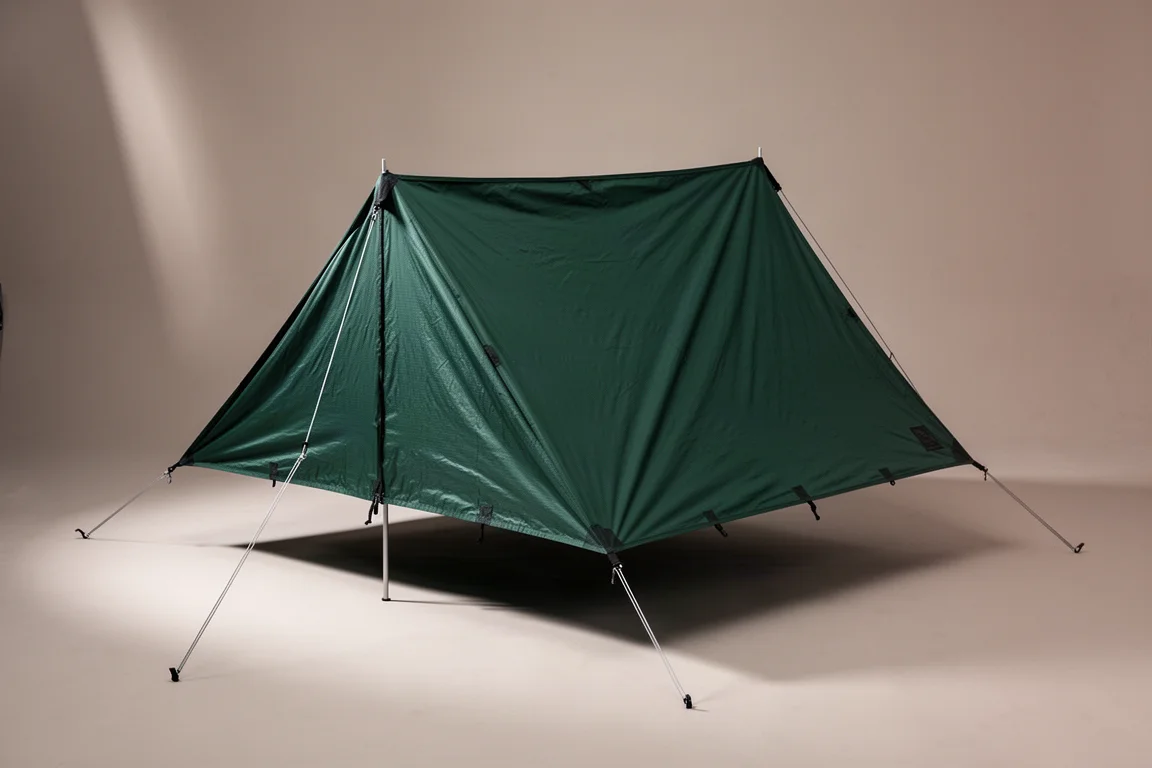
Fjällräven is better known for trekking trousers and backpacks than for shelter, which is why the Abisko Tarp tends to catch people off guard. The Swedish brand makes two versions: the Abisko Tarp at 10 x 10 ft, and a larger model measuring 14.5 ft long by 11.5 ft wide. This article focuses on the 10 x 10.
Square tarps have a devoted following, and the reason is practical. A square footprint opens up more pitching options and delivers more protection per gram than a narrow rectangular tarp, and the Abisko is a light one at a claimed 1.1 lb. The larger version comes in at 1.9 lb. For a shelter of this size, that is a genuinely low weight to carry.

Availability is the complication. The tarp is sold in the United States, but stock has been hard to come by, and importing one from a UK retailer has been a practical route for buyers who do not want to wait. Retail is $164 for the 10 x 10, and $240 for the larger model. It is not a budget purchase, and Fjällräven has never pretended otherwise.
The sections below cover who the tarp suits, where it performs well, how it is constructed, and what is worth thinking about before you commit.
Who This Tarp Is For
This tarp makes the most sense for campers who want one shelter that can handle a wide range of weather rather than a fair-weather only sun shade. The 10 x 10 footprint is large enough to pull the sides down and create a shield against blowing rain or snow, which puts it in four-season territory when paired with a sensible pitch.
It also suits woodland campers specifically. The tarp is available in one colour only, pine green, and that single colour choice is a deliberate advantage rather than a limitation. It sits quietly against undergrowth, moss and low bushes, which is exactly what you want in a forest setting.
Weight-conscious backpackers are the third group. At a claimed 1.1 lb, the 10 x 10 disappears into a pack. The form factor is compact and the storage bag is well judged, so it does not turn into a bulky item that has to be strapped outside.
It is a less obvious fit for anyone shopping purely on price, and it is not a complete shelter on its own. No poles are included, so a pitch depends on trees, trekking poles, or poles you already own.
Main Strengths
Size is the first thing that stands out. A 10 x 10 tarp is a big square, and big squares translate directly into protection. Underneath one, with a proper pitch, there is enough coverage to stay dry in genuinely bad conditions, and enough room to live rather than just shelter. It is the kind of footprint that lets you sit out a long, wet evening comfortably.
Weight is the second. A claimed 1.1 lb for a tarp of this size is impressive, and it is the combination of size and weight that makes the Abisko interesting. You get storm-worthy coverage without paying for it in pack weight.
The third strength is the tie-off layout. There are 17 tie-off points in total, with five along each side plus the perimeter and centre positions, and the stitching at each one is reinforced. That is not the highest count you will find on a tarp, but it is more than enough to achieve most common configurations, from a simple A-frame to a low storm pitch with folded corners.
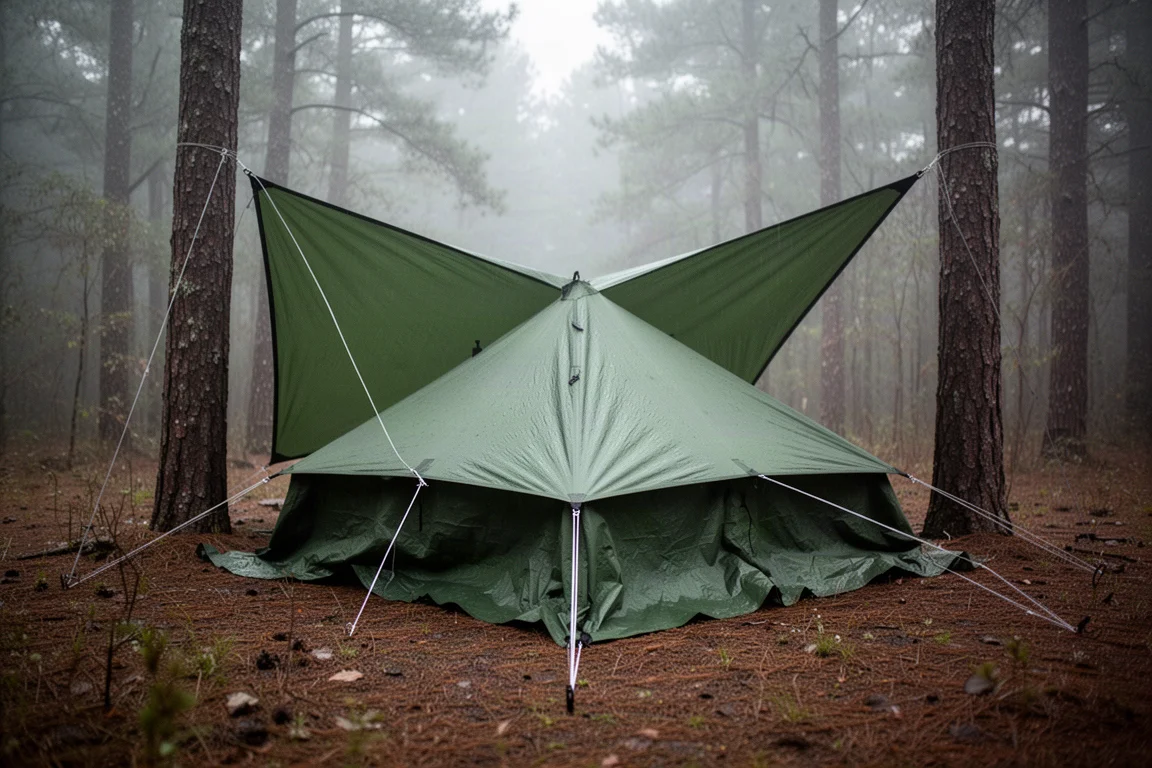
Material choice supports all of the above. The fabric is a 40D triple ripstop nylon with a 3000 mm hydrostatic head rating, and the silnylon construction gives the tarp a controlled amount of stretch. In windy conditions that stretch is an asset rather than a flaw, because the shelter gives and recovers instead of loading a single point until something tears. It also makes pitching more forgiving, since the fabric settles into shape rather than fighting you.
Finally, the finish feels premium in the hand. The closest point of comparison in feel and craftsmanship is the tarp range from Hilleberg, which is high praise in this category. There is a clear sense that this is a product designed to be kept for a long time.
What Comes in the Box
The package is straightforward and slightly more generous than the category norm. You get the tarp itself, a storage bag, and six guy lines. The guy lines are 2 mm Dyneema, which is strong and very light, and they are reflective, which matters more than most people expect when you are moving around a camp in the dark.
The lines arrive already tied and fitted with adjusters, so they are ready to use rather than a knot-tying project on the first pitch. Including guy lines at all is a nice touch, since plenty of tarp makers expect you to supply your own cordage.
The lines measure 7.5 ft each. That is on the short side for a tarp this size, and it is the one component where the kit feels like it could give you a little more room to work with.
Setup, Materials, and Construction
Pitching is quick. The square shape is easy to reason about, the tie-off points are clearly placed, and the pre-fitted guy lines with adjusters mean you can tension the shelter without extra hardware. Even a fast, unrefined pitch holds up well and provides usable cover.
The construction details are where the price starts to make sense. There is no seam tape anywhere on the tarp, and that is a deliberate design decision with a real long-term payoff. Taped seams are a common failure point as a shelter ages: the tape dries, lifts and peels over time. Without tape, there is nothing to peel.
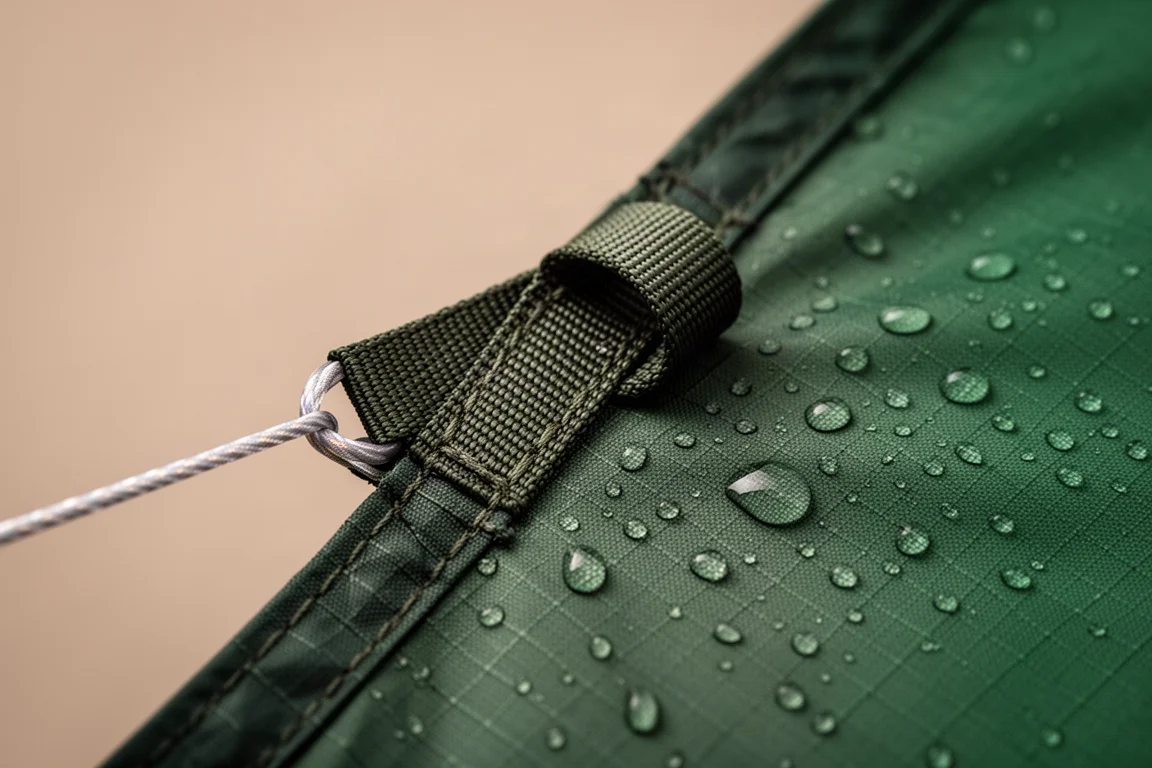
Waterproofing instead comes from the stitching itself. Fjällräven uses very small needles and a thread that swells when it gets wet, filling the gaps in the fabric so water cannot pass through. It is the same approach Hilleberg takes, and it is the reason both brands can build a waterproof shelter without relying on tape.
The silnylon fabric does stretch with use, particularly once it is wet, which is why the pre-attached guy lines and their adjusters matter. As the fabric relaxes, you re-tension the lines and the pitch tightens back up. It is a small habit to build, and it keeps the shelter performing.
Things to Consider Before Buying
The guy lines are the first practical limitation. At 7.5 ft, they are shorter than the 9 to 10 ft many tarp users prefer, which can be a nuisance when the only usable trees are spaced further apart than you would like. A simple fix is to carry an extra long length of cordage in your kit, in the 15 to 20 ft range, for the rare pitch where a standard line will not reach. It weighs almost nothing and it saves an awkward setup.
The second consideration is colour. Pine green is the only option, and while it is excellent for woodland, it is not a choice for anyone who wants a tarp to stand out.
Price is the third. At $164 retail, this sits firmly in the premium bracket, and there are more expensive tarps out there, which puts the cost in perspective rather than making it disappear. The argument for paying it is longevity: the fabric, the stitching method and the absence of seam tape all point to a shelter that will hold up over many seasons rather than a few.
Availability is the last thing to plan around. The tarp is sold in the United States, but it has been difficult to find in stock, and importing from a UK retailer is a workable alternative for buyers who want one sooner. Budget for that route accordingly.
Buying Advice
If you want a square tarp that handles wind, rain and snow, packs down to almost nothing, and is built in a way that suggests a long service life, the Abisko Tarp 10 x 10 is a well-considered purchase. The size and weight combination is the real argument, and the construction details back it up. It is a shelter you buy once and use for years.
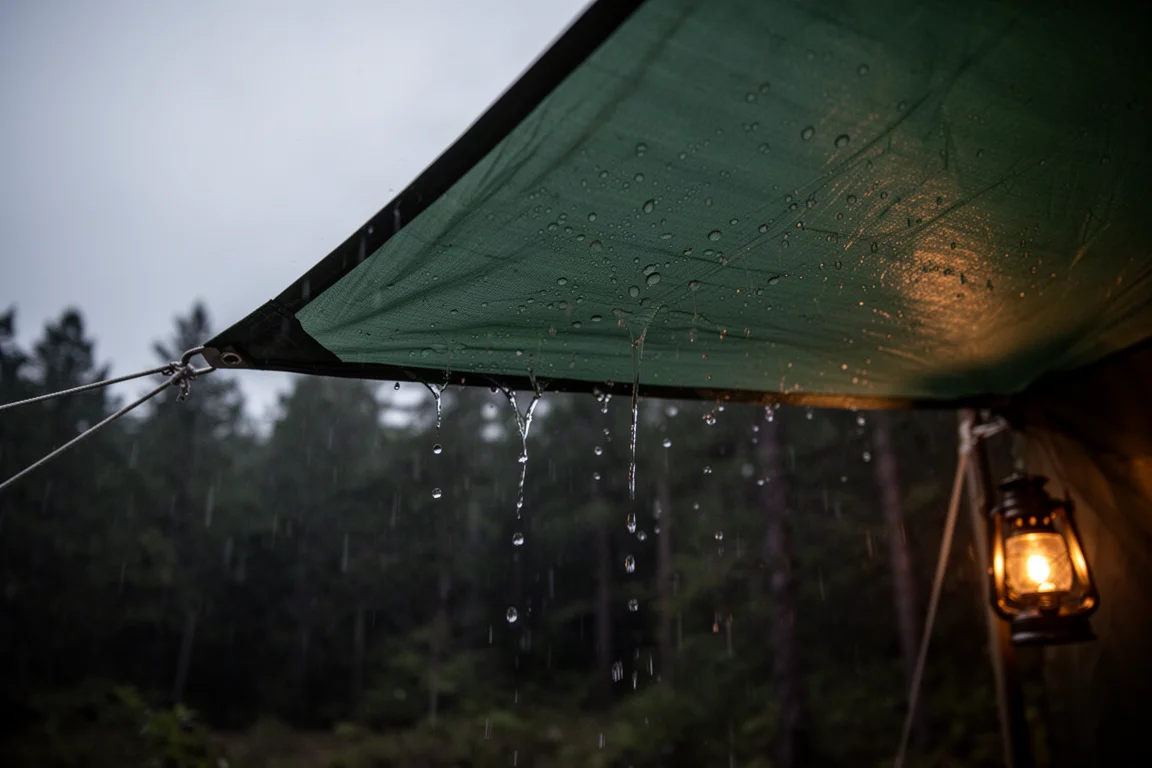
If the priority is the lowest possible spend, this is not the tarp for that job, and there are cheaper options that will cover you in fair weather. The Abisko is aimed at campers who expect their shelter to work in poor conditions and to keep working.
Group campers and anyone who wants maximum covered space should look at the larger 14.5 x 11.5 ft version instead. It weighs a claimed 1.9 lb, which is still light for the footprint, and it retails at $240.
Conclusion
The Fjällräven Abisko Tarp 10 x 10 is a premium square tarp that earns its price through materials, construction and long-term thinking. The 40D triple ripstop nylon, the 3000 mm hydrostatic head rating, the reinforced tie-off points and the taped-seam-free build all point in the same direction: a shelter that is forgiving to pitch, effective in bad weather, and unlikely to degrade quickly.
The trade-offs are honest ones. The guy lines are shorter than ideal, there is only one colour, and it costs more than most tarps its size. If those points do not bother you, and a lightweight, storm-capable square tarp is what you are after, this is a confident recommendation.
Product link
View more details for Fjällräven Abisko Tarp 10x10
This product is mentioned in the review. Check the specifications, options, and compatibility before buying.
View more details for Fjällräven Abisko Tarp 10x10Further reading
Related Reviews
Outdoor Gear
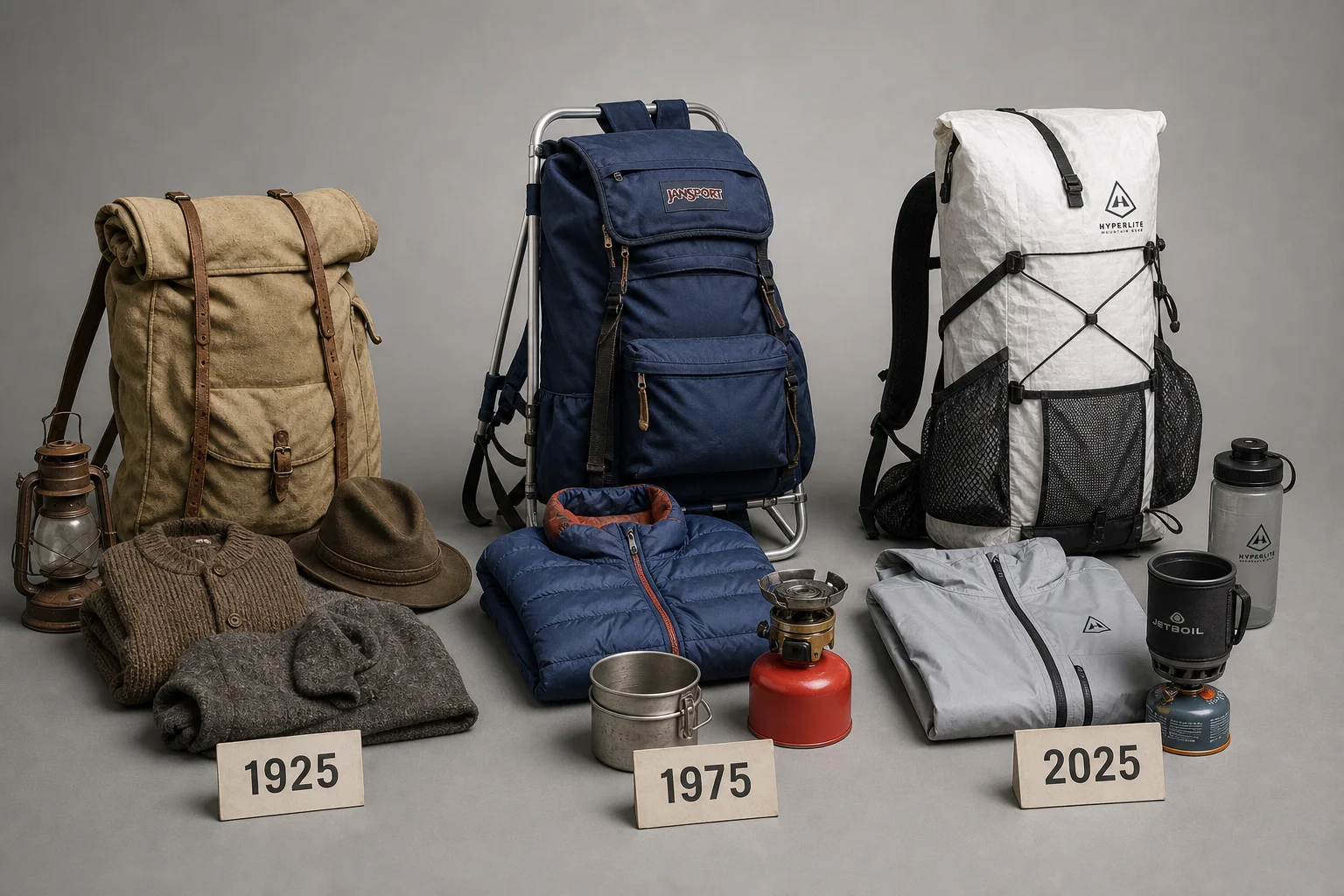
Backpacking Gear Evolution: 100 Years of Technology Compared
We tested backpacking gear from 1925, 1975, and 2025 across a three-day hike in Yosemite. Here's how technology has transformed comfort, weight, and the outdoor experience.
Outdoor Gear
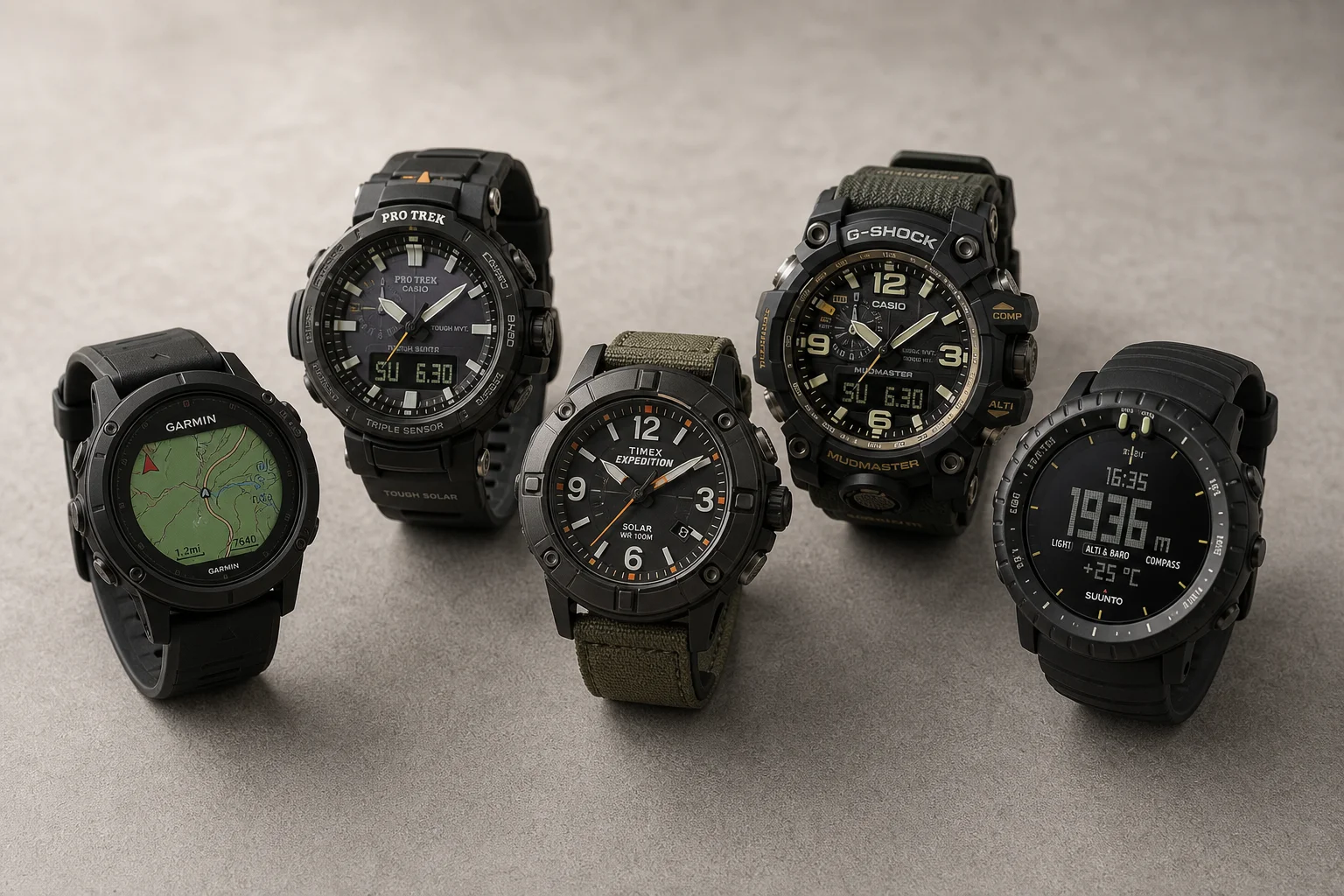
Best Affordable Hiking Watches: Five Rugged Options for Outdoor Adventures
Five durable hiking watches that balance ruggedness, functionality, and value for outdoor enthusiasts who need reliable GPS tracking and weather resistance.
Outdoor Gear
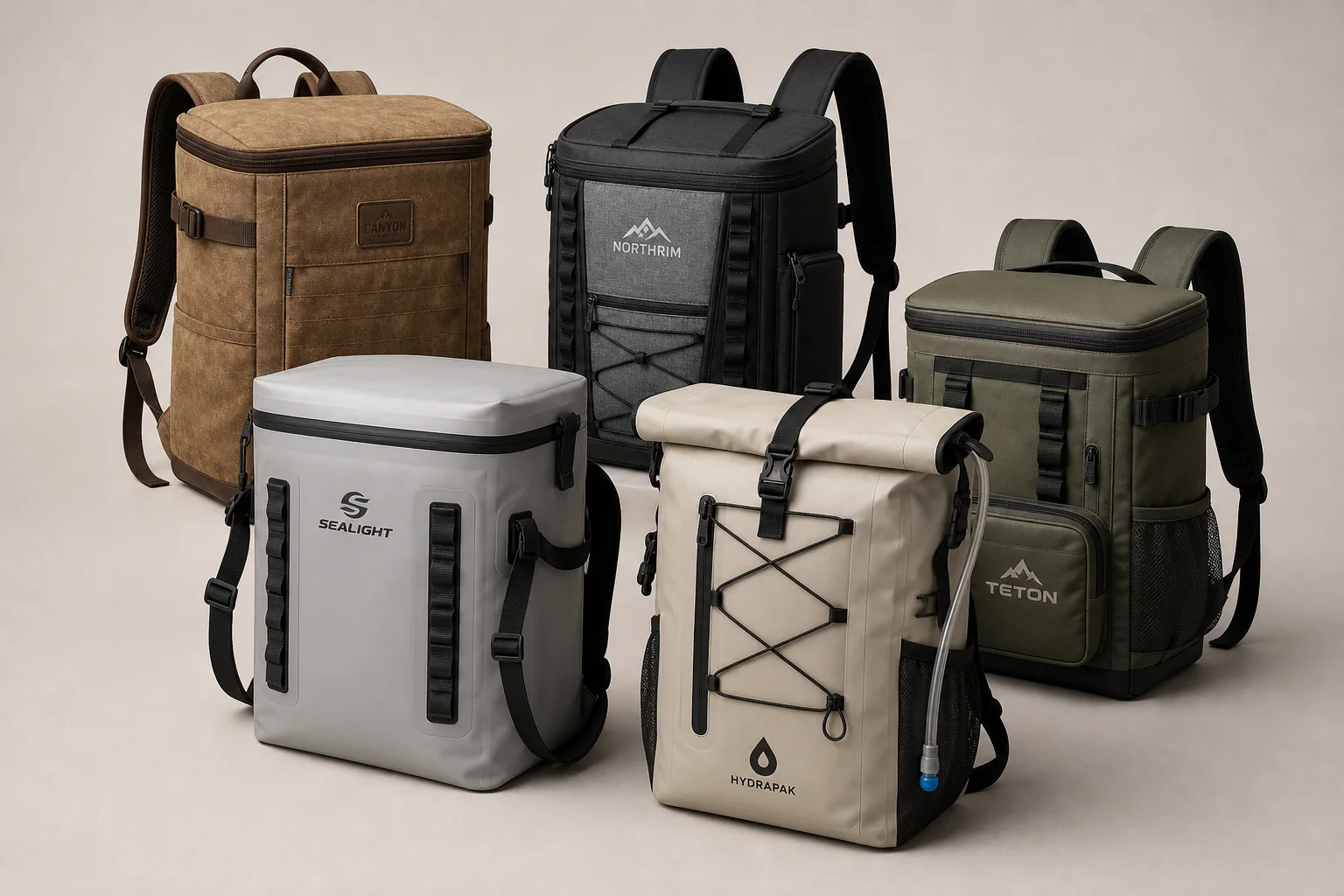
Best Backpack Coolers 2026: Five Practical Options for Outdoor Adventures
Five backpack coolers with distinct cooling capabilities, storage features, and design trade-offs to help you choose the right one for your outdoor needs.