Cycling Gear
Five Standout Cycling Upgrades: TPU Tubes, 3D Saddles, Carbon Wheels, Shoes and Tires
Five practical cycling upgrades ridden over months, from a budget TPU inner tube with a metal valve to premium carbon wheels, with the trade-offs worth knowing before you buy.
Introduction
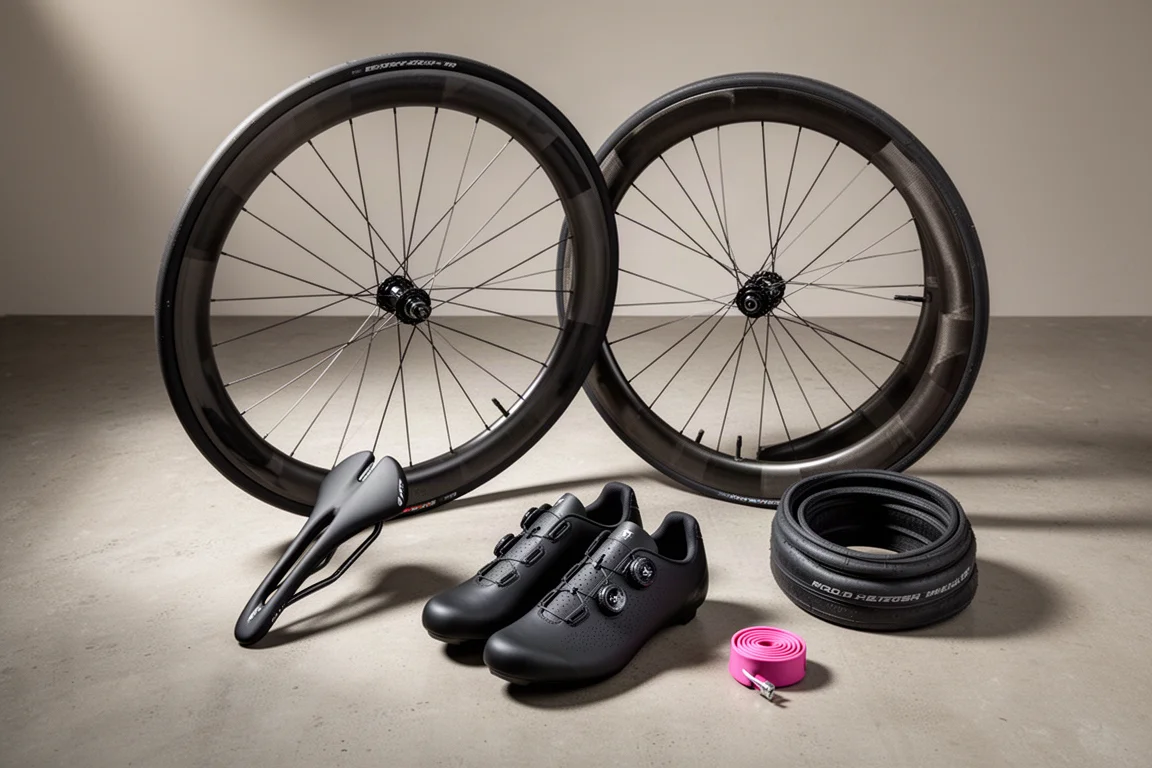
Going faster, riding longer and making a bike feel more dialled in rarely comes from one big purchase. It usually comes from a handful of well-chosen parts. The five upgrades below cover that spread: the cheapest meaningful reliability and weight change available right now, a new 3D printed saddle, a deep-section carbon wheelset that also climbs well, road shoes with a genuinely wider fit, and a race tire that has been ridden hard through a full winter.
Two of them cost very little. The rest sit at the premium end of the market, and each comes with at least one trade-off worth understanding before you commit.
How These Upgrades Were Evaluated
Every product here has been ridden over an extended period rather than a first-impression lap. That includes multi-week blocks in California, rides in Spain and Italy, winter miles on rough and badly maintained tarmac, and a long-distance gran fondo. The goal was to separate the details that look good on paper from the ones that hold up after months of real use.

The criteria were deliberately practical: weight, durability, fit, ride feel, ease of setup, and how each part behaves when conditions are less than ideal. Where a product carries a limitation, such as a rider weight limit, a narrow internal rim width or a firm saddle profile, it is flagged in the relevant section rather than buried at the bottom of the page.
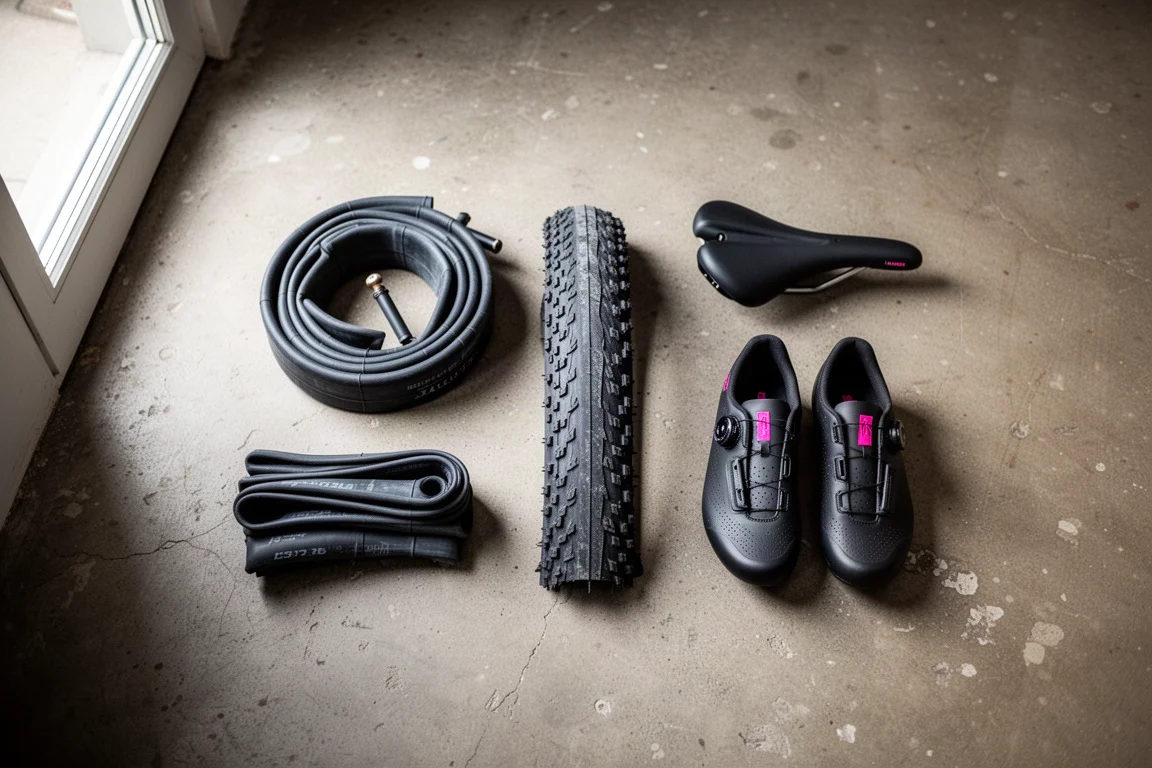
RideNow TPU Inner Tubes with Metal Valves
TPU inner tubes have become one of the most popular low-cost performance upgrades, and for good reason. The weak point has traditionally been the plastic valve. It can feel less durable, can be prone to air leakage, and can deform when a metal valve core is screwed into it. Plastic valves are also not compatible with every pump head.
Metal valves address all of that. The trade-off is weight, a few grams per tube, which is a small price to pay for a valve that feels far more robust, resists deformation when the core is fitted, and works with a wider range of pumps. RideNow offers these in several sizes and valve lengths, and the distinctive pink finish makes them easy to spot in a saddle bag. More brands are now moving from plastic to metal valves, which suggests the change is here to stay.
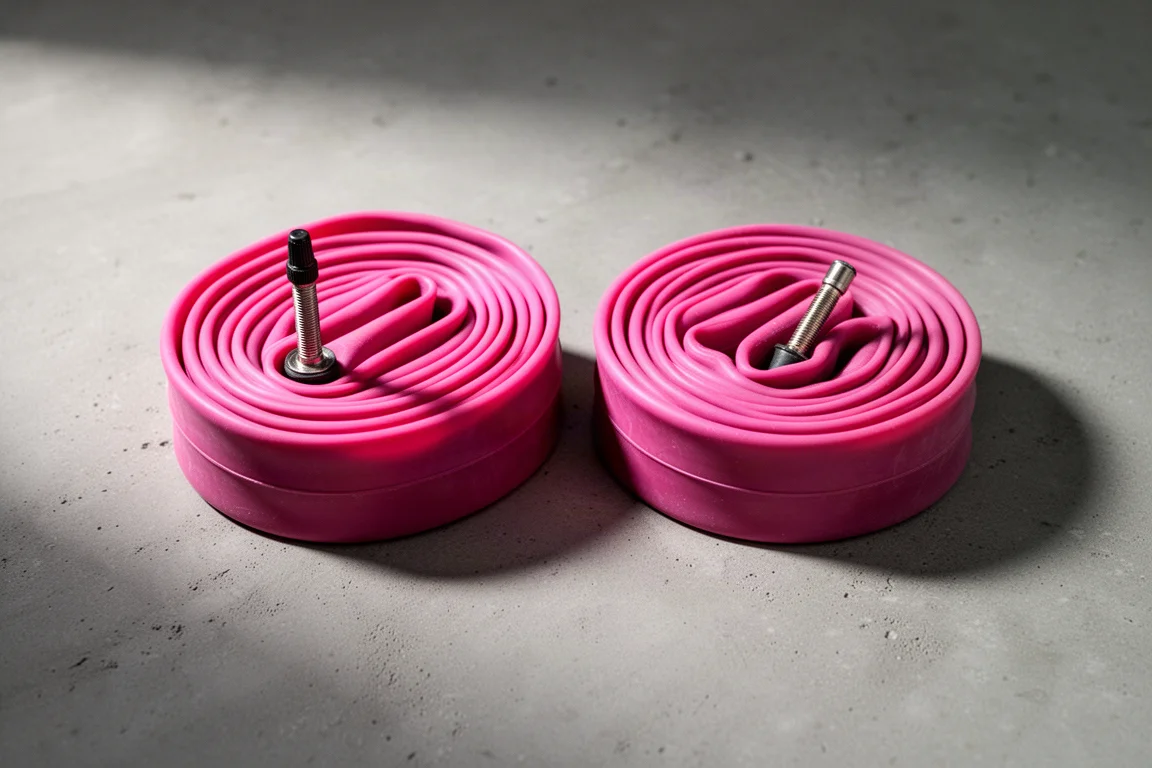
At £33 for a pair, these are the lowest-cost entry on this list and the easiest one to recommend. Riders who are new to TPU tubes, or who already run them with plastic valves, get a clear reliability gain for very little money.
CADEX AMP 3D Saddle
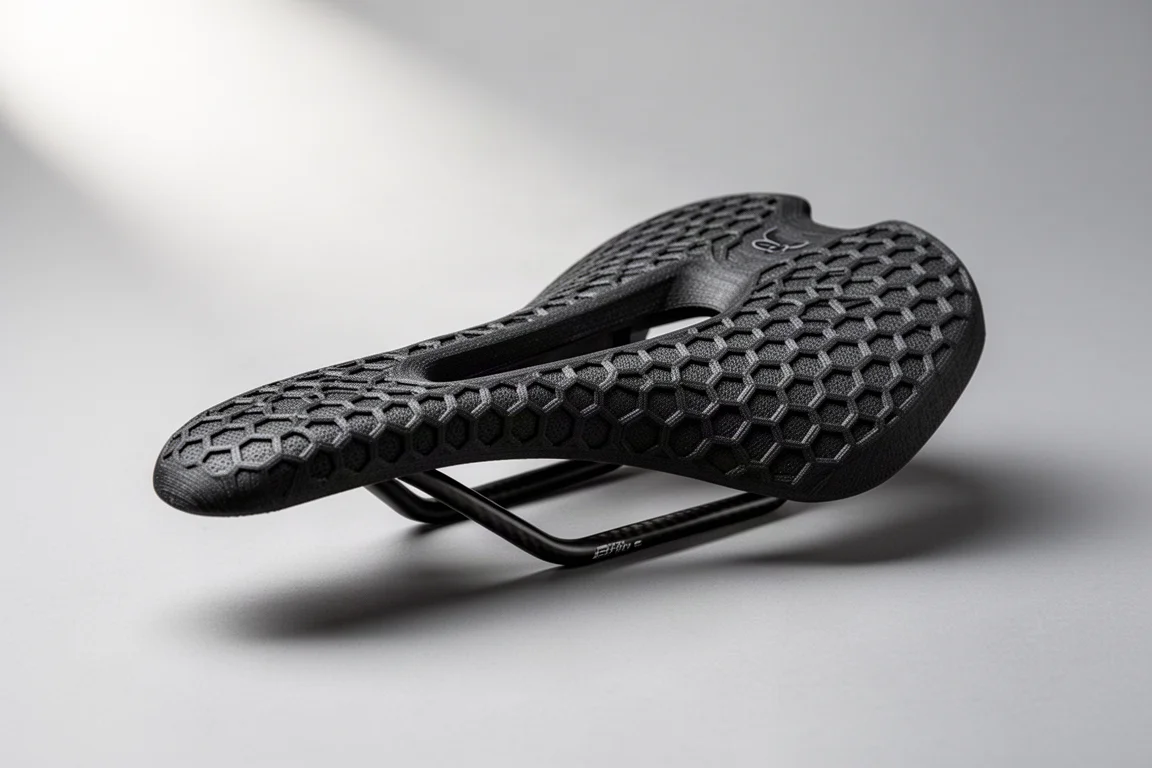
CADEX is Giant’s high-end component brand, and this is its first 3D printed saddle. Rather than copying the layered lattice used elsewhere, the AMP 3D uses a honeycomb structure with a gyroid shape that is claimed to distribute pressure more evenly, which should translate into better comfort over distance.
The shape follows the regular AMP saddle: short, raised at the rear, with a centre cutout, and it suits riders who already get on with that profile. The base and rails are full carbon fibre, formed as a single piece at Giant’s facility in Taiwan, and the complete saddle weighs just 147 g.
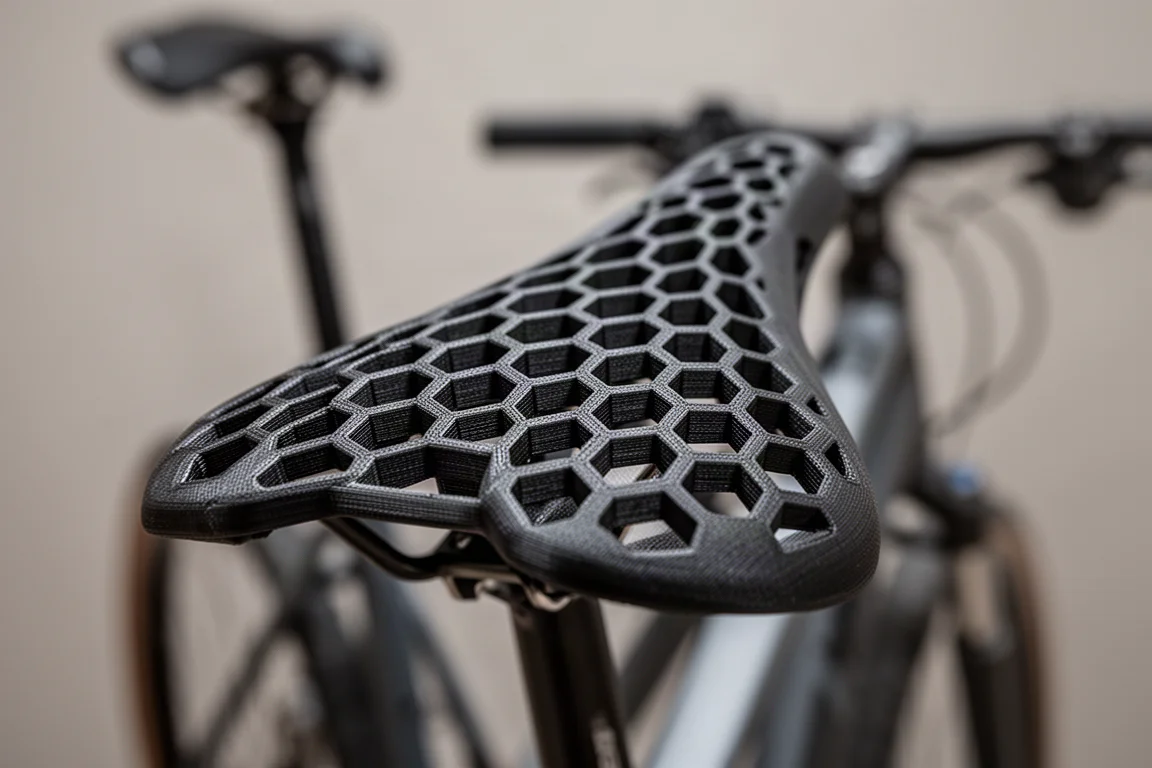
The ride character is unmistakably racy. Padding is slim, and the nose is very low profile and firm, noticeably firmer than deeper-padded 3D saddles. On the first ride that firmness is obvious, but over two weeks of riding in California, including a long gran fondo, comfort held up well and there were no issues over long distances. Riders who spend a lot of time on the nose, particularly when climbing, may still prefer a saddle with more padding there.
The other consideration is range and price. This is the only saddle in the CADEX 3D line, at £350, which is in line with comparable premium 3D saddles but leaves no cheaper or differently shaped option to move to within the range.
Black Inc. 4858 Carbon Wheels
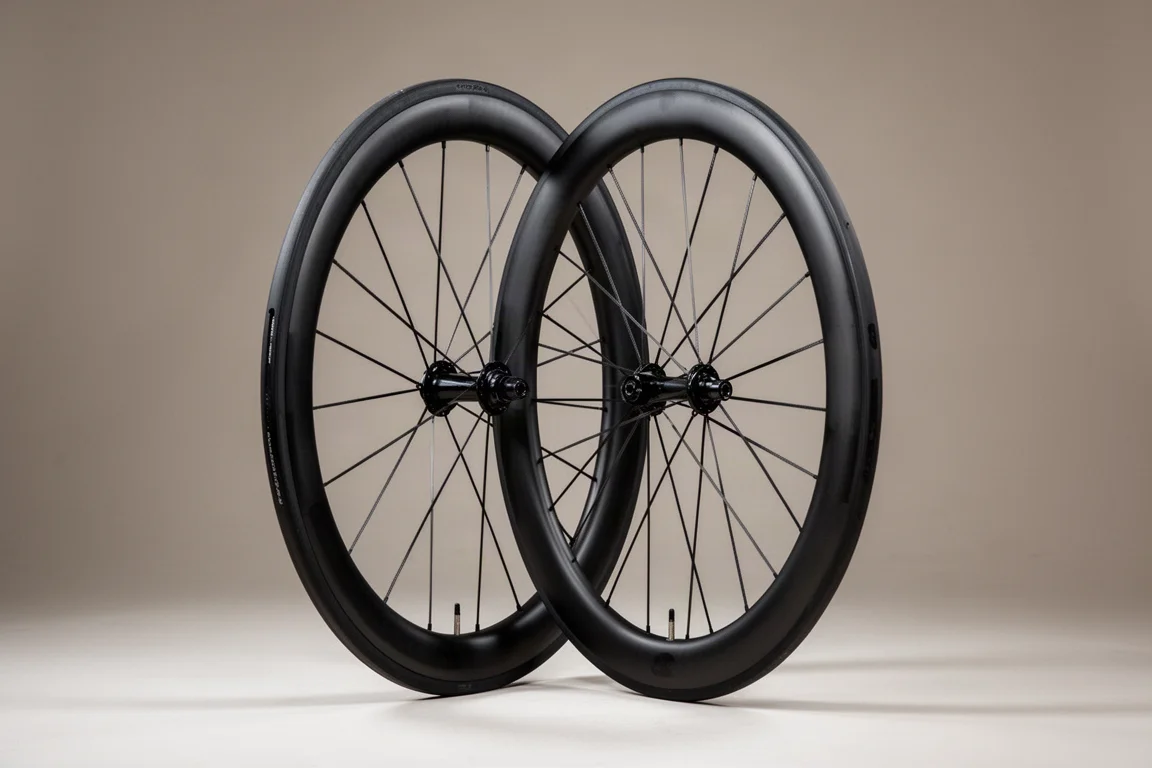
Deep-section carbon wheels used to force a choice: aerodynamic and heavy, or shallow and light. The 4858 sets out to remove that compromise, pairing a 58 mm rear rim with a 48 mm front rim while keeping weight low. Measured with rim tape and no valves, the set came in at just over 1,336 g.
The rims are hooked, so they work with inner tubes or tubeless, and valves come installed. The build includes carbon blade spokes with external nipples, a proprietary hub design, and CeramicSpeed bearings. Riders who dislike bold graphics can choose a stealth finish instead.
Over six months on a range of bikes, performance has been consistently strong. The wheels are fast on flat roads, and their low weight means they do not hold you back on climbs. Crosswind stability is good, helped by the shallower front rim, so fast descents stay predictable rather than tugging at the bars. Durability has also been solid: spoke tension and bearing quality have held up, the wheels have stayed true, and there have been no tire blow-offs.
The trade-offs are real. This is a stiff wheelset with a firm ride quality, noticeably harder-edged on rough roads than comparable-depth wheels with a smoother feel. The 23 mm internal width is narrow by current standards for ever-wider tires, although the rims are optimised for 28 mm. There is also a 220 lb rider weight limit and a two-year warranty.
Sidi Ergo 6 Shoes
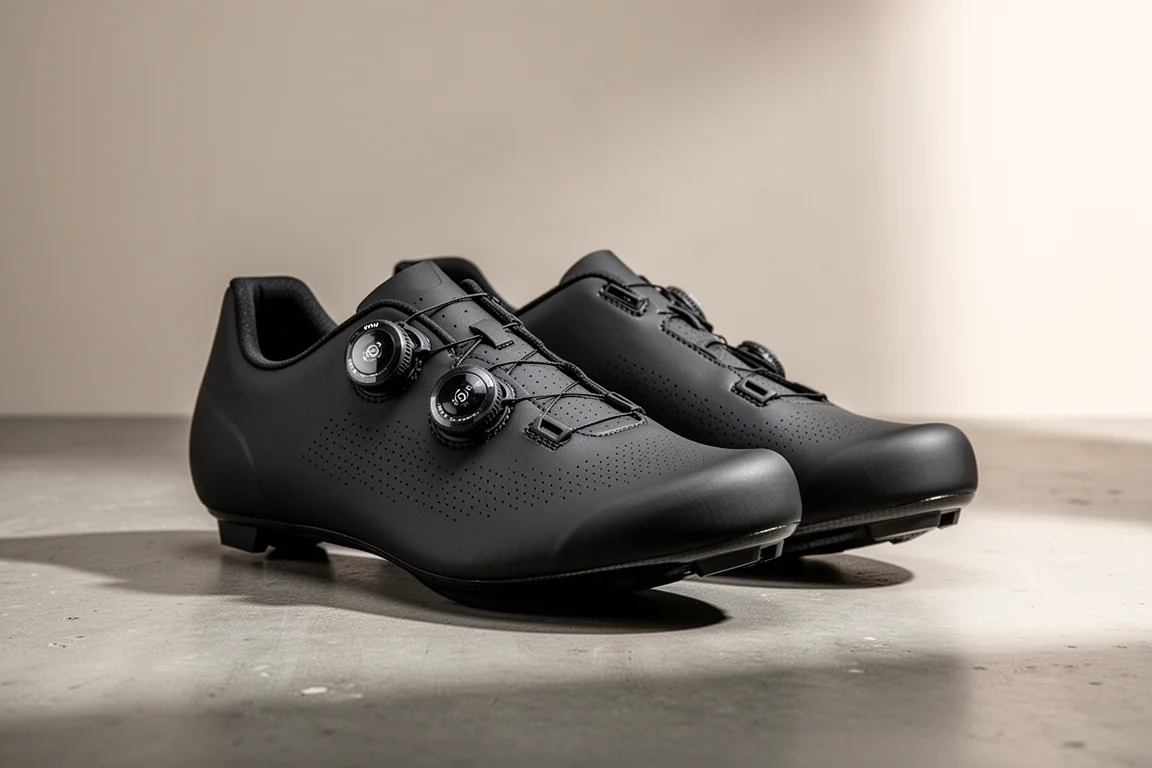
Sidi shoes have a long-standing reputation for performance and a narrow fit. The Ergo 6 addresses the second point directly with a wide option Sidi calls Millennium, its first wide-foot offering, available on selected models rather than across the whole range.
The last is wider and there is more volume through the forefoot and toe box. Moving from a standard Sidi fit to these, the difference is obvious, and it is worth considering going down half a size compared with a regular Sidi shoe, or trying them on in person first. Even for riders who do not need a wide fit, the extra room adds comfort on long, hot days.
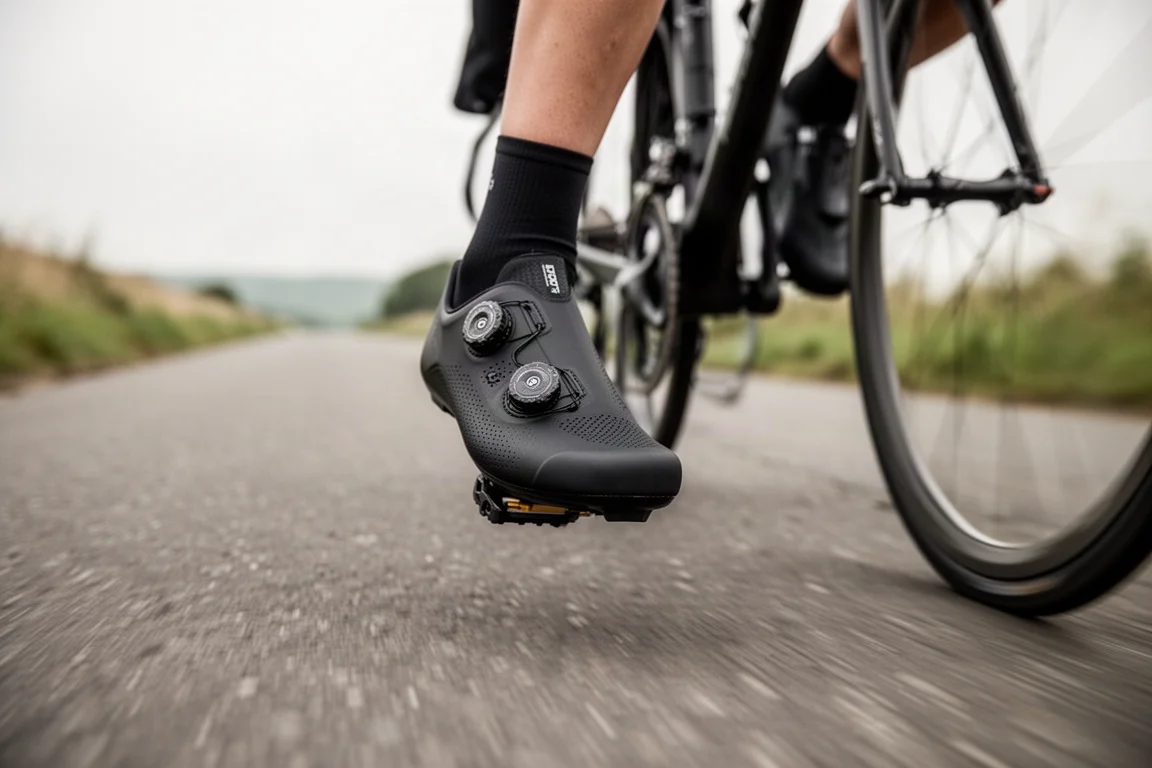
Performance has not been sacrificed. The carbon sole is stiff enough that there is no noticeable flex under hard efforts, and there is extra fore-aft cleat adjustment for riders who want to move their cleats further back. The upper is clean and seamless with no buckles or reflectors, and the lacing spreads pressure across the top of the foot rather than concentrating it on the tongue. Heel retention is good, with a grippy lining that keeps the heel in place. Retention comes from two rotary dials of Sidi’s own design, which are simple to use but not quite as easy to adjust on the fly as Boa dials, particularly when tightening for a sprint.
The styling is the cleanest Sidi has offered in some time, with four colours and a minimal look. Sizes run from 35 to 50, with half sizes across the middle of the range. The one clear weak point is the insole, which feels flimsy for shoes at this price. A custom insole from a bike fitter, or a better aftermarket option, is a sensible addition.
Pirelli P Zero Race TLR RS Tires
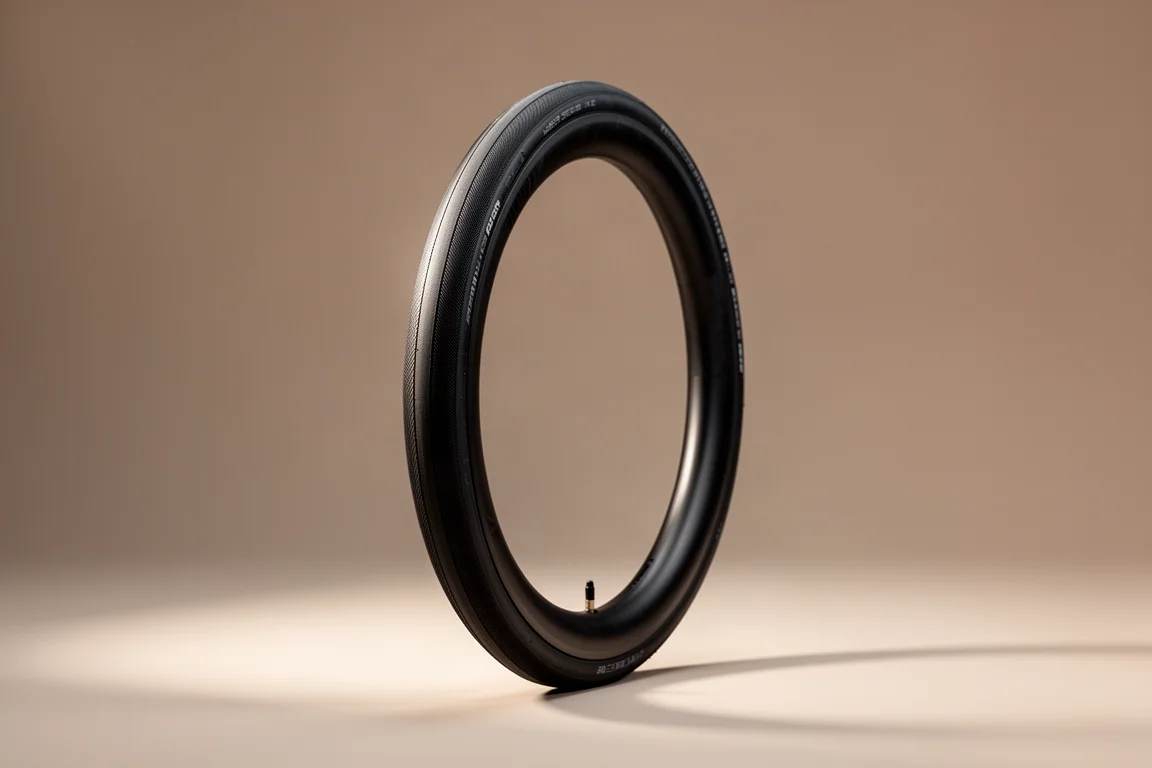
The P Zero Race TLR RS is Pirelli’s highest-performance road tire, with the RS standing for race speed. Rolling resistance is very low and, in independent testing, close to the level of the most popular race tires on the market.
Where it stands apart is road feel. It rides more smoothly than firmer-feeling race tires, with reassuring grip in both dry and wet conditions. Just as importantly, it has proven durable: across spring and winter riding, including some light dirt and gravel, there have been no punctures and the wear rate has been steady with no sign of needing replacement. That combination of a fast, light race tire that can also be used every day is unusual.
Widths include 28 mm, 30 mm and 32 mm. Riders wanting 35 mm have to step down to the regular, non-RS P Zero, and the performance difference between the two is small. The RS is expensive, as top-end tires tend to be, but it installs easily and the regular P Zero remains a strong alternative.
Buying Advice: Which Upgrade Makes Sense First
The right order depends on what is holding you back. If you want the cheapest meaningful improvement, the TPU inner tubes with metal valves are the obvious starting point: a small outlay for a more robust valve, better pump compatibility and fewer worries about deformation when fitting a core.
If comfort over long distances is the priority, the CADEX AMP 3D saddle is worth considering, provided you like a firm, low-profile race profile and can accept a single premium option. Riders who spend long stretches on the nose should look at saddles with more padding there.
For riders chasing speed on both flats and climbs, the Black Inc. 4858 wheels deliver aero performance and low weight in one package, with the caveats of a firm ride, a narrow internal width, a 220 lb weight limit and a two-year warranty. If fit is the problem rather than speed, the Sidi Ergo 6 in the Millennium wide fit solves a long-standing complaint, just budget for a better insole.
Finally, tires are the most cost-effective way to change how a bike feels. The P Zero Race TLR RS pairs low rolling resistance with strong grip and durability, making it a credible everyday race tire rather than a special-occasion one.
Conclusion
None of these upgrades is a gimmick. The TPU tubes with metal valves fix a genuine weak point for very little money, the CADEX AMP 3D saddle brings a light 3D printed option to riders who like a firm race profile, and the Black Inc. 4858 wheels show that aero and low weight no longer have to be a trade-off. The Sidi Ergo 6 finally offers a wide fit without giving up sole stiffness, and the Pirelli P Zero Race TLR RS delivers race-level speed with everyday durability. Match the part to the problem and each one earns its place.
Further reading
Related Reviews
Cycling Gear
8 Cycling Products Riders Keep Coming Back To
Eight cycling components and accessories with clear strengths, honest trade-offs and long-standing reputations among riders and mechanics.
Cycling Gear
Aero Helmets and Bottle Setups Tested: Six Options Ranked by Measured Watt Savings
Wind tunnel data on six aero helmets and bottle setups, with real watt savings, practical trade-offs, and guidance on what is worth buying first.
Cycling Gear
Aero Road Bikes and Fast Tires Worth Watching in 2026
Four aero road bikes and one fast road tire, with the real strengths, the open questions, and what to check before you buy.