Cycling Gear
Five Road Cycling Upgrades Worth Buying: From TPU Tubes to Race Tires
Five road cycling upgrades that deliver real performance gains, from low-cost TPU inner tubes with metal valves to 3D-printed saddles, deep-section carbon wheels, wide-fit shoes and a fast all-round race tire.
Introduction
Road upgrades do not need to be dramatic to be worthwhile. A set of inner tubes, a saddle that suits your position, a wheelset that holds speed on the flat without dragging on the climbs, shoes that actually fit, and a tire that stays quick through the winter. Each of these changes how a bike feels, and together they can turn a good bike into one you want to ride every day.
This roundup covers five upgrades that earned their place over months of real riding, from the cheapest weight-saving change you can make right now to a premium wheelset and a race tire that has become a first choice for everyday miles. Some cost next to nothing. Others sit firmly at the top of the market. All five deliver a genuine performance gain.
How These Upgrades Were Evaluated
Every product here was ridden rather than simply unboxed. Testing stretched across months and across very different roads, from smooth tarmac to badly maintained surfaces, in heat and in winter conditions. That matters, because the details that decide whether an upgrade is worth keeping, such as valve durability, saddle firmness, crosswind stability and tire wear, only show up after consistent mileage.
The criteria are straightforward. Does the product deliver the performance it promises, does it hold up over time, and does it make the bike easier or more enjoyable to ride? Where a product carries a clear trade-off, such as a firmer ride quality or a narrower rim width, that is noted alongside the strengths so you can judge whether it fits your riding.
Best Budget Upgrade: RideNow TPU Inner Tubes with Metal Valves
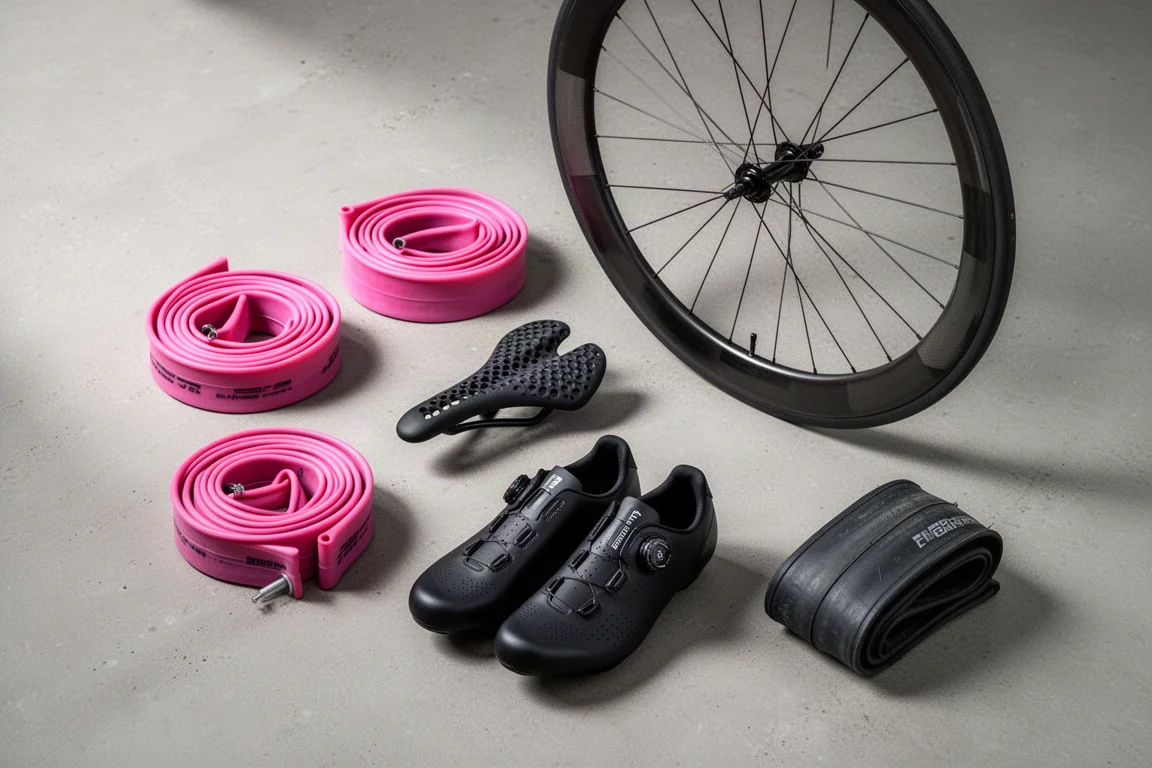
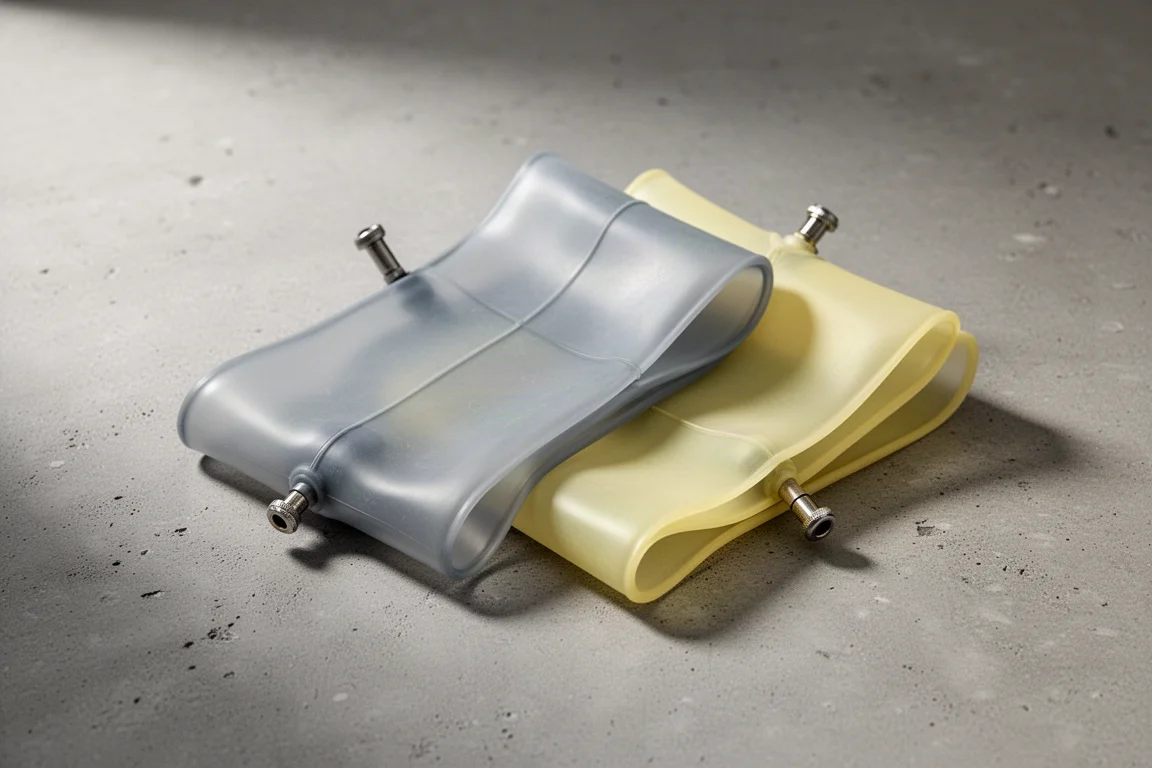
TPU inner tubes have become one of the most popular low-cost performance upgrades, and for good reason: they cut rotating weight at a fraction of the cost of almost any other change. The weak point has always been the plastic valve stem. It never felt especially durable, could allow air to seep out over time, and could deform when a metal valve core was screwed into it. Plastic stems were also not compatible with every pump head.
Metal valves solve those problems. They add a few grams, which matters if you weigh everything, but they feel considerably more robust, resist deforming when a valve core is installed, and work with a wider range of pumps. More companies are now moving from plastic to metal stems, and it is a sensible change that makes TPU tubes far more usable than they once were.
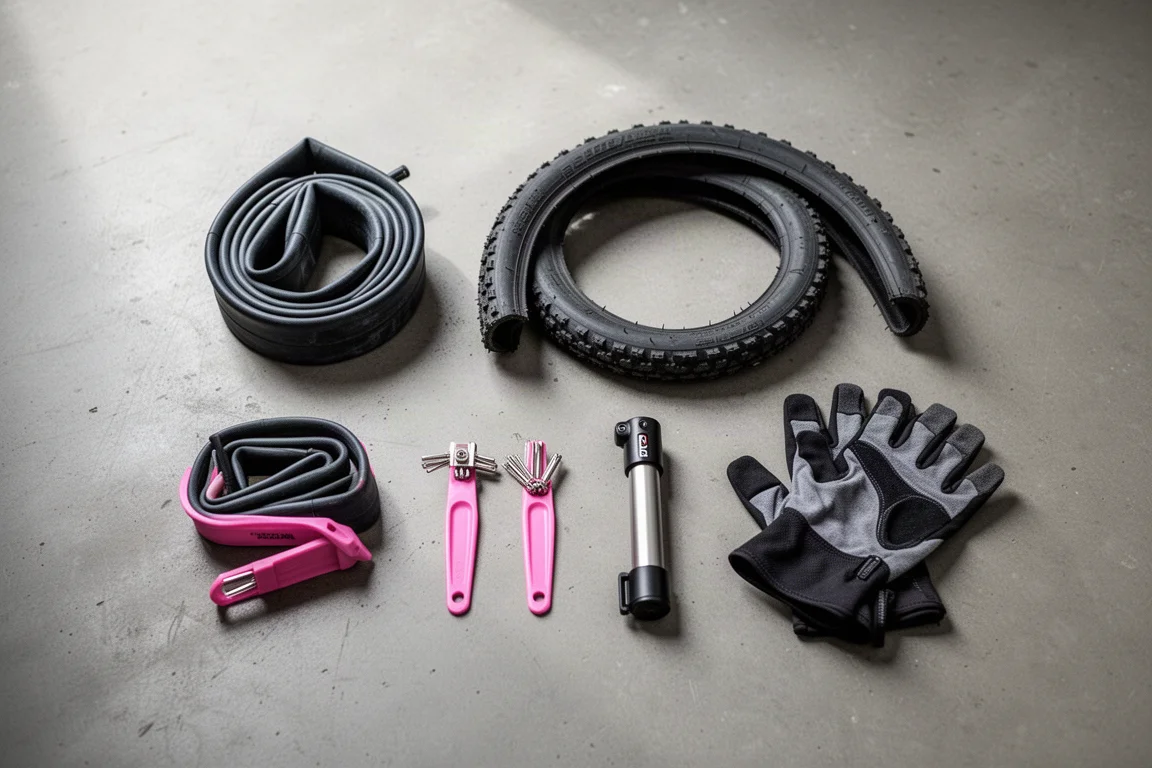
The RideNow tubes are a good example. They come in a distinctive pink, in several sizes and with a choice of valve lengths, which makes it easier to match the tube to deeper rims. A pair costs around £33 depending on the valve length, which keeps the upgrade firmly in budget territory. If you are new to TPU tubes, or upgrading from an older set with plastic valves, the metal valve version is worth seeking out.
CADEX Amp 3D Saddle: 3D-Printed Comfort for Long Rides
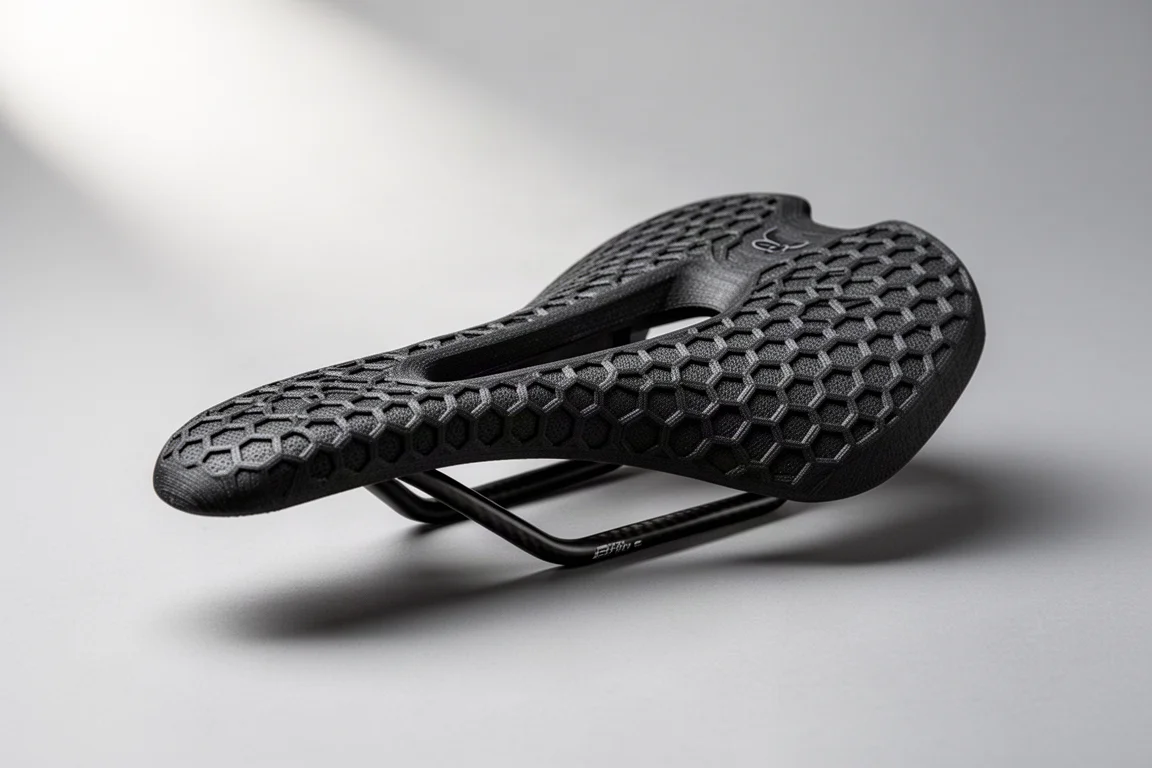
3D-printed saddles have been around for several years and have come a long way in that time, with brands such as Specialized and Fizik leading the category. Prices are slowly coming down, but the technology still sits at the premium end. CADEX, the high-end brand from Giant, has now entered the market with its first 3D-printed saddle, and the design is impressive.
The construction is unusual. A honeycomb structure using what the company calls a gyroid shape is bonded to the top and is claimed to distribute pressure more evenly for better comfort. The shape follows the regular Amp saddle: short, raised at the rear, with a central cutout and a one-piece full carbon base and rails. It is made in Taiwan in Giant’s own facility and weighs just 147 g.
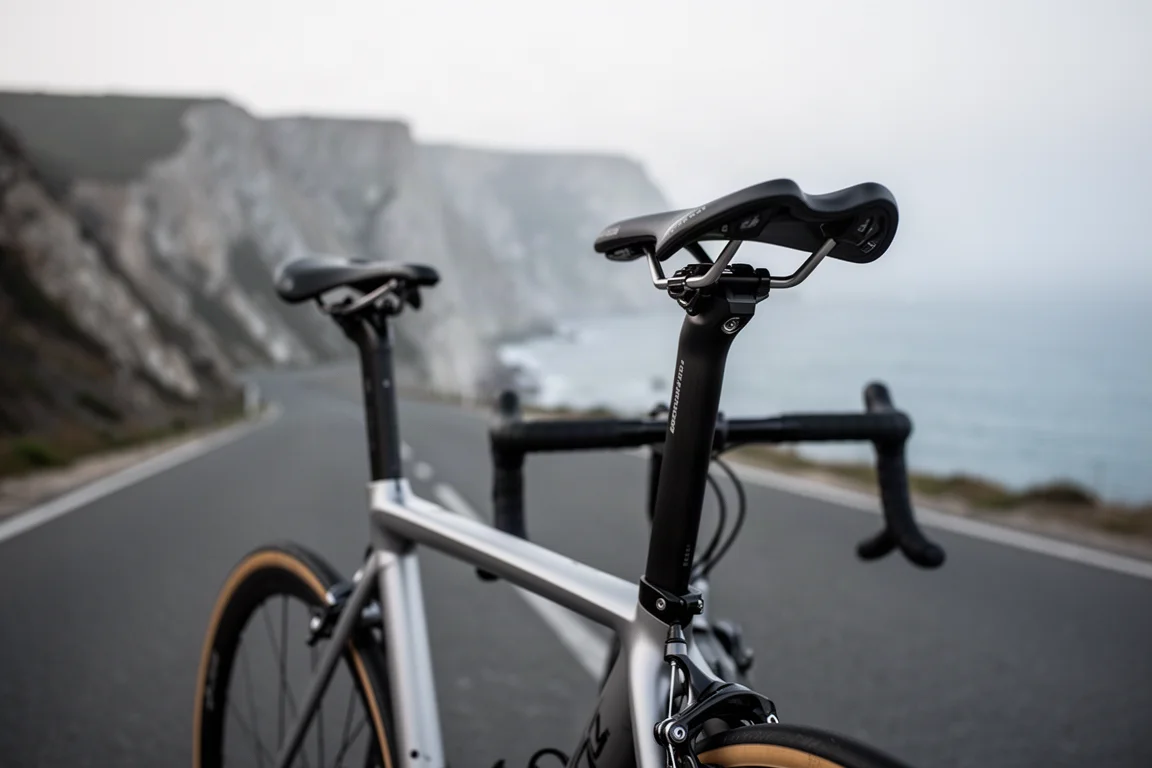
On the road it behaves like a race saddle. Padding is slim and the nose is low profile and firm, noticeably firmer than designs such as the Fizik Argo or the Specialized Mirror, which use a deeper nose section. The first ride felt firm, but over two weeks of riding in California, including a gran fondo, that impression faded and comfort held up well across long days. Riders who spend a lot of time on the nose, particularly when climbing, may prefer a saddle with thicker padding there.
The other consideration is range and price. CADEX offers a single 3D saddle at around £350, which is in line with comparable saddles from other brands, but there are fewer choices in shape, width and construction than more established ranges offer.
Black Inc. 4858 Carbon Wheels: Aero Speed Without the Climb Penalty
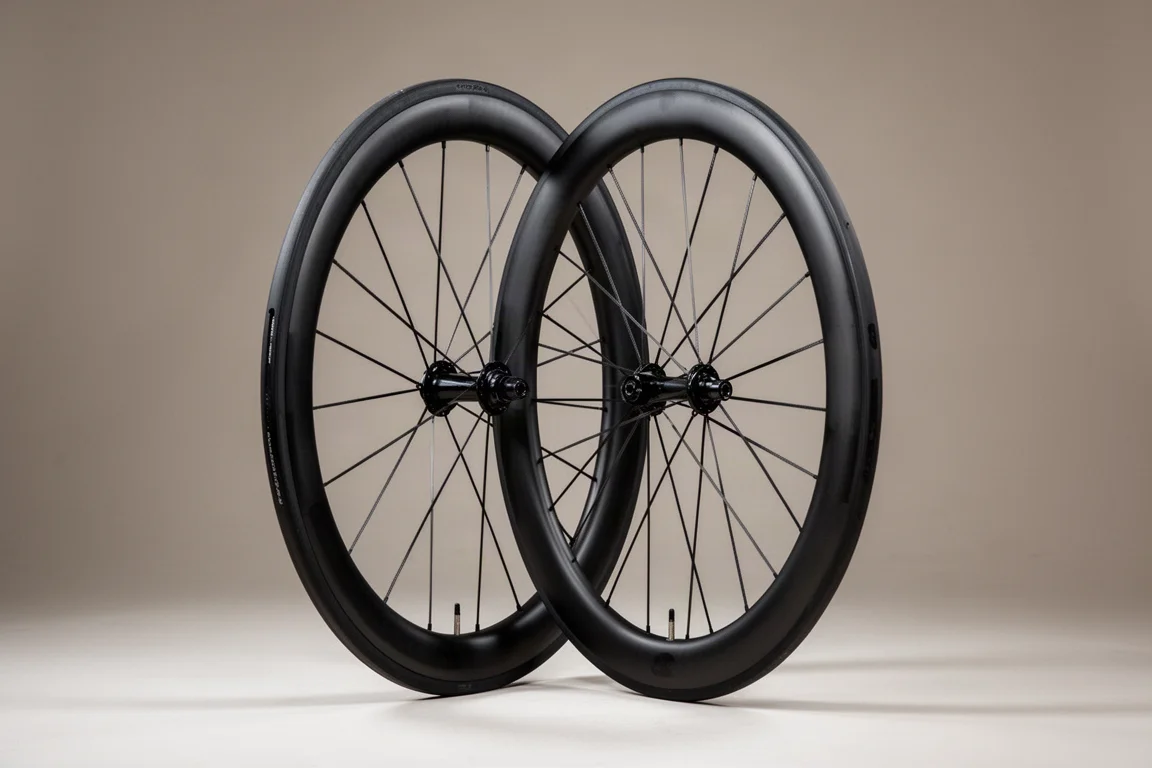
Deep-section carbon wheels used to force a choice: aerodynamic speed on the flat, or low weight for climbing. The Black Inc. 4858 aims to remove that trade-off. The rims measure 58 mm at the rear and 48 mm at the front, with a 23 mm internal and 29 mm external width and a hooked profile that works with either inner tubes or a tubeless setup.
After six months of riding on a range of bikes, performance has been consistent. The wheels arrive with valves installed and have run tubeless throughout testing. Carbon rims, external nipples, carbon blade spokes and the company’s own hub design are paired with Ceramic Speed bearings. Whether ceramic bearings offer a genuine advantage over good steel bearings is open to debate, but they are part of the package at this price.
On the road the wheels feel genuinely fast, and in basic testing they were as quick as comparable-depth wheels such as the Enve SES 4.5. Crosswind stability is good, helped by the shallower front rim, so fast descents do not tug the bars around. The bold decals will not appeal to everyone, and a stealth option is available if you prefer a quieter look.
There are trade-offs. The ride is stiff and firm, noticeably harder over rough, poorly maintained roads than a smoother-riding alternative. The 23 mm internal width is on the narrow side given the trend toward wider tires, although the wheelset is optimised for a 28 mm tire, which is what was used throughout testing. Durability has been strong: spoke tension has held, the wheels are still true, the bearings are fine and there have been no tire blow-offs. Two practical limits are worth knowing before you buy: a rider weight limit of 220 pounds, and a two-year warranty where some rivals offer five.
Sidi Ergo 6: A Wider Fit Without Losing Race Feel
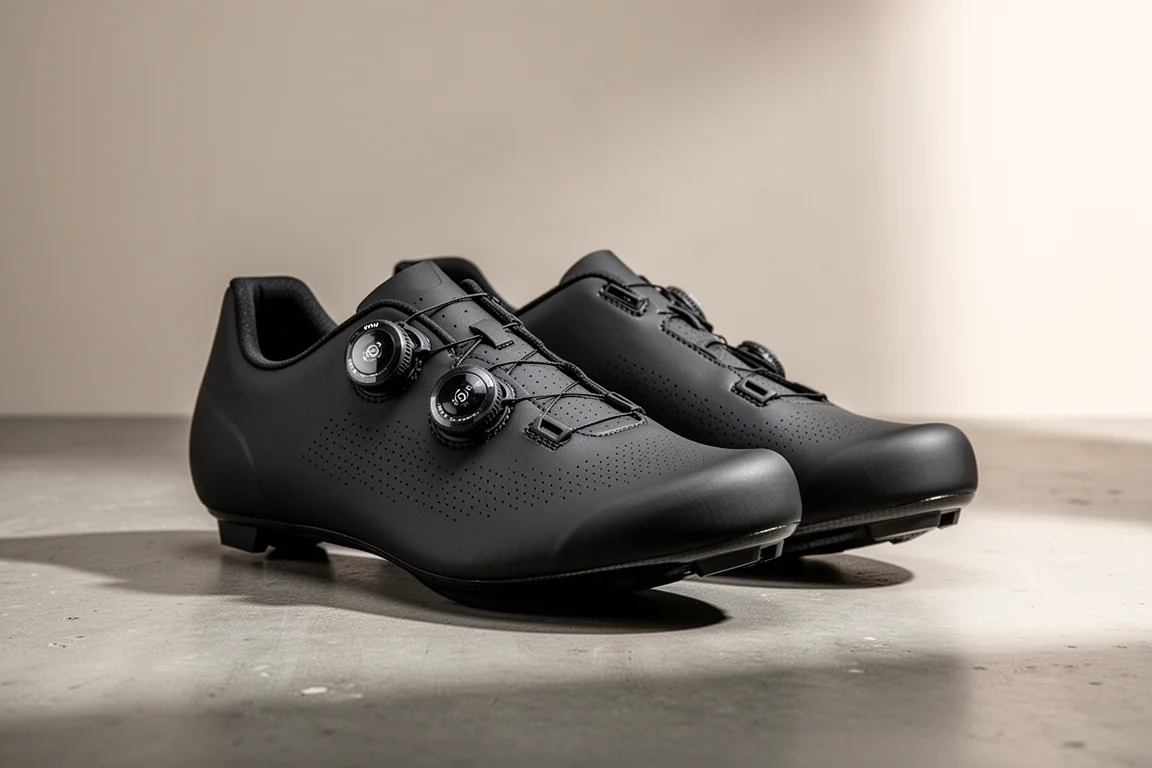
Sidi shoes have long carried a reputation for a close, narrow fit. For riders who like that second-skin feel it is a strength, but for many it ruled the brand out entirely. The Ergo 6 addresses that with Millennium, Sidi’s first wide-fit option, offered on a small number of models rather than across the whole range. These are the most expensive road shoes in the line-up with the new fit.
The last is wider, with more volume through the forefoot and around the toe box, and the difference compared with the standard fit is noticeable. It is worth considering going half a size down compared with a regular Sidi shoe, and trying them on before buying, which is sensible advice at this price point.
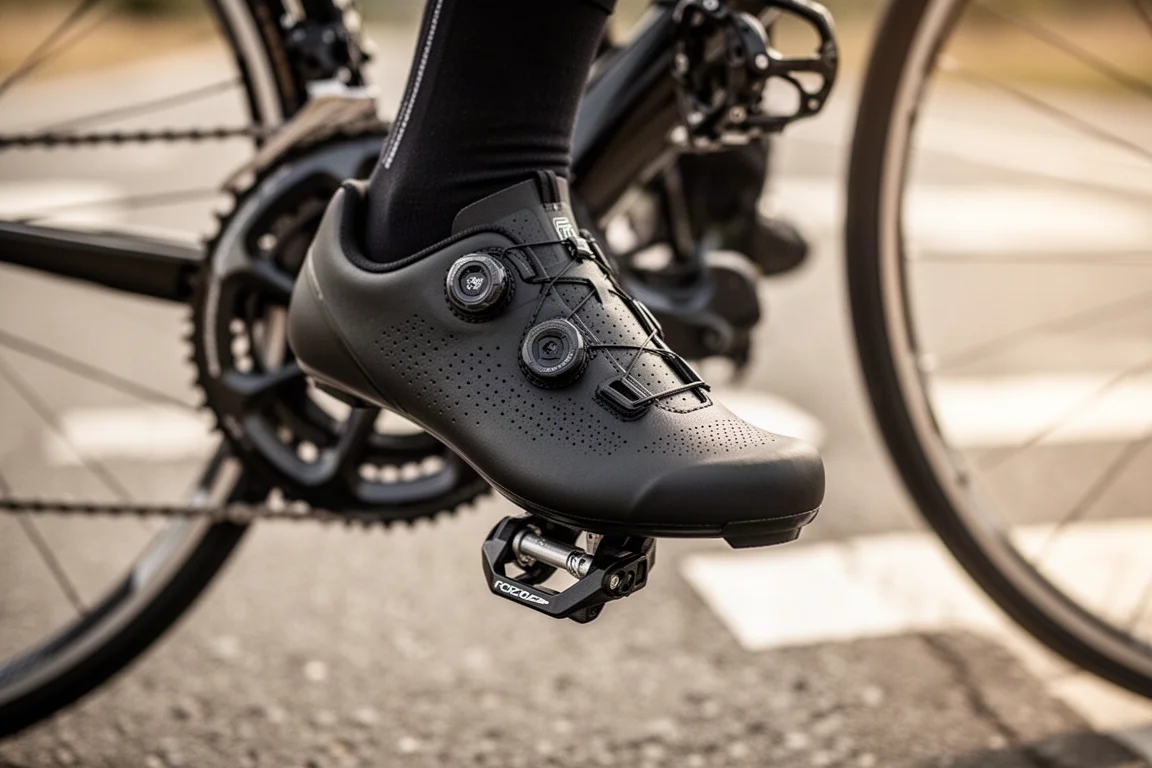
Extra room does not come at the cost of performance here. The carbon sole is stiff with no noticeable flex, ventilation copes well with heat, and there is an additional 15 mm of fore and aft cleat adjustment for riders who need it. These are not the brand’s flagship race shoes, but there is no sense of a performance compromise.
The design is also a step forward. The upper is clean and seamless, with no buckles or reflectors, four color options and a heel cup that holds the foot securely. The two rotary dials are Sidi’s own design and are simple to use, though not quite as easy to adjust on the fly as BOA dials. Lacing spreads pressure across the top of the foot rather than concentrating it on the tongue. The one clear weakness is the insole, which feels flimsy for the money. A custom insole from a bike fitter, or a better aftermarket option, is a worthwhile addition. Sizes run from 35 to 50, with half sizes available in the middle of the range.
Pirelli P Zero Race TLR RS: Fast, Grippy and Built for Everyday Riding
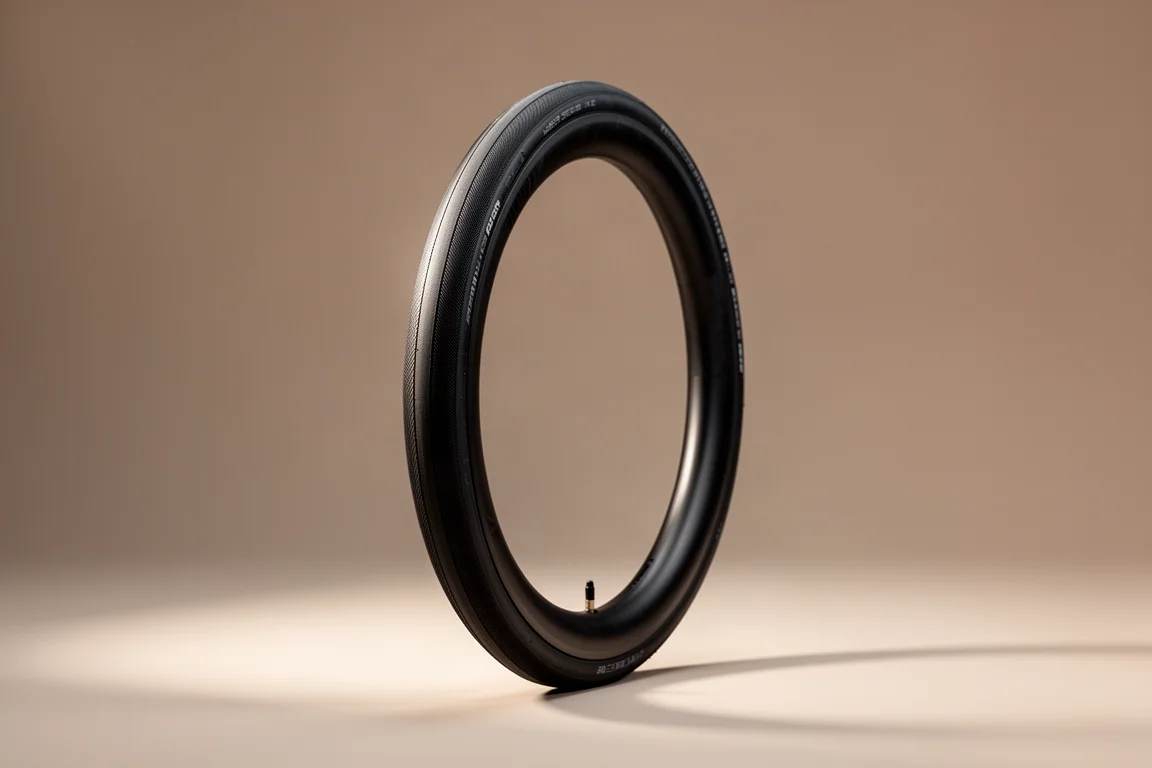
The P Zero Race TLR RS is the highest-performance tire Pirelli currently offers, with the RS standing for Race Speed. It has been a mainstay through spring and winter riding, and it is a genuine alternative to the Continental GP 5000 S TR, one of the most popular performance tires on the market.
Rolling resistance is very low and, in independent testing, close to the GP 5000. The more meaningful difference is road feel. Where the GP 5000 can feel firm and a little wooden, the Pirelli is smoother over rough surfaces while still feeling quick. Grip is reassuring in both dry and wet conditions.
Durability has also been strong in long-term use, with no punctures so far against two on a GP 5000 on another bike, and wear progressing at a reasonable rate for a race-focused tire with no sign of needing replacement yet. It has handled road miles and some light dirt and gravel without complaint, which is more than many race tires manage.
Width options are 28, 30 and 32 mm, with wider 35 mm sizes sitting in the regular P Zero range rather than the RS. The gap between the standard P Zero and the RS is small, so the RS makes most sense if you want the lowest rolling resistance the company offers. Top-end tires are expensive, and this one is no exception, but it installs easily and works well as a tubeless setup.
Buying Advice: Which Upgrade Delivers the Most for Your Riding?
The right order to buy these upgrades depends on what is holding you back. If you want the biggest change for the smallest outlay, start with the inner tubes. Switching from butyl to TPU saves rotating weight for a modest sum, and the metal valve version removes the durability and pump-compatibility concerns that came with plastic stems.
Contact points come next. Shoes and saddles decide how comfortable long rides feel, and both products here reward a careful fit check. The Sidi Ergo 6 makes sense if standard Sidi sizing has always been too narrow, while the CADEX Amp 3D suits riders who are happy with a firm, low-profile race saddle and want a light one.
Wheels and tires are the performance-focused purchases. The Black Inc. 4858 delivers aero speed without the usual climbing penalty, provided you accept a firm ride, a 220 pound rider limit and a two-year warranty. If you would rather spend less, the Pirelli P Zero Race TLR RS is the single upgrade most riders will notice on every ride: low rolling resistance, strong grip and enough durability to make it practical well beyond race day.
Conclusion
The theme running through all five products is that a road bike can be improved substantially without replacing it. TPU tubes with metal valves cost very little and fix a real annoyance. The CADEX Amp 3D brings 3D-printed saddle technology to a firm, light race saddle. The Black Inc. 4858 pairs deep-section speed with climbing-friendly weight. The Sidi Ergo 6 opens up a wide fit without losing stiffness or clean styling. And the Pirelli P Zero Race TLR RS shows that a fast race tire can also be durable enough to ride every day.
Buy what matches your riding, and let the rest wait. Each of these upgrades earns its place on merit rather than marketing.
Further reading
Related Reviews
Cycling Gear
8 Cycling Products Riders Keep Coming Back To
Eight cycling components and accessories with clear strengths, honest trade-offs and long-standing reputations among riders and mechanics.
Cycling Gear
Aero Helmets and Bottle Setups Tested: Six Options Ranked by Measured Watt Savings
Wind tunnel data on six aero helmets and bottle setups, with real watt savings, practical trade-offs, and guidance on what is worth buying first.
Cycling Gear
Aero Road Bikes and Fast Tires Worth Watching in 2026
Four aero road bikes and one fast road tire, with the real strengths, the open questions, and what to check before you buy.