Road Bikes
Five Road Bikes Worth Considering: Aero, Titanium, and All-Round Options
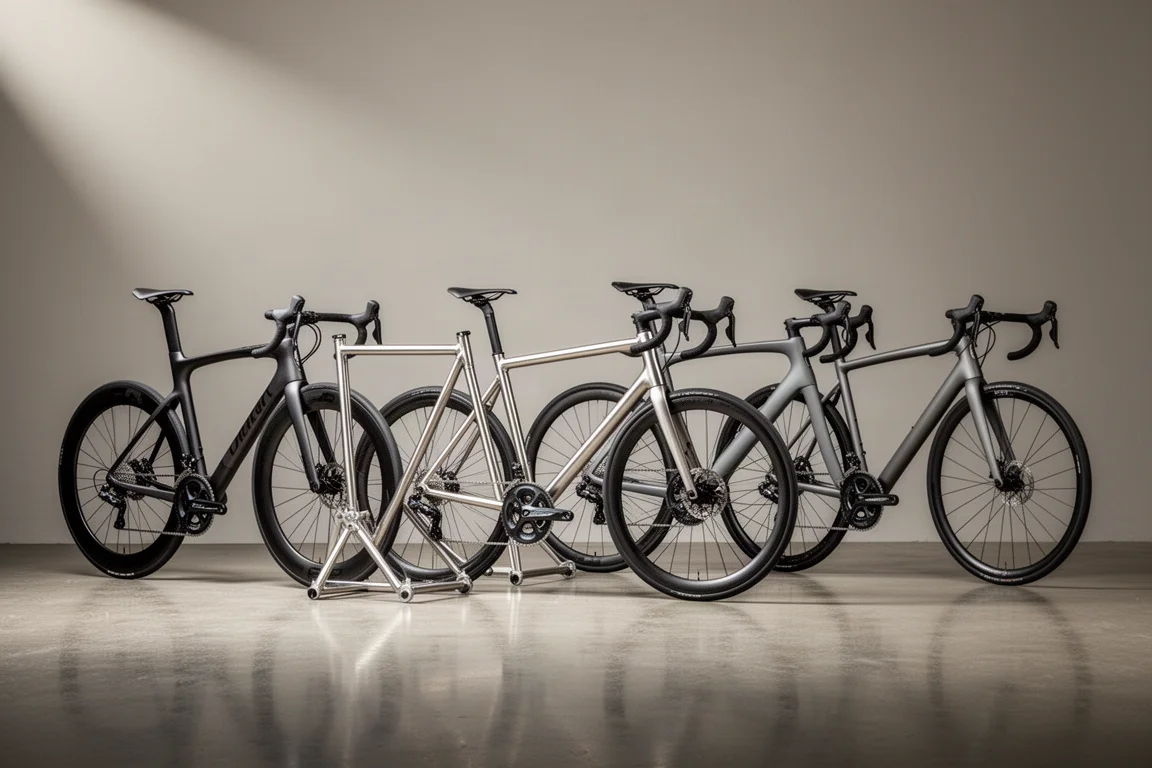
Five road bikes with clearly different characters, from aero carbon race machines to a fully integrated titanium build and an all-road capable frameset.
Introduction
The road bike market covers a lot of ground right now. At one end sit aero carbon race machines built for bunch sprints and fast group rides; at the other, titanium frames and all-road designs that trade a little outright speed for comfort, durability and versatility.
The five bikes here sit at different points on that spectrum, and each makes a clear case for itself. One pairs aero shaping with a genuinely low claimed weight. One is a fully integrated titanium build. One leans hard into aerodynamic theory with a distinctive frame opening. One blurs the line between road and gravel. And one revives a name with real history behind it.
None of them is a casual purchase, so it is worth understanding what each is actually optimised for before deciding.
What to Weigh Before You Choose
Aerodynamic claims deserve context. Manufacturers usually quote watt savings at a specific speed, and those numbers shrink as your average speed drops. If your riding sits closer to 30 km/h than 45 km/h, aero still matters, but the gap between designs narrows.
Tyre clearance is the other big divider. A frame with room for 32 mm or 35 mm tyres opens up rougher tarmac, hardpack and well-graded gravel, while a pure race frame keeps things tighter and faster on smooth roads.
Integration is worth thinking about too. Hidden hoses and one-piece cockpits look clean and are designed to cut drag, but they can make routine maintenance more involved. A threaded bottom bracket shell or a standard round seatpost is a small detail that pays off over years of ownership.
Groupset compatibility and the build you actually want matter as well. Some frames are designed around electronic shifting only, and entry builds vary widely in what they include.
Price sits at the top of the list for most buyers. Two of these bikes are frameset-only propositions, and the complete builds range from ambitious to genuinely expensive.
Giant Propel: Aero and Lightweight in One Package
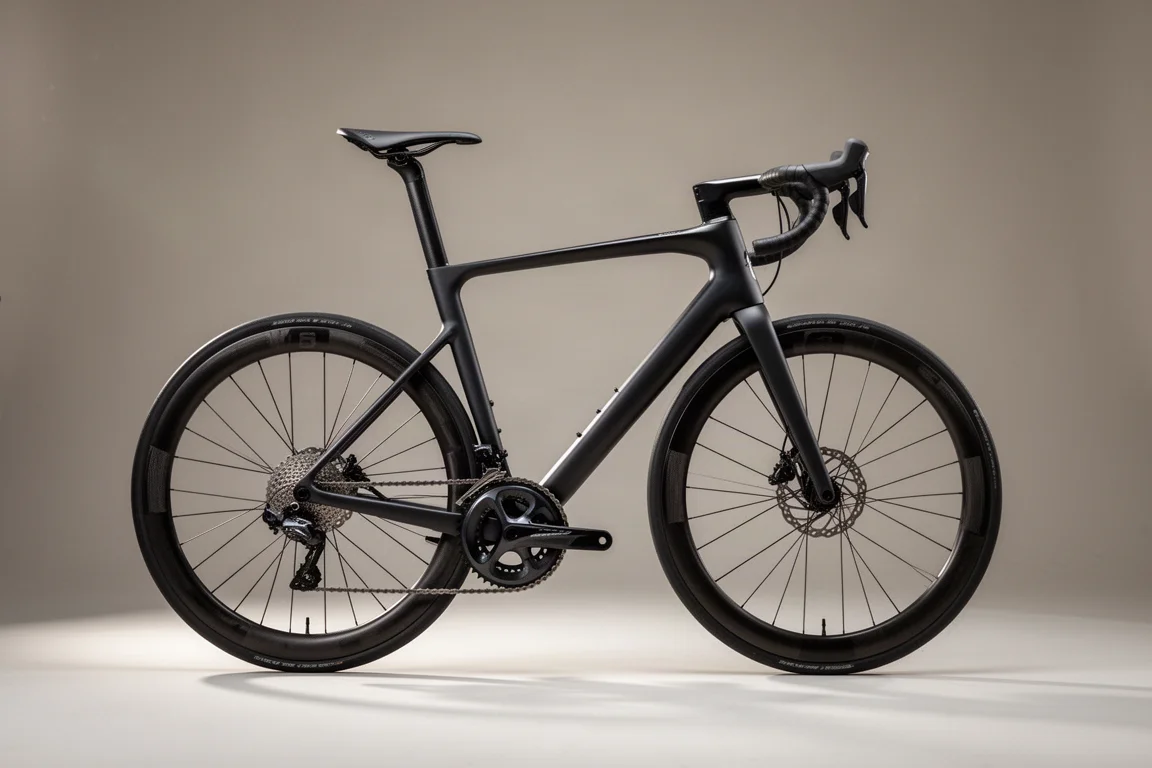
The Propel is Giant’s aero road platform, and the current version makes a pointed claim: that you can have aerodynamic efficiency and low weight in the same frame rather than choosing between them. It was seen in the wild well before launch, and it then went racing at the Tour de France, where Dylan Groenewegen and Michael Matthews won very different stages on it, one a flat sprint and one a punchy climb.
That range of stage types is the interesting part. The top Dura-Ace build has been weighed at just 6.91 kg, which is light for an aero bike, and the design brief is aimed squarely at riders who want to climb and sprint on the same machine.
Moots Vamoots CRD: Titanium Temptation
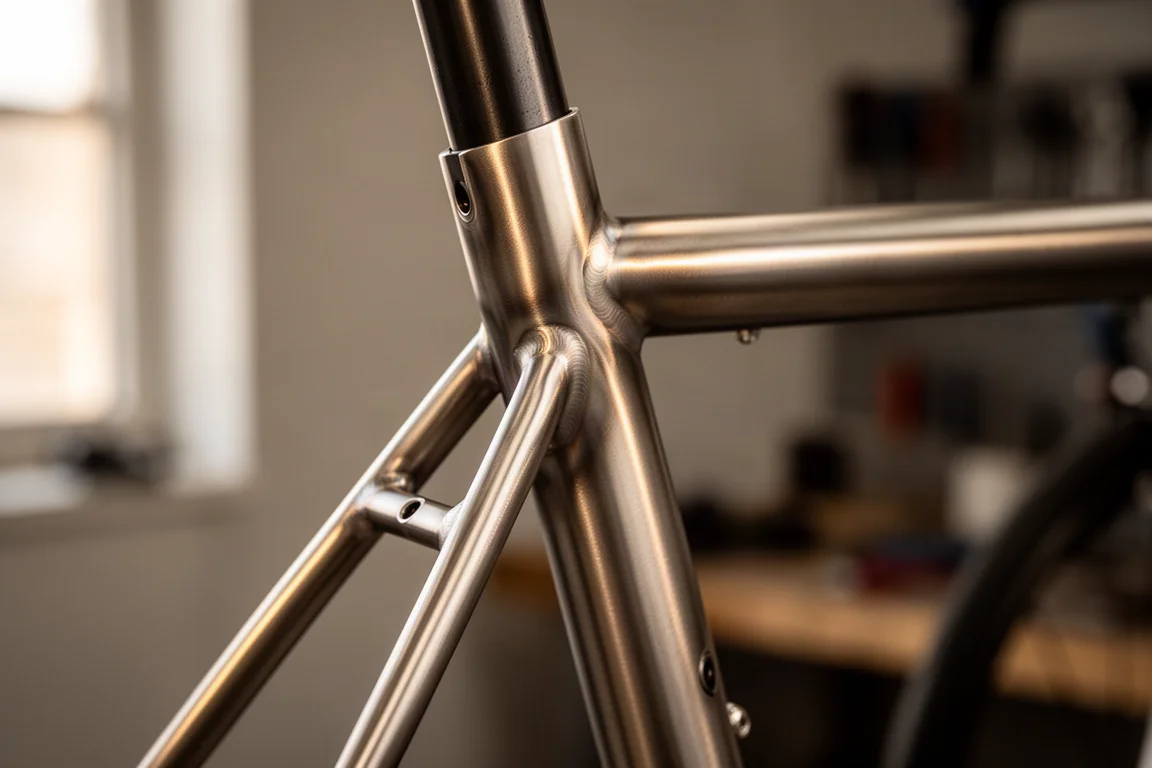
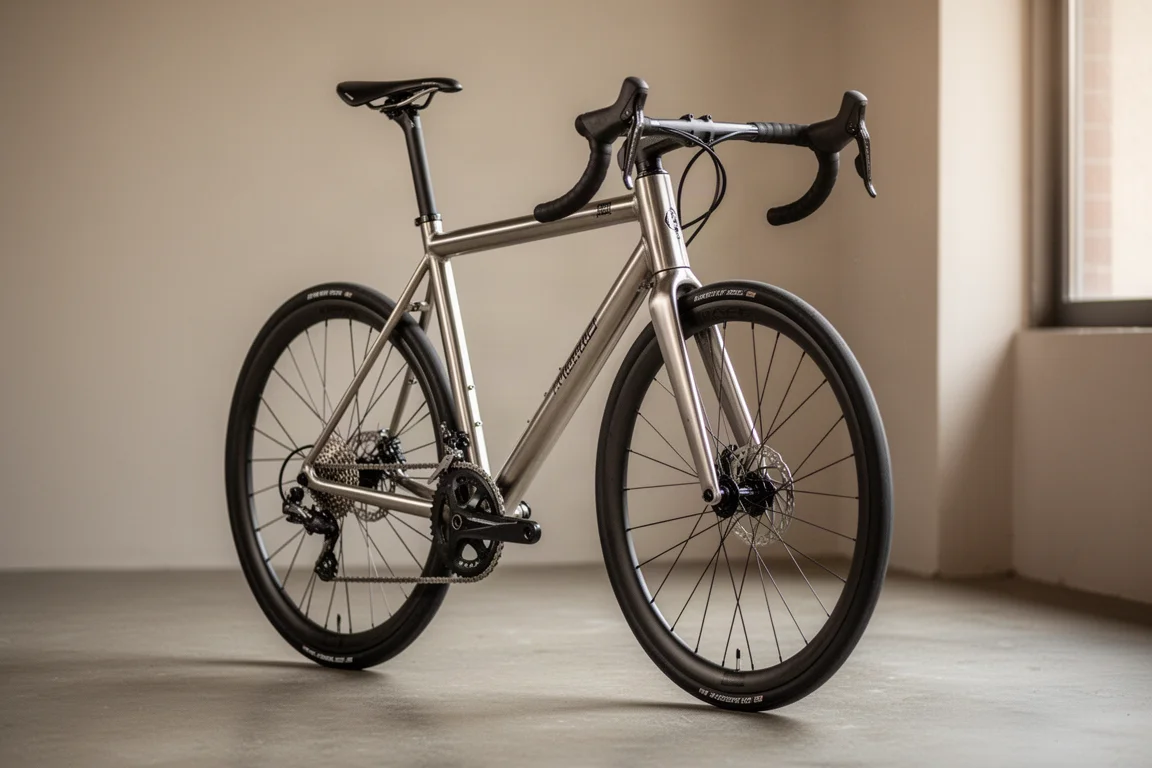
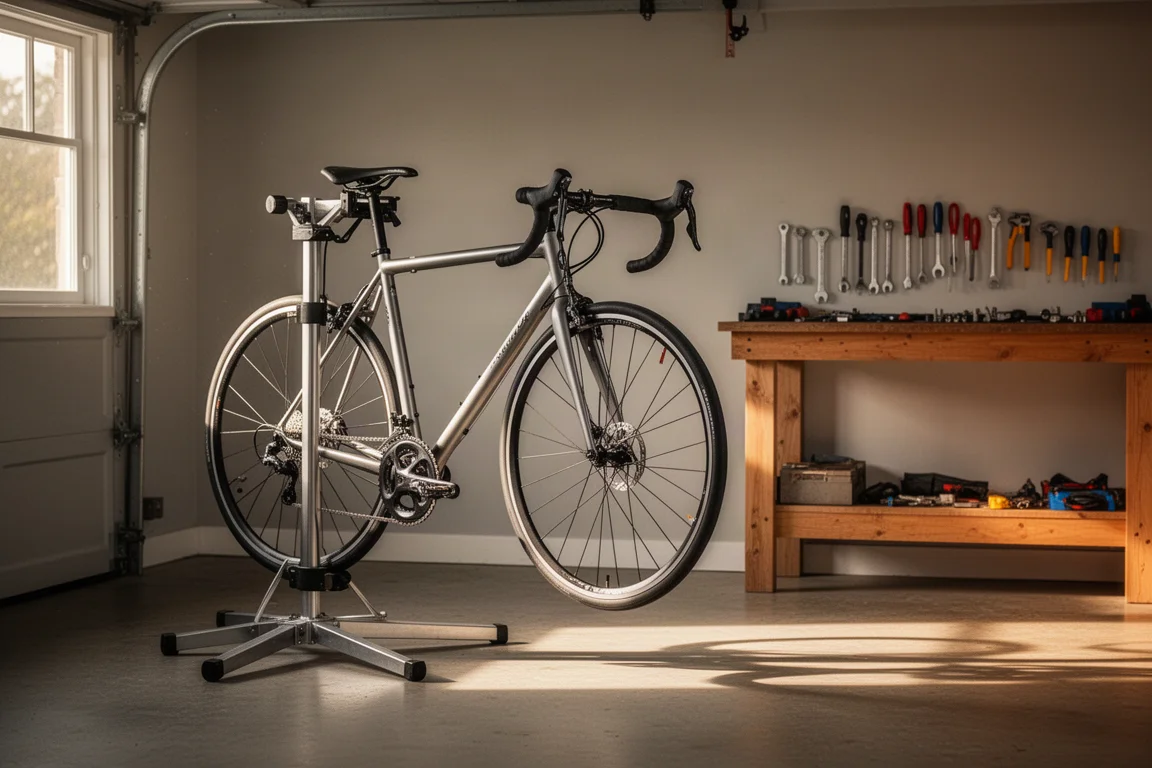
The Vamoots CRD is a titanium road bike with round tubes and seat stays that flow cleanly into the top tube, giving it a look that is traditional in material and thoroughly modern in execution. Moots has made the frame fully integrated, and the CRD is compatible only with electronic groupsets to keep that seamless appearance.
The hydraulic hoses run through an Enve Aero stem and then through a Chris King AeroSet upper headset bearing. Underneath, the frame keeps the double-butted RSL titanium tubeset and the brand’s 3D printed dropouts, which are said to save weight while adding stiffness at the axle.
Practical details are sensible: an 86.5 mm wide T47 bottom bracket with a screw-in interface, clearance for 32 mm tyres, and a 27.2 mm seatpost that keeps replacement straightforward. The catch is cost, with a complete bike requiring at least $13,000.
For riders who value titanium’s durability and ride quality and want it wrapped in a clean, integrated package, this is one of the more considered options available.
Trek Madone: The IsoFlow Aero Racer
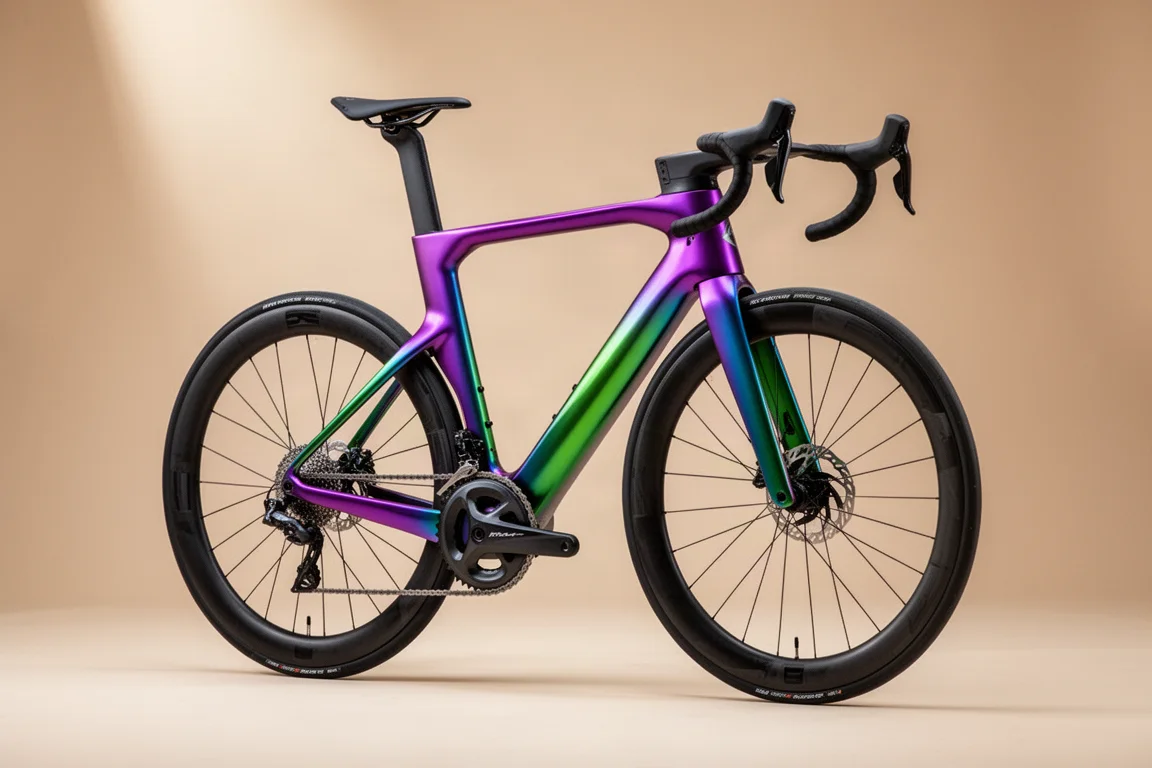
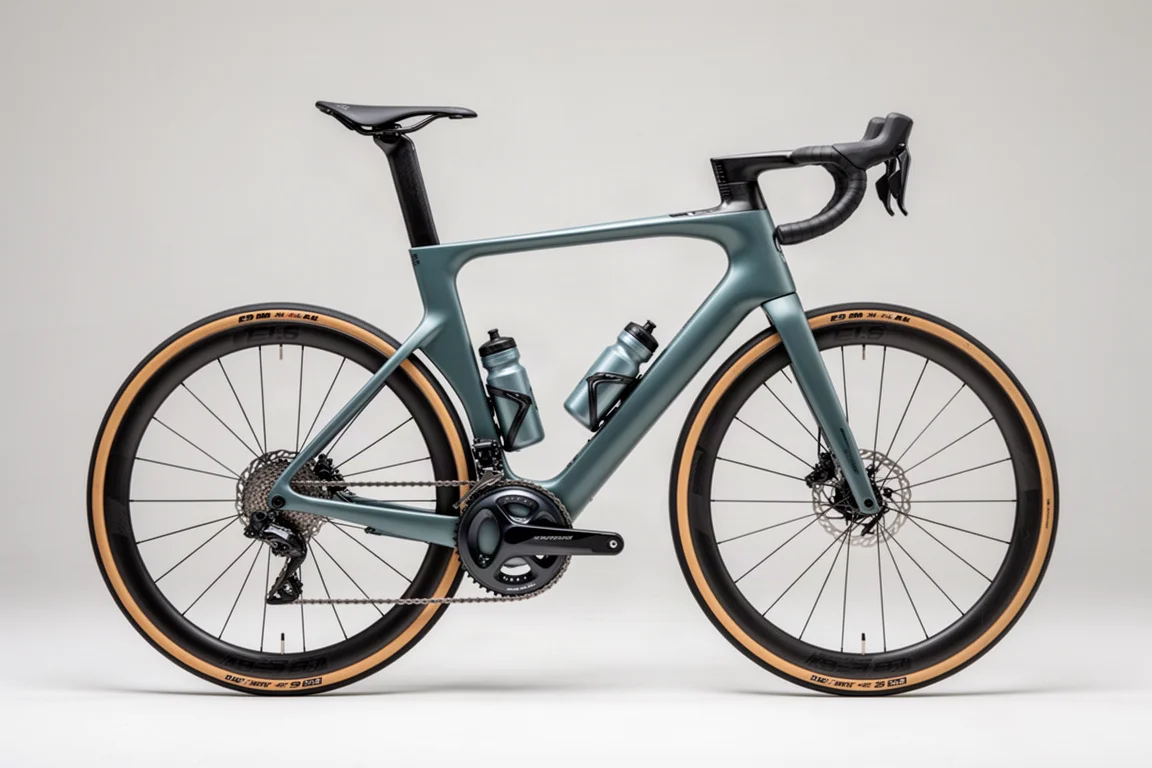
The Madone is the most visually distinctive bike here, thanks to the opening in the frame that Trek calls IsoFlow. The idea is to reduce the effect of the trailing low-pressure zone behind the bike and rider, cutting overall drag in the process.
The numbers Trek quotes are 19 watts more aerodynamic efficiency at 45 km/h, with savings said to be measurable at 35 km/h, a speed far more riders will actually reach. Professional riders including Ellen van Dijk contributed to the design, and the result is a bike built for bunch racing.
Away from the frame opening, the geometry is based on Trek’s H1.5 fit, which sits between the aggressive H1 race position and the more relaxed H2 geometry used on the Domane SL and SLR endurance bikes. There is also a new handlebar system that does a lot of the work, claimed to save 9.3 watts, roughly half of the overall figure, by narrowing the hoods by three centimetres. That is a significant change in position, so it is worth being sure it suits you. Mads Pedersen took a Tour de France stage win on the bike.
Enve Melee: All-Road Capability and Aero Optimisation
Enve built its reputation on wheels and components before moving into framesets, and the Melee is a monocoque design that follows the brand’s custom road frame. While that frame is made in the United States, the Melee is produced overseas, and framesets start at $5,500.
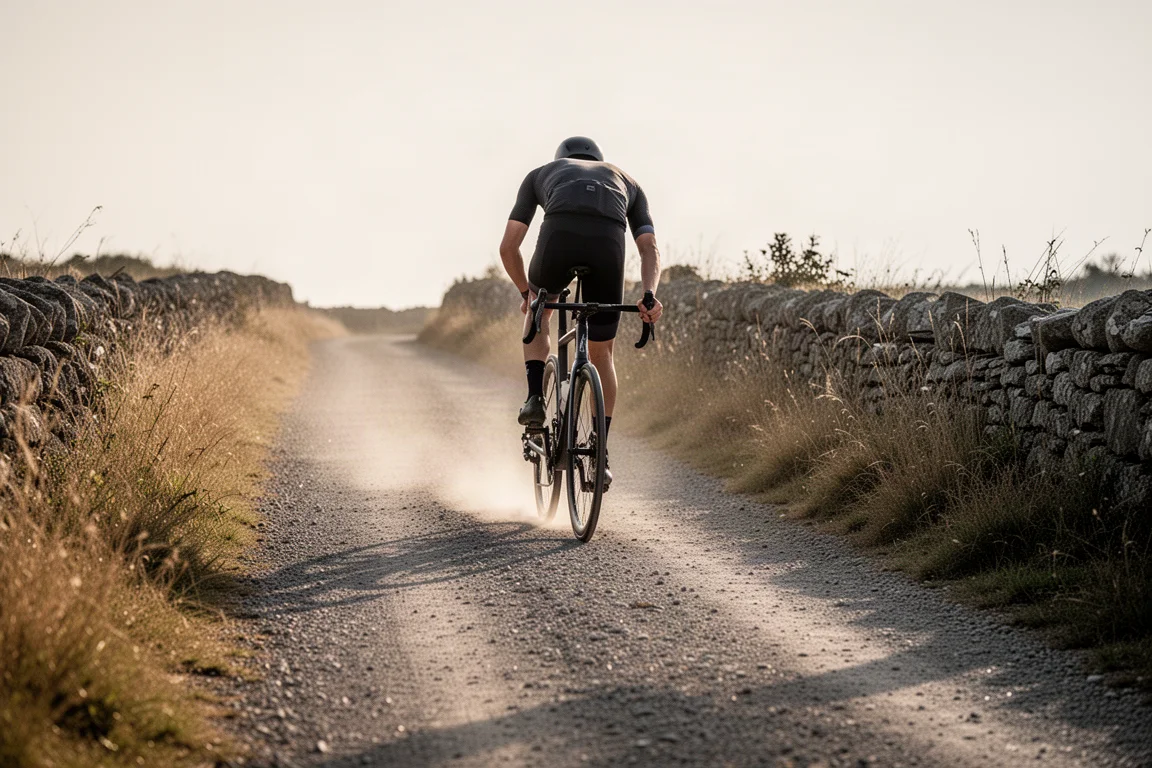
The Melee stretches the definition of a road bike into all-road territory. You get racy geometry alongside clearance for 35 mm tyres, which is enough for well-graded gravel roads without giving up tarmac speed. Enve has optimised the frame for riding speeds between 32 and 40 km/h, and while the saving at the lower end of that range may only be around 2 watts, it accumulates over a long day in the saddle.
It is also a bike you are unlikely to see often, which is part of the appeal for riders who want something a little different. The trade-off is that a complete build from a frameset at this price will not be cheap.
Cervélo Soloist: A Modern Take on a Classic Name
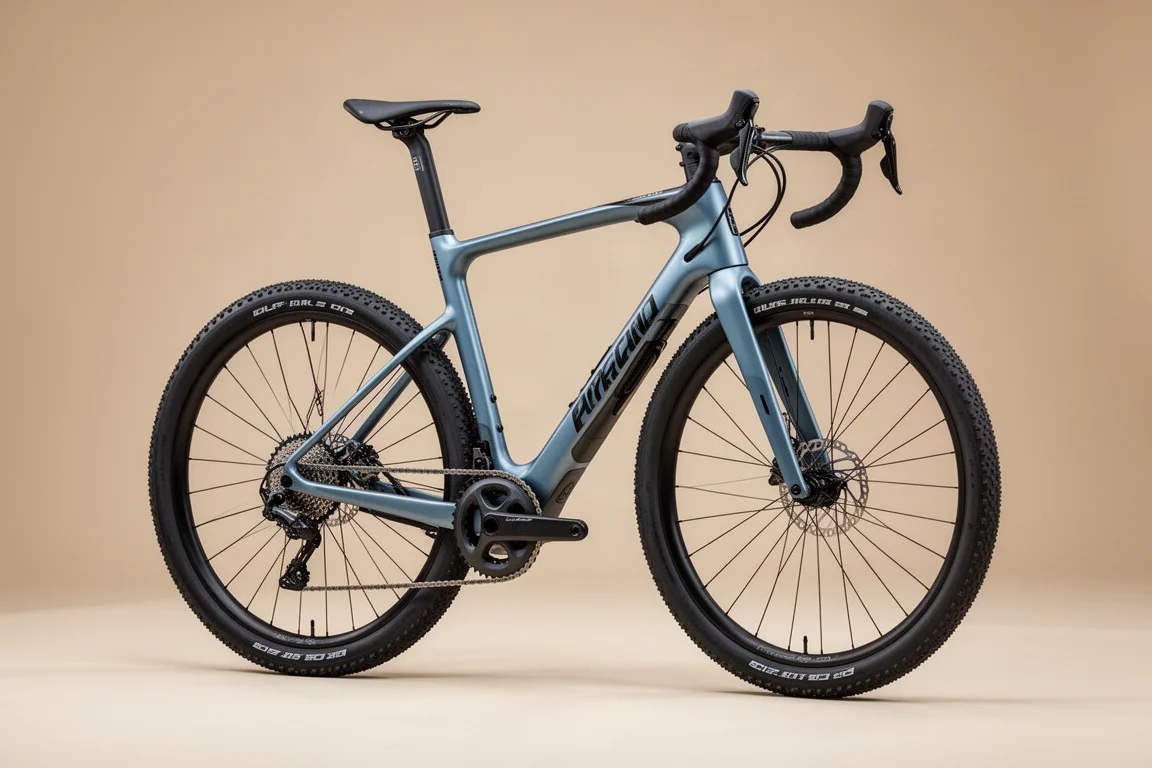
The Soloist has history. The original arrived in 2002 and helped push carbon forward as a frame material, with the aluminium version using genuine NACA aerofoil shapes for its tube profiles rather than approximations. After a period away from the range, replaced by the S and R models, the name is back.
The current Soloist covers a wide spread of builds. The range starts with a mechanical Shimano 105 edition and runs up to an Ultegra Di2 model, which makes the bike feel aimed more at amateur racers than at the professional peloton. As you would expect from Cervélo, it uses a BBright bottom bracket, but usefully for home mechanics this one has the T47 threaded interface first seen on the R5 CX cyclocross bike.
Ride quality is a talking point too. The Ultegra Di2 build delivers a smooth ride and a refreshingly simple front end that should make the bike easy to live with over time. The one caution is price: the top-end model costs more than double what the original Soloist did.
Buying Advice
The right choice here depends almost entirely on where and how you ride.
If you race, ride fast group loops and want one bike that can climb and sprint, the Giant Propel and Trek Madone are the most directly competitive options. The Propel leans on its low claimed weight, while the Madone leans on its aero story and its narrower bar position. Riders who spend a lot of time at 35 km/h or above will get the most from either.
If longevity and material character matter more than chasing the last watt, the Moots Vamoots CRD is the standout. Titanium frames are known for their durability, and this one wraps that in a fully integrated design, provided you are comfortable committing to electronic shifting and a premium budget.
For riders who want one bike to cover tarmac and well-graded gravel, the Enve Melee is the most flexible of the group, with 35 mm tyre clearance and aero work aimed at realistic speeds. And if you want a proven aero all-rounder with a build range that starts lower and climbs higher, the Cervélo Soloist is the most accessible entry point of the five, even though its top specification has become considerably more expensive than the original.
Whichever you choose, check the details that affect ownership: tyre clearance, groupset compatibility, bottom bracket standard, and how easy the front end will be to service.
Conclusion
These five bikes cover the spectrum of modern road riding, from aero race machines that chase watts at 45 km/h to a titanium build and an all-road frameset that prioritise character and versatility.
The Propel makes the strongest case for riders who want aero shaping without a weight penalty. The Madone is the most aggressive aerodynamic statement and rewards riders who can hold speed. The Vamoots CRD is the most distinctive in material and finish, the Melee the most flexible, and the Soloist the easiest to step into. Match the bike to the riding you actually do, and any of them will serve you well.
Further reading
Related Reviews

Road Bikes
10 New Road Bikes Worth Watching: Aero, Titanium, Steel and Endurance Standouts
A practical roundup of 10 new road bikes, from aero flagships chasing single-watt gains to titanium, steel and endurance platforms built for real roads.
Road Bikes
2026 Tour de France Road Bikes: Six Race Machines Worth a Closer Look
Six race bikes from the 2026 Tour de France grid, reviewed for paint, silhouette, wheels and the specification details that matter to buyers.
Road Bikes
3T Strada Italia Review: A Radical Aero Road Bike That Rides Smooth
A made in Italy carbon aero road bike with a deep head tube, wide tire clearance and a genuinely comfortable ride. Here is what to know before buying.