Mountain Biking
Five Most Iconic Downhill Bikes: GT Fury, Giant Glory, Trek Session, Specialized Demo and Santa Cruz V10
Five downhill bikes with the richest racing history, from the GT Fury and Giant Glory to the Trek Session, Specialized Demo and Santa Cruz V10.
Introduction
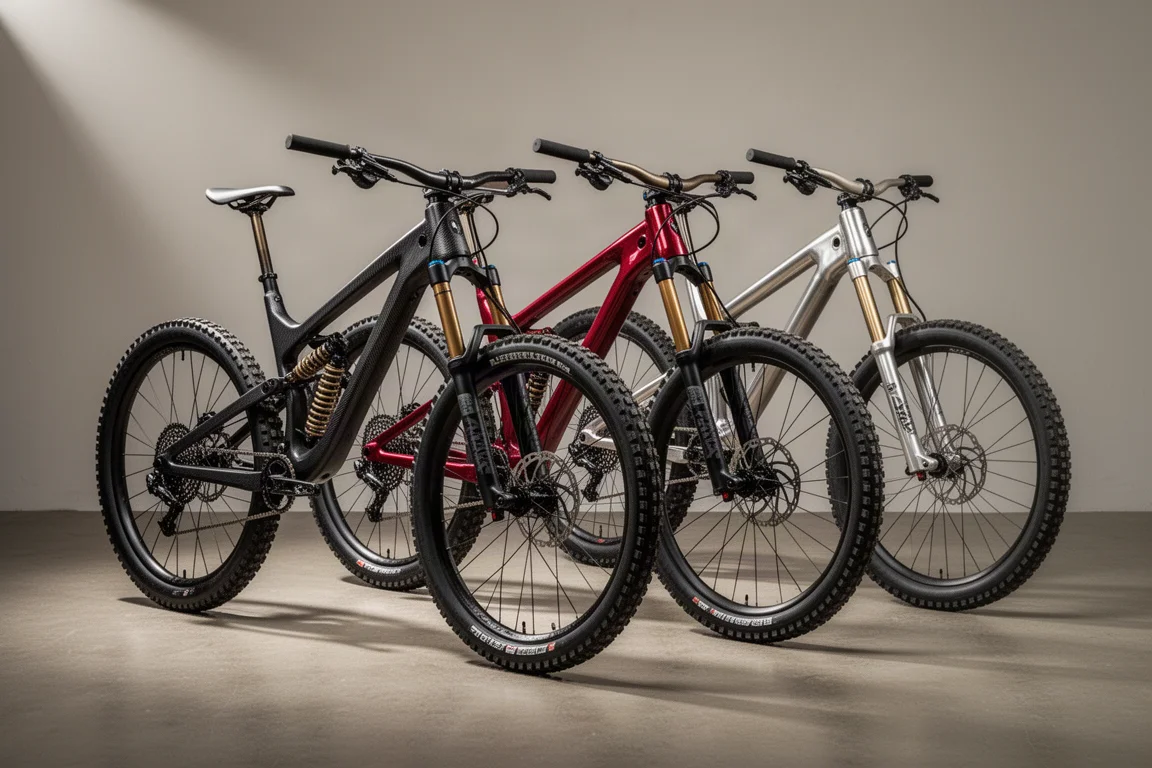
Downhill bikes are the Formula 1 cars of mountain biking. Every part is engineered around a single goal: getting from the start gate to the finish line as fast as possible, on one run, with no concessions to climbing ability or rider comfort.
That narrow focus is exactly why the sport’s most successful machines are so interesting. The five bikes below earned their place not through one good season, but through repeated redesigns, long production runs and results at the highest level of racing.
What Makes a Great Downhill Bike
Geometry comes first. It is the foundation of the bike, and no amount of premium suspension or high-end componentry can rescue a frame with the wrong numbers.
Suspension is just as critical. It has to generate traction while absorbing enormous impacts, and it has to do both consistently from the first corner to the last.
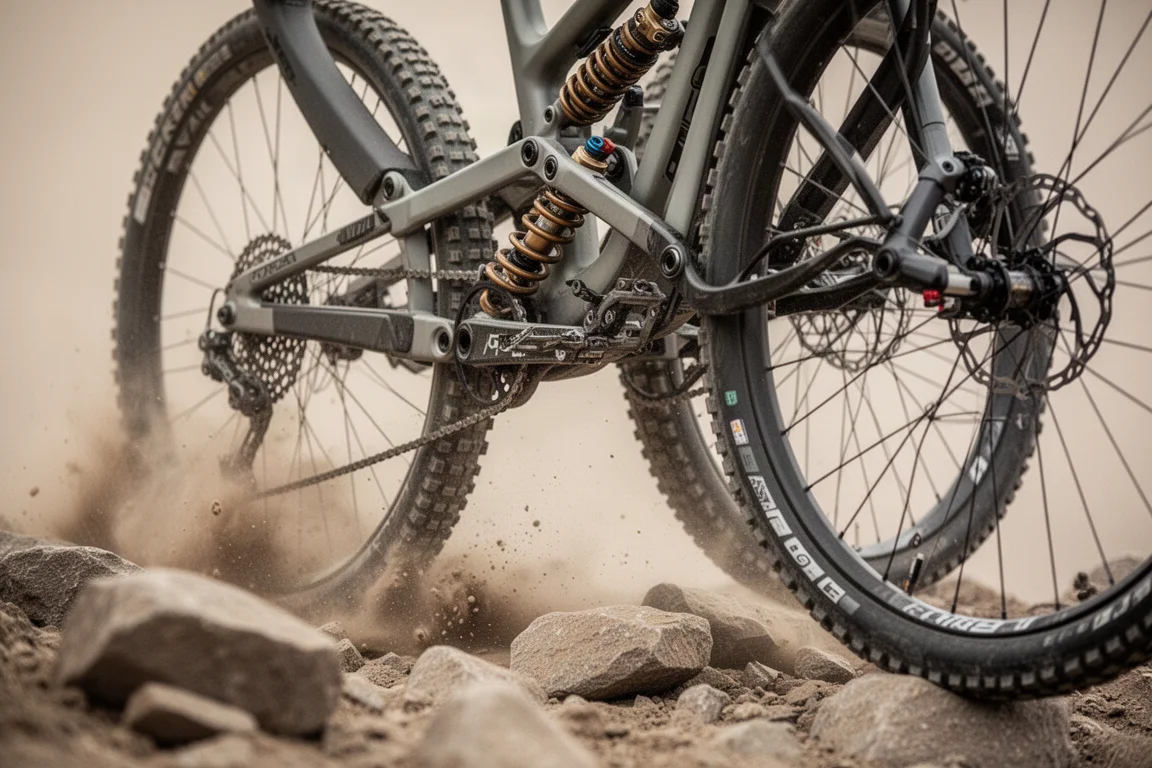
Frame stiffness is a balancing act. A bike that is too stiff can be hard to hold on to and reluctant to track corners and terrain, while a frame that flexes too much loses precision. Durability matters because a frame that fails mid-run ends the day, and for privateers, ease of maintenance sits close behind. Anything that is difficult to access, or that relies on one-off proprietary parts, can end a race weekend before it starts.
The five bikes in this guide pass those tests in their own ways, and each one has a story that explains why it stayed relevant for so long.
GT Fury: A Bike That Reinvented Itself
The Fury arrived in 2009 with a carbon frame and swooping lines that looked futuristic next to everything else on the market. Its geometry was conservative and compact by the standards of the day, but it was race-proven almost immediately: Mark Beaumont won at Val di Sole, one of the toughest tracks on the circuit, on that first generation.
GT then rebuilt the bike completely for 2013, with the Atherton family on board. Only the name and the suspension layout really carried over. The new Fury was exceptionally stiff, a trait that rewarded strong, aggressive riders but could beat a rider up over a long, rough track.
2018 brought another reset: a new suspension layout, a return to carbon fiber, the end of the I-Drive system and a move to bigger wheels, first 27.5 inches and later 29 inches. The 2023 evolution continues in the same direction with a split seat tube and a rocker mounted inside it, and feedback from riders has been positive.
Giant Glory: Maestro Suspension and a Legendary Run
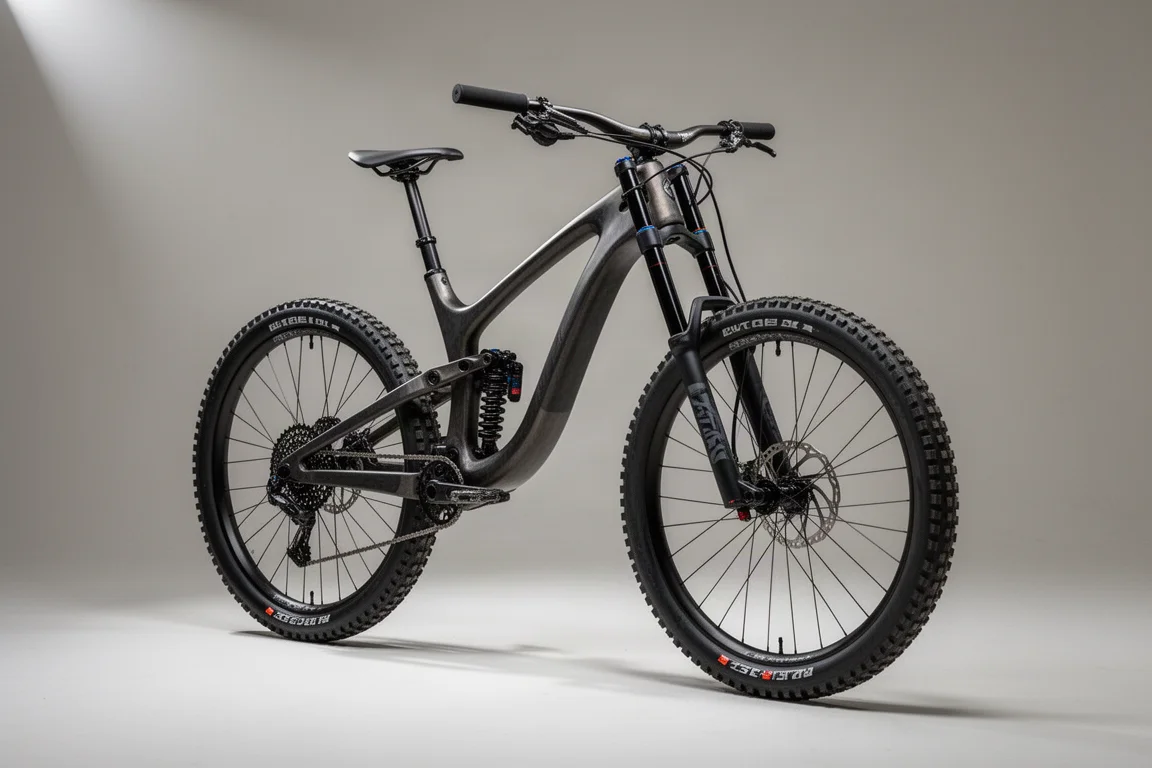
The Glory was introduced in 2006 and brought Giant’s Maestro suspension system across from the Trance, Reign and Faith platforms. It was a fast, much-loved bike with one well-known weak point: the amount of rotation in the linkage wore out the shock’s DU bushes quickly.
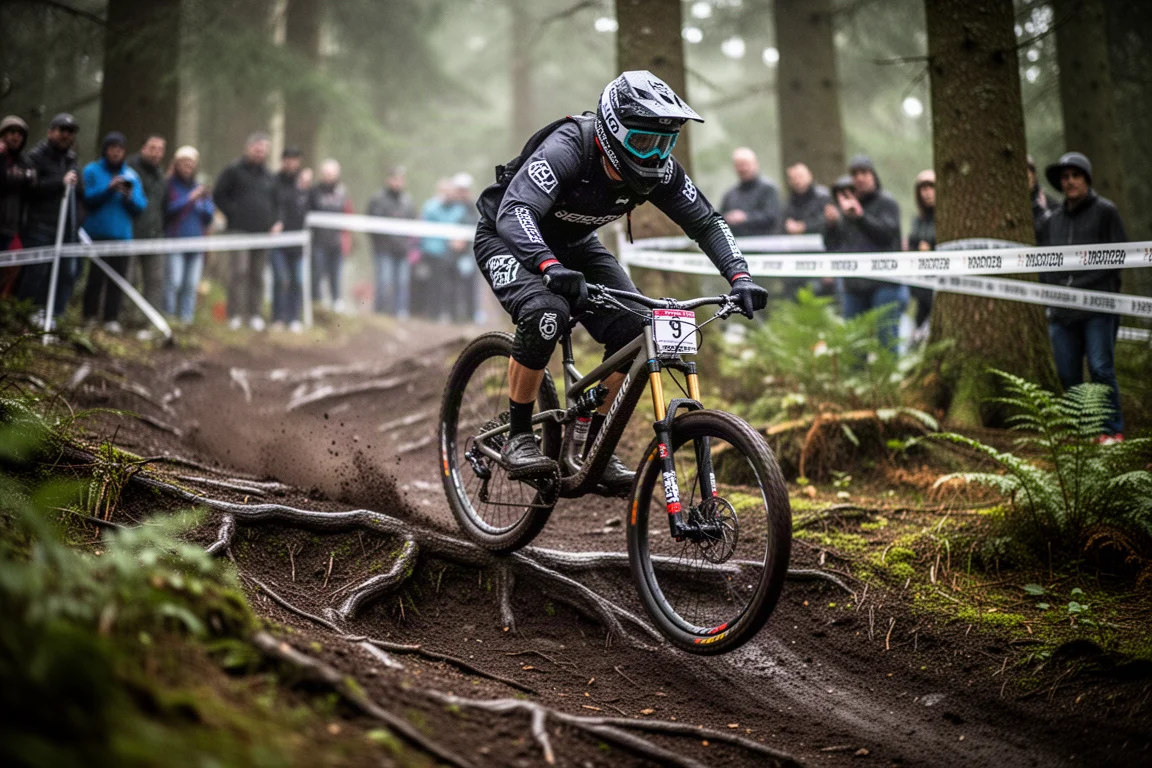
A 2010 revamp set the stage for the bike’s most famous moment, when Danny Hart won the 2011 World Championship on a Glory with a run that is still described as one of the most historic in the sport.
Giant revamped the bike again in 2015 with 27.5-inch wheels, and a mixed-wheel version followed later. The latest top-spec model carries a Legends paint job that references the 1998 Giant ATX1, and it adds adjustable reach through headset cups plus adjustable chainstay chips, with either wheel size supported.
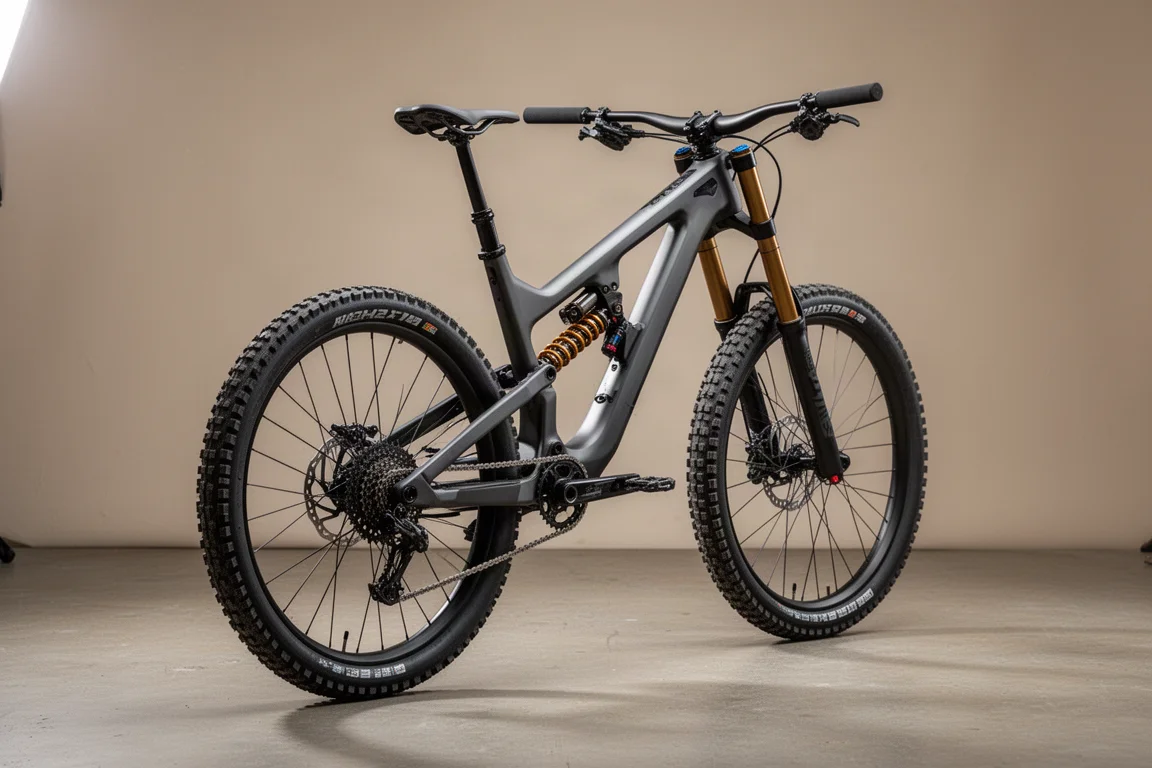
Trek Session: The Benchmark High-Pivot Racer
The Session line started as the Session 7 in 2005 and became the Session 10 in 2006, using a high-pivot design with an idler pulley carried over from the earlier Diesel. The 2009 Session 88 was the first bike to use Trek’s Active Braking Pivot, and it stood out for its low weight, around 34 to 36 pounds, at a price that made it a genuine bargain.
The results followed. Tracy Mosley won multiple World Cup races on the Session, including the 2010 World Championship. Aaron Gwin dominated in 2011 on the full-carbon Session 9.9, and Rachel Atherton went unbeaten through the 2016 season.
The suspension layout is still recognisably related to that original Session 88, with the addition of a high pivot and an idler wheel. The bike’s reputation is such that professional riders have bought one in the off-season to use as a development reference for their own race bikes.
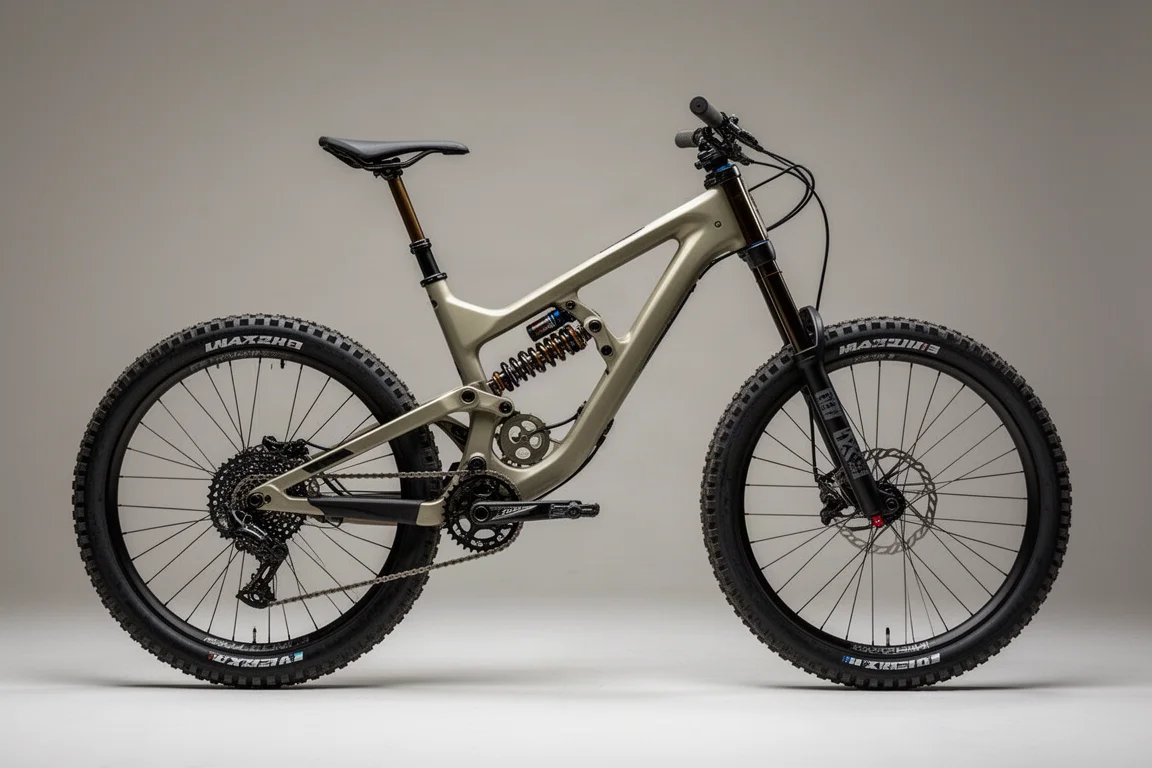
Specialized Demo: Asymmetry and a Winning Streak
The Demo first appeared around 2003 with a distinctive twin seat stay design intended to isolate pedalling forces from suspension forces. It looked like nothing else on the hill, and it was heavy, sitting closer to the freeride and park end of the market than to pure racing.
Over time it became slacker and more refined. With riders such as Sam Hill, Brendan Fairclough and Troy Brosnan involved, the Demo 8 arrived with a completely different approach: an asymmetrical frame with a concentric pivot at the bottom bracket, replacing the complicated double seat stay layout. The result was a sleek, industrial-looking race bike that delivered results, with Aaron Gwin winning nine World Cups between 2015 and 2018 and taking the overall title three times.
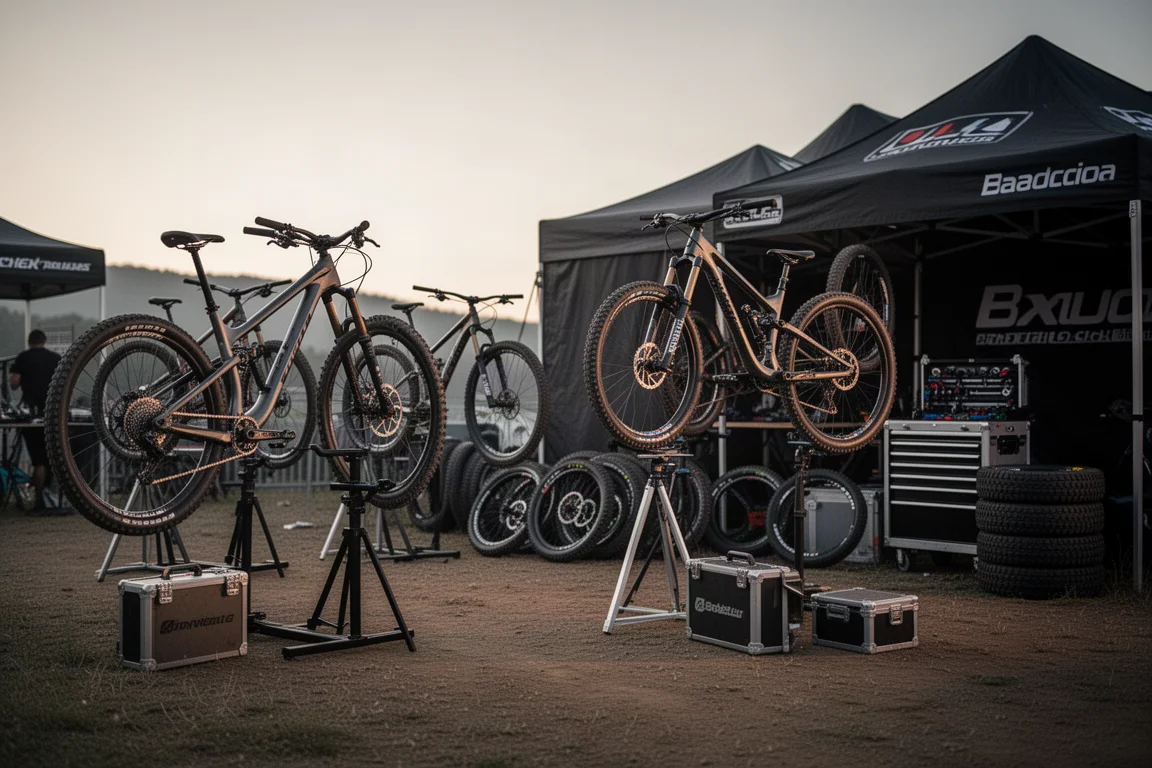
The team expanded again in 2016, and a 29-inch wheel version followed even though the team’s riders had wanted a smaller rear wheel. A new prototype was raced in 2022, so the platform is clearly still evolving.
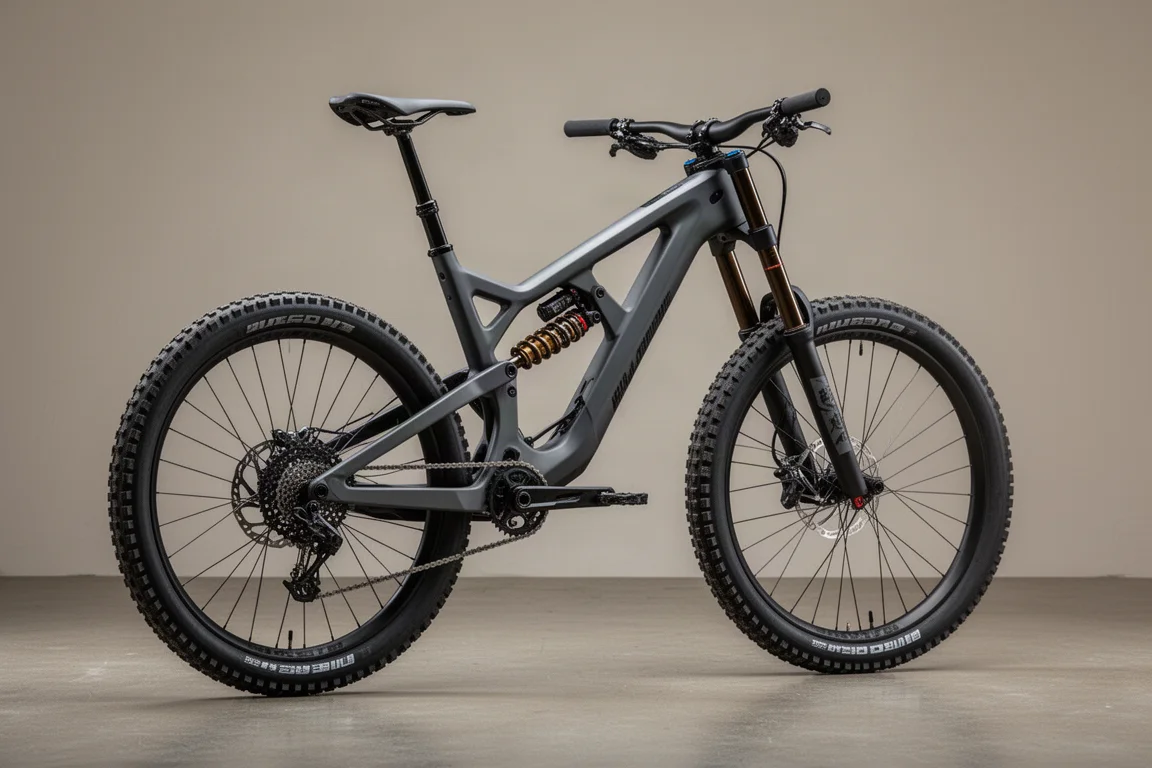
Santa Cruz V10: Eight Generations at the Front
The V10 is the longest-running name in this group. The first version appeared in 2002, and eight iterations later it is still at the front of the sport. The name refers to its travel: 10 inches, or 255mm.
The original used a brake arm to keep the suspension active under braking, a feature that was dropped for the more rounded Mark II, the bike Steve Peat rode to his third overall World Cup title in 2006. The Mark III brought Greg Minnaar into the fold and delivered a long run of wins, along with Peat’s 2009 World Championship in Canberra.
The 2011 Mark IV moved to a full carbon frame with adjustable travel between 8 and 10 inches. The V10.5 ran 27.5-inch wheels with 8 inches of travel, and in 2014 Josh Bryceland won the World Cup overall after switching from a 26-inch bike to the 27.5 mid-season.
In 2017, Santa Cruz appeared at the first race of the season in Lourdes, France, on 29-inch wheels, and much of the field followed. Greg Minnaar then won the 2021 World Championship at Val di Sole on the Mark 7 frame, his fourth title, and a Mark 8 frame has since been seen looking close to production.
Buying Advice
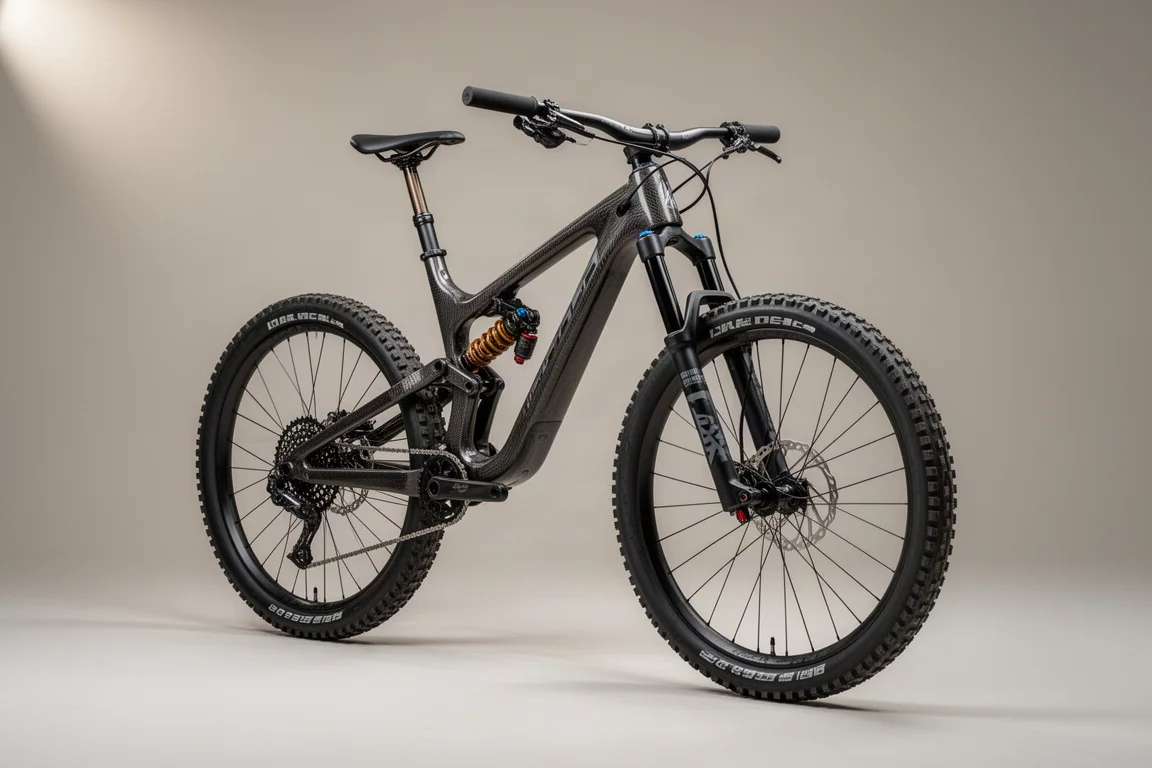
Every bike here is a race platform first, and that shapes what you should look at before buying. Geometry is the starting point: check reach, head angle and chainstay numbers against your own height and riding style, because no component upgrade will compensate for a frame that does not fit you.
Suspension design matters next, and the differences between these platforms are real. A very stiff frame suits riders who can push hard and hold on, while a more forgiving chassis is easier to live with over a long, rough track.
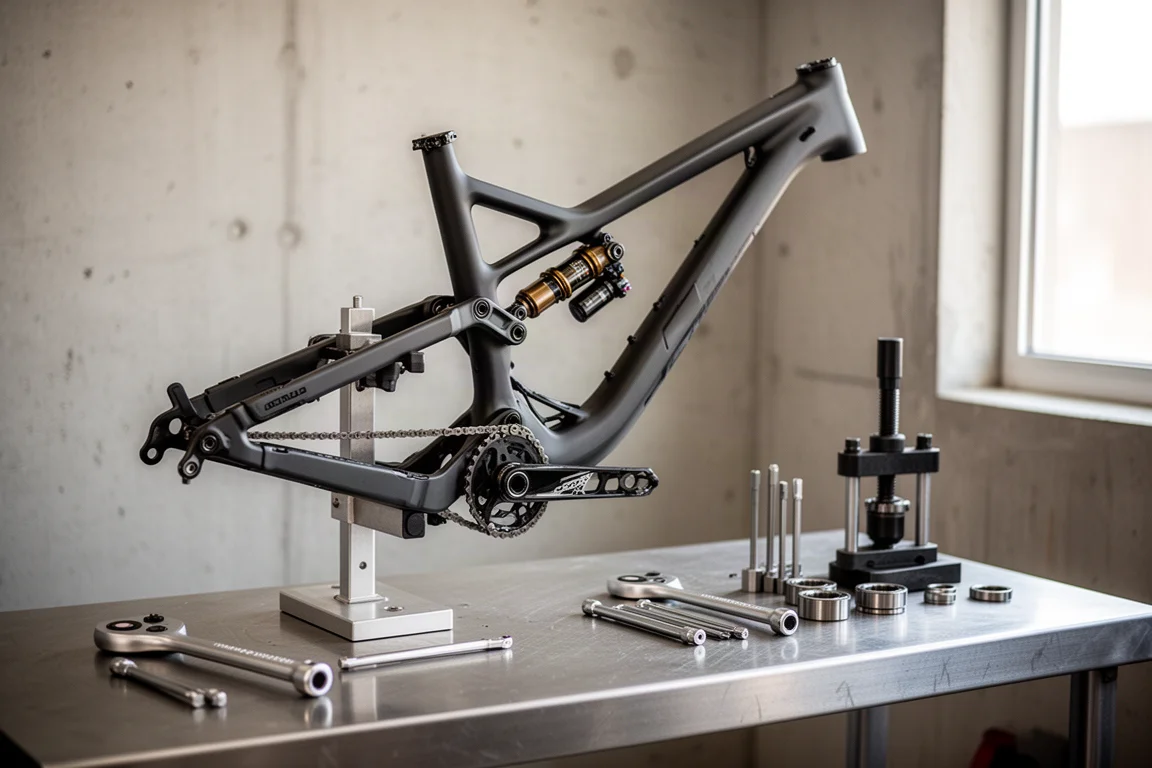
Serviceability deserves more attention than it usually gets. Check how easy it is to access the shock, the linkage and the bearings, and whether the bike relies on parts that are hard to source. A downhill bike that is simple to work on will spend more time on the hill.
Wheel size is also worth a decision up front. The move to 27.5 and then 29 inches changed how these bikes ride, and earlier generations feel noticeably different from current ones. If you are buying an older model, check the frame, linkage and shock closely, since bikes in this category are usually used hard.
Conclusion
Five platforms, five very different routes to the top. The GT Fury kept reinventing itself, the Giant Glory produced one of the sport’s most memorable runs, the Trek Session set the benchmark for light, high-pivot race bikes, the Specialized Demo turned asymmetry into a winning formula, and the Santa Cruz V10 has stayed at the front across eight generations.
Whichever of them you choose, the deciding factor is still fit. Geometry, suspension feel and ease of maintenance will matter more in the long run than the badge on the down tube.
Further reading
Related Reviews
Mountain Biking
Best Downhill Bikes From Hardline Tasmania 2024: Six Pro Race Setups
Six downhill and freeride bikes from Hardline Tasmania 2024, from the race winning Mondraker Summum to the carbon and titanium Atherton AM200, with the build details that matter.
Mountain Biking
Cross-Country Bike Upgrades: When Extra Weight Makes You Faster
A field test of lightweight versus more capable cross-country builds reveals which component changes make the biggest difference on descents without giving up too much climbing speed.
Mountain Biking
Cross Country Race Upgrades: Does Added Capability Beat Lower Weight?
A timed comparison of a sub 8 kg cross country build against a slightly heavier, more capable setup, plus the tires and fork that made the difference.