Road Bikes
Five Lightweight Road Race Bikes to Watch: Colnago, Cervélo, Specialized, Canyon and BMC
Five modern disc-brake race bikes that get close to the UCI 6.8 kg limit, and what their builds reveal about weight, aerodynamics and real-world setup choices.
Introduction
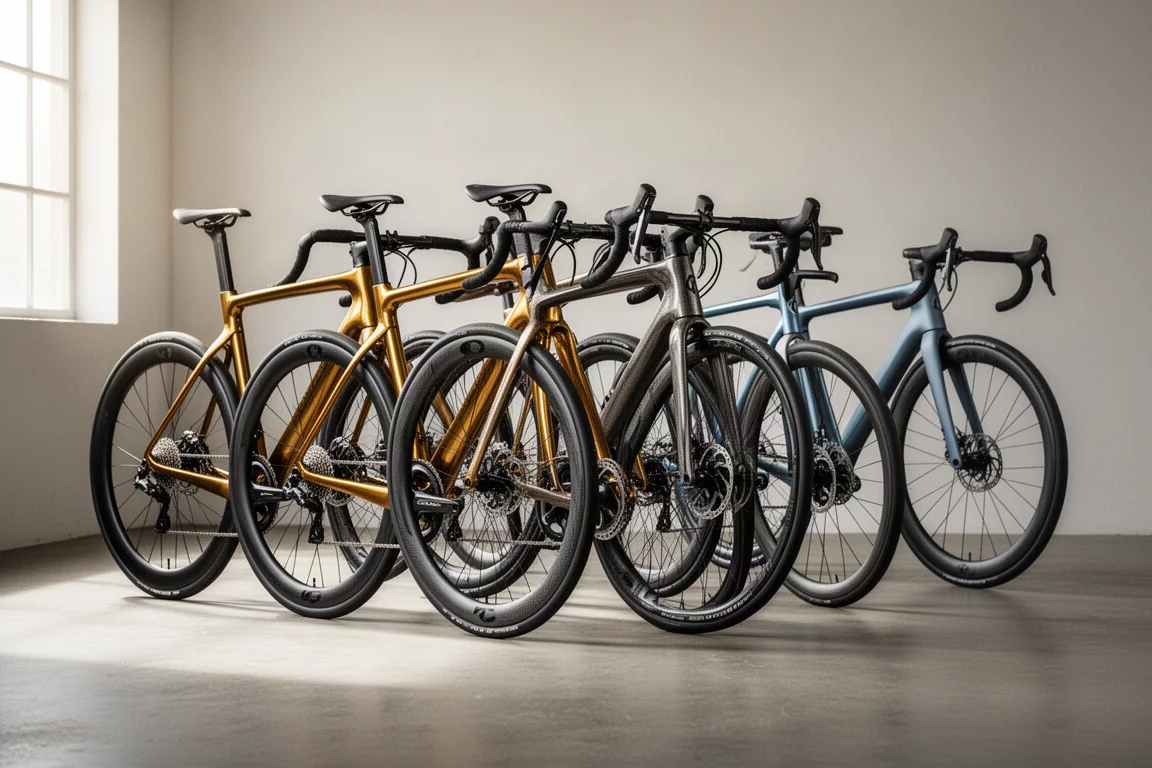
Rim brakes have all but disappeared from the professional peloton, and for a while it looked as though the featherweight climbing bike might follow them into history. It has not worked out that way. The UCI minimum weight limit of 6.8 kg is still an achievable target for a modern disc-brake race bike, and the builds that reach it are among the most interesting machines in the sport.
These five bikes, all campaigned at this year’s men’s Tour de France, take different routes to the same goal. Some lean on custom hardware and titanium small parts, others accept a few extra grams in exchange for aerodynamic speed, and one shows how much a simple wheel swap can change the final number on a scale.
What Makes a Lightweight Race Bike in 2026
The 6.8 kg floor set by the UCI applies to professional racing, and the most interesting builds reach it through an accumulation of small details rather than one dramatic decision. Lightweight through axles, a carbon headset cap, a direct-mount derailleur hanger, a custom bottom bracket shell and engraved chainrings all add up. None of them transforms a bike on their own, but together they are worth several hundred grams.
Aerodynamics still matters. Even at the slower speeds of a long climb, aero gains accumulate across a stage race and can save a rider meaningful energy, which is why several teams keep an aero frame as their default race day choice. The lightest frame is not automatically the fastest one.
Tyre volume plays a part too. A 28 mm tyre can measure noticeably wider once mounted on a modern rim, which adds grip and comfort and can help rolling resistance rather than hurt it.
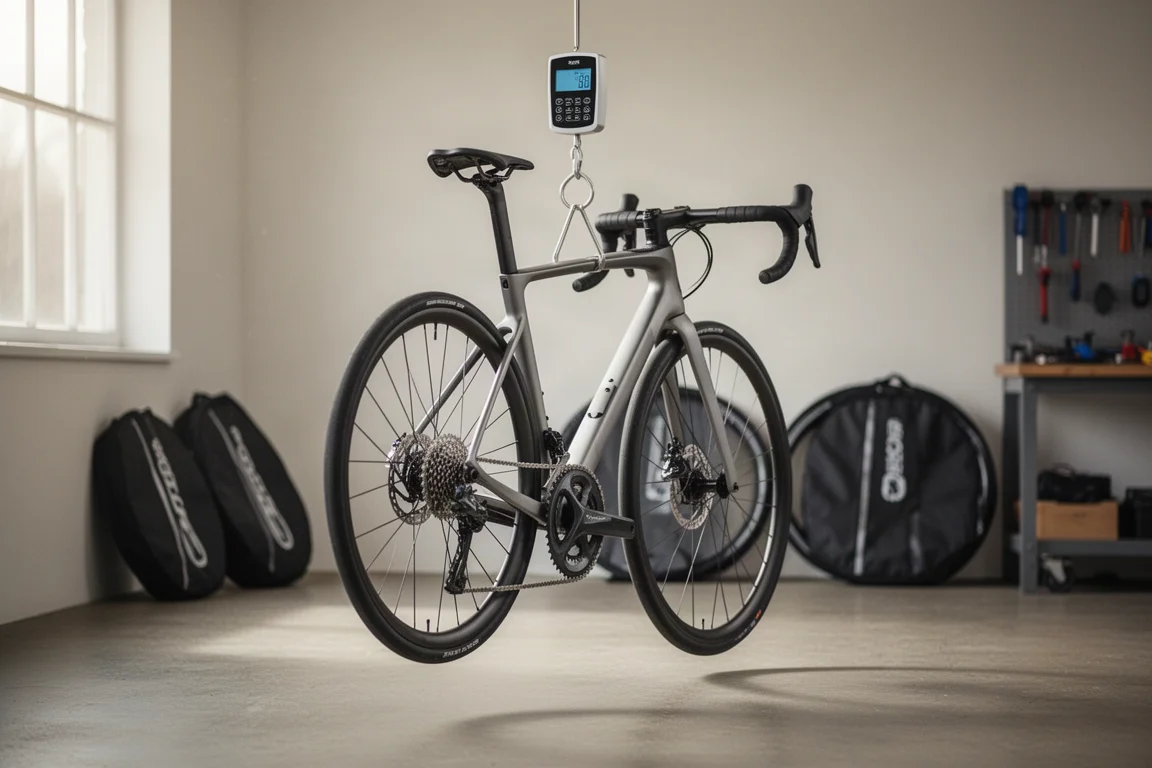
One caution on numbers: any weight figure carries a margin of error, so treat differences of a few grams with a little scepticism. The builds that follow are best read as a set of engineering choices rather than a leaderboard.
That context matters when comparing machines that sit within a few hundred grams of each other, because the decisions behind those grams are often more revealing than the total.
Colnago V5 RS
The Colnago V5 RS is the bike of the defending Tour de France champion, finished in a custom world champion paint scheme that is unlikely to be the lightest option available. Look past the finish and the build is dense with small custom touches: chainrings engraved with the brand’s logo, a carbon headset cap, a direct-mount derailleur hanger, a custom bottom bracket shell, and through axles that weigh just 54.5 g for the pair. Even the hubs and spokes are finished in silver.
On the scales the complete bike came in at 6.765 kg, roughly 35 g below the UCI minimum. That is a tiny margin, small enough to sit inside the typical error of a set of hanging scales, but it shows how far the team went to leave nothing to chance in the mountains.
It is also a functional build rather than a fragile one. The 28 mm Continental TT tyres measure closer to 31 mm once mounted, which adds grip and comfort, and the bike runs standard Dura-Ace brake rotors instead of the carbon rotors used on the previous generation. The result is a machine designed to be as quick on the flat as it is on a climb, which is exactly what a general classification contender needs.
Cervélo R5
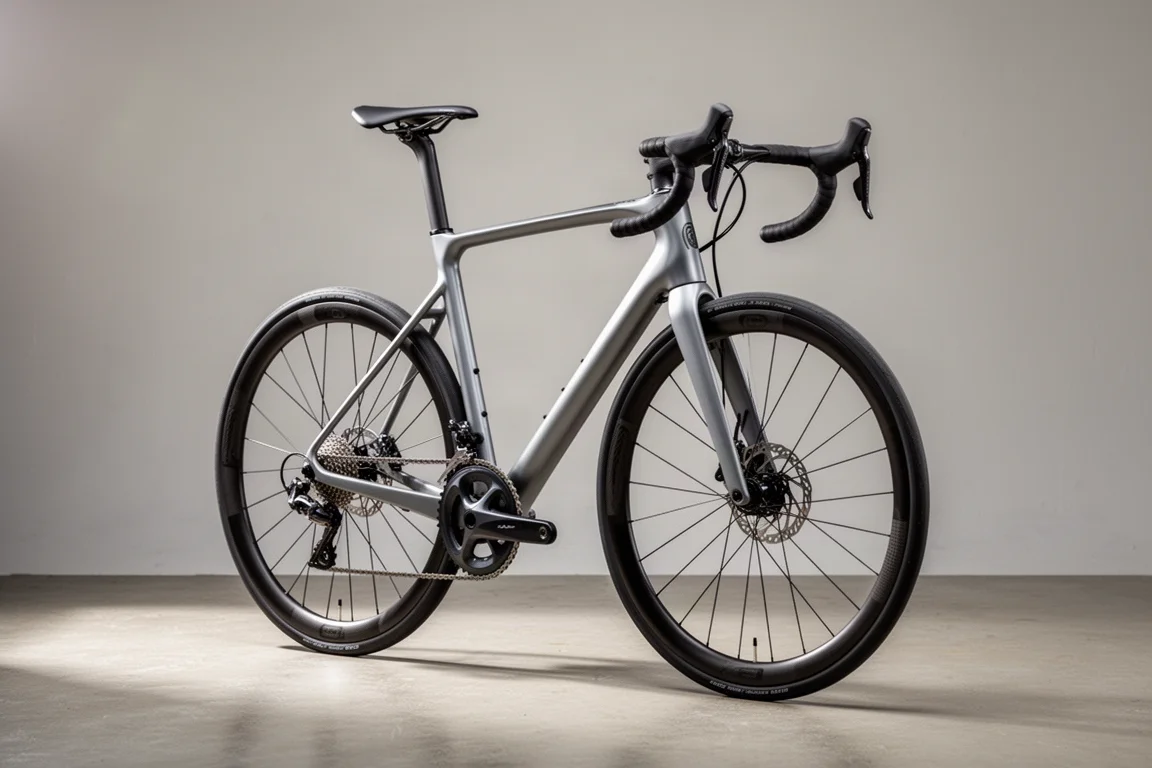
The Cervélo R5 has not been officially released, yet it has already appeared under a WorldTour team at the Tour de France. At around 7 kg including bottles and cages, pedals and a bike computer, it is one of the lightest complete setups seen at the race, and that figure is notable precisely because it includes everything bolted to the bike rather than a stripped-down frame.
The brand has had a busy season, with a new gravel model breaking cover and a brand new aero S5 unveiled during the race. That raises a practical question for any rider weighing up a climbing frame: will teams actually race the R5 when a more aerodynamic option is sitting in the same stable? A more aero sibling has already been used to win a hilly stage and to launch a long-range attack over a famous climb earlier in the year.
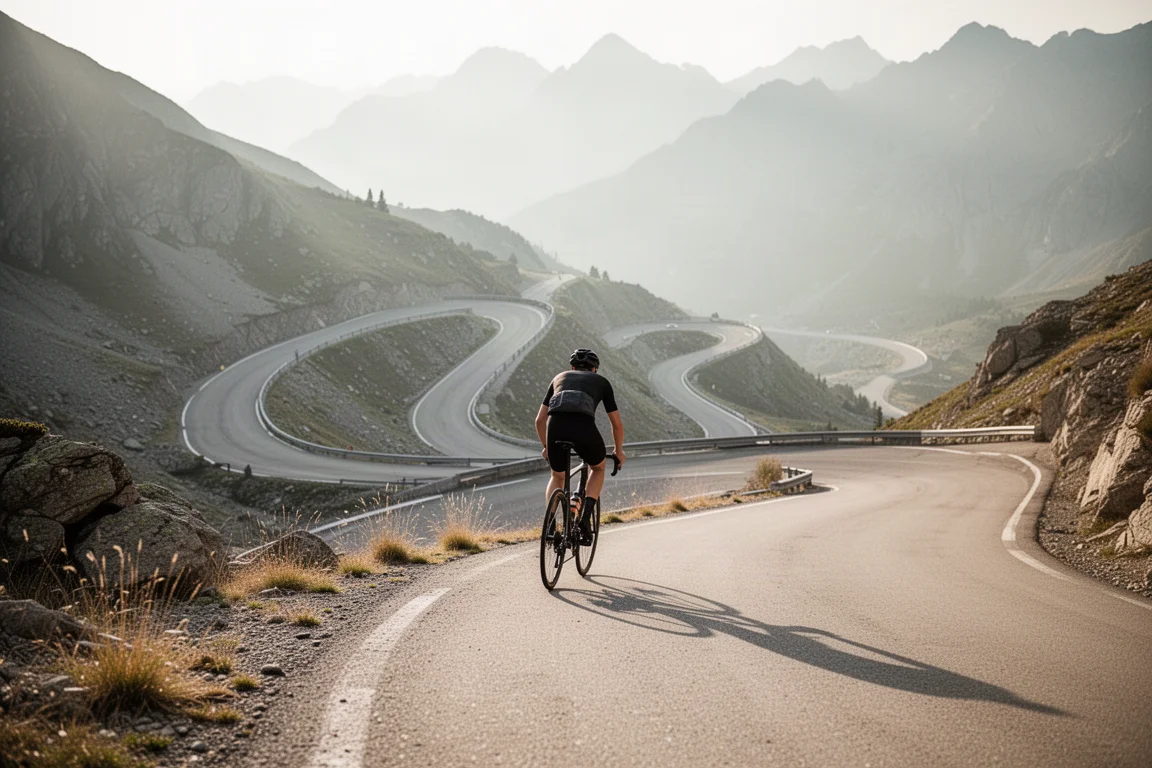
The honest answer is that it depends on the terrain and the rider. A dedicated climbing bike makes most sense for someone whose riding is dominated by long ascents, while an aero all-rounder usually wins on mixed roads. Both deserve a place on a shortlist, and the choice comes down to which compromise you can live with.
Specialized S-Works SL8
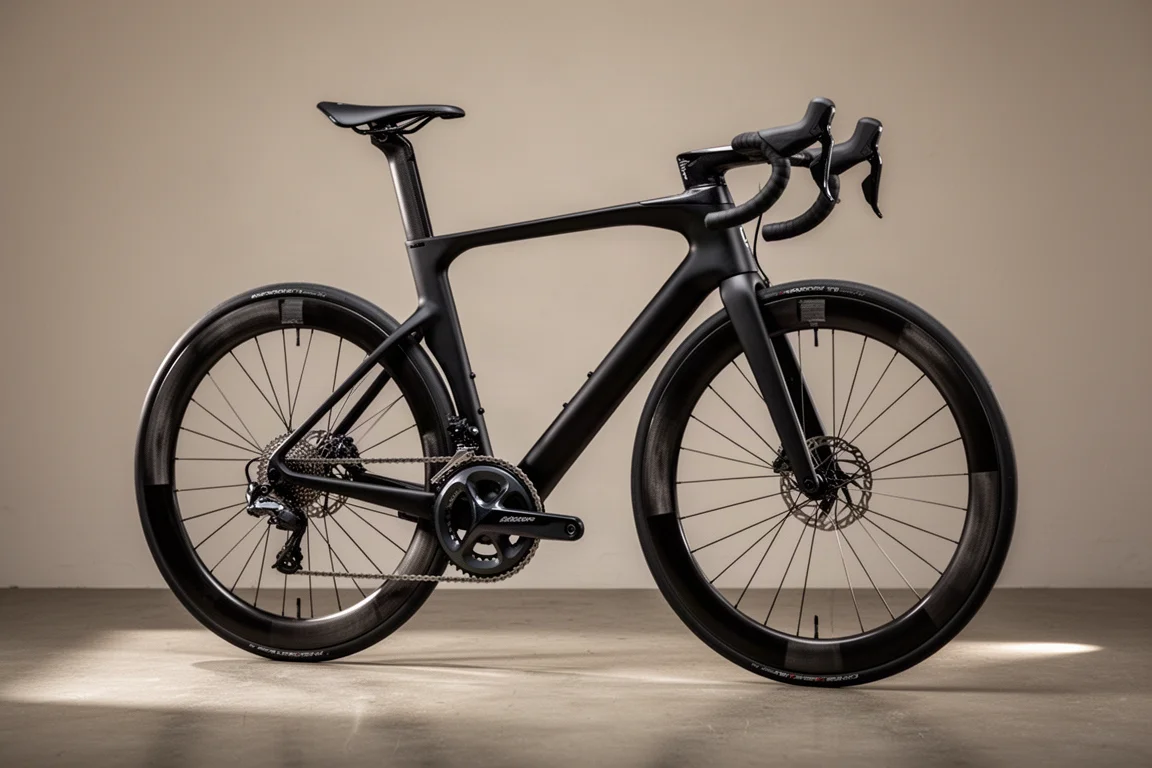
The S-Works SL8 is the bike of the rider who finished third at last year’s Tour de France, a current Olympic and two-time world time trial champion whose setup is dialled in down to the smallest detail. The gold paint is unlikely to be a weight-saving choice, and a 56-tooth chainring is a big gear to turn, yet the complete build still weighed 7.1 kg in full aero specification, making it one of the lightest bikes at the race.
There is more weight to find if a mountain stage demands it. Swapping the Roval Rapide wheels for the lighter Roval Alpinist set would bring the build down towards the UCI limit. A lightweight SL8 frame finished in plain black paint has also been raced in previous seasons to shave further grams, which shows how flexible the platform is.
The SL8 is not exclusive to a single squad either. Several professional teams ride it, which means the frame has been proven across a wide range of riders, terrains and race situations.
Canyon Aeroad CFR
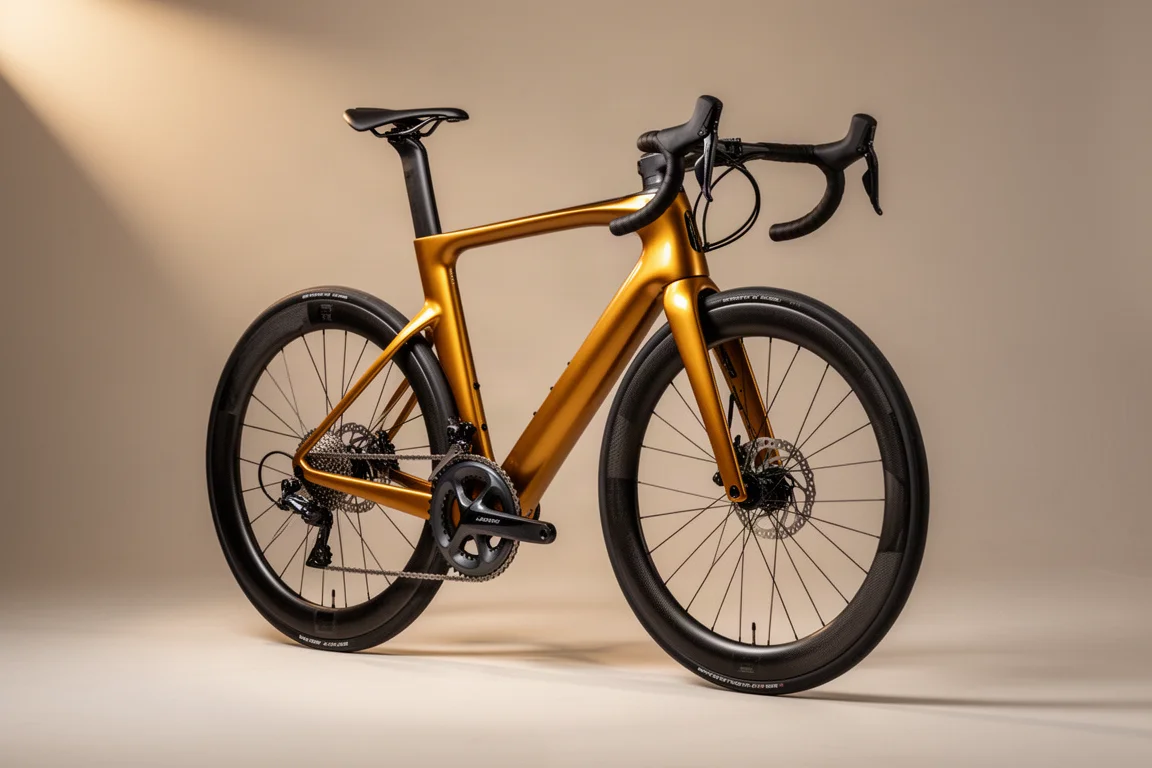
Putting an aero bike in a list of lightweight climbing machines might raise eyebrows, but the Canyon Aeroad CFR has a strong case. An Aeroad was ridden to overall victory in a Tour de France by a margin of just four seconds, the tightest winning margin in the history of the race, and it did so over terrain that included long climbs.
Canyon’s own website lists the Ultimate as roughly 250 g lighter than the Aeroad at the same specification, so a dedicated climbing frame does exist in the range. The counter-argument is that aerodynamics matter even at slower climbing speeds, and the energy saved across a stage race can be spent when it counts most.
Setup changes the final number considerably. A size large build with 60 mm rims, large chainrings and custom paint weighed a hefty 8 kg at the start of the men’s race, while Canyon quotes a medium Aeroad CFR at 6.98 kg. Frame size, wheel choice and finishing kit account for that entire difference.
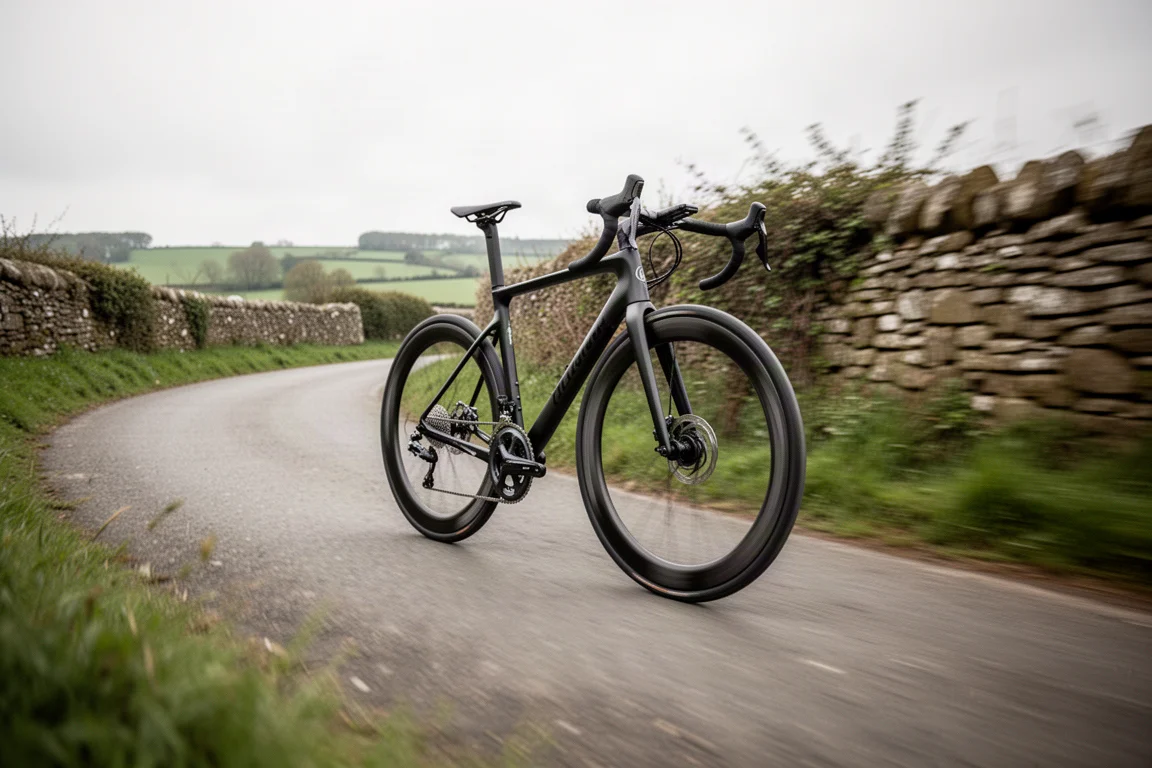
With several men’s and women’s teams racing Canyon bikes, the Aeroad is one of the most visible platforms in the sport, and the aero-first philosophy behind it is clearly working at the highest level.
BMC Teammachine SLR
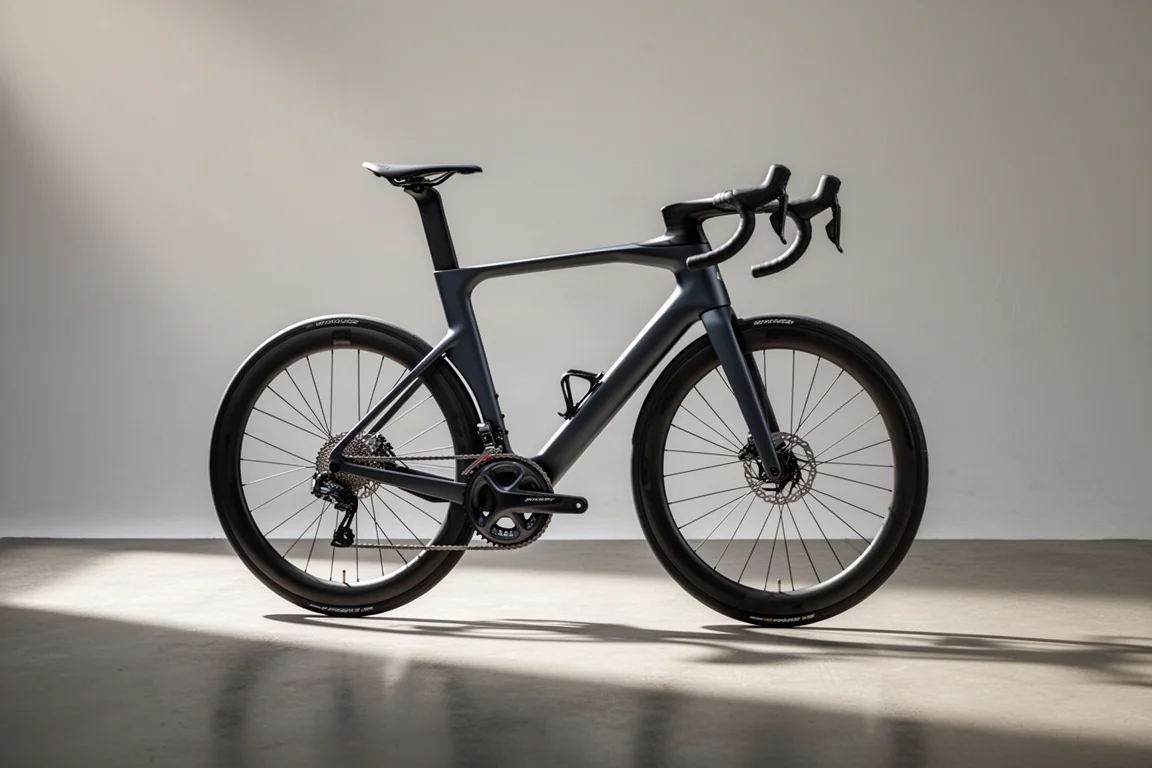
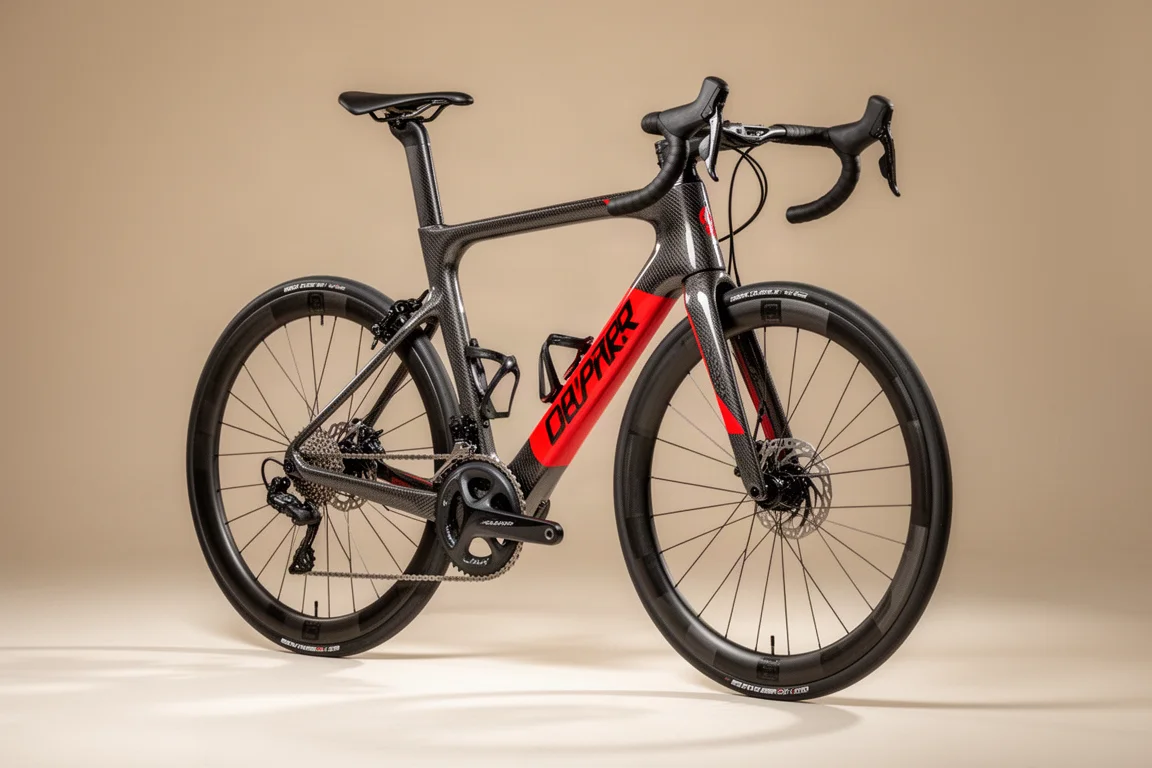
The new BMC Teammachine SLR is the choice of a second-division wild-card team hunting stage wins from breakaways rather than the overall classification, and it is set up for the hillier days of the race. On the scales, a 52 cm build came in at 7.125 kg including Time XPro 12 SL pedals, integrated aero bottle cages and a Wahoo Elemnt Bolt 3 computer.
The finish is a raw carbon layup with a large red logo and a clear coat, paired with a SRAM Red AXS drivetrain and, interestingly, the older DT Swiss ARC 1100 wheels. The previous Teammachine had a Masterpiece edition that was lighter than the stock build, so a similar version of the new bike is not out of the question, though nothing has been confirmed.
For a rider who wants a race bike that handles hilly days well without chasing the absolute lowest number on a scale, the Teammachine SLR looks like a sensible, well-rounded option.
Buying Advice
A professional build that sits close to the 6.8 kg limit is a useful reference point, but it is not a shopping list. Several of the lightest details here, from engraved chainrings to custom through axles, exist to chase margins that only matter when seconds decide a race result. For most riders, the same budget is better spent on fit, wheels and tyres.
It also pays to compare complete builds rather than frames. Weights quoted by brands usually exclude pedals, cages and computers, and a race-ready bike can easily be half a kilogram heavier than the figure on a specification sheet. If low weight is the priority, decide which of those items you are willing to leave at home.
Aerodynamics deserves equal attention. A modest aero advantage accumulates over hours in the saddle, and a slightly heavier aero bike can be the faster choice on rolling terrain. If most of your riding is fast and flat, an aero frame paired with a lighter climbing wheelset is a practical compromise.
Finally, remember that weight is only one part of the picture. Frame stiffness, tyre clearance, gearing and how the bike feels after four hours matter just as much as a number on a scale, and those qualities are best judged on a test ride rather than a specification table.
Conclusion
Disc brakes did not kill the lightweight climbing bike. The five machines here show that the UCI 6.8 kg limit remains reachable in 2026, and that the most compelling builds are the ones balancing low weight against aerodynamics, comfort and reliability. Whether you favour a pure climbing frame, an aero all-rounder or a wild-card platform from a smaller team, the underlying engineering is more sophisticated than it has ever been.
Further reading
Related Reviews

Road Bikes
10 New Road Bikes Worth Watching: Aero, Titanium, Steel and Endurance Standouts
A practical roundup of 10 new road bikes, from aero flagships chasing single-watt gains to titanium, steel and endurance platforms built for real roads.
Road Bikes
2026 Tour de France Road Bikes: Six Race Machines Worth a Closer Look
Six race bikes from the 2026 Tour de France grid, reviewed for paint, silhouette, wheels and the specification details that matter to buyers.
Road Bikes
3T Strada Italia Review: A Radical Aero Road Bike That Rides Smooth
A made in Italy carbon aero road bike with a deep head tube, wide tire clearance and a genuinely comfortable ride. Here is what to know before buying.