Road Bikes
Five Dream Italian Superbikes Worth Knowing in 2026
A closer look at five Italian superbikes, from lugged carbon and hand-built steel to lightweight aero race machines, and how to choose between them.
Introduction
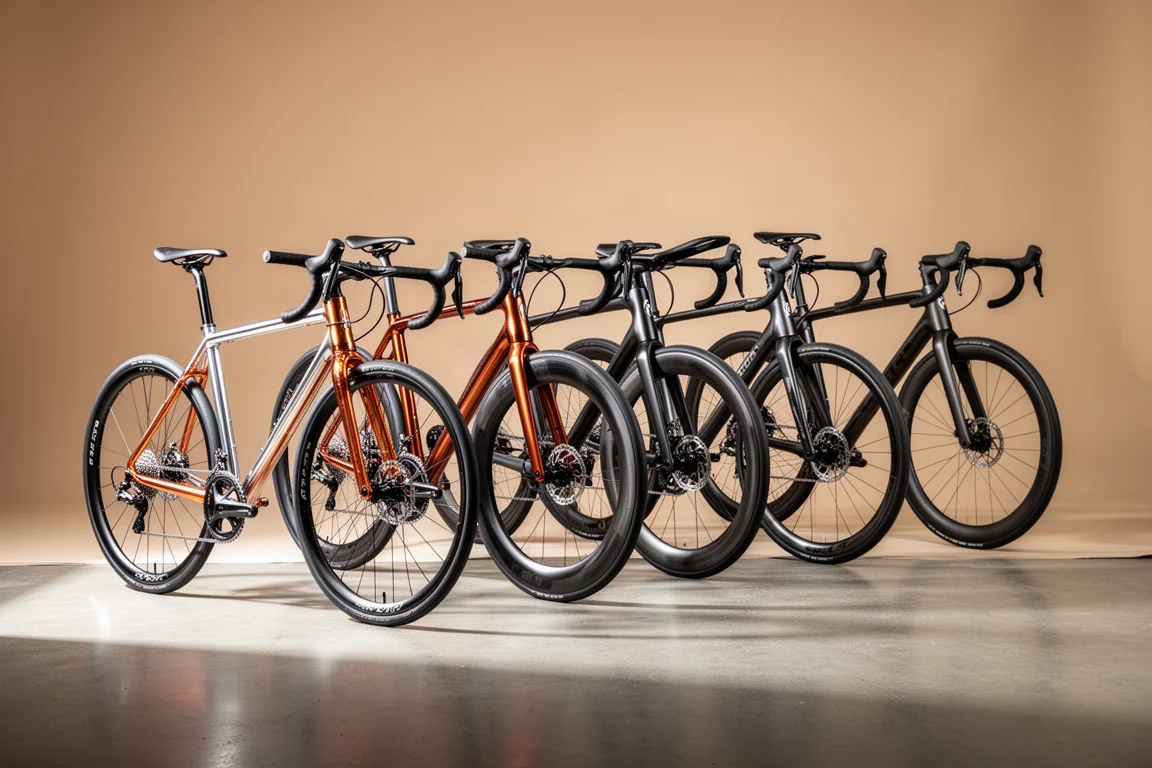
Italian road bike design has shaped racing for decades, and the current generation of flagship machines shows how varied that tradition has become. Some brands are still refining construction methods they have used for more than thirty years, while others have moved toward fully integrated aero platforms with cables hidden almost entirely from view.
This roundup covers five standout Italian superbikes: the Colnago C68, the Bianchi Specialissima RC, the Wilier Superleggera, the Pinarello Dogma F, and the Wilier Filante SLR. Each takes a different route to speed, and the right one depends on what you value most.
What Sets These Italian Superbikes Apart
The five bikes here differ most in how their frames are built. The Colnago C68 uses a lugged carbon design, a method that has become rare on modern road bikes, while the Bianchi Specialissima RC and the Wilier Filante SLR rely on integrated front ends with no visible cables. The Wilier Superleggera goes the other way entirely, with a hand-built Columbus SL steel frameset and a threaded bottom bracket.
Weight targets and brake standards also split the group. Some of these bikes are built around disc brakes, while others remain available with rim brakes. Both approaches still have committed riders, and the choice often comes down to how you maintain your bike and which groupsets you want to run.

That spread of approaches means there is no single best bike in this list. A rider who wants tunable geometry and a traditional build will read these five machines very differently from someone chasing the lowest possible weight.
Colnago C68: Lugged Carbon With Tunable Geometry
The Colnago C68 continues the C Series, a line that dates back to 1989 and has now seen eight iterations. What makes it unusual is the construction: the carbon frame uses a lugged design rather than a monocoque, and Colnago has kept developing that traditional method while most of the market moved away from it.
The C68 layout joins a top tube that runs into the upper part of the head tube, a down tube that incorporates the main part of the head tube, a seat tube that now includes the bottom bracket shell, and a separate rear triangle. Because the frame is assembled from distinct pieces, Colnago can offer tunable stack and reach figures, and riders who need more can choose fully customisable geometry built with 3D printed titanium lugs instead.
Pricing reflects the position. The full carbon frame is listed at €5,650, the carbon SL titanium frame at €6,600, and complete builds start from €13,260, which places the C68 firmly in superbike territory.
Bianchi Specialissima RC: A Lightweight All-Rounder
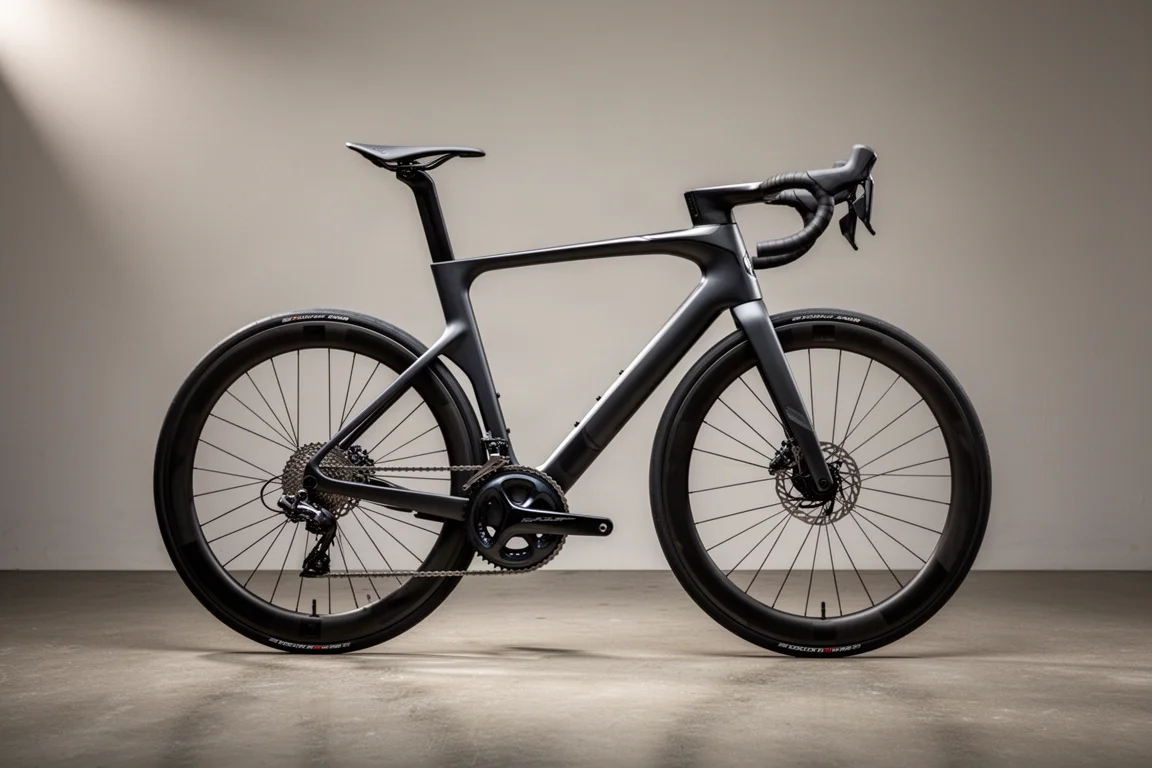
The Specialissima RC marks a clear shift for Bianchi. Where earlier Specialissima models were defined by skinny tubes and low weight, the last two generations have turned the bike into an aero-informed lightweight road racer. Many tube shapes echo Bianchi’s dedicated aero platform, the Ultra RC, but they have been slimmed down, and the intention is clearly an all-rounder.
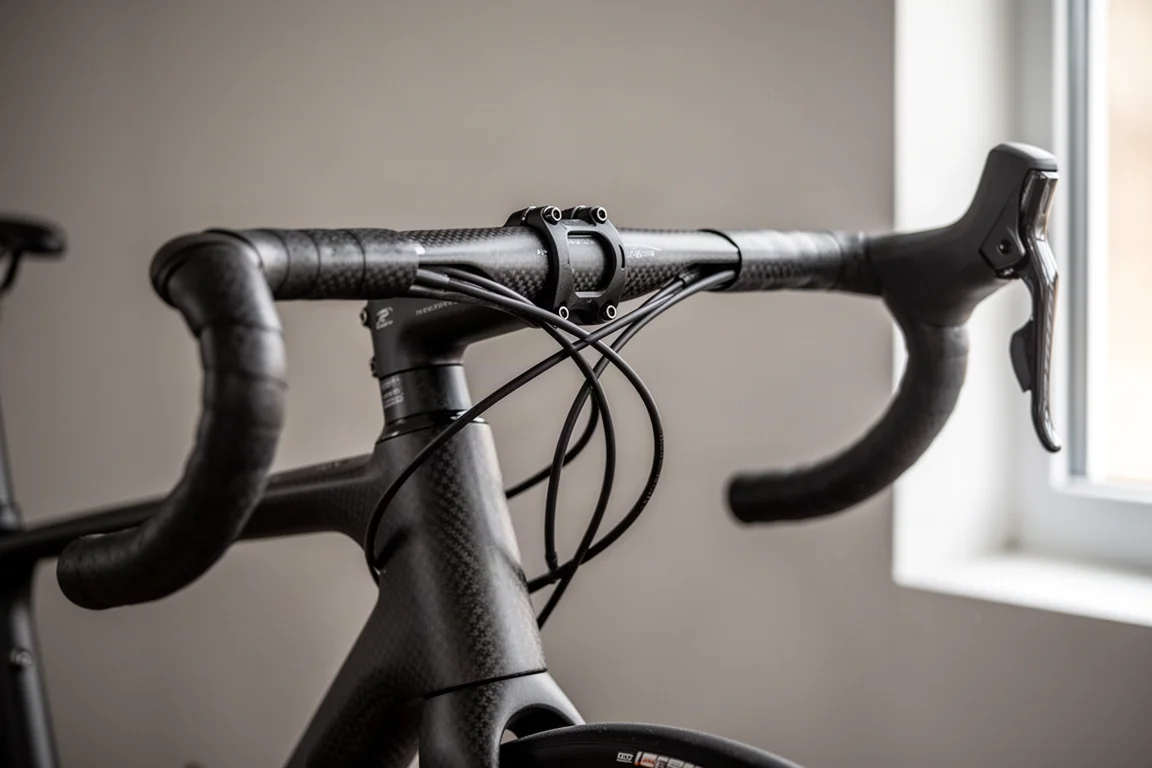
The frameset is described as high modulus carbon fibre, although Bianchi does not publish details of its makeup. The top tube flows down and then up, the head tube sits over the top of the fork, and the top tube weaves toward the seat tube with a drop before the angular seat stays connect. There is subtle aero channelling on the upper part of the forks, and the front end is finished with Bianchi’s own Reparto Corse carbon integrated handlebar. Down tube decals are split, with the brand name on the drive side and Reparto Corse in large letters on the non-drive side.
Weight is the headline claim. Bianchi states 6.6 kg, a figure below the UCI limit, with a tolerance of plus or minus 5 percent to account for the range of frame sizes. A 55 cm test build with bottle cages and an out-front mount came in at 6.75 kg.
For riders who want one bike that climbs well and still holds speed on flatter roads, this is the most direct option in this group.
Wilier Superleggera: Steel, Chrome and Campagnolo
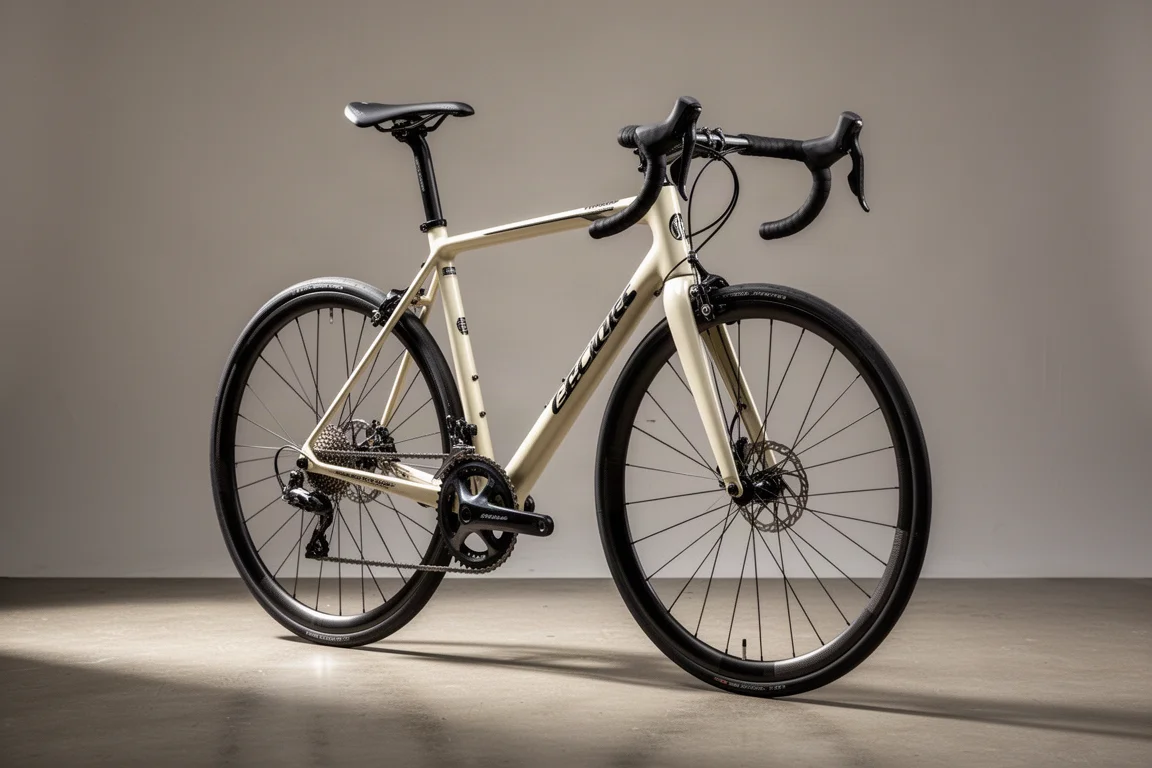
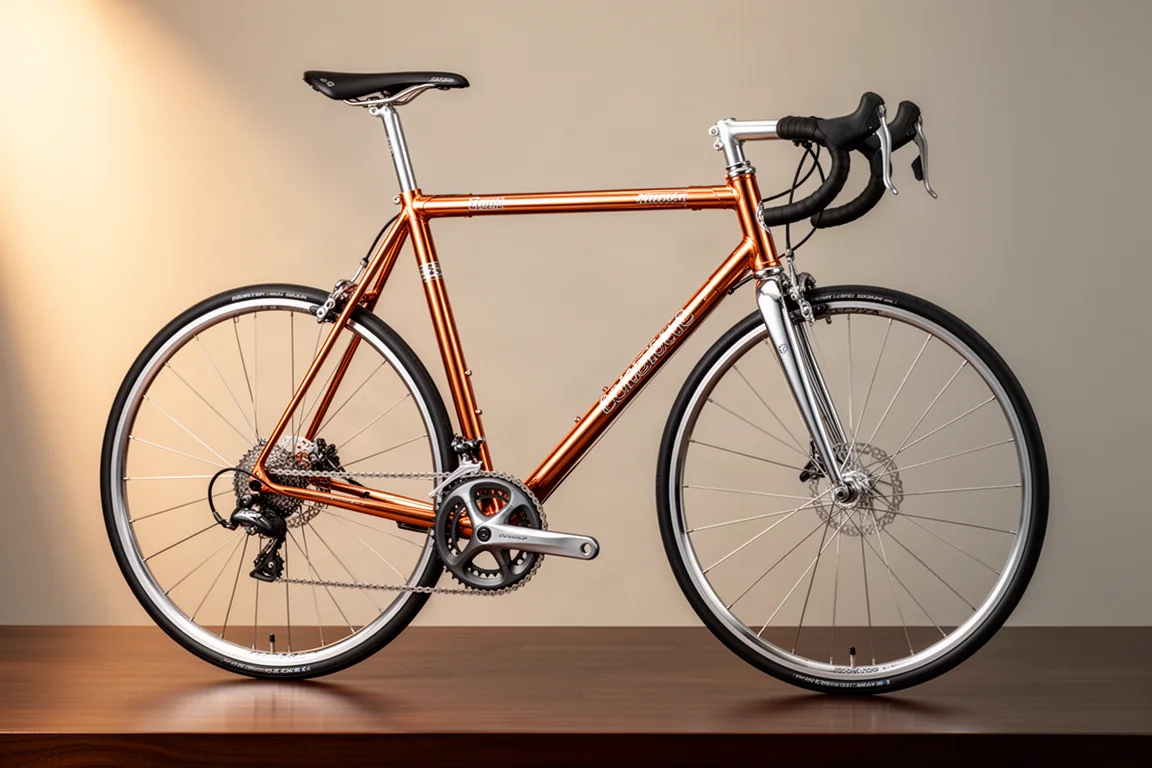
The Superleggera is the outlier here. It is a steel bike, and it pairs classic Italian aesthetics with modern compatibility. The finish is what most people notice first. From the 1940s through to the 1980s, the Reparto finish was a signature feature of Wilier’s bikes, and the polished copper effect is created by mirror polishing the frame, fully chroming it, and then applying a translucent paint layer. It is a complicated process, and the result is a frame that looks unlike anything else in this roundup.
The Columbus SL steel frameset is handmade in Italy. It uses a threaded steerer for an authentic old-school look, but a threaded bottom bracket for modern compatibility. Groupsets are Campagnolo Chorus and Record mechanical, and those builds come with Campagnolo Zonda wheels. The Superleggera is also available as a frameset for a personal build, and it is offered with rim brakes only, as the design intends.
Weight is hardly the primary concern here, but the bike is still impressively light: a complete 58 cm build as shown weighs 8.92 kg.
Pinarello Dogma F: Integration and Aero Refinement
The Dogma F is one of the most successful bike models in the world, and it remains a fully integrated design with cables almost entirely hidden from view. A one-piece proprietary cockpit sits on a straight 1.5 inch fork steerer, and the seat stays extend away from the seat tube before heading toward the rear axle rather than taking a direct line. That shape comes out of Pinarello’s aerodynamic development work.
The brand says the disc and rim brake versions are 4.8 percent and 3.2 percent more aerodynamic than their respective predecessors. For the disc model, that translates to a 1.3 watt saving at 40 km/h and a 2.6 watt saving at 50 km/h. Pinarello stresses that responsiveness and comfort matter more than shaving off a few grams, but weight savings still get attention. The disc frame kit, which covers frame, seat post and cockpit, is 265 g lighter in total, with key savings at the seat post, headset and fork, and the bottom bracket is 12 percent stiffer than the F12’s.
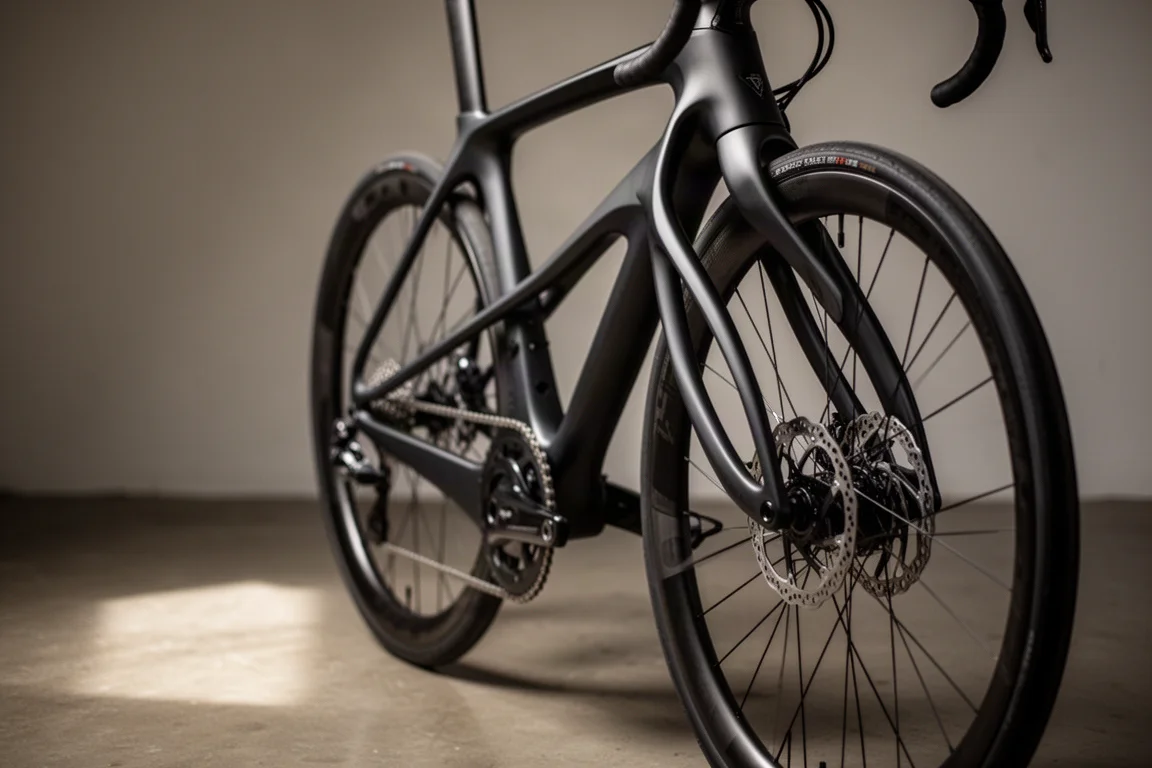
The Dogma F is also one of the few top-end race bikes still available with rim brakes, which makes it an interesting option for riders who have not moved to discs. The current platform launched in 2021, so it is one of the older designs in this group, and it is worth confirming which brake options and build kits a retailer can still supply before you commit.
Wilier Filante SLR: Lightweight Aero Speed
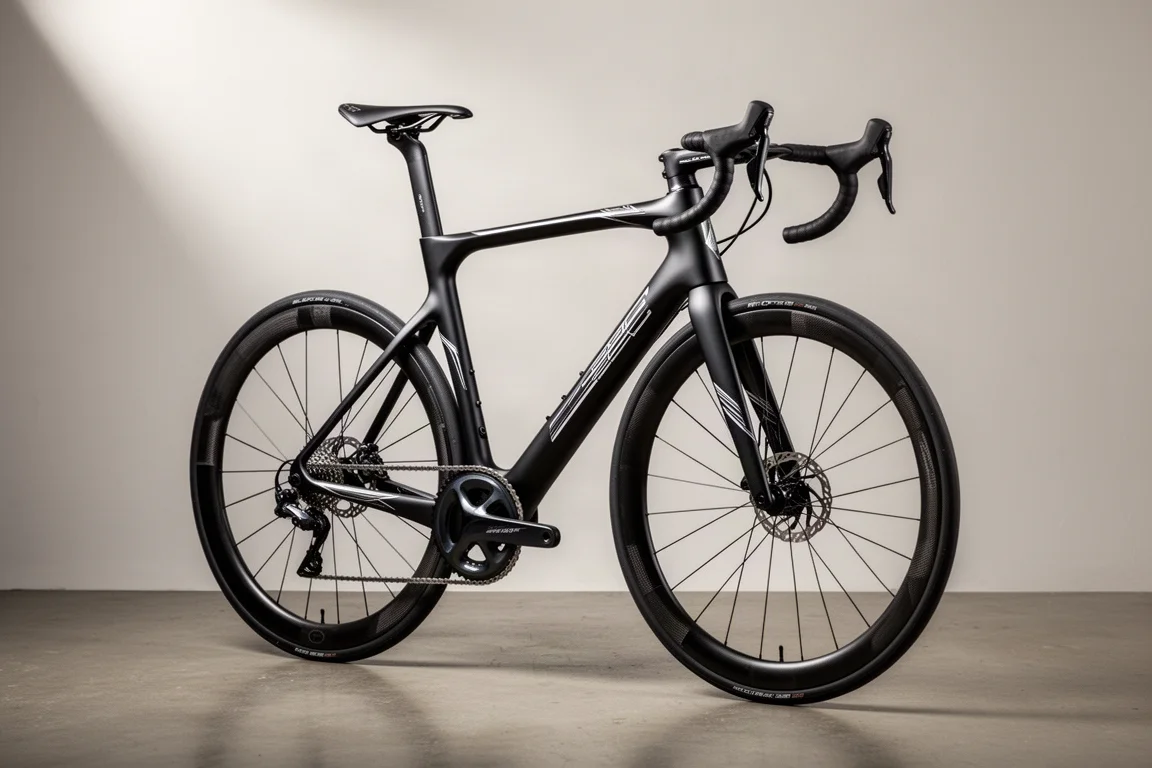
The Filante SLR was released in late 2020 and sits in the lightweight aero mould that has come to dominate today’s race bike market. A fully integrated front end means there is not a cable to be seen, and aerodynamic tube shapes appear throughout the frame.
Wilier never published specific aero claims when the bike was released, promising only that it is very fast in both the wind tunnel and the real world, so the case for it rests on its integrated design and its low weight rather than on published drag figures. The version shown wears team colours, and the Filante SLR is the bike associated with Mark Cavendish, whose pursuit of Tour de France stage records has kept the model in the spotlight.
Because the platform has been on the market for several seasons, it is worth checking which build options, groupsets and colourways a retailer can currently supply.
Buying Advice: Matching the Bike to the Rider
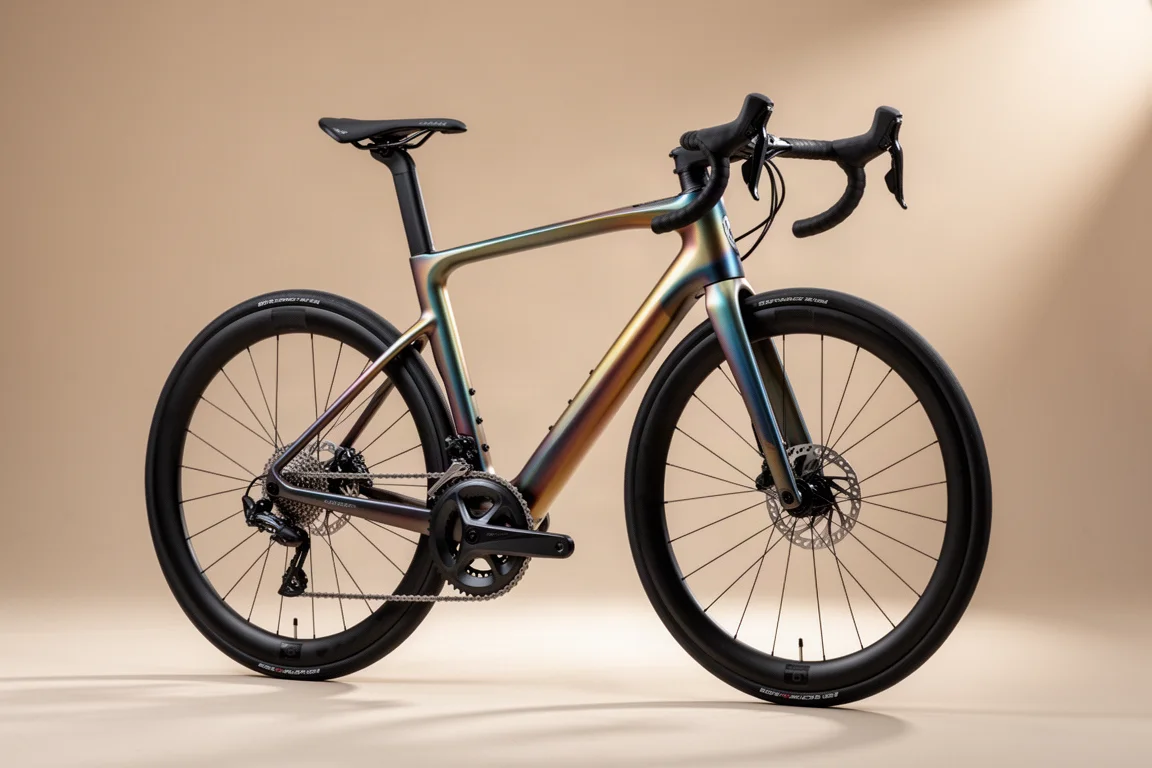
Each of these five bikes answers a different question, so the most useful thing you can do is decide which one you are asking. If tunable geometry and a construction method with real history behind it matter most, the Colnago C68 is the clearest match, and the 3D printed titanium lug option adds a level of custom fit that most production superbikes cannot offer.
If low weight and all-round race performance are the priority, the Bianchi Specialissima RC makes a strong case, with a claimed 6.6 kg figure and a design that borrows aero shaping from Bianchi’s dedicated race platform.
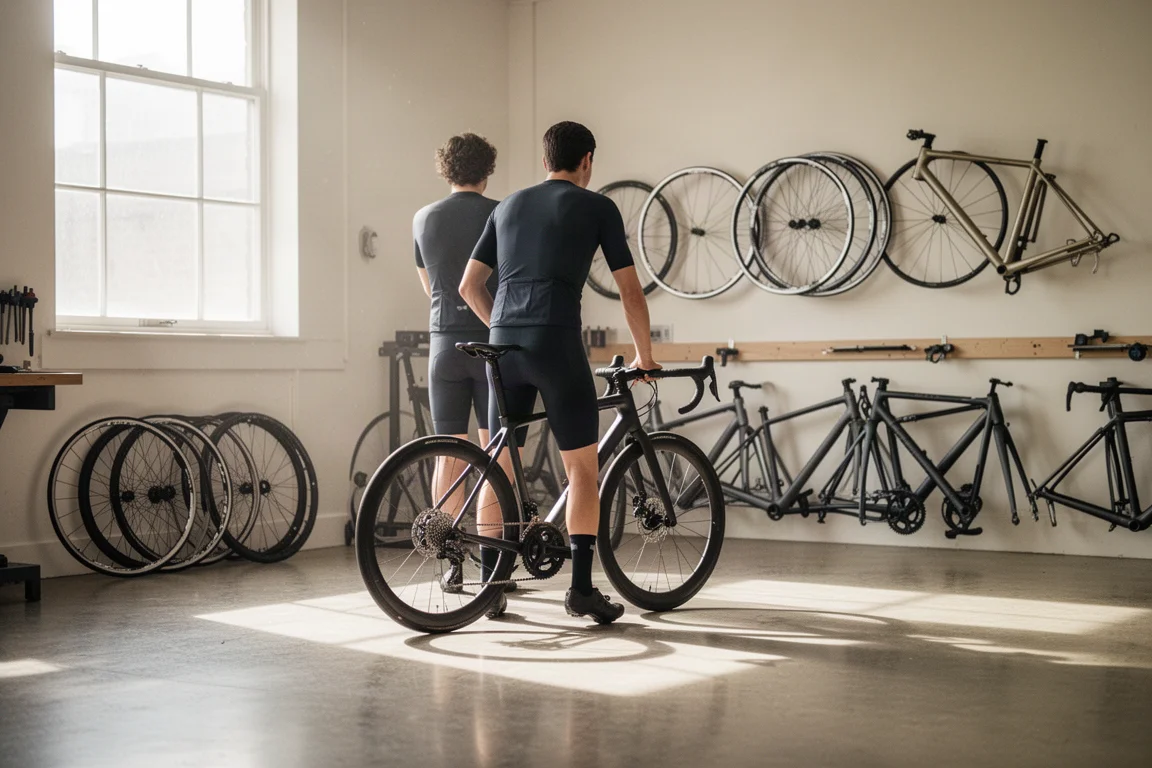
If you want something you can keep for decades and maintain yourself, the Wilier Superleggera is the most distinctive option here, with its handmade steel frameset, mechanical Campagnolo groupsets and rim brakes.
If you are chasing every aerodynamic advantage, the Pinarello Dogma F has the most developed aero story of the group, with measured savings over its predecessor and a rim brake option that is increasingly rare at this level.
Finally, the Wilier Filante SLR sits between categories, offering an integrated aero silhouette and a lightweight build without published aero claims to weigh against it. In every case, the deciding factors are likely to be fit, brake standard and the groupset you want to live with.
Conclusion
Italy’s superbike market is broader than it first appears. The five bikes here range from a lugged carbon frame that can be customised with 3D printed titanium lugs to a mirror-polished steel frameset built for mechanical Campagnolo groupsets, and from two of the most aerodynamically developed integrated race platforms on the market to a lightweight all-rounder with a claimed weight below the UCI limit. None of them is a compromise purchase.
The right choice comes down to the construction method, the brake standard and the fit options that suit how you actually ride. Start there, and the shortlist tends to make itself.
Further reading
Related Reviews

Road Bikes
10 New Road Bikes Worth Watching: Aero, Titanium, Steel and Endurance Standouts
A practical roundup of 10 new road bikes, from aero flagships chasing single-watt gains to titanium, steel and endurance platforms built for real roads.
Road Bikes
2026 Tour de France Road Bikes: Six Race Machines Worth a Closer Look
Six race bikes from the 2026 Tour de France grid, reviewed for paint, silhouette, wheels and the specification details that matter to buyers.
Road Bikes
3T Strada Italia Review: A Radical Aero Road Bike That Rides Smooth
A made in Italy carbon aero road bike with a deep head tube, wide tire clearance and a genuinely comfortable ride. Here is what to know before buying.