Backcountry Skiing
Fischer Transalp 98 CTI Review: A Purpose-Built Touring Ski for Uphill Efficiency and Downhill Composure
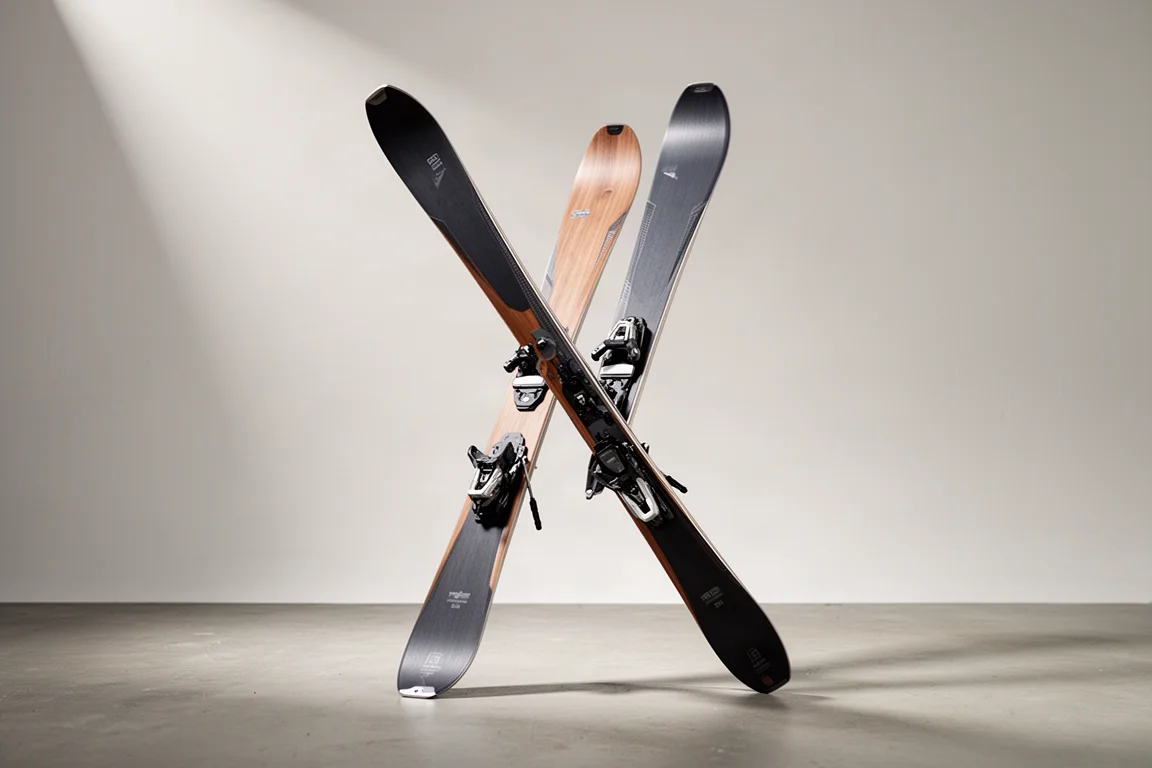
A closer look at the Fischer Transalp 98 CTI, a 1,489 g backcountry touring ski that pairs a milled wood core and carbon stringers with metal edge reinforcement.
Introduction
The Fischer Transalp 98 CTI is not a freeride ski with material shaved off. It uses a new mold, and it borrows construction ideas from Fischer’s alpine skis while aiming squarely at the touring side of the market. That distinction matters: this is a ski built around lightweight touring bindings and boots, not a heavier hybrid setup that leans on an alpine boot with a walk mode.
The goal is straightforward. Keep the load light enough that climbing stays efficient, then deliver enough composure that the descent justifies the effort.
Who This Ski Is For
This ski suits riders who are building a touring setup around uphill efficiency but are not willing to give up downhill performance. If your plan is a light touring binding and a light touring boot, the Transalp 98 CTI fits that brief.
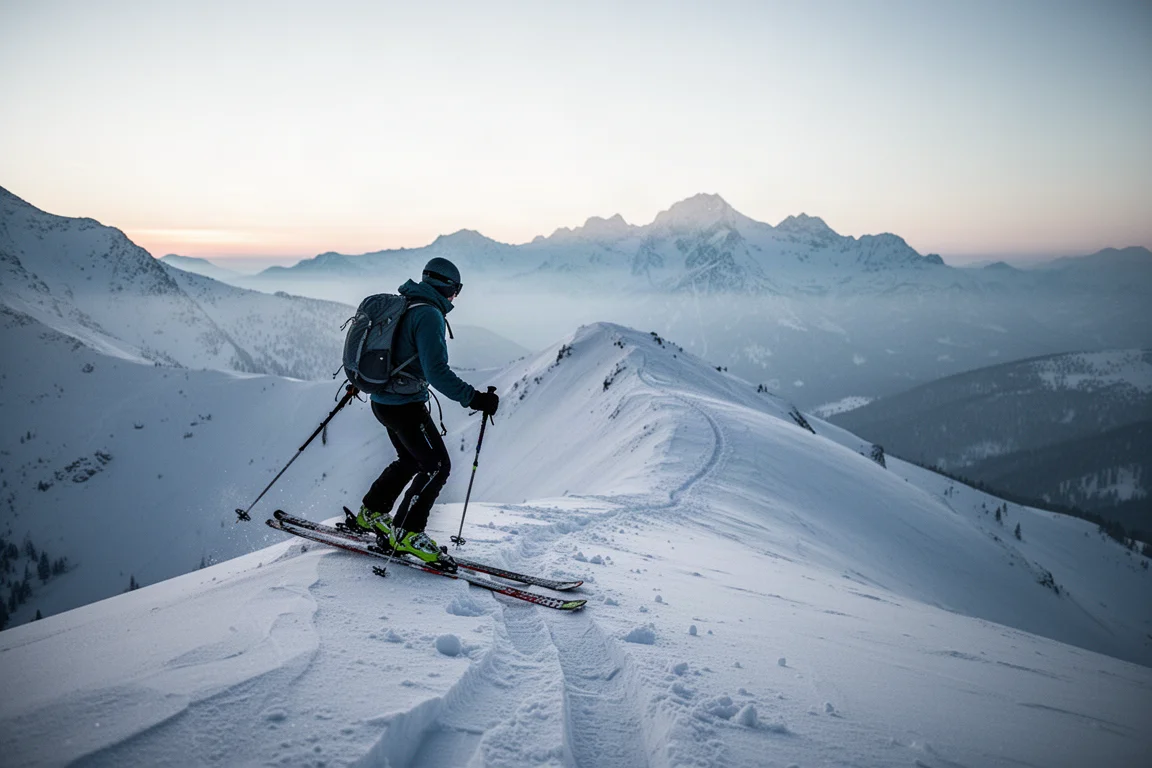
It is less suited to skiers who want a hybrid quiver-of-one setup with a heavier binding or an alpine boot with a walk mode. That approach adds weight, and the Transalp 98 CTI is designed around the opposite idea: reduce the load, then recover performance through construction rather than mass.
Construction and Shape Technology
Fischer’s Airtech TI wood core is milled so that stringers are cut out of the wood, leaving vertical spaces inside the core rather than adding filler material. The result is less wood and less weight while keeping much of the ski’s structural integrity intact.
Vertical carbon stringers run through the ski to raise stiffness without a large weight penalty. Fischer also uses its Shape TI layout: metal sits over the edges, runs full width through the toe and heel plates, and forms a central spine that narrows rather than spanning the full width. Forward of that, arms extend out while the middle stays unencumbered. The ski can articulate more freely while still holding an edge in technical terrain, and it stays relatively light in the process.
Using metal in a touring ski is an unusual choice, but paired with the milled core and carbon stringers it makes sense. The weight saved elsewhere pays for the edge grip and stability the metal adds.
Uphill Efficiency and Light Weight
At 176 cm, the Transalp 98 CTI weighed 1,489 g. That sits just under the 1,500 g mark that is often used as a rough line for touring capability. It is not the lightest option available, and riders chasing pure uphill efficiency can find lighter skis. As a middle ground between climbing ease and downhill performance, it lands in a sensible place.
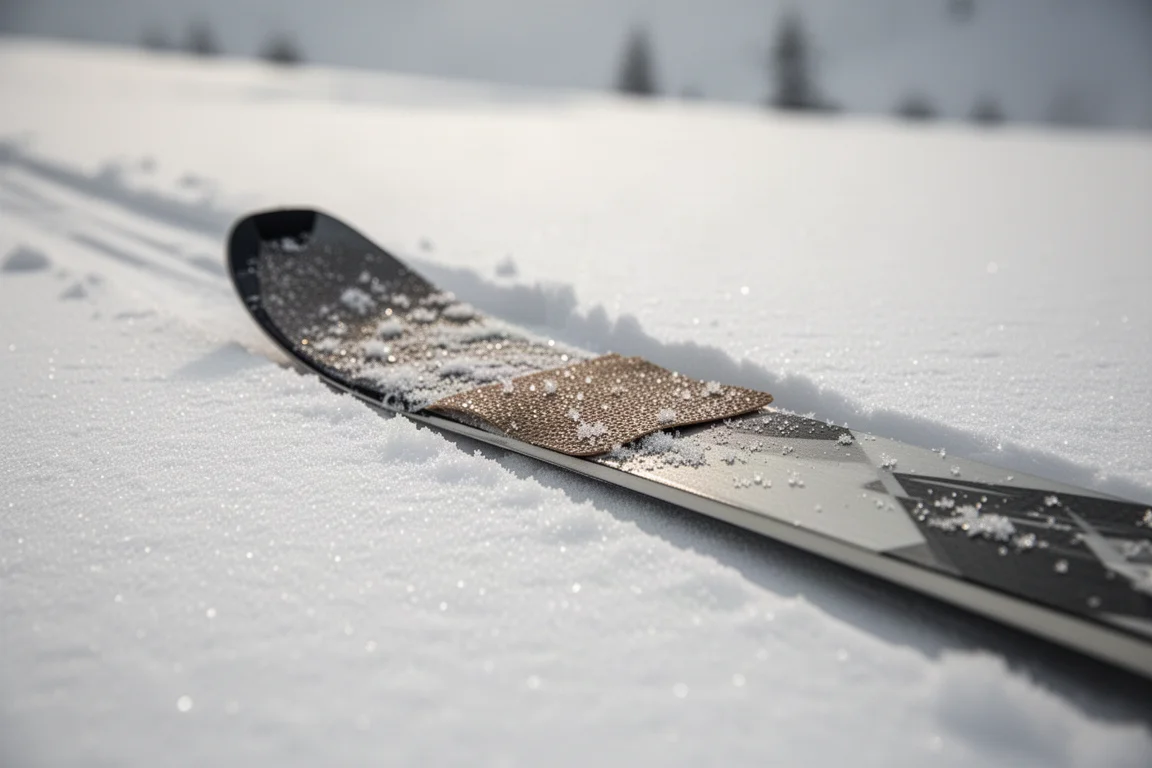
Flex matters here too. The carbon gives the ski a fairly stiff feel, which helps on the skin track: a ski that flexes too easily sinks into the snow and tracks less efficiently. The tail is flatter and more traditional than the shovel, with minimal splay, so the skin stays in contact with the snow and traction on the climb improves.
Downhill Performance and Edge Grip
Underfoot, the ski carries positive camber. The shovel is flatter and more squared off, with a decent amount of taper and a generous amount of rocker for a 98 mm ski, which helps it float. The tail keeps that flatter, more traditional profile.
The directional shape cuts through wind buff and chop well. It is not the most playful ski in soft snow, and turn exit feels more directional than loose, but the stiffness that comes from the carbon translates into reliable edge grip when the snow is deeper or the terrain is more demanding.
Binding and Boot Pairing
Because the design leans toward the touring end of the spectrum, the natural pairing is a lightweight touring binding and a lightweight touring boot. That combination is what the ski was built to complement, and it is where the uphill efficiency claim makes the most sense.
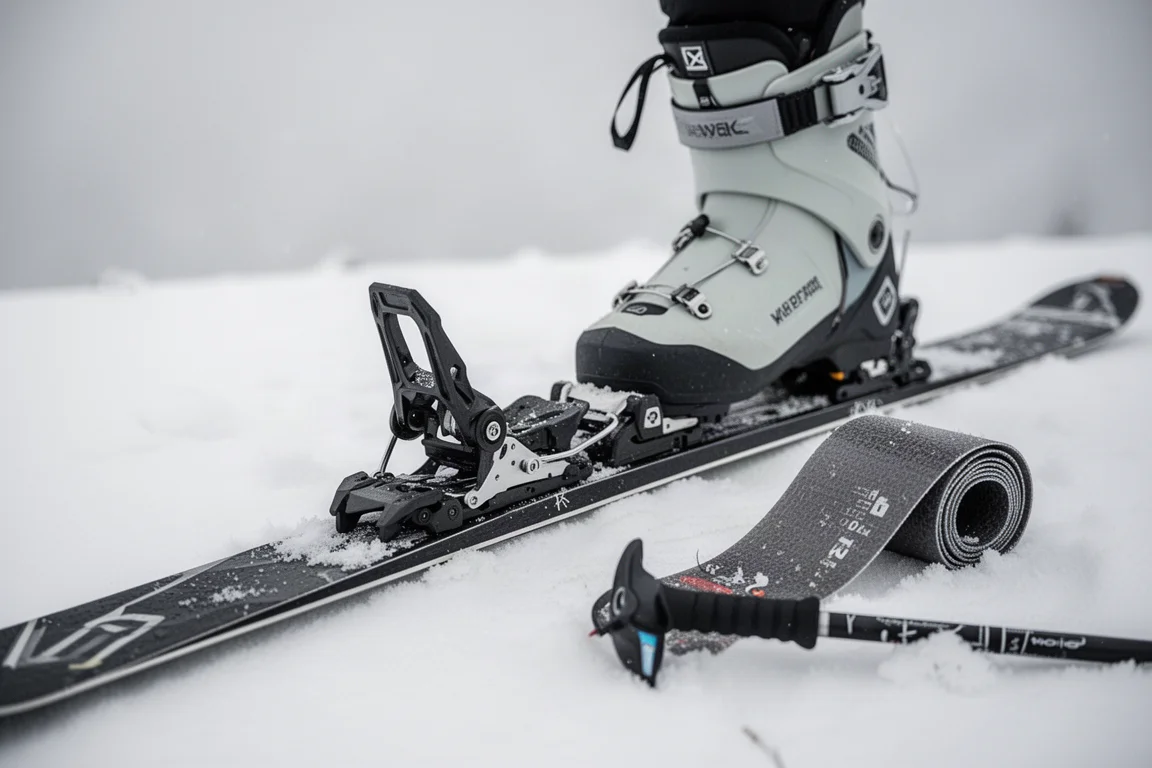
Fischer’s range includes lighter, more randonnée-oriented skis for riders who want to push weight savings further. The Transalp 98 CTI occupies the middle ground: more downhill capability than a pure uphill tool, without the mass of a hybrid freeride setup.
Things to Consider Before Buying
- Stiff flex: the carbon construction gives the ski a firm feel, and it is not the most playful option in soft snow.
- Weight: at 1,489 g in a 176 cm length it is light, but lighter touring skis exist if maximum climbing efficiency is the priority.
- Directional tail: the flatter tail with minimal splay is a genuine benefit on the skin track, but it makes turn exits more directional than surfy.
- Setup dependency: the ski is designed around lightweight touring bindings and boots, so a heavier hybrid setup works against its strengths.
Buying Advice
Start with how you intend to use the ski. If your touring days involve long climbs and you still want a ski that holds up on the way down, the Transalp 98 CTI is a coherent choice, particularly with a light binding and boot. If your priority is shaving every possible gram, Fischer’s lighter randonnée models are the better fit. If you want a playful soft-snow ski for lift-served days with occasional touring, the directional shape here is not aimed at that.
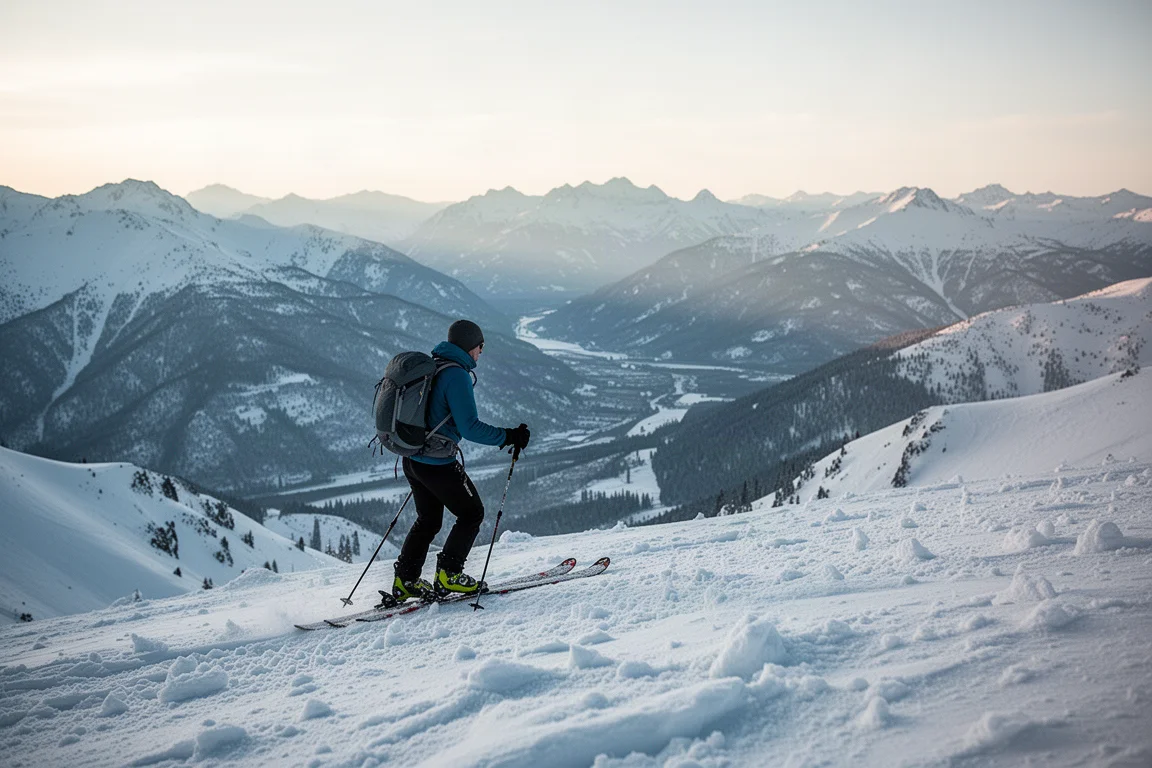
The clearest way to judge it is by the whole setup rather than the ski alone. Match it to the intended weight class, and its combination of a milled wood core, carbon stringers and metal edge reinforcement makes sense.
Conclusion
The Fischer Transalp 98 CTI is a purpose-built touring ski that trades a little uphill efficiency for meaningful downhill performance. Its milled Airtech TI core and vertical carbon stringers keep the weight at 1,489 g in a 176 cm length, while the Shape TI metal layout adds edge grip where it counts. For riders building a lightweight touring setup who still want composure on the descent, it is a well-reasoned option to consider.
Product link
View more details for Fischer Transalp 98 CTI
This product is mentioned in the review. Check the specifications, options, and compatibility before buying.
View more details for Fischer Transalp 98 CTIFurther reading
Related Reviews
Backcountry Skiing
Backcountry Ski Gear That Earns Its Place: 12 Picks Worth a Look
From avalanche safety essentials to lightweight touring skis and photochromic goggles, a curated look at backcountry gear chosen for real mountain use.
Backcountry Skiing
Blizzard Zero G 95 W Review: A Purpose-Built Touring Ski for Uphill Efficiency
A close look at the Blizzard Zero G 95 W, a lightweight carbon touring ski built for backcountry uphill efficiency, and what to weigh before buying.
Backcountry Skiing
Fischer Hannibal 96 Review: A Dedicated Backcountry Touring Ski
A close look at the Fischer Hannibal 96, a lightweight touring ski built for efficient climbing while keeping an energetic descent.