Backcountry Skiing
Backcountry Ski Gear That Earns Its Place: 12 Picks Worth a Look
From avalanche safety essentials to lightweight touring skis and photochromic goggles, a curated look at backcountry gear chosen for real mountain use.
Introduction
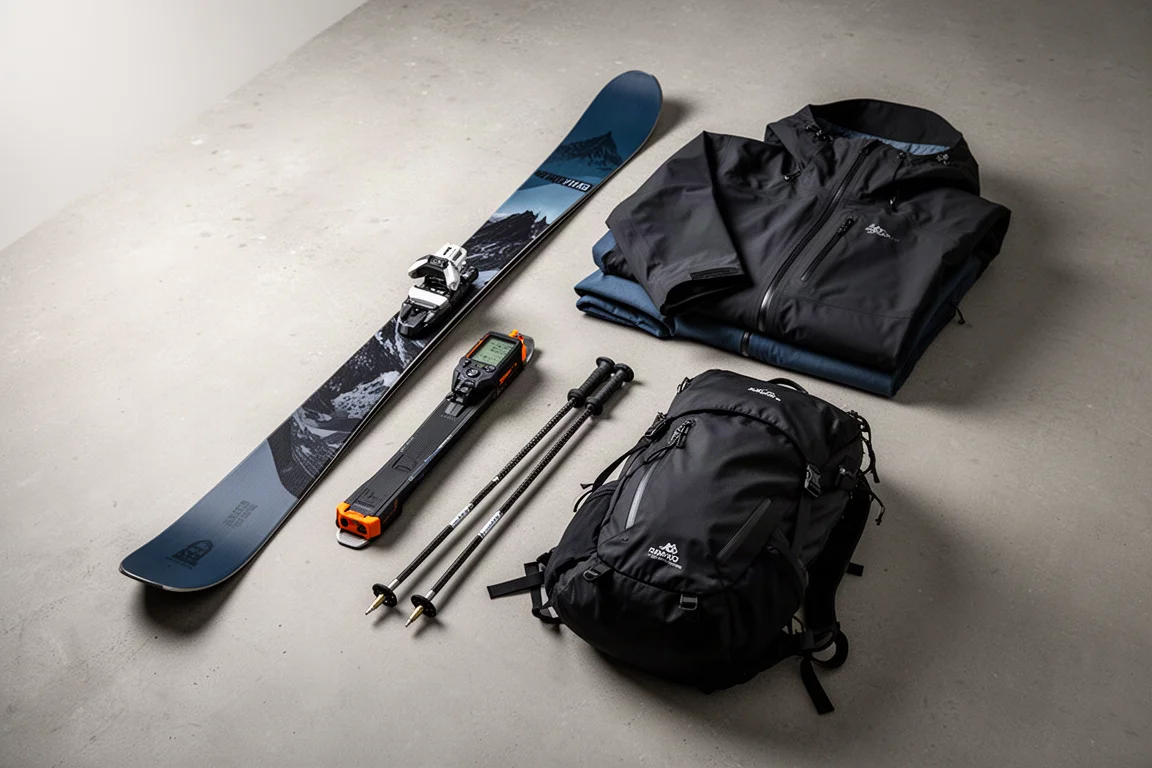
This gear list comes from someone who skis the backcountry for the skiing, not just the views, and who has settled on equipment that works in big terrain, on glaciers, and on long approaches. The through-line is simple: save weight where it does not cost performance, go heavy-duty where durability matters, and always put avalanche safety first. Here are the standouts worth considering for your own kit.
Avalanche Safety Comes First
Before anything else in the backcountry: get proper training and bring the right rescue tools. Everything else on this list is secondary to that.
Arva Evo 5 Transceiver
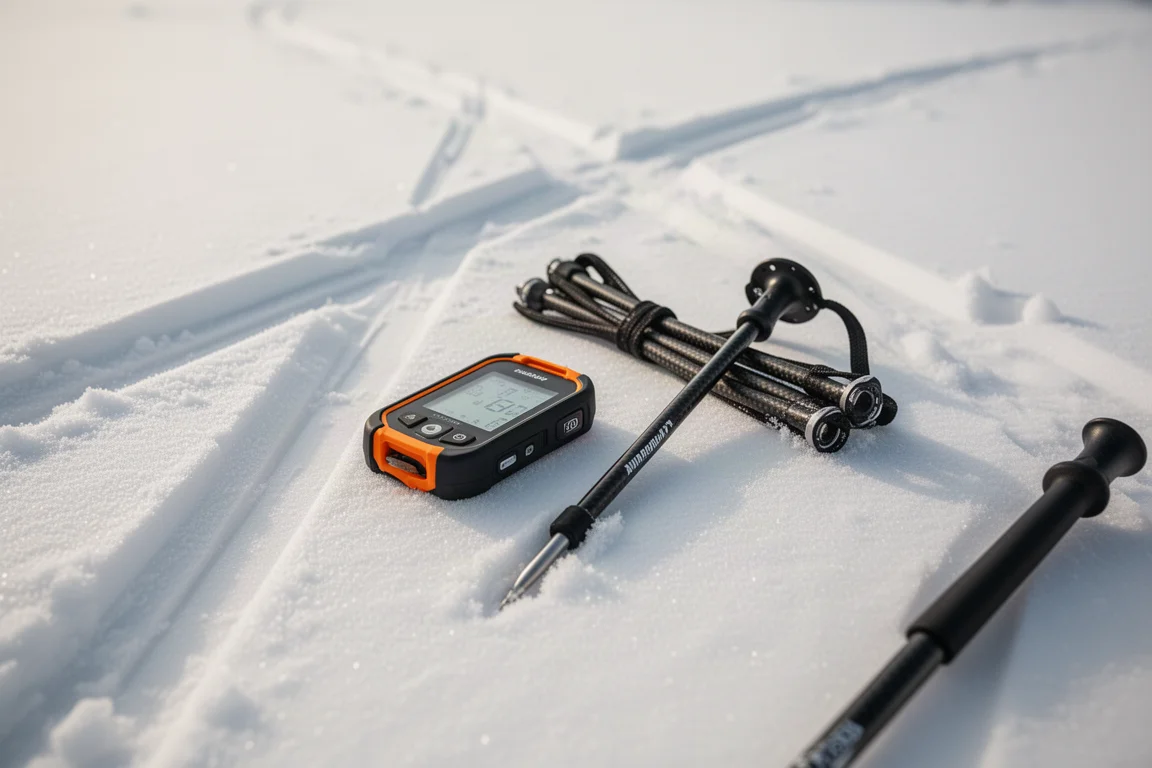
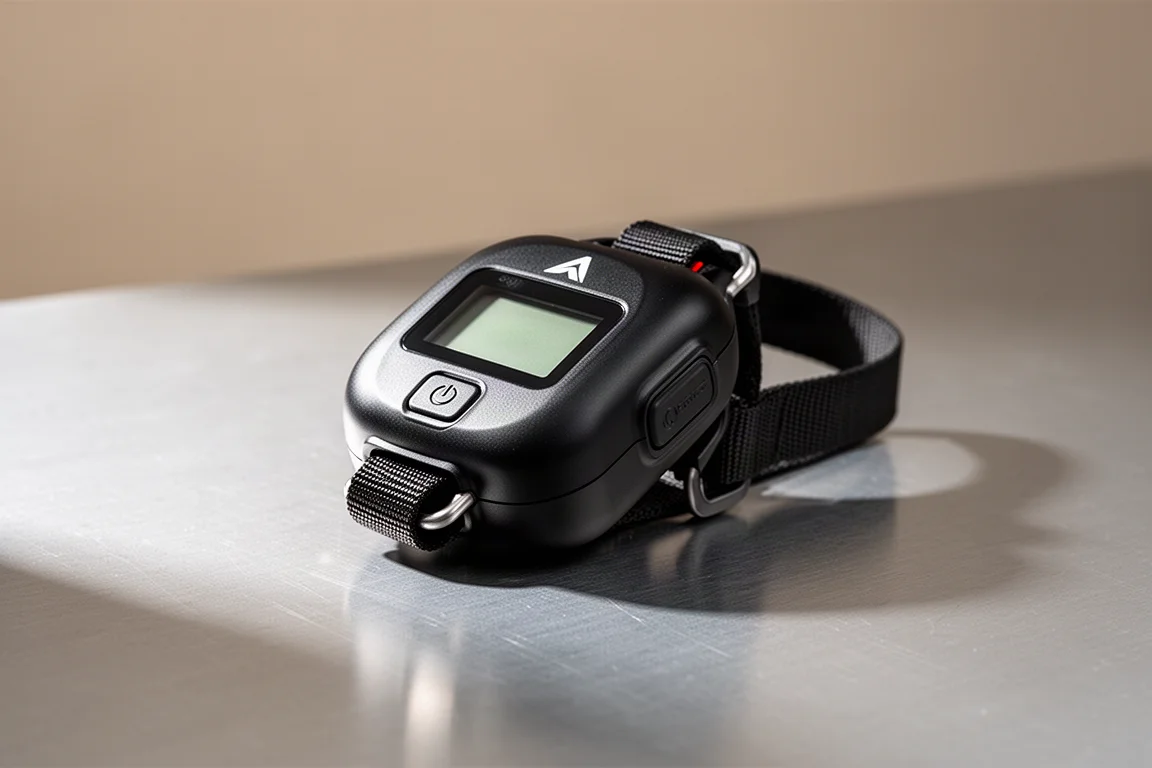
The Arva Evo 5 is a compact avalanche transceiver with good range and all the core functions you need in a rescue scenario. Its biggest practical advantage is how little space it takes on the body: even after a crash, you barely notice it is there. For anyone building a safety kit from scratch, a beacon this small and unobtrusive removes one excuse for not wearing it.
G3 Carbon Probe
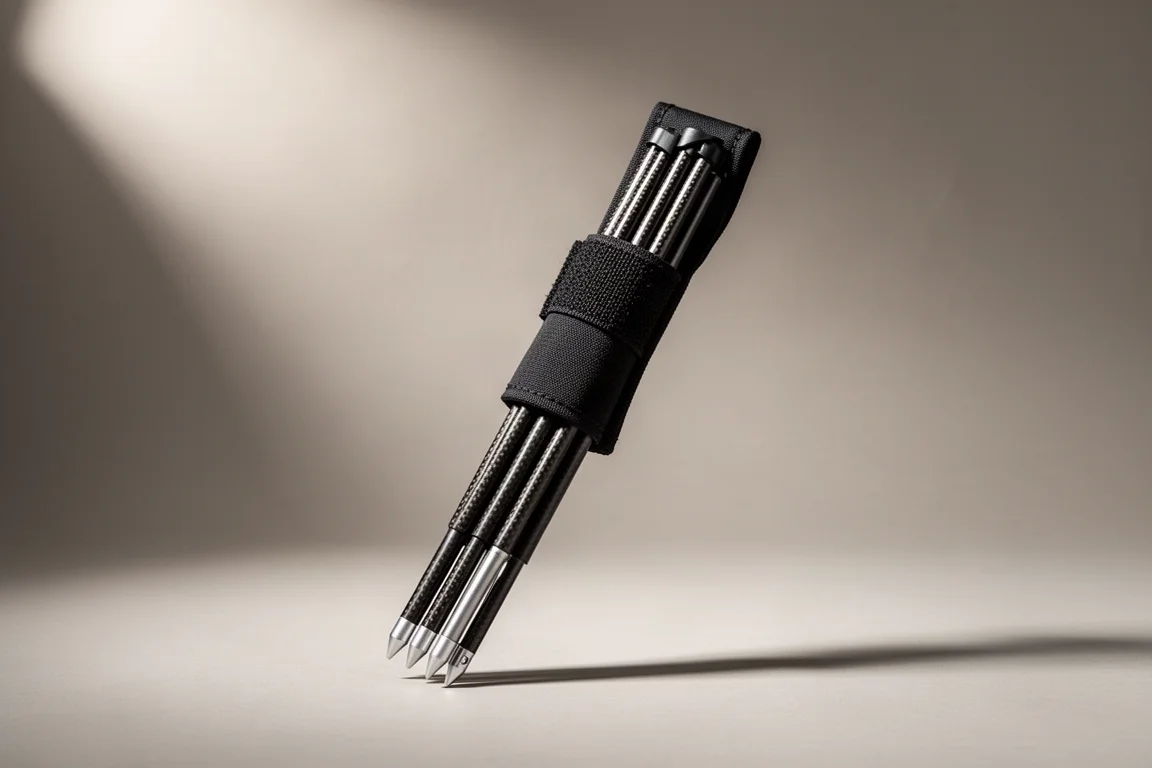
The G3 Carbon Probe is a lightweight carbon fiber probe that is long enough to find a buried partner in realistic scenarios. The reasoning behind the length is blunt: burials deeper than around two meters rarely end well, so the goal is finding people who are alive. This one has proven durable, lasting multiple seasons without issue, which is exactly what you want from a piece of gear that has one job.
Clothing: Three Systems for Three Kinds of Days
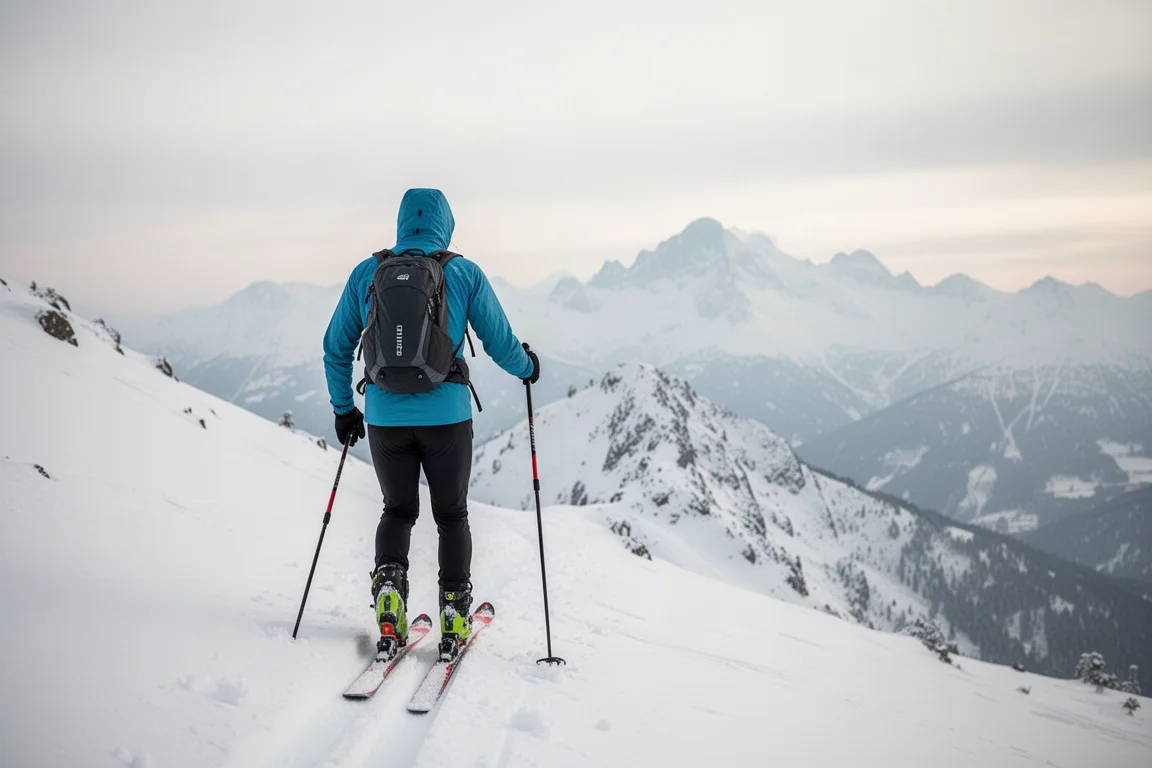
Layering philosophy here starts with wool base layers, chosen because wool stays warm even when damp and does not develop odor the way synthetics do after a day or two. On top of that sits the midlayer, then either a full Gore-Tex shell or a hybrid setup depending on the day.
Norrøna Lyngen Hiloflex Midlayer
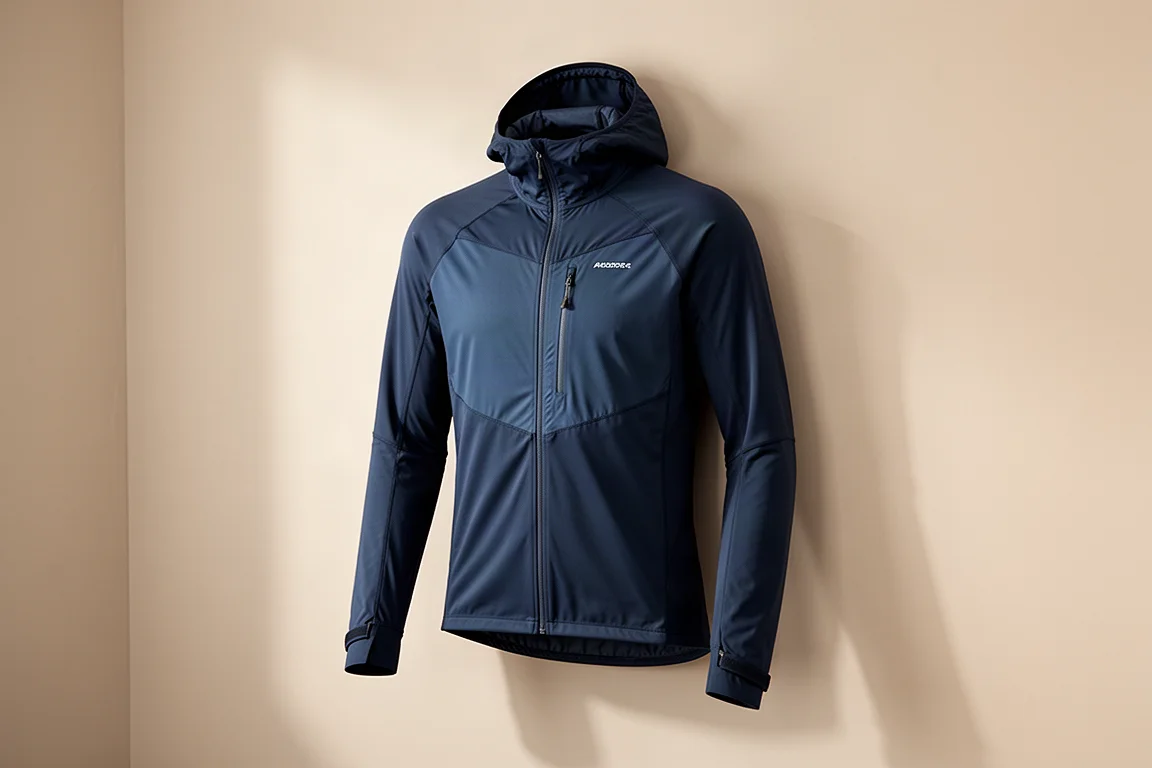
The Lyngen Hiloflex pairs a wind and snow-repellent fabric in the front with a more breathable fabric in the back. That combination means you often do not need a shell right away when touring in wind or light precipitation. Add hand gaiters, a snug hood, and a collar that seals like a second buff, and it works as an everyday midlayer for most of the winter.
Norrøna Tromsø Gore-Tex Jacket
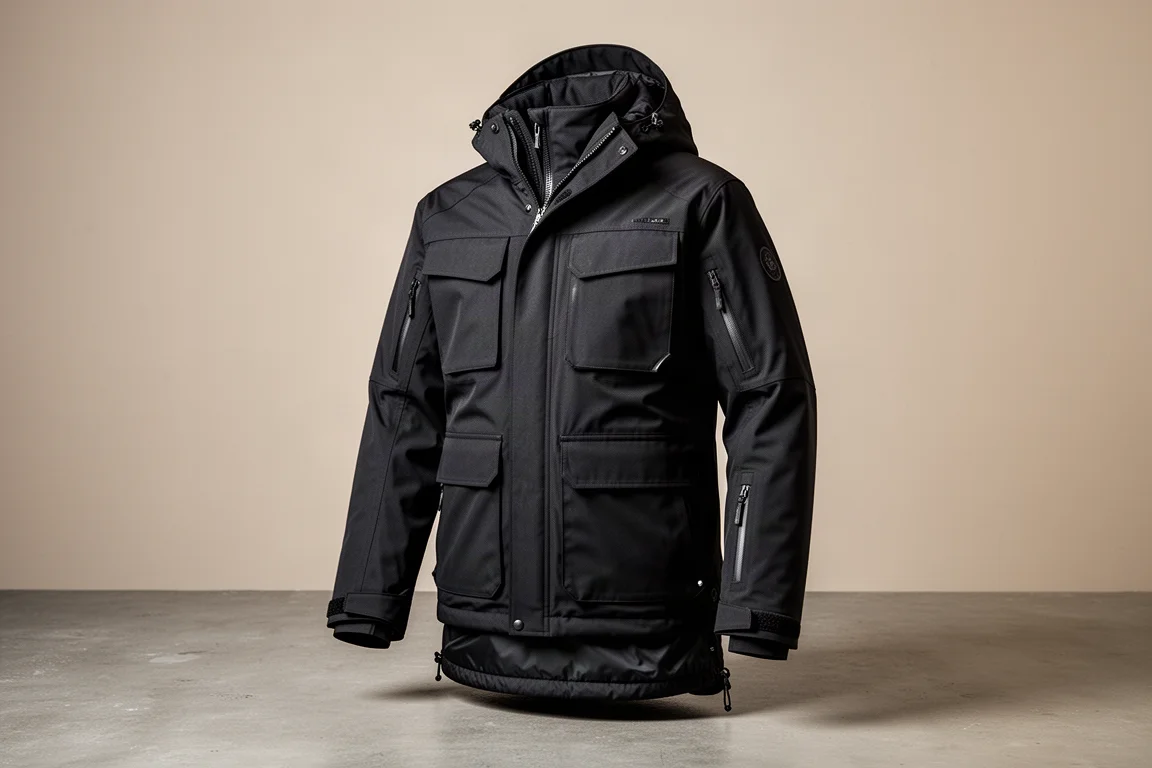
For storm days and deep powder, the Tromsø Gore-Tex Jacket is the full-featured shell: a big kangaroo pocket that keeps lunch warm or holds a beacon, large vents, hand gaiters, a snow skirt, big pockets, underarm vents, a front vent that lets air out while keeping snow out, and a mesh goggle wipe. At 788g it carries a real weight penalty, but it is super durable and, paired with the matching bib pants, essentially impenetrable.
Norrøna Lyngen Gore-Tex Active Jacket
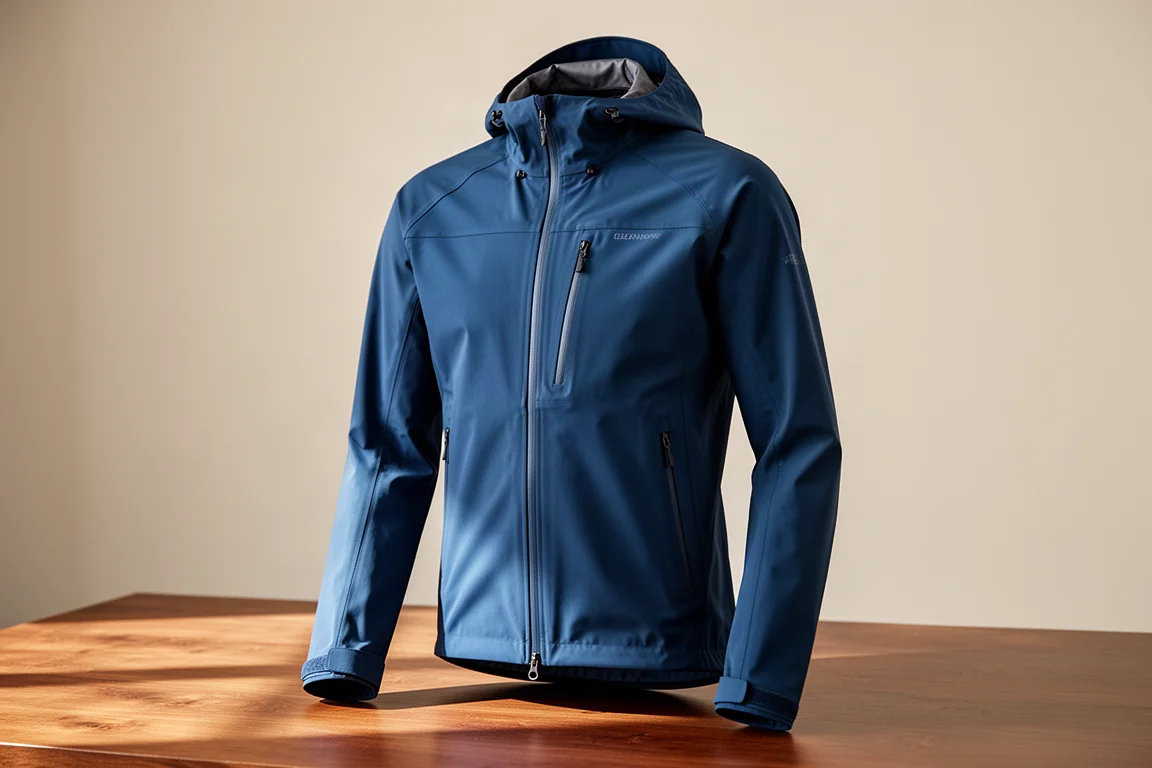
For big glacier trips and long touring days, the Lyngen Gore-Tex Active Jacket drops serious weight. It is more minimalist: no front zip in areas of the construction, no face fabric where wear is low, with protective face fabric only in high-wear zones. You still get snow gaiters, good ventilation, a double zipper with mesh venting, large Napoleon pockets, and a helmet-compatible hood. Combined with the lightweight Lyngen Gore-Tex pants, the whole setup weighs less than the Tromsø jacket alone.
Skis: Performance First, Weight Second
The priority here is skiing performance in the backcountry, with weight savings taken everywhere it does not compromise how a ski handles.
Black Crows Atris
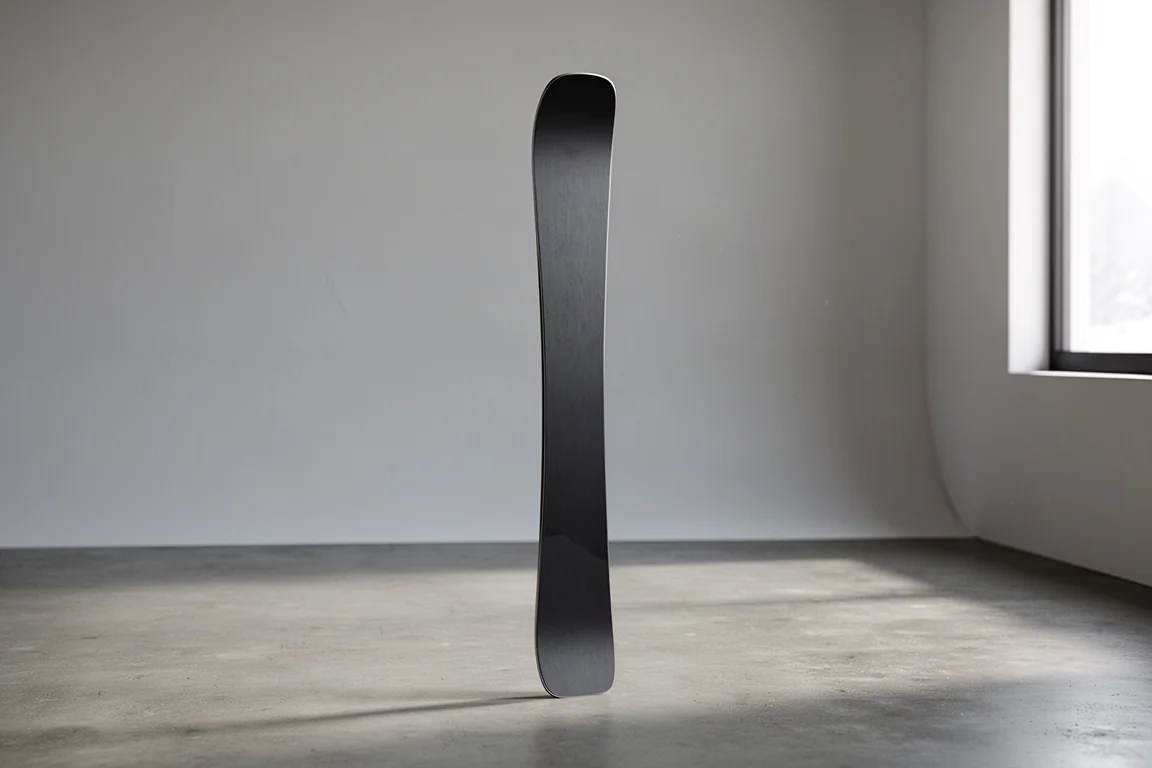
The Atris is described as the Swiss army knife of backcountry skis, reshaped this season to 105mm under the waist with a slightly longer 190.2cm length. It has a big nose rocker, a stable tail that supports airs, regular camber underfoot for solid hardpack grip, and enough float to keep working even in deep powder. It handles hardpack, crud, corn, and powder, and it is the only ski brought on a big expedition because it genuinely does everything.
Bindings: Pin Bindings Ten Years In
After a decade on tech bindings, the conversion is complete, with one important caveat: everything described here is ridden unlocked, so the release function works. If conditions get icy or exposed above a cliff, lock the toe for total retention.
Dynafit Rotation 14
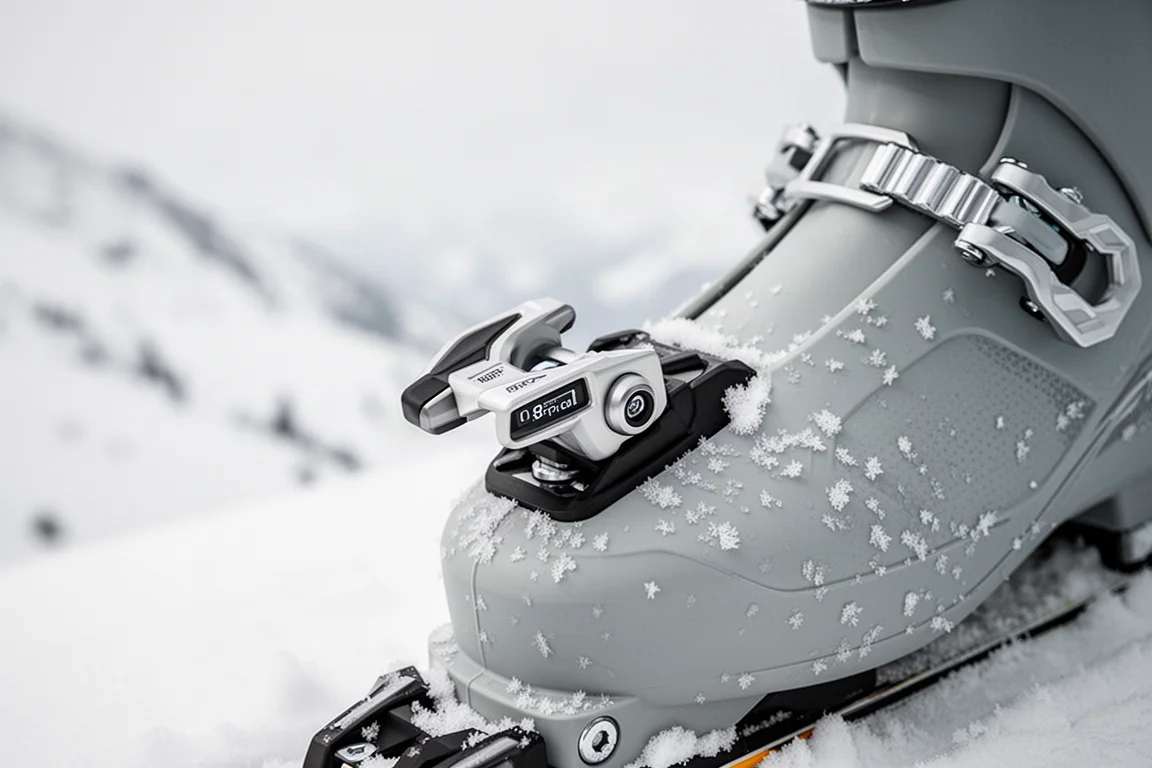
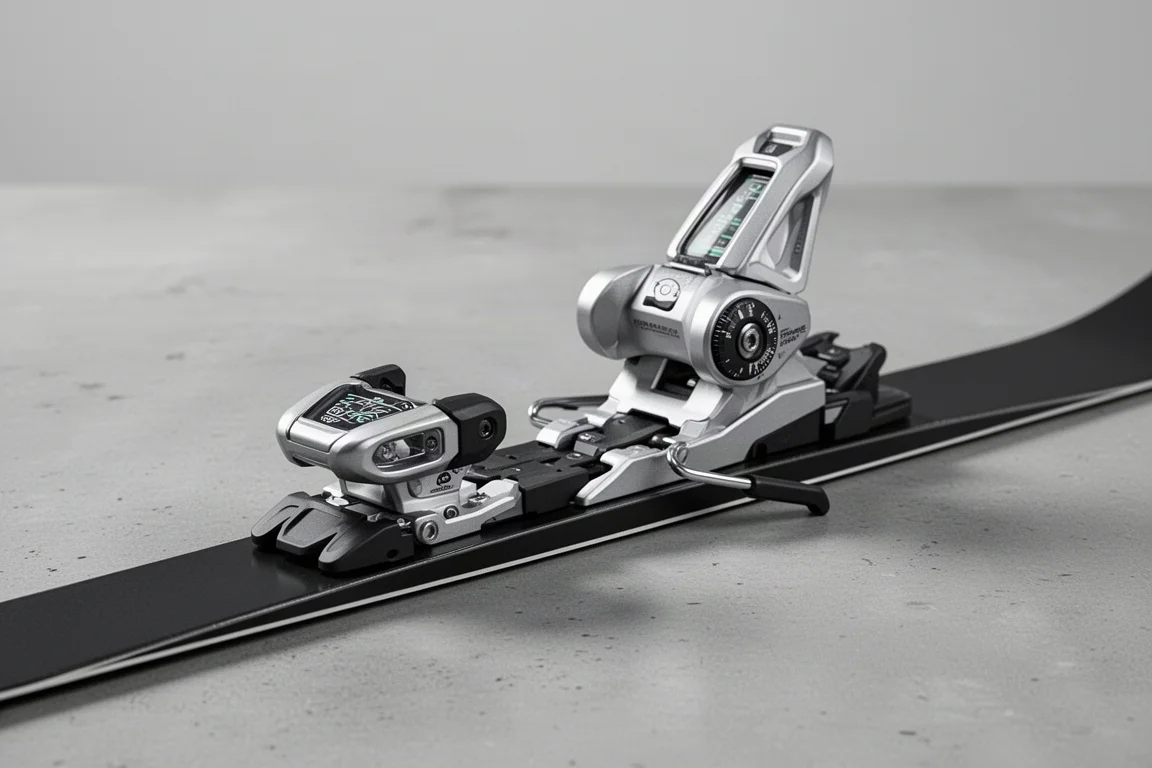
The Rotation 14 is called the best version of a pin binding so far. It has forward pressure in the heel so the pins stay positioned as the ski flexes, brakes, and a rotating toe piece. That rotating toe is the key: instead of the toe opening up under repeated hits and pre-releasing, the toe rotates with the heel piece, retaining retention close to a frame binding. It is reportedly the only pin binding with TÜV certification for release, and it clicks in and switches to skin mode without removing skis, at just over 600g.
Dynafit Superlite 150
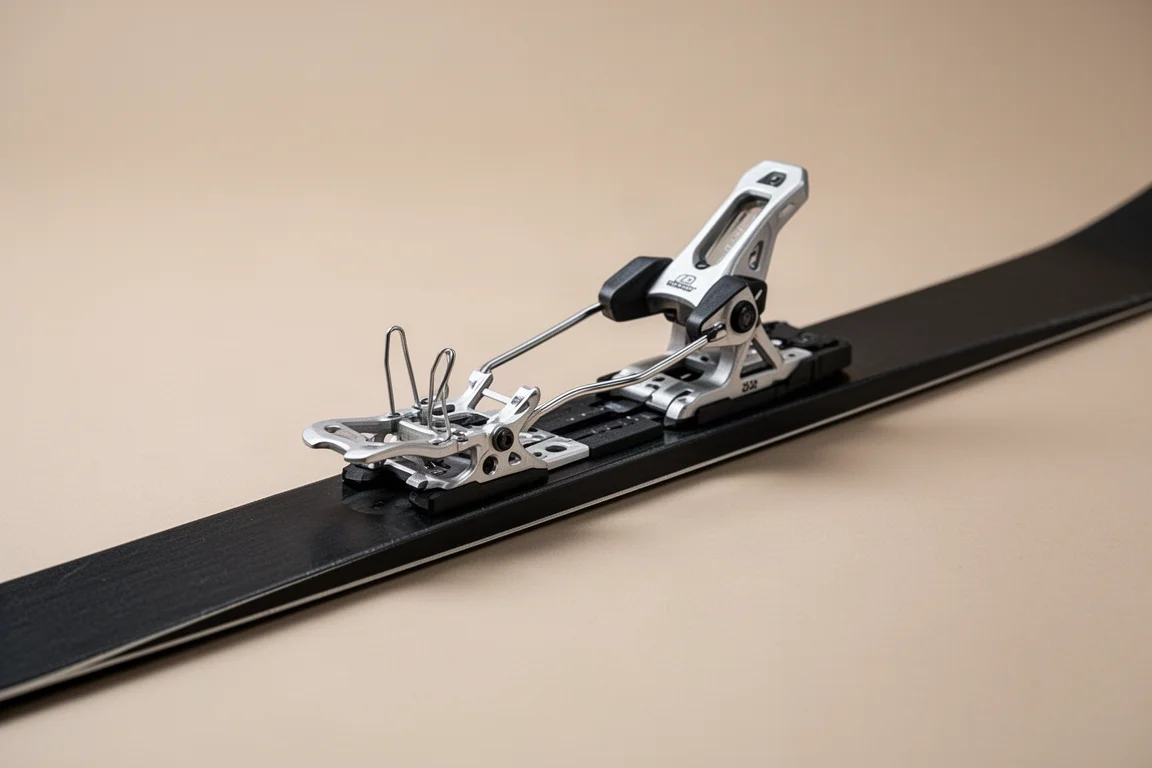
If the Rotation 14 adds all modern features, the Superlite 150 goes back to an ultra-minimal weight with today’s technology. It is dramatically lighter, roughly a quarter of the Rotation 14’s weight, which transforms how a heavier ski like the Atris feels on the approach. It has survived butters (the self-described binding test), released when it should in crashes, and handled big multi-hour approaches. For touring-focused use where you are not skiing locked through ice and exposure, it is a compelling trade-off.
Goggles: Julbo Sera and the Photochromic Advantage
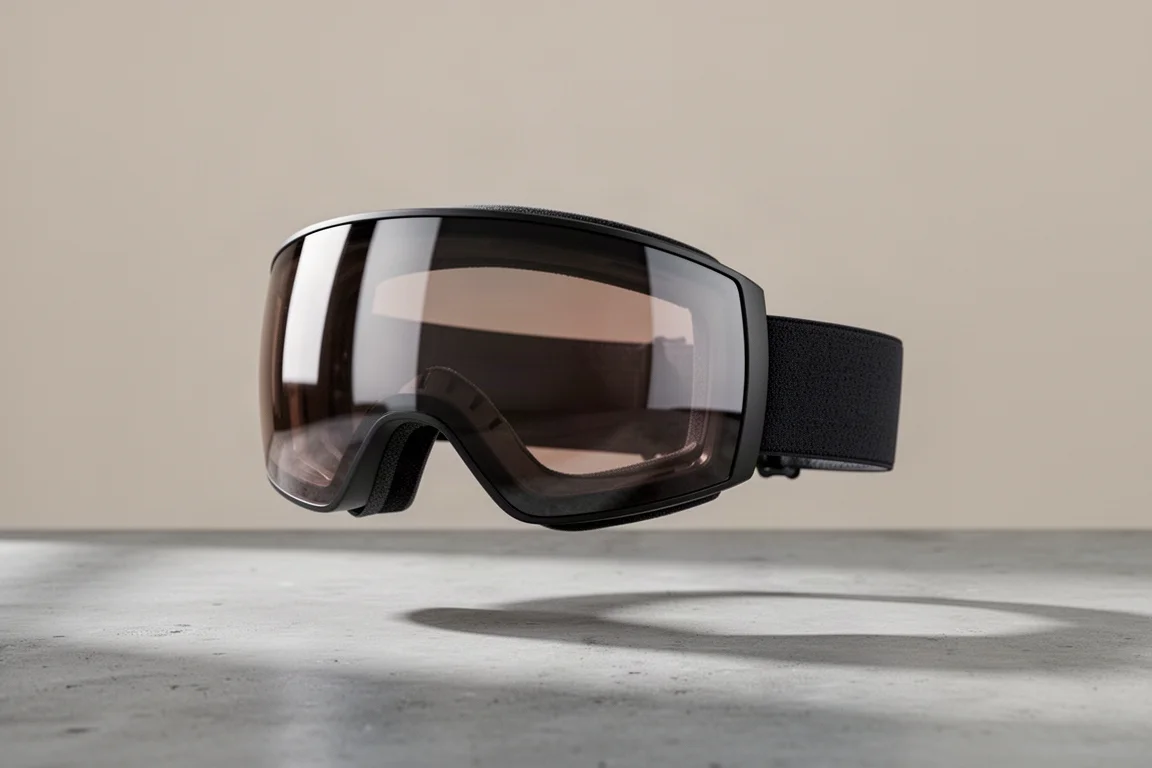
Julbo Sera Goggles
The Julbo Sera uses photochromic lenses that chemically react to UV and visible light, shifting from completely clear to fully dark glacier-goggle levels without any electricity or buttons. The transition is fast and subtle, so the lens always matches the light of the moment. Tested through arctic night and midnight sun on a full expedition, and working in extreme cold and heat alike, it removes the whole question of which lens to bring. Good ventilation means they do not fog when treated properly.
Snow Travel: CAMP Crampfire
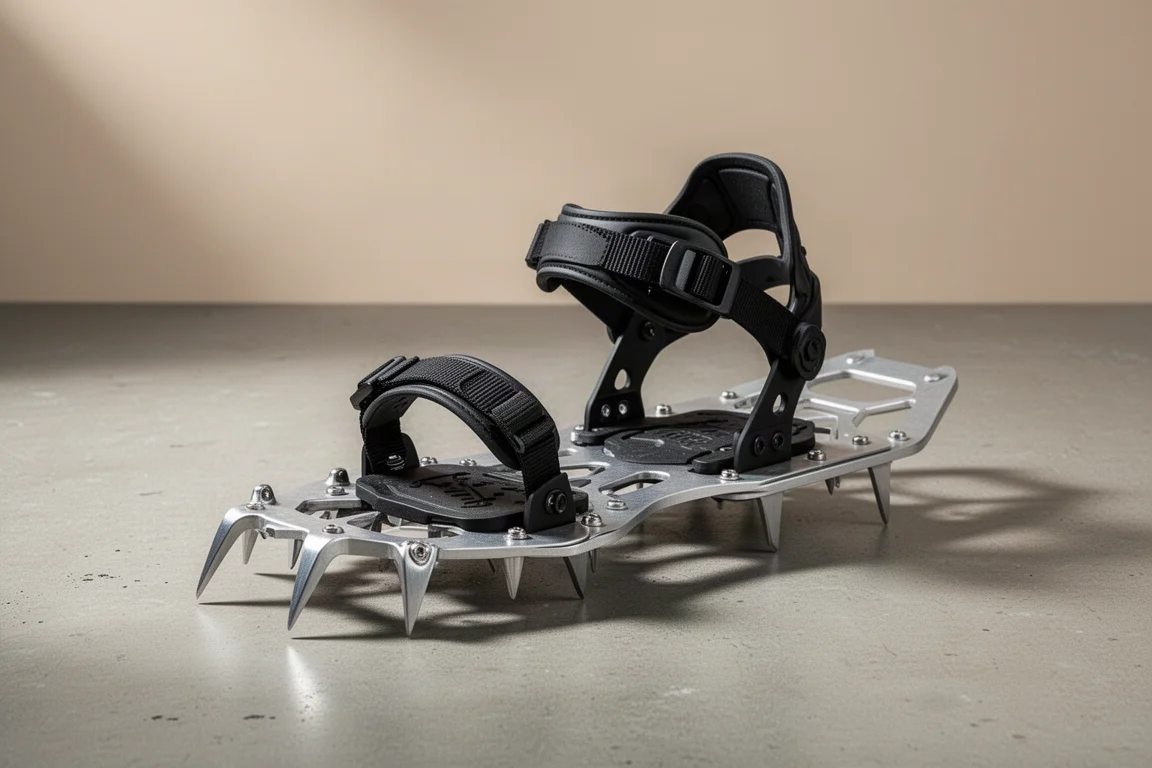
CAMP Crampfire
The CAMP Crampfire combines crampon-style front points with a snowshoe-like platform, giving you ice and rock performance plus the float to climb steep snow in deep conditions. They attach like regular crampons and stay locked on bombproof, pack very flat, and are easy to remove when you hit pure rock. The comparison drawn is going from skinny 2000s skis to a fat rocker powder ski: if you have them and your partner does not, you will be roughly twice as fast up a deep bootpack.
Backpacks: Everyday Packs and Avalanche Airbags
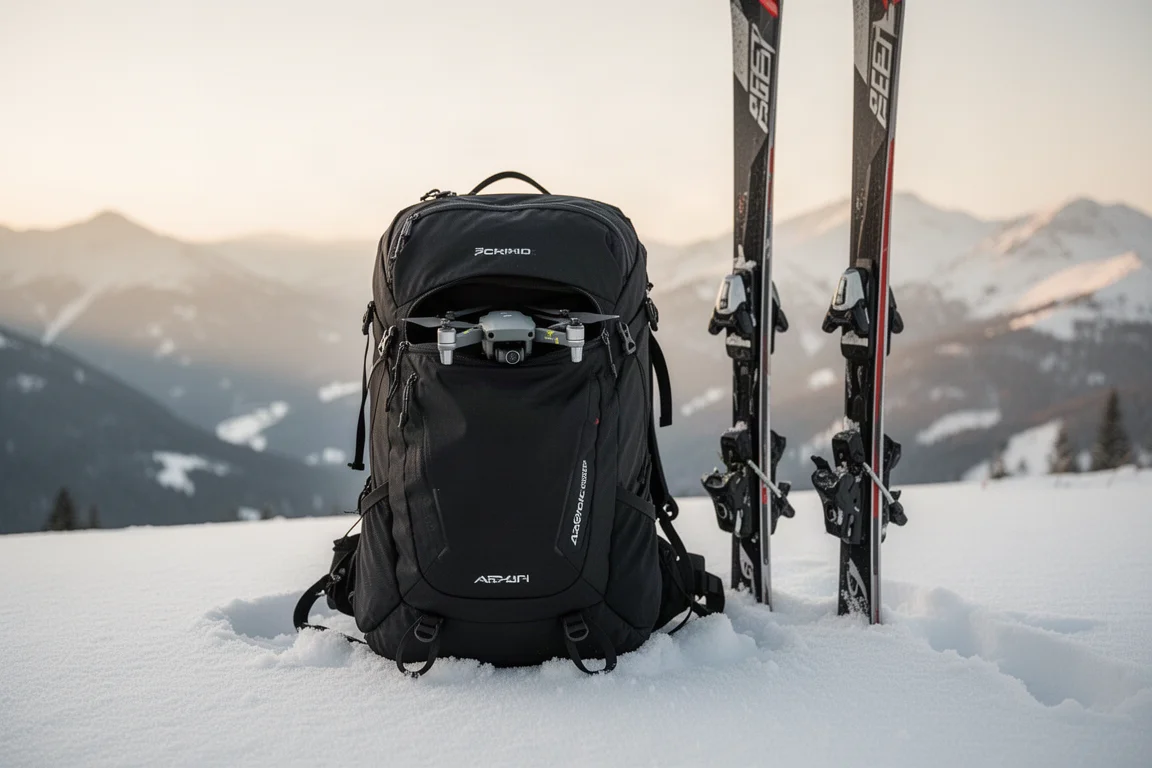
Norrøna Lofoten 30L Backpack
The Lofoten 30L is the everyday pack for resort skiing and most missions, developed with direct user input. It has an excellent helmet carry that doubles as extra storage you can stuff without unpacking between laps, generous and easy-to-tighten straps, a separate lower compartment for crampons or a bottle, a back-panel access system, and red zippers marking the avalanche gear so you know exactly where the shovel is in an emergency. The top pocket also fits a DJI Mavic Pro 2 as a drone pocket.
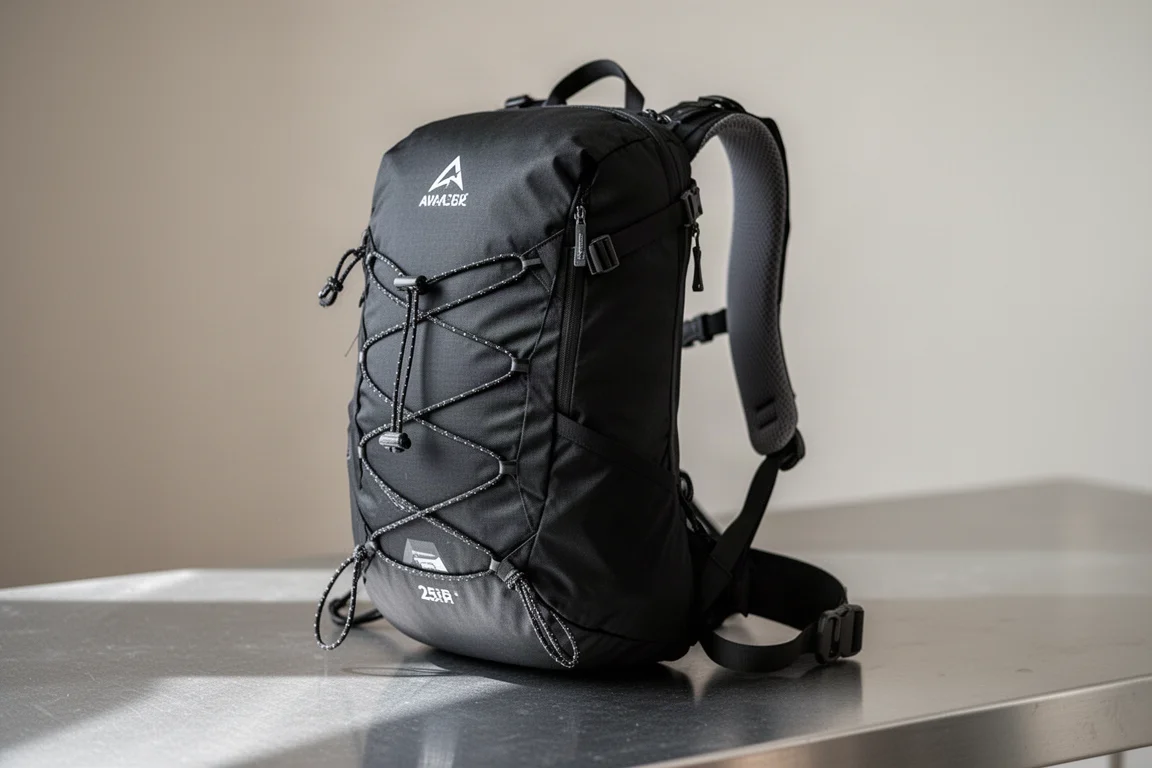
Arva Ultra Light 25L
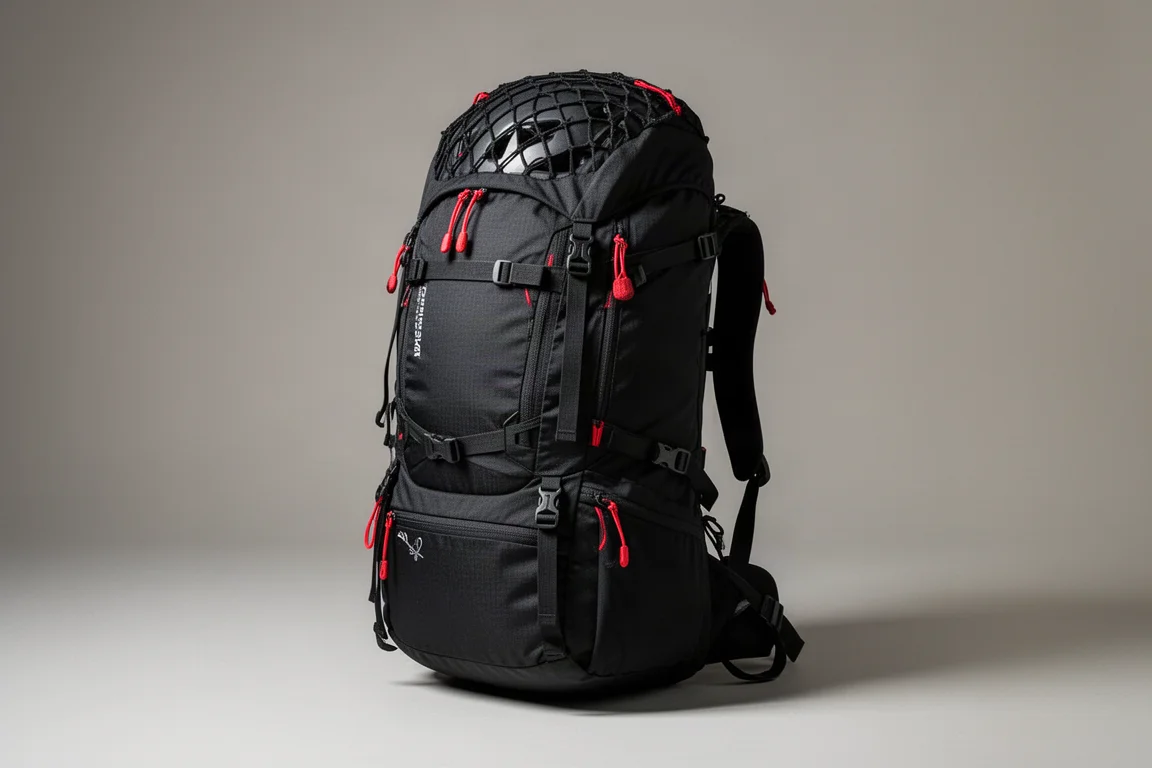
The Arva Ultra Light 25L is remarkable: only about 200g heavier than the Lofoten pack, with a full avalanche airbag system including redundancy, meaning two separate balloons so if one deflates the other still works. It is spacious enough for avalanche gear, an extra layer, and something to drink, though a bit small for full touring days. Airbag systems themselves have matured: the deployment problem that plagued early packs is solved here, and the research behind airbags is real, with buried victims ending up higher in the snowpack when the balloon deploys.
Buying Advice
The clearest takeaway is the clothing strategy: heavy-duty Gore-Tex for durability and storm days, a lightweight Gore-Tex touring setup for big days out, and a comfortable non-waterproof kit for sunny, predictable weather. If budget allows both shell systems, that is genuinely useful; otherwise match the kit to how you split time between resort and touring. On bindings, pin bindings have proven themselves over a decade of hard use, but ride them unlocked so the release function works. And whatever you buy, prioritize avalanche training and rescue gear first.
Conclusion
None of this gear is casual. Every piece here was chosen because it performs in serious terrain, from the beacon and probe that get picked up first to the skis, bindings, and shells that make big days possible. Match the choices to your own skiing: durability for storm riding, weight savings for long approaches, and safety equipment that never gets left behind.
Further reading
Related Reviews
Backcountry Skiing
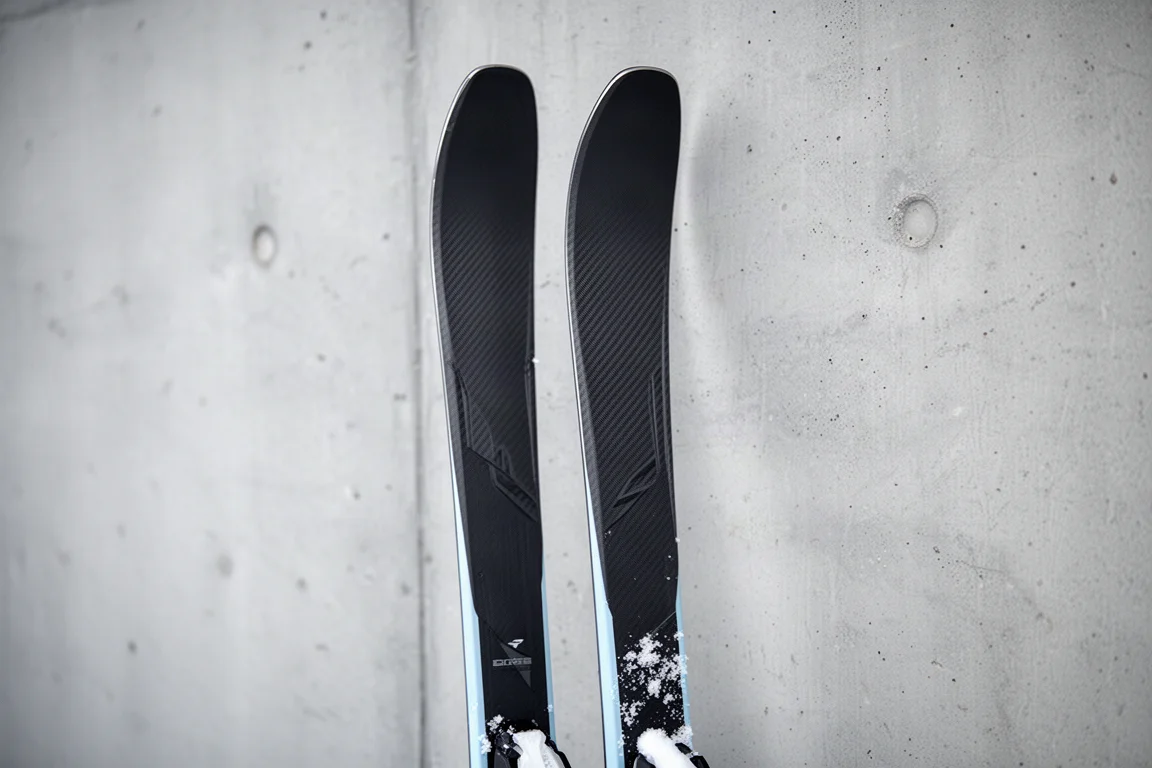
Blizzard Zero G 95 W Review: A Purpose-Built Touring Ski for Uphill Efficiency
A close look at the Blizzard Zero G 95 W, a lightweight carbon touring ski built for backcountry uphill efficiency, and what to weigh before buying.
Backcountry Skiing
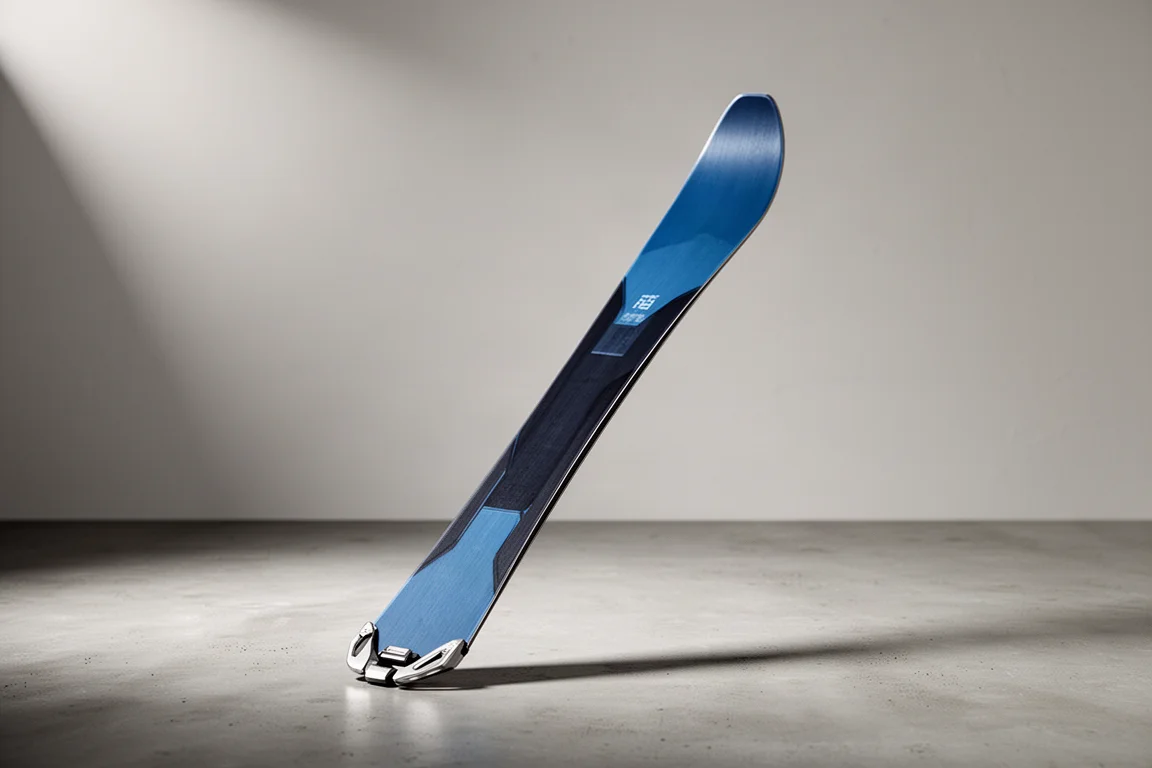
Fischer Hannibal 96 Review: A Dedicated Backcountry Touring Ski
A close look at the Fischer Hannibal 96, a lightweight touring ski built for efficient climbing while keeping an energetic descent.
Backcountry Skiing
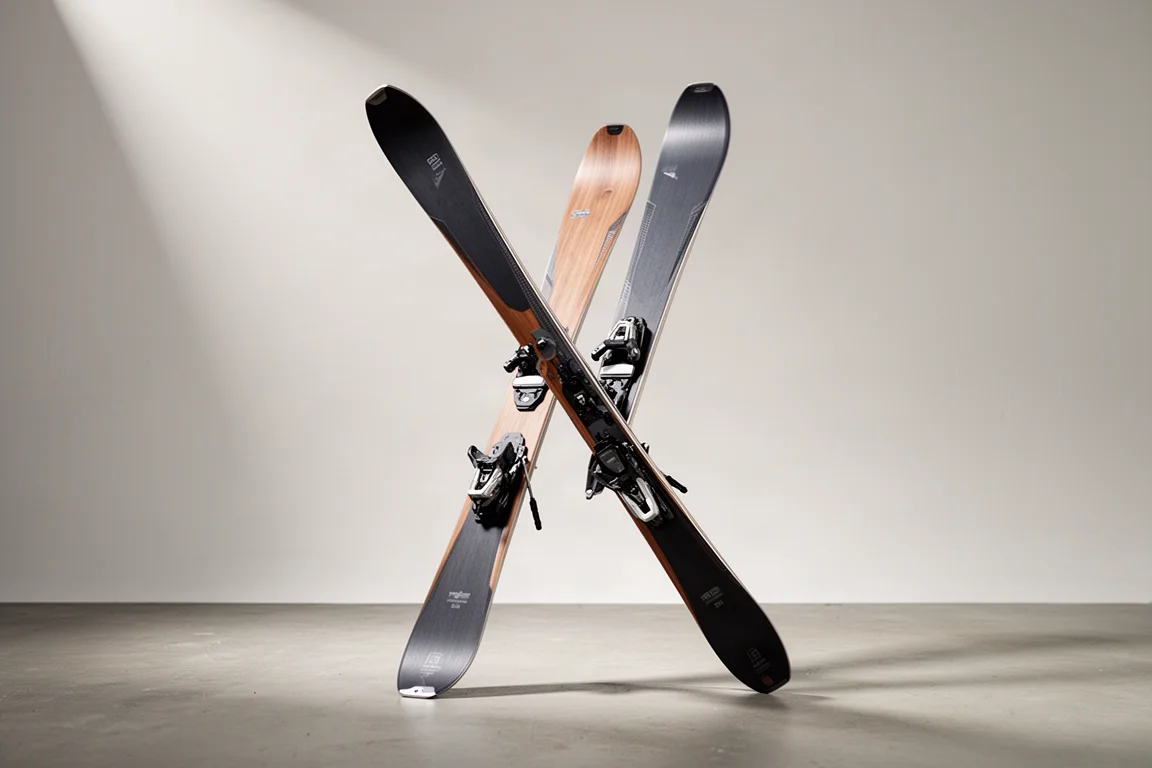
Fischer Transalp 98 CTI Review: A Purpose-Built Touring Ski for Uphill Efficiency and Downhill Composure
A closer look at the Fischer Transalp 98 CTI, a 1,489 g backcountry touring ski that pairs a milled wood core and carbon stringers with metal edge reinforcement.