Freeride Skis
Fischer Ranger 108 Review: A Big-Mountain Ski Built to Run
The Fischer Ranger 108 is a wide freeride ski with a poplar and beech core and a titanium laminate. Here is where it shines, and where a narrower ski still wins.
Introduction
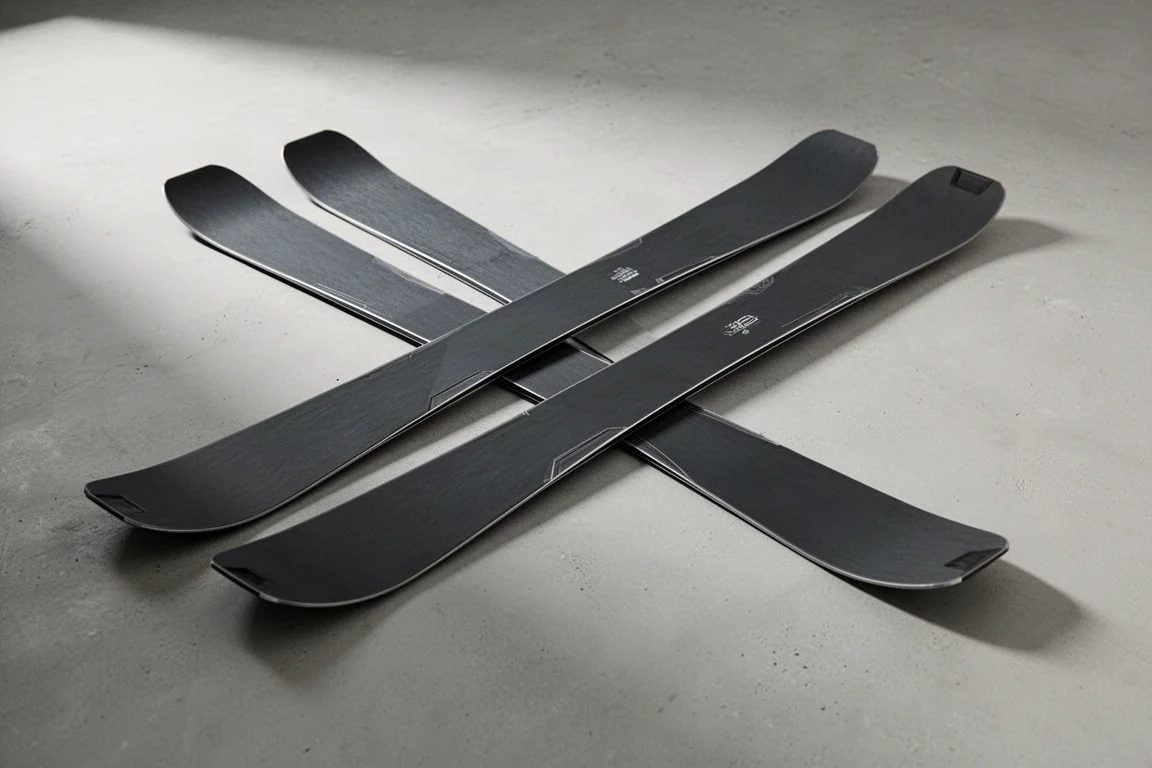
The Fischer Ranger 108 sits at the wide end of the Ranger line, and it does not behave like a stretched version of its narrower siblings. With 108 mm underfoot, the ski takes on a noticeably different personality from the 102, trading some of that model’s quick, agile feel for a calmer, more planted character that prefers open space, high speed and long, sweeping arcs.
That shift comes from the shape as much as the width. The Ranger 108 keeps a poplar and beech wood core and a titanium laminate, but the flex cut grows larger as the ski gets wider, and the overall profile leans further toward soft snow. The result is a ski that feels substantial underfoot and genuinely capable once the terrain opens up.
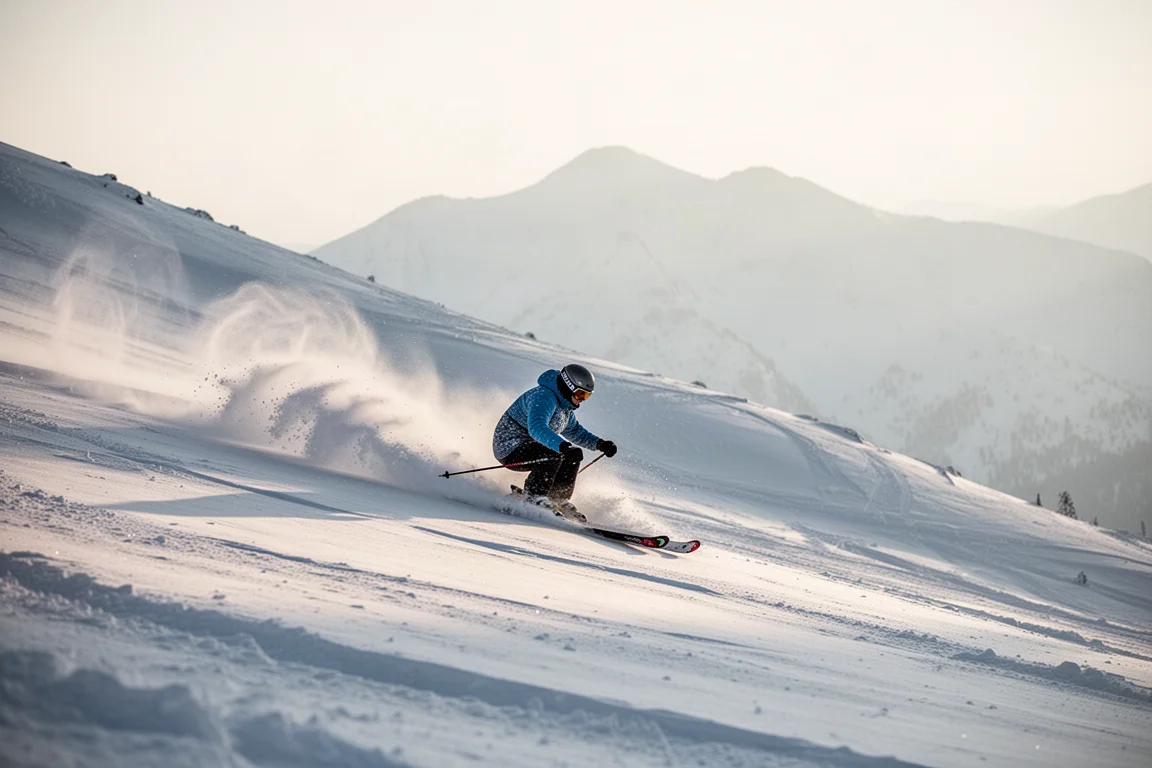
What stands out most is how the ski deals with whatever is in front of it. Point it down the fall line over bumpy, chopped-up snow and it absorbs the terrain instead of deflecting off it. For a ski in this width class, that composure is the headline.
Who this product is for
This is a ski for riders who spend their days in expansive, open terrain and want to let a ski run. Steep, wide, soft-snow runs are where it makes the most sense, and the appeal grows if you ski places with plenty of room to open up the throttle rather than terrain that demands constant, rapid direction changes.
If you split your season between a western resort with big open acreage and a smaller mountain with tight, technical tree runs, the Ranger 108 is likely to feel like two different skis in those two settings. Riders who spend most of their time in the trees may find themselves reaching for the narrower Ranger 102 instead, because that ski feels quicker and more agile in confined, technical zones.
Main strengths
The construction recipe is shared with the rest of the Ranger family, and it is worth understanding what changes at this width. There is a poplar and beech wood core, a titanium laminate shaped the same way as on the narrower models, and wing extensions at the tip and tail that are notably blunter here. Although the metal content is lesser than in the narrower Rangers, the larger flex cut means the ski still feels substantial. It carries a genuine big-mountain presence.
That presence shows up in how the ski handles speed. The flex is not jarringly stiff, which turns out to be an advantage. It is stiff enough to stay supportive and stable at speed and to be trusted when you are pushing, but the small amount of give combined with the metal gives it a damped, suspension-like quality. Rough snow and vibration get absorbed rather than transmitted up through the ski.
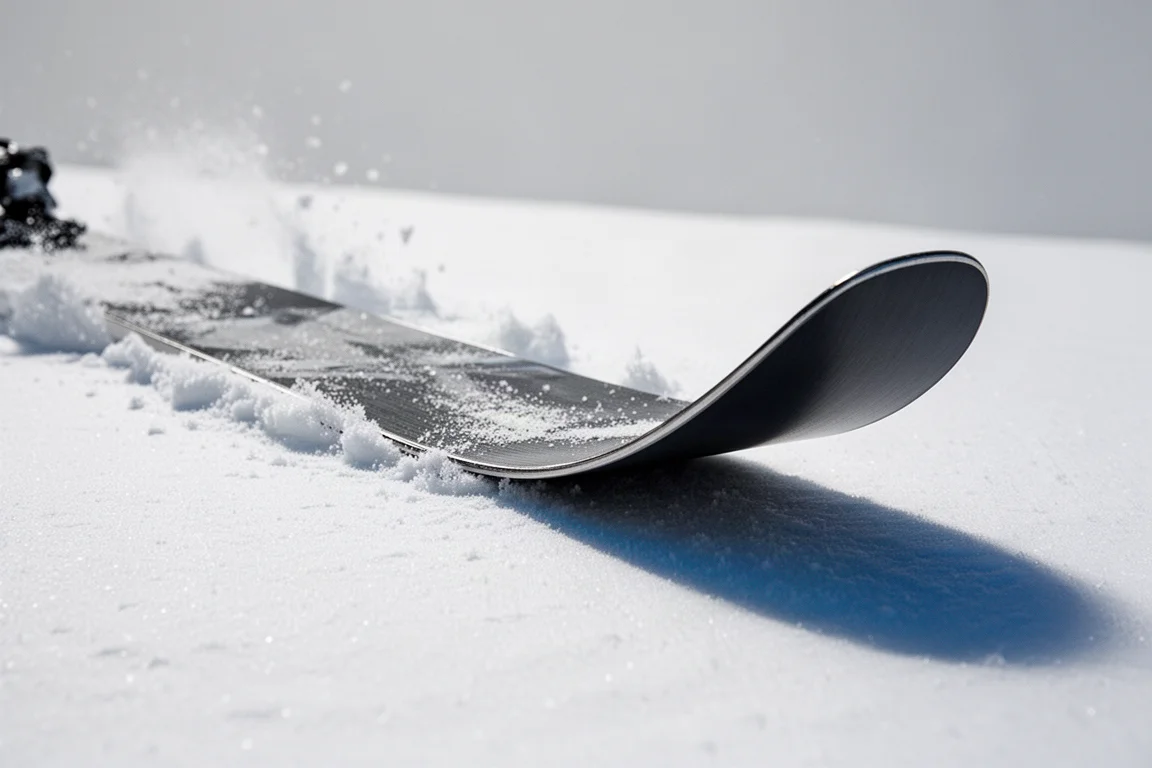
The shape reinforces the same idea. Camber underfoot is present but modest, with camber height lower than on the 102 or the 96, and tail rocker lengthens noticeably at this width. The shovel profile is fairly close to the 102, so the biggest visual and behavioural departure is behind the binding. Early taper is there but not drastic. The ski stays relatively straight through the middle, which is a large part of why it likes to run straight and hold a long turn.
On a wide, steep run, that combination is excellent. The ski rips, and it makes high edge angle turns feel natural and controlled. It is a ski that is genuinely hard to find the limit of at speed, which is exactly what a rider shopping in this category is usually looking for.
Things to consider before buying
Weight is the first thing to weigh up, in both senses. A 171 cm Ranger 108 measures 1950 g, which is not light by any means. There are skis in this width category that feel lighter on your feet and, as a result, more flickable and easier to throw around. If agility and quickness matter more to you than stability and terrain absorption, that trade-off is worth thinking through carefully.
Edge-to-edge quickness is the other consideration. In tight, tight trees, this ski is not the fastest to move around, and longer days in that kind of terrain can become fatiguing. The 102 is the better tool there. Longer lengths amplify the effect: a 185 cm Ranger 108 with 108 mm underfoot, metal in the build and a reasonably heavy weight is a lot of ski to manage in confined terrain, even though the same length is a huge asset on a wide, steep run.
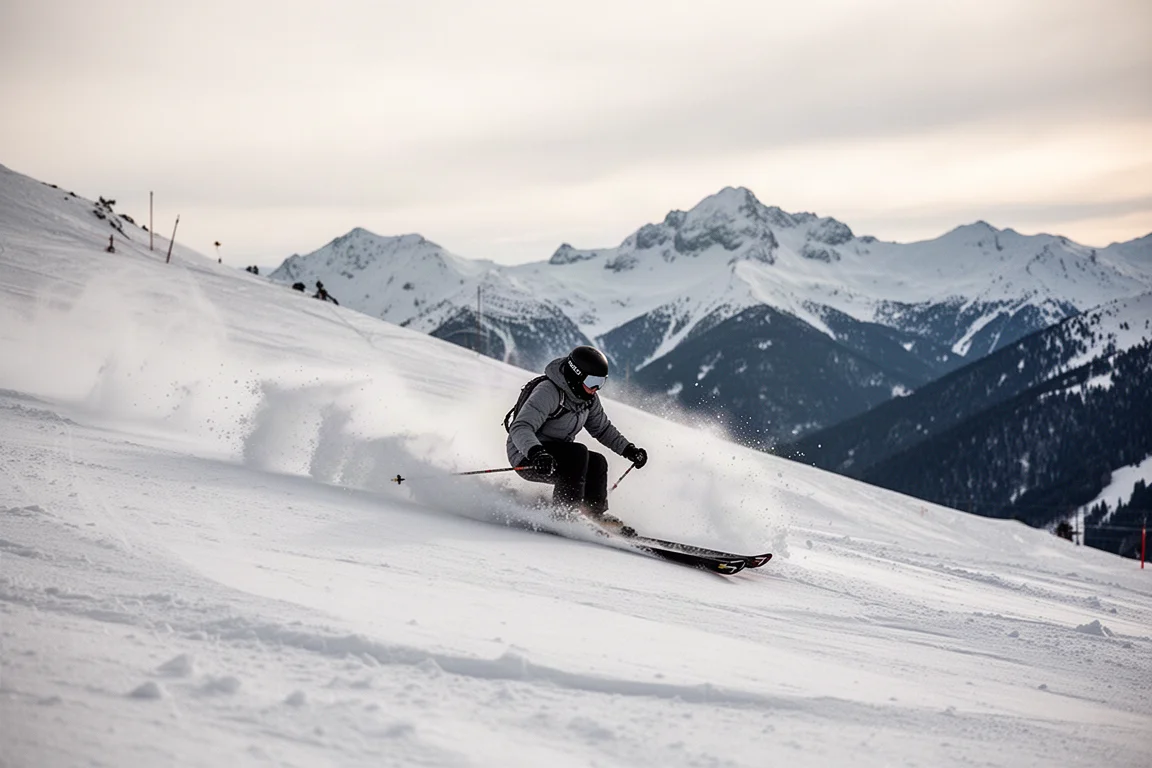
None of this is a flaw in the ski so much as a description of what it is. The shape leans toward soft snow and open terrain, and the ski rewards riders whose home mountain matches that description. Buy it for the terrain you actually ski most, not the terrain you ski twice a season.
Buying advice
The clearest way to decide is to start with your home mountain. If your days are mostly spent on wide, steep, open runs with soft snow, the Ranger 108 is a natural fit and one of the more confidence-inspiring options in its width class. If your season is built around tight glades, technical lines and quick adjustments, the narrower Ranger 102 is likely to leave you less tired and more in control.
Length deserves as much thought as the model itself. The 171 cm length already carries real weight, and the ski grows considerably more demanding as you move up the size range. A shorter length keeps more of the agility that this shape gives up, while a longer length leans harder into the high-speed, big-arc character that makes the ski special. Riders who want one ski to cover both open terrain and tighter zones should think honestly about which of those two they ski more often.
The Ranger 108 pairs naturally with a freeride-oriented setup and rewards a rider who is comfortable letting a ski run. If that describes your skiing, this is a straightforward, low-regret purchase. If it does not, the honest answer is that a narrower Ranger will probably suit you better.
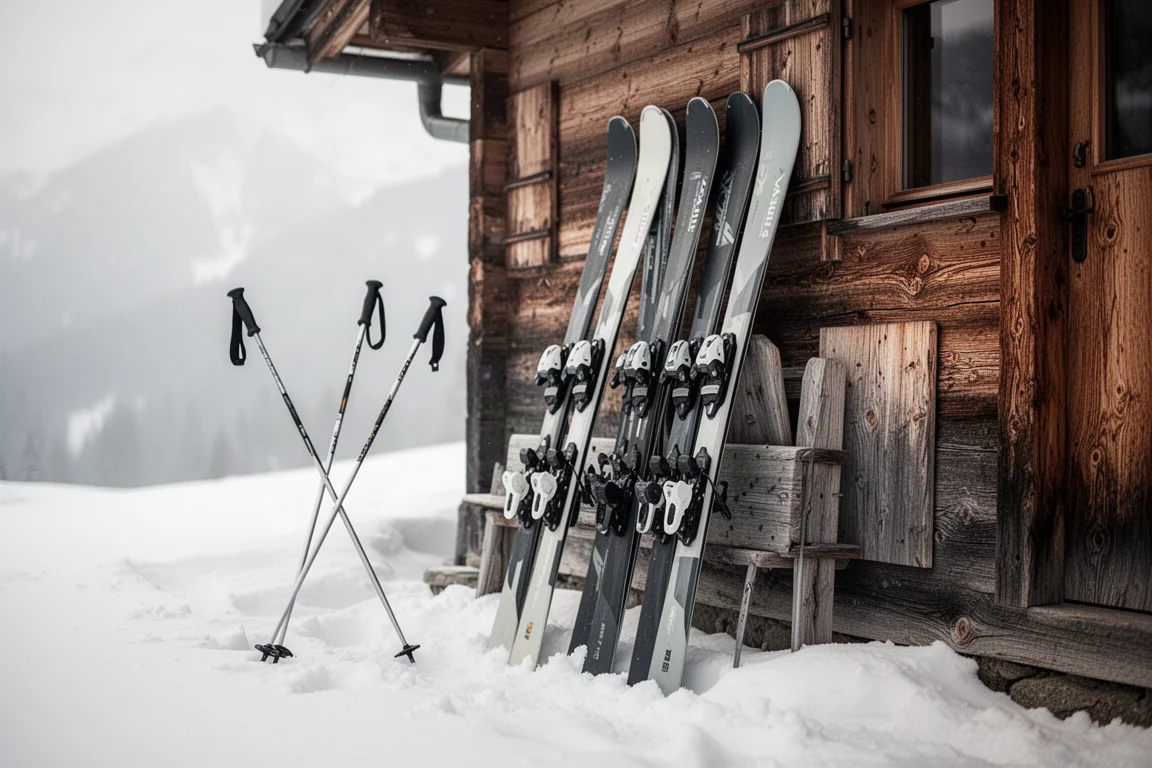
One practical note: this is a category where small differences in length and mount position change the feel considerably, so if you can, ski a demo in the length you are considering before committing.
Conclusion
The Fischer Ranger 108 is a purpose-built big-mountain ski. Its poplar and beech core, titanium laminate and soft-snow-oriented shape combine into something that absorbs rough terrain, stays composed at speed and holds long, high edge angle turns with ease. It is not the lightest or the quickest ski in its class, and it is not the one to choose if your season revolves around tight trees. But for riders who ski open, expansive terrain and want to let a ski run, it delivers exactly what it promises, and it is genuinely difficult to find the limit of at speed.
Product link
View more details for Fischer Ranger 108
This product is mentioned in the review. Check the specifications, options, and compatibility before buying.
View more details for Fischer Ranger 108Further reading
Related Reviews
Freeride Skis
Armada Playmaker 101 Review: A Light, Lively Freeride Ski Built to Play
A closer look at the Armada Playmaker 101, a lightweight freeride twin tip with a poplar and paulownia core, carbon rods through the mid-body, and a deliberately playful character.
Freeride Skis
Armada Playmaker 111 Review: A Lightweight Freeride Ski Built for Soft Snow
A close look at the Armada Playmaker 111, a 111 mm freeride twin tip built around float, playfulness, and a drifty feel in fresh and soft snow.
Freeride Skis
Best Women's Freeride and Powder Skis 2026
A 104 mm to 118 mm comparison of sixteen women's freeride and powder skis, covering weight, rocker, metal placement and the terrain each model suits best.