Triathlon
First Triathlon Bike Setup: Canyon Endurace AllRoad and Practical Aero Upgrades
How to build a first triathlon bike around the Canyon Endurace AllRoad, with Profile Design aero bars, hydration and storage that add speed and comfort without a specialist race bike.
Introduction
Choosing a first triathlon bike is less about buying the fastest machine on the start line and more about finding something mechanically sound, versatile and comfortable enough to train on week after week. A dedicated top-of-the-range triathlon bike can put a rider into an extremely aggressive aero position, and while that is quick, most beginners find it hard to live with day to day. The more practical route is a dependable road bike with a handful of targeted upgrades.
That is the approach behind this setup: an accessible all-road bike as the foundation, then a saddle, aero bars, hydration and storage added one at a time so each change can be tested before the next one goes on.
What to Look For in a First Triathlon Bike
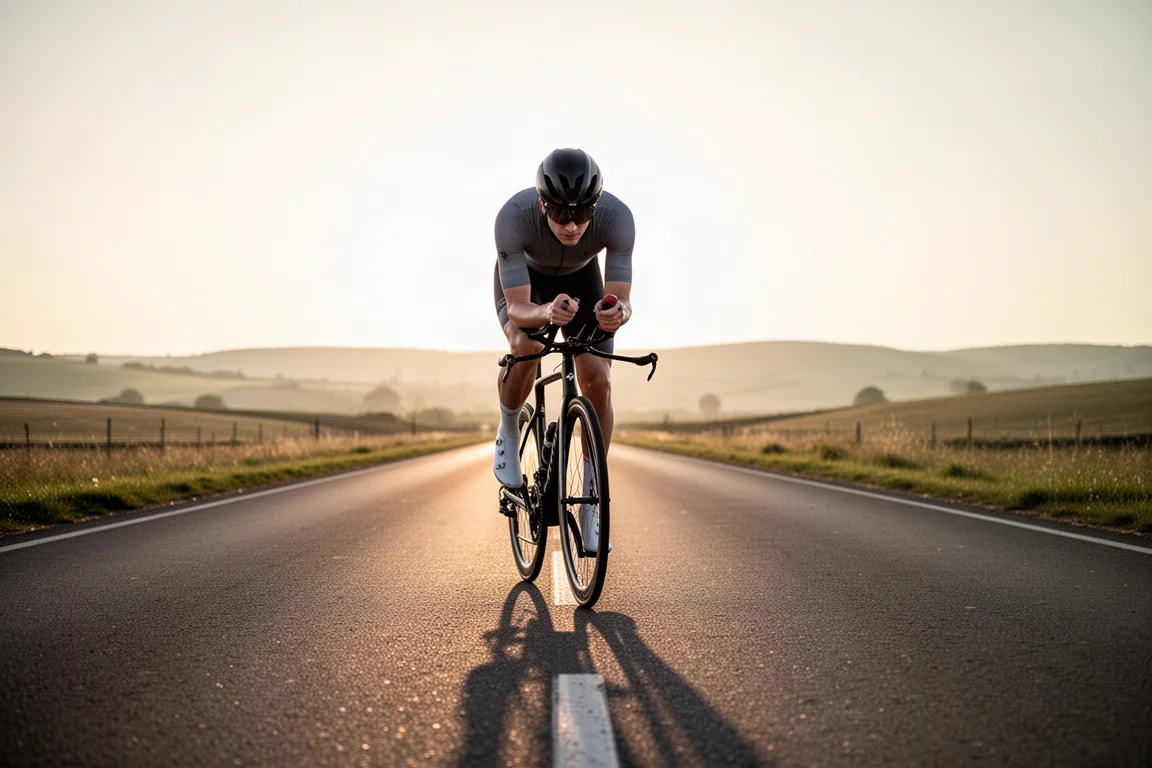
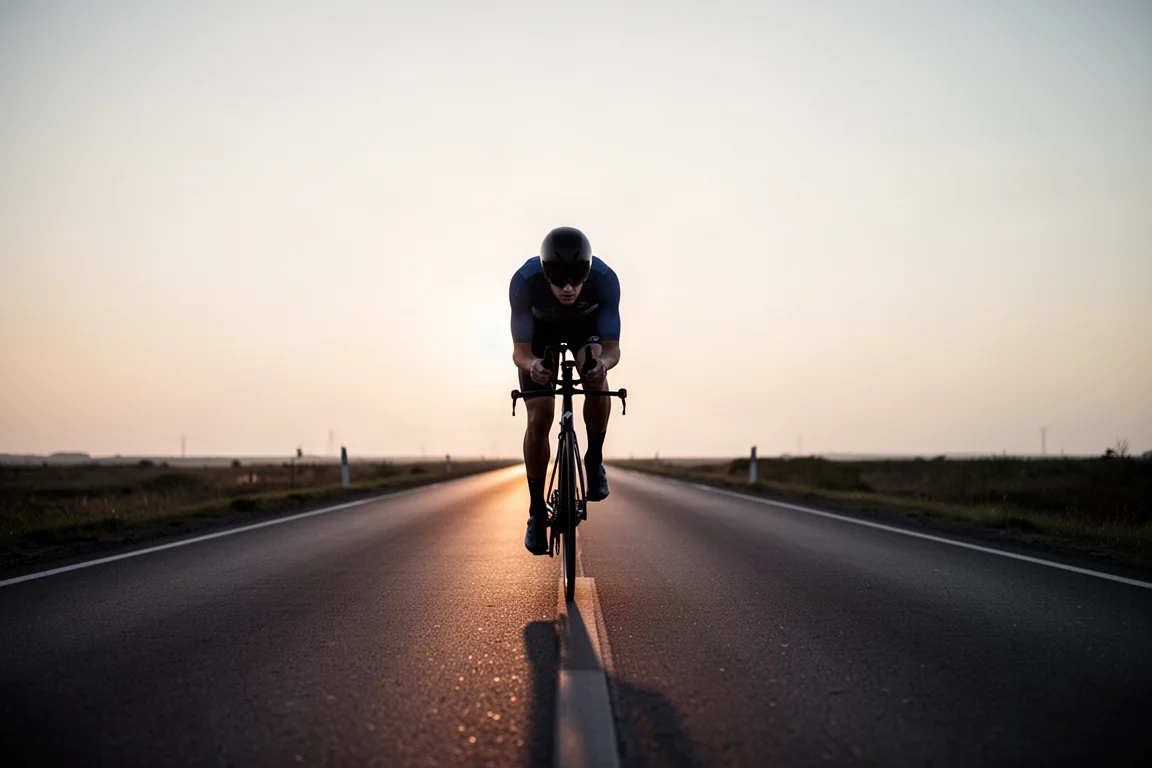
Triathlon does not allow drafting, so a rider takes the full force of the headwind alone. That single rule shapes everything about the bike. Because braking is less urgent than it is in a bunch, the hands can move from the brake hoods onto aero extensions, where the rider sits lower and narrower. The gain is not small: an aero bar position can save 30 watts or more. That same position is not appropriate on a group ride or when sitting directly behind another rider, where immediate access to the brakes matters far more than drag.
Used bikes are usually the best value route into the sport, but judging whether a used bike is mechanically sound takes experience. A buyer without that experience either pays a shop to supply the expertise, which eats into the saving, or accepts more risk than feels comfortable. A new bike at a low price removes that problem entirely.
Adjustability matters as much as the frame itself. A first triathlon position will change as the rider gets used to it, so parts that can be moved, swapped or re-angled are worth more than parts that happen to feel perfect on day one.
Canyon Endurace AllRoad
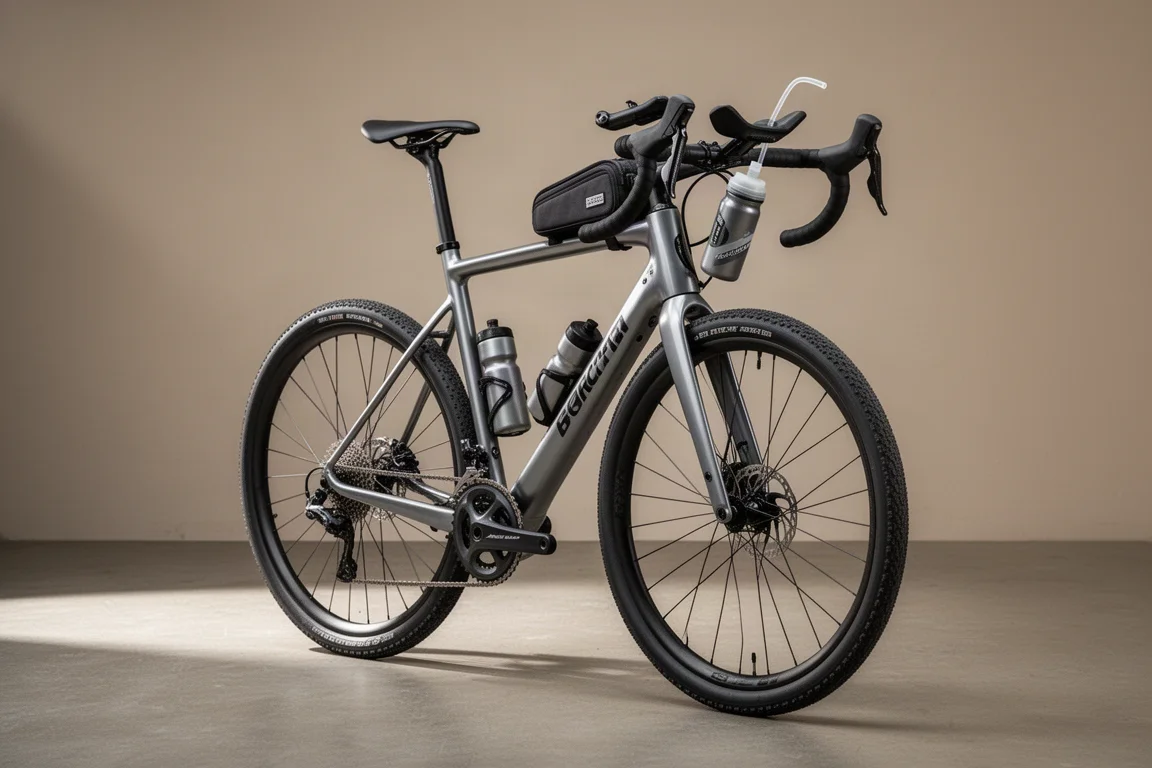
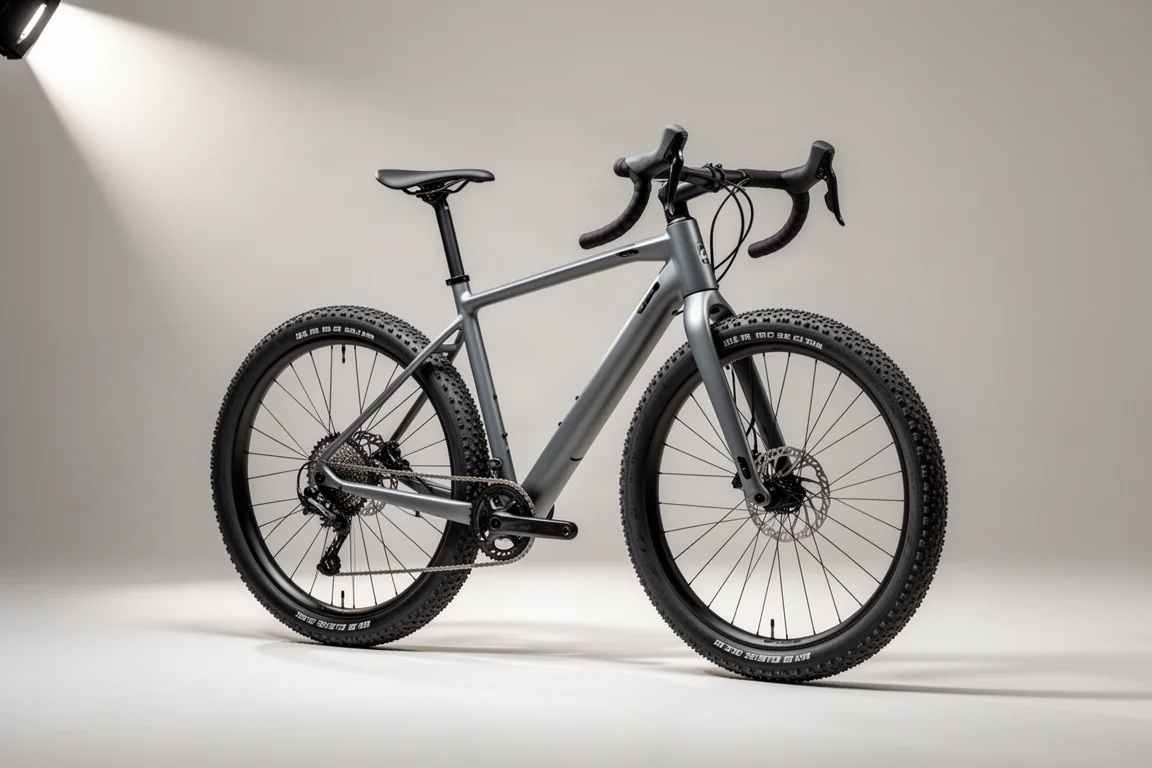
The Canyon Endurace AllRoad launched in June 2025 and retails for £949. As the Allroad name suggests, it is built for road riding, gravel riding and triathlon, which makes it a genuinely versatile foundation rather than a single-purpose race bike. It arrives with light gravel tyres, a sensible choice in mixed weather but not the fastest option for race day; moving to something slicker closer to the event is a simple change. The frame also carries top tube bosses, which open up mounting options for hydration and storage later.
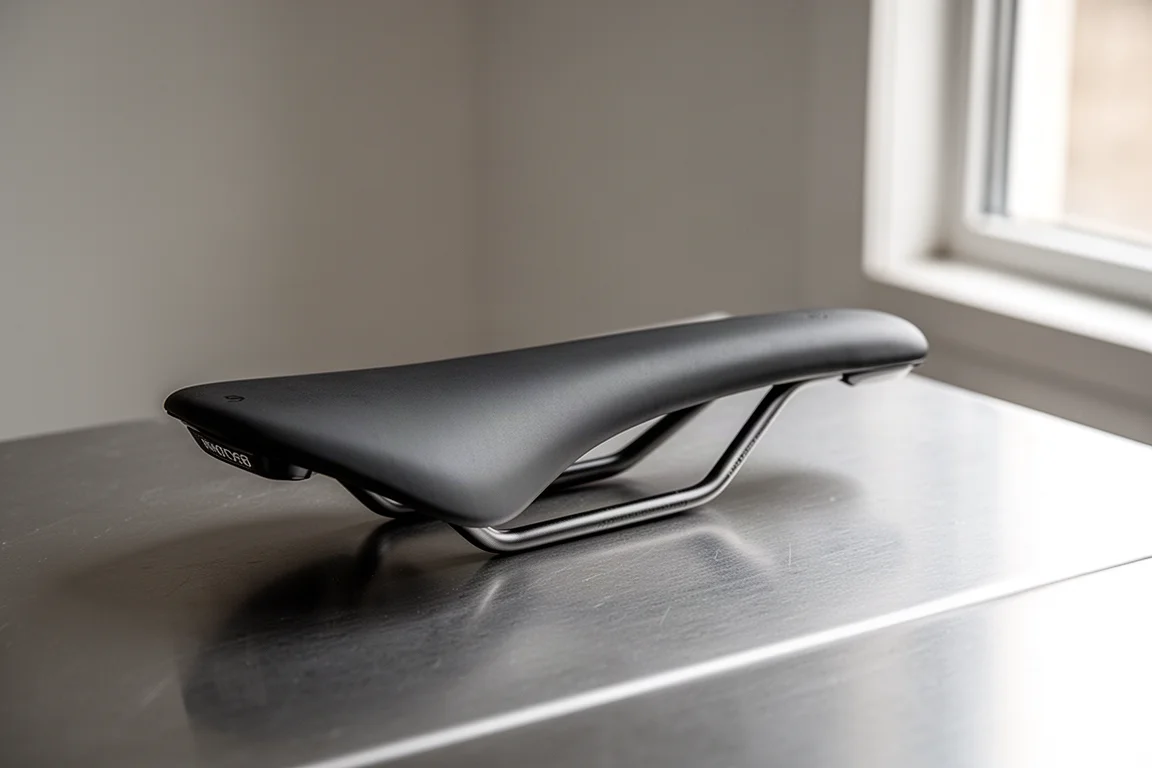
Ergon SR Tri Mid Saddle
The Ergon SR Tri is offered in two versions. The front version is designed for a more forward, time-trial-style position, while the mid version used here is intended to be more comfortable on a road bike that is being adapted for triathlon. Starting with the mid version keeps the first rides familiar, and the saddle can be changed later if the position moves forward.
Saddle comfort is personal and rarely settled on the first outing, so this is one of the parts most worth revisiting after a few longer rides rather than judging it immediately.
Profile Design Sonic Ergo Aerobars
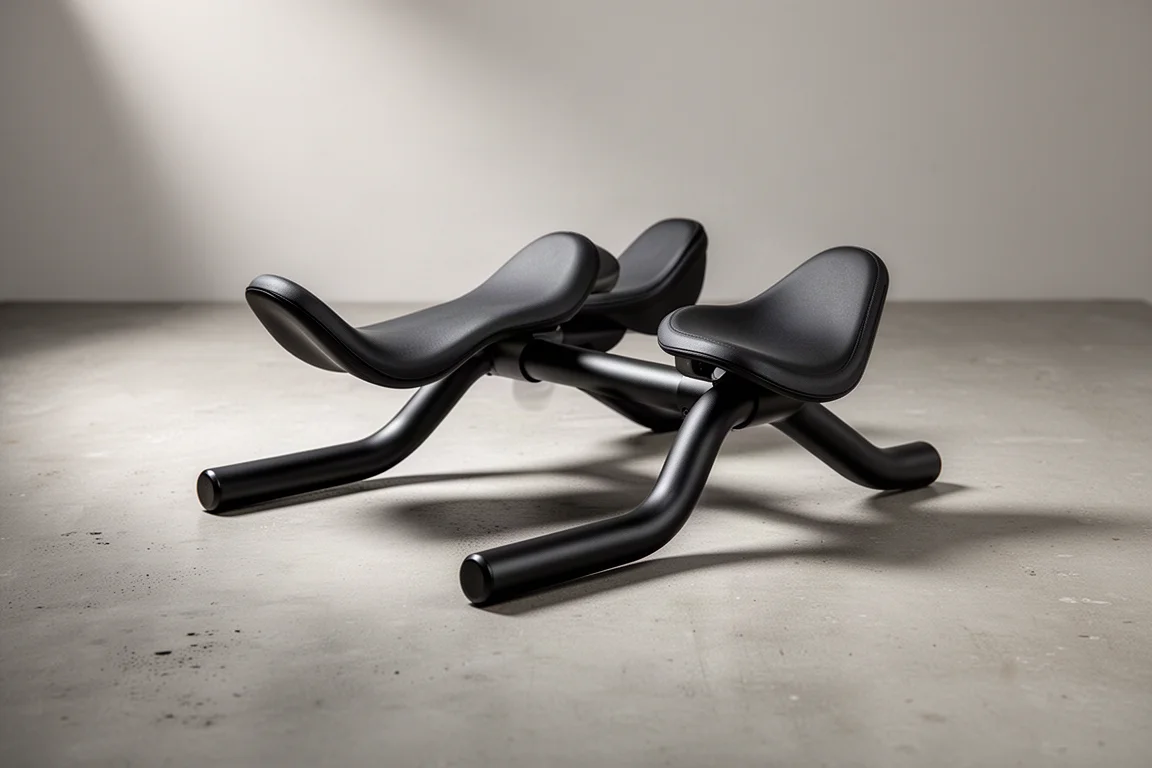
The Sonic Ergo aero bars are available with different extension angles, including 29, 39 and 52 degrees. The angle changes how the wrist sits, and the difference is easy to feel: a more upright option can put the wrist at an awkward angle, while a flatter one lets the hands fall into a more open, natural position. Pad position adjusts as well, so the extensions can be moved forward or back and the pads widened or narrowed.
Moving the hands onto the extensions visibly lowers the rider’s frontal profile, which is exactly the point in a race where drafting is not allowed. Handling does change, though. With the weight carried narrower and closer to the centre line of balance, the front end feels twitchy at first. Widening the pads adds stability, and they can be brought back in as confidence grows. It is also worth keeping the eyes up rather than staring at the road a few feet ahead, which is a common habit once the elbows are on the pads. A computer mount placed between the arms keeps ride data visible without looking down at the stem.
Profile Design RMP Rear Hydration System
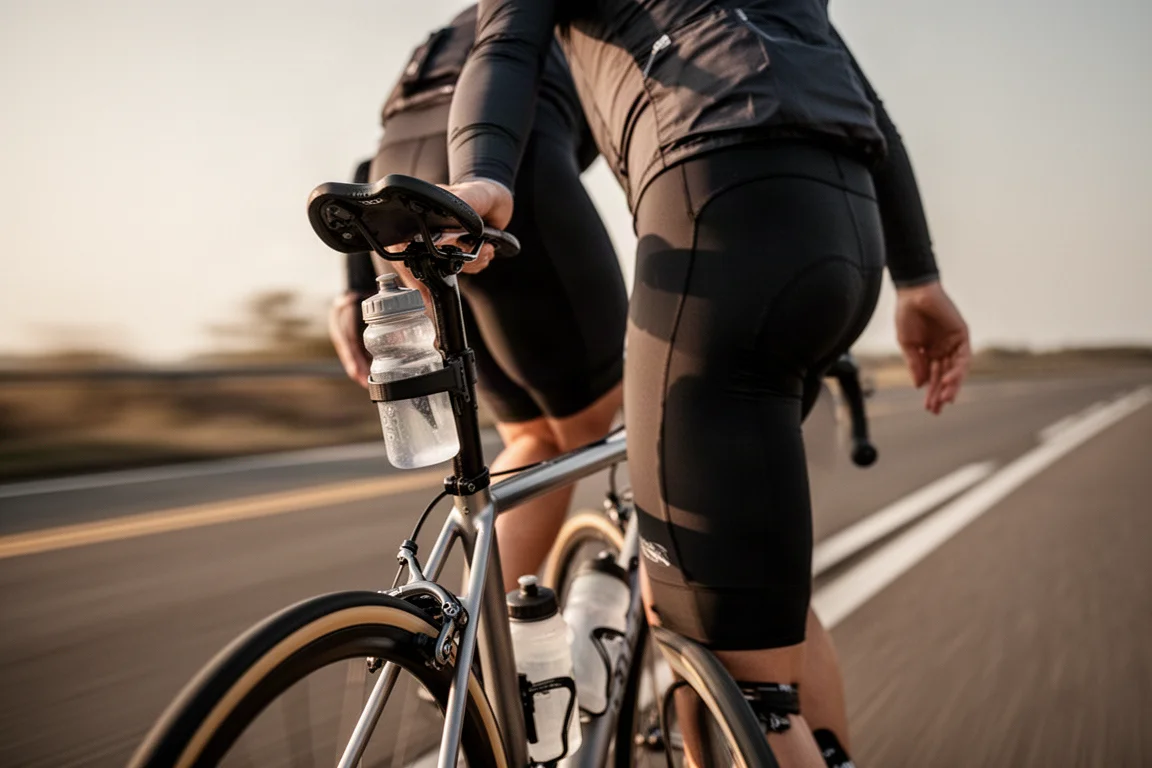
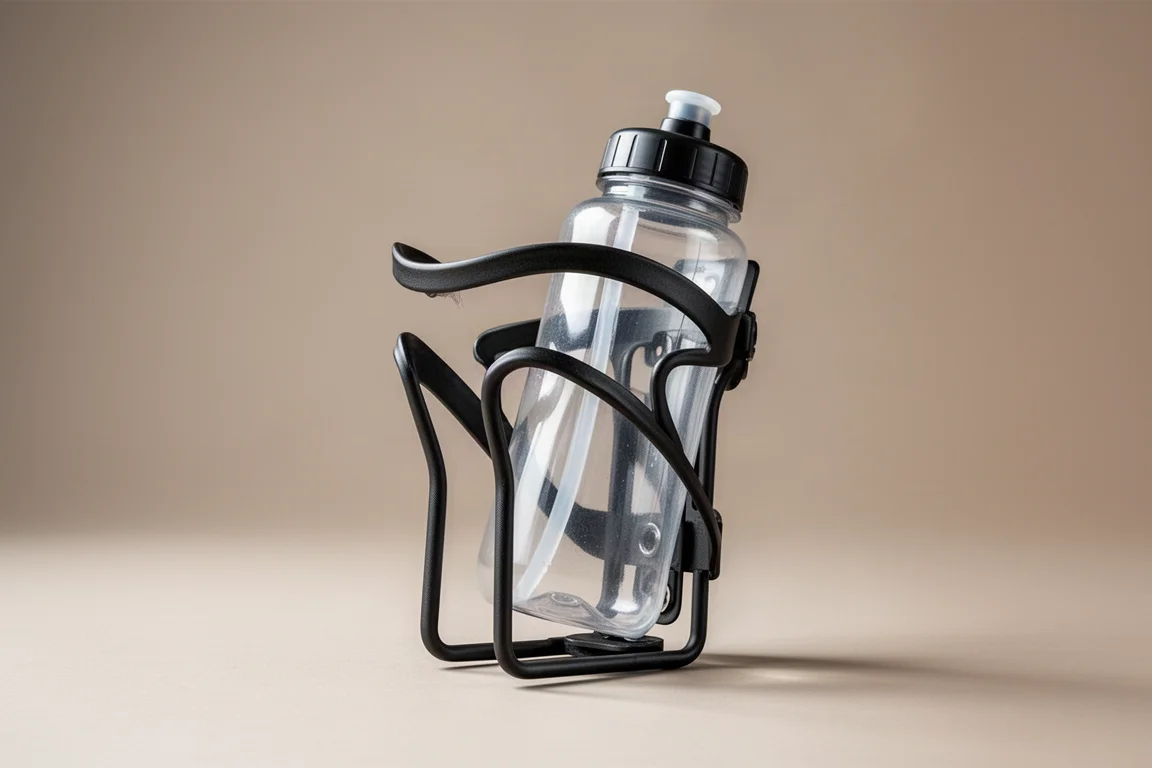
The RMP rear hydration system mounts behind the saddle and can carry one or two bottle cages. Two cages is more capacity than most beginners need, so a single cage is a sensible place to start. Reaching behind for a bottle takes practice, and it is far easier on a trainer than out on the road, so leaving a bottle on the down tube as well is a reasonable compromise while the movement becomes familiar.
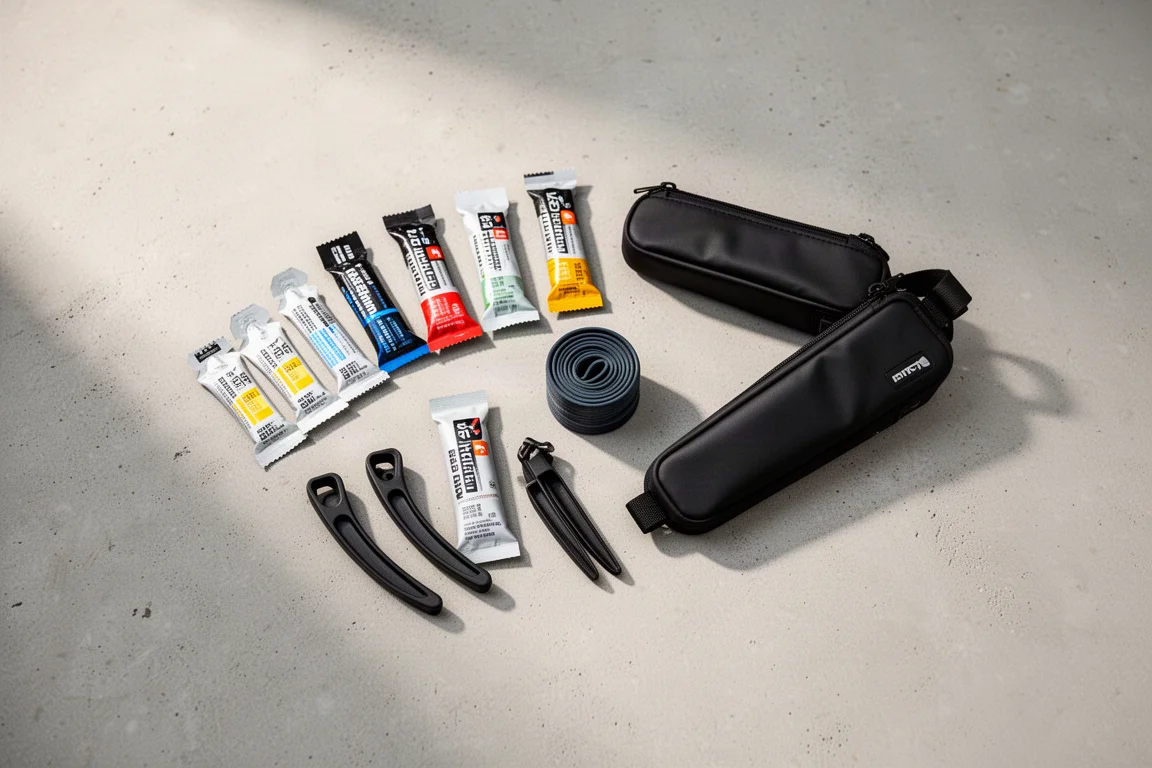
Keeping the rear bottle for fuel and the frame bottles for shorter sips is a simple way to split the load without overcomplicating the setup.
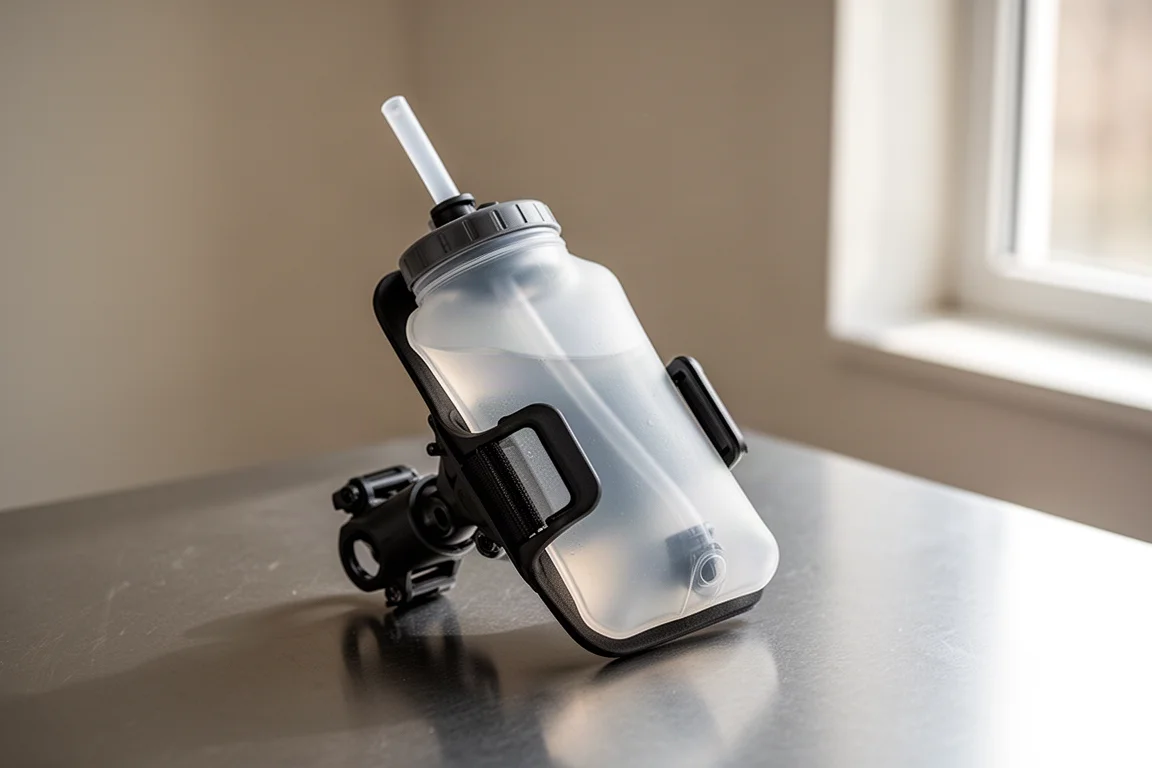
Profile Design HSF AeroDrink Hydration System
The HSF AeroDrink puts the straw almost directly at the mouth, so a rider can drink without leaving the aero position. That matters more than it sounds, because sitting up for a bottle gives away the very advantage the aero bars were fitted for. The system can also be refilled on the move by emptying an aid station bottle into it, which reduces the number of bottles needed on the frame. Like the rear system, it takes practice, and it is worth keeping the standard cages in place until the movement feels natural.
Profile Design Attack XL Bento Box
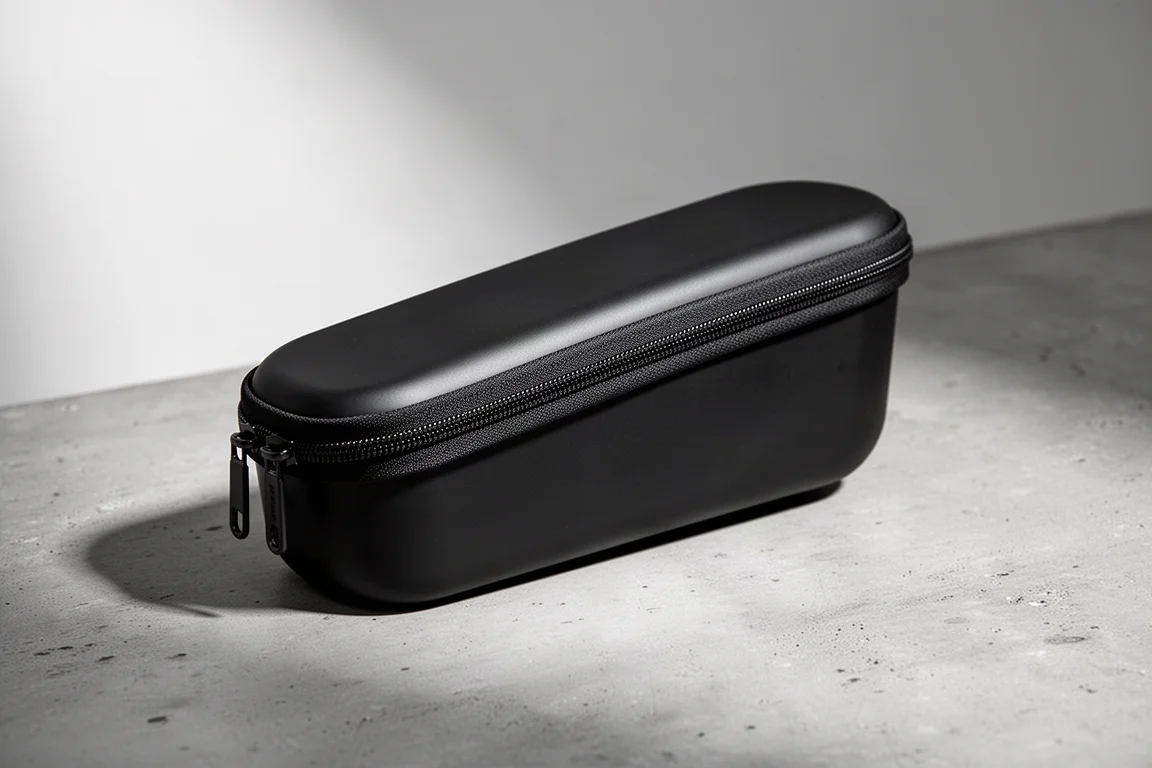
The Attack XL bento box mounts on the top tube bosses and holds nutrition, gels and small spares such as an inner tube. For most first-time triathletes it is a neater solution than a top tube gel bottle, and it keeps fuel within reach without a stop. There is room for more than one gel, so the box scales with the length of the event.
Buying Advice
If the budget only stretches to one upgrade at a time, start with the aero bars. They deliver the largest and most measurable gain, with 30 watts or more saved in a position that is also the most unfamiliar, so it is worth spending time getting the extension angle and pad width right. The saddle comes next, because comfort decides how long the position can be held. Hydration and storage are cheaper and easier to add later, and both can be tested on short rides before race day.
The bike underneath matters just as much. At £949, the Endurace AllRoad covers road, gravel and triathlon without needing a second machine, and its top tube mounts mean the upgrades above bolt on without workarounds. For a first season, that combination is far easier to justify than a specialist race bike.
One last practical note: the aero position is new even on a familiar road bike, so build up slowly on straight, quiet roads. If the front end feels unstable, widen the pads, then narrow them again once the position feels secure.
Conclusion
A first triathlon bike does not have to be a dedicated race machine. A versatile all-road bike at an accessible price, fitted with a saddle that suits the position, a set of aero bars with a comfortable extension angle, and hydration and storage that keep fuel within reach, covers everything a beginner needs for a first race. Each part can be added in turn and adjusted as the position develops, which is what makes this kind of setup easier to live with than an aggressive specialist bike.
Further reading
Related Reviews

Backpacking Gear
Building a 10 lb Base Weight: An Ultralight Backpacking Gear List
A practical walkthrough of the ultralight pieces behind a 10 lb base weight, from a 765 g pack and a roomy one-person tent to a full camp chair and a dependable water filter.

Road Bikes
10 New Road Bikes Worth Watching: Aero, Titanium, Steel and Endurance Standouts
A practical roundup of 10 new road bikes, from aero flagships chasing single-watt gains to titanium, steel and endurance platforms built for real roads.
Saltwater Aquarium Setup
10 Questions About Cycling a Saltwater Aquarium: What You Need to Know
Essential questions and answers for cycling a reef tank or saltwater aquarium, from biome building to light management and bacterial supplements.