Mountain Biking Gear
First Mountain Biking Setup: Four Pieces of Gear Worth Buying First
A practical guide to the four pieces of gear that make a first mountain biking setup work, with honest notes on cost, fit, and what can safely wait.
Introduction
Getting into mountain biking is less about natural talent than about assembling the right handful of gear before the first real trail day. The sport carries a genuine cost of entry, and the difference between a frustrating start and a good one usually comes down to knowing which purchases matter immediately and which can wait a season or two.
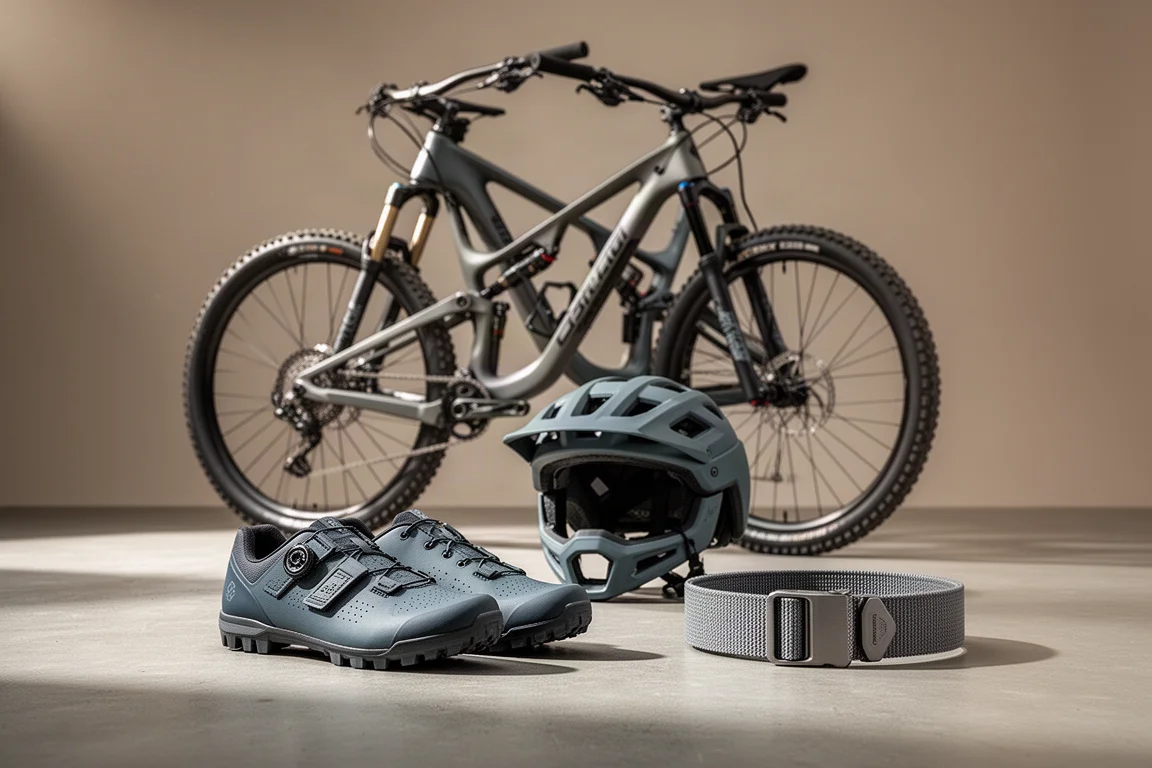
This guide covers four items that form the foundation of a first setup: a low-profile belt that stays comfortable through a full day of movement, a full suspension mountain bike, a convertible helmet, and a pair of flat-pedal riding shoes. Together they cover safety, comfort, and control, which are the three things that make early rides enjoyable rather than punishing.
What Matters Most in a First Mountain Biking Setup
Protection comes first. A helmet is not optional, and a bike suited to the terrain you actually plan to ride matters more than any accessory. With a helmet and a bike, you can already ride. Everything else on this list improves the experience rather than unlocking it.
The second priority is contact with the bike: pedals, shoes, and the clothing between you and the trail. A rider who feels planted and comfortable learns faster and crashes less. Third comes self-sufficiency, meaning the ability to fix a flat or a loose bolt without ending the day early.
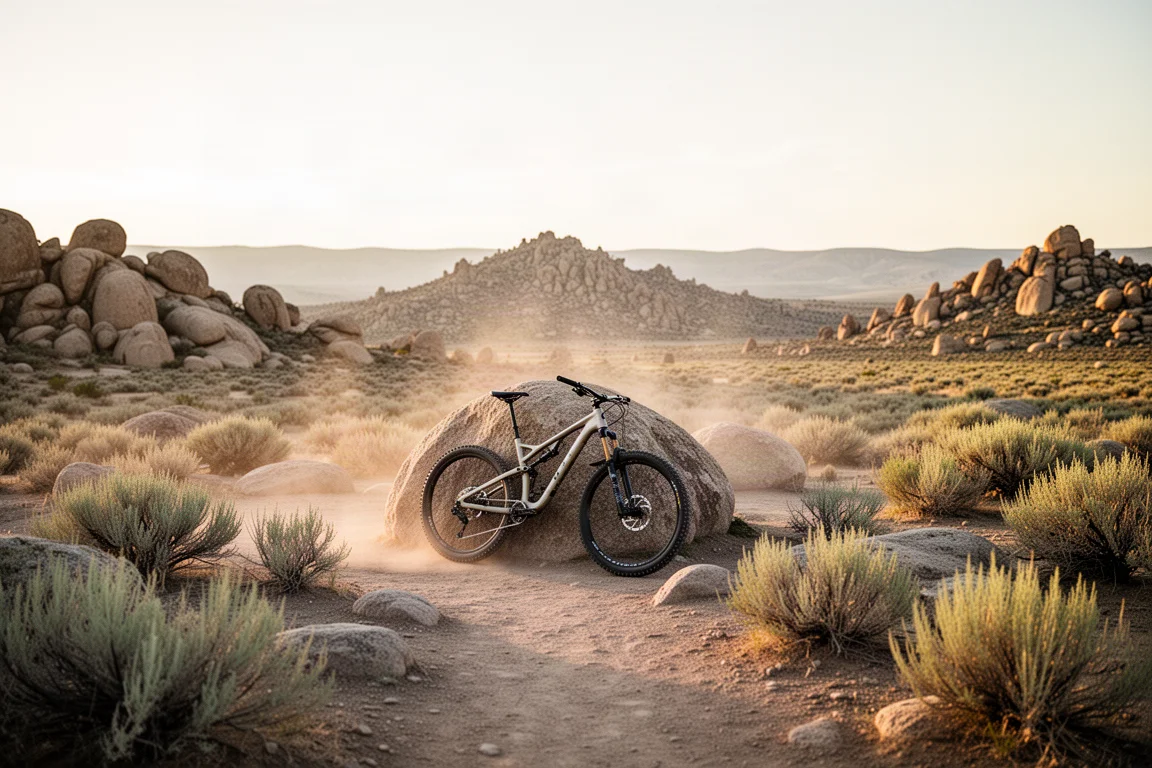
It also helps to think in tiers. Tier one is the bike and the helmet. Tier two is the kit you carry with you, plus the shoes and padding that keep longer rides comfortable. Tier three covers transport, security, and anything you buy purely because you enjoy it. Buying in that order keeps early spending focused and avoids paying for upgrades you cannot yet feel.
Arcade Adventure Mag Belt: The Gear That Disappears on Your Waist
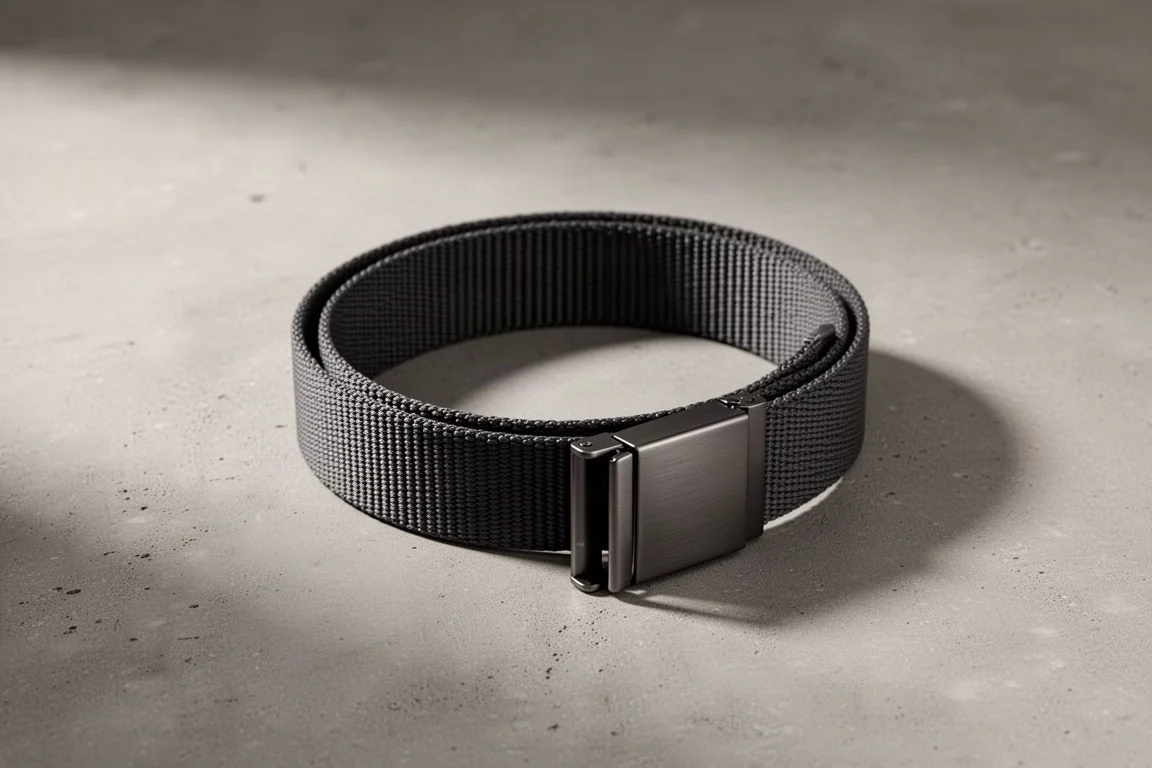
A belt is a small thing to get right, but it matters more than most riders expect. The Arcade Adventure Mag Belt is low profile, stretches with movement, and holds its adjustment through a long day instead of loosening as the hours pass.
The micro adjustment is the detail that earns its place. Rather than committing to fixed holes, you can dial the fit in precisely, which is useful when weight shifts over a season or a long trip. Because it sits tight and moves with the body, it also stays put under a pack instead of being pushed down into the hips, which is the usual complaint about bulky waist gear. The magnetic buckle is quick to operate and feels solid in the hand.
Transition Sentinel: The Bike at the Center of the Setup
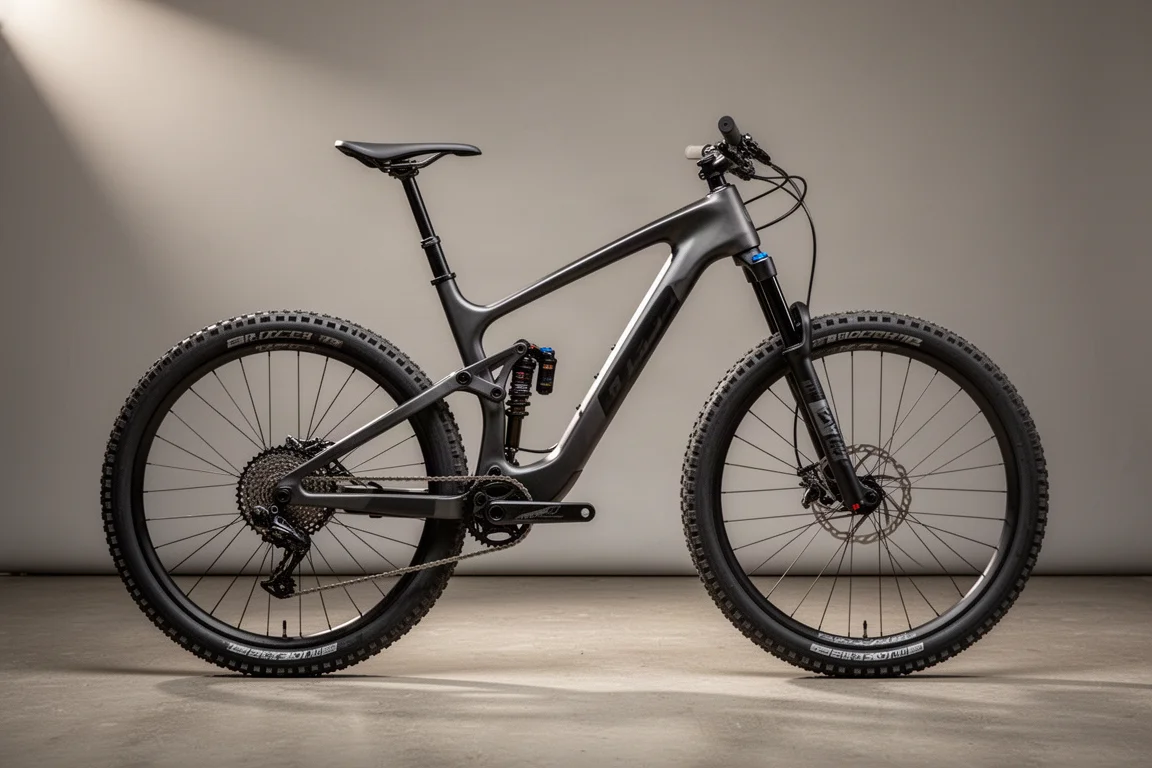
The bike is the single largest purchase in any first setup. The Transition Sentinel used here is a full suspension carbon fibre model, bought used for roughly $3,000, which is close to the going rate for this class of bike. Aluminium full suspension options exist and cost less, but the carbon platform is what most riders in this category end up shopping for.
Buying used is a legitimate route rather than a compromise. Secondhand marketplaces make it possible to get a higher-spec bike for the same money as a new entry-level one, provided you know what you are looking at. Travel, geometry, and component specification all deserve attention, and those details are worth researching separately before committing.
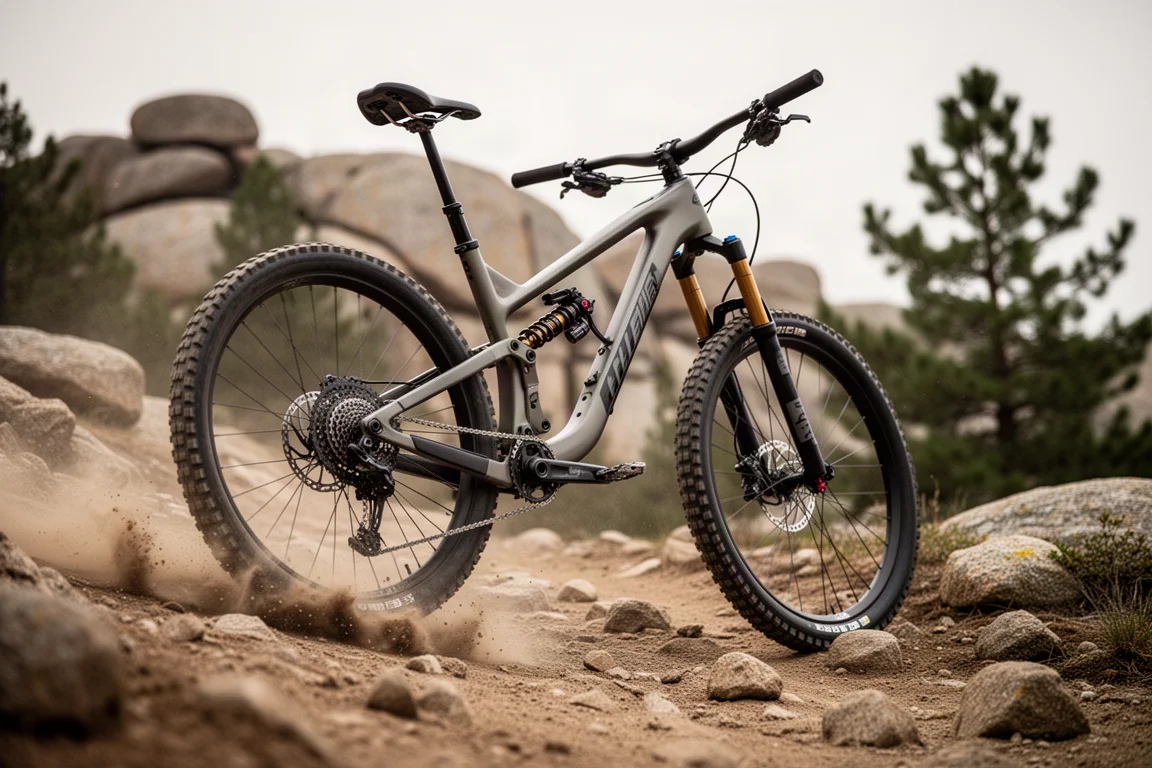
One practical detail catches people out: bikes in this class usually ship without pedals. Flat pedals are the common choice and let you step off quickly when a line goes wrong. Clip-in pedals transfer power more efficiently on climbs and reward a more committed riding style, but they take practice and make fast exits harder. For a first setup, flats are the easier place to start.
Bell Air: One Helmet That Converts
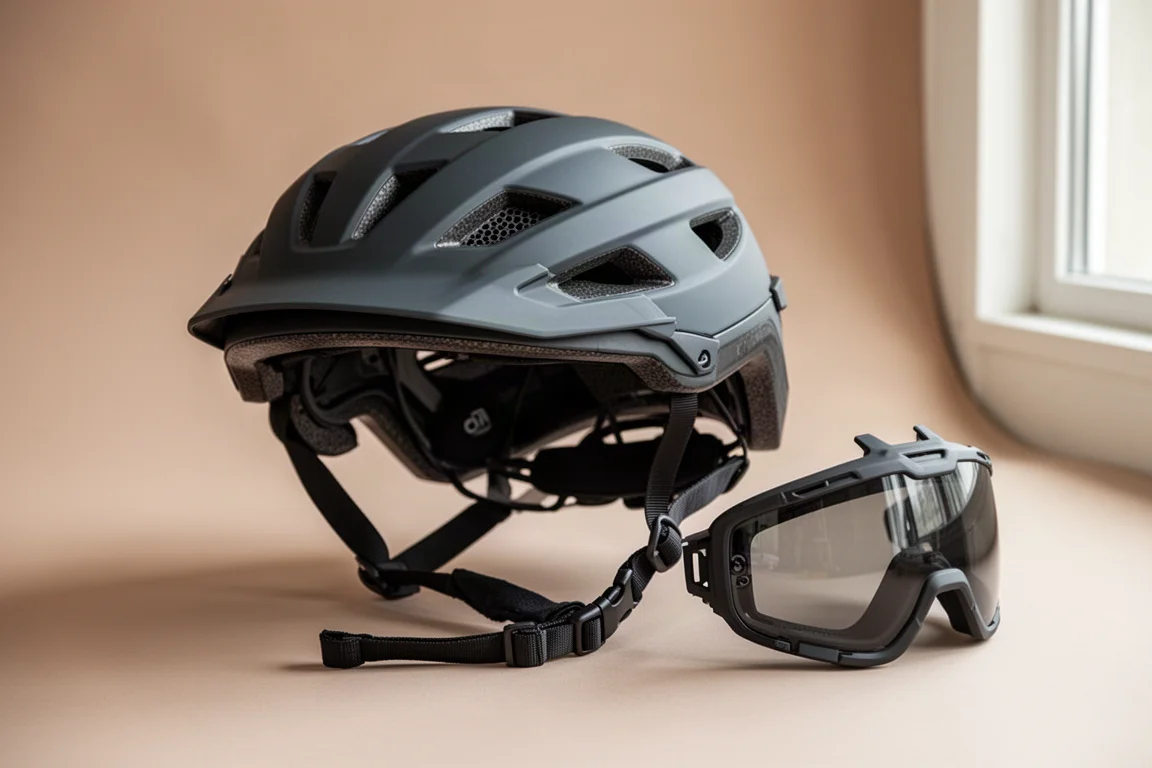
Helmets split into two broad types. A full face helmet protects the jaw and face in a hard crash on rocky descents, but it runs hot and feels heavy on long climbs. A traditional open helmet is cooler and lighter but leaves more of the face exposed.
The Bell Air takes a different approach by converting between the two. The chin bar can be removed for the climb and refitted for the descent, so a single helmet covers both directions of a ride. That flexibility is the main reason to consider it, and at around $300 it costs roughly what a single-purpose helmet of comparable quality would. Given how much time is spent climbing, the ability to shed the chin bar on the way up is not a small convenience.
510 Free Rider Pros: Shoes That Stay Planted
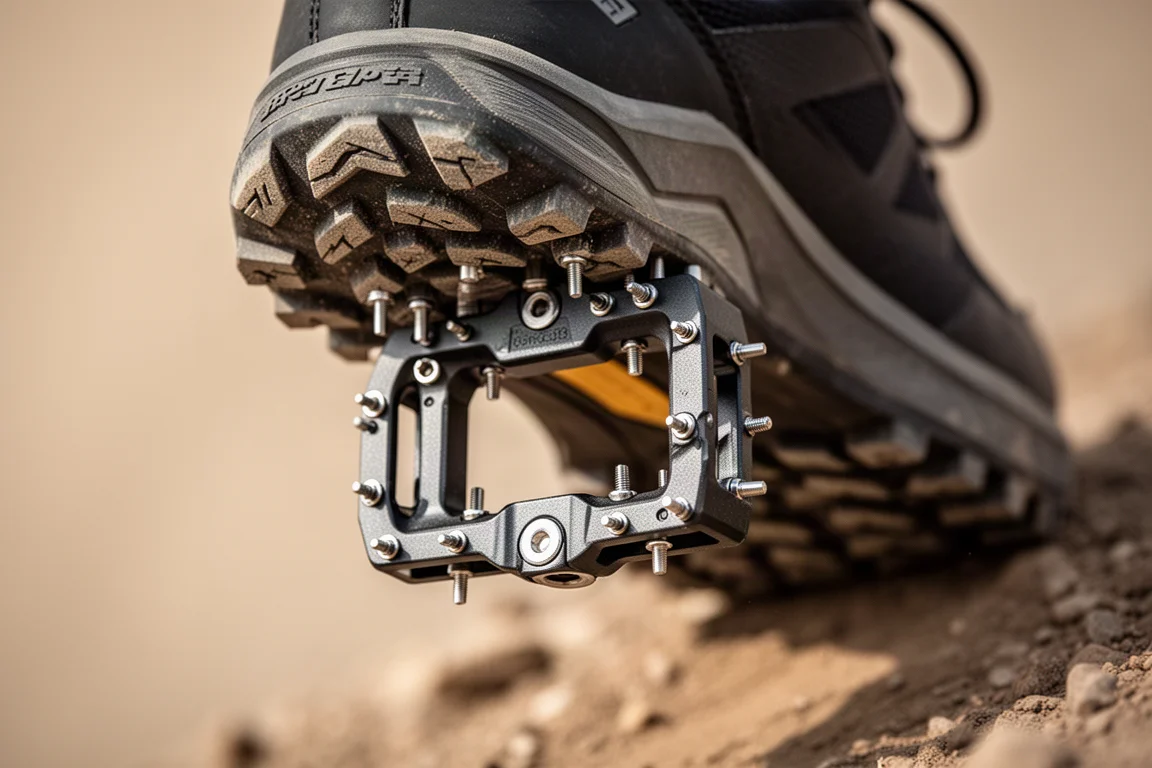
Ordinary hiking shoes and trail runners are a poor match for flat mountain bike pedals. Their soles flex, so the pedal pins dig in and the foot folds over the platform, which becomes uncomfortable quickly on longer rides. Riding shoes use a stiffer, flatter sole that stays flat against the pedal and holds grip.
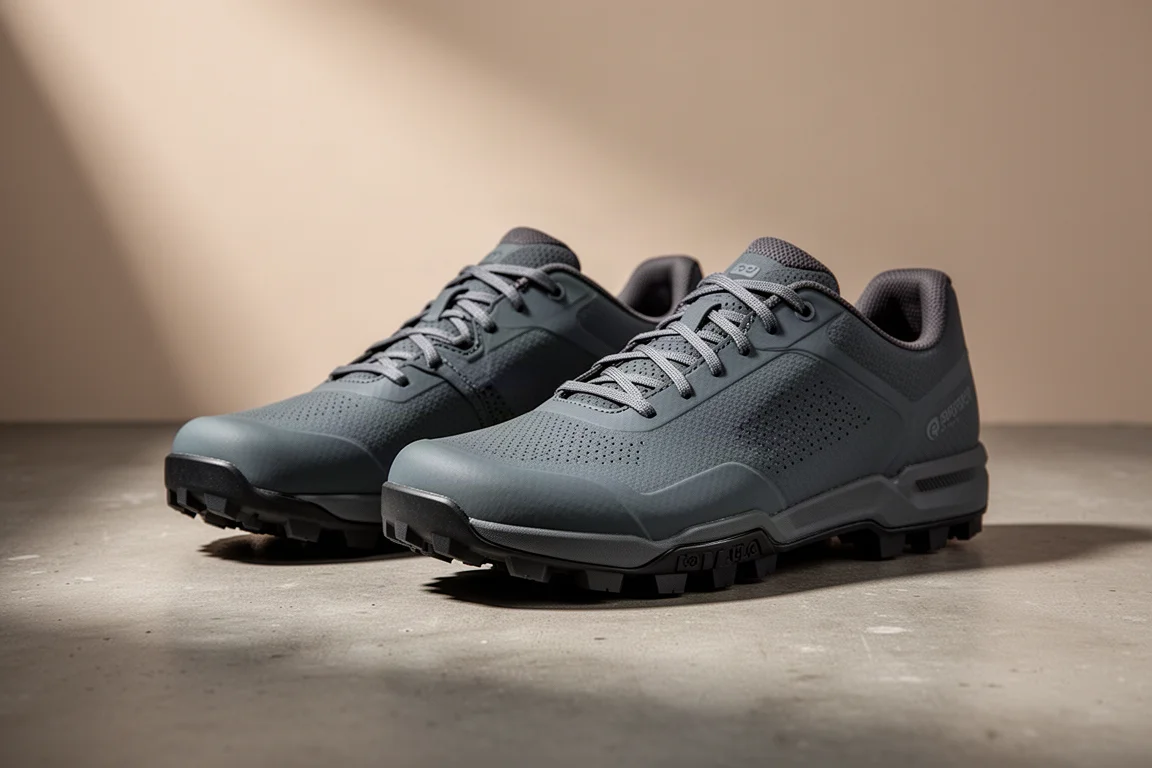
The 510 Free Rider Pros, now under Adidas ownership, are built for exactly that. The sole is sturdy and flat rather than soft and rounded, so the foot stays planted instead of wrapping around the pedal body. They cost around $150, which places them in the same range as most dedicated flat-pedal shoes.
Shoes sit close to the top of the priority list, and padding for the saddle area belongs there too, since stock mountain bike seats are not built for comfort over hours of sitting. Gloves are worth adding early as well: the palm padding helps when you are gripping hard, and it helps again when a hand goes down in a crash.
What You Can Add Later
Transport and security are the first additions once the basics are sorted. A tailgate pad handles short trips, and a rack rated specifically for an RV is worth the extra care if you travel that way, since RV platforms move more and put more stress on the bikes. A quality lock is cheap insurance against losing an expensive bike.
Next comes the kit you carry on the bike. A hip pack with a water bladder stays cooler than a backpack on long climbs, and the repair kit lives inside it: a tire plug for tubeless punctures, a small pump, a multi-tool for adjustments, dry chain lube for most conditions, a spare tube in case a puncture is too large to plug, and tire levers to fit it. A snack rounds it out.
Riding trousers and a fitted shirt survive crashes far better than hiking clothing, which tears up quickly on gravel and rock. Elbow and knee pads make sense for harder riding, and an action camera is the last item on the list for anyone who wants to record their rides. A bike cleaner and a little routine maintenance keep a mountain bike performing the way it should, since a dirty drivetrain gets noisy and shifts worse over time.
Overall Buying Advice
The order that makes the most sense is safety first, then contact points, then self-sufficiency, then convenience. A helmet, a bike, and a set of pedals will get you riding. Shoes, padding, and a repair kit make those rides longer and less stressful. Transport, a lock, and a camera can wait until the first season proves the habit is going to stick.
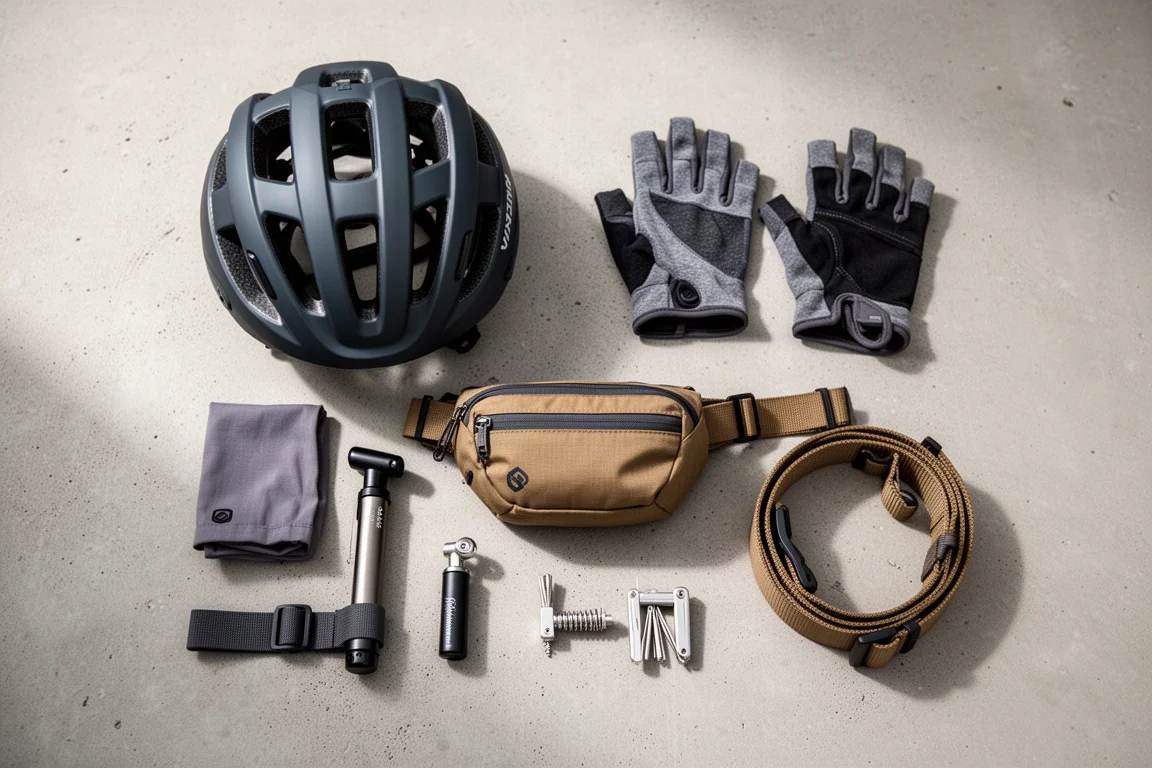
Cost is the honest part of this conversation. A complete first setup that includes the bike, helmet, clothing, transport gear, and a camera can land near $6,000. That figure is front-loaded: once the major purchases are done, ongoing spending drops sharply, and the equipment supports years of riding rather than a single season.
Fit matters more than budget tier. Spending more on a helmet that actually gets worn, or shoes that keep your feet comfortable over a long day, beats spending the same money on a lighter component you will not notice yet. Buy for the riding you do now, and let the upgrades follow the riding you grow into.
Conclusion
A first mountain biking setup does not need to be complicated. A helmet, a full suspension bike, a pair of flat-pedal shoes, and a belt that keeps everything comfortable cover the essentials, and each one earns its place the moment you start riding regularly. Everything beyond that is an upgrade you can add as your riding grows.
Further reading
Related Reviews
Mountain Biking Gear
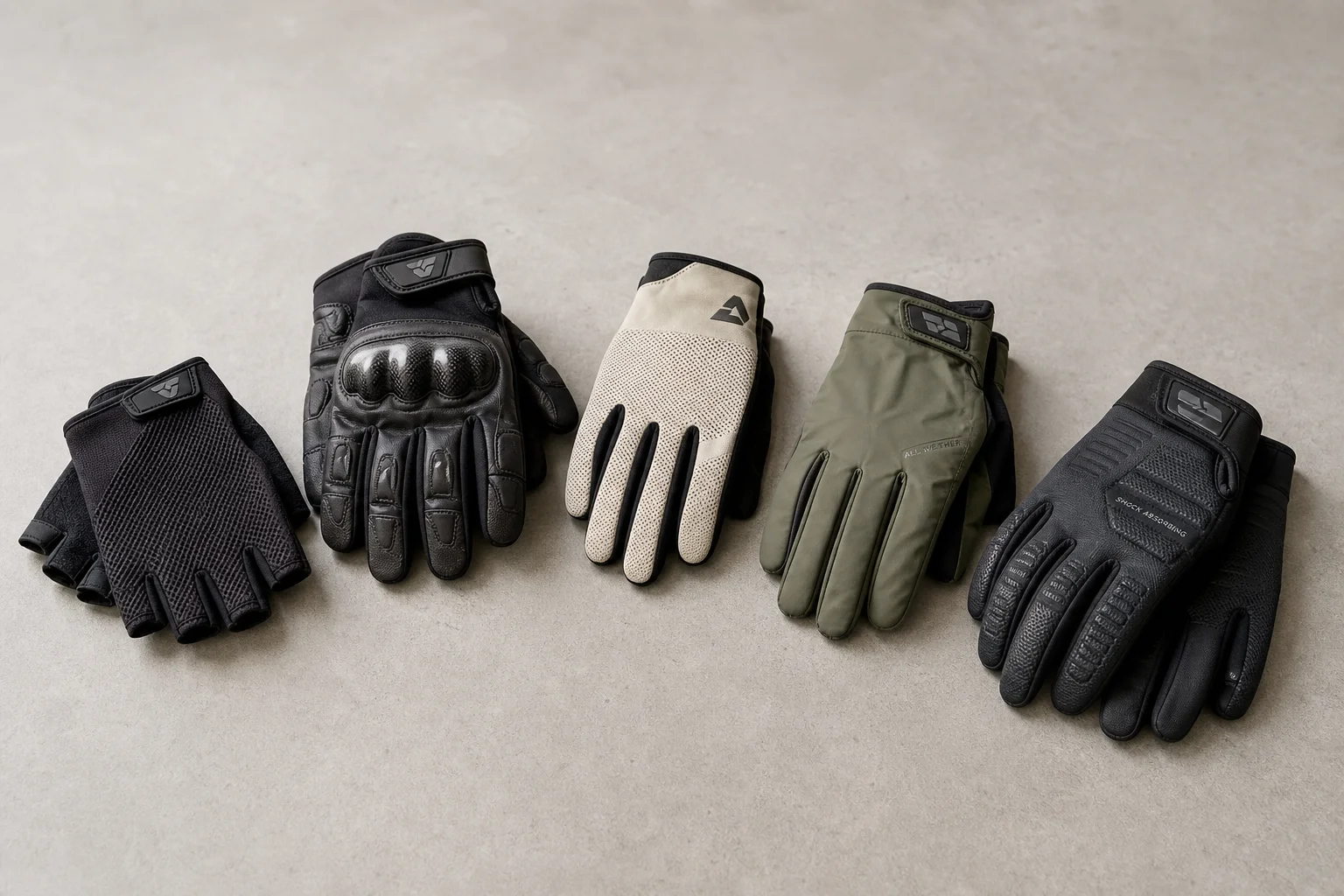
Best Mountain Biking Gloves 2026: Five Options for Different Riding Styles
Five mountain biking gloves tested for comfort, protection, and value. From lightweight summer options to heavy-duty knuckle guards, find the right pair for your terrain.

Backpacking Gear
Building a 10 lb Base Weight: An Ultralight Backpacking Gear List
A practical walkthrough of the ultralight pieces behind a 10 lb base weight, from a 765 g pack and a roomy one-person tent to a full camp chair and a dependable water filter.

Road Bikes
10 New Road Bikes Worth Watching: Aero, Titanium, Steel and Endurance Standouts
A practical roundup of 10 new road bikes, from aero flagships chasing single-watt gains to titanium, steel and endurance platforms built for real roads.