Trucks
First Gen vs Third Gen Toyota Tacoma: What Two Trucks Taught Me About Reliability and Value
A side-by-side look at a 2000 Tacoma SR5 and a 2017 Tacoma SR5, covering real ownership experiences, maintenance costs, towing behavior, and which generation makes more sense today.
Introduction
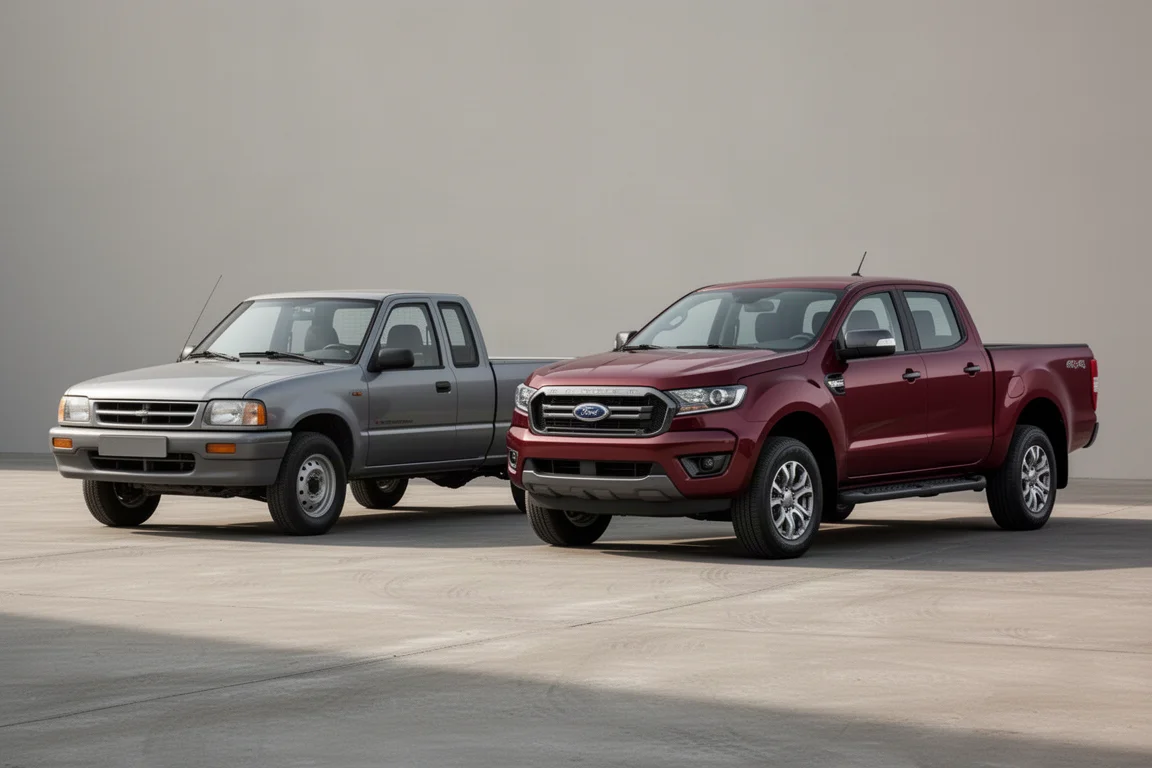
The Toyota Tacoma has a reputation that few trucks can match: rock-solid dependability, extreme off-road capability, and resale values that border on absurd. But ownership experience can vary a lot depending on which generation you buy. This comparison looks at two very different Tacomas: a 2000 SR5 from the first generation and a 2017 SR5 from the third generation, based on real long-term use, maintenance history, and how each one fits into daily work and life.
The 2000 Tacoma SR5: A Simple Truck That Keeps Going
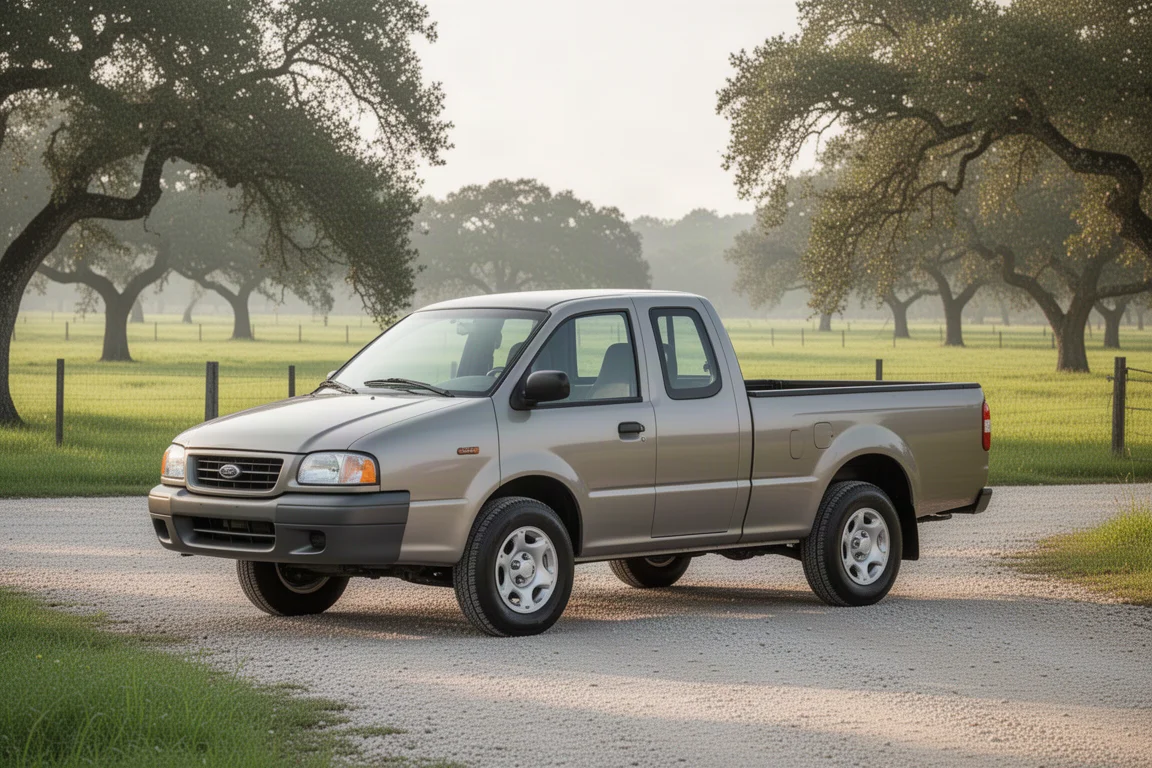
The first gen Tacoma, sold starting in the mid-1990s, is a compact truck in the truest sense. This particular 2000 SR5 is an extended cab, two-wheel drive, four-cylinder automatic with around 197,000 miles on it. Sitting inside feels closer to a 2000-era sedan than a modern truck: the seats sit low, and even a six-foot driver feels slightly cramped with the seat all the way back.
What makes this truck special is how little can go wrong. It starts on the first crank every time, it has thrown no check engine lights or stored codes, and it has no rust despite being nearly 25 years old. The original sticker price was somewhere around $12,000 to $15,000, and after a typical depreciation curve, values are climbing back up. Clean, unmodified examples are now regularly listed well over $5,000 or $6,000, and many first gens are pushing past $10,000.
It is worth noting that this truck is not as original as it first appears. The previous owner put roughly $1,000 into it, including a new radiator and full cooling system, new AC system, a rekeyed ignition and doors, a new radio, and all-new speakers. That is part of the first gen ownership story: most surviving examples have had meaningful work done, and that is exactly what keeps them on the road.
Why First Gen Tacomas Are So Easy to Work On
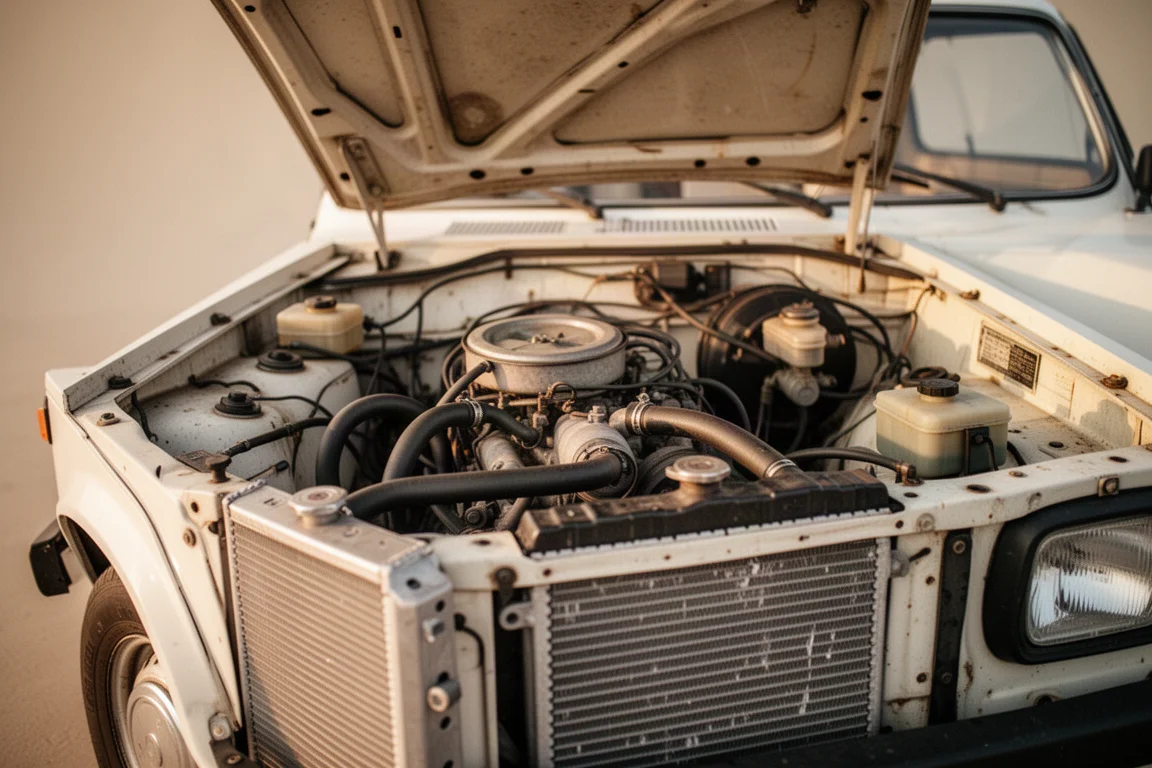
The biggest argument for a first gen is simplicity. There is very little in the engine bay that can fail in a complicated way, and nearly every job is accessible without special knowledge. Parts are cheap, often landing between $10 and $70 per item. A full service with spark plugs and every fluid came out to around $160 at a retail parts store, and closer to $90 when shopping online.
Even the hardest job on this truck, the fuel filter on the four-cylinder, is manageable once you know where the four bolts are and have the right tools. First-timers can realistically handle it. The exhaust is equally straightforward: it runs below the passenger floorboard and along the side of the bed, so replacement work is simple with basic hand tools.
Maintenance habits matter more than anything. The four-speed automatic shifts hard when the fluid gets old and gummed up, especially going from drive into reverse, but a fluid change largely resolves it. These engines and transmissions are known to reach very high mileages when fluids are kept fresh, which is why mechanics repeat the same advice: fluid is always cheaper than parts.
The 2017 Tacoma SR5: A Capable Commuter With Caveats
The third gen Tacoma tells a different story. A 2017 SR5 two-wheel drive bought at around 10,000 miles looked perfect inside and initially seemed like an ideal small commuter for tight city parking. But problems started almost immediately: a leaking rear differential, a catastrophic third brake light leak that flooded the back seat during heavy rain and required the dealership to pull the seat, carpet, and headliner materials, vacuum issues throwing check engine lights, and a radio that went completely black. Trips to the dealer became a near-monthly routine, and at one point every single service bay at a large Toyota dealership was occupied by a Tacoma from that era.
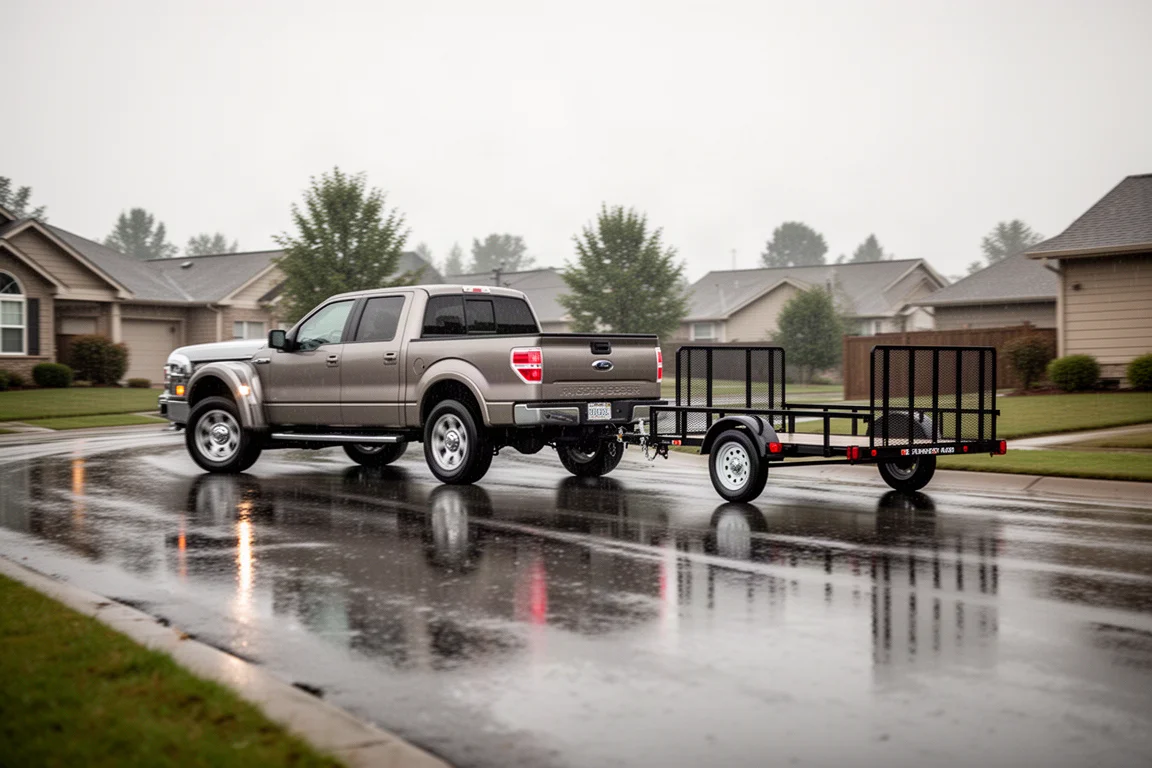
The engine and transmission held up, and the truck never left its owner stranded. It also towed beyond expectations off-road, never getting stuck in mud even with a trailer attached, something larger trucks cannot always claim. But towing on the road was a weak spot: despite a 7,000 lb rating, a roughly 3,000 lb trailer load made the truck uncomfortable to stop, especially in rain, with front-end skittishness under braking. Fuel economy averaged only 15 to 17 mpg, dropping to around 11 while towing.
There was also an odd, pronounced jolt when coming to a stop, a characteristic Toyota described as normal for the truck. The takeaway for buyers: the 2016 and 2017 model years had a rough patch, and anyone shopping third gen should strongly prefer 2018 or newer. The fourth gen introduces a turbo engine and significantly higher pricing, which gives some buyers pause.
Which One Should You Buy?
The answer depends entirely on what you want out of a truck. The first gen is the right choice if you value mechanical simplicity, cheap parts, easy DIY repairs, and a vehicle that will hold or gain value. Expect to hunt: clean, unmodified, rust-free examples are genuinely hard to find, and most listings are lifted and heavily modified. Also be careful with parts, because first gens received small design changes over the years and not every part fits every model year.
The third gen suits buyers who want a modern, comfortable daily driver with warranty-era support and a strong safety net from Toyota. Just approach 2016 and 2017 examples with caution, confirm service history, and be realistic about towing limits and fuel economy. Alternatively, a second gen is a popular middle ground, though prices there have climbed past $10,000 for clean trucks.
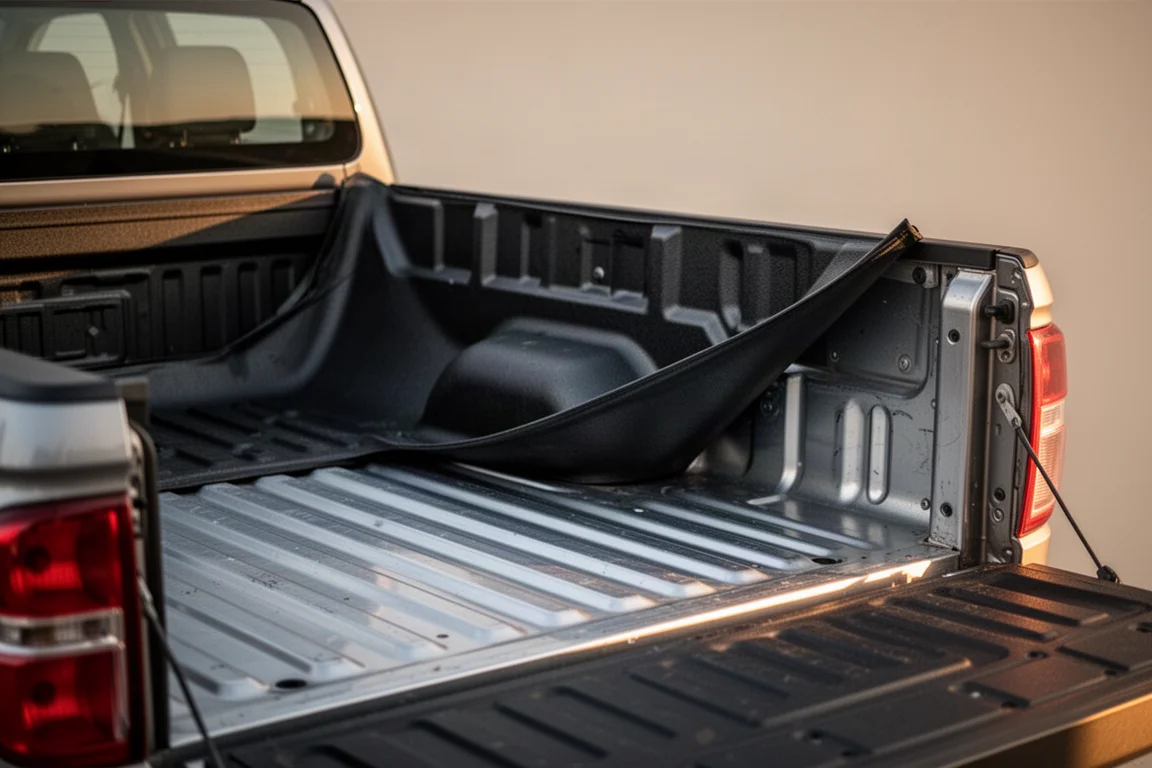
A drop-in plastic bedliner is a small detail worth checking on either generation: lifting it reveals the condition of the bed metal underneath, and it is one of the easiest ways to judge how a truck was actually cared for. On this first gen, the bed underneath the factory liner looks brand new.
Conclusion
Both trucks explain why the Tacoma name carries such a devoted following. The 2000 SR5 proves the durability legend is real, provided you find one that has been maintained and are willing to turn a wrench. The 2017 SR5 shows that even a strong brand can have rough model years, and that midsize trucks come with real towing and fuel economy trade-offs. Buy the first gen for simplicity and DIY satisfaction, buy a third gen from 2018 onward for modern comfort, and either way, you are getting a truck that will hold its value better than almost anything else on the road.
Product link
View more details for Toyota Tacoma First Gen (2000 SR5)
This product is mentioned in the review. Check the specifications, options, and compatibility before buying.
View more details for Toyota Tacoma First Gen (2000 SR5)Further reading
Related Reviews
Trucks
2022 Ford F-250 Lariat Tremor Review: A Heavy-Duty Truck Worth Ordering Right
Why the 6.7L Power Stroke Tremor package makes this F-250 Lariat a stand-out heavy-duty pickup, plus the ordering and buying lessons learned along the way.

Backpacking Gear
Building a 10 lb Base Weight: An Ultralight Backpacking Gear List
A practical walkthrough of the ultralight pieces behind a 10 lb base weight, from a 765 g pack and a roomy one-person tent to a full camp chair and a dependable water filter.

Road Bikes
10 New Road Bikes Worth Watching: Aero, Titanium, Steel and Endurance Standouts
A practical roundup of 10 new road bikes, from aero flagships chasing single-watt gains to titanium, steel and endurance platforms built for real roads.