Outdoor Apparel
Fireball Jacket Review: A Stretch Insulation Layer Built for High-Output Days
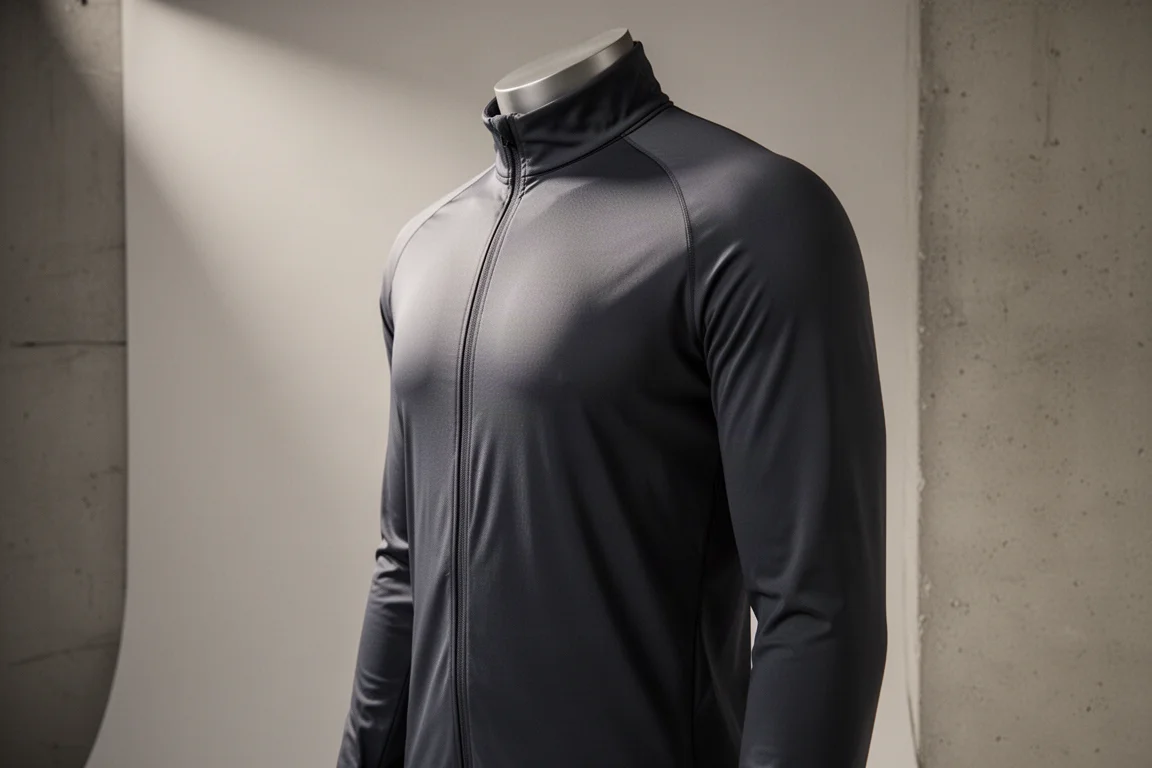
The Fireball Jacket pairs a four-way stretch woven face with 60 g of perforated synthetic insulation for breathable, self-regulating warmth while you keep moving.
Introduction
The Fireball Jacket is built around a simple idea: one layer that manages temperature and moisture while you keep moving. Rather than asking you to stop and adjust zips or swap layers, it pairs a four-way stretch woven face fabric with a four-way stretch synthetic insulation, so the garment can breathe, move with you, and hold its warmth across a wide range of effort levels.
That combination is what makes it a modern insulation piece rather than a straightforward midlayer. The face fabric and the insulation are designed to interact with each other, letting excess moisture vapor leave the system instead of sitting against your skin.
Who This Jacket Is For
The Fireball is aimed at active use, the kind where you are producing high energy output and a lot of moisture vapor and want that vapor moved out of the garment without stopping to adjust your layers or the jacket itself. The goal is a piece you can put on and keep on, one that self-regulates your temperature in an efficient and comfortable way as your effort rises and falls.
That makes it a strong fit for fast, sustained activities in cool conditions, and for anyone who dislikes the stop-start ritual of venting and re-layering mid-session.
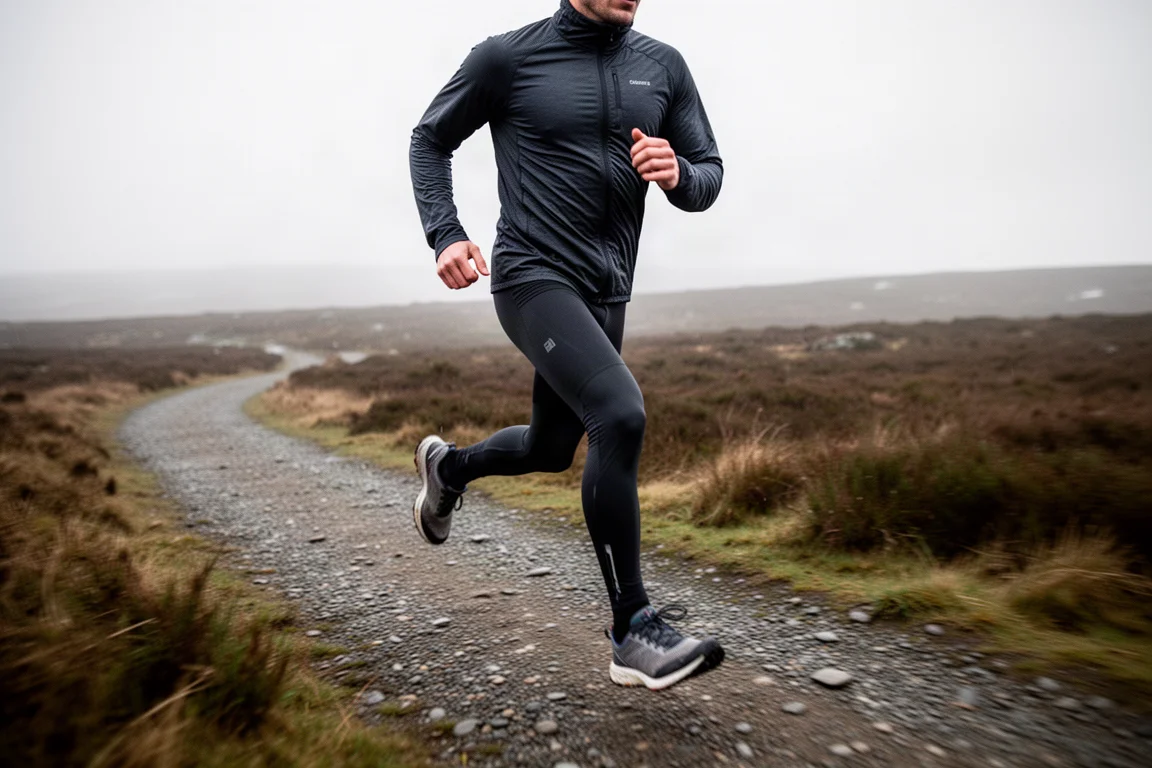
If your typical outing involves long stretches at a steady aerobic pace, this is the kind of layer that stays out of the way and lets you focus on moving.
Fabric, Stretch, and Comfort
The face textile is a plain woven fabric made from 90% nylon and 10% polyurethane. The polyurethane is there to deliver four-way stretch, which means full freedom of movement even in a close-fitting garment. It also keeps the fabric soft, quiet, and stretchy in every direction, which raises the comfort level inside the jacket considerably.
The yarns are fine: 12 denier by 30 denier, where denier is simply a measure of yarn fineness and a lower number means a finer yarn. The fabric itself weighs 64 grams, keeping the overall package light.
A C6 DWR finish handles light showers, letting water bead up and roll off for an extra layer of protection in passing weather.
Insulation and Moisture Management
Inside, a synthetic sheet insulation provides four-way stretch and recovery, so the freedom of movement in the face fabric is matched throughout the whole product. It maintains its loft repeatedly over time, which means it keeps a consistent level of warmth, and it continues to insulate even when it gets wet.
The insulation is 60 grams, using a perforated construction that maximizes moisture vapor transmission without sacrificing insulation value. Perforation sizing matters here: there is a limit to how large the pores can be before air starts circulating inside the insulation and generating a convection current that costs thermal value. Below that threshold, the air stays in place and the warmth is retained.
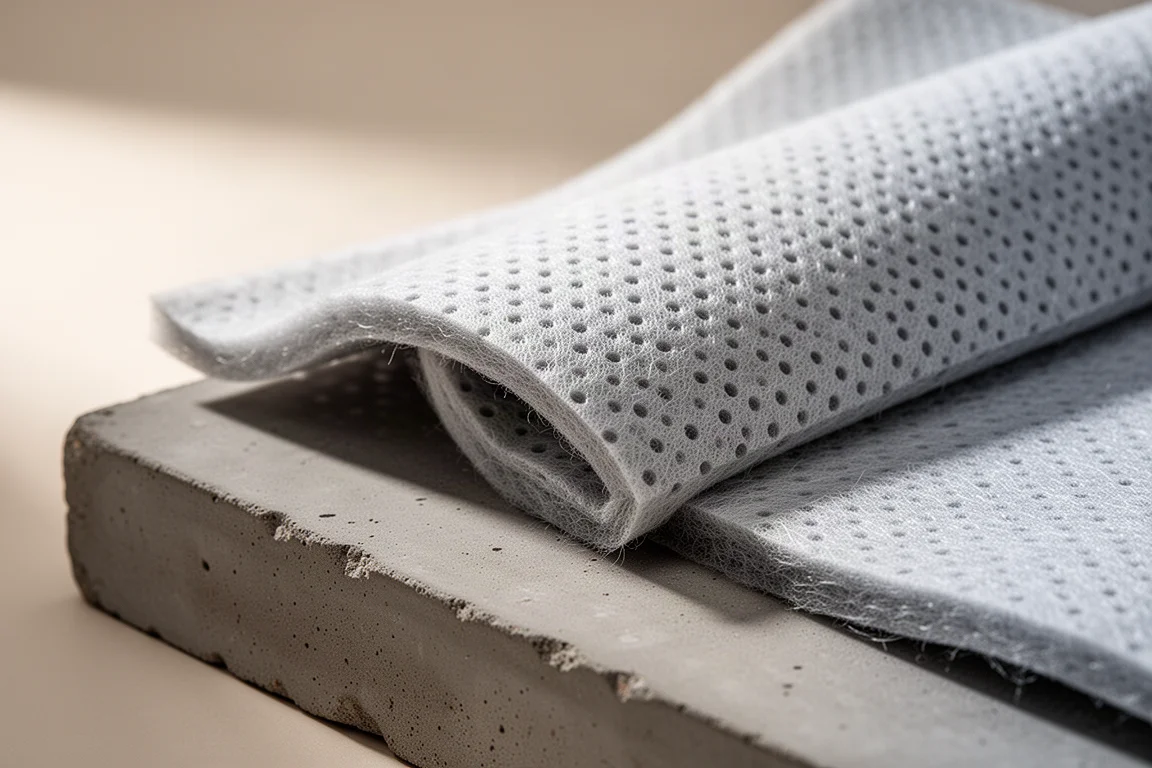
The insulation is also migration proof, which is what allows such a highly open face textile to be used without fibers working their way through the outer fabric over time.
Wind Resistance and Air Permeability
The face fabric has an air permeability of 30 CFM, which is a fairly high figure. CFM measures airflow in cubic feet per minute: the lower the number, the more windproof the fabric, and the higher the number, the more air passes through it.
Some airflow is genuinely useful. Air moving through the fabric can pick up excess moisture vapor and strip it out of the garment without you having to adjust zips or fastenings.
Wind resistance is also additive across layers. When wind penetrates a stack of insulation, it reduces the effective warmth of the active layer without changing its physical thickness. In a strong, cold wind, or at high relative wind speed such as riding a bike fast, the level of penetration changes and the insulation’s effective warmth drops with it.
Real-World Use and Layering
In practice, the Fireball performs best in high-paced, fast-moving aerobic activity where the breathable face fabric and perforated insulation can do their job. When you slow down, or when the wind picks up and the air turns cold, you may want an additional layer on top to protect against excess wind chill.
Think of it as a hybrid sitting between the fleece category and a true outer piece. It offers more protection than a fleece on its own, but less than a windproof shell combined with a fleece. That middle space is what makes it versatile: a comfortable, warm layer that covers a very wide range of activity levels and weather conditions.
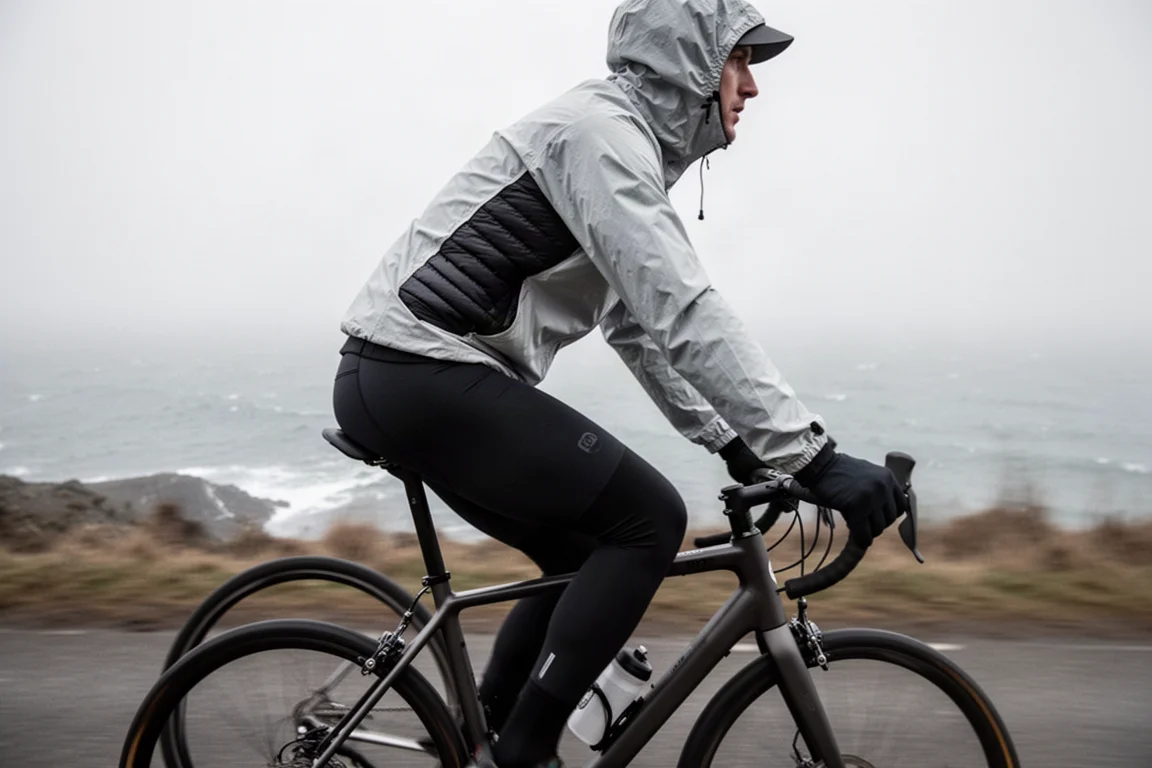
That positioning is the key to buying it well. It is not a replacement for a hard shell in exposed, windy conditions, but as the layer you wear for most of a moving day it makes a lot of sense.
Things to Consider Before Buying
- Wind protection is moderate by design. The 30 CFM face fabric favors breathability over blocking wind, so cold, strong winds or high relative wind speeds will call for an extra shell layer on top.
- The DWR finish is aimed at light showers. It helps water bead and roll off, but it is not a substitute for a waterproof layer in sustained rain.
- Warmth scales with activity. Riders and runners moving fast will get the most from the design, while slower, stop-start use in cold conditions will likely need layering support.
- The fit is close by intention. Four-way stretch in both the face fabric and the insulation is what makes a close-fitting cut comfortable, so sizing should reflect the layers you plan to wear underneath.
Buying Advice
Choose the Fireball Jacket if your priority is a breathable, stretchy insulation layer for high-output activity in cool weather, and you want something that manages moisture without constant adjustment. It rewards people who keep moving.
If your conditions are dominated by strong, cold wind, plan for a windproof shell over the top, since the fabric’s air permeability is tuned for ventilation rather than wind blocking. Paired that way, the jacket covers a wide range of activity levels and conditions while staying comfortable.
For most buyers, the decision comes down to how you use it: as a standalone layer for fast, sustained efforts, or as part of a system for colder and windier days.
Conclusion
The Fireball Jacket makes its case through integration. A 90% nylon, 10% polyurethane woven face with four-way stretch, 30 CFM air permeability, a C6 DWR finish, and 60 grams of perforated, migration-proof synthetic insulation all work toward the same goal: keeping you warm and dry from the inside while you keep moving. If that matches how you train or ride, it is an easy layer to justify.
Product link
View more details for Fireball Jacket
This product is mentioned in the review. Check the specifications, options, and compatibility before buying.
View more details for Fireball JacketFurther reading
Related Reviews
Outdoor Apparel
Arc'teryx Atom LT Review: A Lightweight Synthetic Mid-Layer Built for Movement
A close look at the Arc'teryx Atom LT, a breathable synthetic mid-layer with Coreloft insulation, fleece side panels, and a helmet-compatible hood.
Outdoor Apparel
Fjällräven Vidda Pro Ventilated Trousers Review: Tough Trekking Pants With Two Long Vents
A detailed look at the Fjällräven Vidda Pro Ventilated trousers, covering the G-1000 fabric, side ventilation zips, pocket layout, sizing, and the trade-offs to weigh before buying.
Outdoor Apparel
Helicon Tex Windrunner Review: An 8-Ounce Nylon Wind Shirt at $70
A close look at the Helicon Tex Windrunner, an ultra-light nylon anorak with strong ventilation, a $70 retail price, and a sizing chart that runs large.