3D Printing Equipment
Filament Dryer Comparison: Drywise vs Thorus and the Case for Inline Drying
Two commercial inline filament dryers tested against a DIY tin-can approach. What works, what doesn't, and why airflow matters more than you might think.
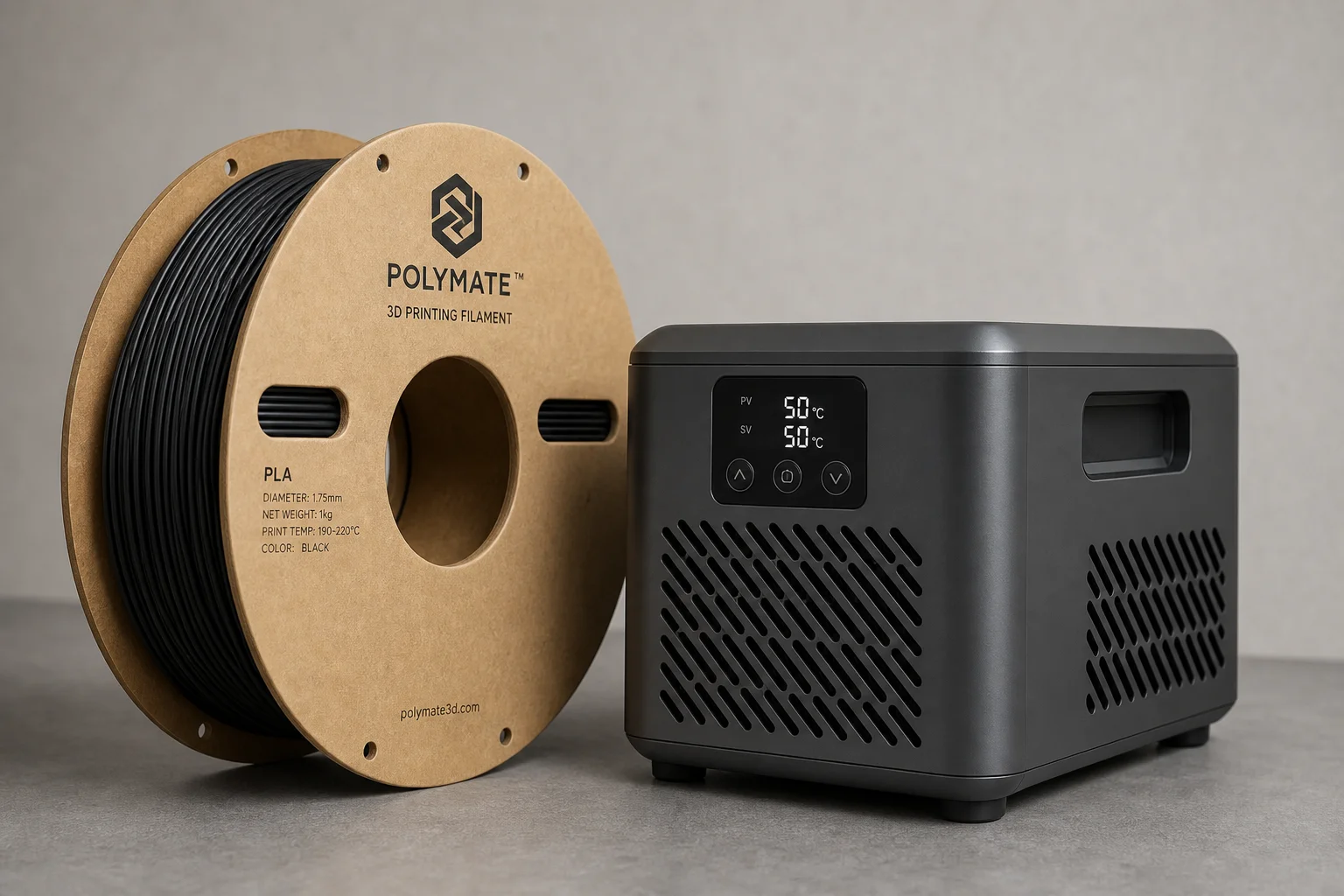
Why Filament Moisture Matters
Wet filament produces visible defects during printing. Moisture trapped inside the material causes bubbling, surface irregularities, and failed prints. The problem is immediate and frustrating: by the time traditional drying methods finish their 8-hour cycle, the motivation to print has already faded.
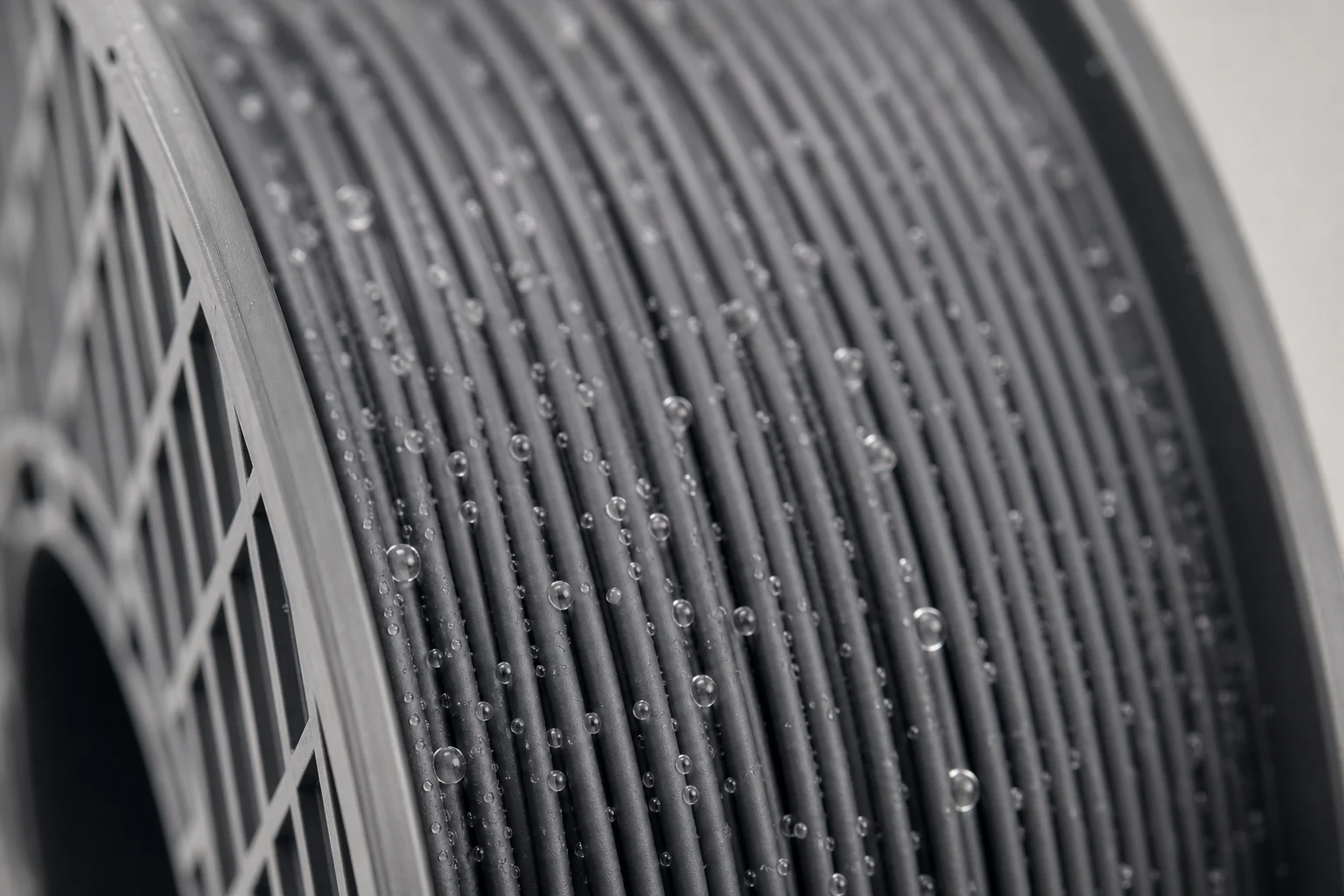
Most 3D printing enthusiasts resort to desiccant storage or basic heated boxes, but these methods dry only the outer layers while the filament core remains damp. This inefficiency wastes time and material.
The Airflow Discovery
The key insight that separates effective drying from ineffective drying is airflow. Clothes dry faster on a windy day. Silica gel dries faster when exposed to moving air. The same principle applies to filament.
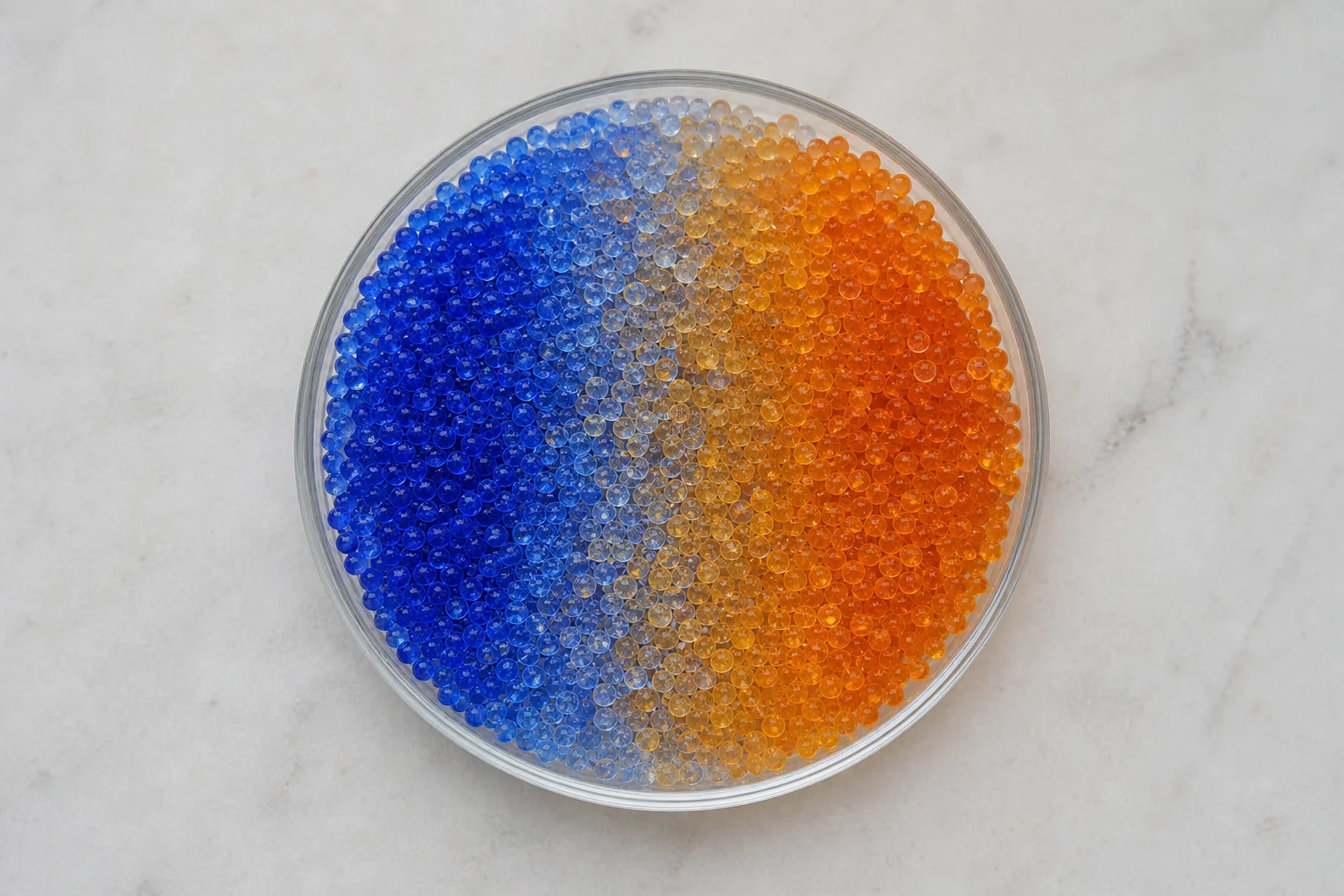
Standard filament dryer boxes rely on passive heat. The heating element warms the internal air, but without active circulation, only the outer surface of the spool experiences consistent airflow. The interior remains stagnant and damp. Adding a fan changes everything: hot air moves continuously around the entire filament, not just past it.
Testing the DIY Approach
A simple prototype using a PTC heater with a built-in fan, a tin can, and some tape demonstrated the principle. The filament was exposed to hot airflow from all directions, mimicking the conditions that dry silica gel effectively.
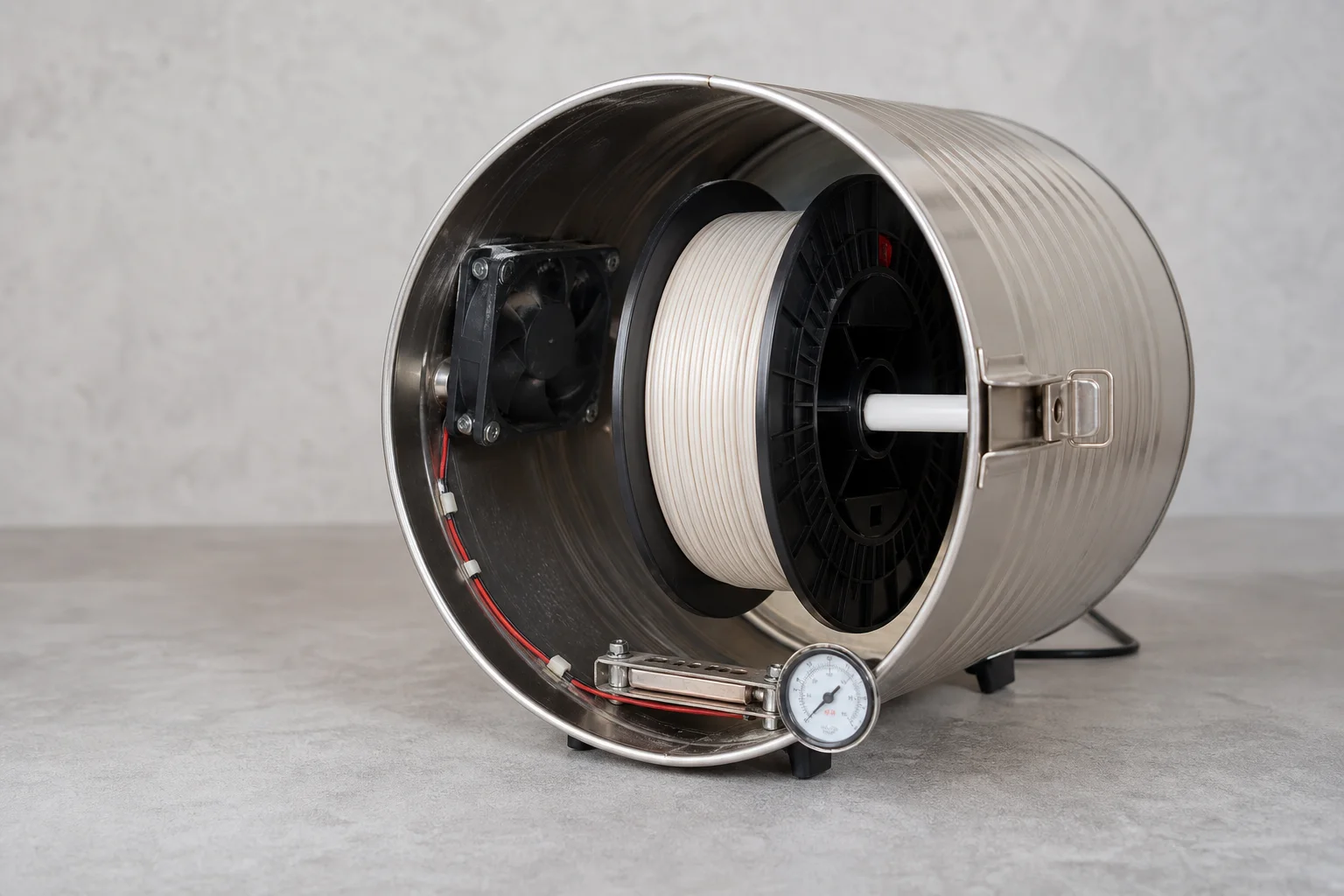
Testing used TPU filament that had been stored in high-humidity conditions (60% relative humidity by the sea) for 24 hours. Initial results were mixed until the test was redesigned to match real-world use: TPU pulled from a dry box and run through the tin-can dryer, rather than pre-wetted filament.
Drywise: The Commercial Smart Option
Drywise is a fully featured inline filament dryer with a screen, adjustable settings, and comprehensive controls. It represents the premium approach to the problem.
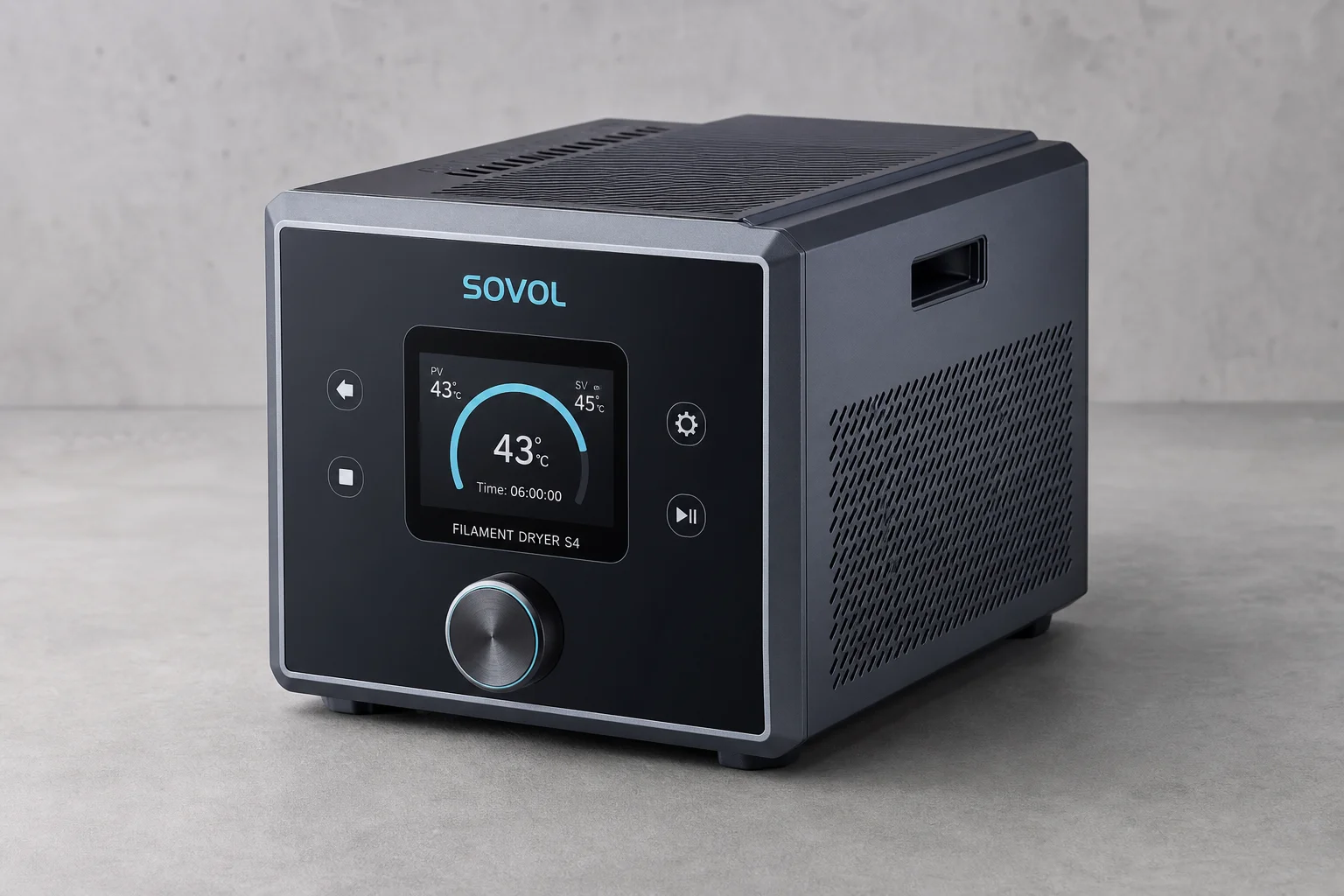
The system costs around $2,000 and requires an additional accessory (apparently necessary, though the exact function is not transparent from available reviews). The internal mechanism is not publicly documented, making it difficult to understand what distinguishes it from simpler alternatives or whether the price reflects genuine performance gains.
Thorus: The Minimalist Control Unit
Thorus positions itself as a simpler alternative, offering a control unit with a heating element designed for inline drying. The form factor is closer to the DIY tin-can approach.
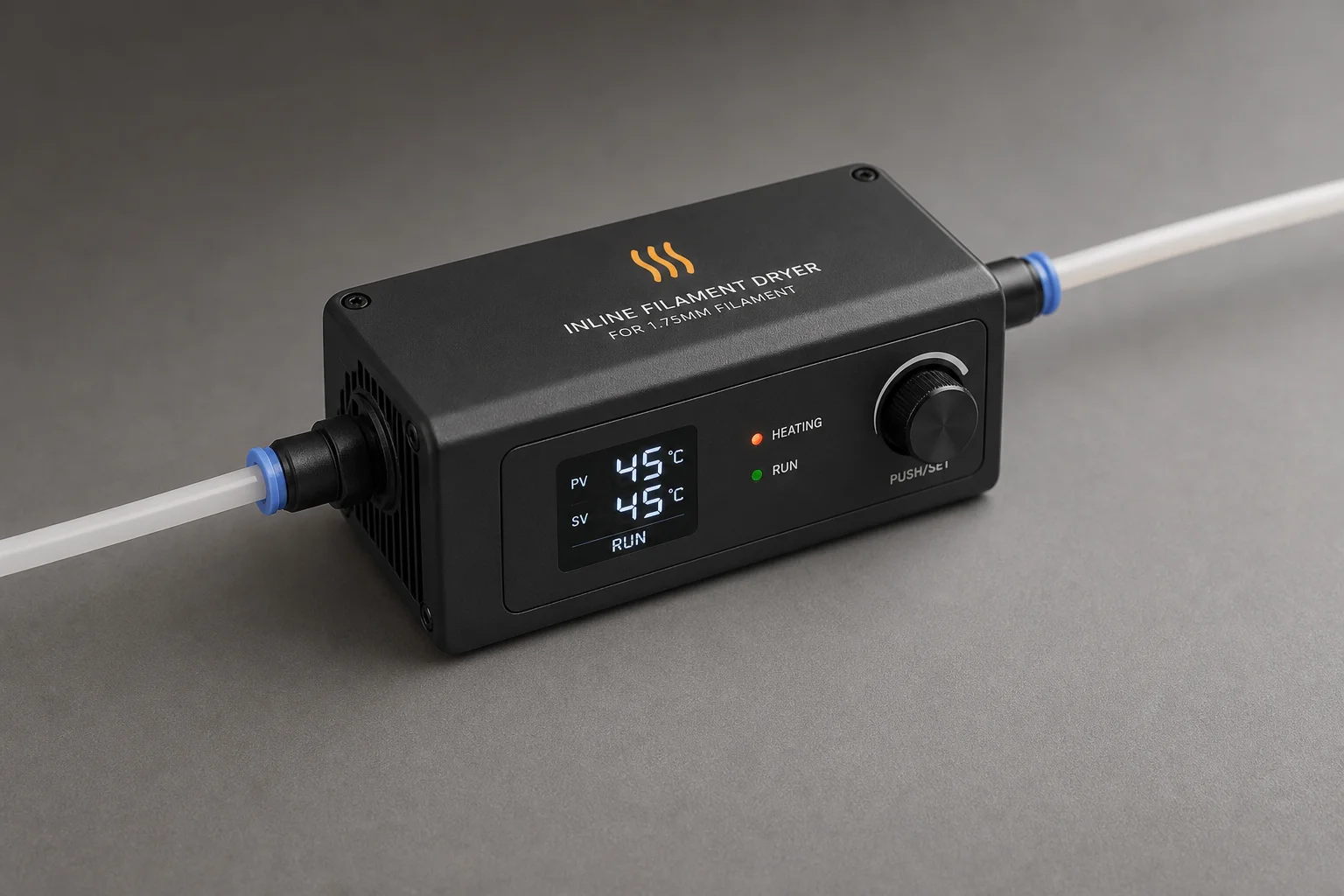
Available reviews consistently report that the Thorus unit does not deliver the expected results. Multiple sources indicate performance issues that undermine its value proposition, despite the lower cost compared to Drywise.
Real-World Results
When tested properly, the tin-can dryer produced measurable improvements. Filament dried through the airflow-based system showed almost complete elimination of moisture artifacts compared to untreated material. The visual difference was clear: smooth, clean surfaces above the drying line, and visible bubbling and defects below.
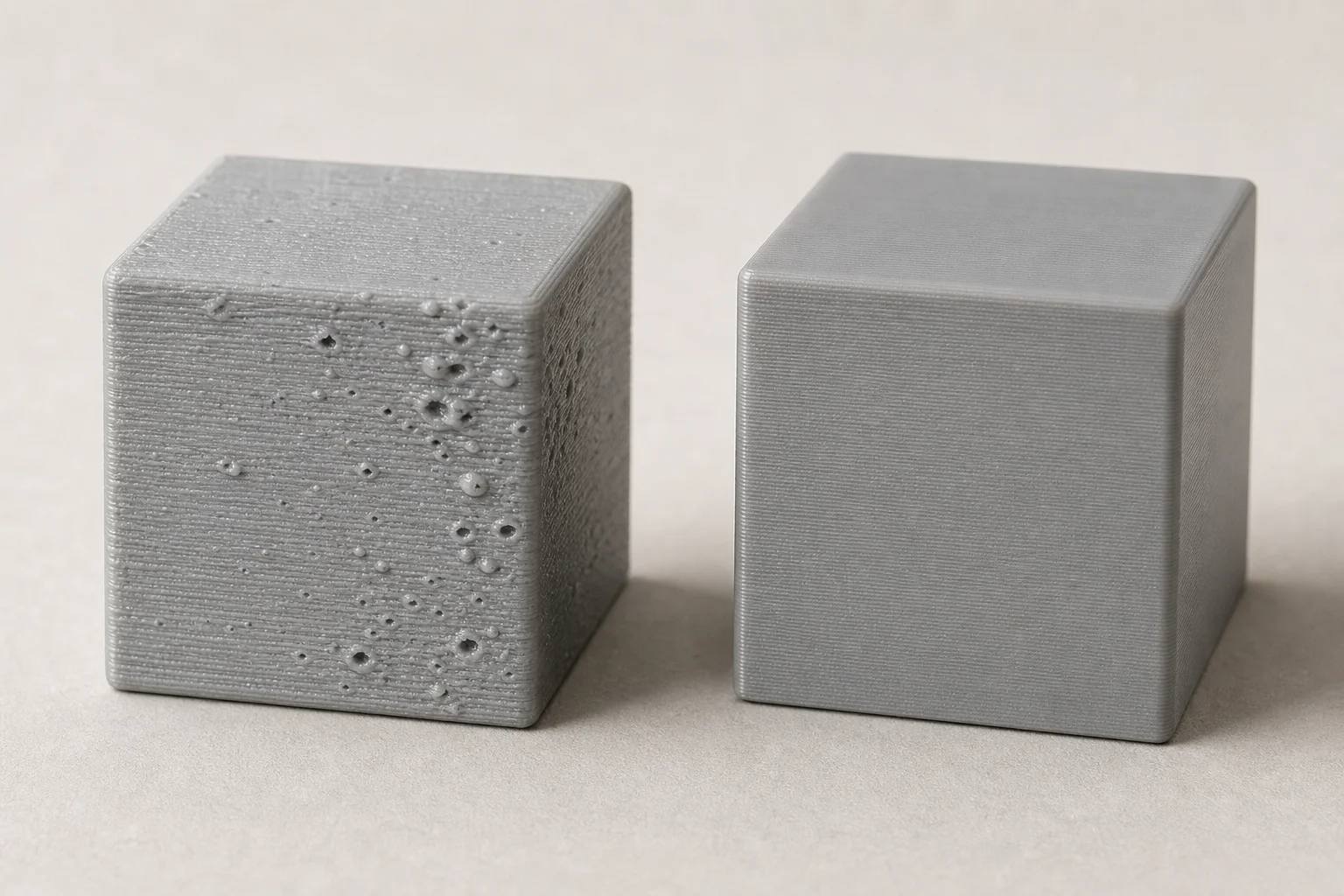
This success raises questions about why inline filament drying has not become standard in the 3D printing market. The technology is not new; reviews of similar products exist from several years ago. Yet commercial adoption remains limited, and most users still rely on overnight drying cycles or desiccant storage.
Conclusion
Airflow-based drying works. The evidence is visible in the printed samples. Whether you choose a commercial solution like Drywise, attempt a DIY build, or stick with traditional methods depends on your printing volume and patience for drying cycles. The core principle remains: moving hot air dries filament faster and more completely than static heat alone.
Further reading
Related Reviews
3D Printing Equipment
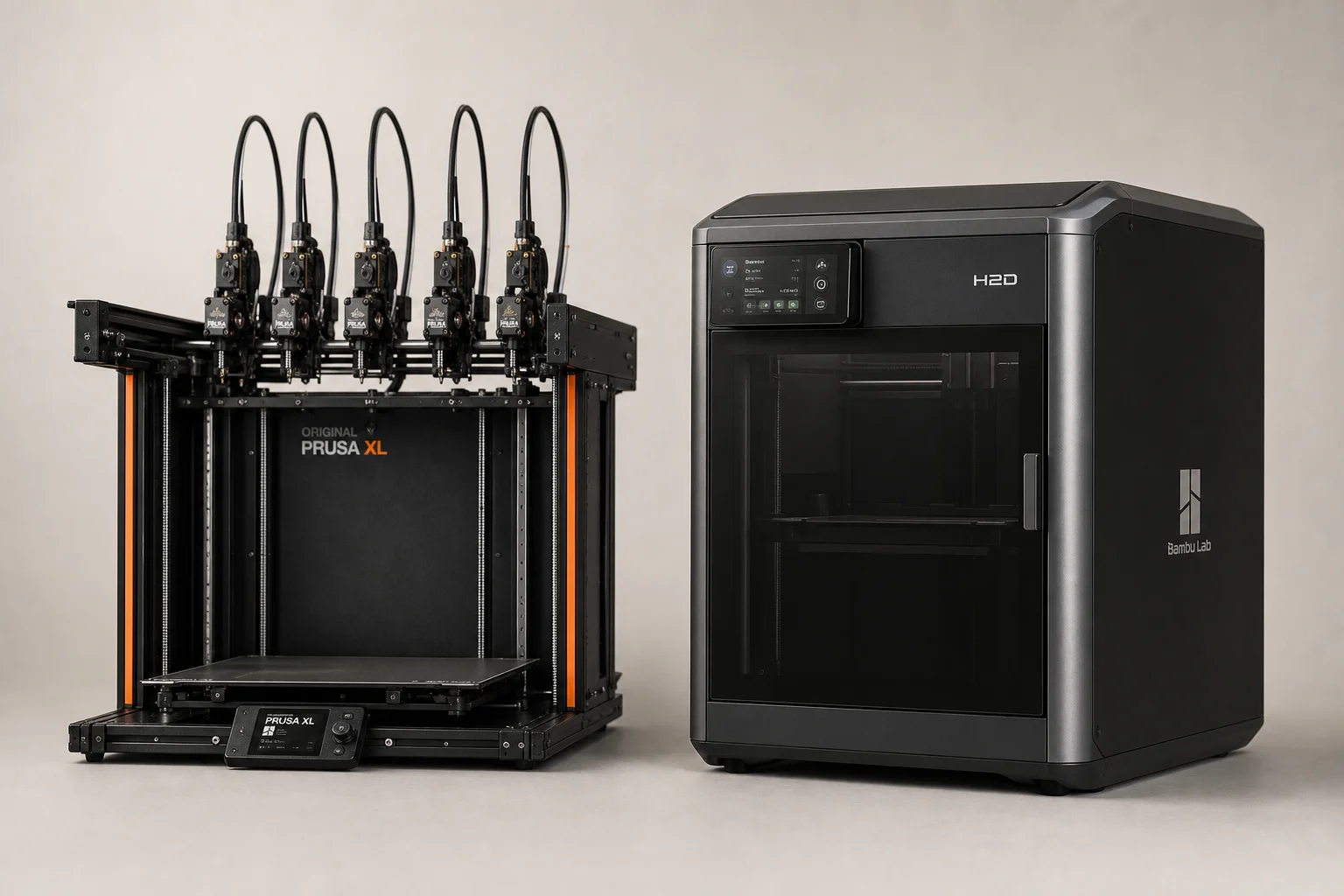
Prusa XL vs H2D: When a Slower, More Complex 3D Printer Makes Sense
The Prusa XL costs twice as much and prints slower than the H2D, but its five independent print heads unlock capabilities neither machine can match alone. Here's when each printer is the right choice.
3D Printing
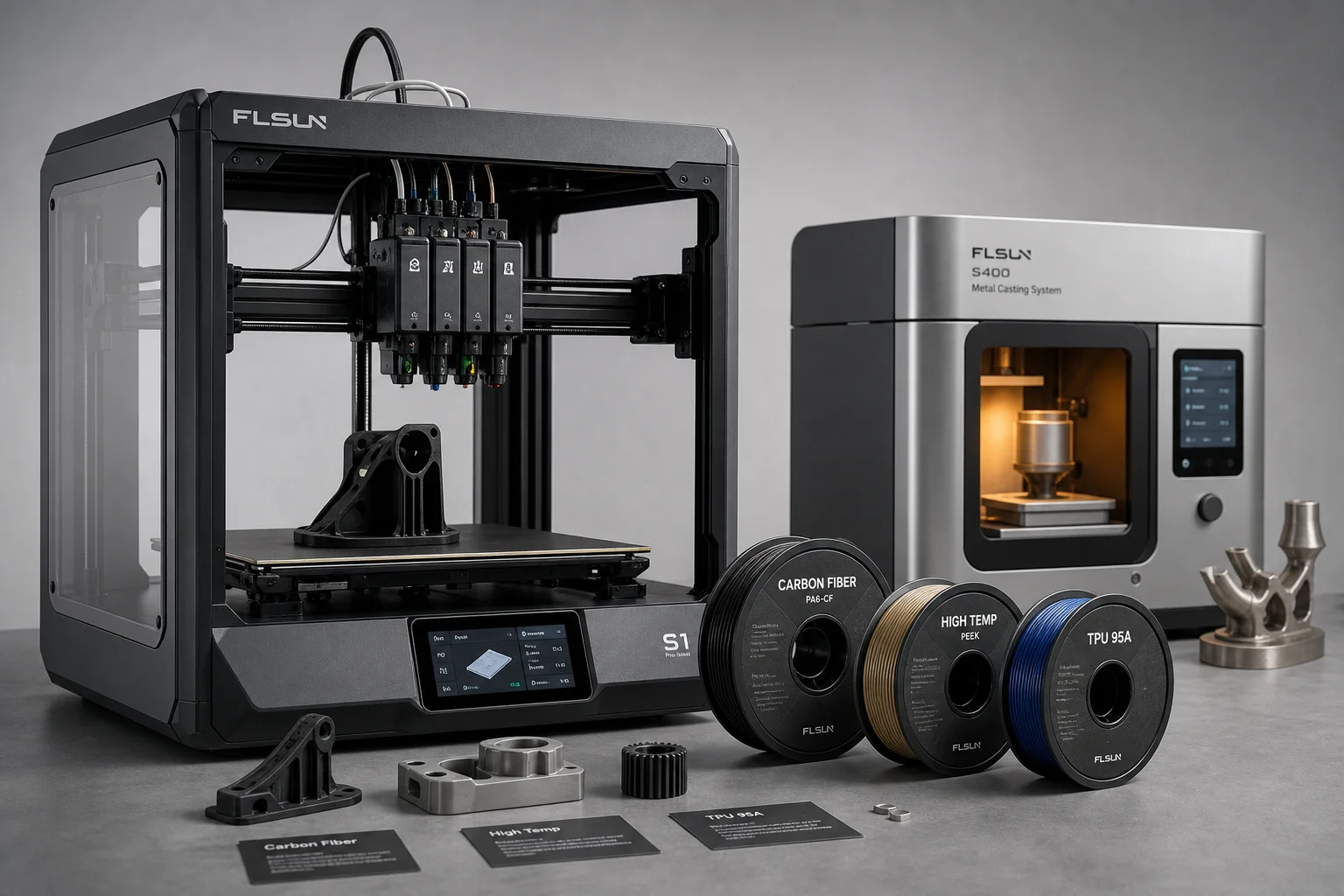
3D Printing Trends 2026: Multi-Material Systems, Stronger Filaments, and Desktop Metal Casting
FormNext 2025 revealed the direction of 3D printing in 2026: accessible multi-material printers, high-strength filaments, and innovative software solutions that bring industrial capabilities to the desktop.
3D Printing Materials
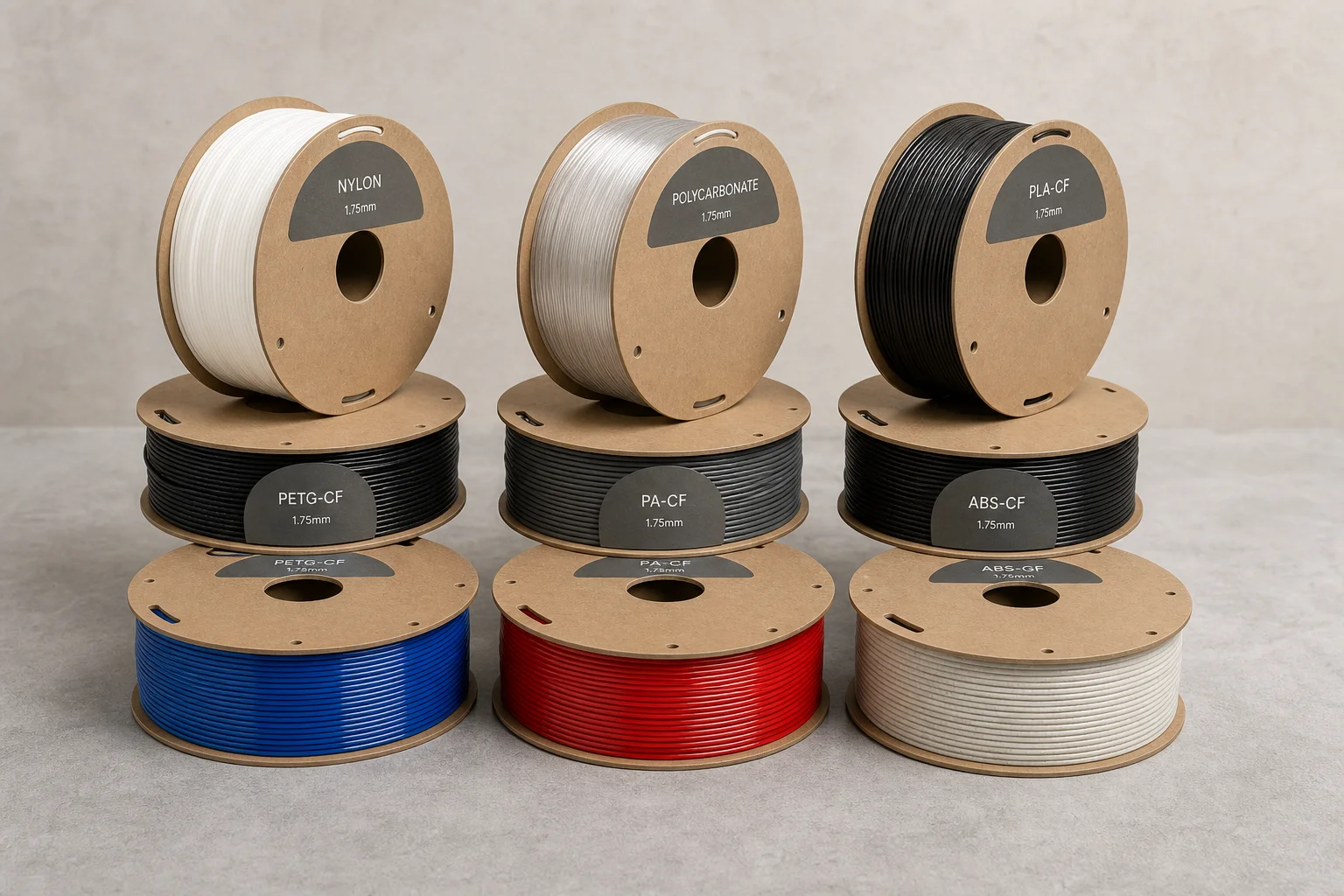
9 Advanced 3D Printer Filaments: A Practical Guide to Engineering-Grade Materials
Explore nine advanced filament types for 3D printing, from Nylon and polycarbonate to carbon fiber composites. Learn their strengths, trade-offs, and best applications.