Headphones
FiiO FT3 Review: A Wide Soundstage and a Few Real Compromises
The FiiO FT3 offers an unusually spacious presentation for $299, but lean bass, a forward midrange, and a 350-ohm load make it a specialist pick rather than an easy recommendation.
Introduction
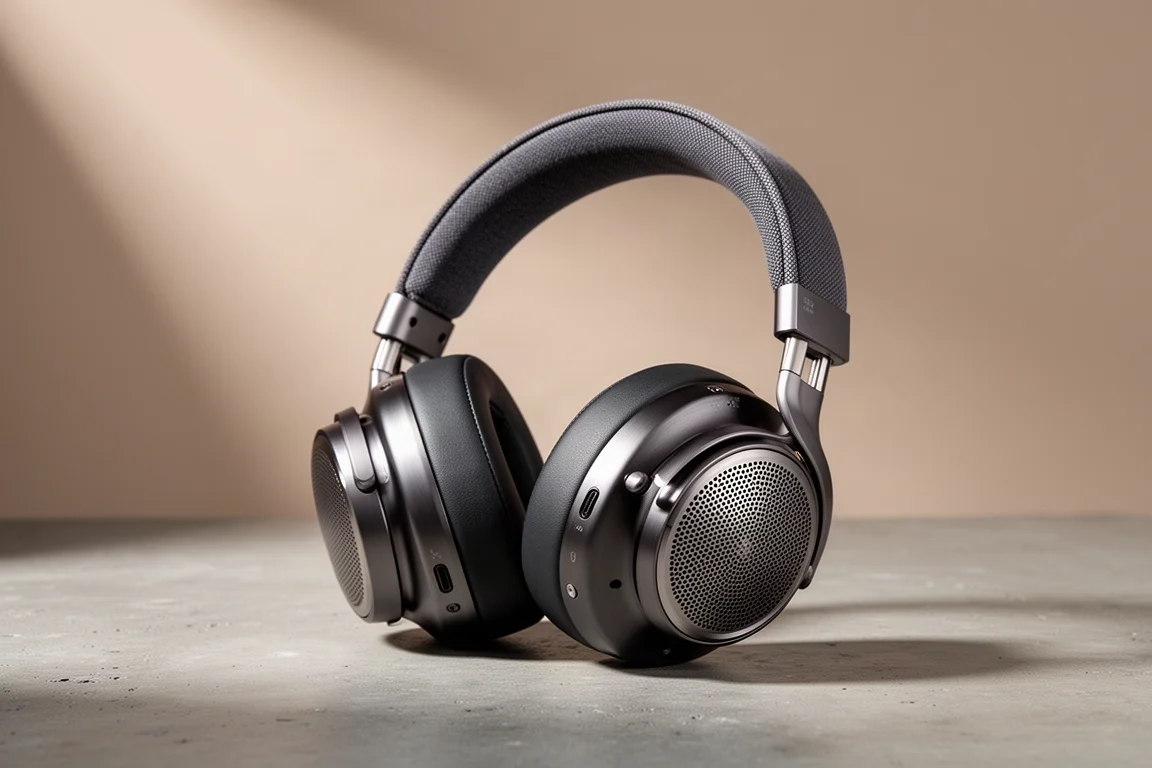
The FiiO FT3 lands at $299, a price point crowded with well-established planar magnetic headphones. What it brings is a metal-forward build, a 350-ohm dynamic driver, and a removable ear-cup design that is uncommon at this price. What it does not bring is an easy, all-rounder sound.
The FT3 has one standout quality and a set of tonal compromises that will decide the purchase for most listeners. This guide covers where it excels, where it struggles, and who should actually consider it.
Who the FiiO FT3 Is For
The FT3 makes the most sense for listeners who put soundstage ahead of everything else. Its defining trait is a wide, spacious presentation, with instruments and effects placed distinctly around the head and spatial cues that are simply not audible on many competing headphones. If acoustic recordings, live material, and layered mixes are your main diet, that strength is worth paying attention to.
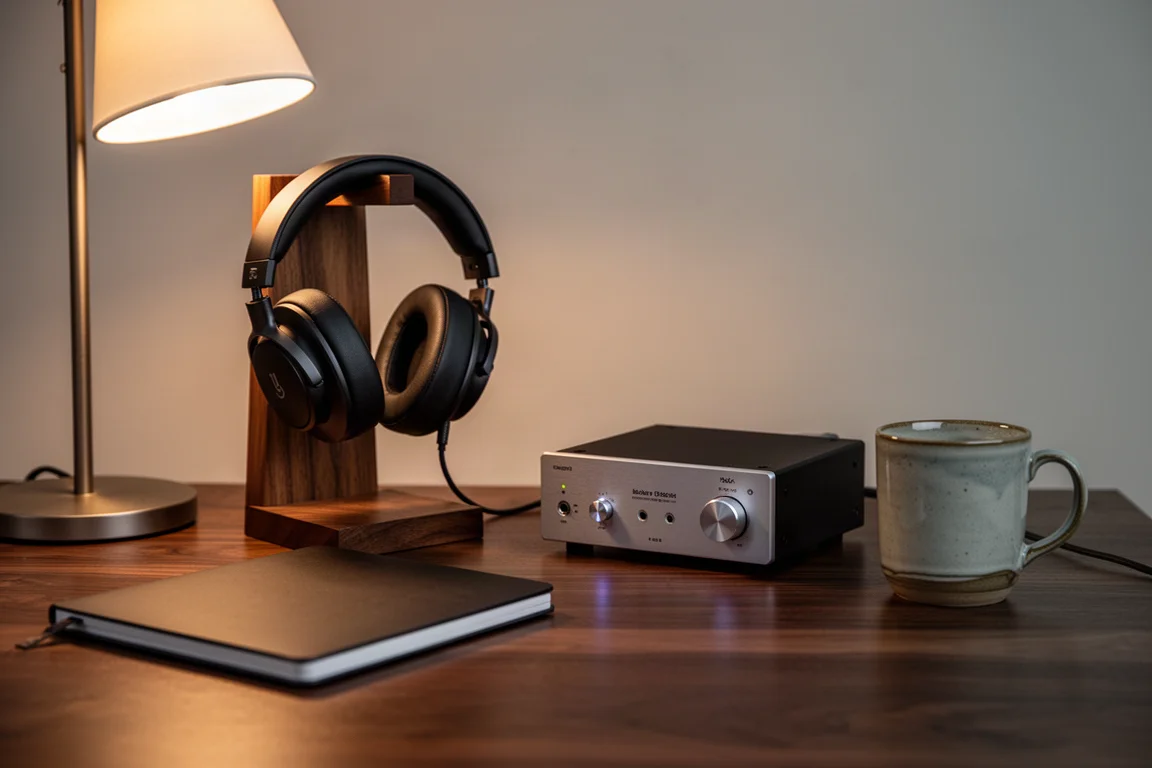
It is a much harder sell for anyone who wants warmth and low-end weight straight out of the box. The FT3 also asks for serious amplification, and it does not reward listeners who prefer to leave the equaliser alone. Those are not small caveats at this price.
Build and Design
Build quality is a genuine strength. The outer housing is metal and stays cool to the touch, with metal grilles over the driver. The headband follows a suspension layout with a comfort strap beneath it, and the ear cups attach with a snap-in system that lets you pull them off and reseat them cleanly. The driver itself is an interesting piece of engineering to look at, and the whole assembly feels more substantial than much of the competition.
The trade-off is pad swapping. The snap-in mounting makes it harder to move to third-party pads than on many other headphones, so listeners who like to tune their sound with pads should factor that in.
Main Strengths
The soundstage is the reason to look at this headphone at all. The FT3 spreads a recording out in front of you, with clear separation between elements and a sense of air around them. Familiar tracks can reveal details and placement that were previously buried. Acoustic guitar in particular comes through clearly, and percussion and cymbals at the top end carry some sparkle.
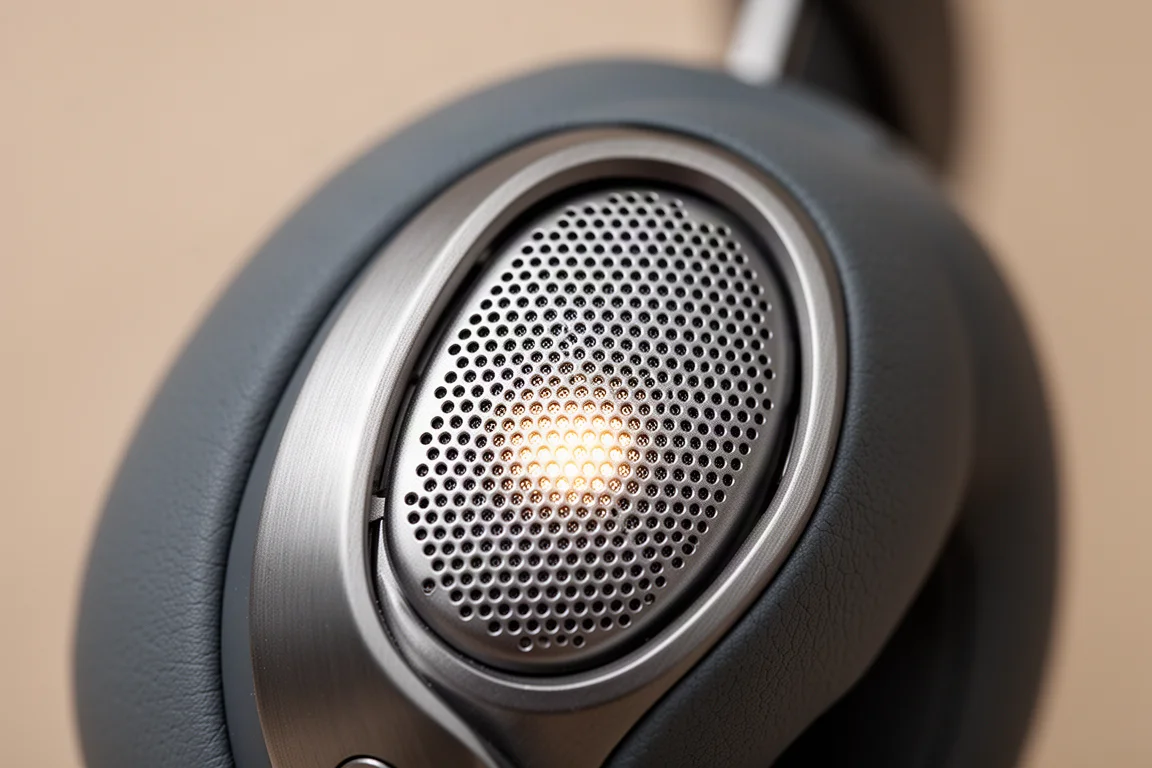
The build deserves a mention alongside the sound. At $299, the FT3 feels more solidly made than a number of its rivals, and the metalwork gives it a reassuring density. For a listener whose priority is spatial presentation rather than bass extension, this is where the headphone earns its keep.
Sound Character: Where It Falls Short
The biggest problem is low-frequency extension. On material with a bassline sitting below roughly 80 Hz, the FT3 does not convey it, and that part of the recording is effectively missing. Claims of strong sub-bass performance do not line up with what the headphone actually produces. Upper bass and lower midrange are lean as well, which leaves the overall sound without warmth.
The midrange is the other sticking point. It is forward, and to many ears cold and harsh, sitting in front of the rest of the spectrum rather than blending with it. Cymbals and percussion have some sparkle, but that forward midrange keeps the top end from being fully on display. Acoustic guitar sounds clear yet slightly artificial, with a metallic edge and little richness. The character has more in common with a studio monitor headphone than with an engaging, musical one.
Things to Consider Before Buying
The FT3 is a 350-ohm dynamic driver headphone, and it is power hungry. A capable amplifier is effectively a requirement. Even with a strong source, it reaches adequate volume without sounding at its best. With the FiiO R7, the headphone played at a usable level but never sounded fully settled, which is surprising given that amplifier’s substantial rated output.
Tonally, the FT3 does not track the Harman target closely, and it benefits considerably from equalisation. Anyone who wants a headphone that sounds right without adjustment should look elsewhere. Pairing also matters as much as raw power figures here, and the FT3 is not at its best with every amplifier it meets.
Alternatives Worth Considering
At $299 the FT3 faces a long list of rivals. The Hifiman Sundara, Moondrop Para, Sennheiser HD 560S, Hifiman HE400SE, Monolith M570, and Hifiman Edition XS are all worth hearing, and several of them are planar magnetic designs. The HE400SE sits only a little above $100, and the Monolith M570 can sometimes be found well under $300, which makes both unusually strong value propositions next to the FT3. The Edition XS carries a considerably higher retail price.
For listeners who already own one of these and enjoy it, there is little here that argues for a change.
Buying Advice
Treat the FT3 as a specialist rather than an all-rounder. Buy it if a wide soundstage is the single quality you value most, and if you are willing to drive it with a serious amplifier and shape its response with EQ. Skip it if you want bass weight, warmth, or a sound that works straight out of the box. The build quality is genuinely good, but build quality alone does not carry a headphone. The sound has to suit you first.

At $299, the FT3 is a competitive purchase rather than a poor one, just a narrow one. The right buyer will hear the space it creates and be happy with it. Everyone else is likely better served by one of the alternatives above.
Conclusion
The FiiO FT3 does one thing exceptionally well and several things in a way that will not suit most listeners. Its soundstage is the real draw, and the build backs it up. Against that, the missing sub-bass, the cold and forward midrange, and the demanding 350-ohm load make it a hard recommendation without caveats. If spacious presentation is your top priority and you are ready to amplify and EQ, the FT3 is worth an audition. If you want a headphone that simply works across genres out of the box, this is not the one.
Product link
View more details for FiiO FT3
This product is mentioned in the review. Check the specifications, options, and compatibility before buying.
View more details for FiiO FT3Further reading
Related Reviews
Headphones
Apos Audio Caspian Review: Warm Bass, Solid Build, and a Detail Trade-Off
The Apos Audio Caspian is an easy-to-drive open-back headphone with standout bass and a warm, relaxed tuning, though mid-range and treble detail trail the competition.
Headphones
Audeze LCD-X vs LCD-XC vs LCD-3: Which High-End Headphone Fits Your Setup
A practical comparison of three Audeze planar magnetic headphones under $2,000, covering the open-back LCD-X, the closed-back LCD-XC, and the wood-ringed LCD-3.
Headphones
Audeze LCD-X vs HiFiMan Edition XS: Two Open-Back Headphones Compared
A practical comparison of the Audeze LCD-X and the HiFiMan Edition XS, covering build quality, comfort, sound signature, and which listener each one suits.