Portable Audio
FiiO CP13 Review: A Modern Portable Cassette Player Worth Chasing
The FiiO CP13 pairs classic cassette playback with USB-C charging and a metal body. Here is what it does well, where the format still shows its limits, and what to know before buying.
Introduction
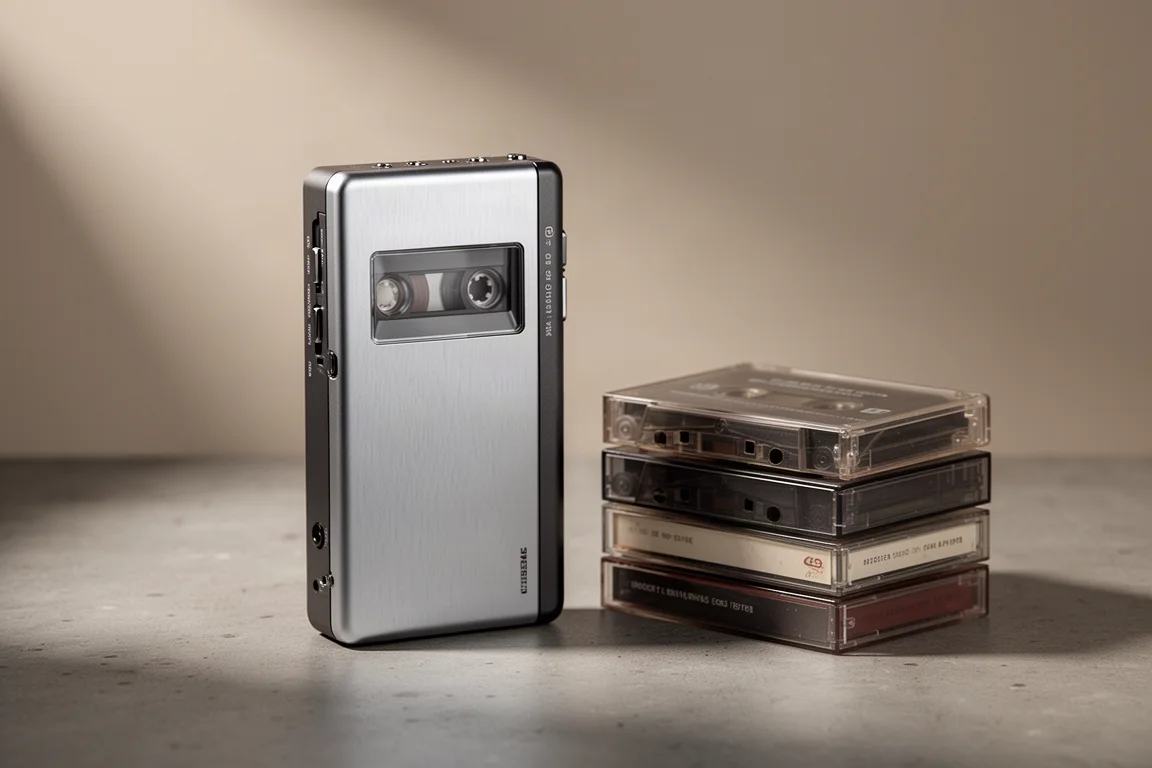
Cassette tapes have quietly worked their way back into the conversation, and the FiiO CP13 is one of the more interesting pieces of hardware riding that wave. It is a compact portable cassette player built around a simple idea: keep the format people remember fondly and remove the most tedious part of owning it. Instead of hunting down disposable batteries, the CP13 uses an internal battery that charges over USB-C.
Everything else about the device is deliberately plain. It plays cassettes. It has a volume control. It has a 3.5 mm output for wired headphones. What stands out is how it feels in the hand: a metal body, mechanical controls, and a sense that the hardware itself is part of the listening experience rather than a container for it.
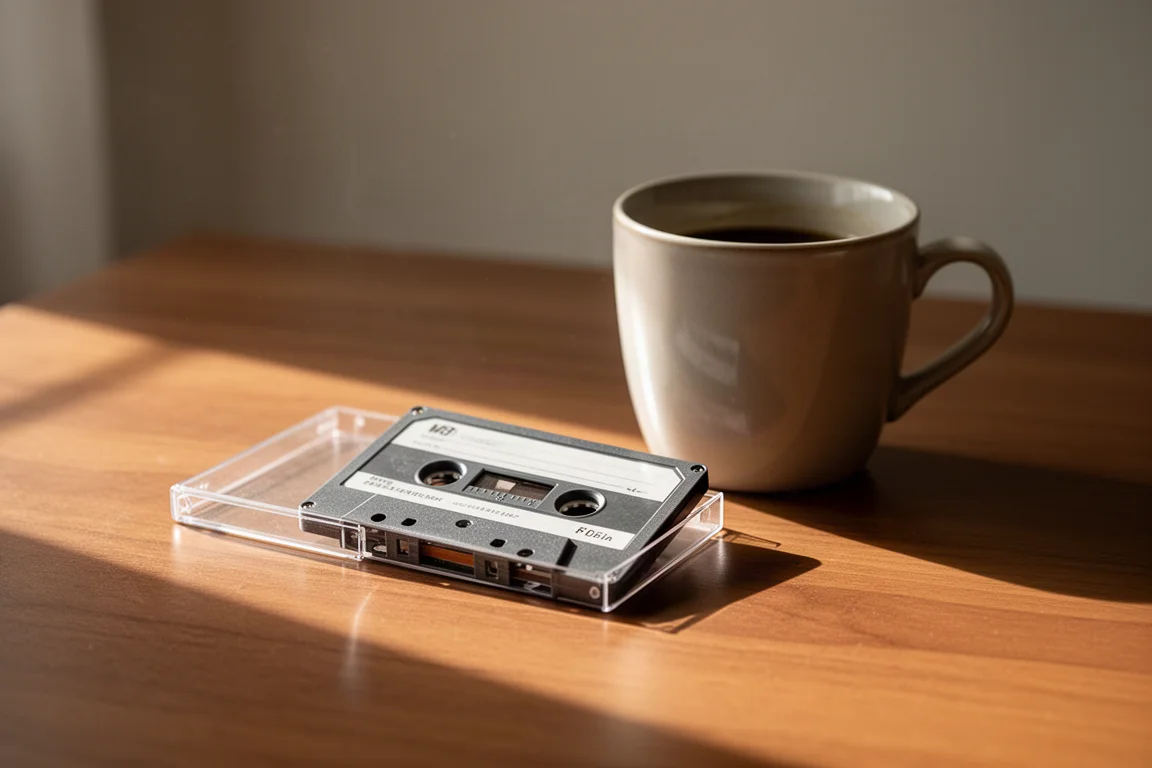
For anyone who grew up with tapes, that combination is the entire appeal. For everyone else, it is a chance to understand why a format with obvious technical limits still has so many committed defenders. The CP13 does not try to hide what it is. It leans into the ritual.
Who the FiiO CP13 Is For
This player suits listeners who care about how music is handled as much as how it measures. If you like choosing an album, inserting it, and letting it run from the first track to the last, the CP13 fits that habit naturally. There is no shuffle button to reach for, which is precisely the point.
It also makes sense for collectors rebuilding a tape library. Cassettes remain inexpensive to buy secondhand, and new releases on the format have become easier to find, including remastered albums issued on cassette alongside larger collector editions. A player like this gives those purchases somewhere to live.
It is a less obvious fit for anyone chasing maximum fidelity or expecting modern conveniences. The format sets the ceiling, and the CP13 works within it rather than around it.
Main Strengths
On the tapes tested, which included cassettes more than thirty years old, the mid-range and vocal quality came across surprisingly well. The presentation is warm and easy to sit with. Dynamics are limited compared with modern digital playback, and older tapes bring audible hiss, but the noise level is not obviously worse than what a record player setup can produce.
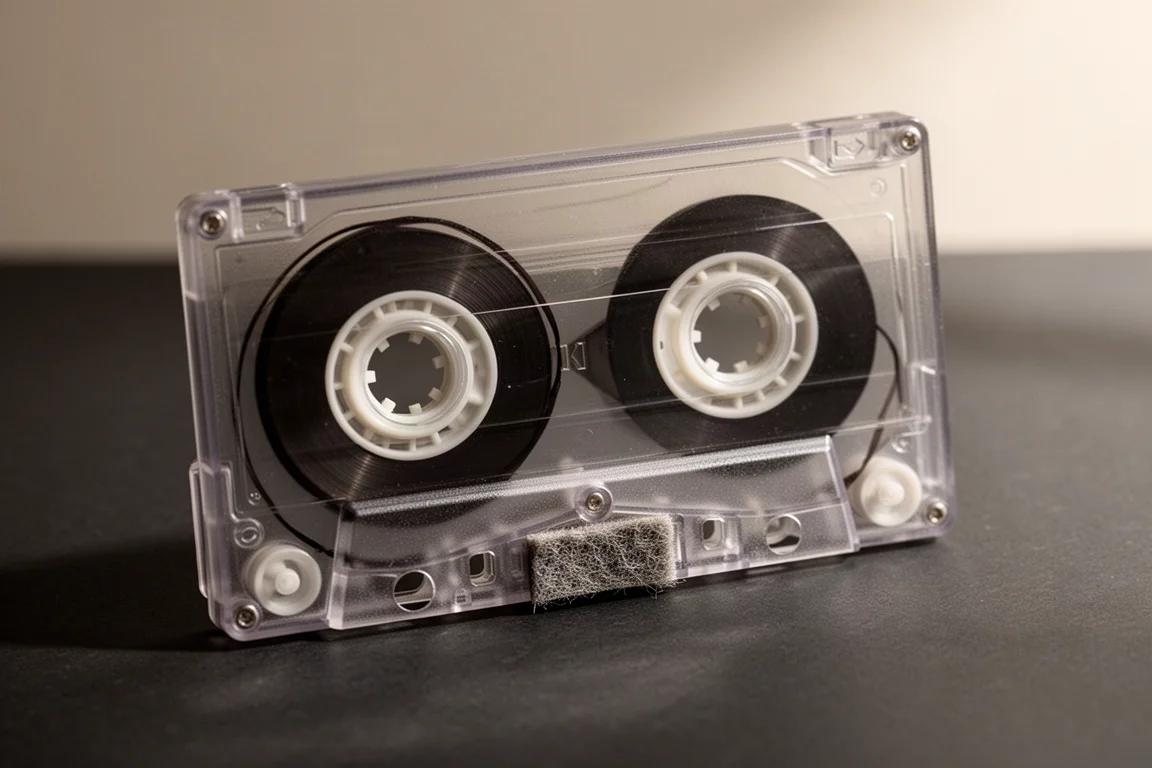
What the CP13 really delivers is anticipation. Hearing a favourite track arrive in sequence, after several songs you might not have chosen, changes the way an album lands. The wait does something that instant access does not, and it is the strongest argument for the format.
That sense of occasion extends to the hardware. The metal construction gives the player real presence, and the mechanical interaction of opening the door and starting a tape is genuinely satisfying. It is a rare case where a product with modest measured performance generates more enjoyment than the specifications would suggest.
Design, Controls, and Build Quality
The CP13 keeps its control set minimal: playback controls, a volume wheel, and a 3.5 mm headphone output. Charging happens through USB-C, which is the single biggest practical improvement over the portable players of the past. Four decades of battery development mean you no longer plan your listening around a drawer of AA cells.
The body is metal, and it feels it. The weight is reassuring rather than heavy, and the mechanical action of the tape door has a distinct, tactile quality that is hard to describe and easy to appreciate once you have it in your hands. Build quality of this kind matters for a device you are meant to handle often.
Colour options are expanding as well, with additional finishes expected over time, including a clear version. For collectors who keep their gear on display, that variety is part of the appeal.
Things to Consider Before Buying
The honest trade-off is sound quality. Cassette playback has a narrower dynamic range than digital, and the CP13 does not pretend otherwise. Tapes that are decades old will hiss, and heavily worn cassettes can sound noticeably duller than a fresh one. If your collection is mostly secondhand, expect the condition of each tape to matter as much as the player.
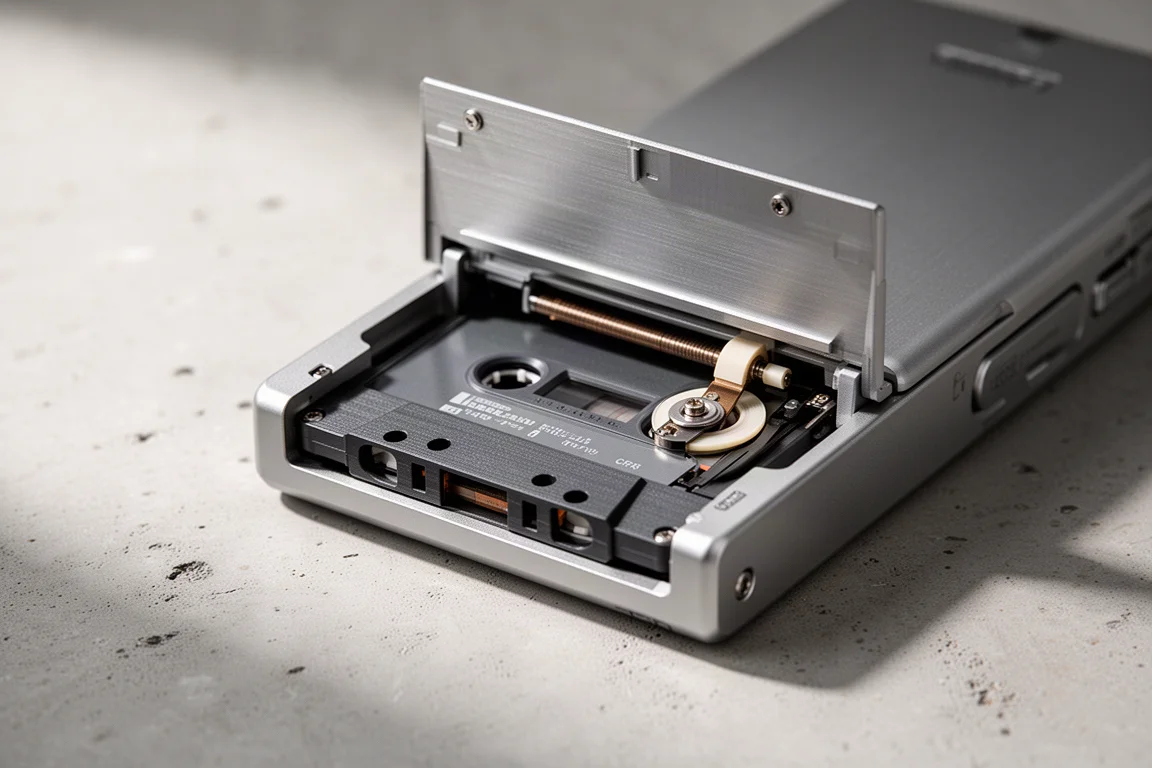
Tape condition is worth planning around. A well-kept cassette makes a much stronger case for the format than a battered one, so budgeting for a few new or lightly used tapes alongside the player gives a fairer first impression. It is also worth noting that a wired pair of headphones is required, since there is no wireless connection here.
Availability is the other consideration. The CP13 has been difficult to find in stock, and it has been described as perpetually sold out, which means patience or a willingness to buy from further afield may be necessary.
Availability and What to Expect
Stock has been the recurring frustration with this player. Units have appeared through specialist audio retailers in Asia, some of which ship internationally, though shipping costs can add meaningfully to the total. In some cases the player has sold out on the spot at events where it was shown.
New colourways are expected, including a clear finish, which may improve the odds of finding one. For buyers outside Asia, the practical approach is to set up stock alerts, check specialist retailers rather than general marketplaces, and be prepared to wait rather than pay a heavy premium to a reseller.
Buying Advice
The CP13 makes the most sense as an intentional purchase rather than an impulse one. Buy it because you want the ritual: choosing a tape, hearing it through from start to finish, and living with the small imperfections that come with the format. Buy it because the hardware is pleasant to handle and pleasant to look at.
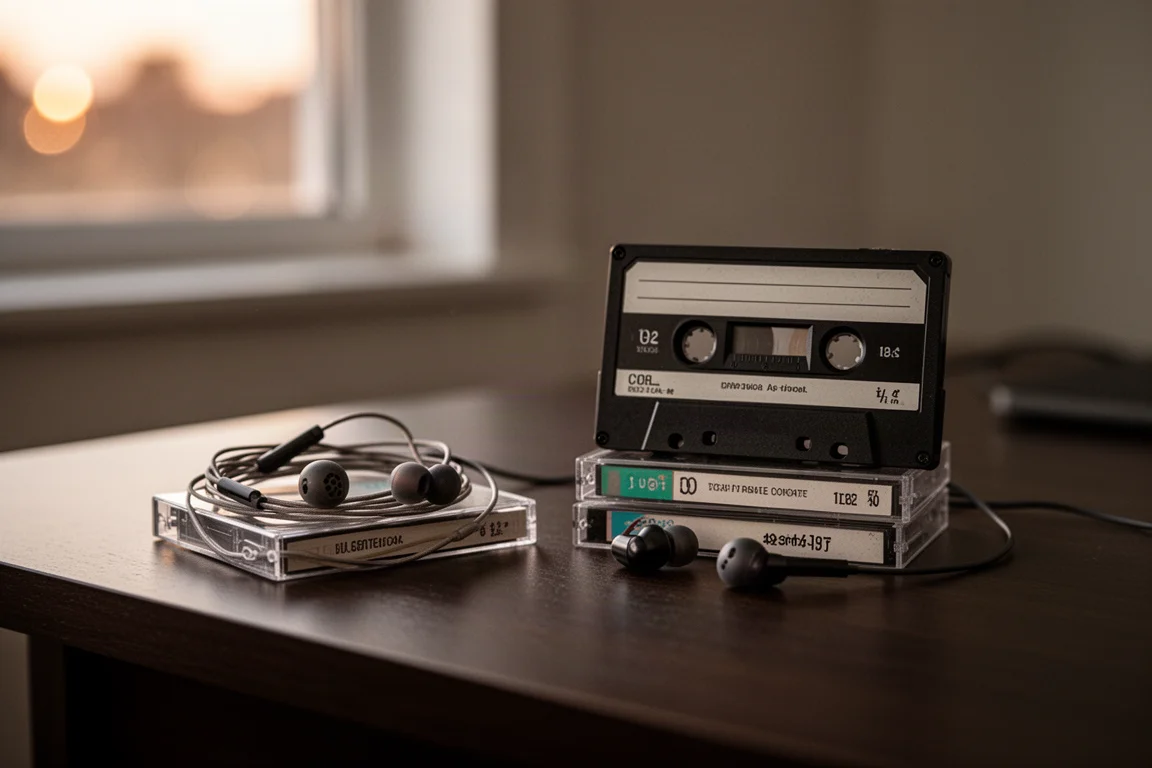
If that describes you, the value is easy to justify. A handful of new cassette releases can cost around ten dollars each, so building a small, well-chosen library is not expensive, and the player becomes the centre of a hobby rather than a novelty. If you mainly want convenience and clean, dynamic sound, a portable digital player or your phone will serve you better and cost less.
For those who do want one, the sensible path is to buy from a retailer with clear international shipping terms, avoid inflated resale listings, and pick up a couple of sealed tapes at the same time so the first listen is a fair one.
Conclusion
The FiiO CP13 is not the best-sounding way to listen to music, and it does not need to be. It brings cassette playback into the present with USB-C charging and a metal body, then gets out of the way and lets the format do what it does best: slow you down, make you choose, and make the arrival of a favourite song feel like an event.
For listeners who value physical media and tactile hardware, it is an easy recommendation and one worth tracking down. For everyone else, it is a well-made reminder of why so many people never really let cassettes go.
Product link
View more details for FiiO CP13
This product is mentioned in the review. Check the specifications, options, and compatibility before buying.
View more details for FiiO CP13Further reading
Related Reviews
Portable Audio
Best USB DAC Dongles Compared: DragonFly Cobalt, Fosi Audio DS1 and Hidizs S9 Pro
Five portable USB dongle DACs compared on sound signature, outputs, connectivity, build quality and value, from the $77 Fosi Audio DS1 to the $350 DragonFly Cobalt.
Portable Audio
Cayin RU6 Review: A Discrete R2R Dongle DAC That Sounds Bigger Than It Looks
A pocket-sized R2R ladder DAC with balanced output, tactile controls, and a spacious, dynamic sound, plus the power limits worth knowing before you buy.
Portable Audio
Chord Mojo 2 Review: A Pocketable DAC and Headphone Amp for Serious Listening
A practical look at the Chord Mojo 2, a portable DAC and headphone amplifier with a custom FPGA design, dual headphone outputs, USB-C input, and a battery-friendly desktop mode.