Cycling
Festka ONE, Rover and Spectre: Custom Carbon Bikes Compared
Festka builds custom tube-to-tube carbon frames to order. Here is how the ONE, Rover and Spectre differ, and which one suits your riding.
Introduction
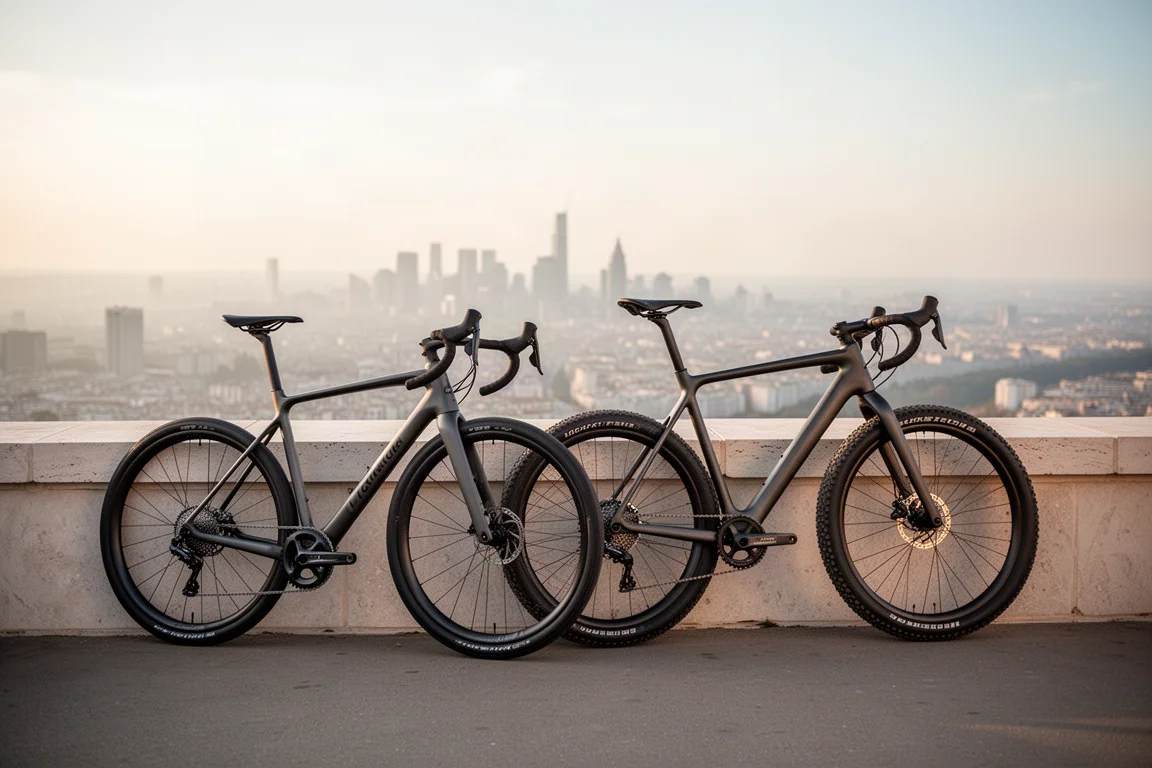
Festka is a Czech brand based in Prague that has built its reputation on custom carbon construction. Annual output is deliberately small, roughly 500 frames a year, and nothing is held in stock. Every frame is made to order with a lead time of six to twelve weeks.
Three models cover most of what riders ask for: the ONE, the Rover and the Spectre. All three are tube-to-tube carbon frames built around a specific rider rather than a statistical average, and all three share the same underlying construction philosophy. The differences come down to intended terrain, tube selection and, on the Spectre, a different approach to how the frame itself is laid up.
Why Custom Carbon Construction Matters
Festka frames are tube to tube. Tubes are hand selected for the rider, cut and mitered, bonded together with epoxy resin, then wrapped with carbon at the joints. That wrap is adjusted according to the rider’s weight and riding style, which is where a lot of the frame’s character is decided.
On the ONE and the Rover, tube selection scales with the rider. A bigger rider is typically heavier and more powerful, so they get a larger down tube and top tube. A smaller rider gets smaller tubes. The goal is consistent ride characteristics across the entire size range rather than a frame that changes personality depending on which size you buy.
That is not how stock frames usually work. Off-the-peg bikes typically use the same tube profiles whether the frame is 48 cm or 61 cm, which means the small frame can feel too stiff and the large frame too flexible for the rider it was bought for.
Festka frames are also internally routed, or at minimum internal routing compatible, so brake hoses can run inside the frame instead of across the front end.
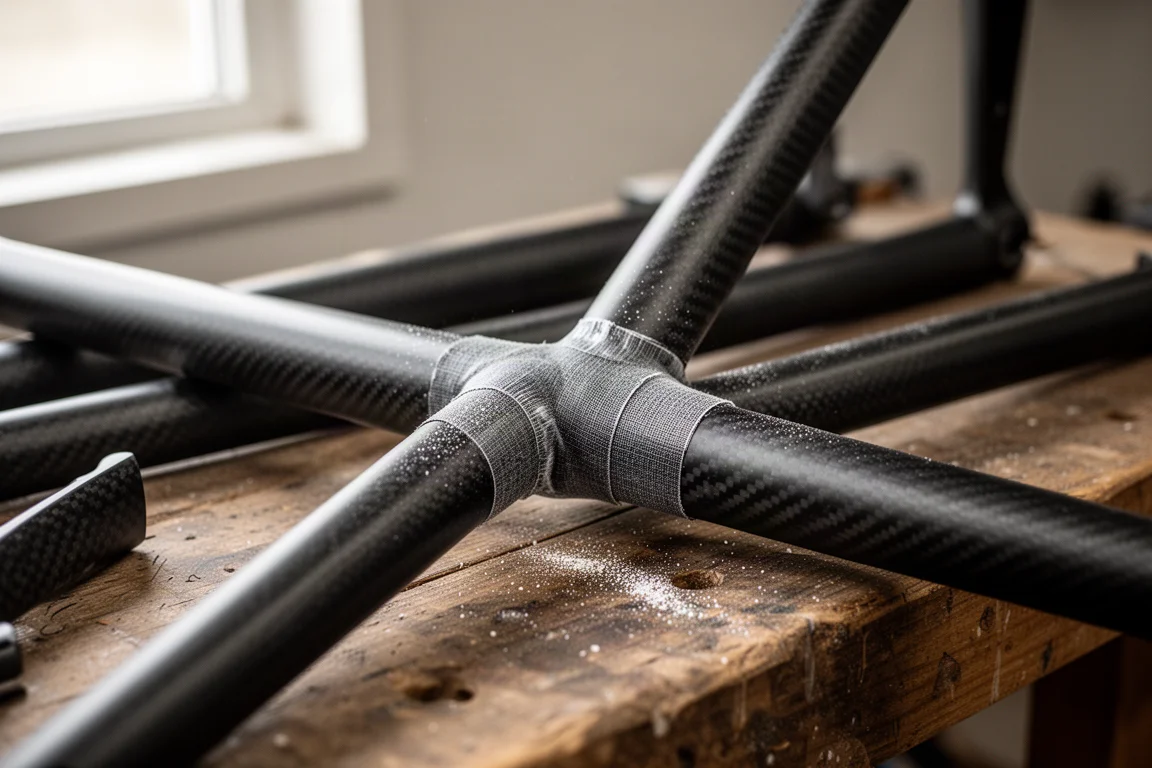
Put together, rider-specific tubing and clean internal routing are what separate a custom build from a stock one. The same model can feel noticeably different from one rider to the next, because the frame was never meant to be identical in the first place.
Festka ONE: The Road Platform
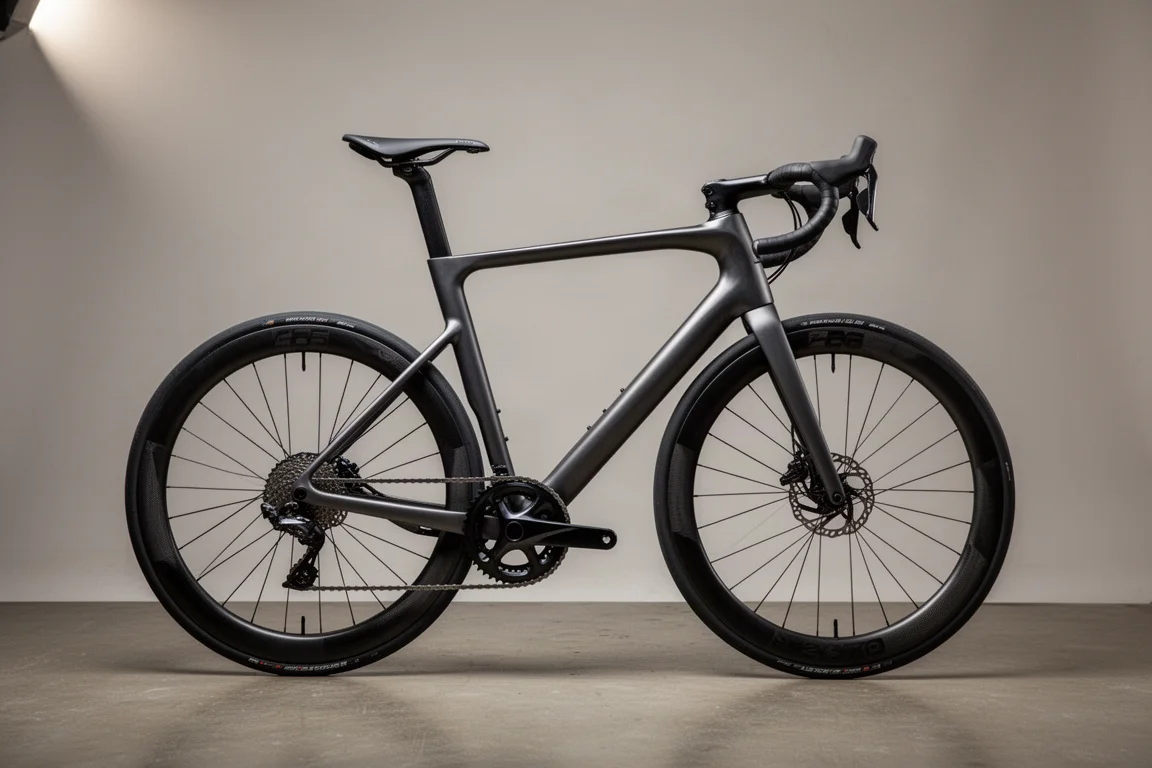
The ONE is a road-only frame with tyre clearance up to 32 mm and a 31.6 mm seat post. It is currently in the process of being phased out, which makes it worth looking at sooner rather than later if it matches your riding.
The build described here comes in at under £8,000, with a Shimano 105 electronic transmission and handbuilt wheels using DT Swiss 240 hubs laced to Light Bicycle rims. That wheelset is built to a higher standard than most off-the-shelf rolling stock and tends to ride better as a result. The stock build shown carries an externally routed handlebar, although a frame ordered and assembled through a dealer would normally have no brake hoses on display at all.
Festka Rover: The Gravel Companion
The Rover sits alongside the ONE and is very similar to it. The construction method is effectively the same: custom tube-to-tube carbon, tubes selected for the rider, joints bonded and wrapped. The difference is that the Rover is a gravel bike with wider tyre clearances, so it opens up surfaces the ONE was never intended for. It shares the 31.6 mm seat post with the ONE.
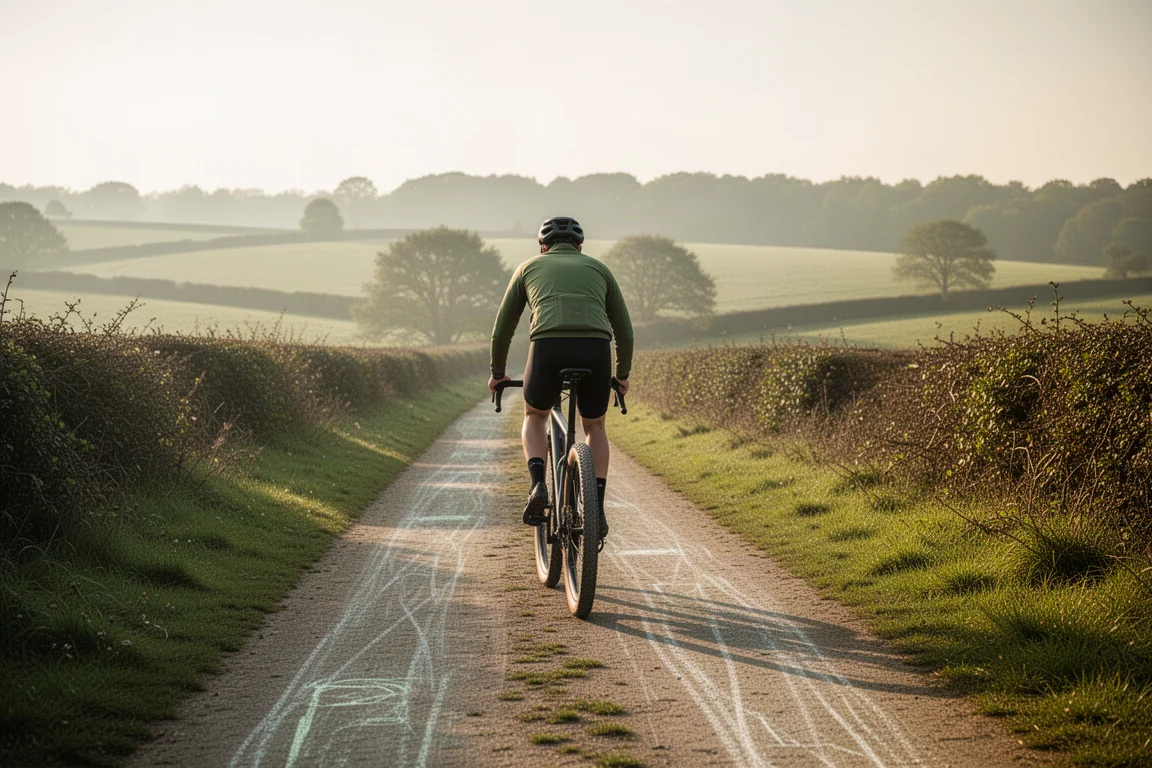
For riders who split their time between tarmac and gravel, the Rover is the natural starting point in the range. You get the same fit-first approach and the same hand-built frame quality, with clearance that makes mixed-surface riding realistic rather than a compromise.
Festka Spectre: The Performance Gravel Build
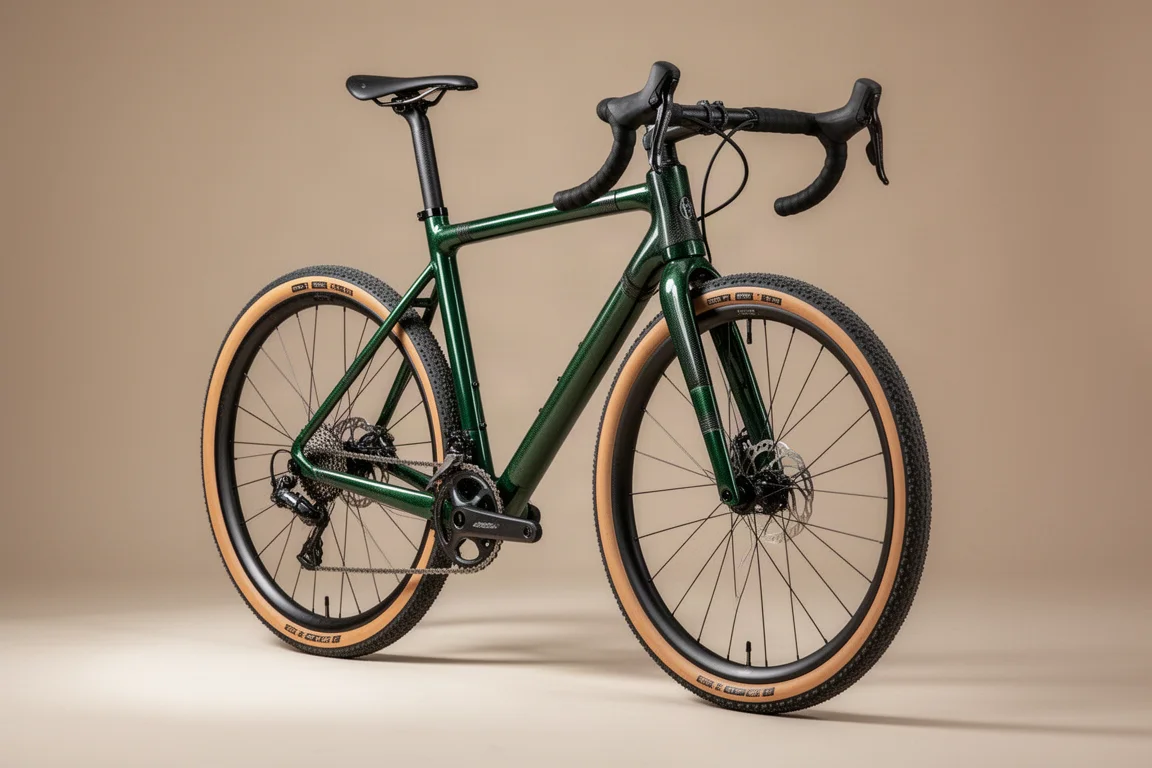
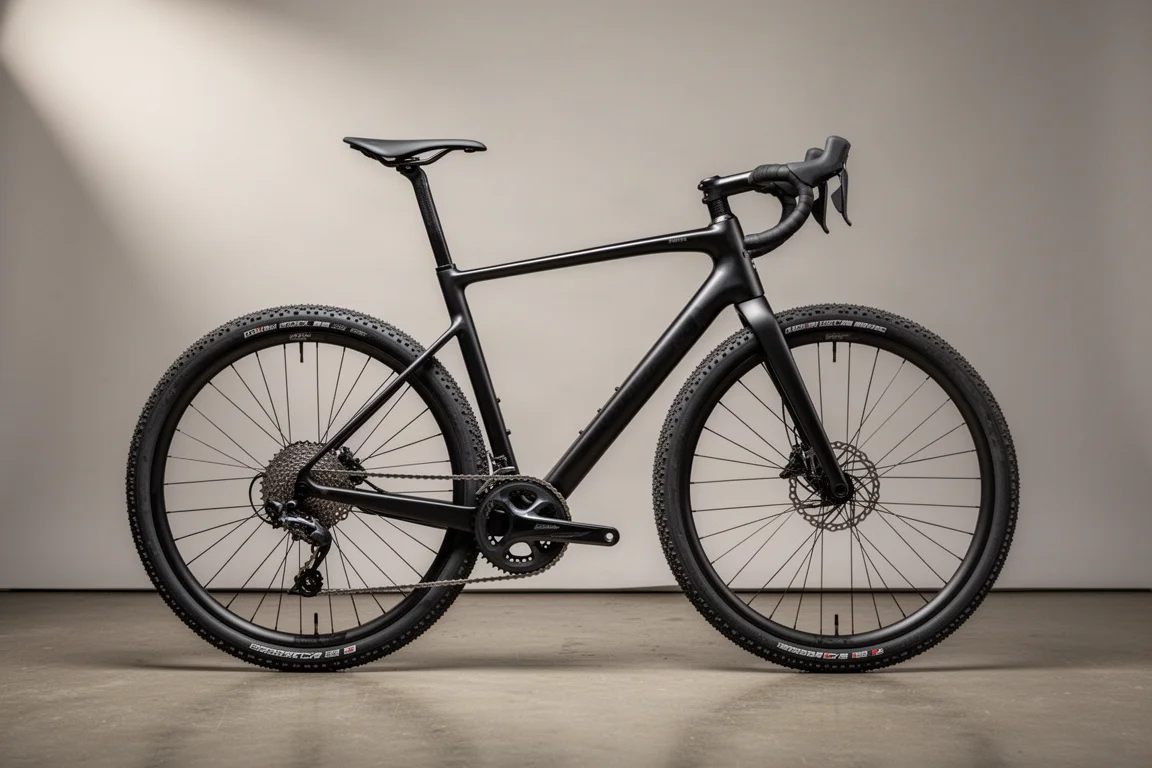
The Spectre is the newer gravel platform and the most performance orientated of the three. It uses a 1,048 g frame and steps down to a 27.2 mm seat post instead of the 31.6 mm post found on the ONE and Rover. It also runs lower seat stays, which adds a little rear end stiffness, and that rigidity helps the frame accelerate a touch better.
The chassis is built around a gravel-specific carbon fork and cockpit, and the whole package is intended to feel a little more direct from a handling perspective. The build described here runs a 13-speed SRAM electronic groupset with a UDH rear derailleur, a carbon cockpit, a 27.2 mm seat post and G23 rims on matching hubs.
There is one more distinction worth understanding. With the ONE and the Rover, the tubes are selected for the rider. With the Spectre, the layup itself is designed around the rider as well.
Fit and Geometry: Where Stock Bikes Fall Short
A custom frame starts with specific measurements taken from the rider during a bike fitting. The frame is then designed around those numbers. Stock bikes take the opposite approach: they are designed around a young athlete and then marketed to riders whose bodies, priorities and riding positions are often quite different.
When a stock frame does not fit, the contact points get pushed outside the range they were designed for. That usually means short stems, a tall stack of spacers, or an inline seat post on a frame that was never designed around one. Because head tube angle and stem length are intrinsically linked, moving those contact points changes how the bike handles. It will still roll, but it will not ride the way it was meant to.
Geometry is also a problem at the edges of the size range. Riders shorter than roughly 5 ft 2 in and taller than roughly 6 ft 3 in often find that stock angles simply are not right for them. Taller riders commonly have long legs and shorter torsos, which usually means they need a steeper, more upright seat angle to get their weight distribution properly between the two wheels, and shorter stems because they are predisposed to being stretched out. An inline seat post paired with an 80 mm stem on a 58 cm frame is a workaround, not a solution.
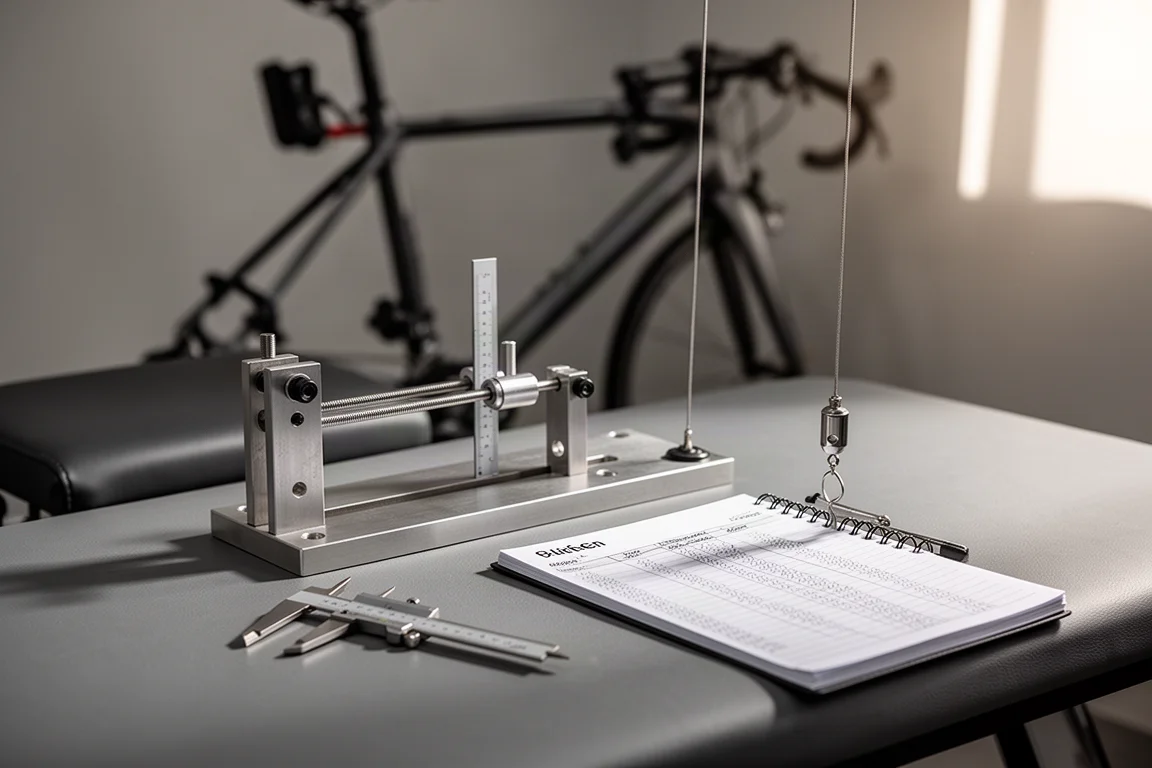
This is where a custom frame earns its place. If the frame is designed around a specific stem length and top tube from the outset, handling stays predictable instead of becoming a series of concessions. The bike is not being adapted to the rider after the fact; it was drawn for them in the first place.
Price, Lead Times and Ownership
Festka holds no stock. Every frame is made to order, and the lead time runs between six and twelve weeks from the point of ordering. That is the trade-off for a frame that is measured, drawn and built around a single rider.
The ONE build described here comes in at under £8,000, which puts a fully custom carbon bike at roughly half the price of a top-tier stock superbike. Riders shopping at this level often spend somewhere between £8,000 and £15,000 depending on model and component choice, and the frame is where that money ought to be going. Exact pricing varies with the model, the tube selection and the build specification, so it is worth confirming the final figure before ordering.
Buying Advice: Which Festka Suits You
Start with the surface you actually ride, then work backwards to the model. If your riding is road only and you want clearance for up to 32 mm tyres, the ONE is the direct answer, and its phase-out makes it a more time-sensitive choice. If your rides regularly leave the tarmac, the Rover offers the same construction method with gravel clearances. If you want the lightest and most performance-focused gravel option in the range, with the 27.2 mm seat post, lower seat stays and rider-specific layup, the Spectre is the one to look at.
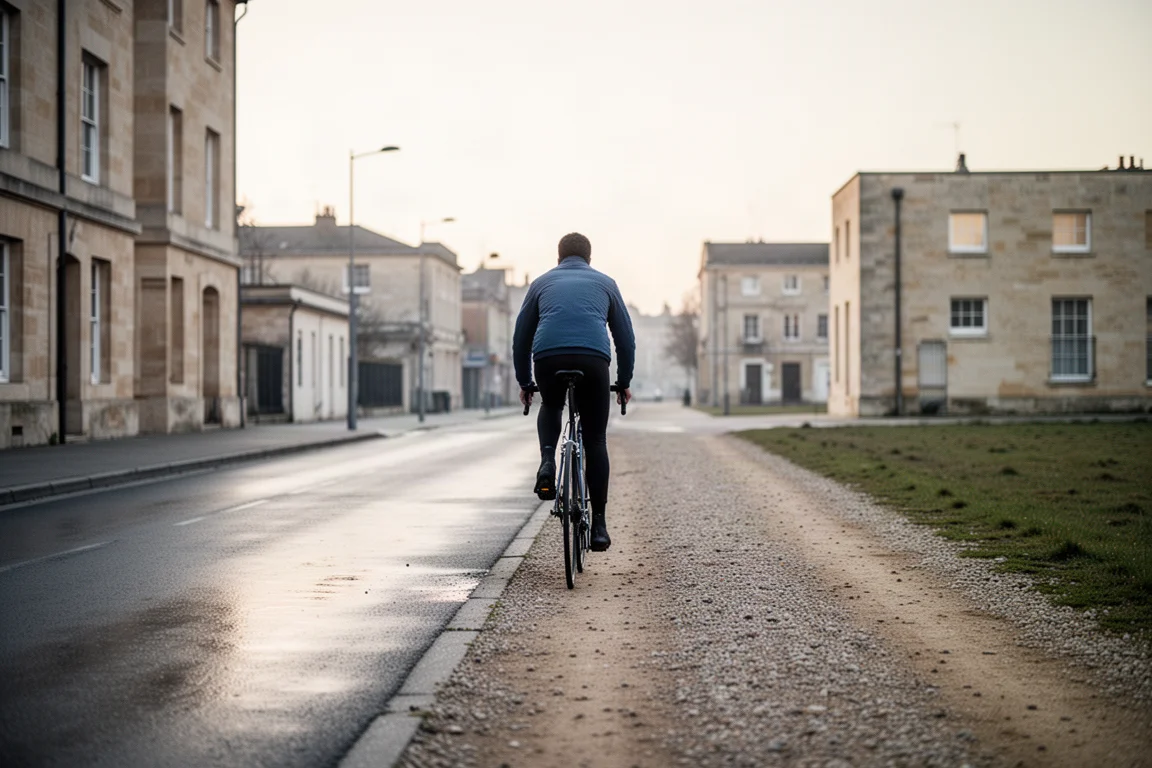
Whichever model you land on, the process matters as much as the frame. Book the bike fit first and let the measurements drive the design, because that is the entire point of buying custom in the first place. Riders whose proportions fall outside typical stock sizing will notice the difference most, but the same logic applies to anyone who has spent years working around a frame that never quite fit.
Conclusion
The ONE, the Rover and the Spectre are three expressions of the same idea: a carbon frame designed around one rider, built by hand, and delivered in six to twelve weeks. The ONE covers road riding with useful tyre clearance, the Rover opens up gravel without changing the construction approach, and the Spectre adds a lighter frame, a different seat post diameter, lower seat stays and a layup built around the rider.
If you have been compromising on fit with stock frames, or if your height and proportions sit outside the usual size charts, this is exactly the category of bike where custom construction pays off. Choose the model that matches your terrain, get measured properly, and let the frame follow the fit.
Further reading
Related Reviews
Cycling
2026 Bike of the Year and the Cycling Gear Worth Watching
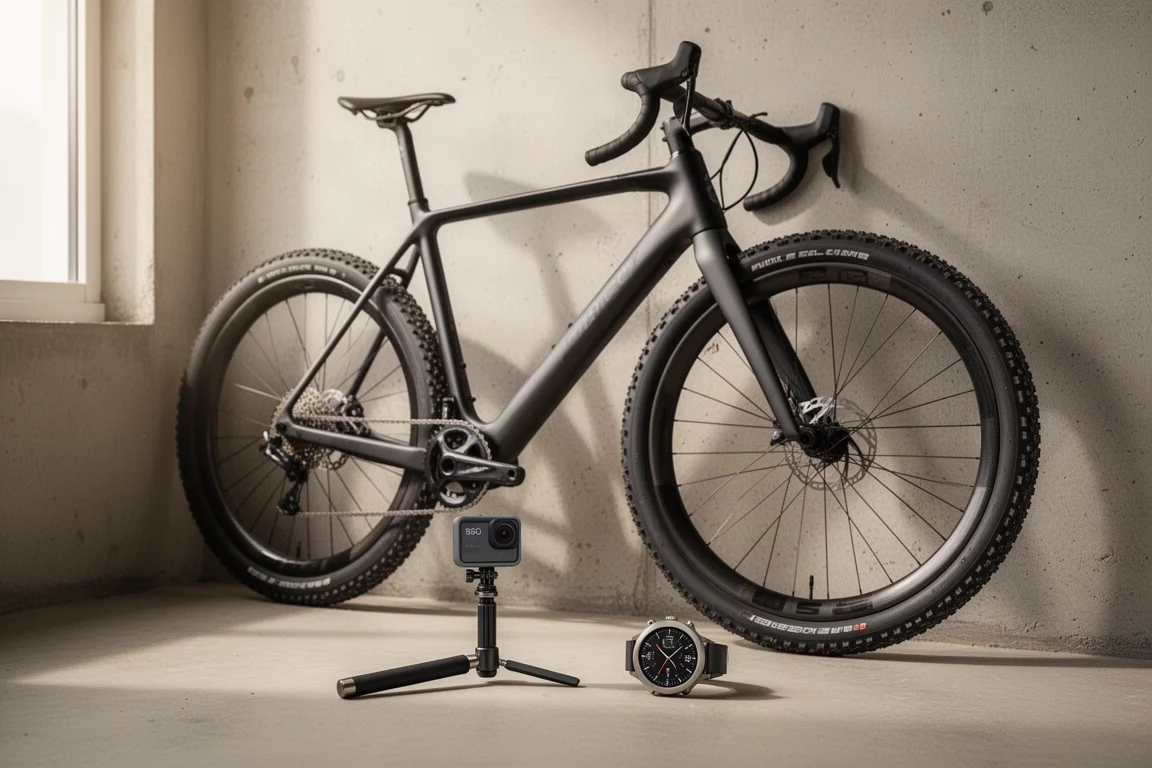
A drop bar roundup for 2026 covering the Ridley Kanzo Fast 2.0, Shimano Dura-Ace Di2 R9300, Trek Checkpoint ALR Gen 3, Specialized Tarmac SL9, Garmin Fenix 9 and Insta360 X6.
Cycling
Best All-Road Bikes 2026: Six Versatile Endurance Road Bikes Worth Considering
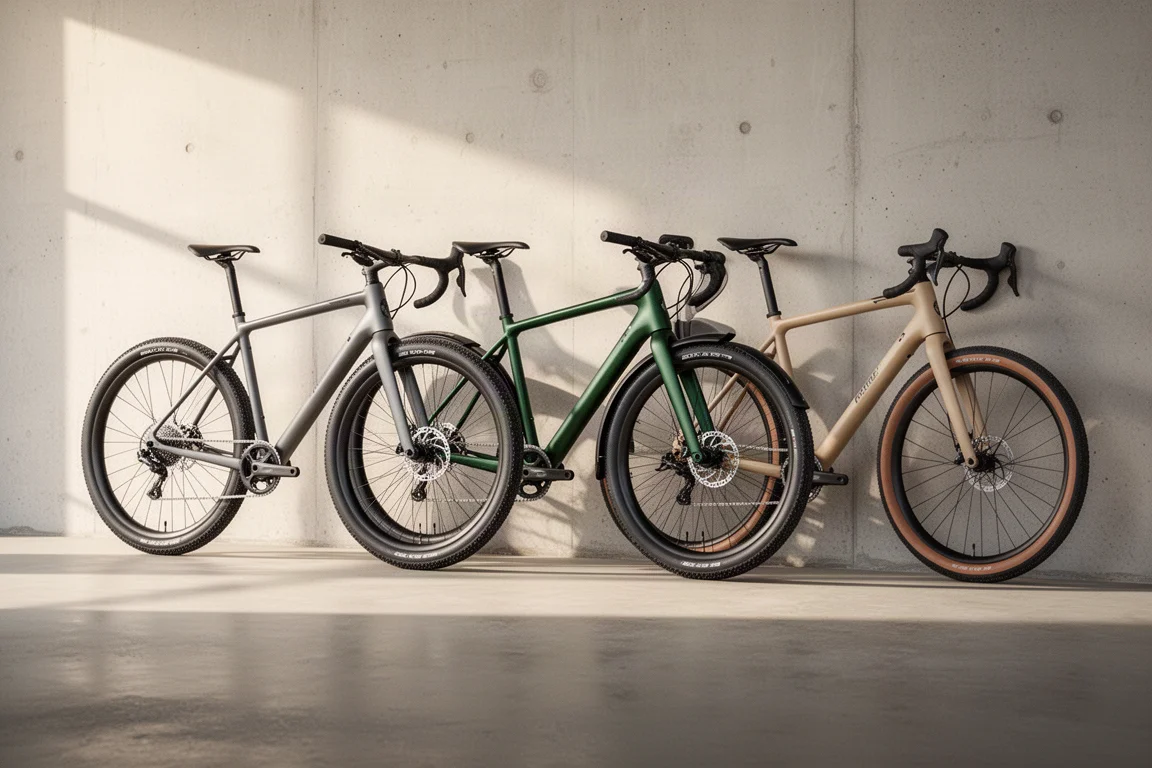
A practical look at six all-road and endurance road bikes, from lightweight carbon speed machines to steel all-rounders and comfort-focused mile eaters.
Cycling
Best All-Road Bikes 2026: 8 Endurance Bikes for Road and Light Gravel
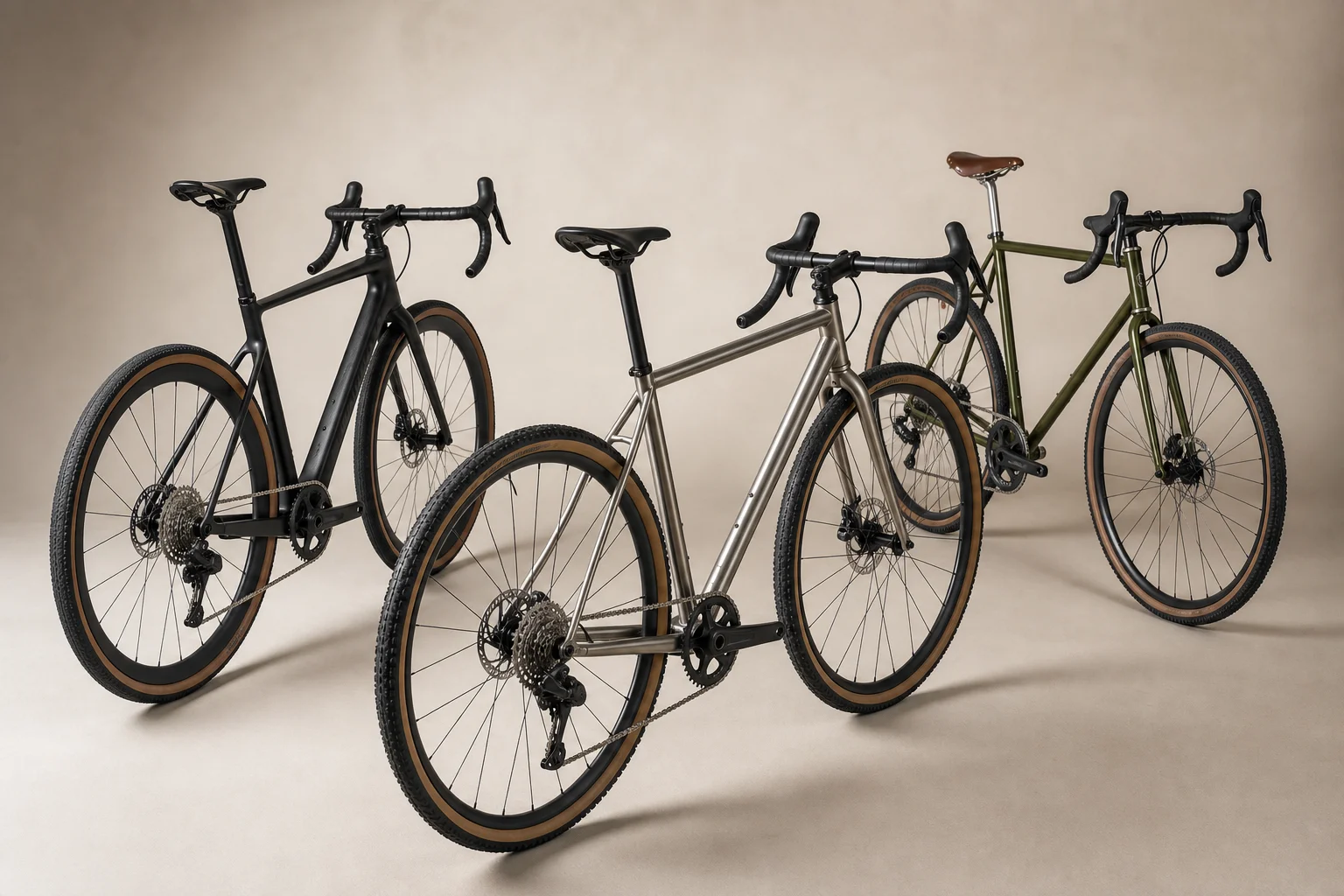
Eight all-road bikes that blur the line between endurance road and light gravel, compared on tire clearance, ride character, practicality, and value.