Bike Packing Gear
Favorite Bike Packing Gear: Nine Standouts From a Decade of Long Rides
Nine long-serving bike packing items, from a stable seat pack and walkable clipless shoes to navigation, clothing and an ultralight tarp, with the trade-offs worth knowing before you buy.
Introduction
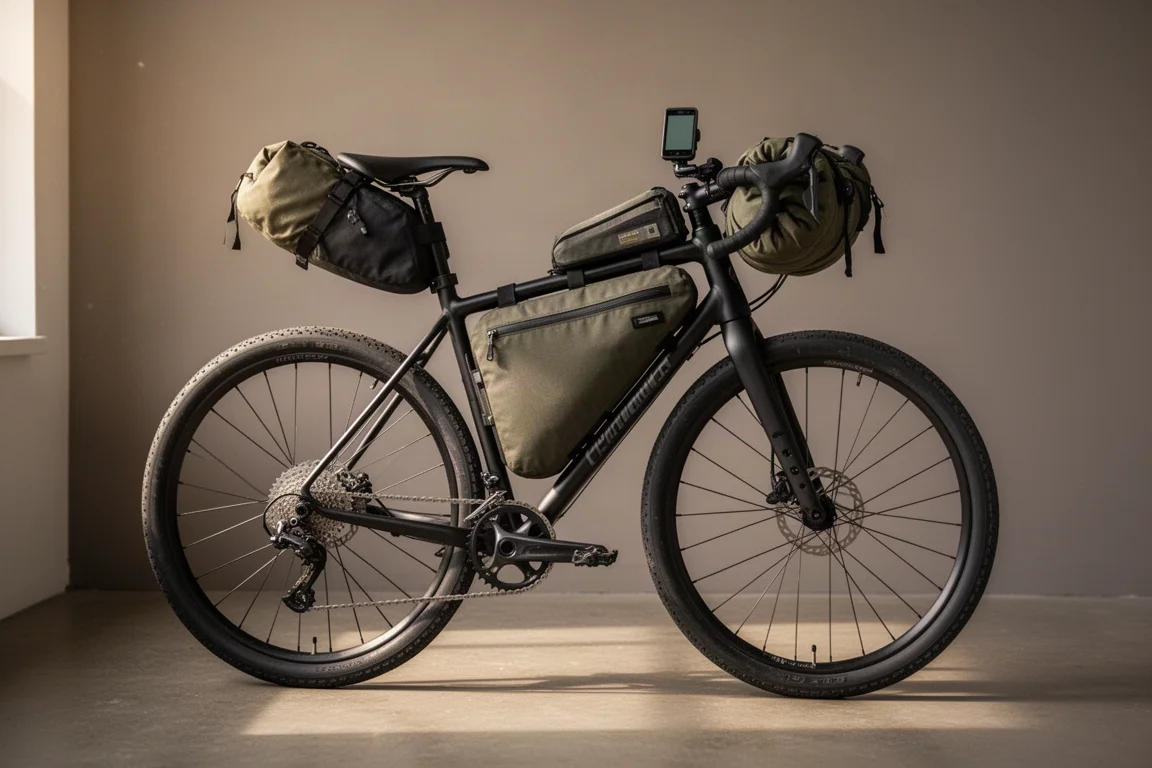
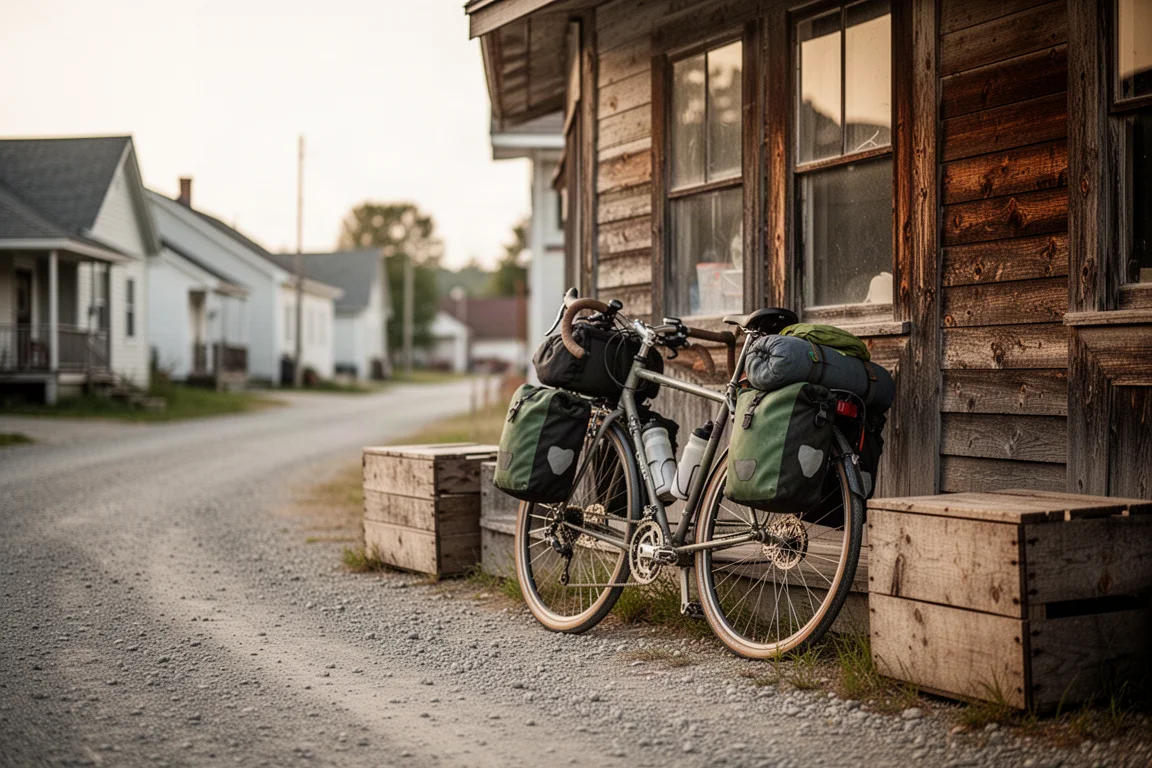
Bike packing gear proves itself slowly. A seat pack that stays put through a week of washboard gravel, a shoe that walks as comfortably as it pedals, a shirt that still looks presentable in a small town: these details decide whether a long ride feels manageable or exhausting. The nine items below have stayed in the kit through a decade of road, off-road and international touring, including the setup being prepared for a 2,700-mile Tour Divide run from Banff, Canada to the Mexican border.
The list covers luggage, pedals, footwear, navigation, clothing, recovery and shelter. Each entry explains what the item is, why it holds up over distance, and what is worth weighing before you commit.
What Matters in Long-Distance Bike Packing Gear
Four qualities separate gear that keeps its place in a kit from gear that gets replaced after a season.
Stability under load comes first for bags, because anything that shifts or sways on rough surfaces wears on both the rider and the equipment. Weather protection matters for anything carrying a sleep system, where a single wet night changes the mood of a trip. Off-bike usability matters for shoes and clothing, since bike packing days regularly include pushing a loaded bike uphill and walking into town for supplies. Pack size matters for shelter, where a bulky tent can dictate the entire luggage layout.
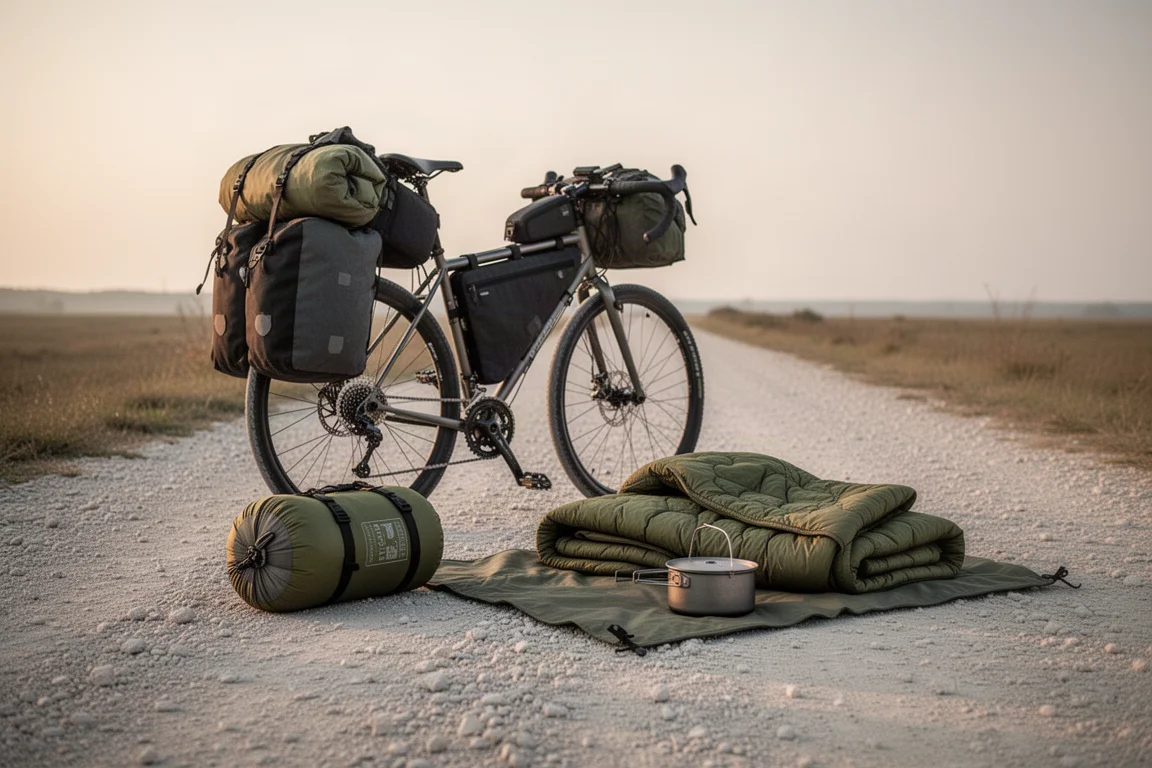
None of these qualities show up clearly in a spec sheet, which is why the items below are judged on how they behave over long distances rather than on headline numbers. Where a product has a genuine limitation, it is noted alongside the strengths.
Brooks Scape Seat Pack
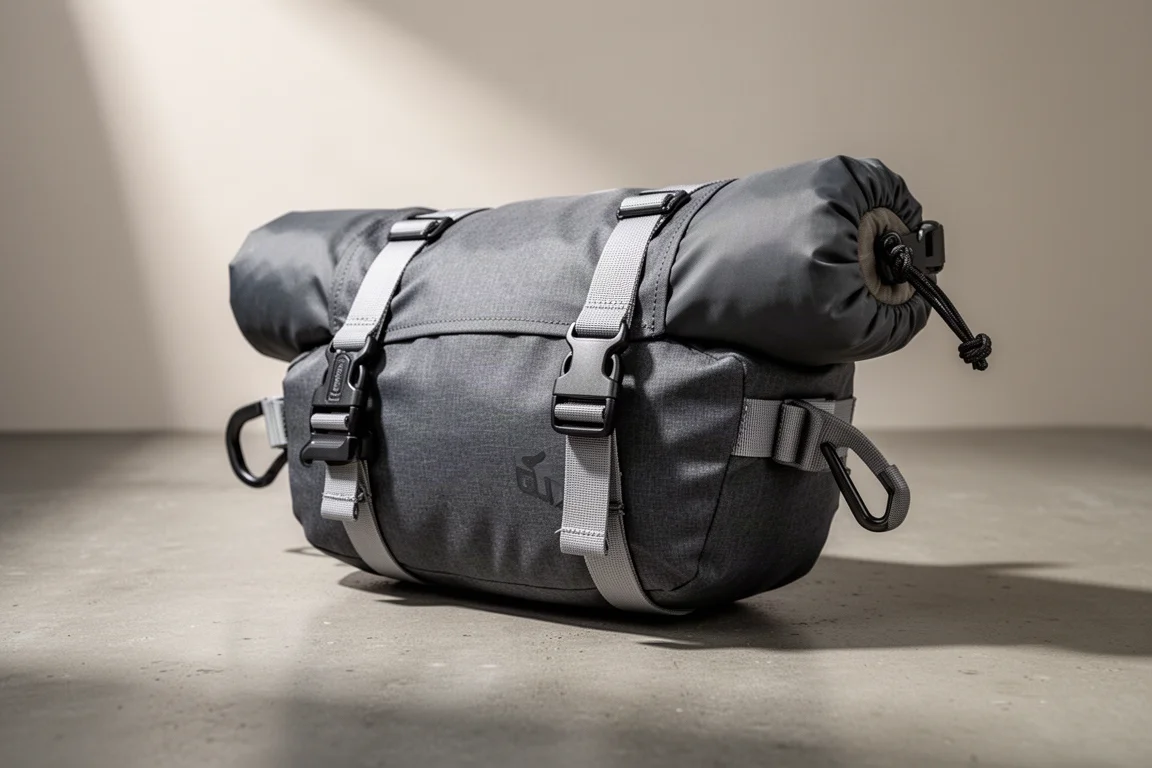
A seat pack lives or dies by two things: whether it stays put and whether it keeps water out. The Scape Seat Pack comes from Brooks, a company better known for classic leather saddles, and it answers both questions with a two-part clamshell design. The harness stays attached to the saddle and seat post, while the dry bag itself detaches with a G-hook at the rear, so loading and unloading happen off the bike rather than on it.
The dry bag is laser welded, which makes it effectively waterproof, and a small air release valve lets you compress the load once it is sealed. That combination makes the pack a natural home for a sleep system, such as a pad, quilt, spare clothing or a down jacket, in other words anything that has to stay dry through a full day of riding. The harness holds the load steady on rough ground instead of letting it wag from side to side, which is the failure mode that makes long gravel days unnecessarily tiring.
Kineon Move Plus
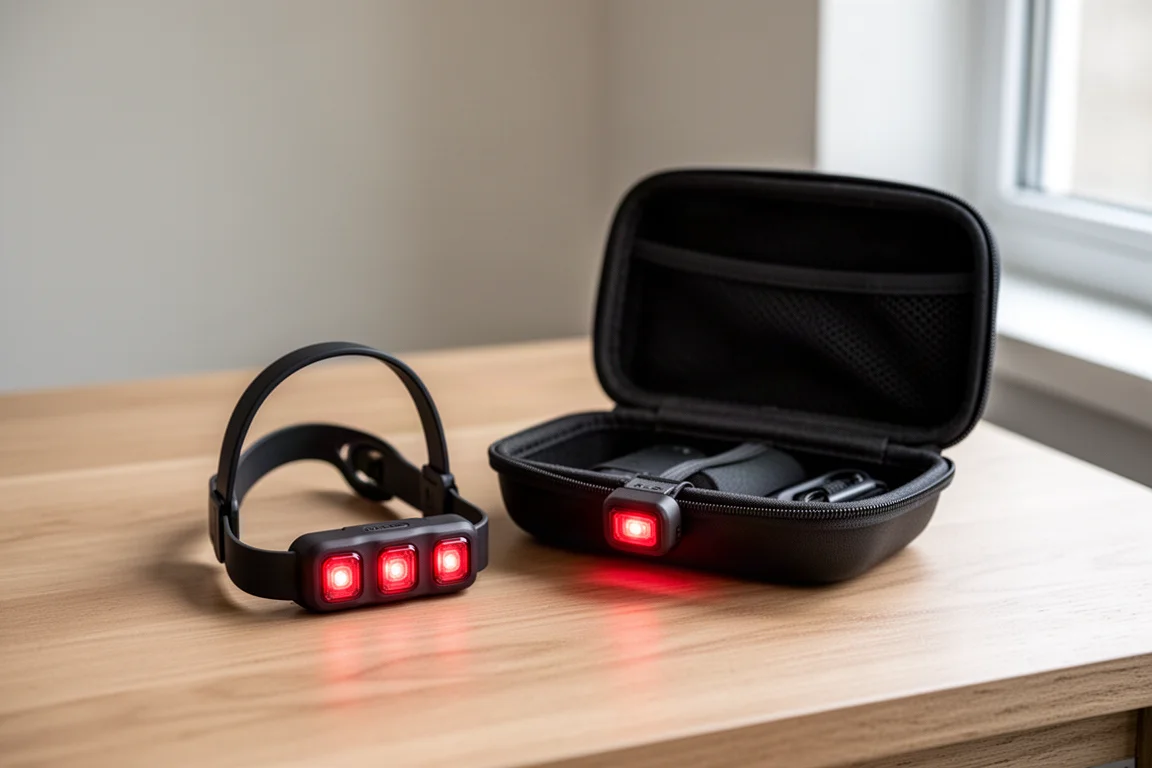
Long days in the saddle and long days on foot take a toll on knees and joints, and the Move Plus is a recovery tool built around red light therapy. Red laser light is designed to penetrate through skin and muscle into joints and tissue, where it is used to support recovery from inflammation, aches and pains, and to encourage cartilage and muscle rejuvenation and new cell growth.
The system is modular rather than fixed. Three compact red light modules plug into a strap, and the strap is convertible enough to be clipped in different positions, so the same unit can be used on knees, shoulders, neck or feet depending on where recovery is needed. It ships with a travel case that also allows charging from inside the case, which keeps it practical for riders who spend a lot of time moving between trips.
Shimano XTR Pedal
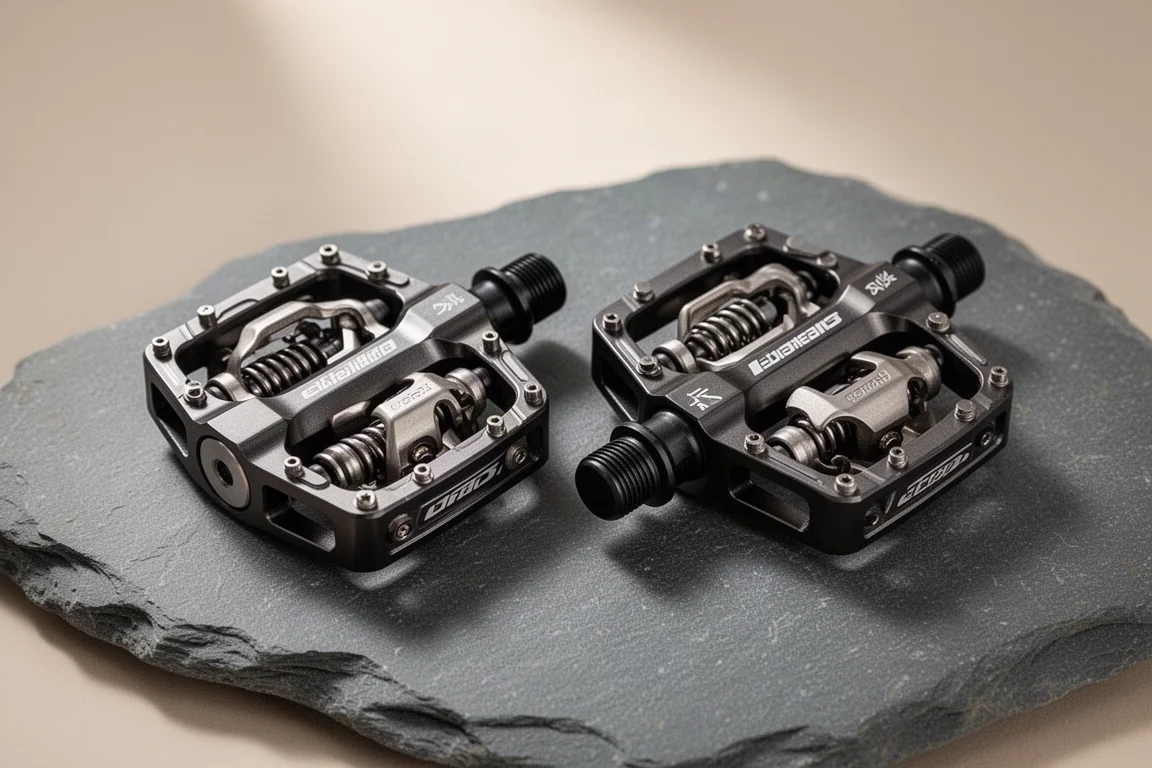
Bike packers have argued about clipless versus platform pedals for as long as both have existed. A platform pedal is the familiar flat surface that works with any shoe. A clipless pedal locks the shoe to the pedal through a mechanical engagement, a name that survives from the era of the old toe clip. Riders who came to cycling through road riding or triathlon tend to prefer the locked-in feel, and the XTR pedal is dual-sided, so clipping in works from either face. That matters when restarting on a loose climb with a loaded bike.
The case for clipless comes down to efficiency and consistency. A locked-in foot keeps its position through rough surfaces and long days, and the pedalling stroke stays repeatable when fatigue sets in. It is a preference rather than a rule, but for riders who already like being attached to the bike, this is the pedal that tends to stay on.
Pearl Izumi X-Alp Summit
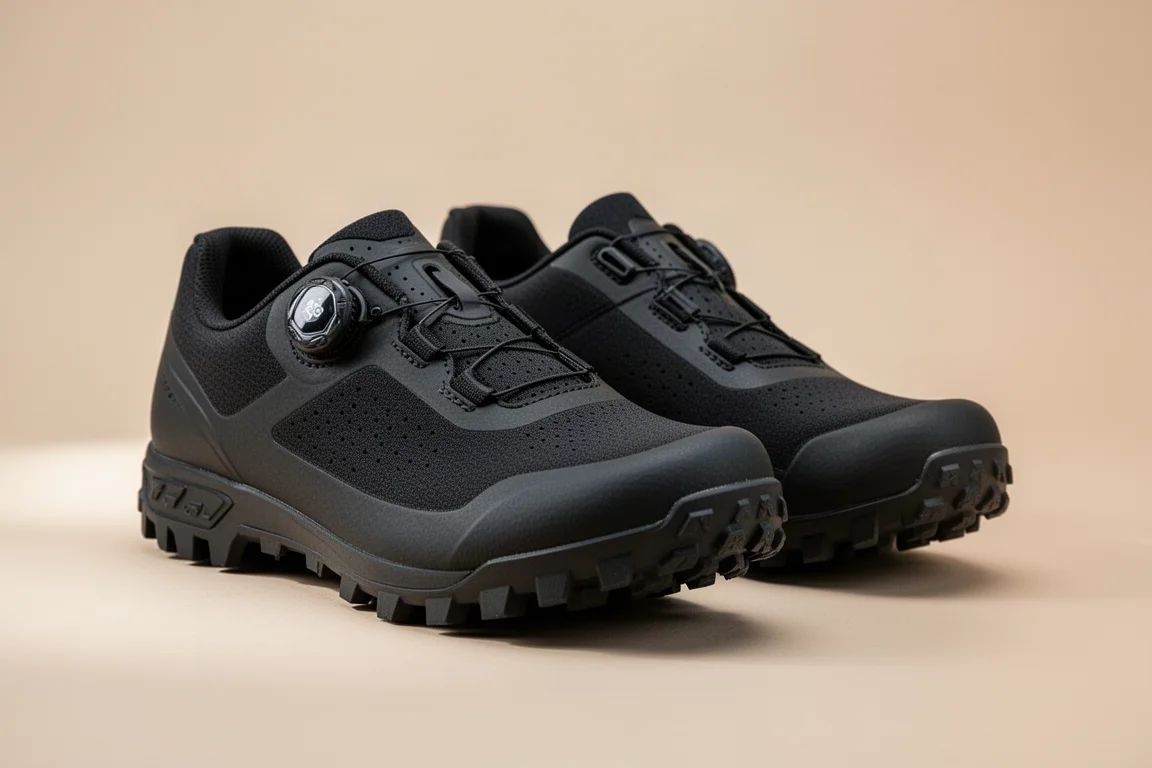
Bike packing asks a shoe to do two jobs that usually pull in opposite directions. It needs a stiff sole for efficient power transfer, and it needs enough flex and tread to behave like a hiking shoe when a route turns into hike-a-bike. The X-Alp Summit sits in that middle ground: a sole stiff enough to pedal without flexing away energy, but walkable enough to push a loaded bike up a steep pitch without slipping.
Comfort details matter as much as the sole. The shoe uses a wide toe box, which is unusual in cycling footwear, and an adjustable hook-and-loop strap that can widen the fit further. Closure is handled by a BOA dial system rather than laces, so the fit can be dialled in precisely without over-tightening, and there are no loose laces to tuck away.
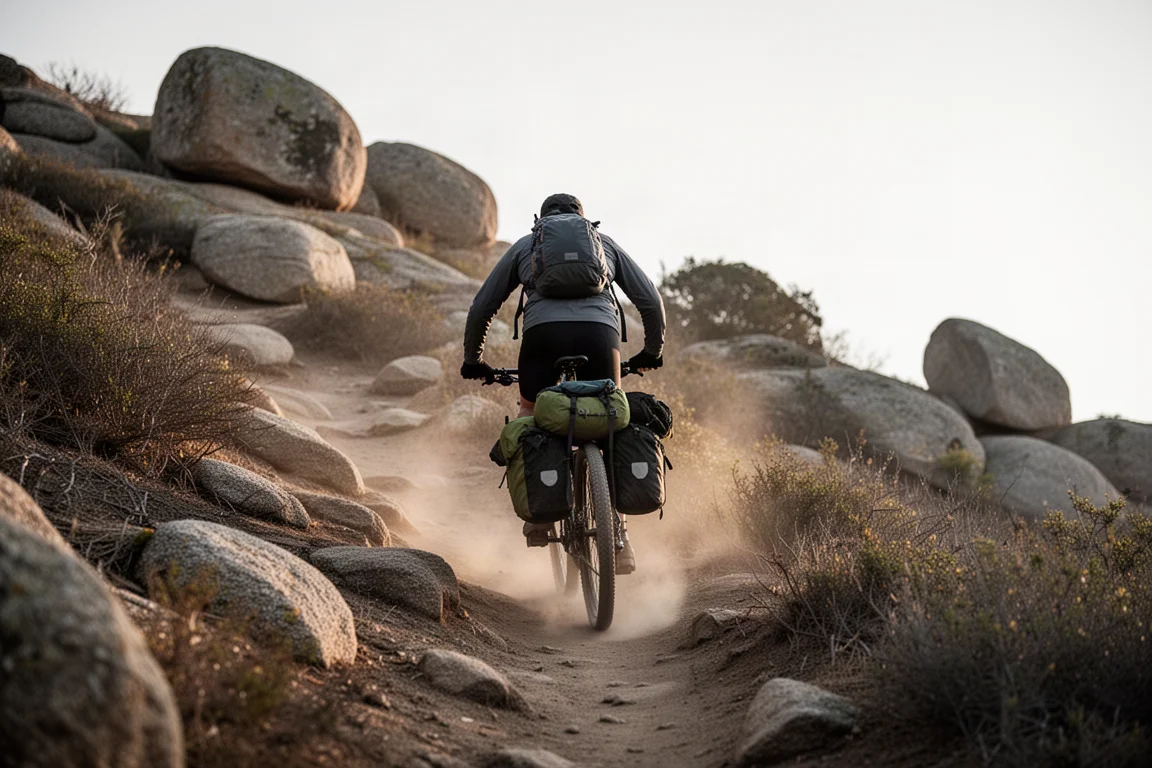
Sole construction is closer to a trail running or hiking shoe than to a race shoe, and that is exactly what makes the walking sections tolerable. For anyone whose routes mix gravel roads with rough, unrideable pitches, that balance is the reason this shoe stays in the rotation.
Wahoo ELEMNT ROAM
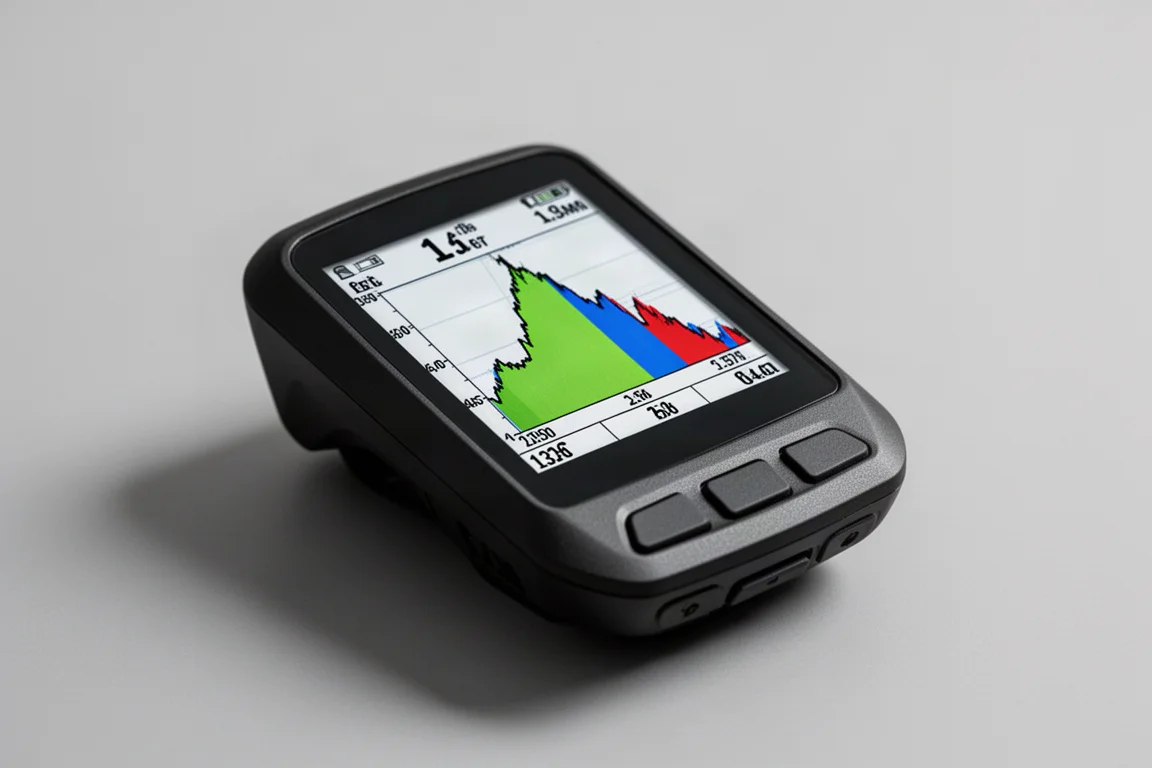
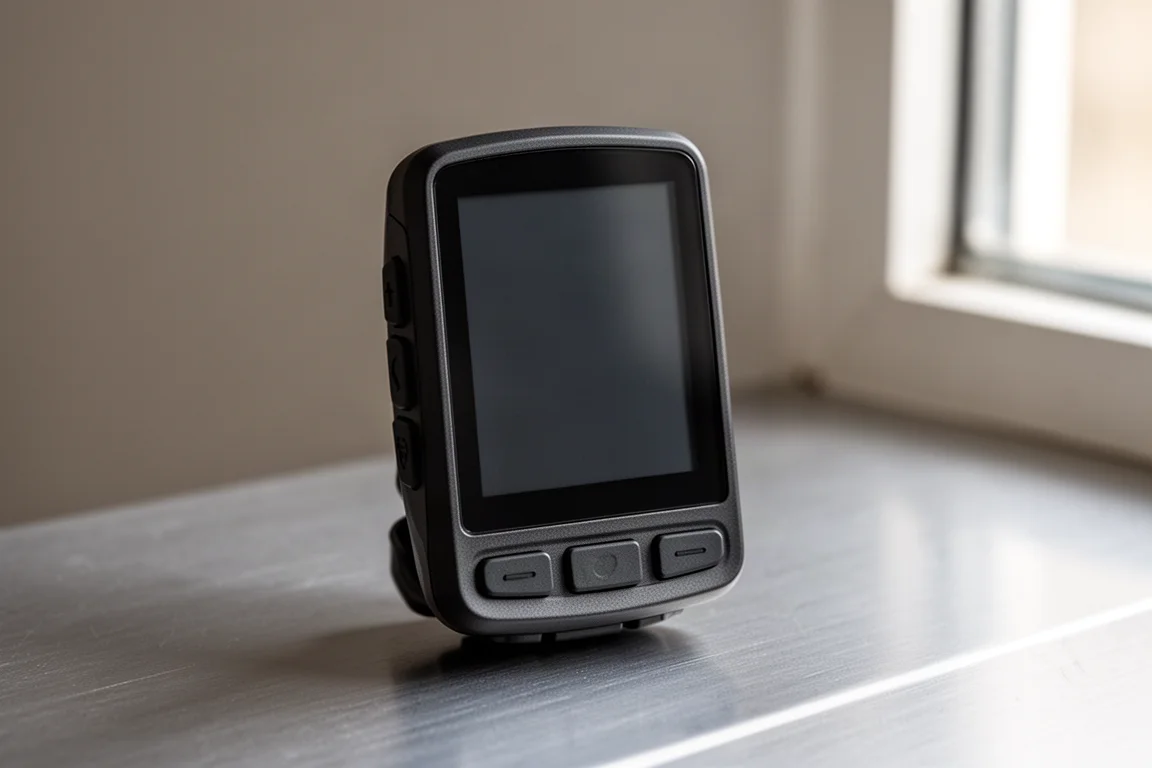
Navigation is the difference between following a route and guessing at one. The ELEMNT ROAM is a compact GPS computer that takes a GPX track prepared in mapping software and turns it into turn-by-turn directions on the bars, alongside the usual ride data such as distance covered and elevation for the day.
The workflow that suits bike packing is straightforward. Build or download a track, mark waypoints for water, camping and resupply, export the file to the head unit, and ride. Battery life has been a long-standing strength of this model, and the compact body keeps it out of the way on a crowded cockpit. The original version charges over micro-USB and is controlled with buttons rather than a touchscreen.
Wahoo ELEMNT ROAM 3
The ROAM 3 addresses the earlier model’s limitations directly. Battery life is longer, charging moves to USB-C, and the screen is now a touchscreen with a noticeably more vibrant display that makes maps easier to read at a glance.
More information on screen matters more than it sounds. On a long off-road route, reading the map quickly and seeing the next turn without stopping is a genuine advantage on a loaded bike. For riders who already like the ROAM interface, the newer model is the one to choose. The original remains a capable navigator for anyone who does not need the touchscreen or the extended battery.
Patagonia Dirt Craft Shorts
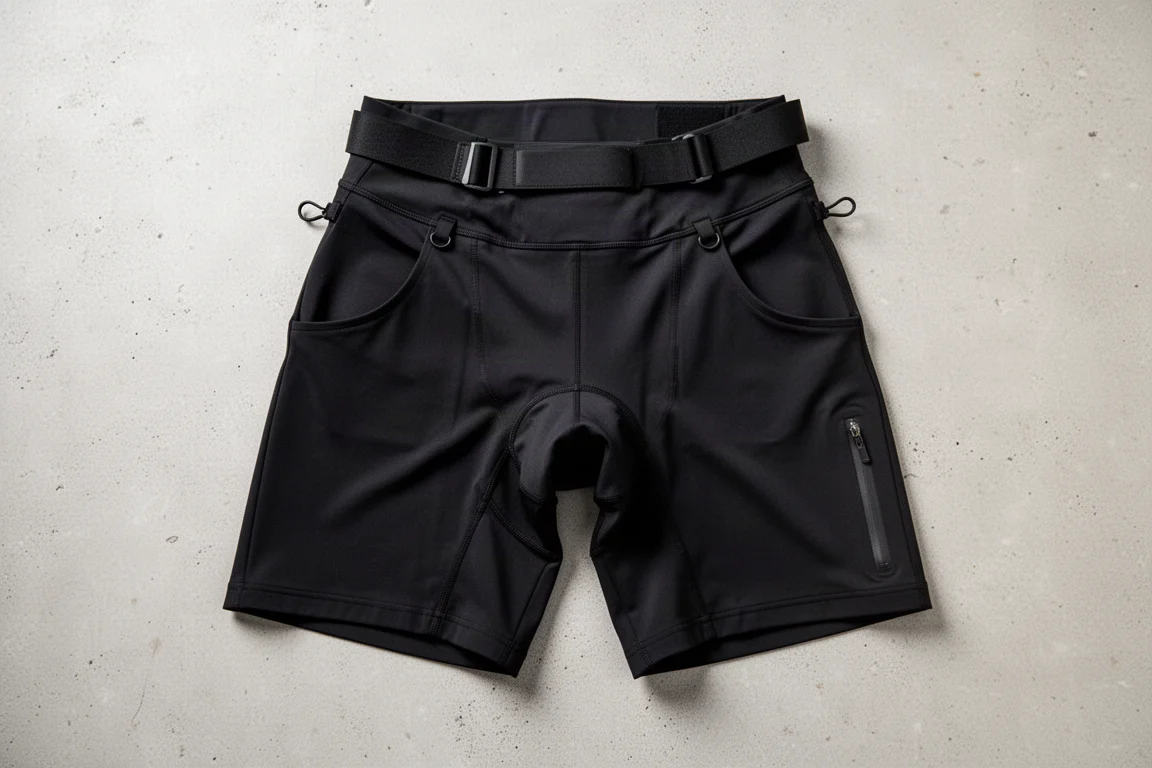
Shorts are the one piece of clothing that counts as essential equipment on a bike packing trip, because saddle time is measured in hours. The Dirt Craft shorts were designed with mountain biking in mind, and they work two ways: with a clip-in liner that has a chamois, or worn over a separate bib short, which keeps the pad locked in place and reduces the shifting that leads to saddle sores.
The shell itself is light, breathable and stretchy, with a stretch panel through the crotch so nothing binds when you move around on the bike. The length is deliberately moderate, long enough not to feel like short shorts and short enough not to catch on the knees. The waist uses a rear belt with side hooks instead of a front buckle, which avoids anything digging into the stomach when you are bent over the bars.
Storage is generous, with deep hand pockets plus a zipped side pocket for a phone or valuables. Just as importantly, the shorts do not look like performance kit, so a resupply stop or a rest day in town does not turn into a cycling costume contest. They also hold their colour and structure over thousands of kilometres of use.
Terran Daily Driver Button-Up Shirt
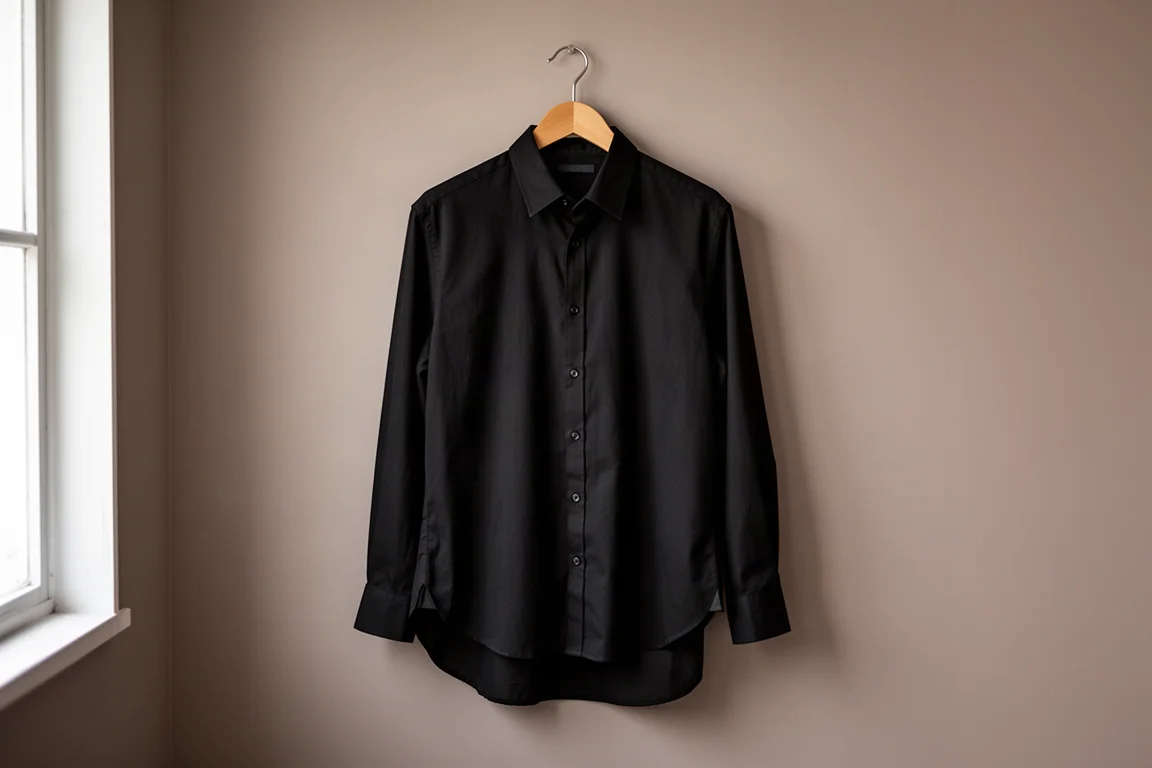
A button-up collared shirt is a deliberate choice over a sun hoodie for riding. It can be unbuttoned for airflow, it moves in the wind, the sleeves can be rolled up or down as the temperature changes, and it looks like ordinary clothing once you are off the bike.
The Daily Driver from Terran is built around those priorities. The fabric has a high bamboo content, which keeps it cool in heat and adds antimicrobial properties that limit odour over multi-day trips. The cut is longer at the back, so the shirt does not ride up when you are bent over the bars, and there is enough stretch and flow in the fabric to move with you rather than against you.
One small detail stands out at the hem: a built-in cloth for cleaning glasses and sunglasses. That is genuinely useful when road spray or dust ends up on a lens mid-ride and there is no clean jersey panel left to wipe it with.
Zpacks Altaplex Tarp
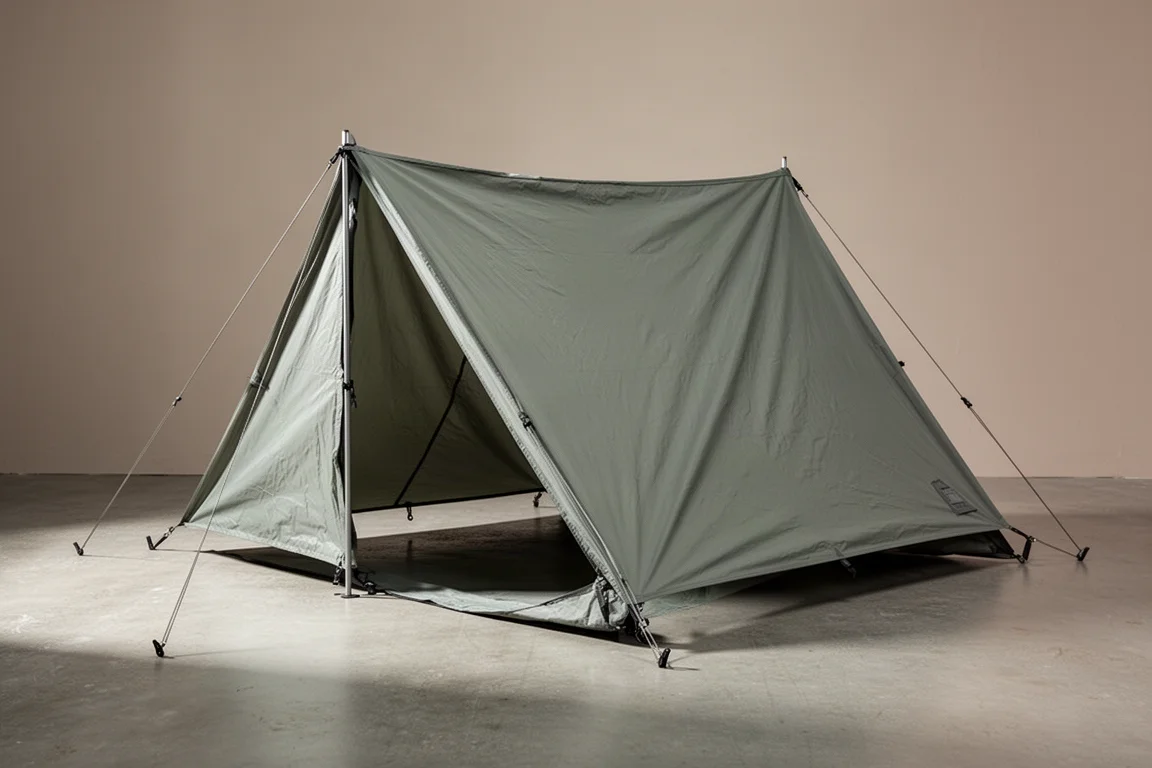
Shelter choice usually comes down to how much space a tent occupies and how much ventilation it allows. The Altaplex Tarp is the stripped-back version of a well-known ultralight shelter: the same overall shape, but without the bug netting, the large zipped door or the sewn-in bathtub floor. A clip-in bathtub can be added when ground conditions call for it.
What the tarp gives up in enclosure it gains in simplicity, weight and packed size. It rolls down small enough to disappear into a luggage layout, pitches quickly with a standalone pole and a handful of stakes, and provides a large covered area for its weight. In places where insect pressure is low, or where a head net is carried anyway, that trade is easy to accept. It is worth knowing that this particular model has been discontinued by the maker, so availability is limited.
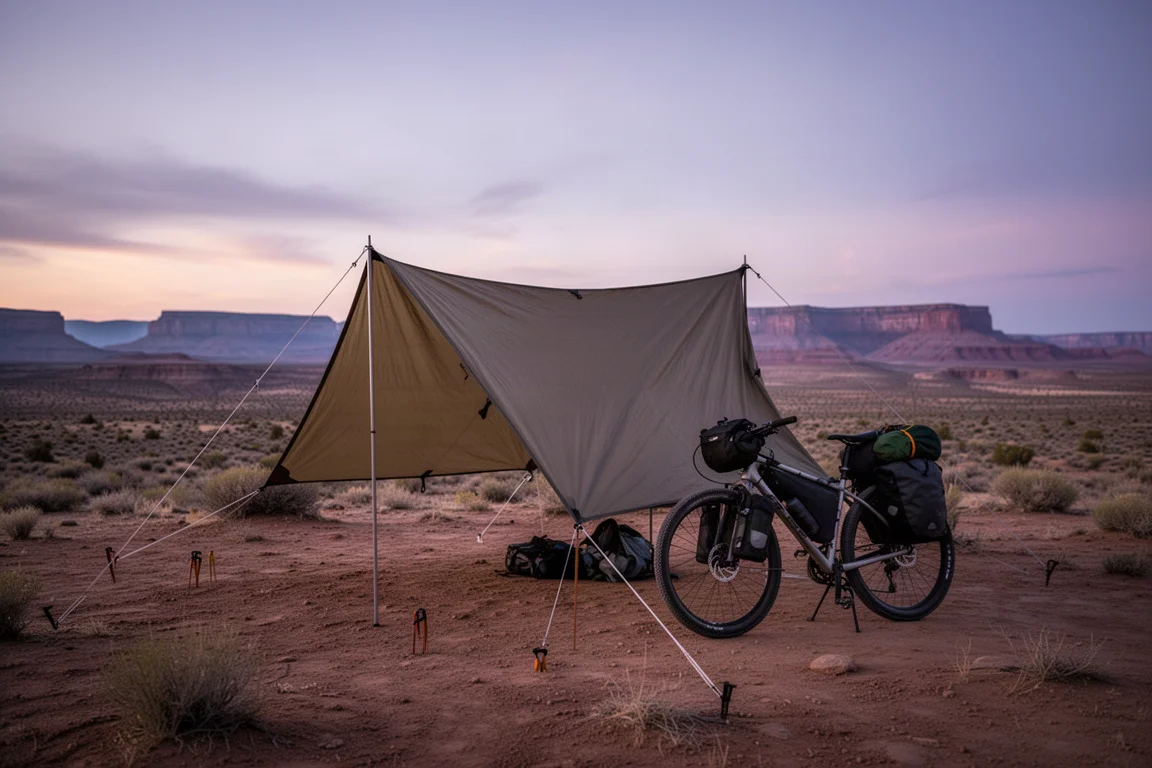
For bike packing specifically, the appeal is the open feel and the small packed volume, which leaves more room for water and food in the rest of the setup. Riders who need full enclosure, or who ride in heavy bug country, are better served by a fully netted version of the same design.
Buying Advice
Work backwards from the trip you actually ride. Bags should be chosen for stability and waterproofing first, since a swaying seat pack and a damp sleeping bag will spoil a trip faster than a few grams of weight ever will. Shoes should follow the terrain: riders who expect hike-a-bike sections benefit from a walkable sole, while those who stay on smoother surfaces can prioritise stiffness. Navigation should be chosen for battery life and how easily you can read the map, not for the longest feature list.
Clothing deserves more attention than it usually gets. On a bike packing trip, what you wear has to work on the bike and in town, which is why shorts and a collared shirt earn their place over dedicated race kit. Shelter should be matched to conditions you genuinely expect, with packed size and ventilation weighted alongside weather protection. If insects are part of the picture, a fully enclosed design is the safer starting point.
Conclusion
None of these nine items are exotic. They are simply the ones that have kept working across long distances, mixed surfaces and changing conditions, and each has a clear job in a bike packing setup. A stable seat pack protects the sleep system, a walkable clipless shoe handles the unrideable pitches, a reliable head unit keeps the route honest, and clothing that passes as ordinary makes the town stops easier.
Buy for the riding you do most, not for the riding you imagine. If a product’s limitation sits outside your normal conditions, it is unlikely to bother you. If it sits squarely inside them, that is the detail worth paying attention to before you commit.
Further reading
Related Reviews
Bike Packing Gear
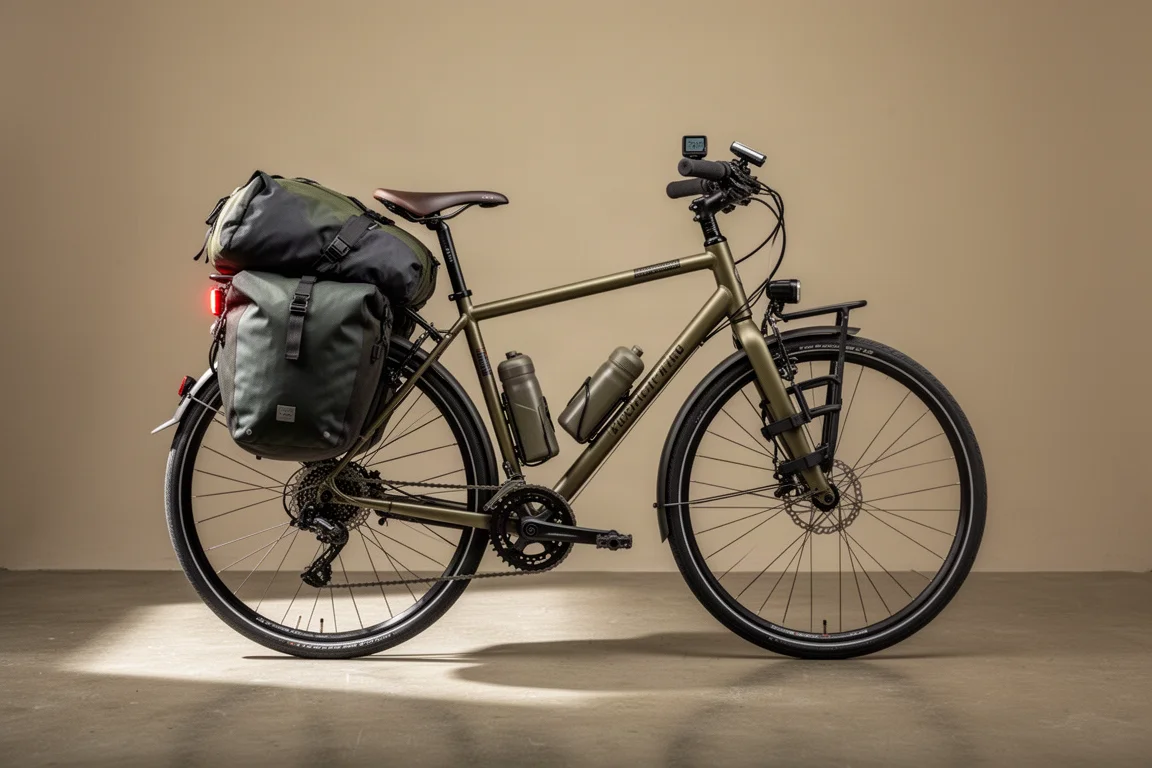
Bike Packing Gear for Long-Distance Touring: 15 Picks That Earned Their Place
A month-long, 1,000-mile touring setup distilled into the gear that actually held up: luggage, shelter, navigation, lighting, cooking, and contact points.
Bike Packing Gear
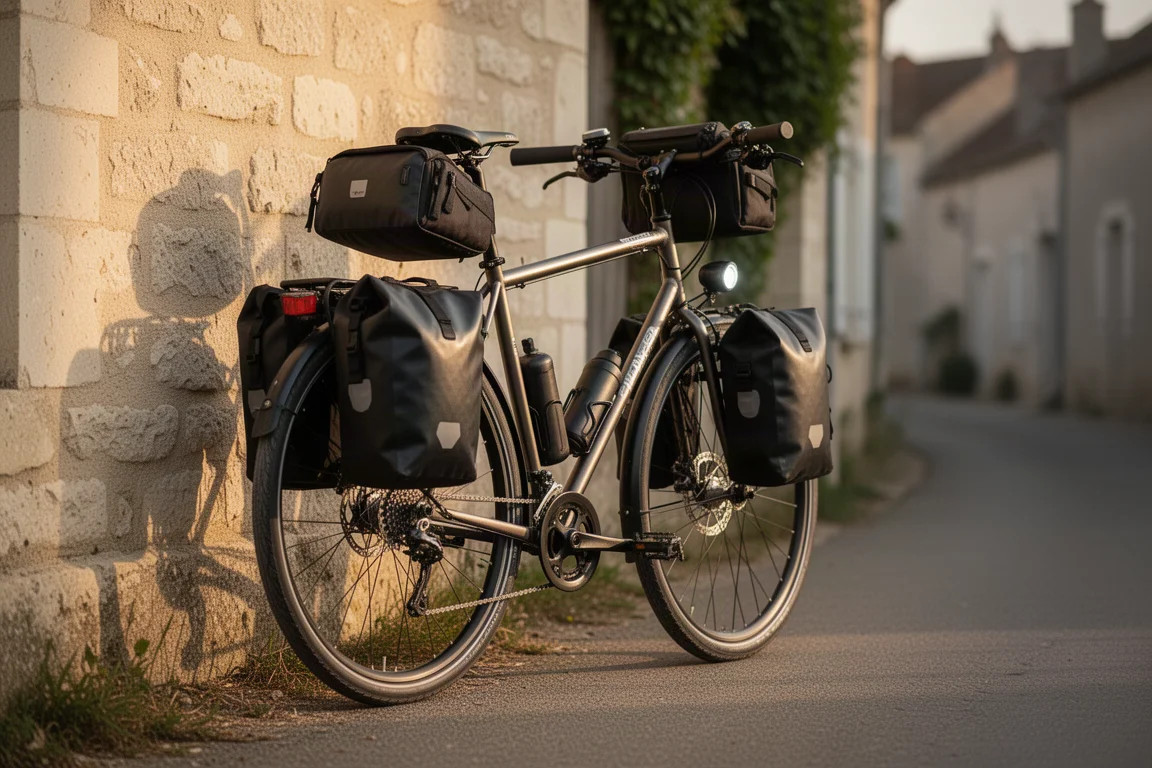
Bike Packing Gear for Long Tours: 15 Picks From a Month on the Road
A month-long, 1,000-mile tour of France put luggage, shelter, navigation, lighting, cooking, tires, and clothing to the test. These are the pieces that held up.
Bike Packing Gear
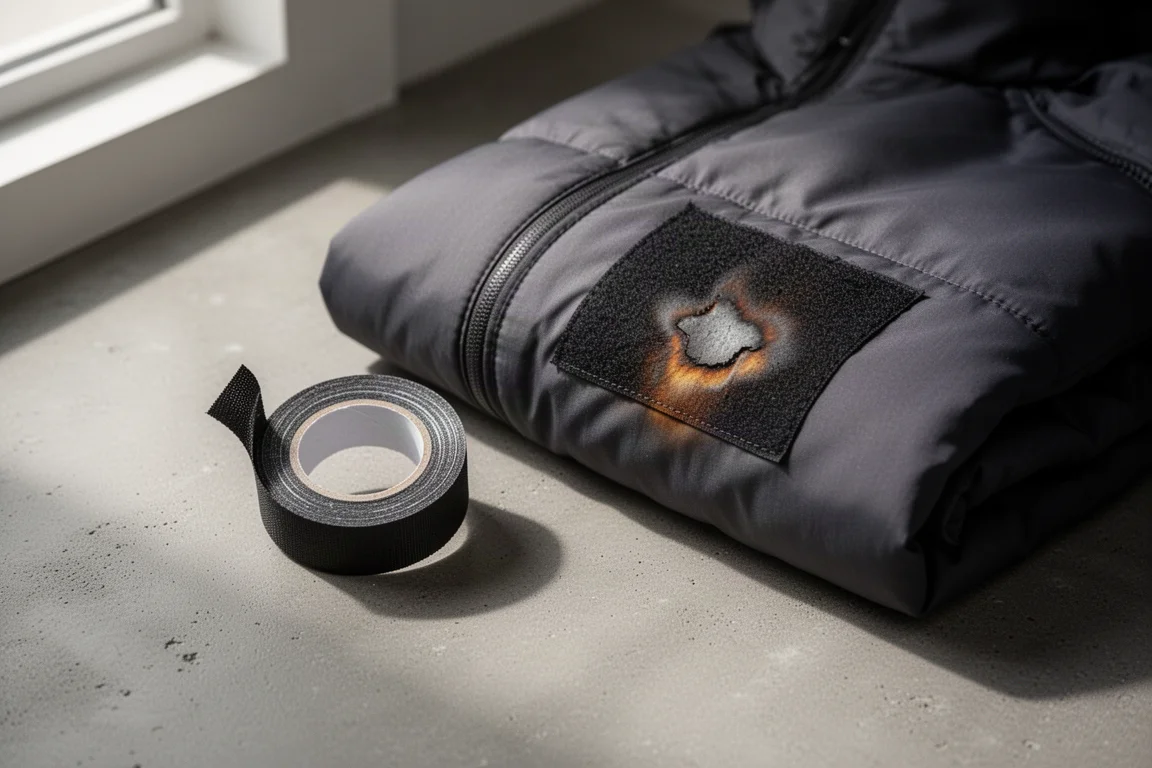
Tenacious Tape Review: The Fabric Repair Tape Worth Packing on Every Bike Trip
A practical look at Tenacious Tape, the peel-and-stick fabric repair patch that keeps jackets, bivvy bags and tents usable when gear fails far from home.