Bike Packing Gear
Bike Packing Gear for Long-Distance Touring: 15 Picks That Earned Their Place
A month-long, 1,000-mile touring setup distilled into the gear that actually held up: luggage, shelter, navigation, lighting, cooking, and contact points.
Introduction
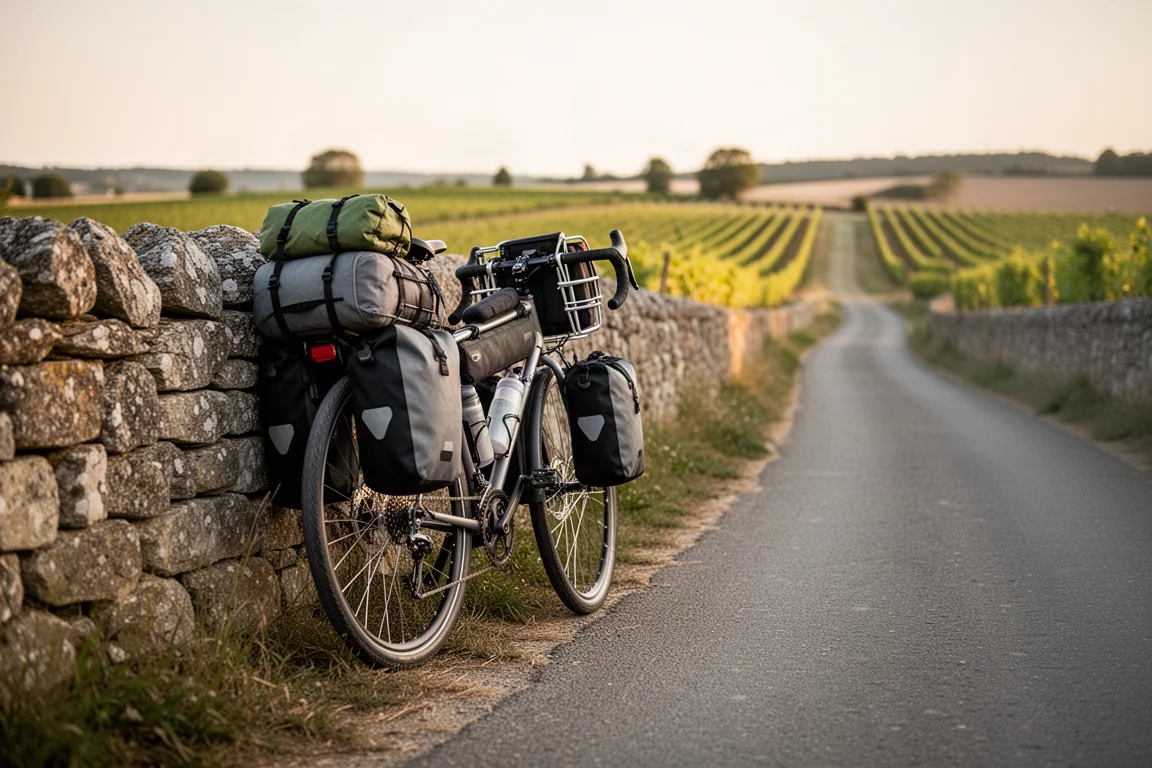
Long-distance bike packing gear sorts itself out quickly once you are a few hundred miles into a trip. Over a month-long tour across France covering close to 1,000 miles, a small set of items earned a permanent place on the bike, and a few popular choices turned out to be more trouble than they were worth.
Saddle bags are the clearest example. They force you to stuff items down into the bottom of the bag, which means emptying everything to reach whatever you packed first. They also sway as you pedal, changing how the bike feels, and that movement can rub paint off the frame and seat post unless it is protected with thick tape.
This guide covers what worked instead: luggage that loads from the top, shelter that stays dry, navigation that never needs a charger, lighting that runs off the bike itself, and a handful of small details that quietly make long days better.
What We Looked For
Every item here had to survive daily use rather than a single weekend. The priorities were straightforward: reliability ahead of features, easy loading and unloading, low weight where it genuinely mattered, and gear that keeps working when the weather turns.
Weight was a real consideration on the climbs, but not at the cost of protection or comfort. Several picks below are heavier than the lightest option available, and that was a deliberate trade rather than an oversight.
Cost was the other filter. A few of these items are expensive, and in those cases the value came from being used for hours every single day without failing or needing attention.
Luggage: Basil Navigator Pannier Bags
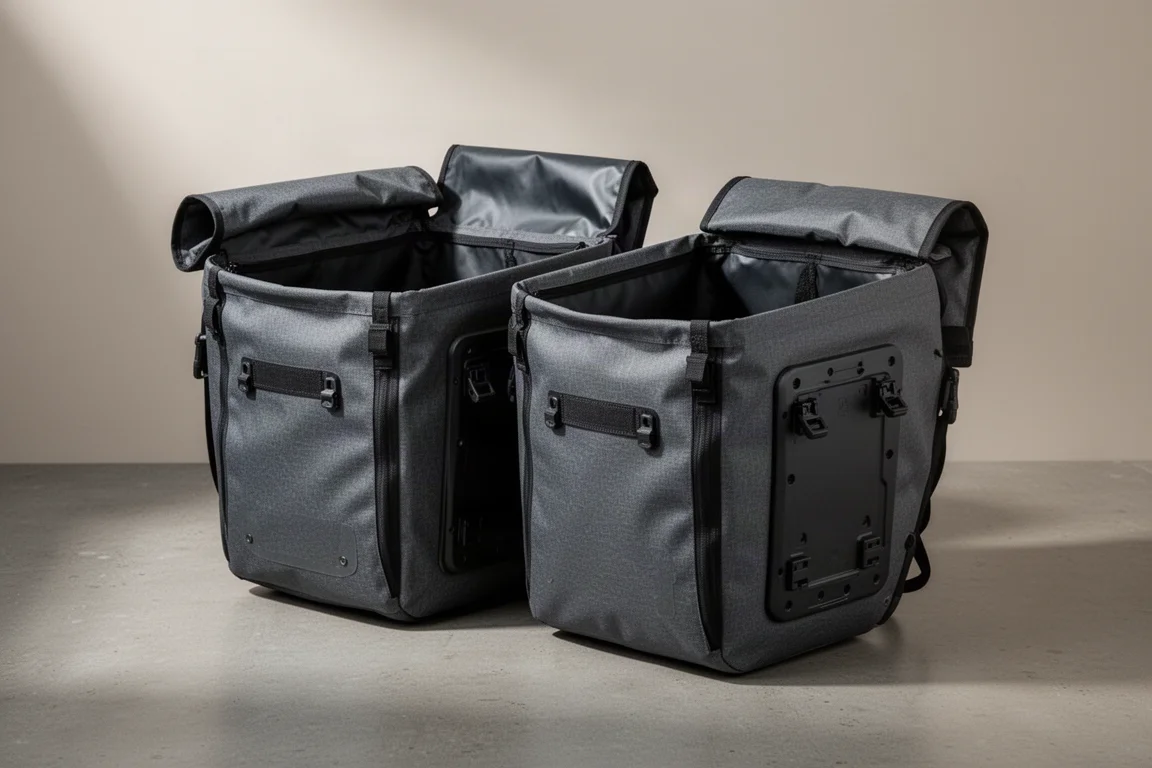
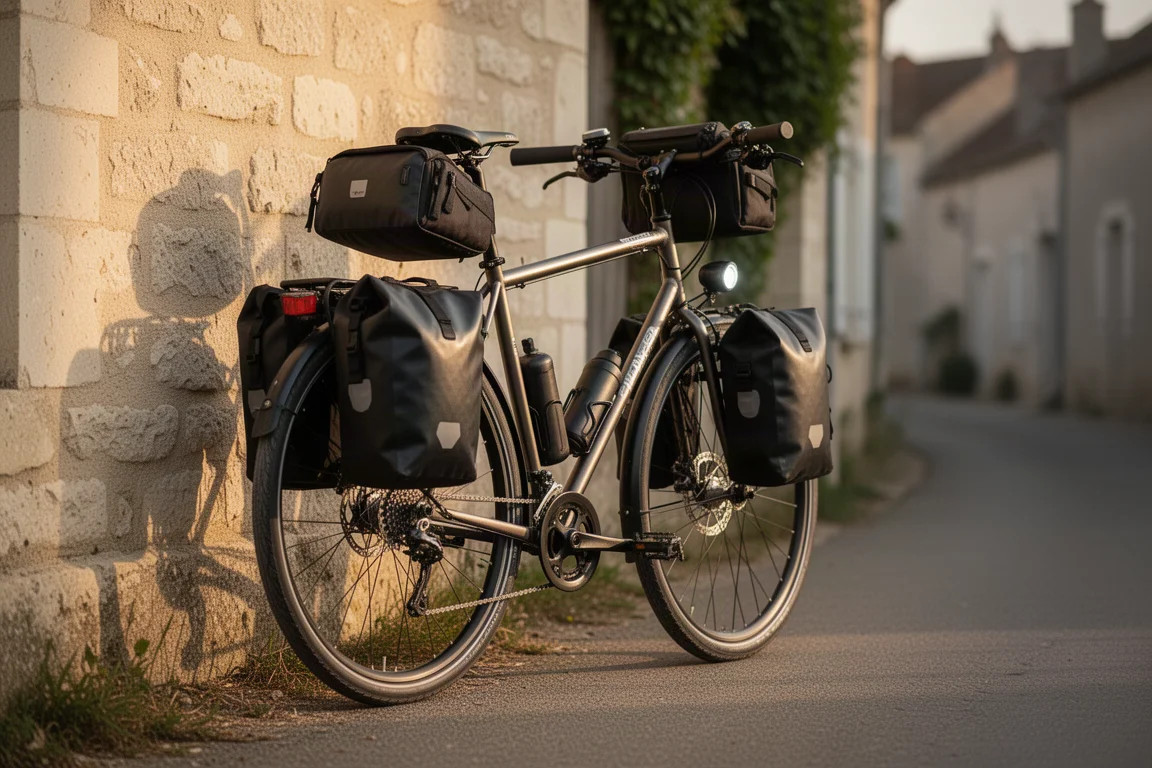
The core of the setup was a pair of Basil Navigator pannier bags mounted on an aluminium rack bolted to the frame. Each bag carries up to 31 litres and is fully waterproof.
Because they are top-loading, packing and unpacking is far quicker than digging into a saddle bag. They slide onto the rack and drop into place, then a small plastic clip turns for extra security. There is no constant adjustment and no re-strapping at the side of the road.
One plastic clip did break during the trip. Replacements are available, and the likely cause was that the mounts were not set up perfectly at the start. The bags are rated to 60 lb each, so the failure was unexpected, but it was a single component rather than a flaw across the design.
Panniers are bigger and less aerodynamic than a saddle bag, and plenty of performance bikes have no rack mounts at all. After a few weeks on the road, that trade stops feeling like a compromise.
Luggage: Tailfin Cargo Cages
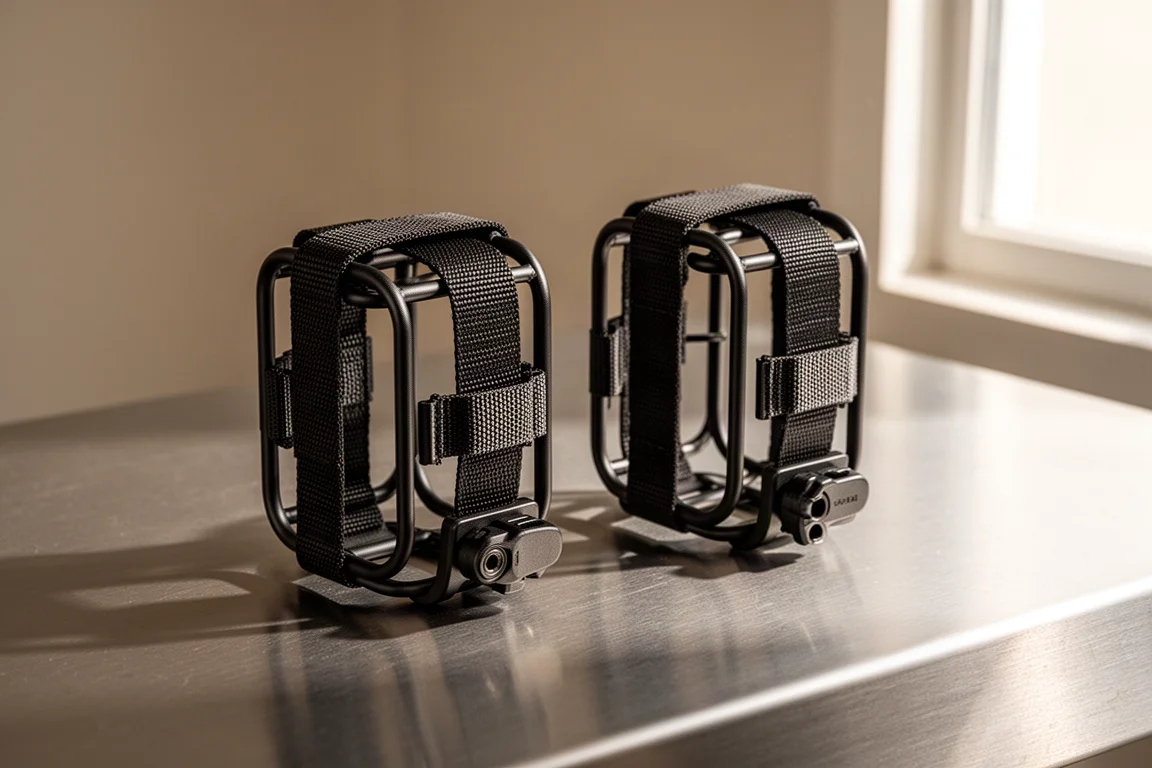
Tailfin cargo cages went onto the fork legs to increase luggage capacity. They are a simple way to add usable space on a bike that is already carrying a full touring load, without changing the main luggage system.
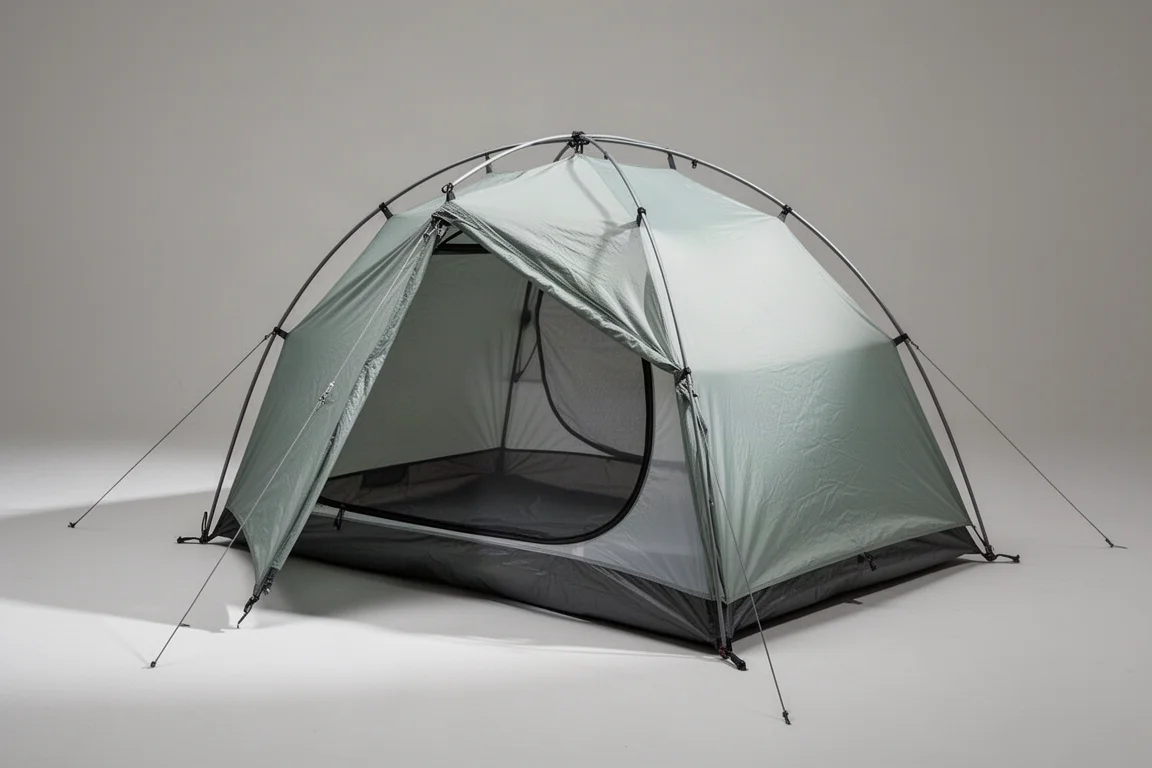
Shelter: MSR FreeLite 1 Tent
The MSR FreeLite 1 was the tent for a solo trip, costing around $400 or £400. It weighs just 750 g, and the first six nights of the trip were spent inside it.
That weight comes with a trade-off. The outer material does not fully cover the tent body, so there are slightly heavier tents with better protection. With a lot of climbing on the route, that was a risk worth taking.
It rained for much of the first week and the inside stayed dry. The body is all mesh, which gives strong ventilation and avoids the condensation that builds up overnight in many tents. Two small mesh pockets inside handle the loose small items.
Pitching is quick: one main pole plus a small connector pole at the top. It is rated for three seasons.
Shelter: Wild Country Koshi 3 Tent
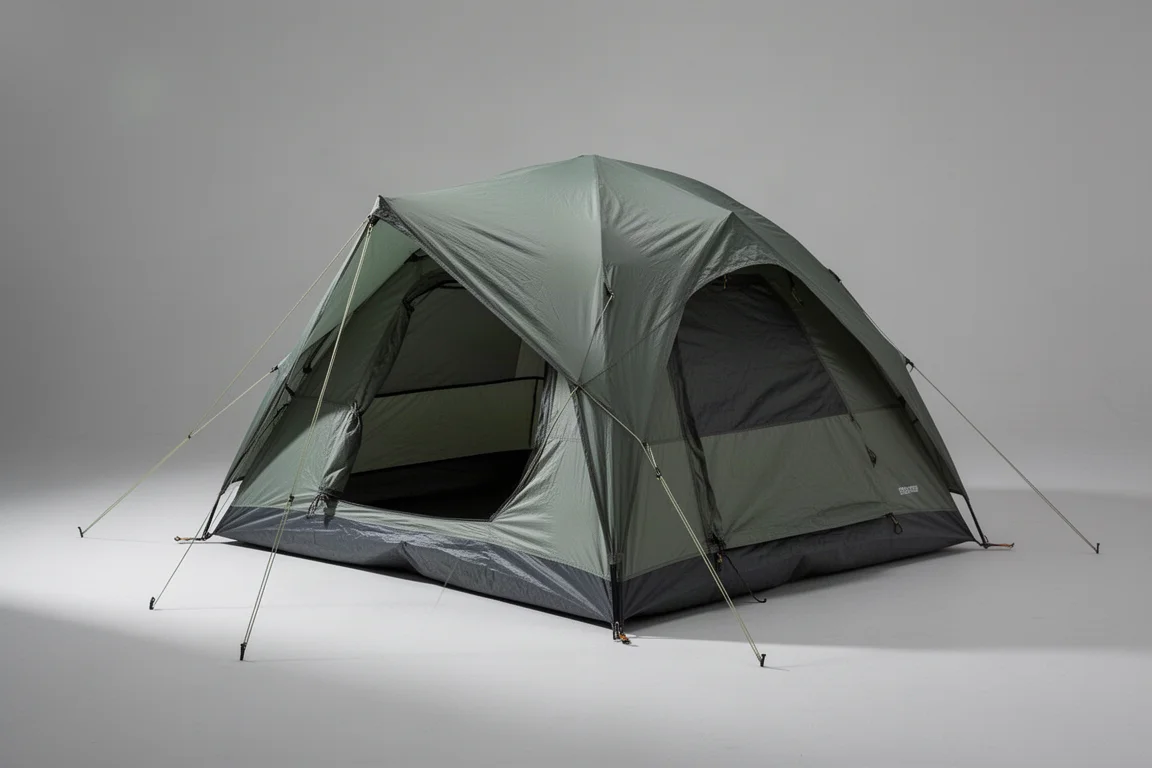
For two people, the Wild Country Koshi 3 is the lower-cost route, coming in around £120 back in 2017. It is a more robust tent than the FreeLite, even though both are rated for three seasons.
That extra structure is the point. A very light tent can put off less experienced bike packers in particularly windy and wet weather, and the Koshi 3 trades some weight for a build that inspires more confidence when the forecast turns.
Navigation: Karoo 2
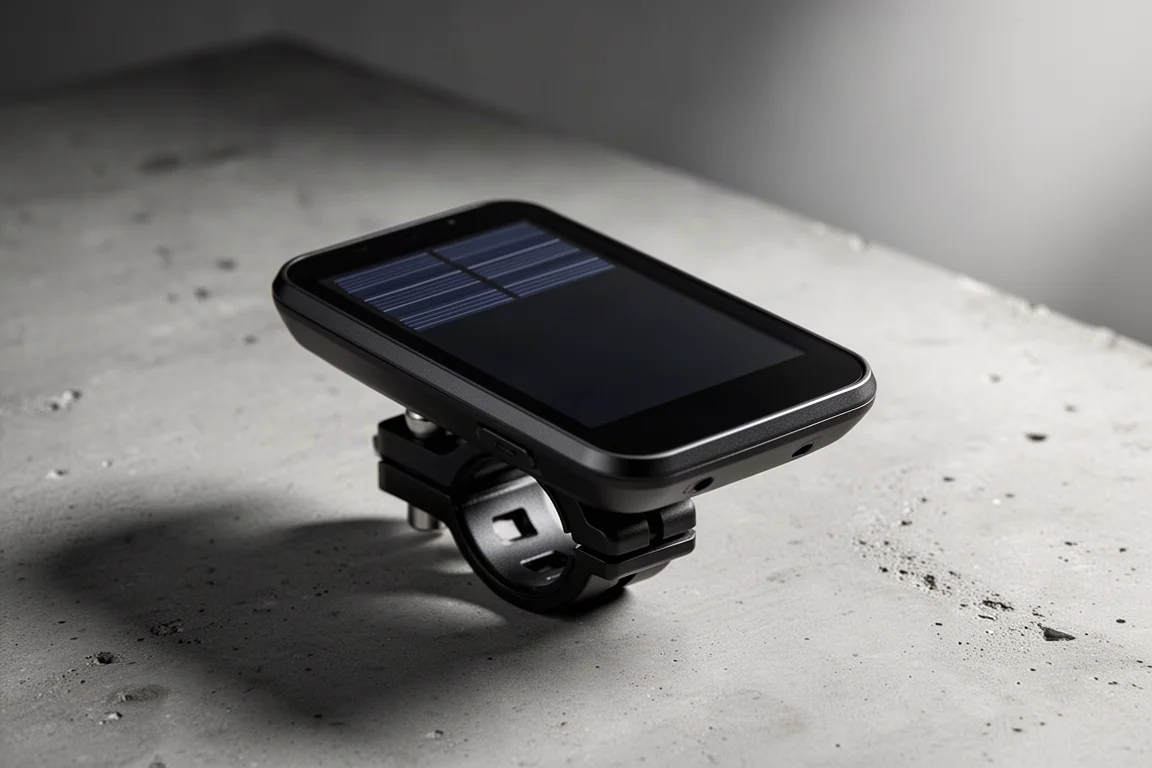
The Karoo 2 handled navigation for the whole trip. Its solar panel on top tops up the battery as you ride, and that turned out to be more than a gimmick: the entire month passed without a single charge, finishing with around 1% remaining.
Importing a GPX route file into the companion app and sending it across to the device is simple and intuitive. Routes can also be switched without ending the recording midway through a ride, which is a small thing that matters a great deal when you change plans on the road.
At around $250 it costs considerably more than using a phone. Keeping navigation on a separate device also preserves phone battery, which is worth a lot when the phone is being used to check distances to the next food stop.
The Bike: Genesis Croix de Fer 50
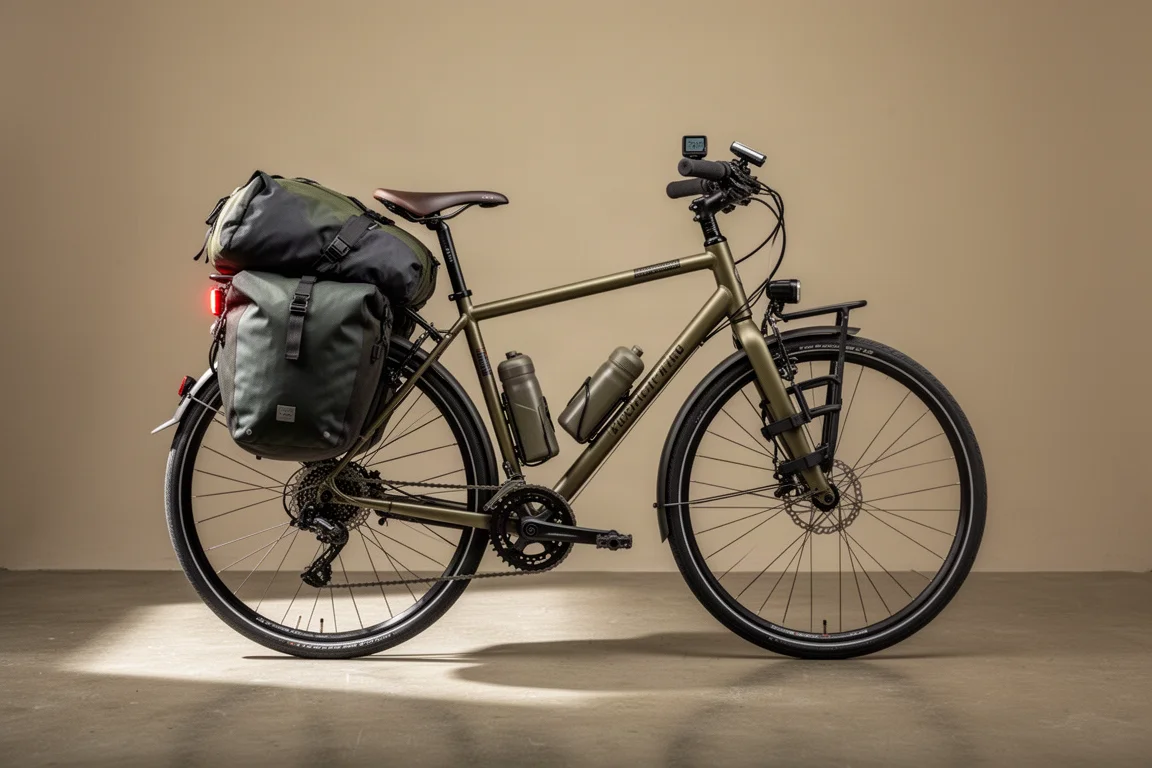
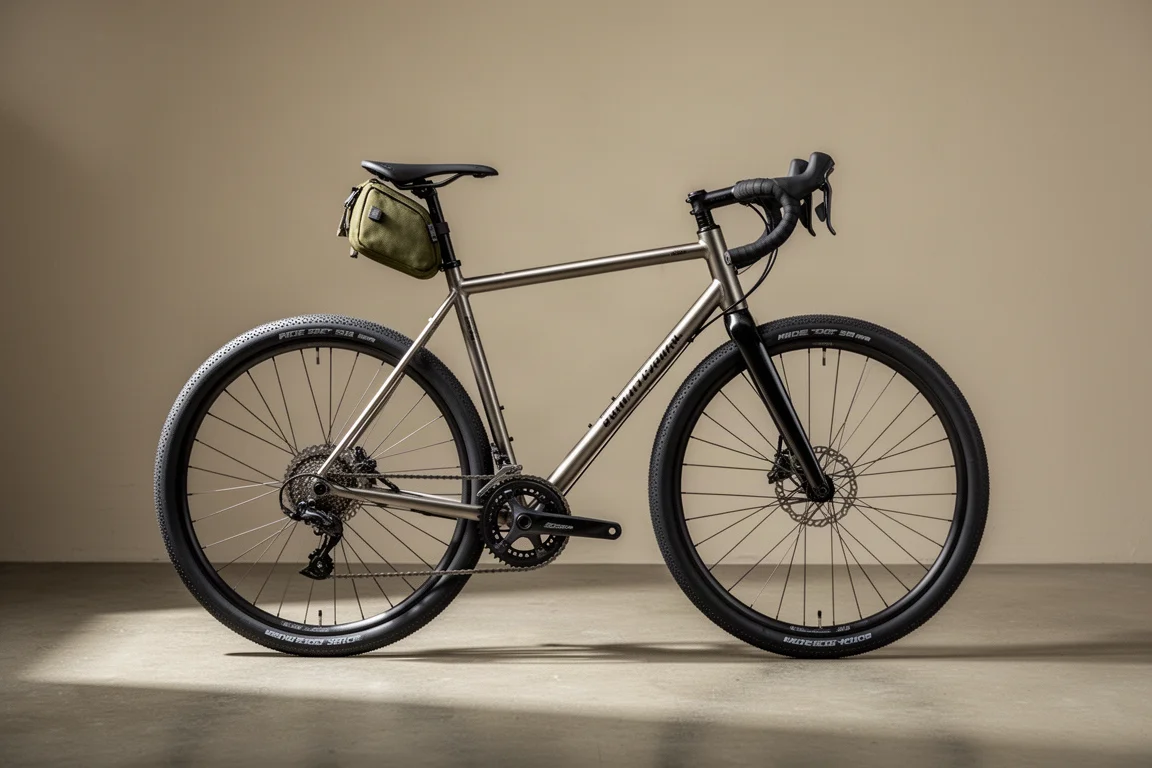
The bike was a Genesis Croix de Fer 50 with a Reynolds 853 steel frame and a carbon fibre fork. The geometry has always felt right, and while it will never be as quick as a carbon endurance bike, speed was not the purpose.
For loaded riding, the gearing was changed to get a lower climbing gear. The front chainring stayed at 31 teeth, and the cassette moved from an 11-34 to an 11-40, the M7000 SLX model. The rear mech shifts into the large cog without trouble, though it is not quite as smooth as before.
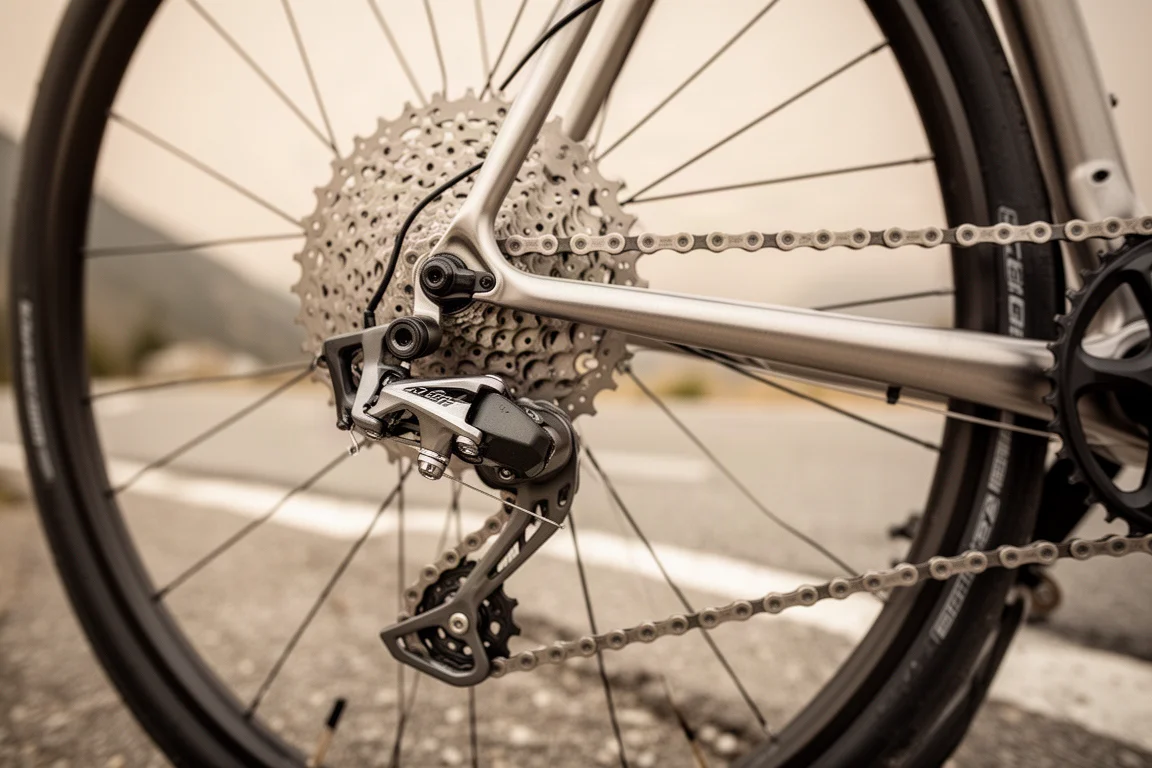
Tyre clearance remains generous for a model of this age: 45 mm at the rear and 40 mm up front when mudguards are not fitted. That is the kind of detail that decides whether a bike can handle a mixed route with luggage on board.
Contact Points: WTB Gravelier Saddle
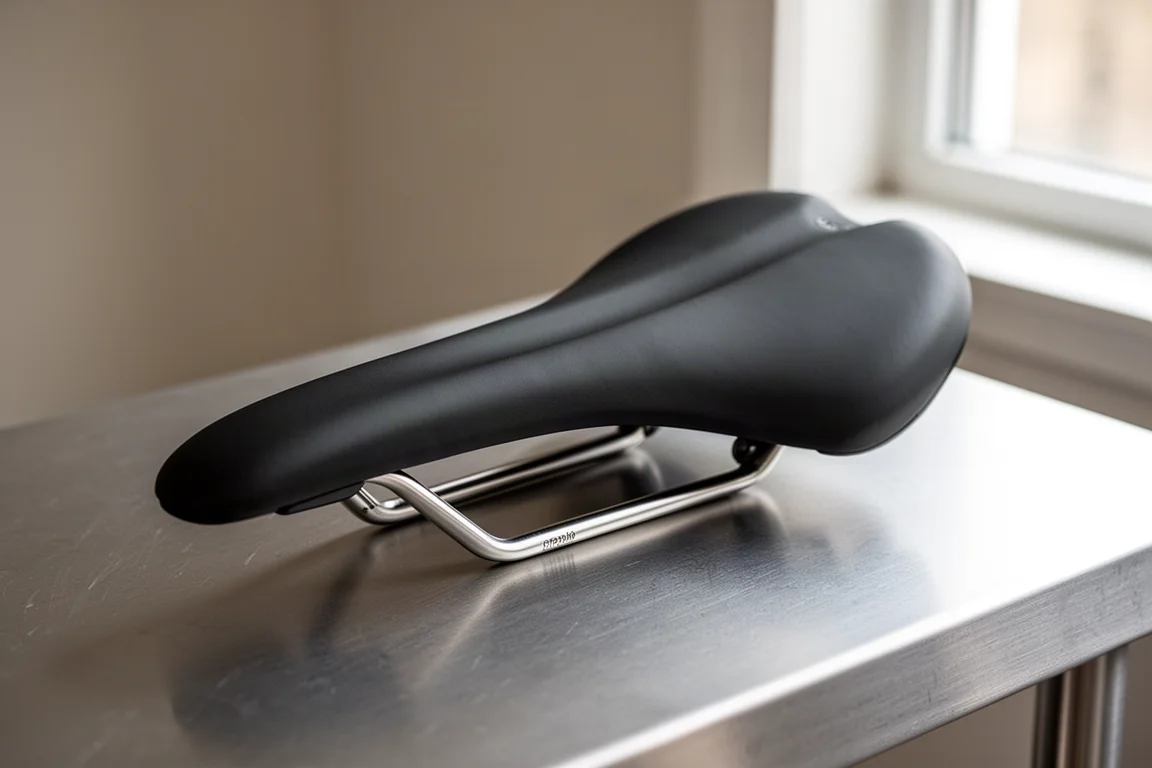
Long hours in the saddle are where touring comfort is won or lost, and the WTB Gravelier proved to be the most comfortable option available. Spending a lot of time on the bike makes saddle choice far more important than any weight saving elsewhere on the build.
Tires: Schwalbe G-One Speed
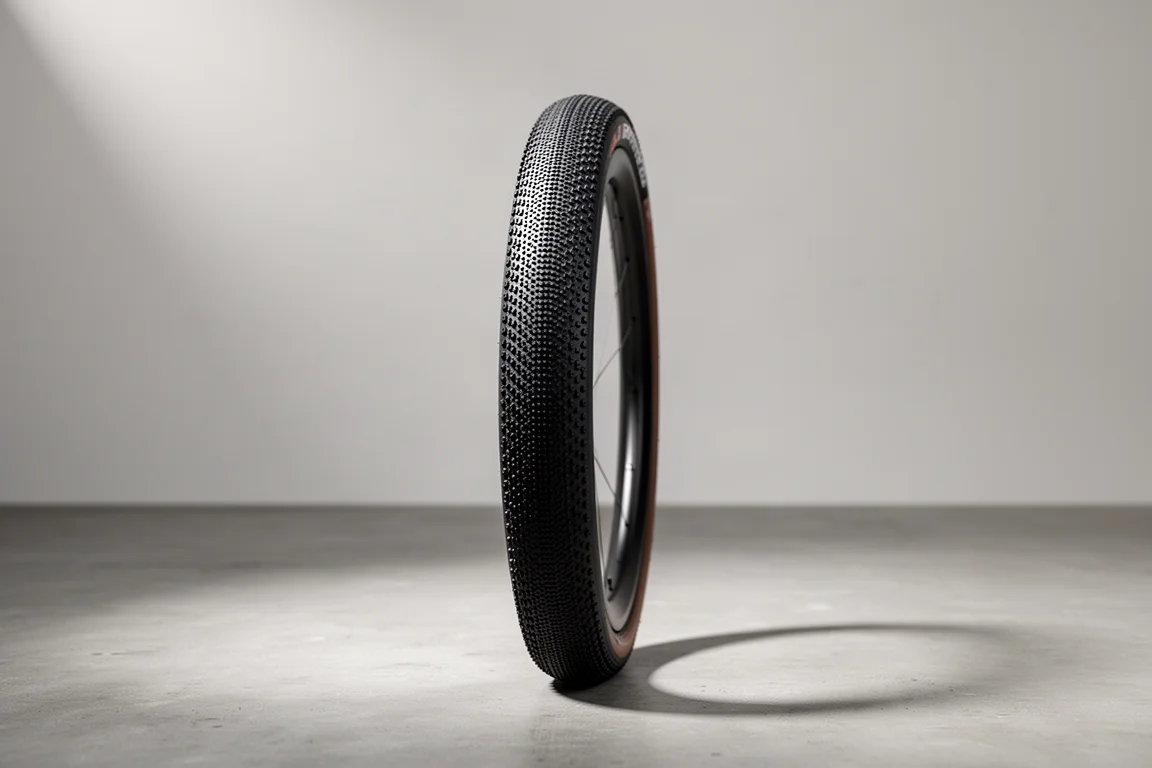
The trip finished with zero punctures. Some of that is always luck, but the tyre choice and setup did a lot of the work.
The Schwalbe G-One Speed is close to a slick gravel tyre, run here in 38 mm. That sounds far too wide for riding mostly on the road, but the width allowed lower pressures, which added comfort without giving up too much speed. Touring-specific tyres such as the Schwalbe Marathon Plus can make a bike feel slow by comparison.
The tyres were set up tubeless, which avoids pinch flats and adds puncture resistance on rough surfaces.
Rear Lighting: Knog Blinder Link
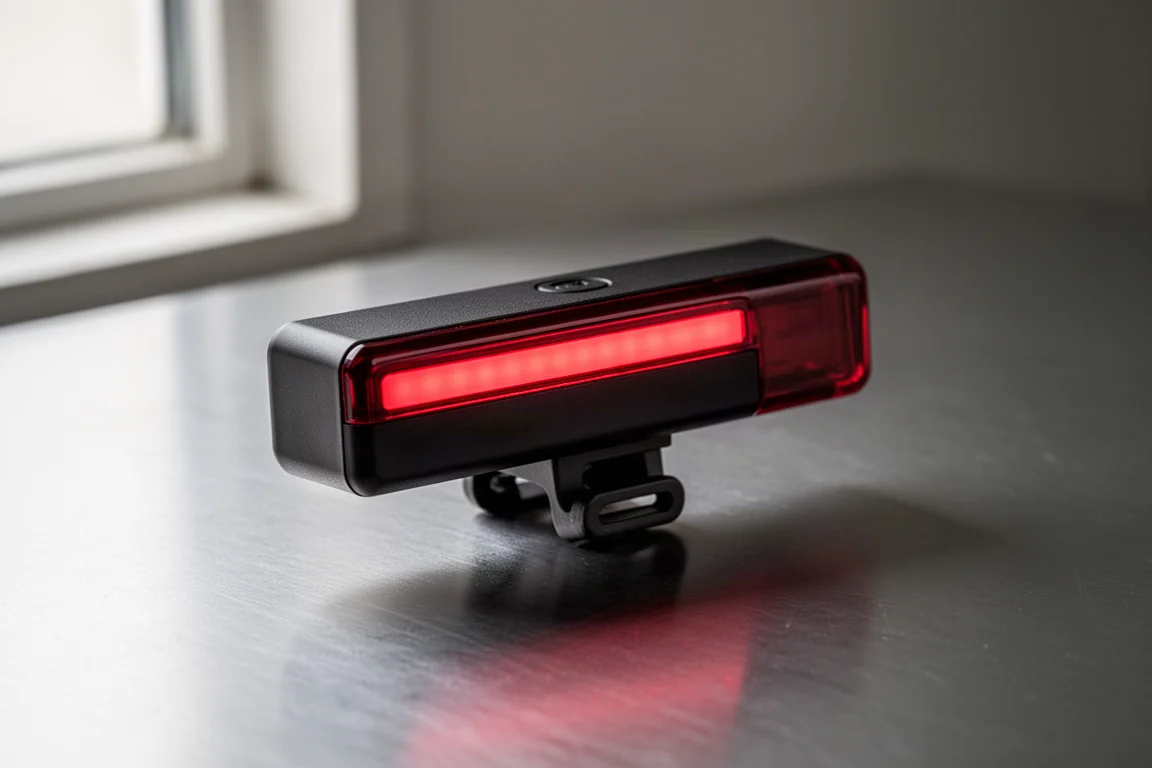
The Knog Blinder Link is a rack-mounted rear light that ran for the entire trip without running out of battery, despite being used for hours every day in daylight flash mode.
Knog rates eco flash mode at 50 hours. In practice the runtime appeared to exceed that, though it was not measured precisely.
Front Lighting: Exposure Revo
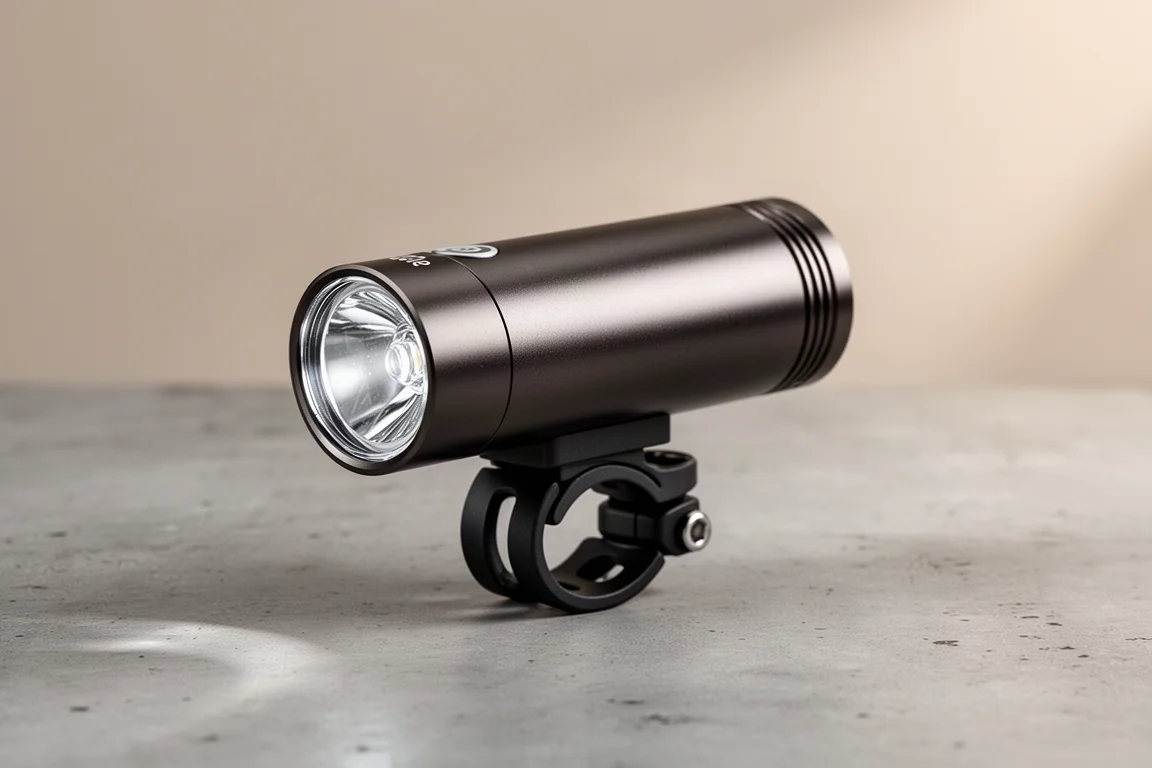
Up front, the Exposure Revo has been in use every winter and on every big trip since 2019 with no problems at all. It is relatively basic, but it has proved bombproof, and that is the only quality that really matters on a long tour.
Dynamo Power: SON Delux Hub
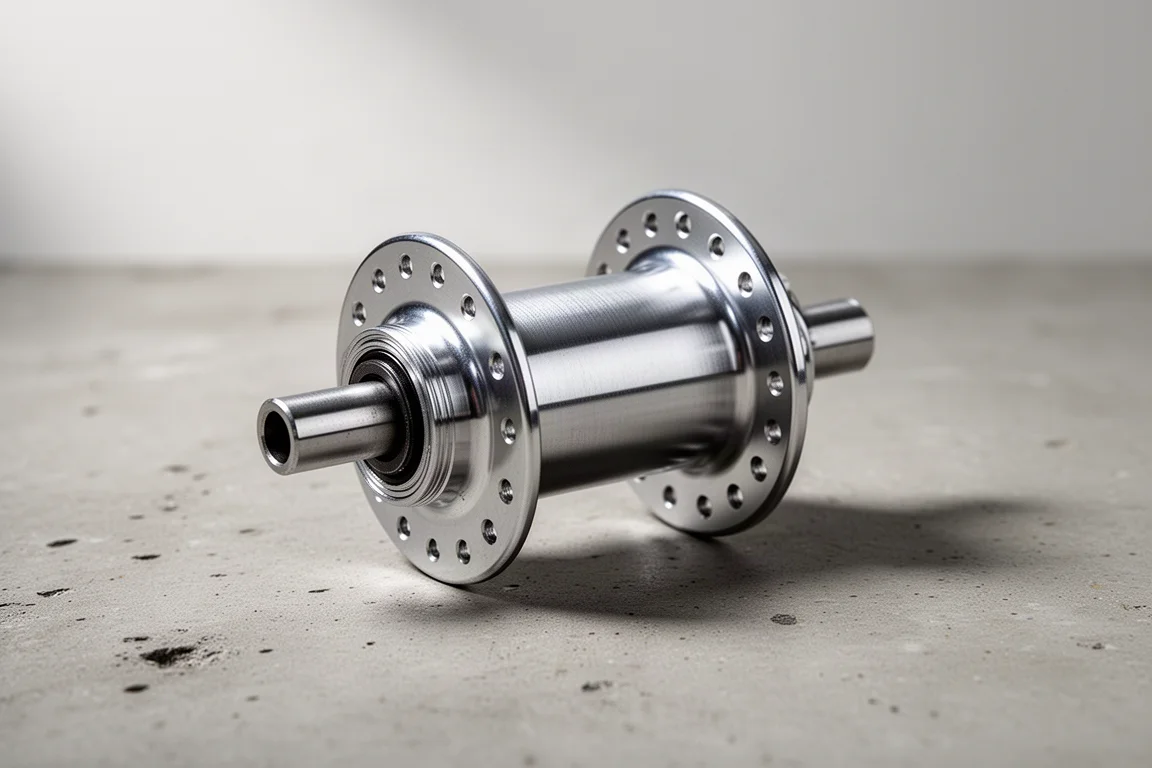
The Exposure Revo is connected to a SON Delux dynamo hub, so the front light is fed by the bike rather than by a battery that needs topping up. It is a small part of the build that quietly removes one more thing to think about each day.
Cooking: Primus Lite Plus Stove System
A good stove is essential kit if you intend to camp, and hot food and drink is one of the best parts of bike packing. The Primus Lite Plus system is recommended for solo trips, and it handles basic cooking for two people as well.
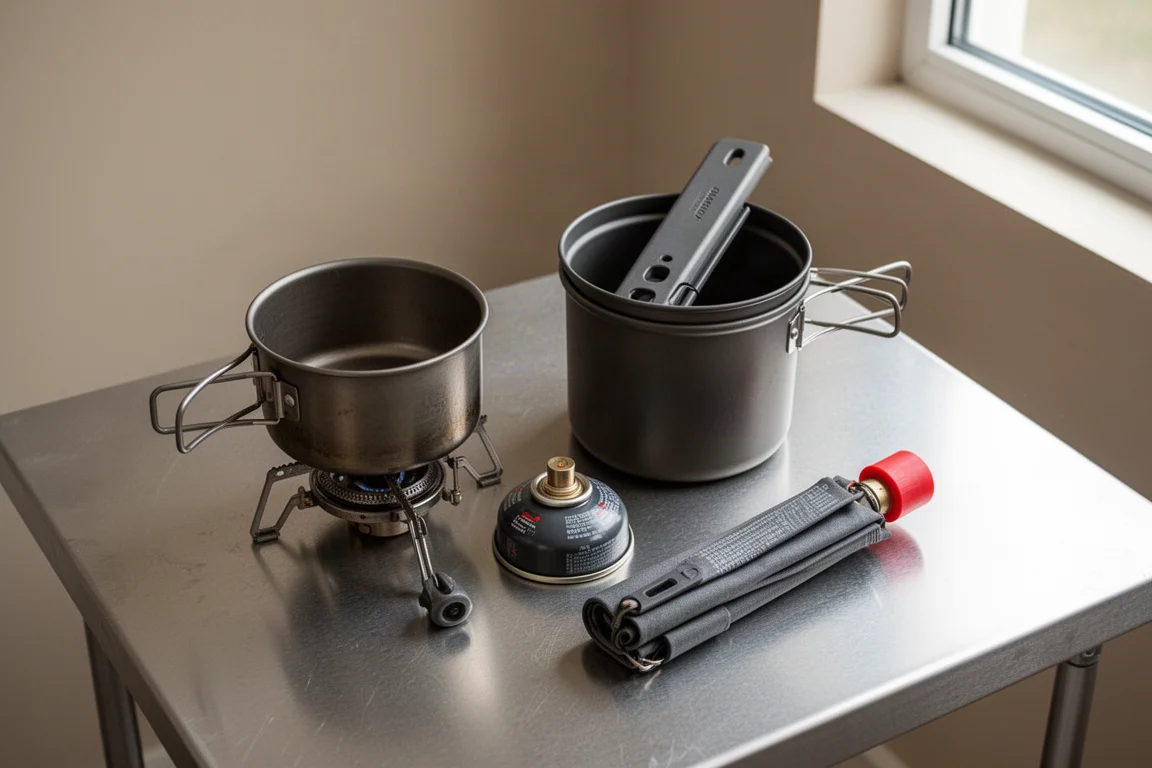
It is compact enough to fit inside a fork bag, and the parts nest inside the pot, which saves a considerable amount of space in already full luggage.
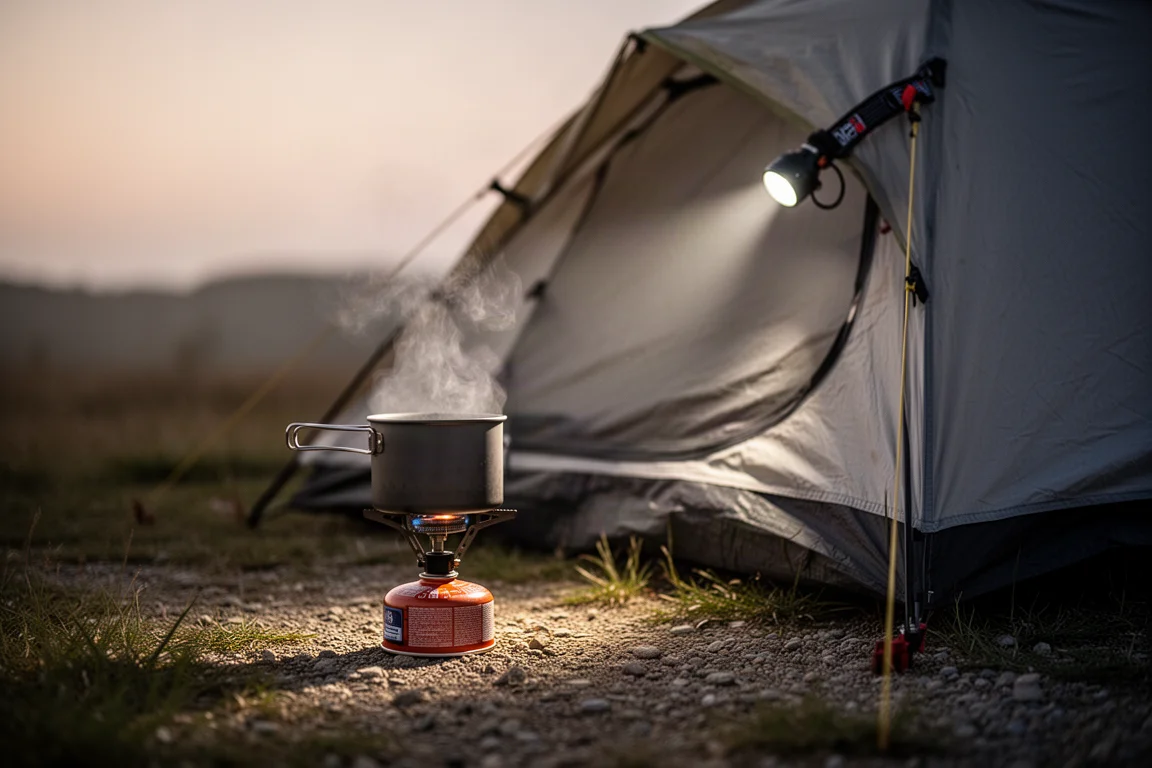
Half a litre of water heats in under three minutes, and a push-button ignition removes any reliance on a lighter or matches to get it going.
The optional coffee press is made specifically for the pot size and breaks down to fit inside it when not in use. That avoids carrying a separate coffee maker, which would have meant more kit to squeeze into the bags.
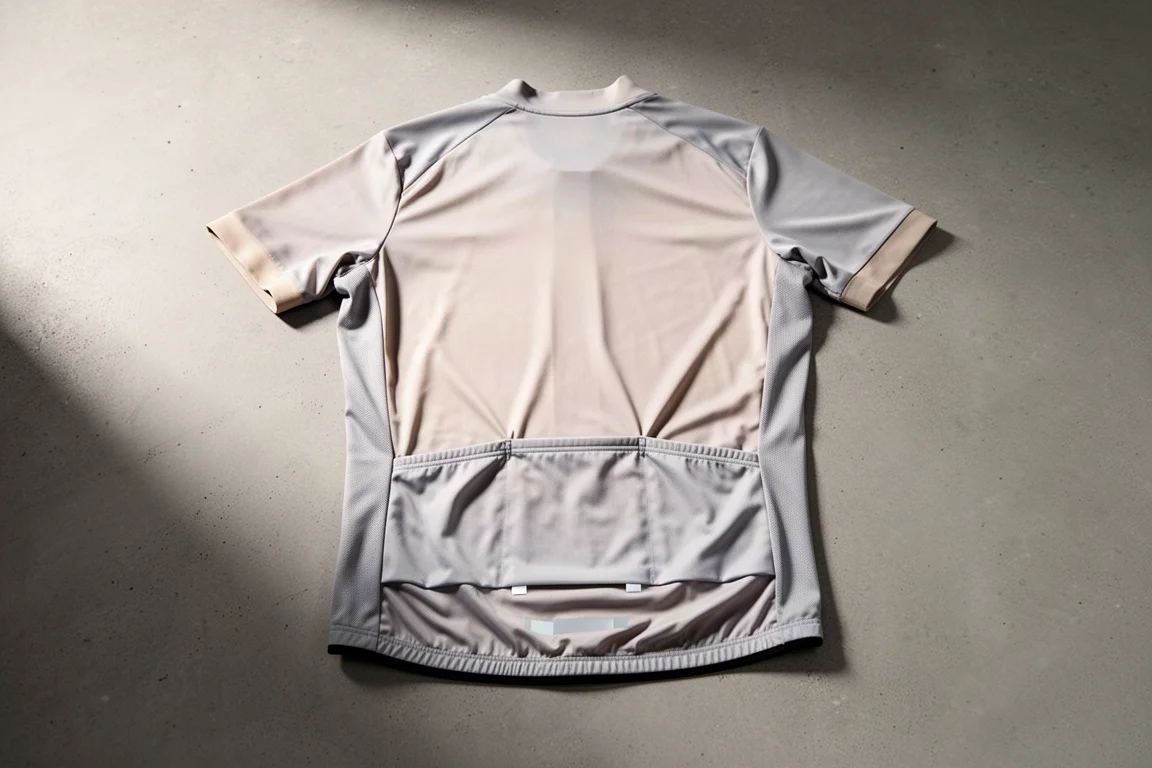
Summer Kit: Pedaled Delta Jersey
Riding in heat is hard work, and the Pedaled summer bike packing kit was used through days that hit 40°C.
The Delta jersey is very thin and breathable, built with Polartec Delta fabric that is designed to aid evaporation and cooling. On the hottest stretches of the route, that made a noticeable difference.
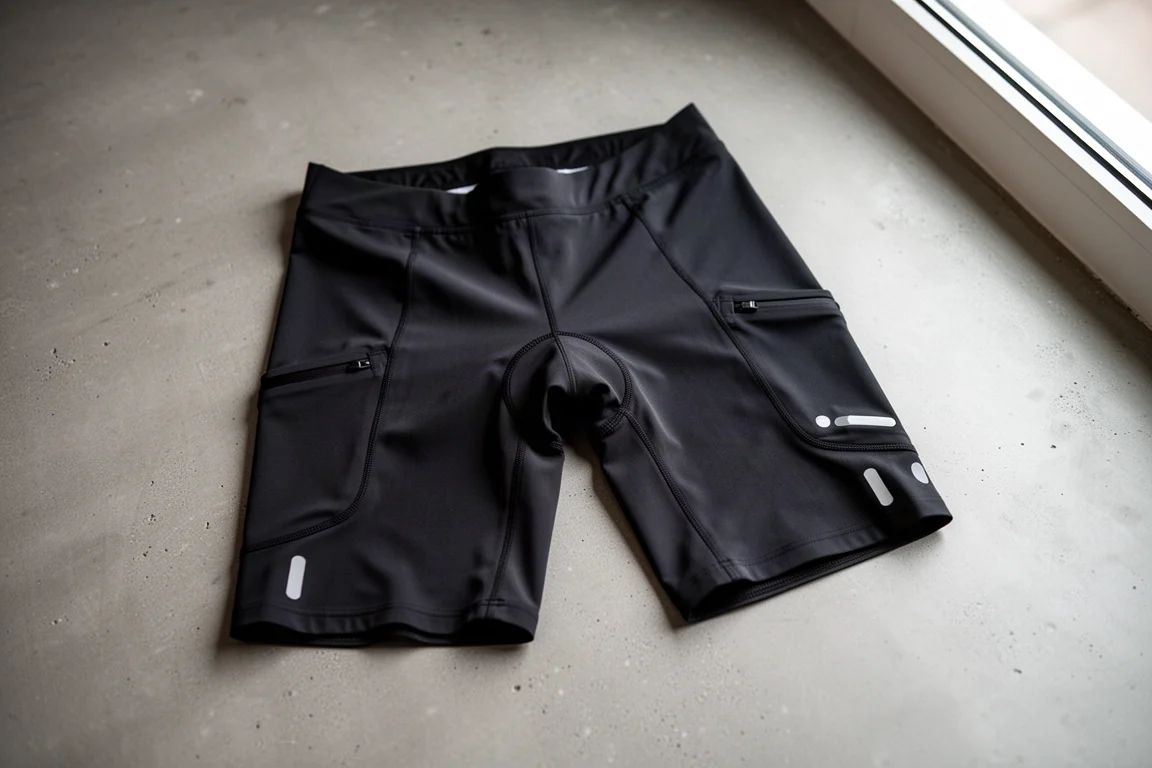
Summer Kit: Pedaled Odyssey Shorts
The Odyssey shorts were the more comfortable half of the pairing, with plenty of pockets for small items and reflective logos for visibility.
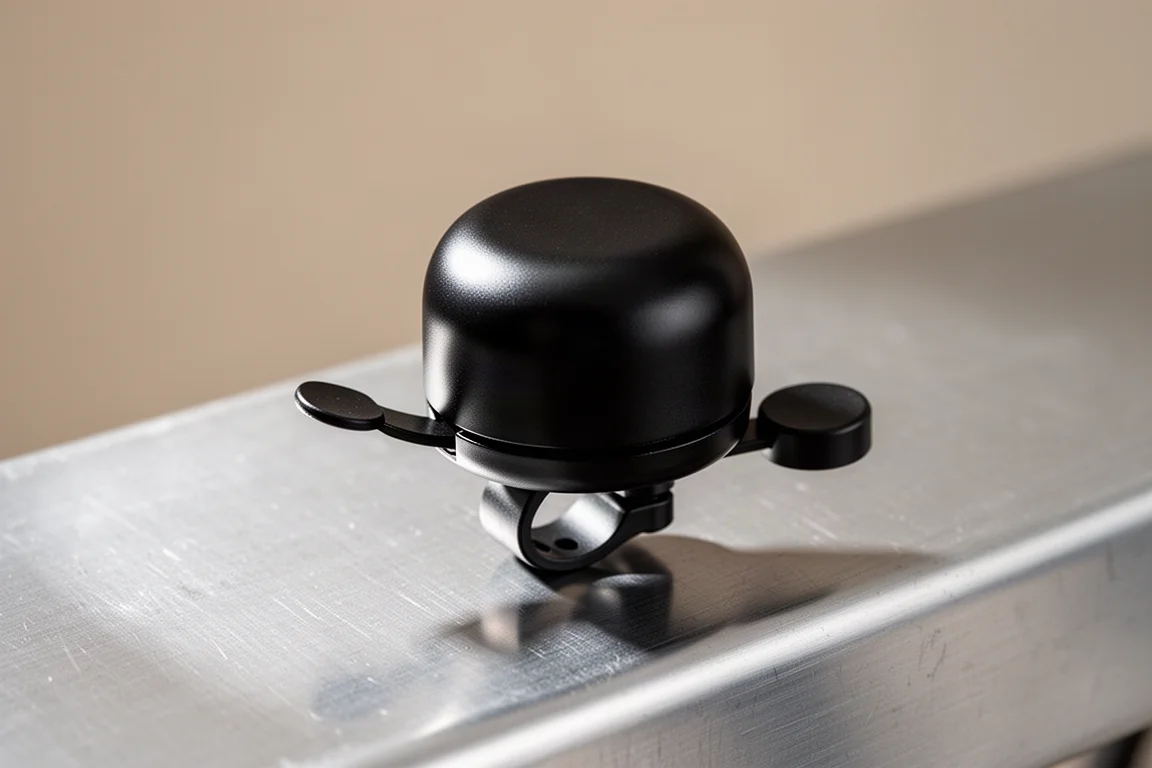
Small Details: Knog Oi Prima Bell
The Knog Oi Prima is a redesigned version of the Oi Classic bell. It sits very low profile on the bar and makes a strong, clear sound, which is exactly what a bell needs to do on shared paths and busy lanes.
Buying Advice: How to Prioritize a Touring Setup
The order that made sense on this trip was shelter first, then luggage, then everything else. A tent that keeps you dry and a luggage system that does not fight you every time you pack are the two things that shape how a long tour actually feels.
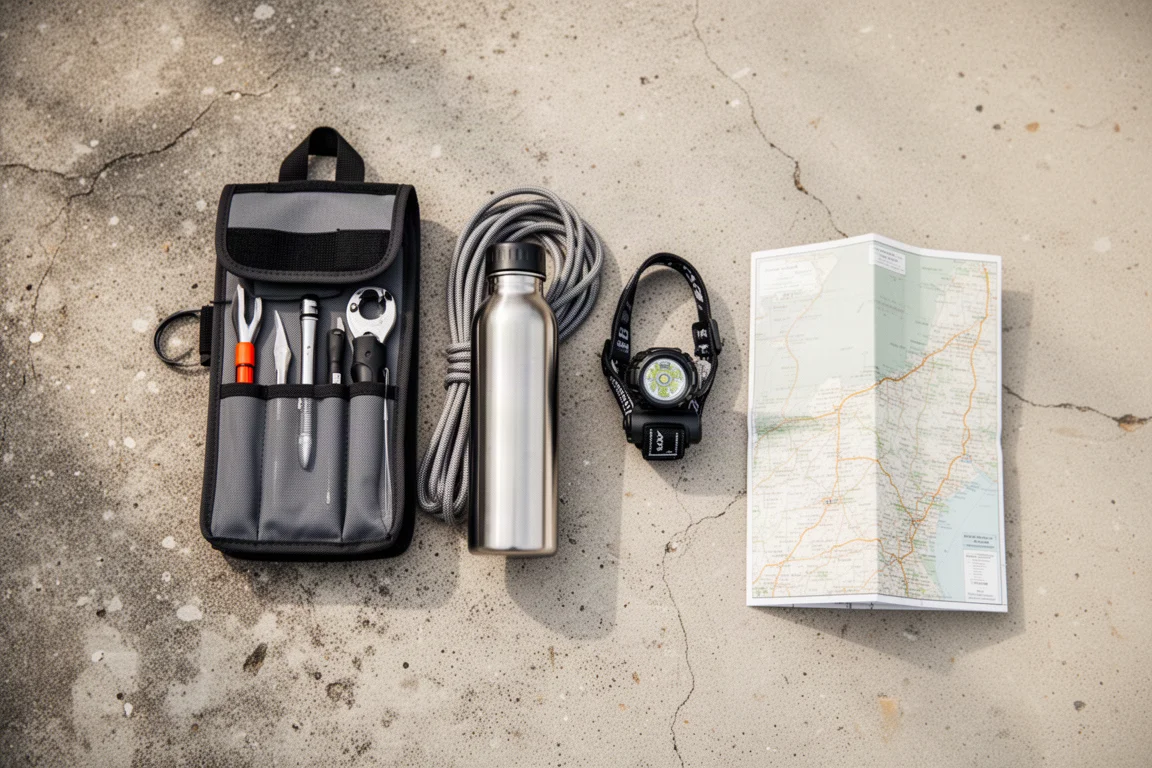
Navigation sits in the next tier. A device that runs for a month without a charger removes a genuine logistical problem, and it keeps the phone free for the smaller jobs during the day.
Lighting and cooking follow closely. A rear light that survives daily daylight use and a stove that boils water in minutes are small items used constantly, so reliability counts for more than features.
Tyres and contact points are where comfort is decided. Wider tyres run at lower pressure, and a tubeless setup reduces the chance of a roadside stop. A saddle that suits you is worth more than any weight saving elsewhere on the bike.
Conclusion
None of this gear is exotic. The pattern across the whole setup is the same: items that are easy to load, easy to live with, and reliable over weeks rather than days.
The Basil Navigator panniers, the FreeLite 1, the Karoo 2, and the dynamo lighting all earned their place by being used hard and never becoming a problem. The lower-cost Koshi 3 and the G-One Speed tyres show that the sensible choice is not always the most expensive one.
Start with shelter and luggage, add navigation and lighting, and let the rest follow from how and where you actually ride.
Further reading
Related Reviews
Bike Packing Gear
Bike Packing Gear for Long Tours: 15 Picks From a Month on the Road
A month-long, 1,000-mile tour of France put luggage, shelter, navigation, lighting, cooking, tires, and clothing to the test. These are the pieces that held up.
Bike Packing Gear
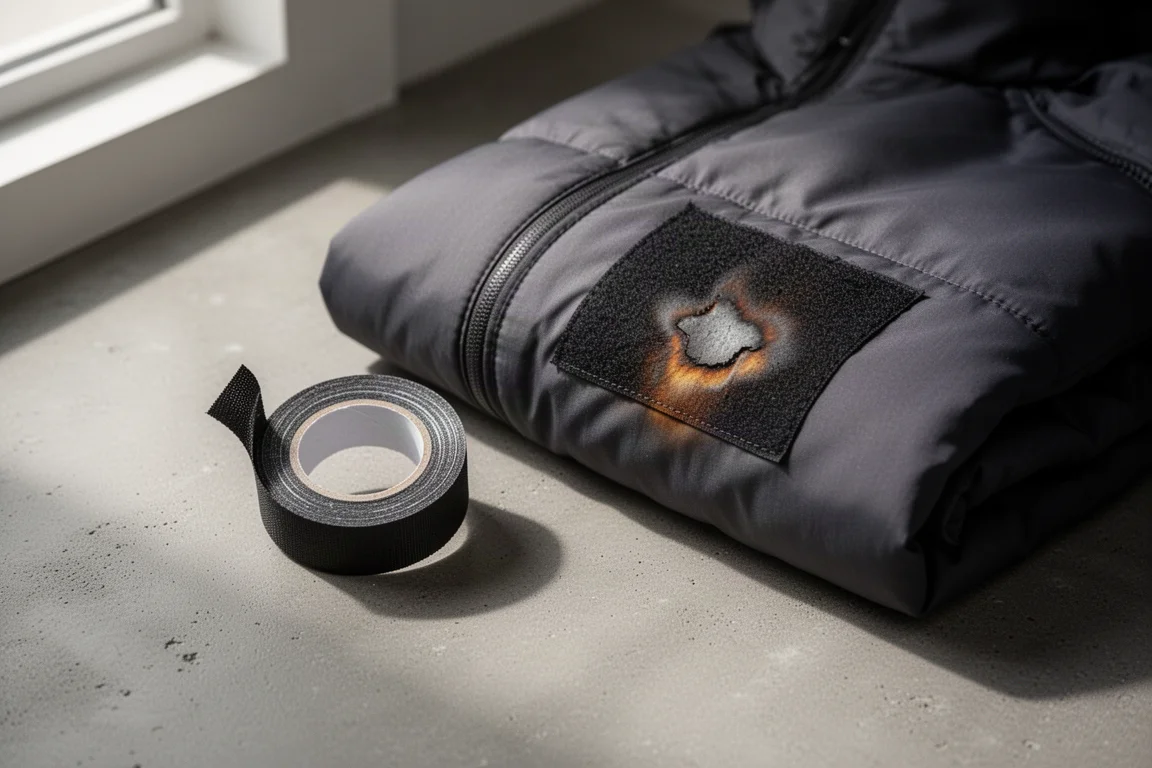
Tenacious Tape Review: The Fabric Repair Tape Worth Packing on Every Bike Trip
A practical look at Tenacious Tape, the peel-and-stick fabric repair patch that keeps jackets, bivvy bags and tents usable when gear fails far from home.
Gravel Bikes
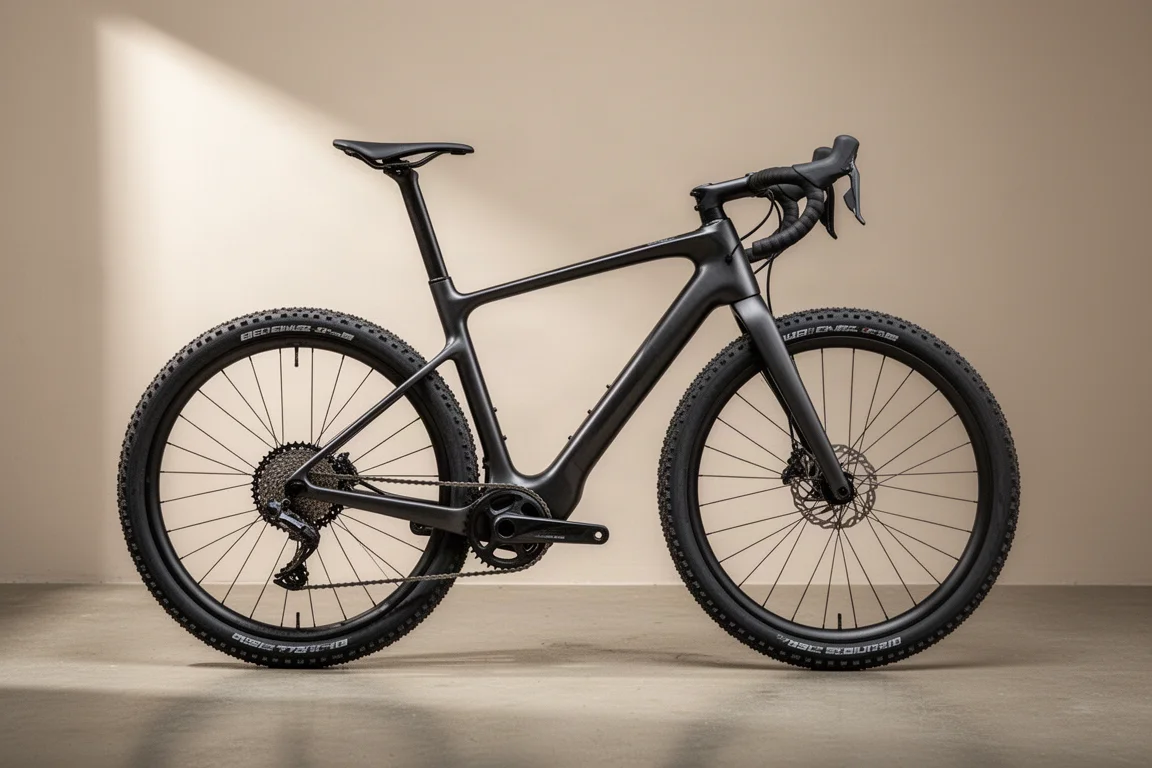
51 Assassin Review: A Carbon Gravel Adventure Bike Built Around Adjustable Geometry
The 51 Assassin pairs progressive, long and slack gravel geometry with flip chips at both the fork and the rear dropout. Here is how it rides, what it weighs, and who it suits.