Bike Packing Gear
Bike Packing Gear for Long Tours: 15 Picks From a Month on the Road
A month-long, 1,000-mile tour of France put luggage, shelter, navigation, lighting, cooking, tires, and clothing to the test. These are the pieces that held up.
Introduction
A month of loaded touring across France, covering close to 1,000 miles, is a hard test for bike packing gear. Kit that looks clever in a shop has to survive rain, heat, constant packing and unpacking, and long days in the saddle. This list covers the luggage, shelter, navigation, drivetrain, lighting, cooking, tire, and clothing choices that held up over that distance, along with the trade-offs worth knowing before you buy.
The route ran from the Alps to Normandy, taking in the women’s Tour de France on the Col de la Madeleine, then north from Lyon along the Saône towards Dijon through vineyards and 40°C afternoons, before a final 100-mile day into Orléans. That mix of mountain weather and summer heat is exactly why the picks below matter more than a spec sheet.
How This Gear List Was Put Together
Every item here earned its place on one long tour rather than in a workshop. The priorities were straightforward: dependable over a full month, easy to live with when you are tired, and light enough that a fully loaded bike still climbs well.
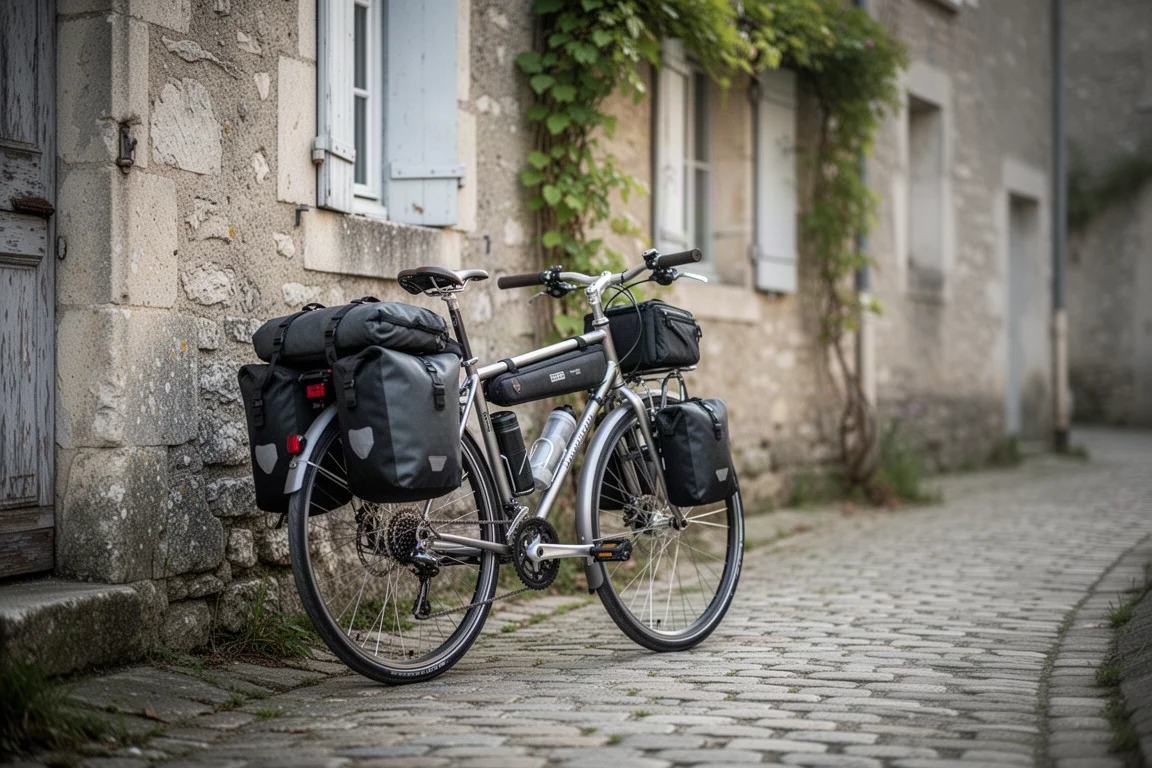
A few popular categories did not make the cut. Large saddle bags, for instance, are awkward to load and unload, they can sway as you pedal, and that movement can rub paint away on the frame and seat post unless both are protected with thick tape. They remain a sensible choice for lightweight trips and for performance bikes that have no rack mounts, and they are more aerodynamic, but for a month of touring a bolted rack and panniers proved easier to live with.
Basil Navigator Pannier Bags
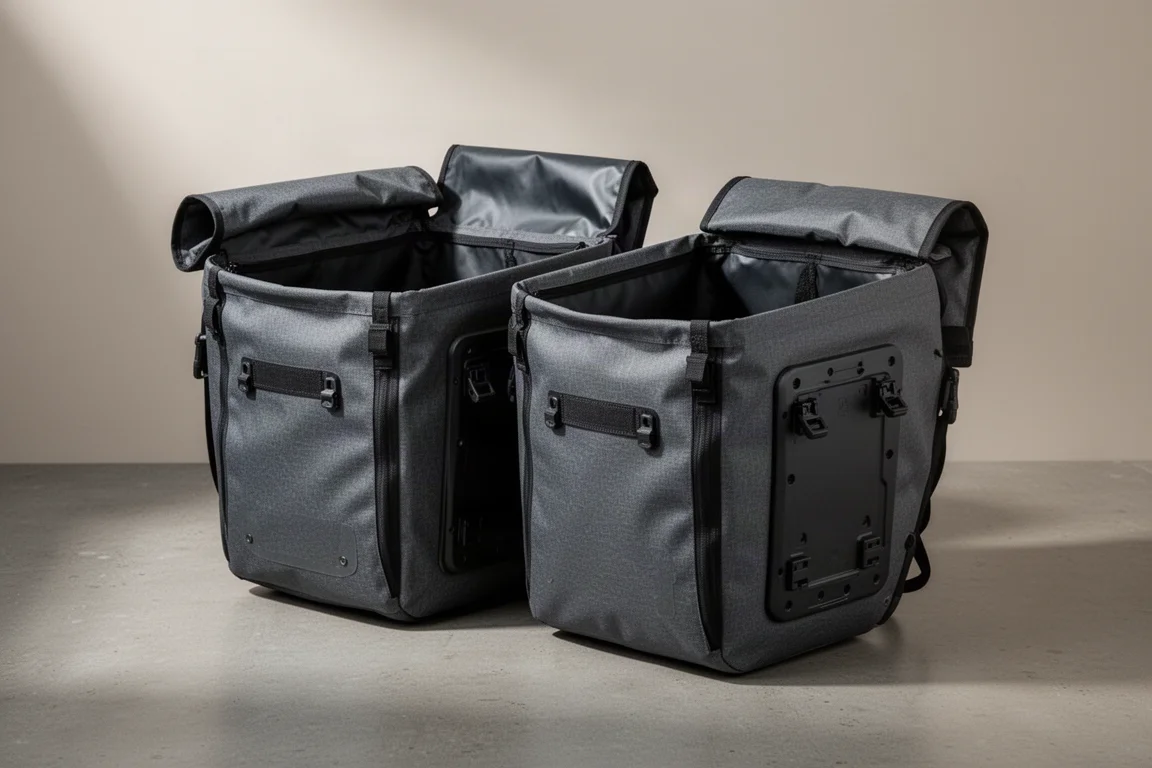
Rack-mounted panniers removed most of the daily friction of a saddle bag. The Basil Navigator bags are top-loading, so you can pack and unpack without pulling everything out to reach whatever ended up at the bottom, and they need no constant adjustment. They slide on and drop onto the rack, with a plastic clip turned for extra security.
Capacity is generous at up to 31 L, the construction is fully waterproof, and each bag is rated to carry up to 60 lb. One plastic clip did break during the trip, although replacements are available, and it may have been caused by the mounts not being set up perfectly at the start.
MSR FreeLite 1 Tent
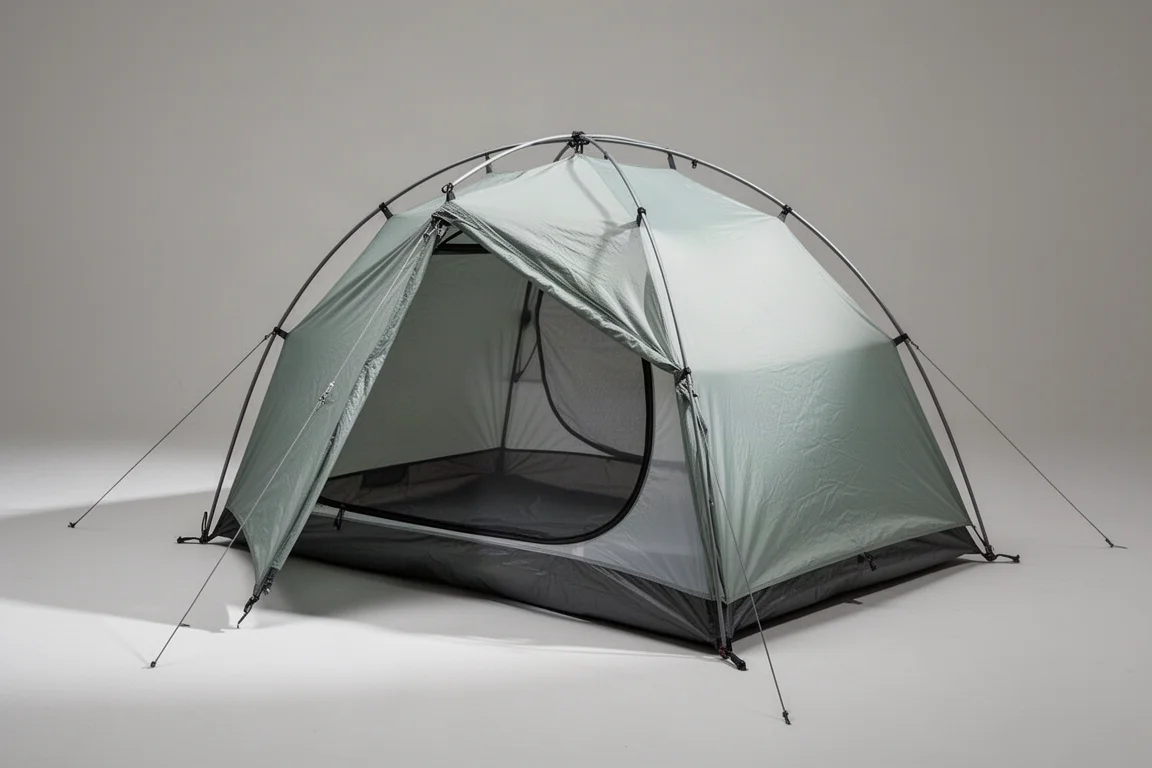
A safe place to sleep matters more than fast tires or an advanced computer on a solo trip. The MSR FreeLite 1 weighs just 750 g, which is remarkable for a three-season tent, and that low weight was the main reason for choosing it on a route with real climbing. The trade-off is that the outer material does not fully cover the tent body, so protection is lighter than on slightly heavier designs.
Over the first six nights, including a wet opening evening, the inside stayed dry, and the all-mesh body delivered excellent ventilation with no condensation noticed. Two internal mesh pockets kept small items organised, and pitching and packing were quick thanks to a single main pole plus a small connector pole at the top.
Worth knowing: a two-person Wild Country Koshi 3 used previously cost much less, around £120 back in 2017, and was a more robust tent even though both are rated for three seasons. That gap is the one to weigh if wind and rain are likely, because the FreeLite’s lightweight construction could put off less experienced bike packers in rough weather.
Karoo 2 GPS
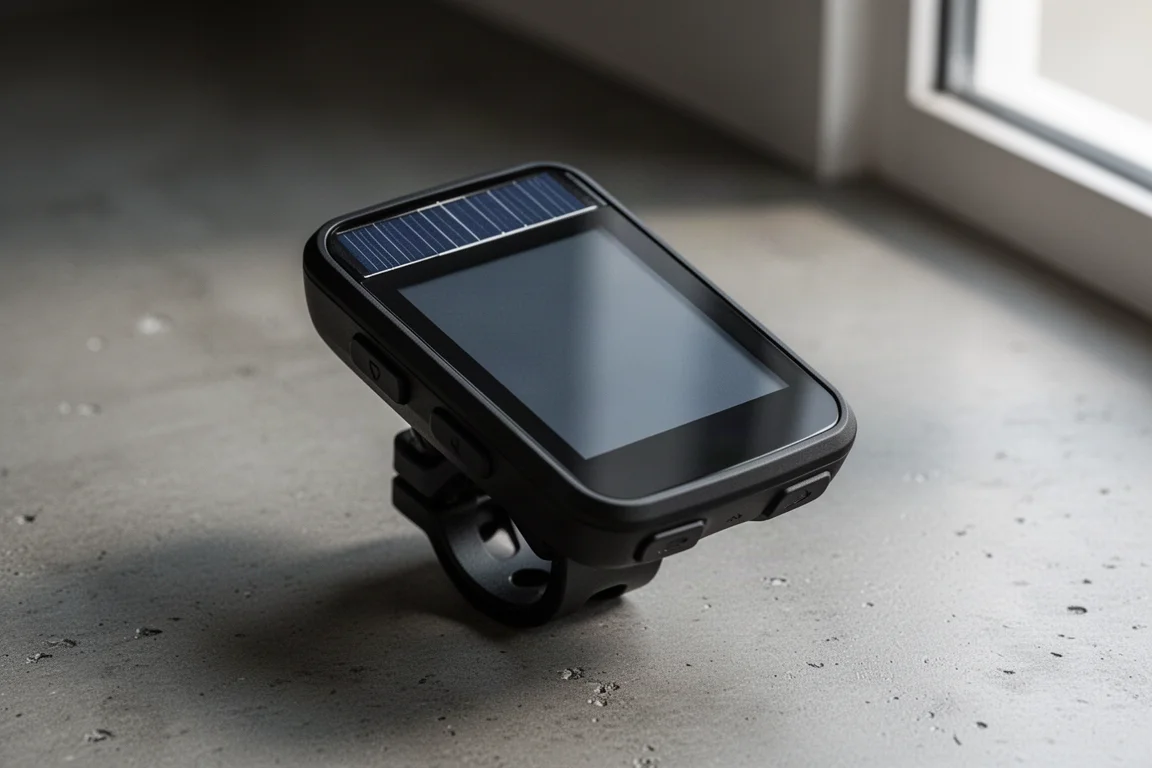
The Karoo 2 is a strong fit for touring and bike packing, largely because of the solar panel on top that tops up the battery as you ride. That sounds like a gimmick until you try it: the device completed the entire month-long trip without a single charge, finishing with around 1% remaining.
Importing a GPX route into the companion app and sending it to the device is simple and intuitive, and you can switch routes without ending the recording partway through a ride. At around $250 or £250 it costs meaningfully more than relying on a smartphone, but keeping navigation separate preserves phone battery for finding the next bakery.
Genesis Croix de Fer 50
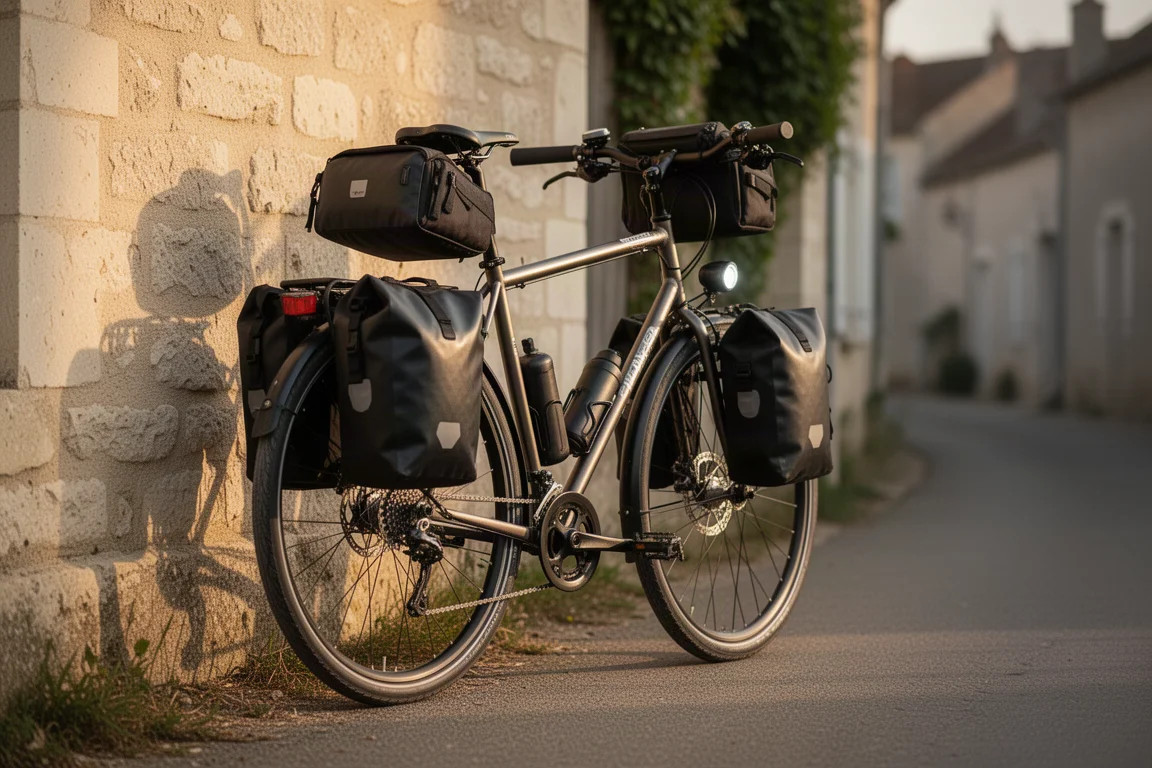
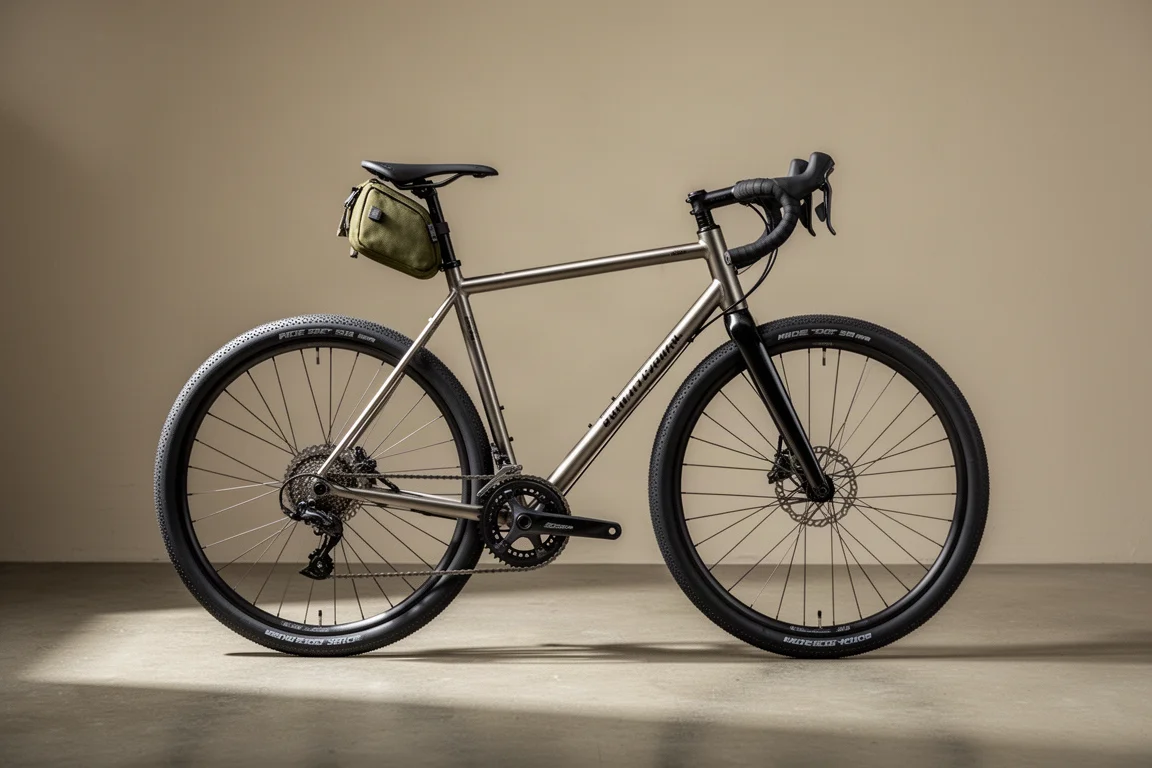
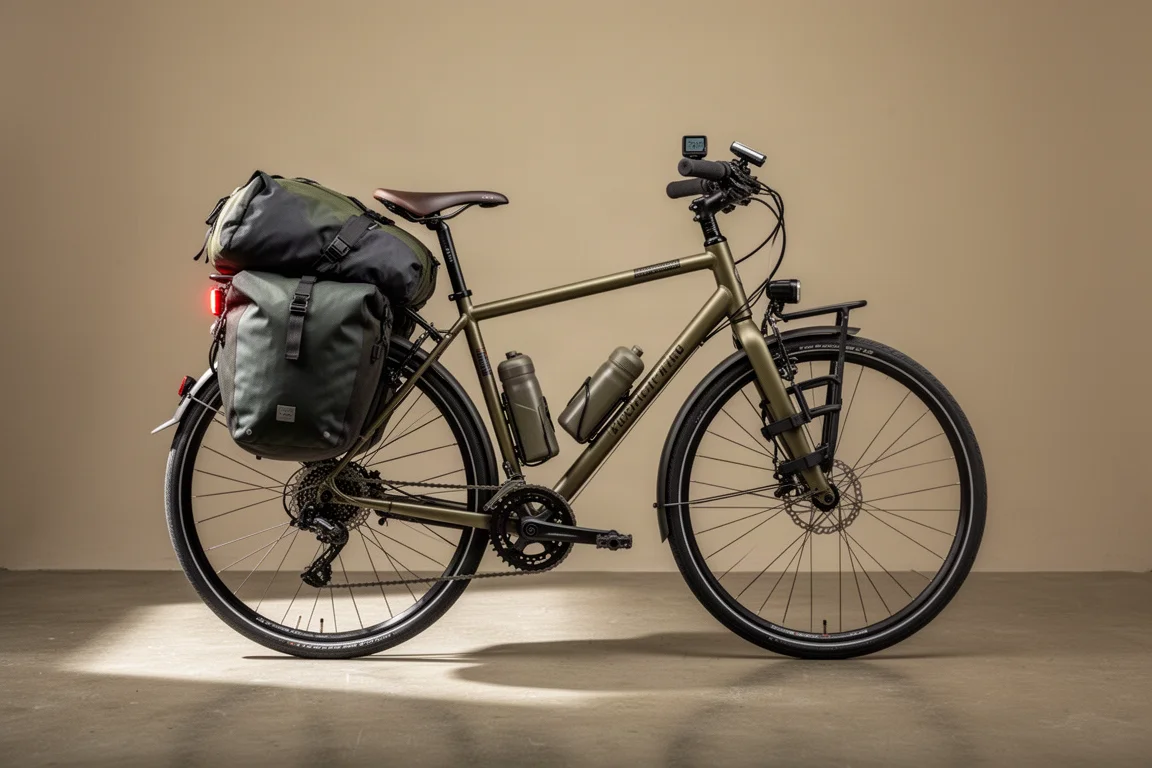
The bike underneath all of this was a Genesis Croix de Fer 50, built from Reynolds 853 steel with a carbon fiber fork. The geometry has always felt right on this platform, and it is set up here quite differently from previous outings. It will never be as quick as a carbon endurance bike, but speed is not the point.
Gearing was the first change. The 31-tooth front chainring stayed, while the cassette moved from 11-34 to an 11-40, giving a noticeably lower climbing gear. Tire clearance is another reason the frame works for touring: this model is a few years old, yet it still takes 45 mm at the rear and 40 mm up front when mudguards are not fitted.
Shimano M7000 SLX Cassette
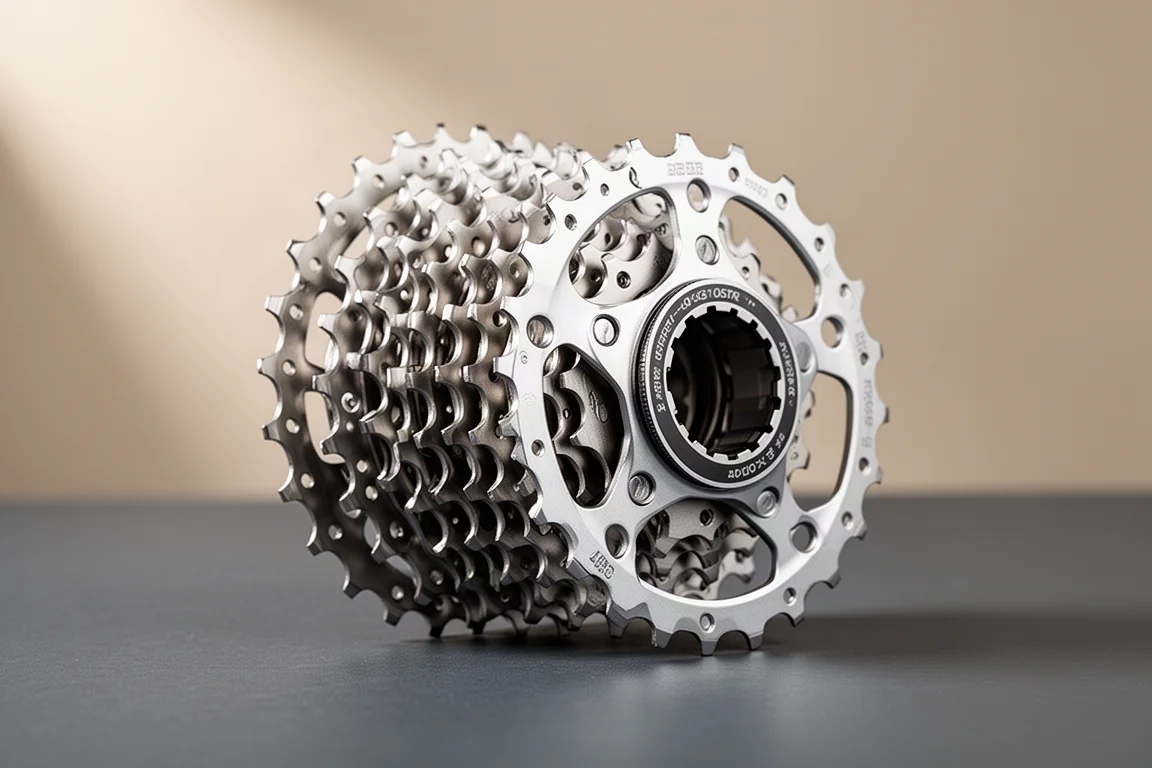
Swapping to the M7000 SLX cassette in 11-40 was the cheapest way to buy a lower gear without touching the front chainring. The rear derailleur had no trouble reaching the large cog, so the change required no other parts.
The honest trade-off is refinement. Shifting is not quite as smooth as it was with the original 11-34 cassette, which is a fair price for easier climbing on a loaded bike. If you run a 1x setup and want a wider range for touring, this is a simple and affordable route.
WTB Gravelier Saddle
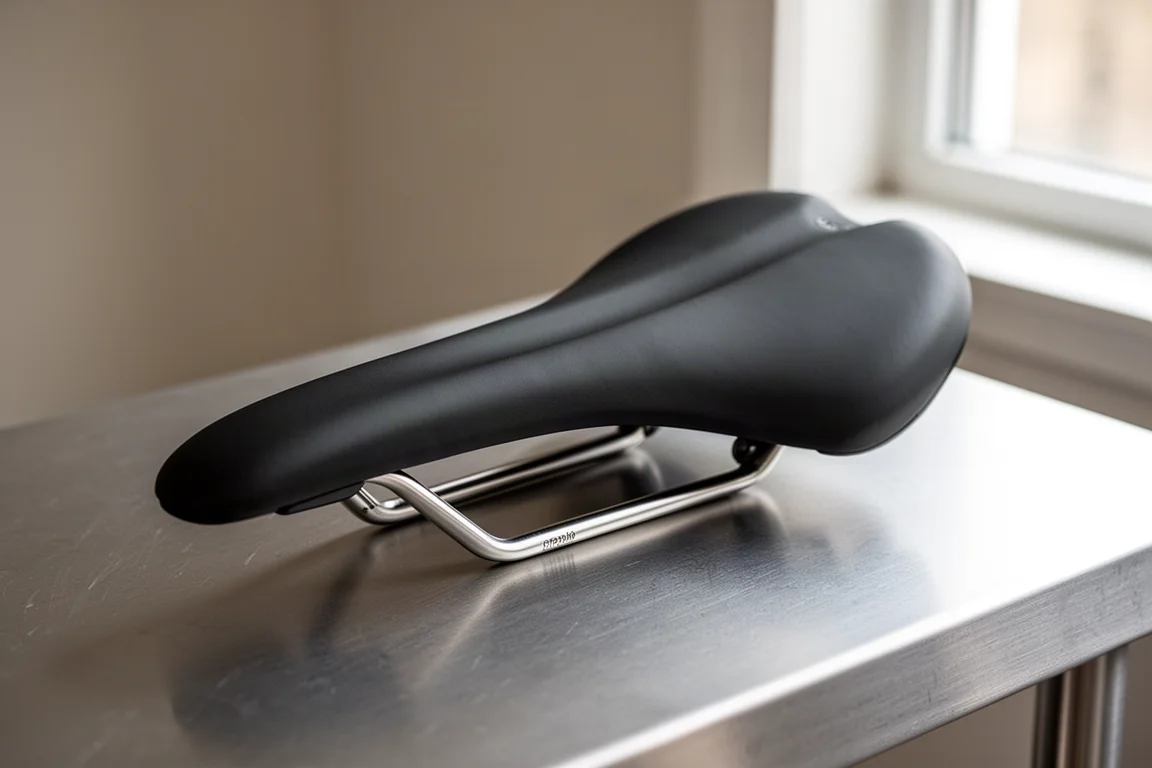
Long touring days put saddle choice near the top of the list, and the WTB Gravelier was the most comfortable option available for this kind of riding. It stayed comfortable across mountain climbs, long flat river valleys, and repeated days of four or more hours in the saddle.
Comfort is personal, so a saddle that suits one rider may not suit another, but for mixed-surface touring this one did its job without complaint. If you are planning a long trip, it is worth settling on a saddle well before you leave rather than during the first week.
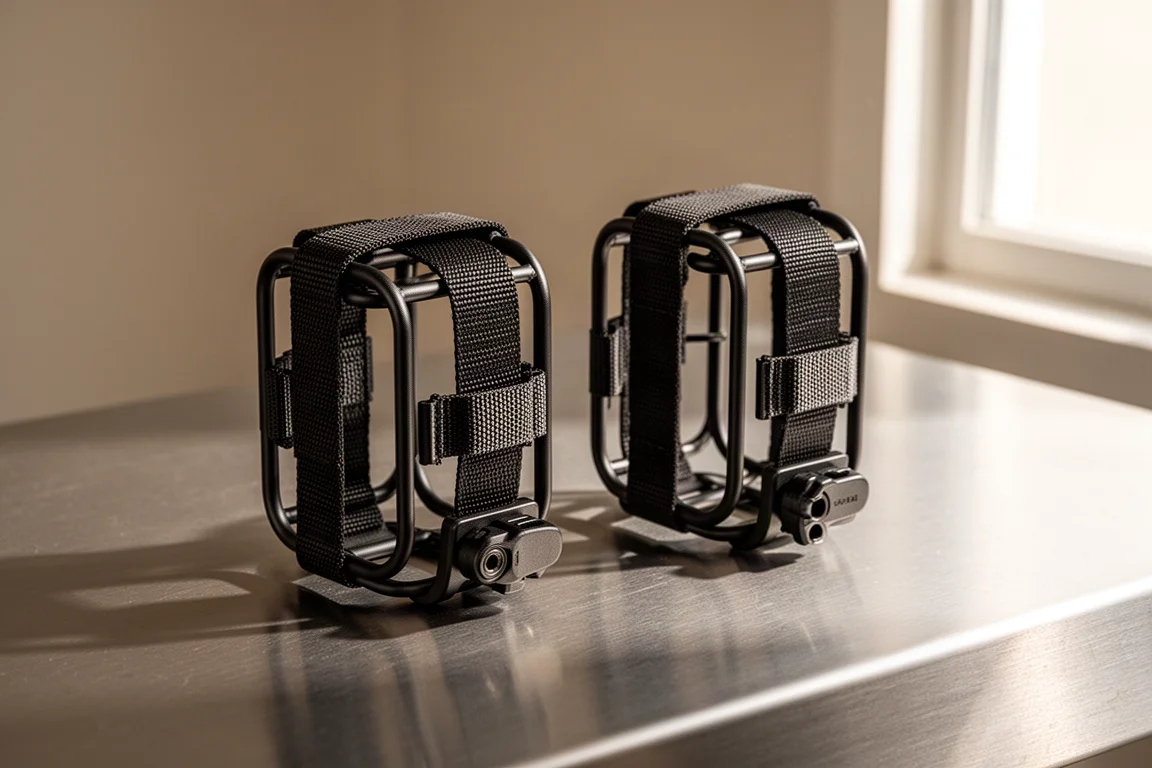
Tailfin Cargo Cages
Fork-mounted Tailfin cargo cages were the simplest way to increase luggage capacity without changing how the bike handled. They add usable space for light, bulky items and keep weight low and spread across the bike rather than stacked high on the rear rack.
For riders already carrying panniers, cages on the fork are a practical way to spread the load further. They suit bikes with fork mounting points, and they pair well with a compact shelter and sleeping setup.
Knog Blinder Link Rear Light
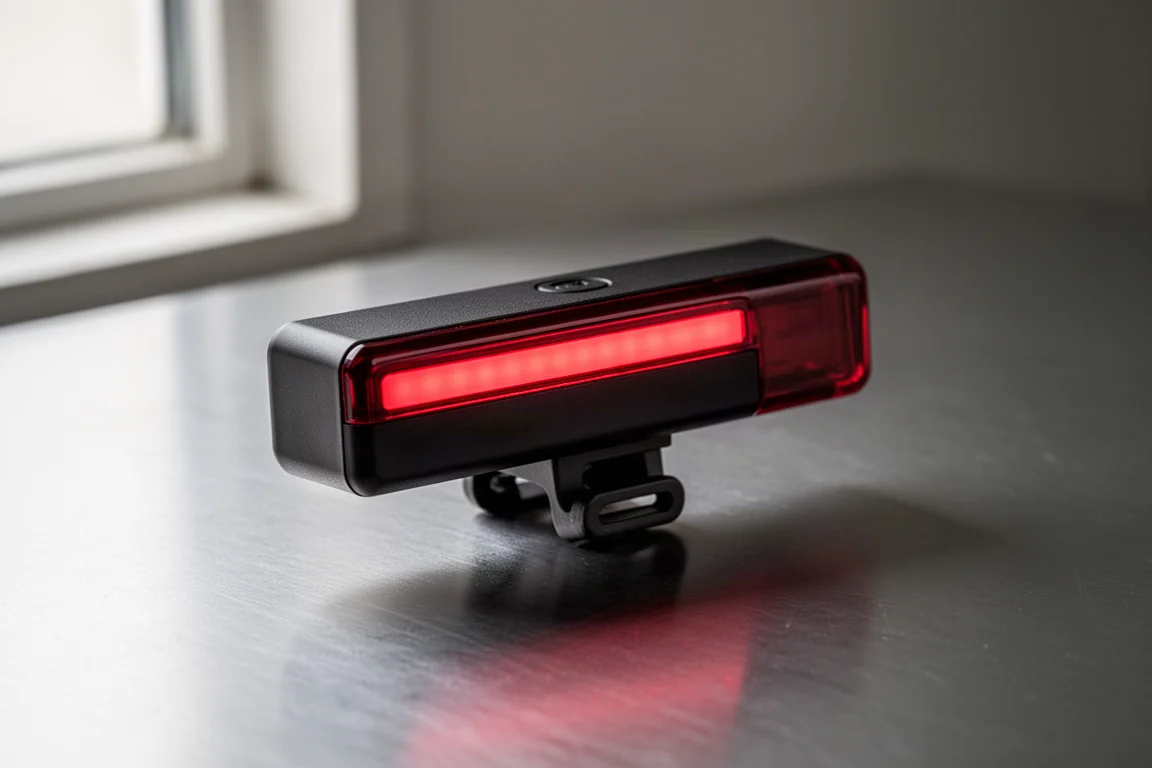
Daytime lighting matters on tour, and the rack-mounted Knog Blinder Link rear light never ran out of battery over the whole month. It was switched on for hours every single day, which is exactly the kind of use that exposes a weak battery.
The manufacturer quotes 50 hours in eco flash mode. The light appeared to last even longer than that, although that could not be confirmed precisely. Either way, a rear light that survives a full tour without charging is a genuinely useful piece of kit.
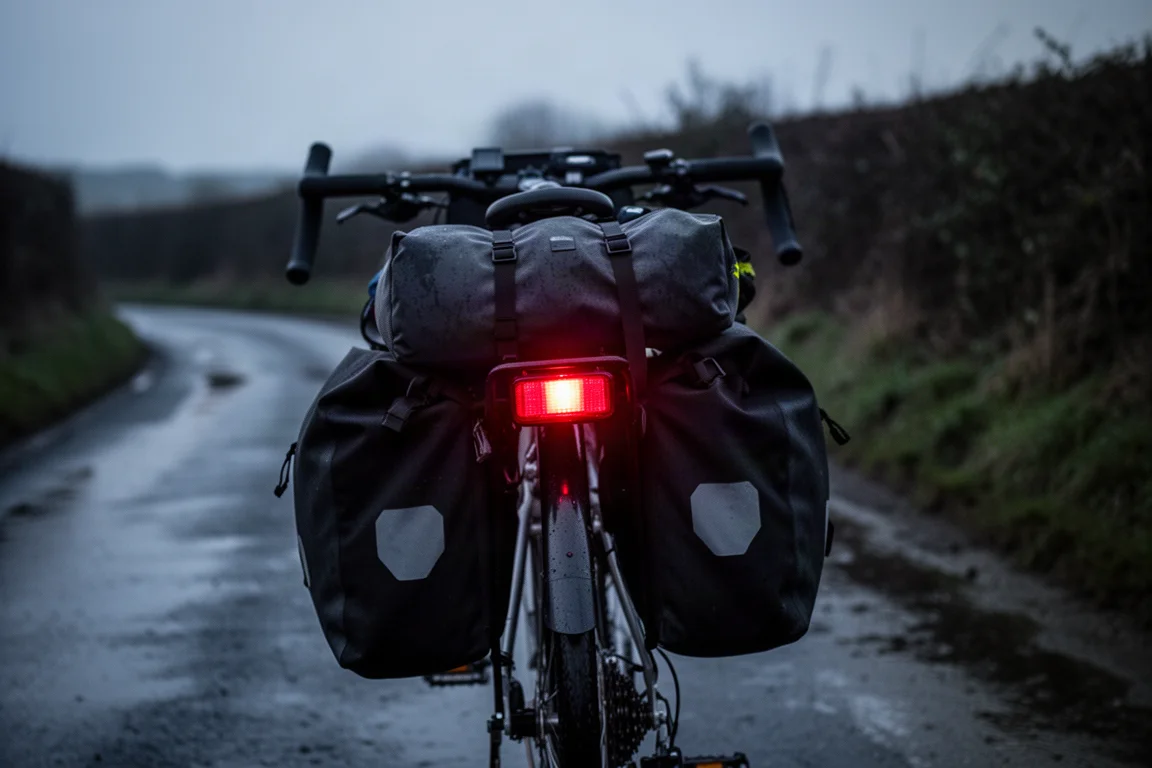
Rack mounting is the other advantage: the light sits out of the way, stays visible from behind, and does not interfere with luggage or a saddle bag. Runtime will vary with the flash mode you choose, so it is worth planning around the brighter settings if you ride long days.
Exposure Revo Front Light
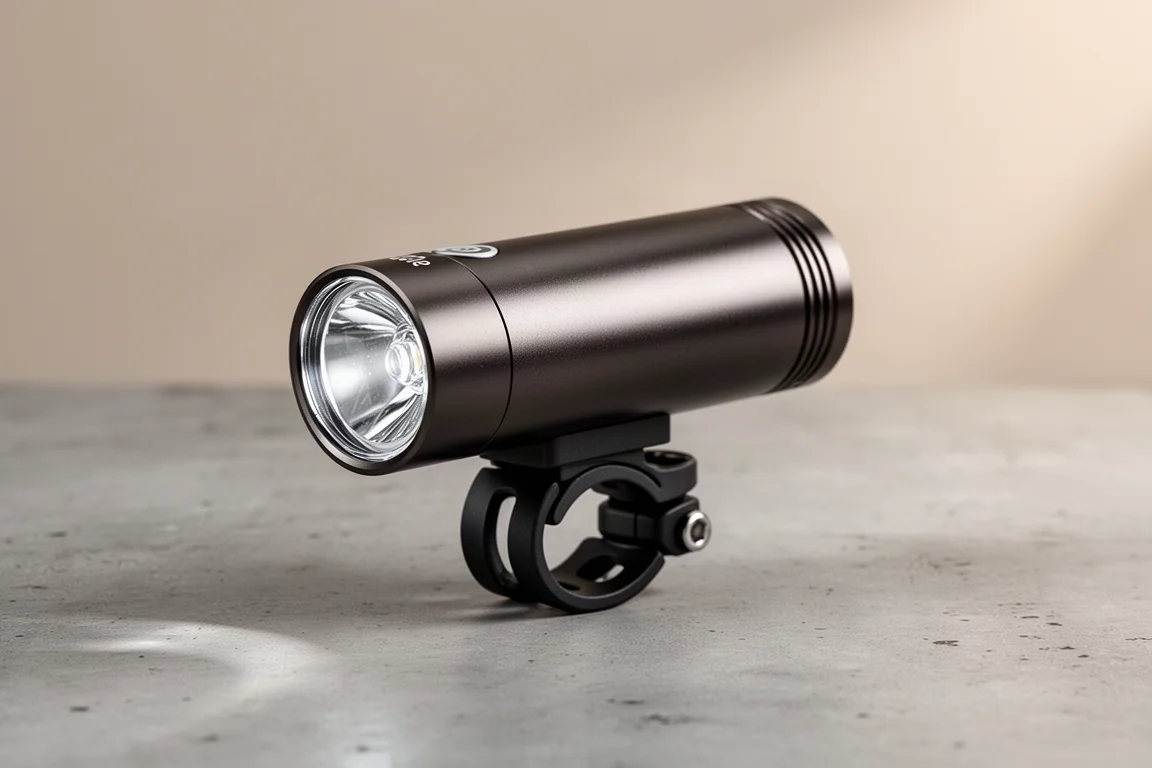
Up front, the Exposure Revo has been the go-to light for every winter and every long trip since 2019, and it has not caused a single problem in that time. It is connected to a SON Delux dynamo hub, so there is nothing to charge and nothing to remember before a ride.
The design is relatively basic compared with battery-powered lights, and that simplicity is the appeal. It is, in a word, bombproof, which is the quality that matters most when you are riding day after day in unfamiliar places.
SON Delux Dynamo Hub
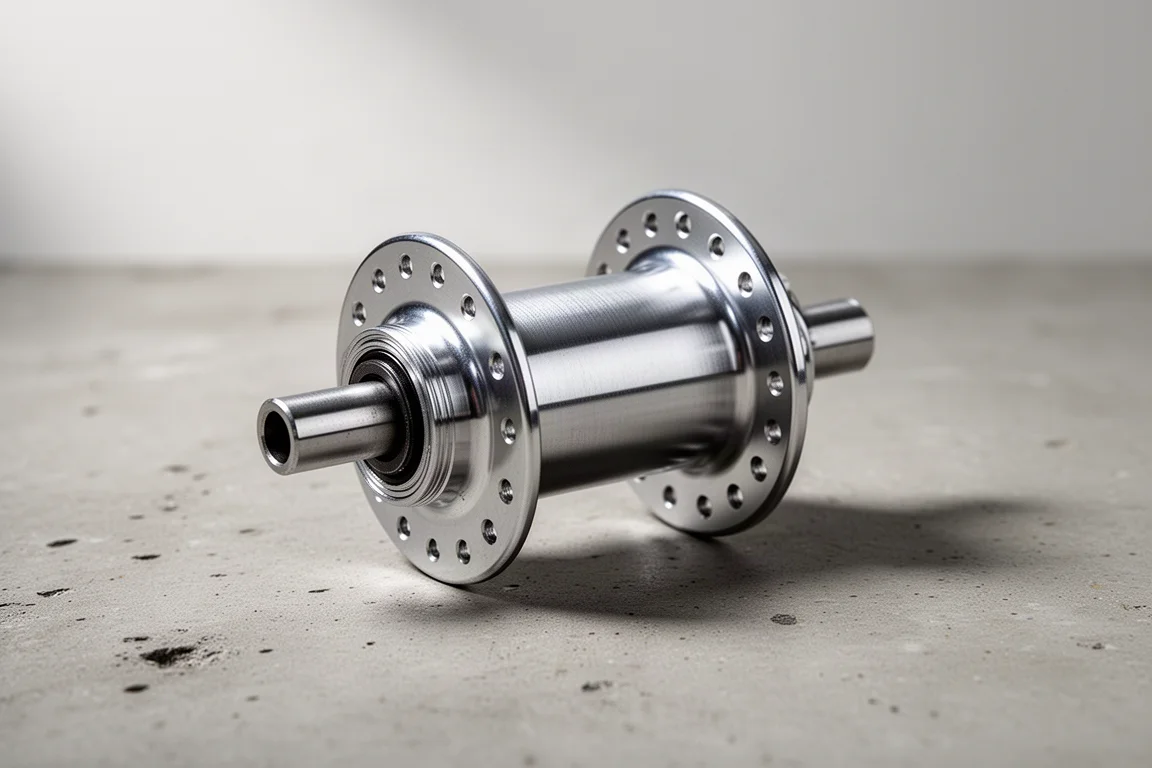
The SON Delux dynamo hub is the other half of that lighting setup, generating power as the wheel turns so the front light runs whenever the bike is moving. Paired with the Exposure Revo, it has covered years of winter riding and long tours without issue.
For anyone building a bike for loaded travel, a dynamo hub removes an entire category of worry: no charging, no spare batteries, and no dimming on a long day. It does mean committing to a dynamo-compatible light and a wheel build around it, which is worth planning before you order.
Primus Lite Plus Stove System
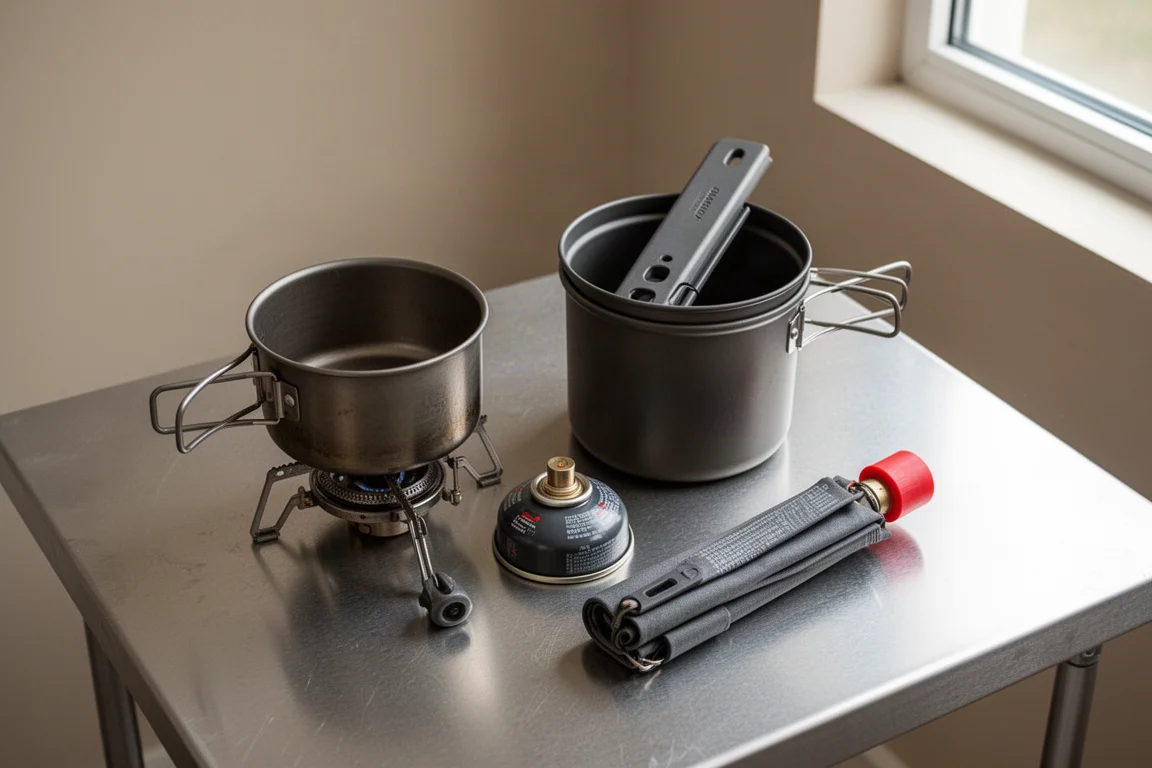
A good stove is close to essential if you plan to camp, because hot food and drink change the mood of a long day. The Primus Lite Plus bike packing stove system is compact enough to fit inside a fork bag, and its parts pack down inside the pot to save space.
Water heats quickly, with half a litre boiling in under three minutes. A push-button ignition means no lighter or matches are needed, and the optional coffee press is made specifically for the pot size, breaking down to store inside it when not in use. It suits solo trips, and it handles basic cooking for two reasonably well.
Schwalbe G-One Speed Tires
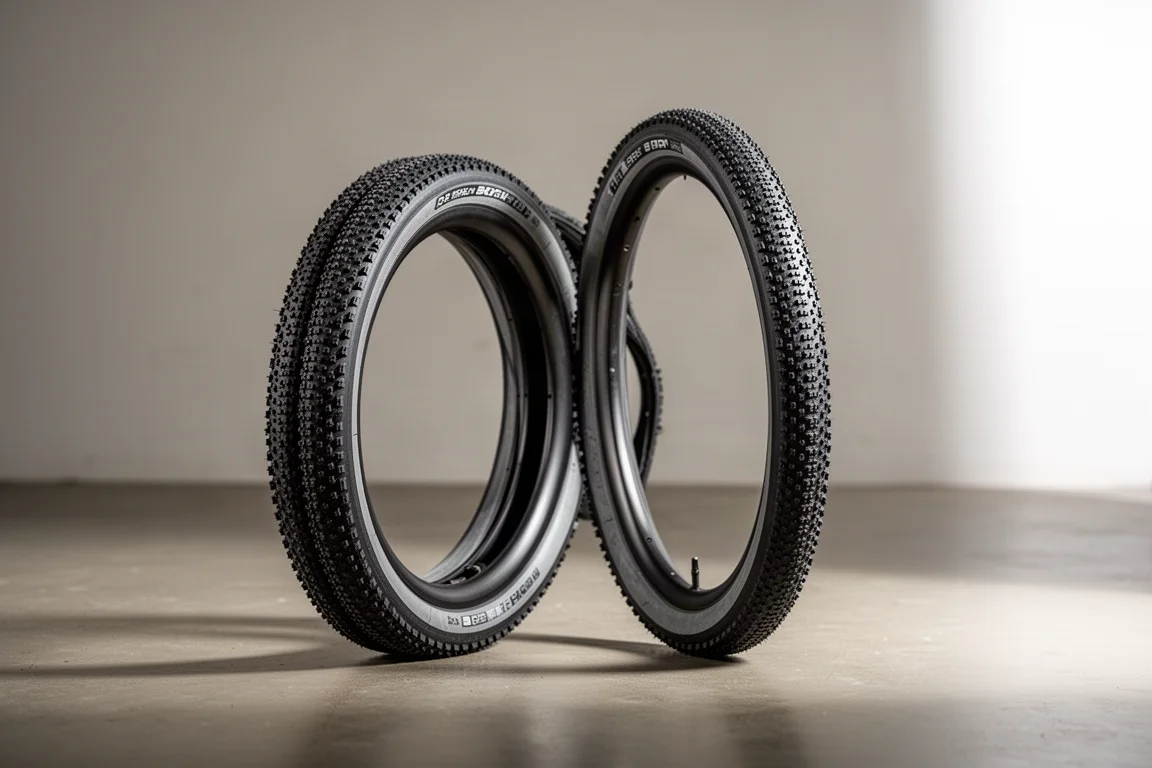
The headline result for tires was zero punctures across the entire trip, and that was not purely luck. The Schwalbe G-One Speed is close to a slick gravel tire, fitted here in 38 mm, which sounds too wide for mostly road riding but allowed lower pressures and a more comfortable ride.
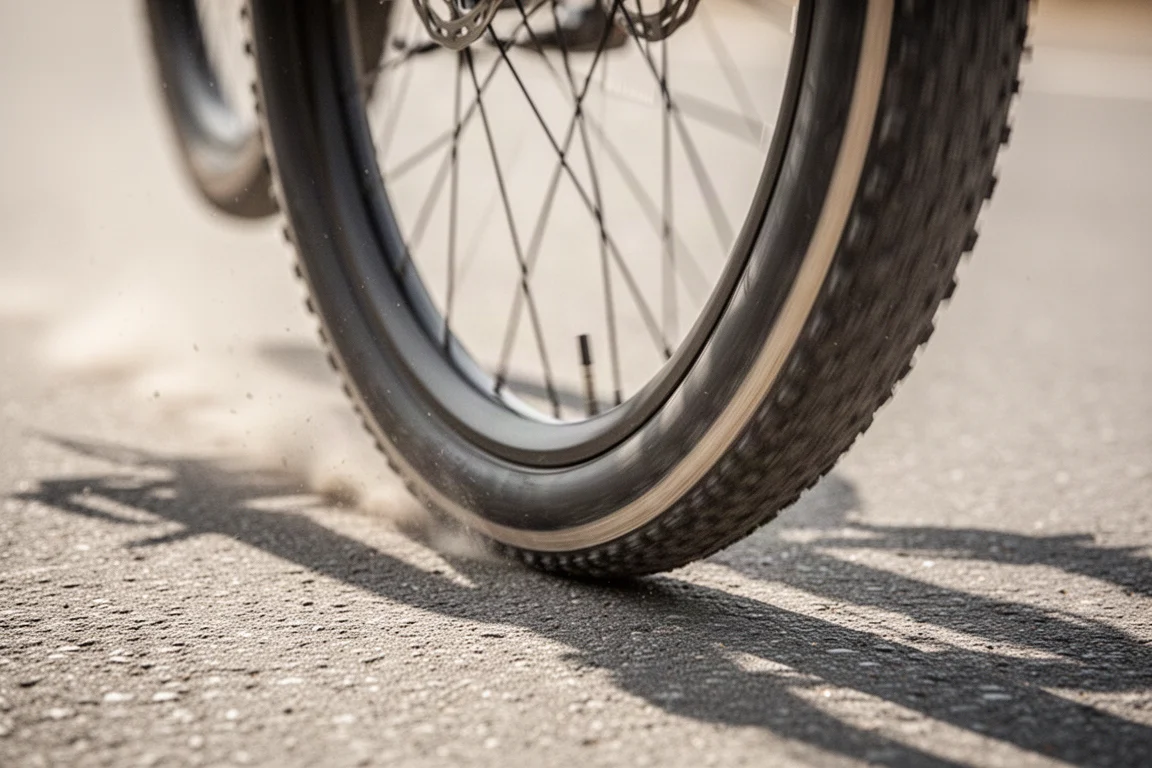
Running them tubeless helped twice over: it reduced the risk of pinch flats and added puncture resistance. The alternative, a heavier touring tire such as the Schwalbe Marathon Plus, can make a bike feel slow, so this was a deliberate compromise between comfort and speed.
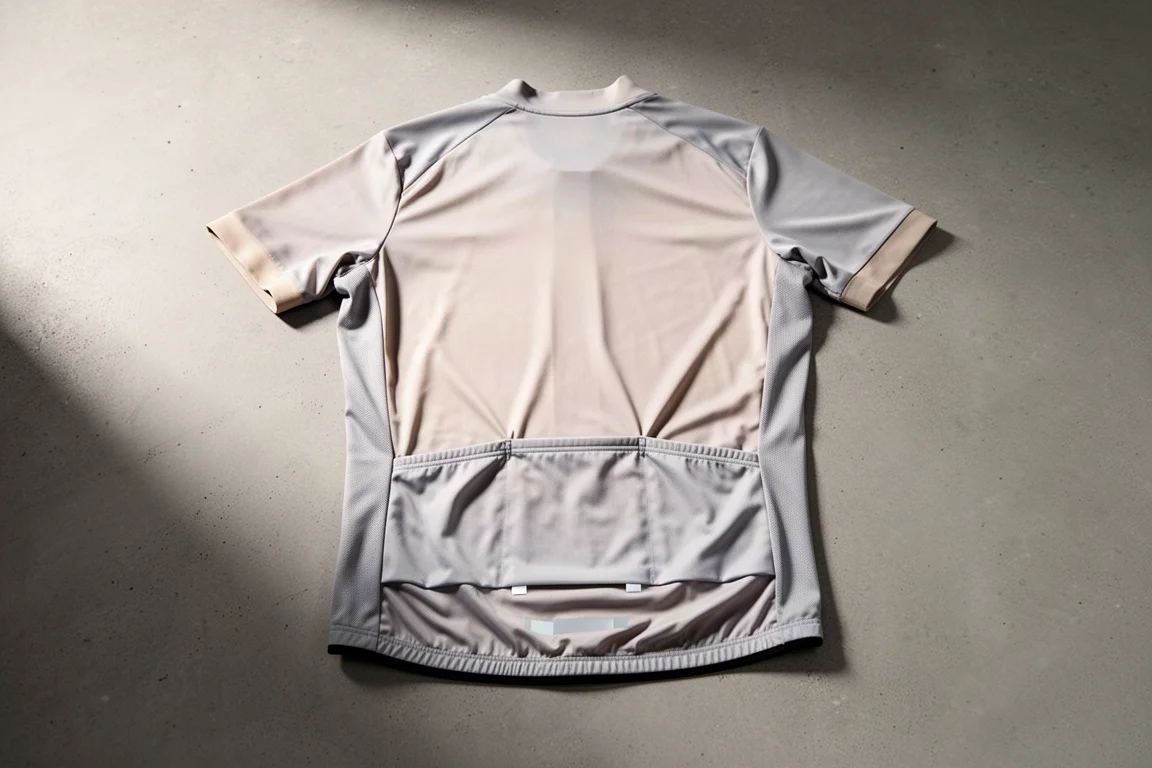
Pedaled Delta Jersey
Riding in serious heat is hard work, and the Pedaled Delta jersey was the piece that made 40°C days more manageable. It is very thin and highly breathable, built with Polartec Delta fabric designed to aid evaporation and cooling.
For summer touring, that combination of light fabric and airflow matters more than pockets or race styling. It packs small, dries quickly in warm air, and works well as part of a minimal kit.
Pedaled Odyssey Shorts
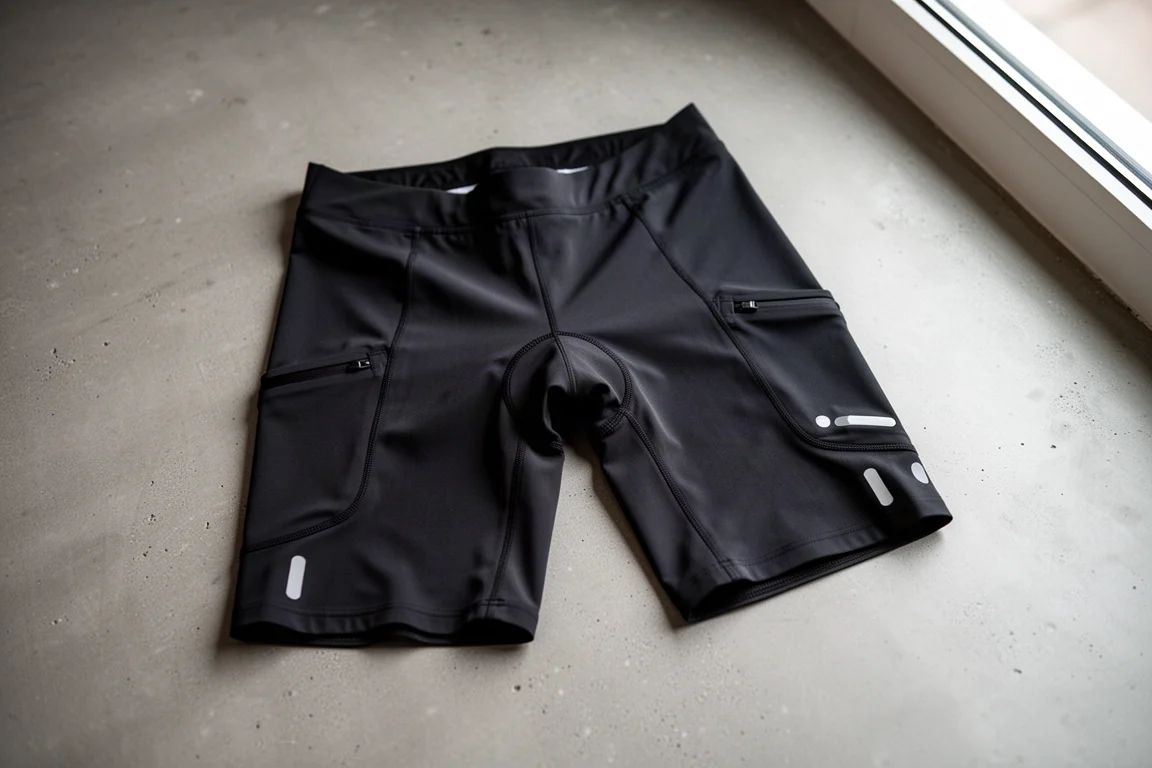
The Pedaled Odyssey shorts were the other standout from the summer kit: extremely comfortable over long days, with plenty of pockets and reflective logos for visibility. The pockets are the detail that makes them genuinely useful on tour, since food, a phone, and a route note often need to be within reach.
Together with the Delta jersey, they formed a summer bike packing kit that handled heat well and stayed comfortable from morning to evening.
Knog Oi Prima Bell
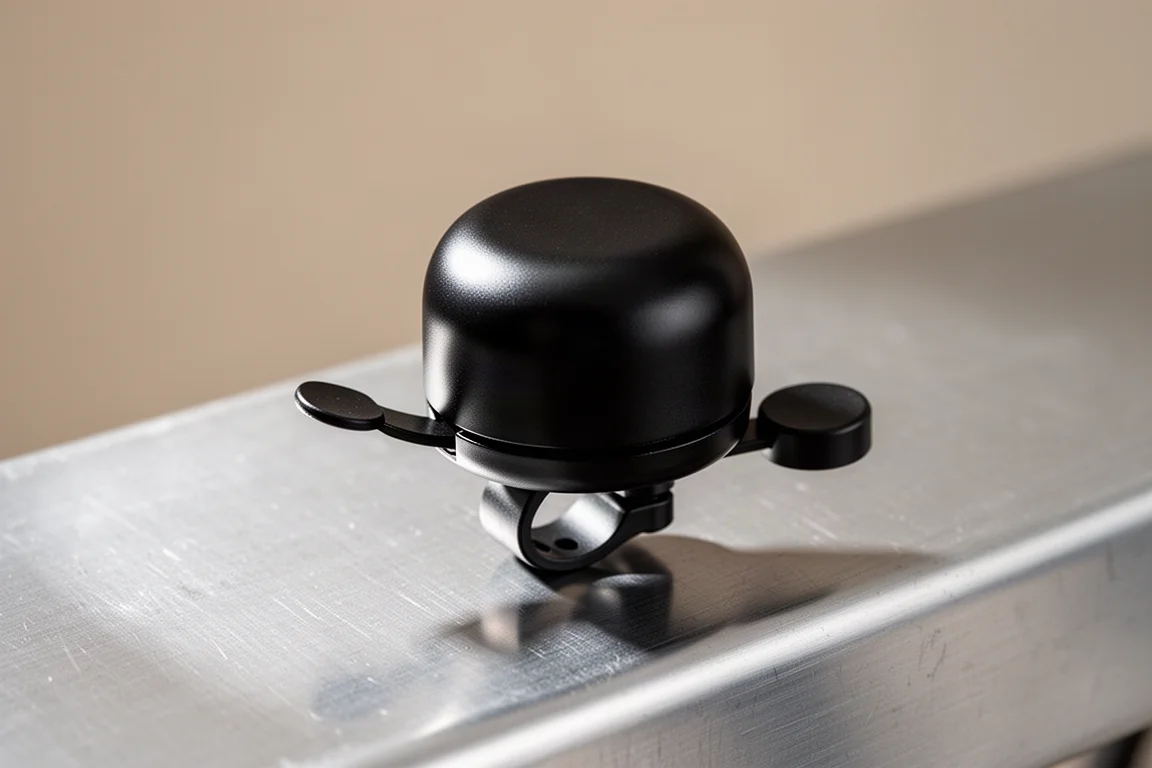
A bell is a small item that earns its place on busy paths and shared roads. The Knog Oi Prima Bell is a redesigned version of the Oi Classic, with a low-profile shape that keeps the handlebar clean and a sound that carries clearly.
It is a modest addition rather than an essential, but on long days through towns and along canal paths, a clear warning tone is worth having.
Overall Buying Advice
If there is one theme running through this list, it is that reliability beats specification on a long tour. A tent that stays dry, a light that never needs charging, a stove that boils quickly, and luggage you can open without unpacking it are all worth more than a weight saving or a headline number.
Start with the items that fail hardest when they go wrong: shelter, lighting, and luggage. Then look at comfort, which means tires, saddle, and clothing, because those decide whether day fifteen still feels enjoyable. Drivetrain changes such as a wider cassette are inexpensive and easy to reverse, so they are a sensible place to experiment.
Buy for the trip you are actually planning. A one-person, 750 g tent is a great match for solo travel on a hilly route, but it asks for some experience in wind and rain. A dynamo lighting setup takes planning but removes charging from your routine entirely. None of these choices are complicated for the sake of it, and each one solves a problem you will notice daily.
Conclusion
The best bike packing gear is the gear you stop thinking about. Over a month and close to 1,000 miles, the standouts here were the pieces that quietly worked: waterproof top-loading panniers, a tent that stayed dry in the rain, a GPS that never needed a charger, a rear light that lasted the distance, and a tire that finished without a single puncture.
Not everything has to be bought. A homemade neck and ear protector cut from a free T-shirt turned out to be one of the most appreciated items of the trip, which is a useful reminder that the best kit is whatever keeps you comfortable and riding.
Further reading
Related Reviews
Bike Packing Gear
Bike Packing Gear for Long-Distance Touring: 15 Picks That Earned Their Place
A month-long, 1,000-mile touring setup distilled into the gear that actually held up: luggage, shelter, navigation, lighting, cooking, and contact points.
Bike Packing Gear
Tenacious Tape Review: The Fabric Repair Tape Worth Packing on Every Bike Trip
A practical look at Tenacious Tape, the peel-and-stick fabric repair patch that keeps jackets, bivvy bags and tents usable when gear fails far from home.

Backpacking Gear
Building a 10 lb Base Weight: An Ultralight Backpacking Gear List
A practical walkthrough of the ultralight pieces behind a 10 lb base weight, from a 765 g pack and a roomy one-person tent to a full camp chair and a dependable water filter.